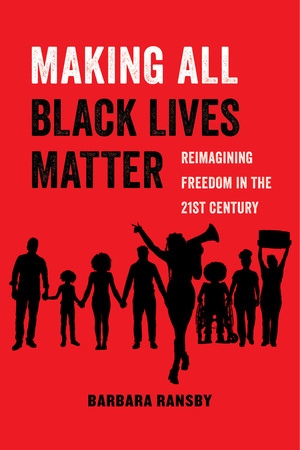
Book — Non-fiction. By Barbara Ransby. 2018. 240 pages.
"A love letter to the organizers in the Movement for Black Lives, and a tribute to their increasingly expansive vision."
Continue reading
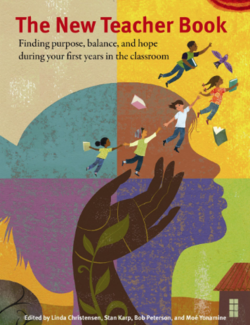
Teaching Guide. Edited By Linda Christensen, Stan Karp, Bob Peterson, Moé Yonamine. Rethinking Schools. 2019. 376 pages.
Offers practical guidance on how to flourish in schools and classrooms and connect in meaningful ways with students and families from all cultures and backgrounds.
Continue reading
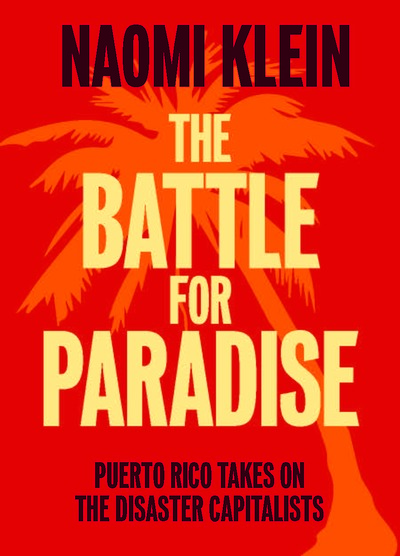
Book — Non-fiction. By Naomi Klein. 2018. 91 pages.
Post-Hurricane Maria, Puerto Ricans are engaged in a pitched struggle with "disaster capitalists" over how to remake the island.
Continue reading
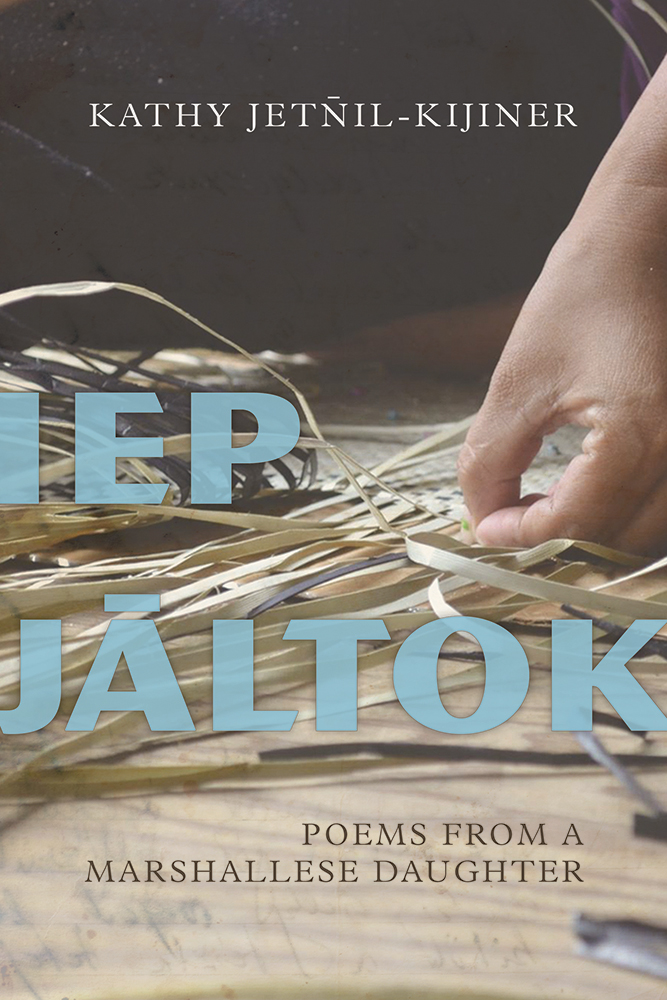
Poetry. By Kathy Jetñil-Kijiner. 2017. 90 pages.
Poetry reveals the traumas of colonialism, racism, forced migration, the legacy of American nuclear testing, and the impending threats of climate change.
Continue reading
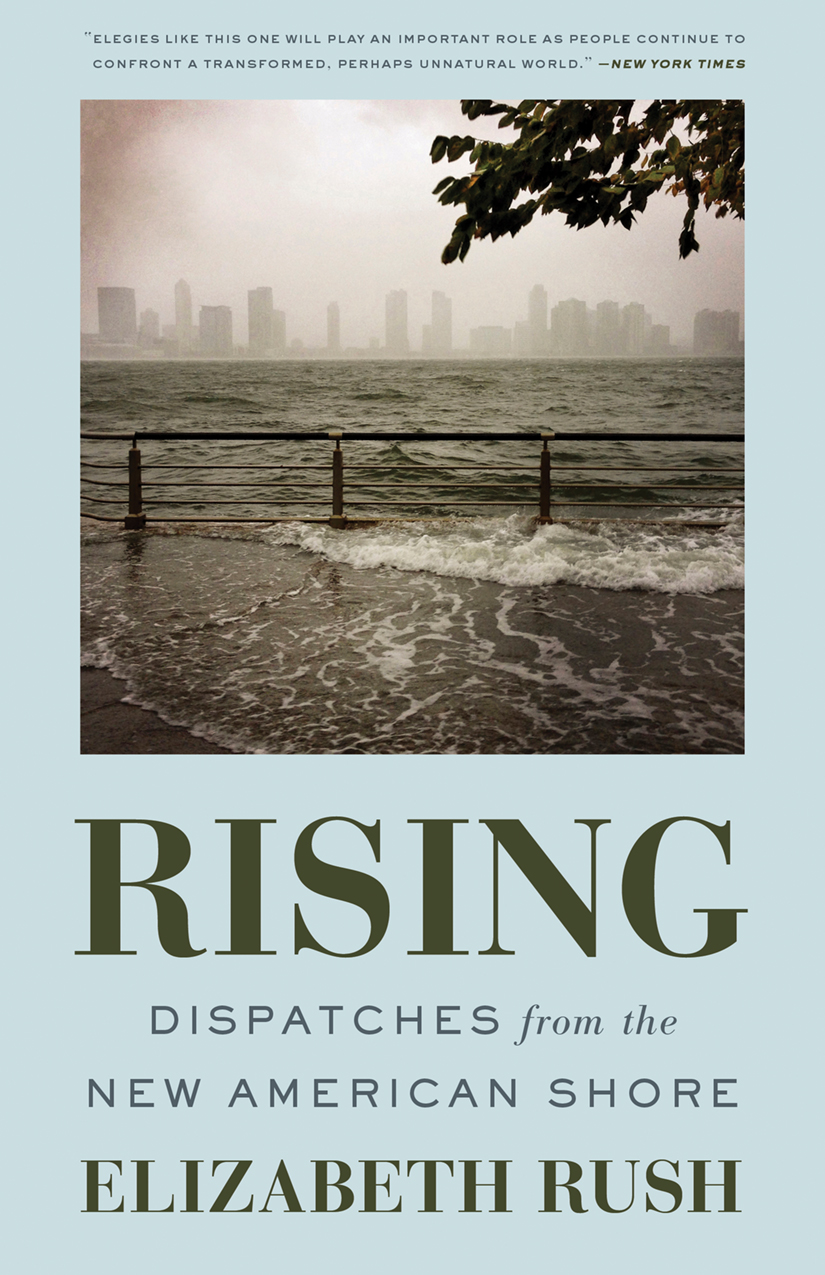
Book — Non-fiction. By Elizabeth Rush. 2019. 328 pages.
A book about the impact of climate change on U.S. communities and societies that privileges the voices of those too often kept at the margins.
Continue reading
Book — Non-fiction. By Carol Anderson. 2016.
An era-by-era account of how the policies and practices of white supremacy have morphed over time while maintaining the singular goal of undermining Black advancement.
Continue reading
Article. By Bill Bigelow. Rethinking Schools, Spring 2018.
Gender is one of the crucial variables determining how the climate crisis affects us.
Continue reading
Article. By Bill Bigelow. Rethinking Schools, Fall 2018.
Teaching hope instead of despair, teachers invite students to research “climate warriors,” those who “know the truth” and yet are not defeated by it.
Continue reading
Article. By Bill Bigelow. Rethinking Schools, Winter 2018.
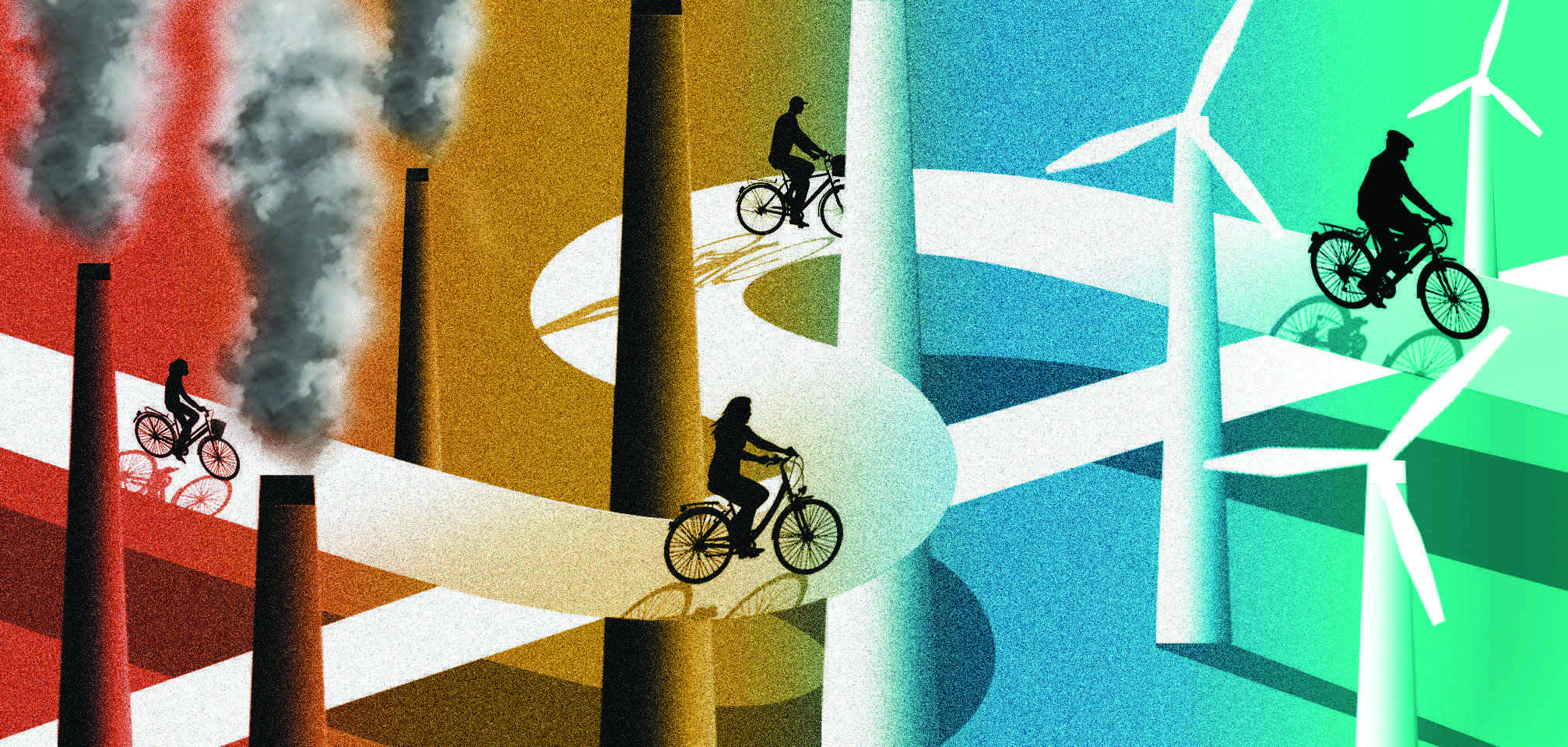
The “just transition” away from fossil fuels can also be a move toward a society that is cleaner, more equal, and more democratic.
Continue reading
Article. By Bill Bigelow. Rethinking Schools, Spring 2019.
For too long, the fossil fuel industry has tried to buy teachers’ and students’ silence. But teaching climate justice has never been more urgent.
Continue reading
Article. By Rachel Boccio. Rethinking Schools, Winter 2018.
A Connecticut educator who taught English to incarcerated young men for 20 years describes what happened when she introduced her students to the Canadian “Leap Manifesto.”
Continue reading
Teaching Activity & Article. By Michelle Nicola. Rethinking Schools.
Using Marshallese poet and climate justice activist Kathy Jetñil-Kijiner’s poem “Dear Matafele Peinam,” a teacher helps 7th graders think about the sacred spaces in their own lives and how they will be affected by climate change.
Continue reading
Teaching Activity. By Rowan Shafer. Rethinking Schools.
A teacher adapts the “Climate Change Mixer” designed for older students as a springboard for a unit on global warming and climate justice. She asks, "How could I bring up an issue so big and abstract, so gloom and doom, with 3rd graders? How could I not?"
Continue reading
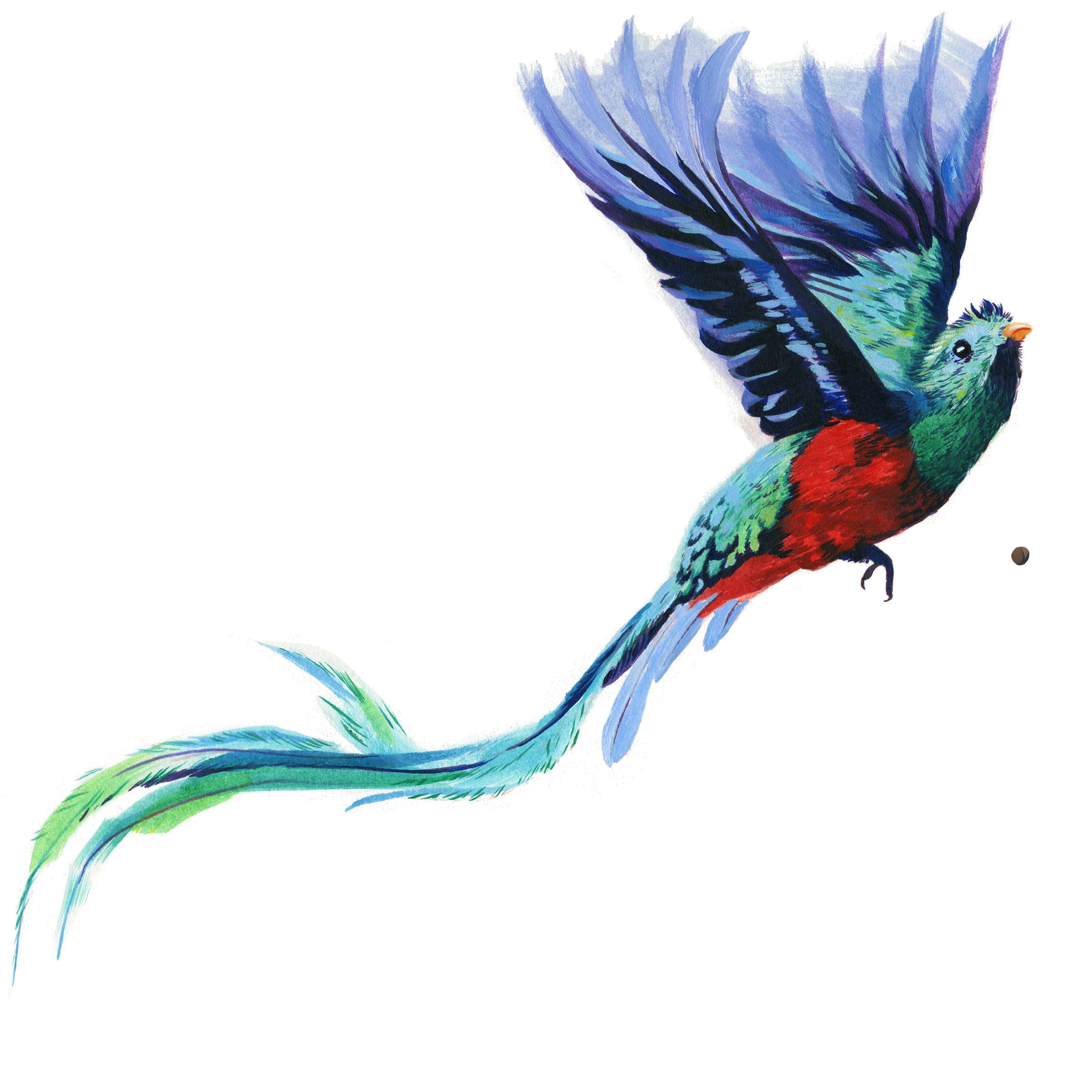
Teaching Activity. By Eric Fishman. Rethinking Schools.
An elementary school teacher developed the engaging Quetzal Conundrum game to help students understand the impact of climate change in Costa Rica.
Continue reading
Teaching Activity. By Bill Bigelow. 2009. Rethinking Schools.
The environmental crisis requires a profound social and curricular rethinking.
Continue reading
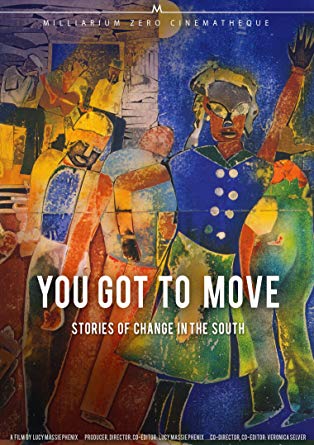
Film. Directed by Lucy Massie Phenix and Veronica Selver. 1985. 86 minutes.
Documentary about people who learned to organize, and received peer support, at the Highlander Center.
Continue reading
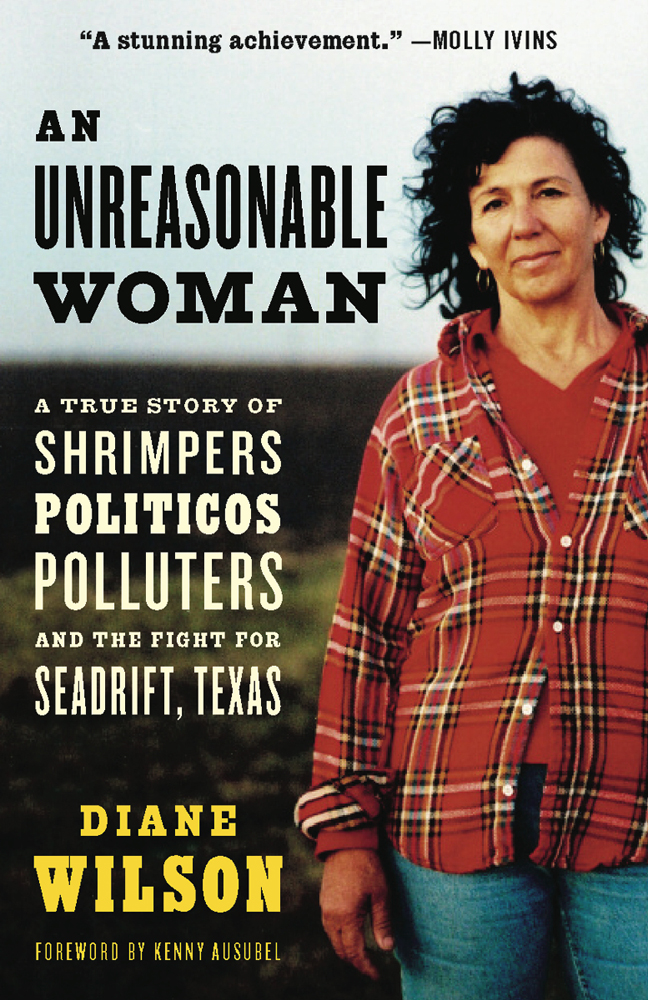
Book — Non-fiction. By Diane Wilson. 2006. 392 pages.
Shrimp-boat captain Diane Wilson takes on corporate greed and political corruption in a true story about environmental activism on the Texas Gulf Coast.
Continue reading
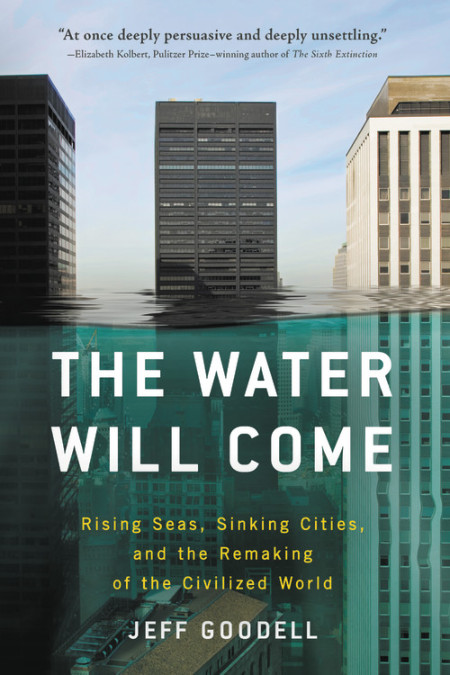
Book — Non-fiction. By Jeff Goodell. 2018. 352 pages.
Early 21st century societies scramble to fight rising seas and science journalist Jeff Goodell predicts what will happen if (and when) we fail.
Continue reading
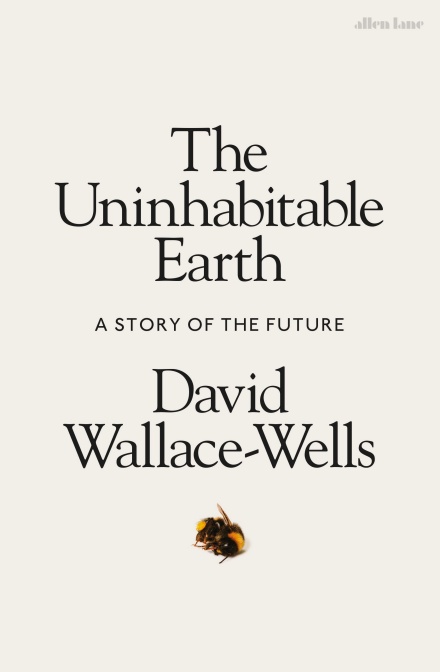
Book — Non-fiction. By David Wallace-Wells. 2019. 320 pages.
This book raises the alarm over the Earth's climate crisis and demands radical action to save human civilization as we know it.
Continue reading
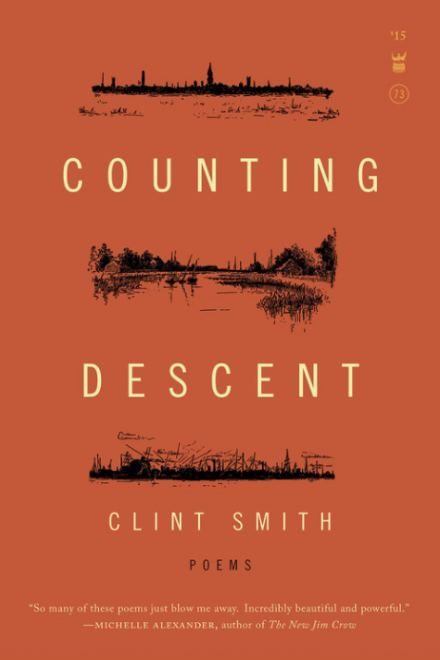
Book — Non-fiction. By Clint Smith. 2016. 84 pages.
A teacher and scholar celebrates Black humanity, and guides readers toward self-reflection through his coming-of-age poems that are political, historical, and deeply personal.
Continue reading
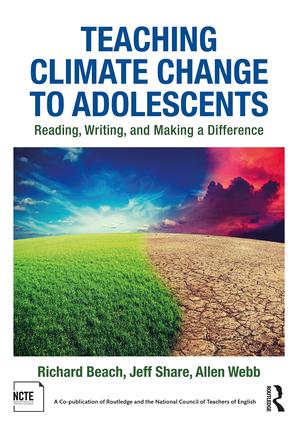
Teaching Guide. By Richard Beach, Jeff Share, and Allen Webb. 2017. 148 pages.
This book offers essential resources for English language and literature teachers to teach climate justice.
Continue reading
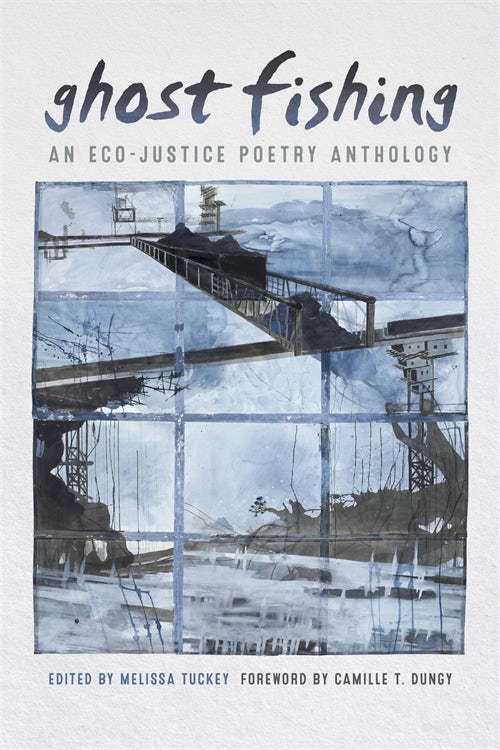
Poetry. Edited by Melissa Tuckey. 2018. 460 pages.
A collection of poetry about colonial dispossession, the environmental crime of war, food and culture, resource extraction, resistance, and the Global South.
Continue reading
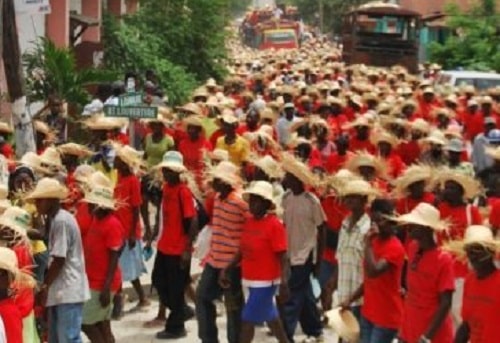
Approximately 10,000 Haitian farmers protested the donation of 475 tons of Monsanto hybrid seeds.
Continue reading
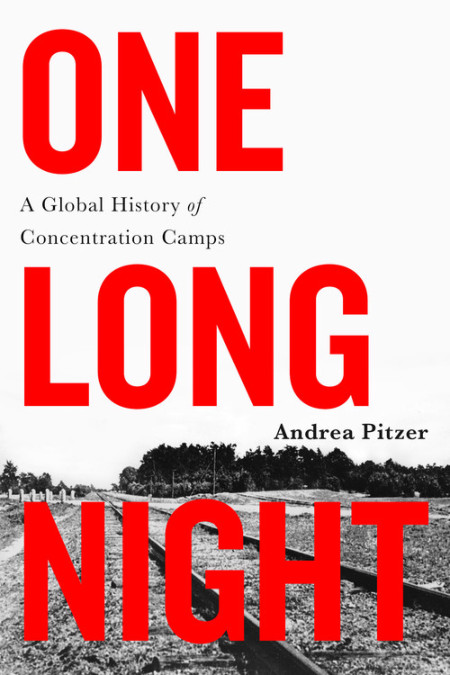
Book — Non-fiction. By Andrea Pitzer. 2017. 480 pages.
Starting with 1890s Cuba, this book is a chronological and geopolitical history of concentration camps that is filled with prisoner perspectives.
Continue reading
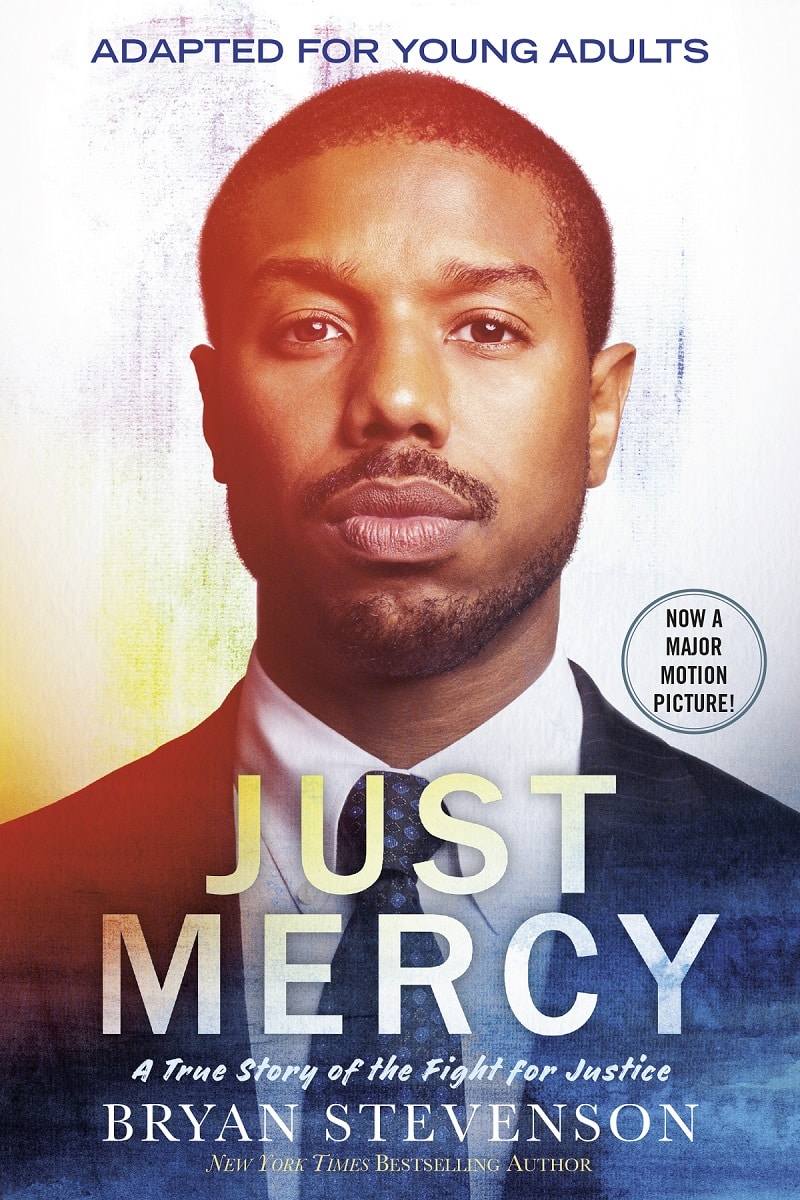
Book — Non-fiction. By Bryan Stevenson. 2019. 288 pages.
This young adult adaptation provides readers a glimpse into the lives of the wrongfully imprisoned.
Continue reading