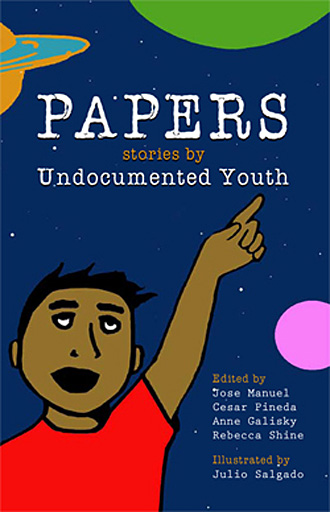
Book — Non-fiction. Edited by José Manuel, Cesar Pineda, Anne Galisky, and Rebecca Shine. Illustrated by Julio Salgado. 2012. 84 pages.
Undocumented youth from around the world tell their stories with simplicity and intimacy in this student-friendly collection.
Continue reading
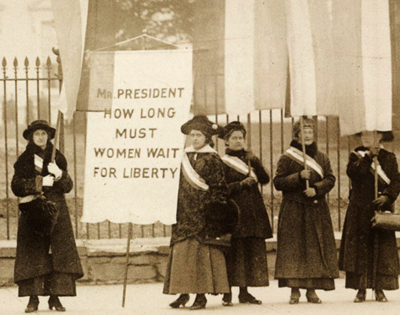
Twenty women were subjected to beatings and torture at Occoquan Workhouse, a prison in Virginia, in what became known as the “Night of Terror.”
Continue reading
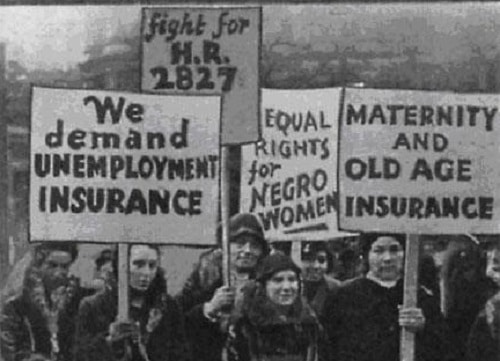
Due to the results of the strength of organized labor and other mass movements of the 1930s, the Social Security Act was passed.
Continue reading
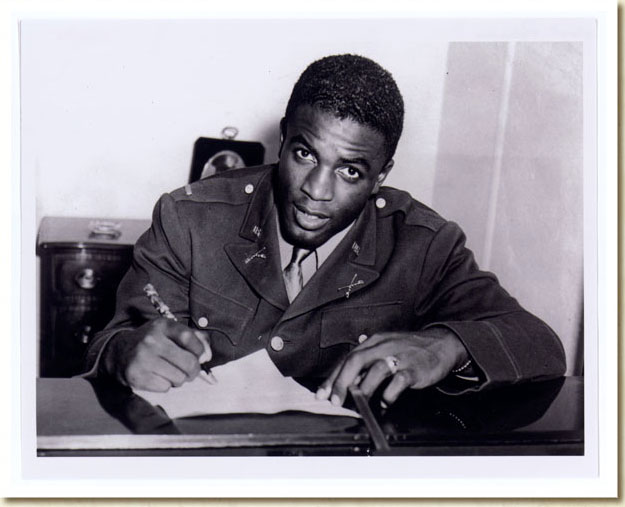
While stationed at Camp Hood in Texas, Lieutenant Jackie Robinson refused to give up his seat on the bus and was court-martialed.
Continue reading
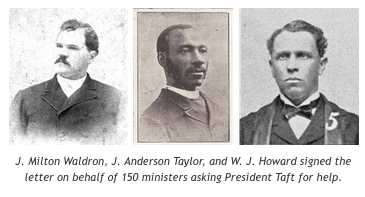
A group of more than 150 ministers from Washington, D.C. wrote to President William Taft about the Slocum Massacre.
Continue reading
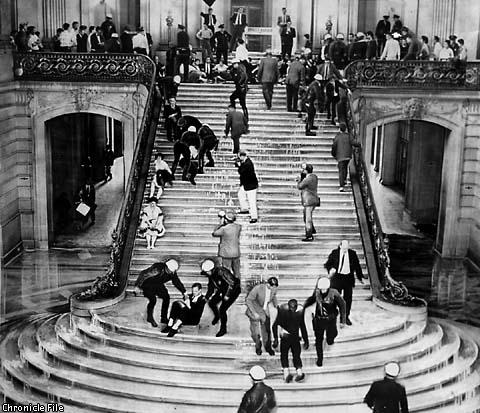
Peaceful protesters formed a picket line at the House on Un-American Activities Committee hearings.
Continue reading
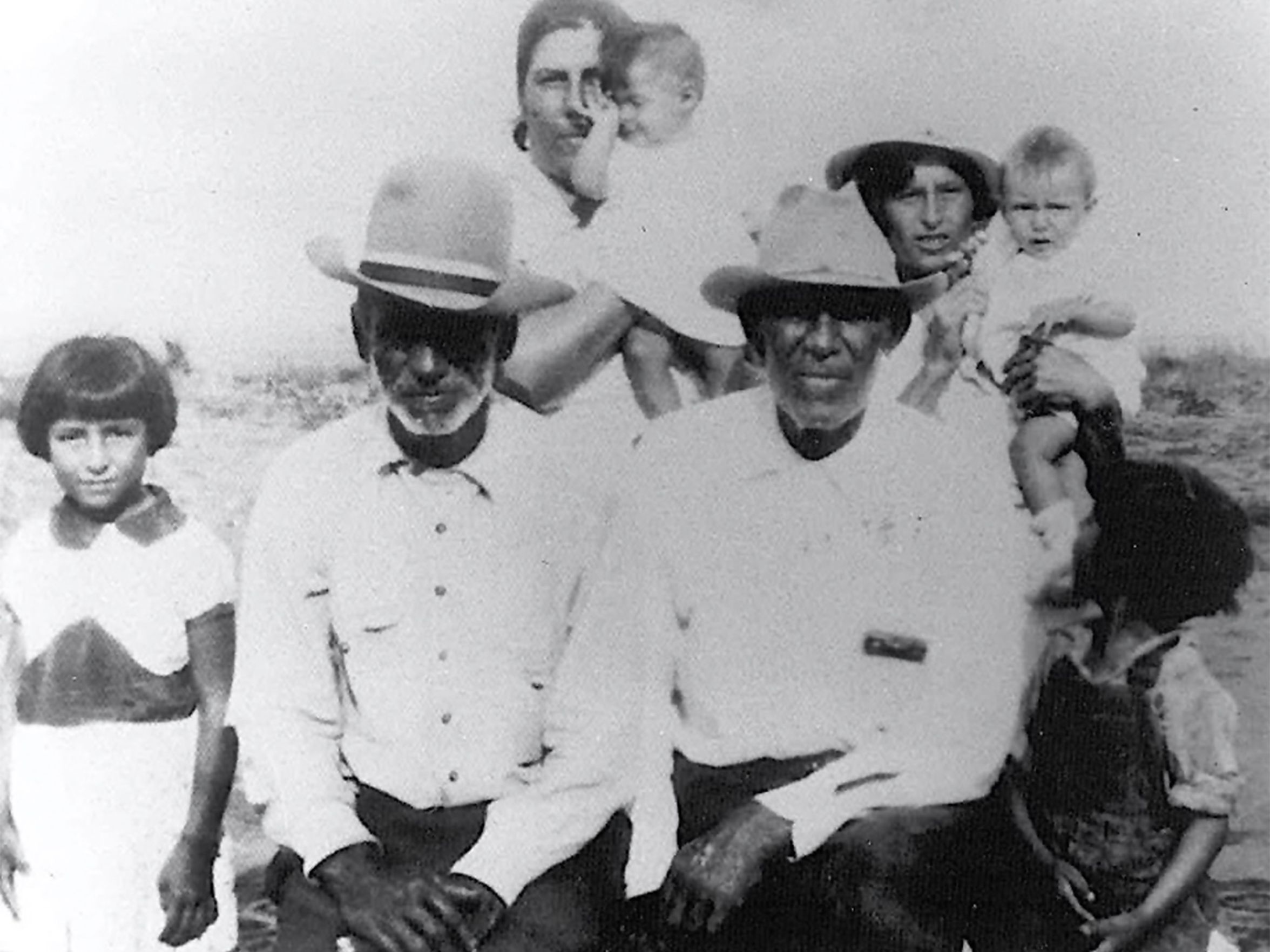
Fifteen Mexican-Americans were killed by Texas Rangers during the Porvenir Massacre.
Continue reading
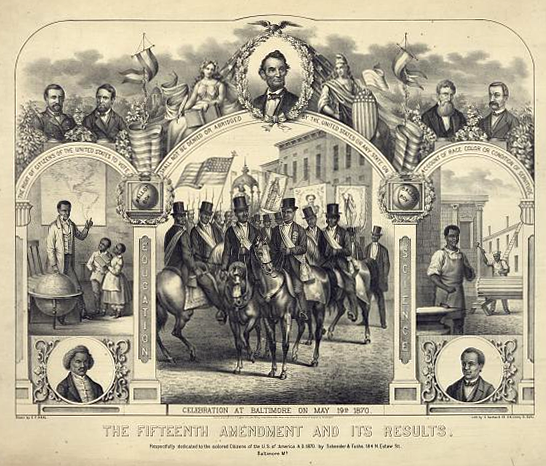
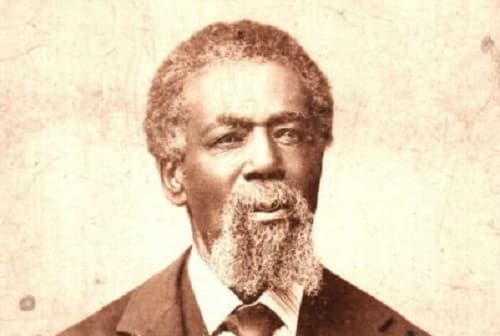
The 15th Amendment to the United States Constitution officially granted African American men the right to vote.
Continue reading
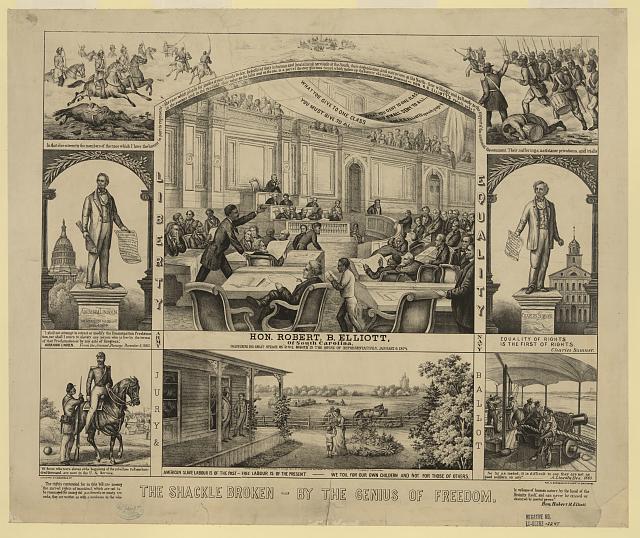
Rep. Robert B. Elliott gave a speech to advocate for the Civil Rights Act, which passed a year later.
Continue reading
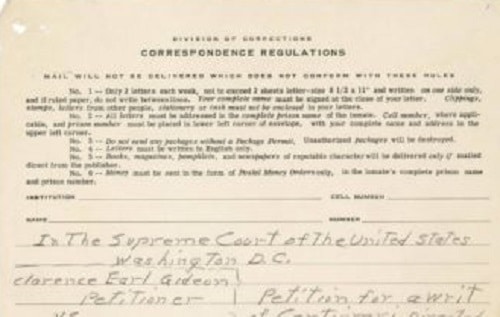
The ruling of Gideon v. Wainwright required states to provide counsel in criminal cases to represent defendants who are unable to afford to pay their own attorneys.
Continue reading
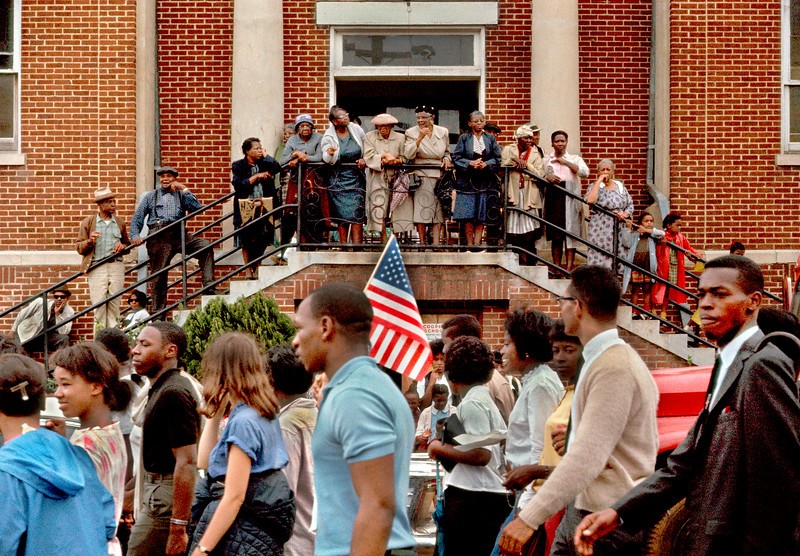
The Selma to Montgomery marchers traveled into Lowndes County, working with local leaders to organize residents into a new political organization: the Lowndes County Freedom Organization (LCFO).
Continue reading
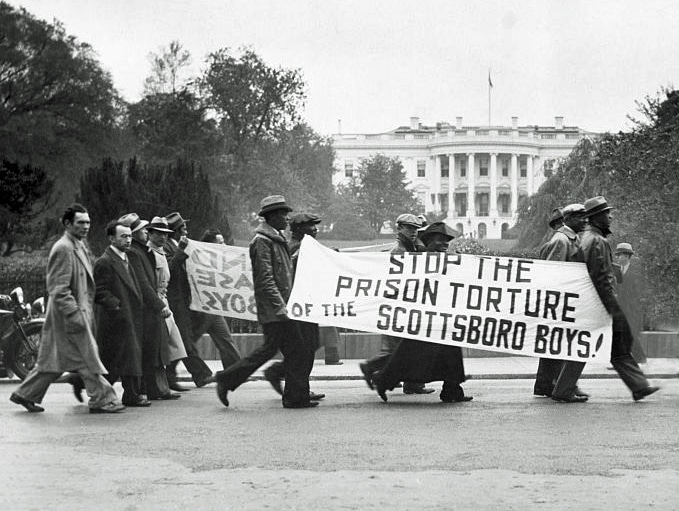
Nine young African Americans were falsely charged with rape and collectively served more than 100 years in prison.
Continue reading
The Selma marches were three protest marches about voting rights, held in 1965.
Continue reading
Staged ride-ins during Reconstruction in South Carolina were among the first (recorded) organized protests of segregation on a streetcar.
Continue reading
The 15th Amendment to the United States Constitution was formally adopted.
Continue reading
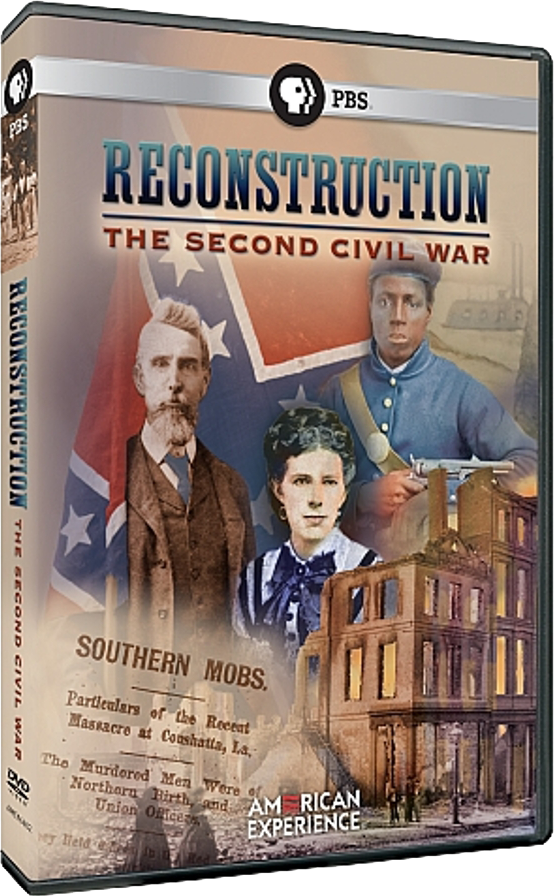
Film. By Elizabeth Deane and Dion Graham. 2004. 174 minutes.
Through the voices of several historians and dramatic re-enactments by actors, PBS’s Reconstruction: The Second Civil War uses the stories of ordinary citizens to paint a picture of the Reconstruction era.
Continue reading
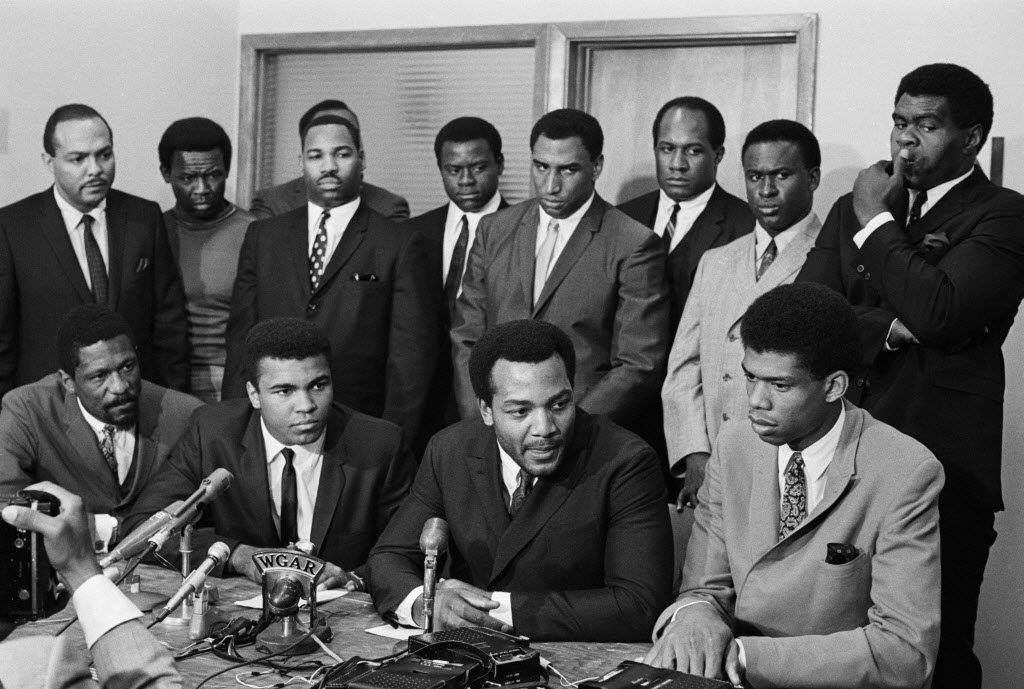
African American athletes gathered to support Muhammed Ali’s refusal to serve in Vietnam.
Continue reading
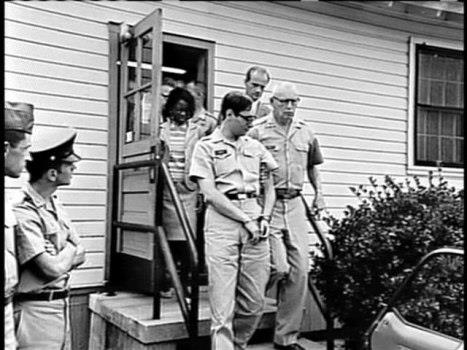
Army Captain Howard Levy was imprisoned for three years for refusing to train U.S. Special Forces soldiers during the Vietnam War.
Continue reading
The Supreme Court ruled in favor of the plaintiffs in three cases that weakened the structure of legalized segregation.
Continue reading
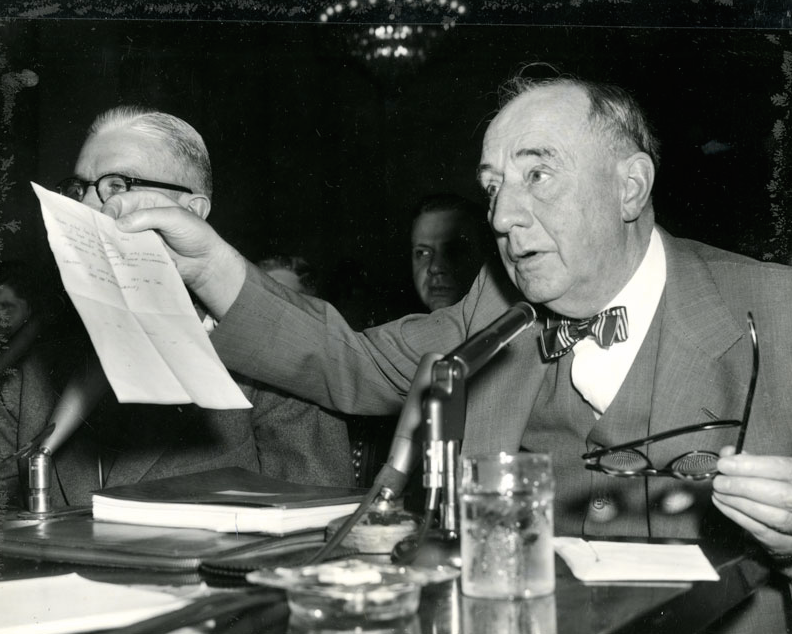
Joseph N. Welch confronted Sen. Joseph McCarthy about allegations of communists in the U.S. Army.
Continue reading
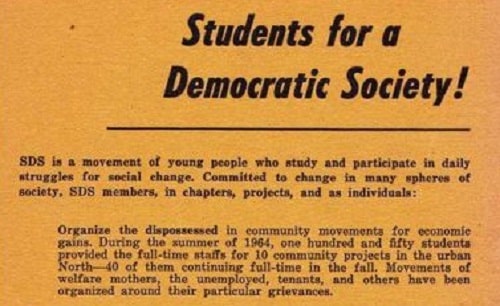
Students for a Democratic Society held its founding convention in Michigan and issued the Port Huron Statement.
Continue reading
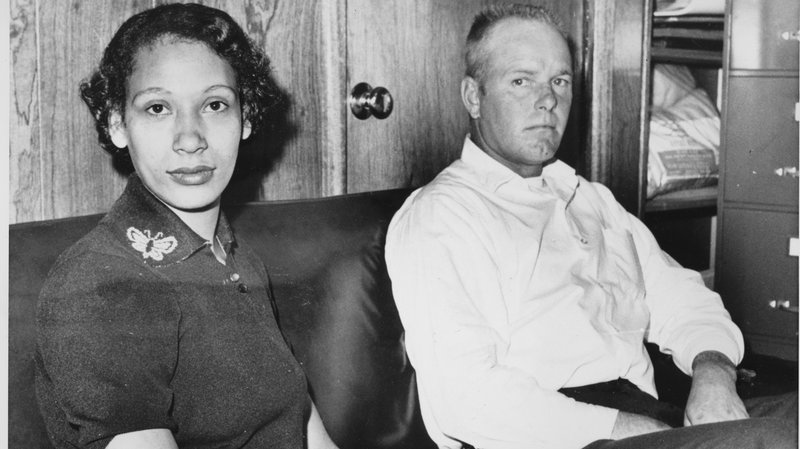
The Supreme Court ruled in favor of Mildred and Richard Loving in the historic Loving v. Virginia case.
Continue reading
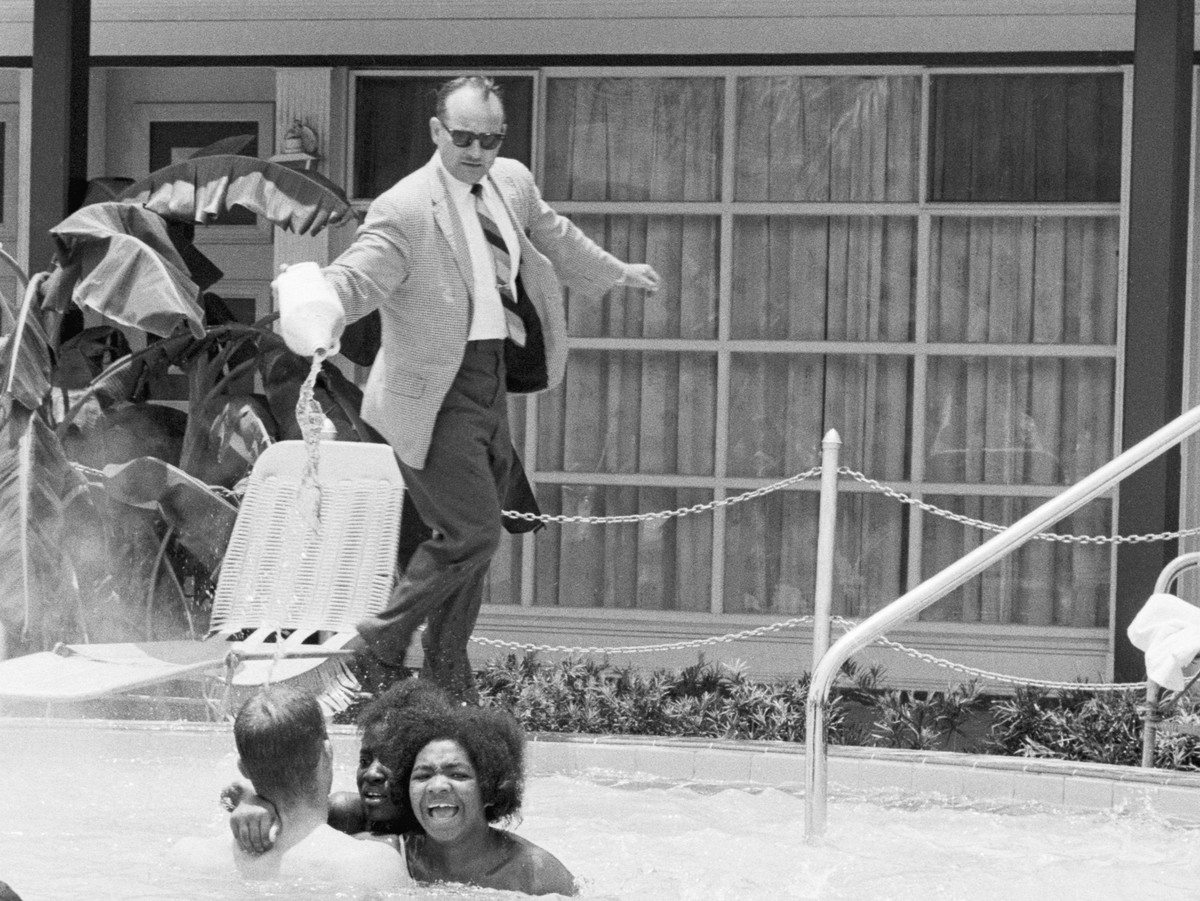
Black and white protesters attempted to desegregate a pool in St. Augustine, Florida. The owner dumped acid into the protester-filled pool in an attempt to force them to leave. Police officers eventually dragged protesters out of the pool and took them to jail.
Continue reading
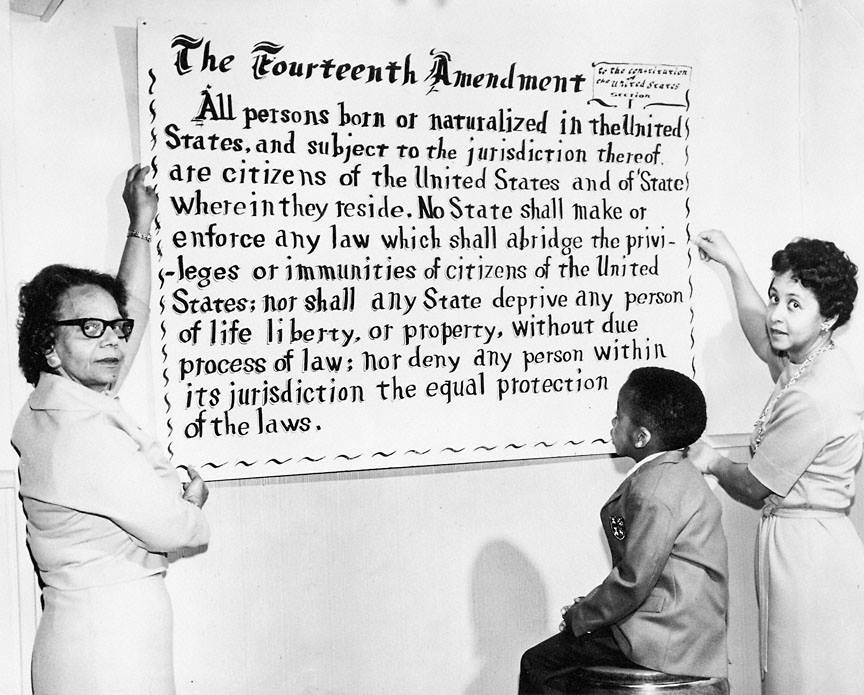
The Fourteenth Amendment to the United States Constitution was adopted.
Continue reading