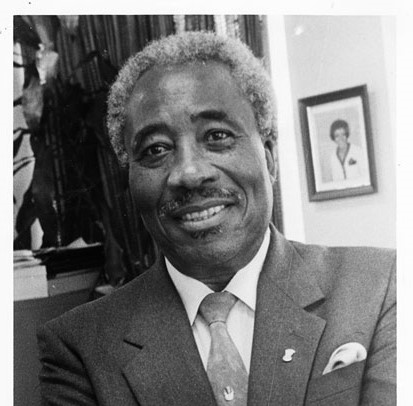
WWII veteran Ozell Sutton was denied service at the Arkansas Capitol cafeteria after visiting the building to collect voter registration materials.
Continue reading
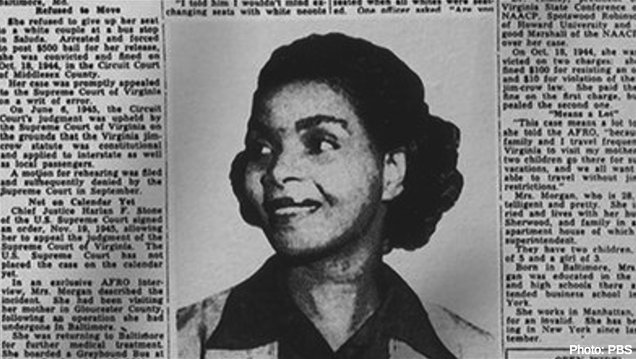
Irene Morgan refused to change her seat on a segregated bus in Virginia.
Continue reading
Ron Walters, Carol Parks-Haun, and other leaders in the NAACP Youth Council organized a sit-in in Greensboro, North Carolina.
Continue reading
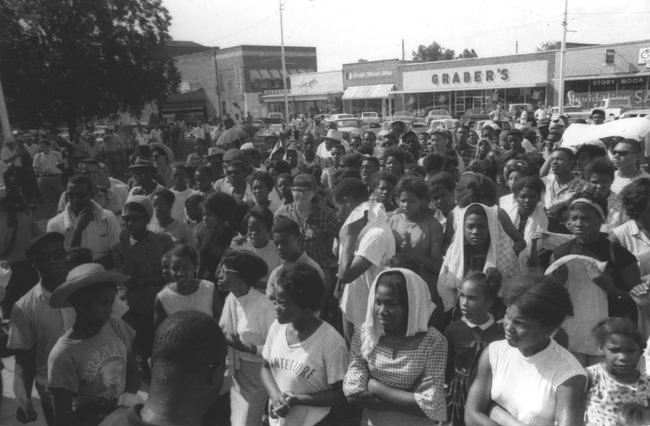
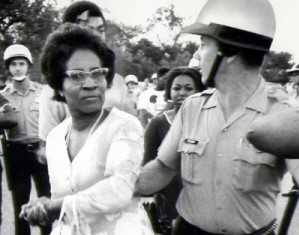
U.S. District Judge issued an injunction ordering police in Grenada, Mississippi to stop interfering with lawful protest. This ruling followed weeks of arrests and beating of demonstrators who had been attempting to desegregate businesses in the town.
Continue reading
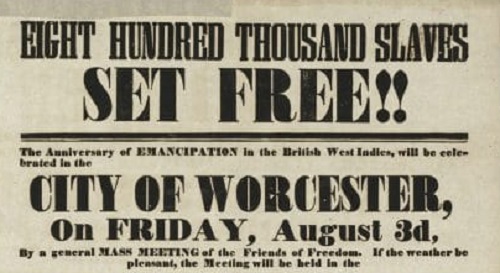
August First Day became a symbol of hope for enslaved people and abolitionists in the United States when Britain passed the Slavery Abolition Act in 1834, abolishing slavery throughout its colonies around the world.
Continue reading
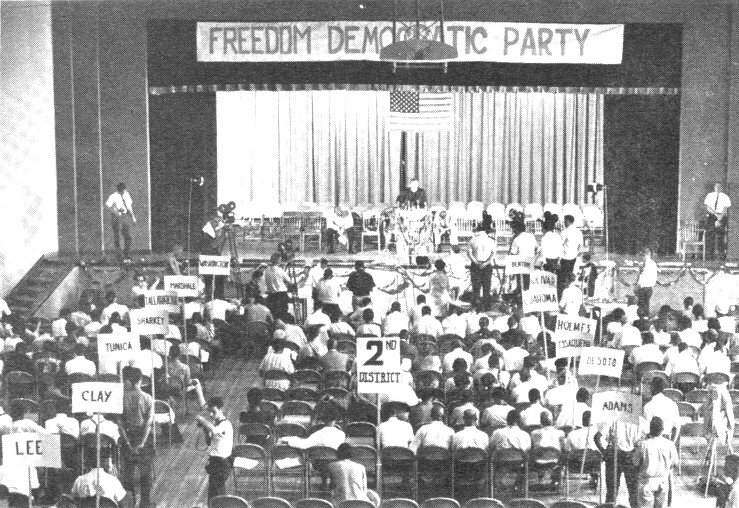
The MFDP held a State Convention with 2,500 people in Jackson, Mississippi.
Continue reading
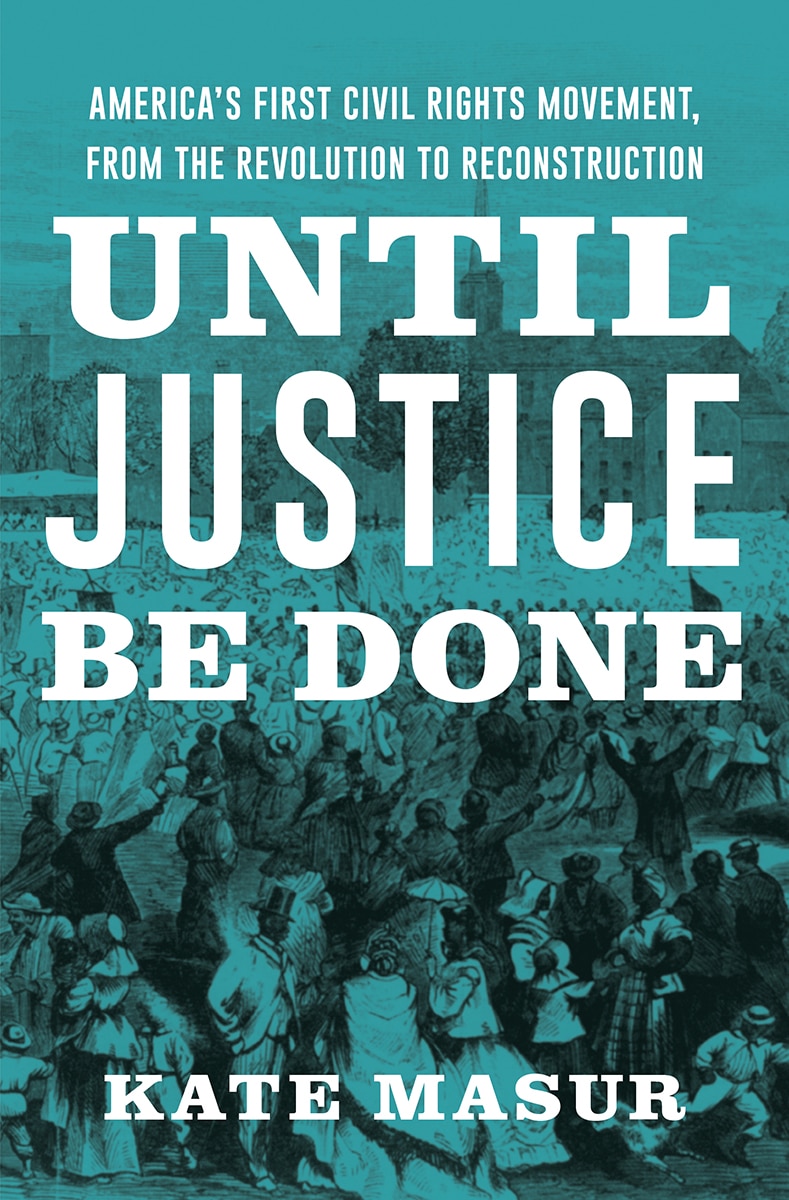
Book — Non-fiction. By Kate Masur. 2021.
The movement for equal rights in the decades before the Civil War.
Continue reading
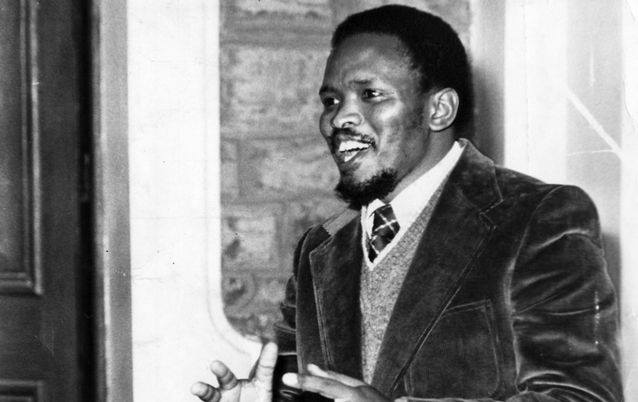
Anti-apartheid activist Steve Biko was arrested at a police roadblock in South Africa.
Continue reading
Clara Luper and the NAACP Youth Council began sit-ins to desegregate lunch counters.
Continue reading
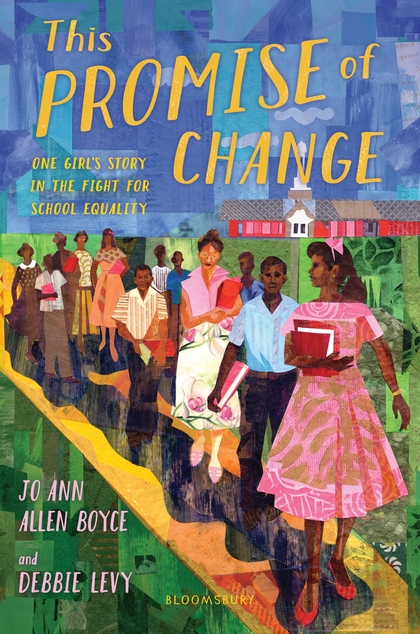
Book — Non-fiction. By Jo Ann Allen Boyce and Debbie Levy. 2019. 320 pages.
Told from the perspective of Jo Ann Allen, this book tells the story of twelve Black students who integrated Clinton High School in Tennessee in 1956.
Continue reading
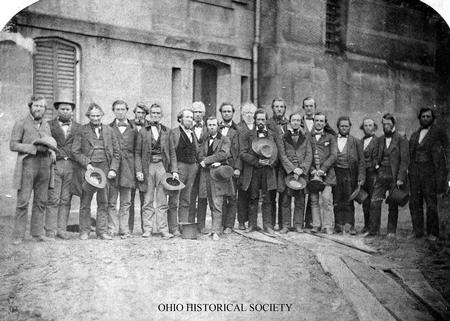
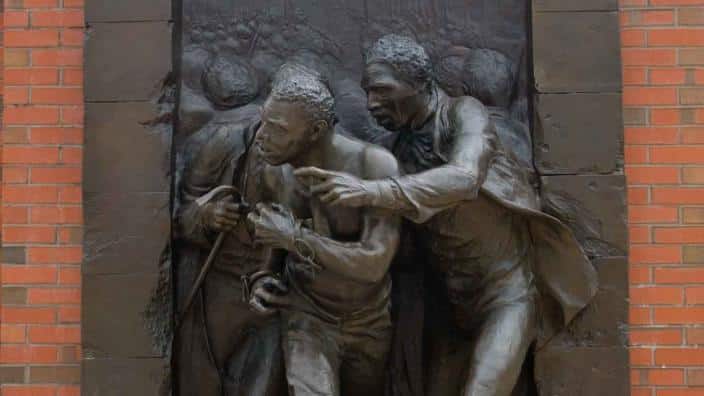
Eighteen-year-old John Price was arrested by a federal marshal in Oberlin, Ohio under the Fugitive Slave Act of 1850.
Continue reading
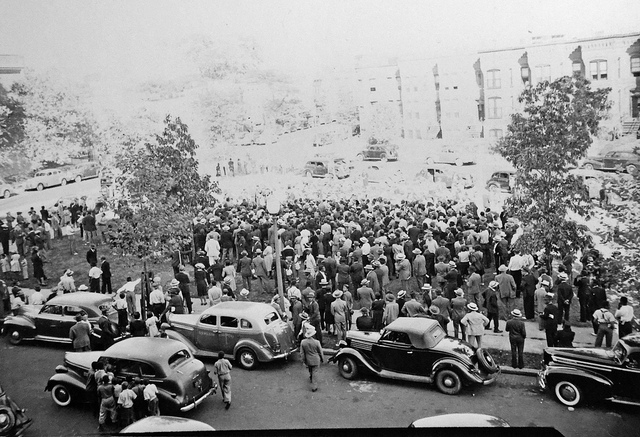
Following years of organizing against police brutality, four marches from different points in the city of Washington, D.C. converged at 10th and U Streets NW.
Continue reading
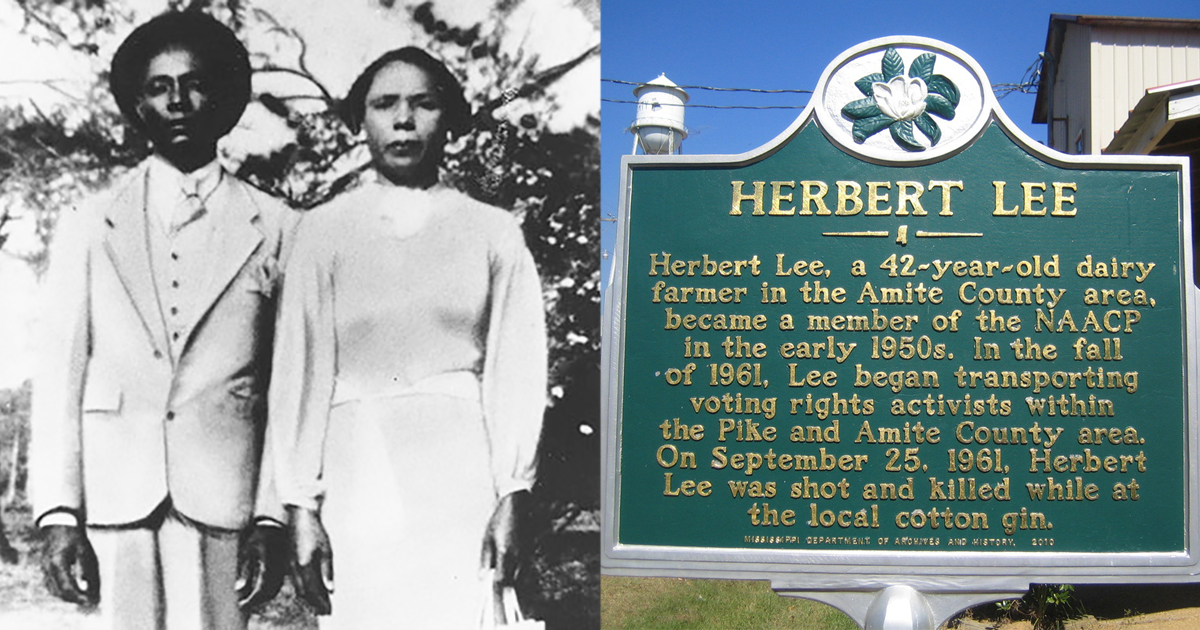
Herbert Lee, a farmer who helped voting rights activists, was murdered by a Mississippi state legislator in broad daylight.
Continue reading
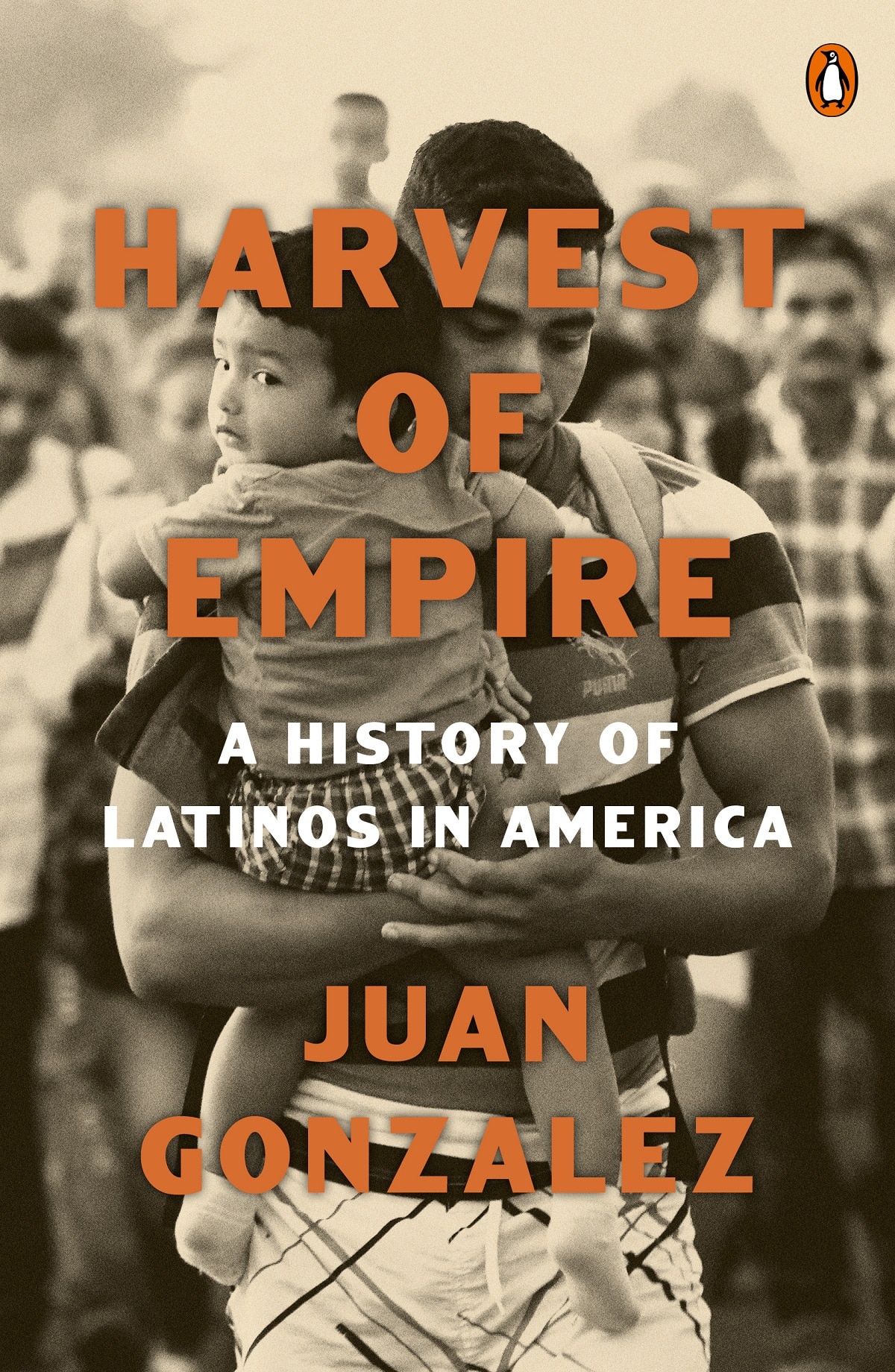
Book — Non-fiction. By Juan Gonzalez. 2022. 560 pages.
An updated and thorough account of the role the United States in the mass migration of Latinos to the U.S.
Continue reading
Abolitionists freed a man captured under the Fugitive Slave Act of 1850 in Syracuse, New York.
Continue reading
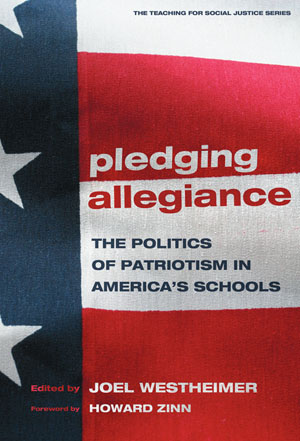
Book — Non-fiction. Edited by Joel Westheimer. Foreword by Howard Zinn. 2007. 219 pages.
Educators address the politics of patriotism in schools.
Continue reading
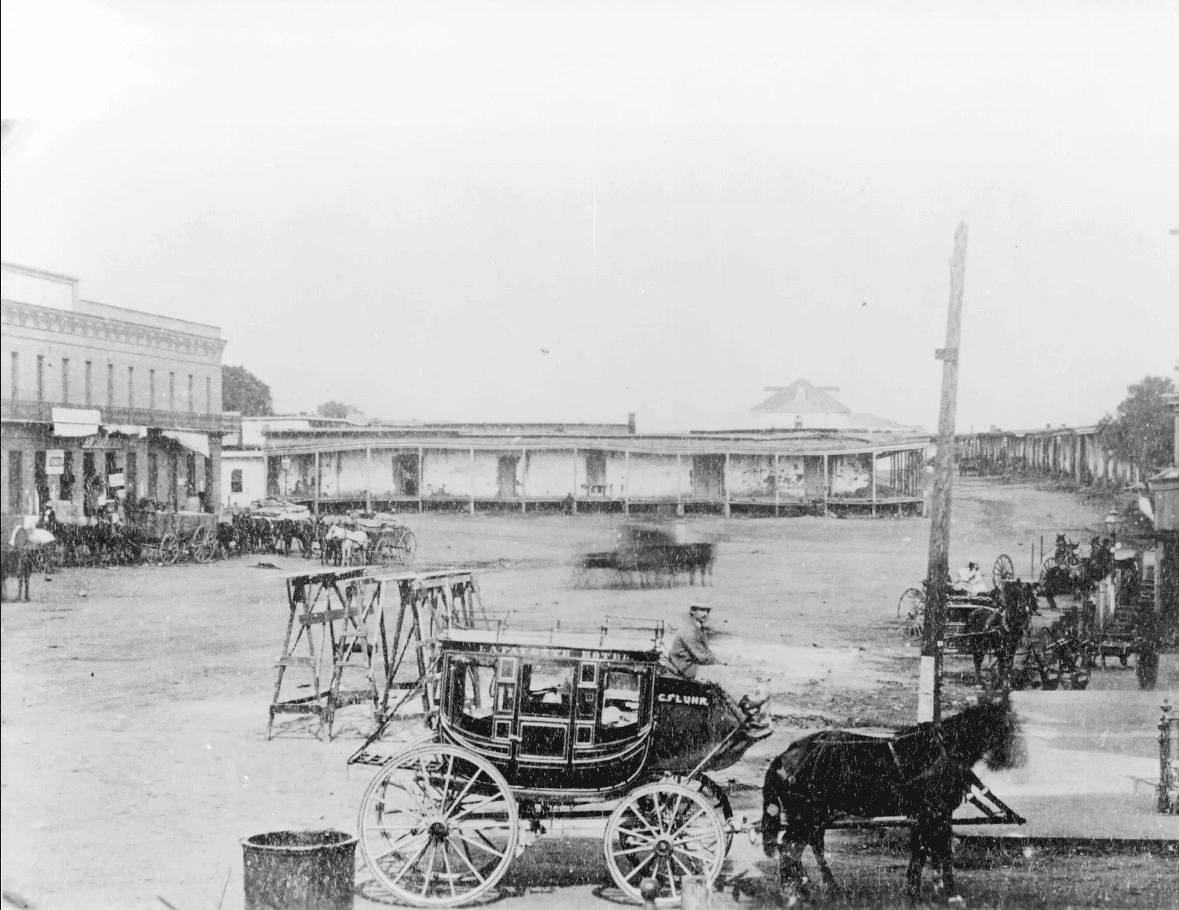
A lynch mob of 500 Anglo and Latino Los Angelinos rioted and murdered at least 17 Chinese residents after a white civilian died in a shootout.
Continue reading
Teaching Activity. By Bob Peterson. Rethinking Schools. 14 pages.
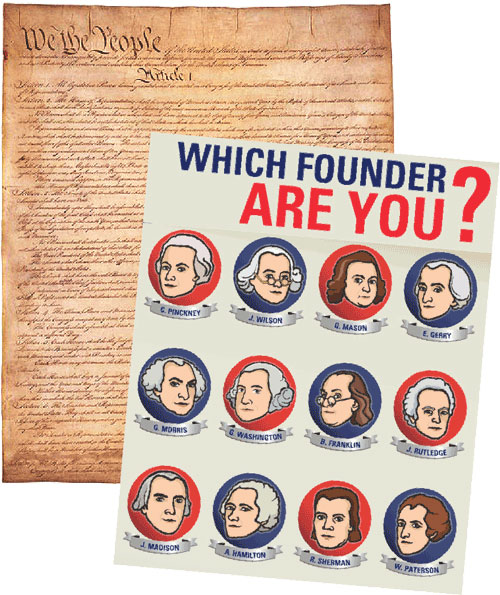
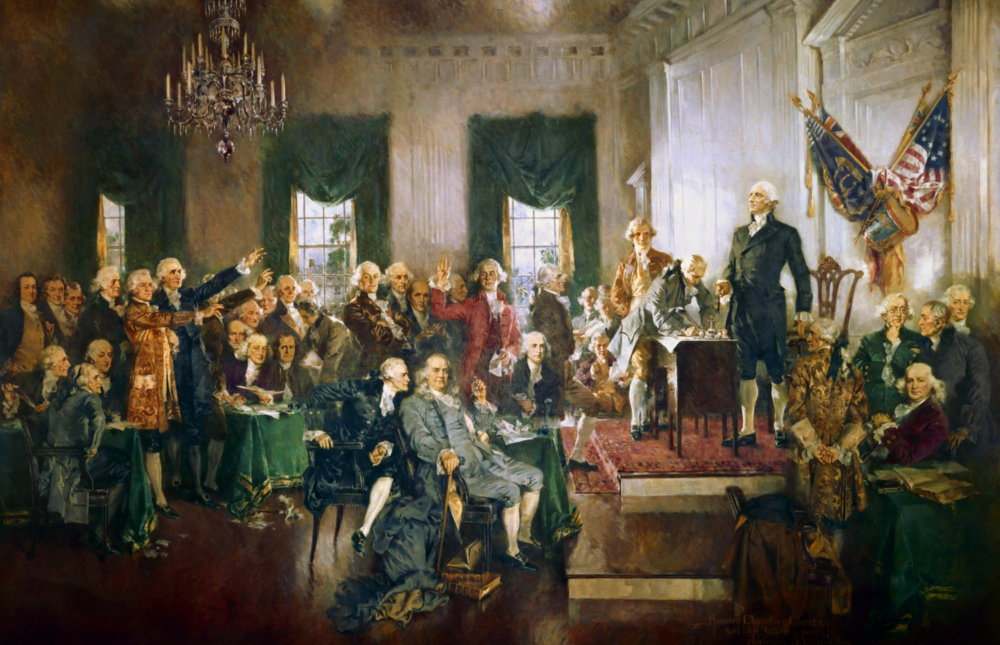
A role play on the Constitutional Convention which brings to life the social forces active during and immediately following the American Revolution with focus on two key topics: suffrage and slavery. An elementary school adaptation of the Constitution Role Play by Bill Bigelow. Roles available in Spanish.
Teaching Activity by Bob Peterson
Continue reading
Teaching Activity. By Bill Bigelow. 24 pages.
The U.S. Constitution endorsed slavery and favored the interests of the owning classes. What kind of Constitution would have resulted from founders who were representative of the entire country? That is the question addressed in this role play activity.
Continue reading
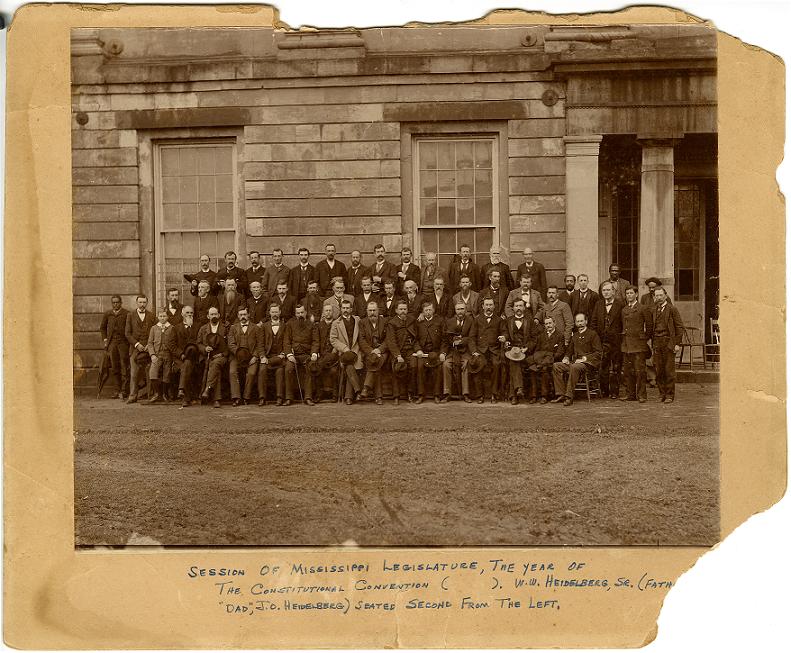
Mississippi adopted a state constitution with poll tax and literacy tests to roll back the gains of the Reconstruction era.
Continue reading
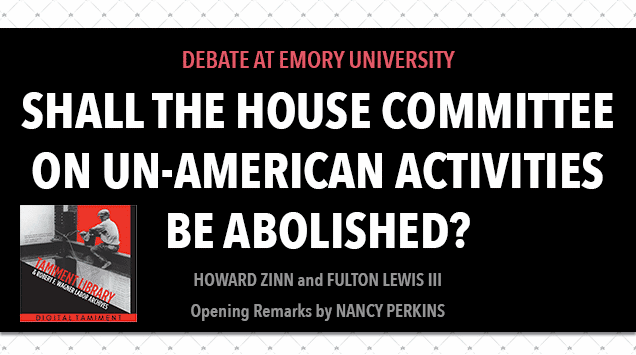
Howard Zinn debated Fulton Lewis III, a journalist and member of the House Un-American Activities Committee, on the question of “Shall the House Committee on Un-American Activities Be Abolished?”
Continue reading