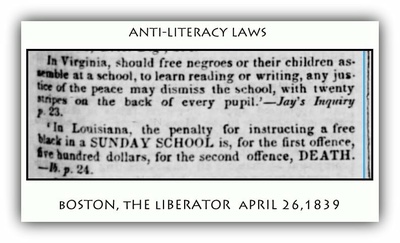
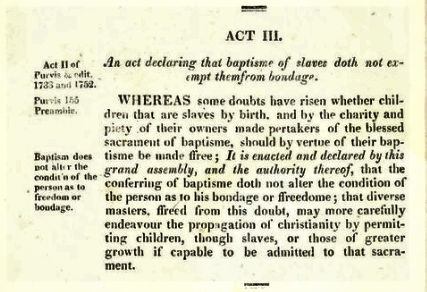
Following the publication of David Walker’s Appeal in 1829, this Virginia law prohibited the education of enslaved and free Black people, seeking to suppress potential uprisings. Several other states enacted similar bans at this time.
Continue reading
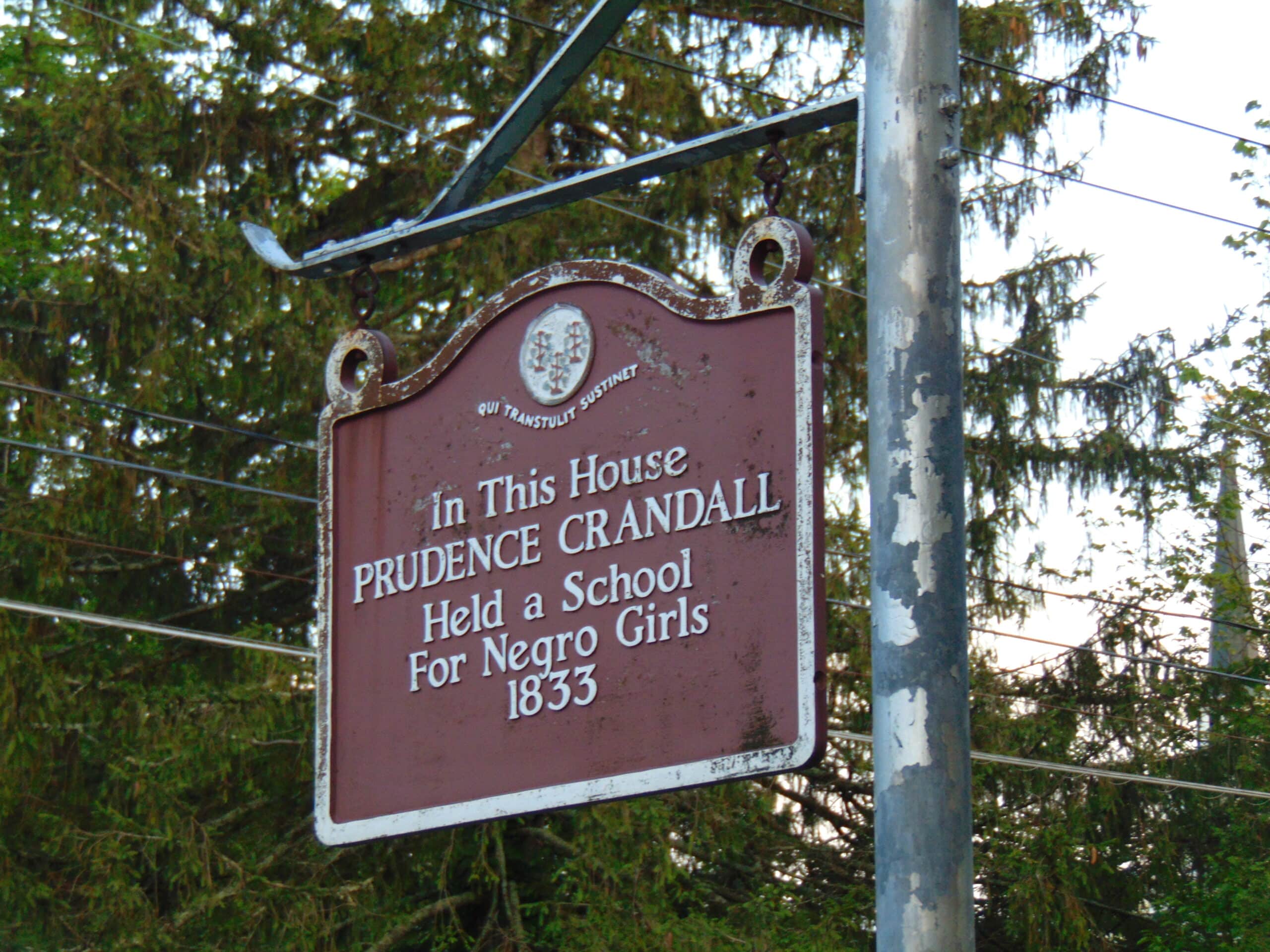
One of many anti-literacy laws at the time, this law prohibited the establishment of schools for Black students who were not residents of Connecticut.
Continue reading
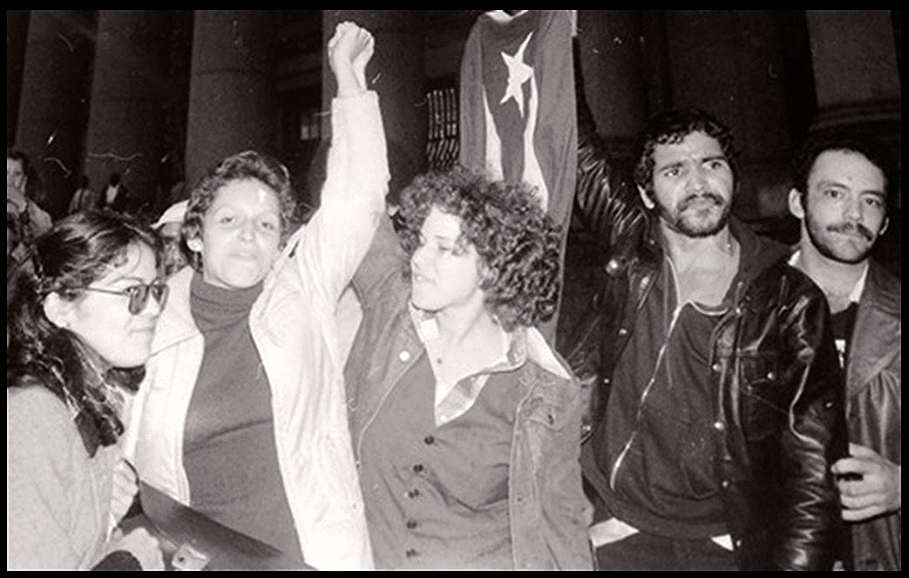
Puerto Rican nationalists and their supporters occupied the Statue of Liberty, hanging the Puerto Rican flag from Lady Liberty’s crown and demanding the release of five U.S.-held Puerto Rican political prisoners.
Continue reading
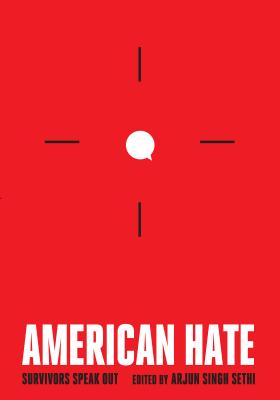
Book — Non-fiction. Edited by Arjun Singh Sethi. 2018. 192 pages.
Testimonials from people impacted by hate before and after the 2016 presidential election.
Continue reading
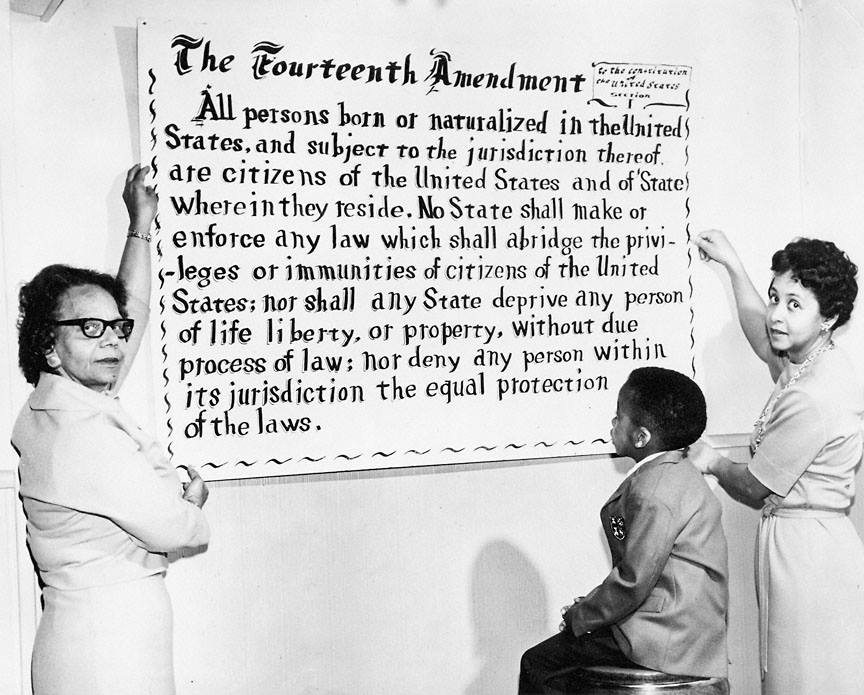
The 14th Amendment to the constitution was passed, granting citizenship to “all persons born or naturalized in the United States.”
Continue reading
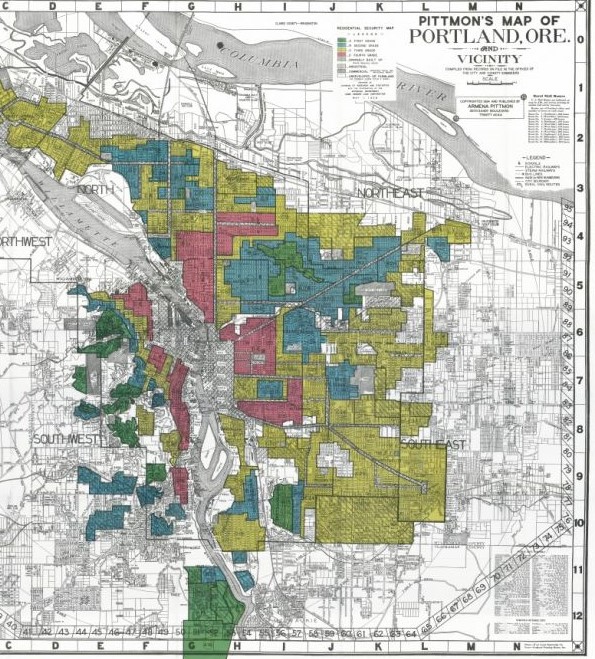
Teaching Activity. By Ursula Wolfe-Rocca. Rethinking Schools.
The mixer role play is based on Richard Rothstein’s The Color of Law, which shows in exacting detail how government policies segregated every major city in the United States with dire consequences for African Americans.
Continue reading
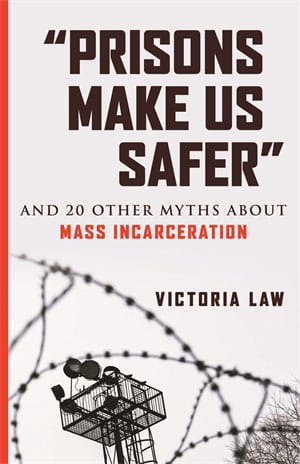
Book — Non-fiction. By Victoria Law. 2021. 240 pages
An accessible guide for activists, educators, and all who are interested in understanding how the prison system oppresses communities and harms individuals.
Teaching Activity by Victoria Law
Continue reading
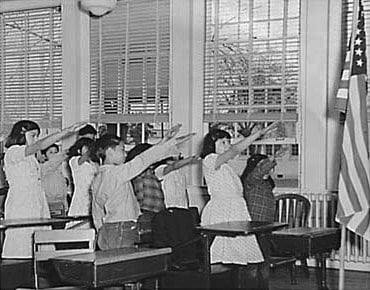
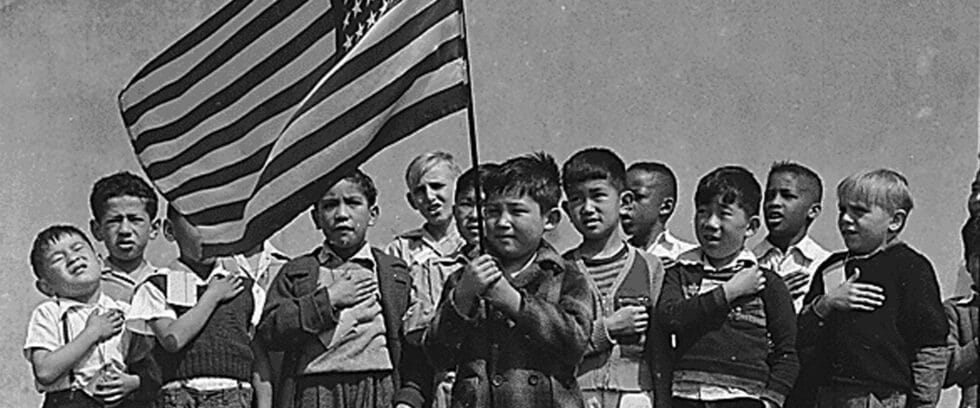
On Flag Day 1943, the Supreme Court invalidated a compulsory flag salute law in public schools and established that students possess some level of First Amendment rights.
Continue reading
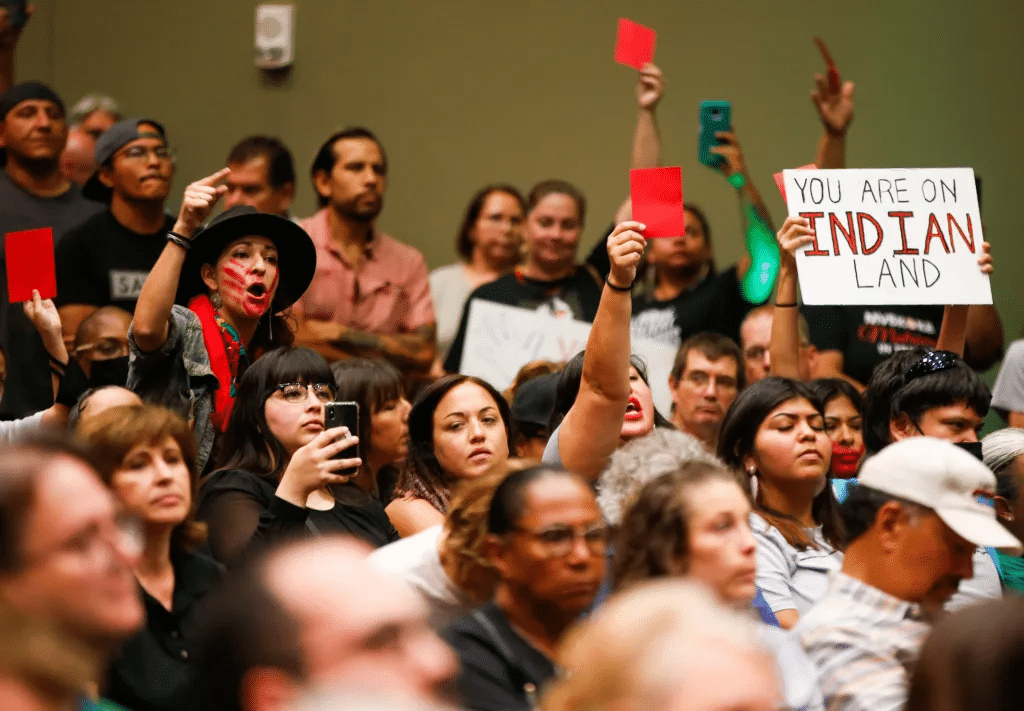
In a landmark decision, the Supreme Court ruled that the state did not have jurisdiction over crimes committed on Native reservations, affirming Indigenous treaty rights and sovereignty.
Continue reading
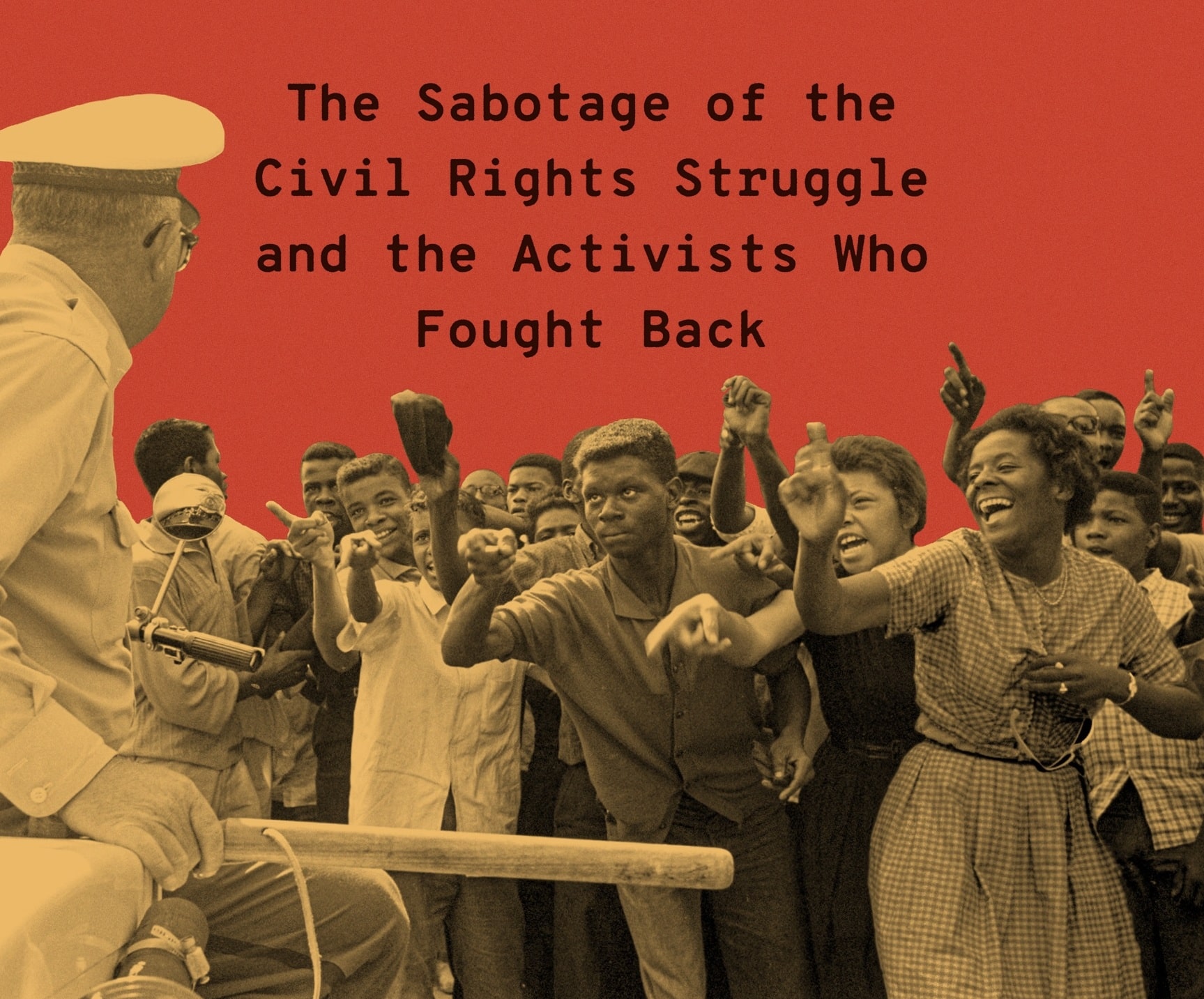
Book — Non-fiction. By Joshua Clark Davis. 2025. 424 pages.
An examination of the civil rights struggle through its work against police violence — and a prehistory of both the Black Lives Matter and Blue Lives Matter movements that emerged half a century later.
Continue reading
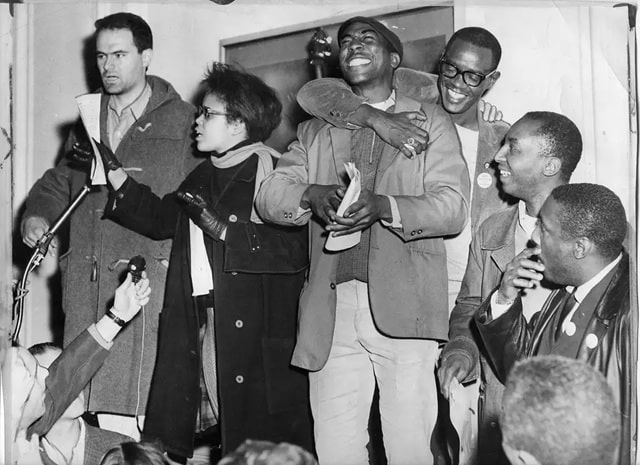
Thousands of people took to the streets outside of the Sheraton-Palace Hotel in San Francisco to protest the hotel’s unfair hiring practices, which permitted Black people and people of color only the most menial of jobs.
Continue reading
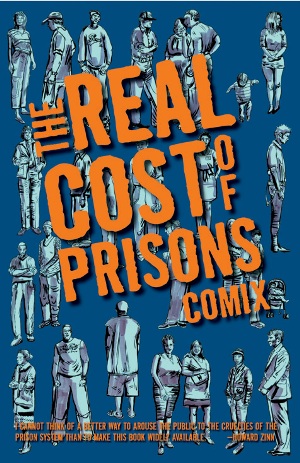
Book — Non-fiction. By Ellen Miller-Mack, Craig Gilmore, Lois Ahrens, Susan Willmarth, and Kevin Pyle. 2008. 104 pages.
This comic book presents the human stories behind the statistics.
Continue reading
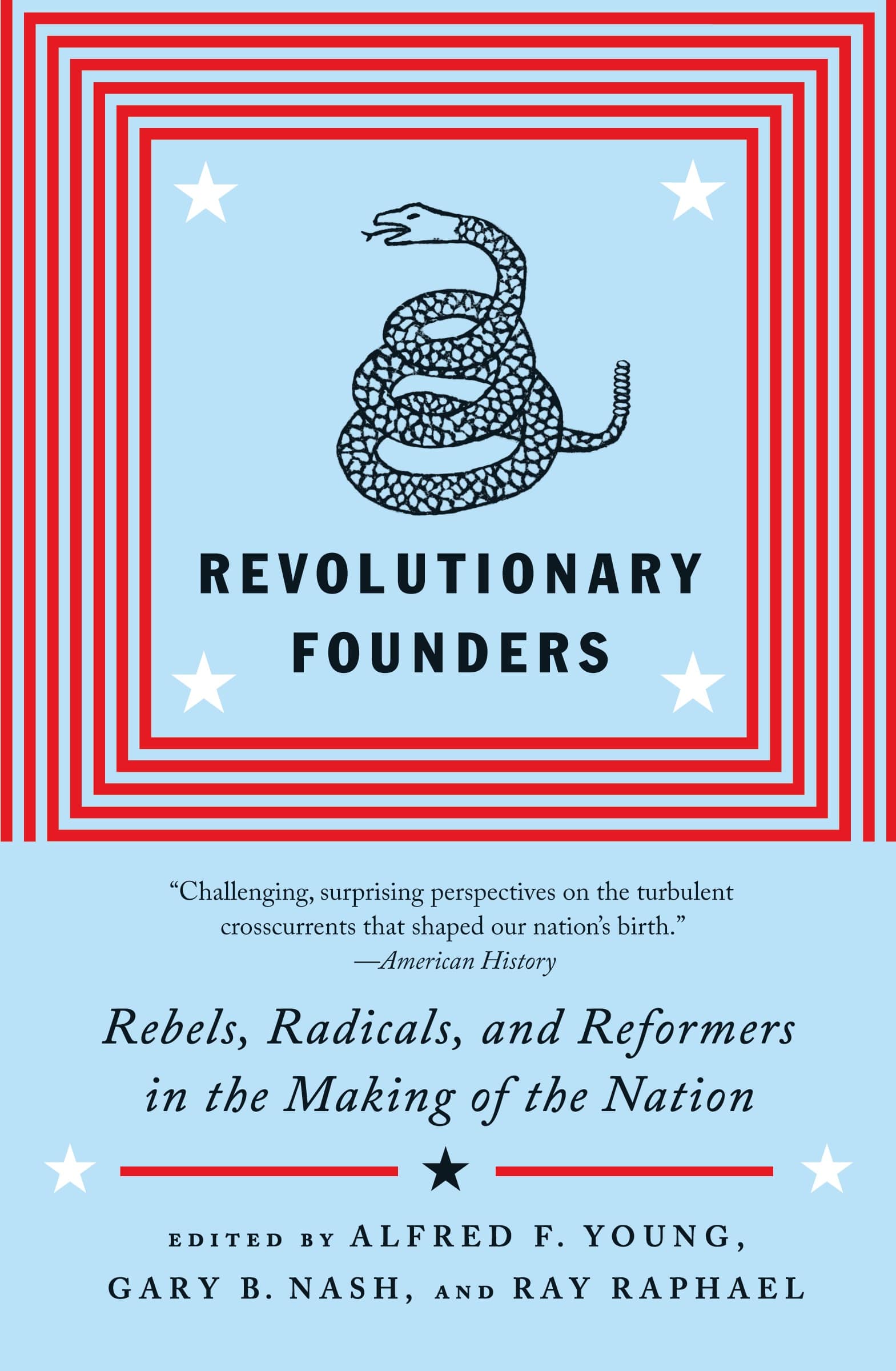
Book — Non-fiction. Edited by Alfred F. Young, Gary Nash, and Ray Raphael. 2012. 464 pages.
In twenty-two original essays, leading historians reveal the radical impulses at the founding of the American Republic.
Continue reading
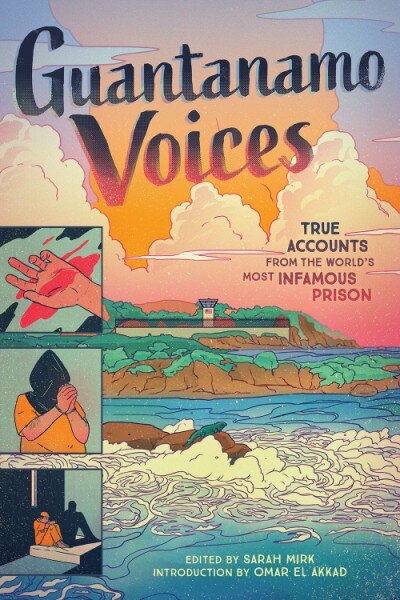
Book — Non-fiction. Edited by Sarah Mirk. 2020. 208 pages.
A graphic novel anthology of illustrated narratives about the prison and the lives it changed forever.
Continue reading
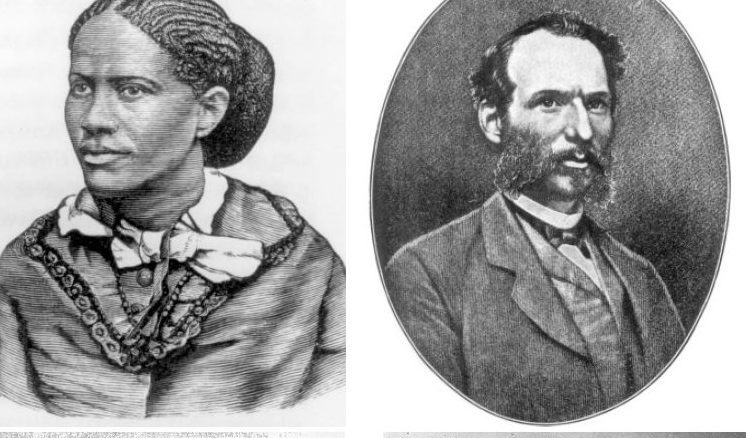
In early Colonial Virginia, Elizabeth Key became the first woman of African descent in the North American colonies to sue for her freedom and win.
Continue reading
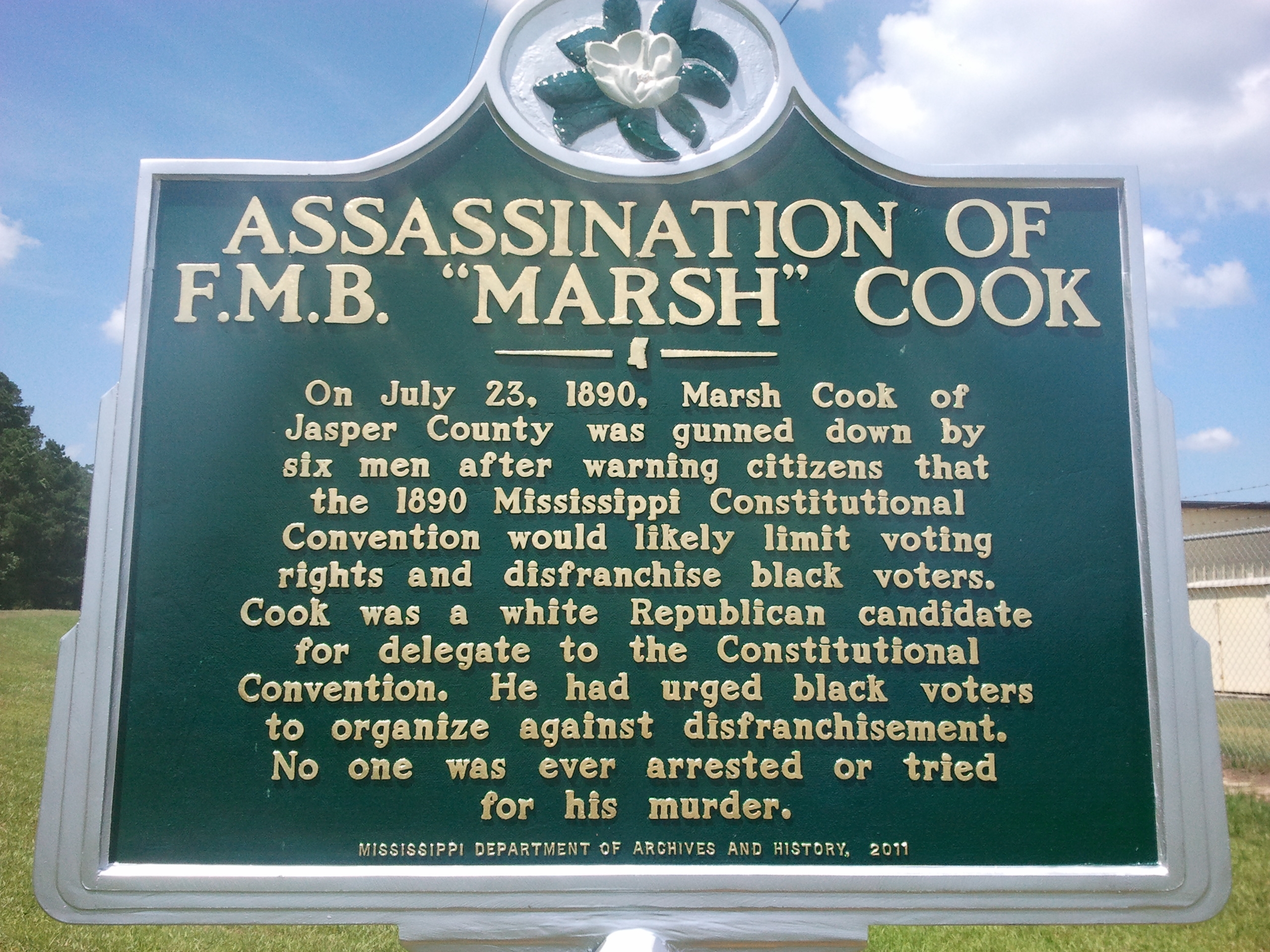
F. M. B. “Marsh” Cook, a white man, was killed for standing up against the white supremacist 1890 Mississippi Constitutional Convention.
Continue reading
Sarah Keys refused to give up her seat on a state-to-state charter bus, prompting the landmark court case, Sarah Keys v. Carolina Coach Company.
Continue reading
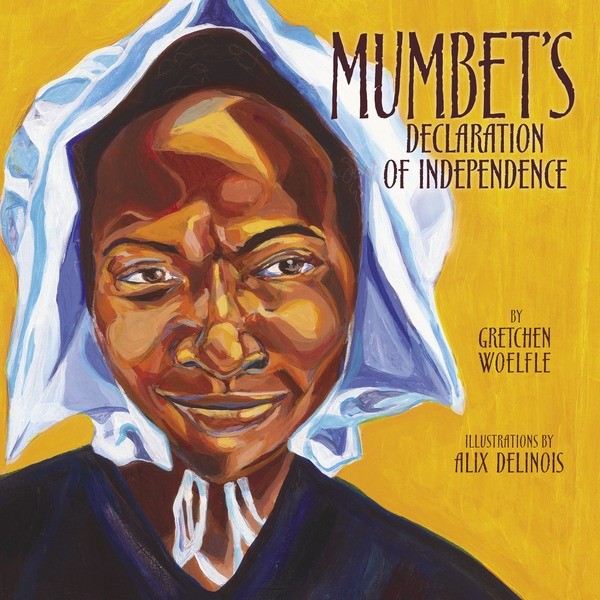
Elizabeth Mumbet Freeman won her freedom after she got an attorney and filed a “freedom suit” under the 1780 State Constitution for Massachusetts.
Continue reading
Teaching Activity. By Adam Sanchez and Nqobile Mthethwa. 25 pages.
A mixer role play explores the connections between different social movements during Reconstruction.
Continue reading
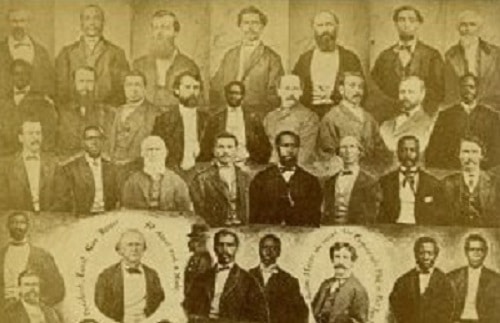
The South Carolina constitutional convention met with a majority of Black delegates, adopting a constitution that provided for all people regardless of race, economic class, or gender.
Continue reading
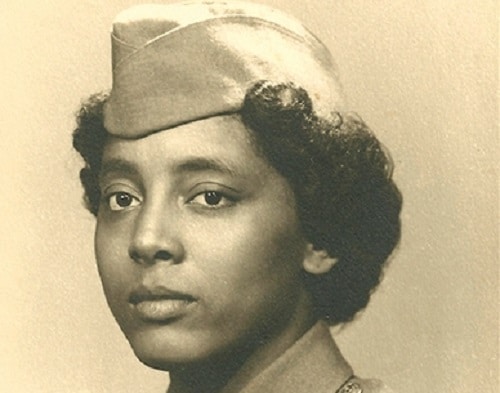
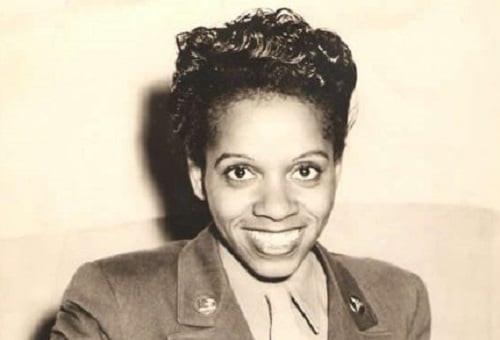
When WWII veteran Edna Griffin was denied service at a Des Moines drug store, she took the company to court and the lawsuit became a test case.
Continue reading
Article. By Wesley Hogan. 2024.
A collection of primary sources to illustrate the history of abortion care in the United States.
Continue reading
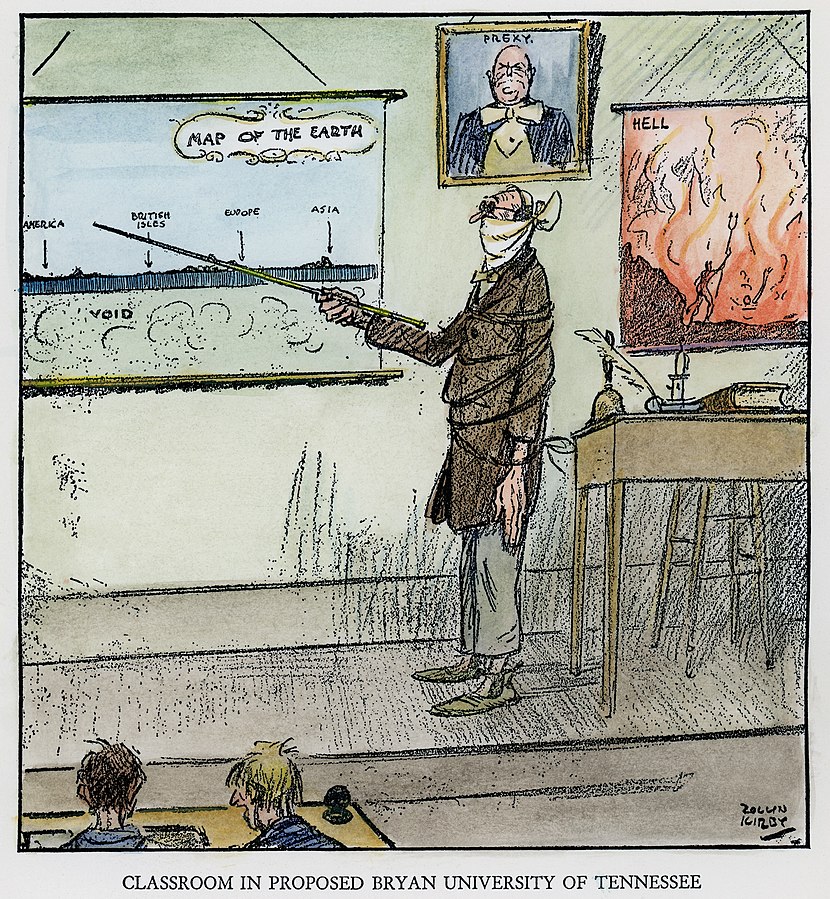
In the case of John T. Scopes v. the State of Tennessee, the defendant, Scopes, was found guilty and fined $100 for teaching about evolution — which was illegal in the state at the time.
Continue reading
Striking down a Texas state law, the Supreme Court ruled that “all children, regardless of immigration status, have a constitutional right to a free public education from kindergarten to 12th grade.”
Continue reading
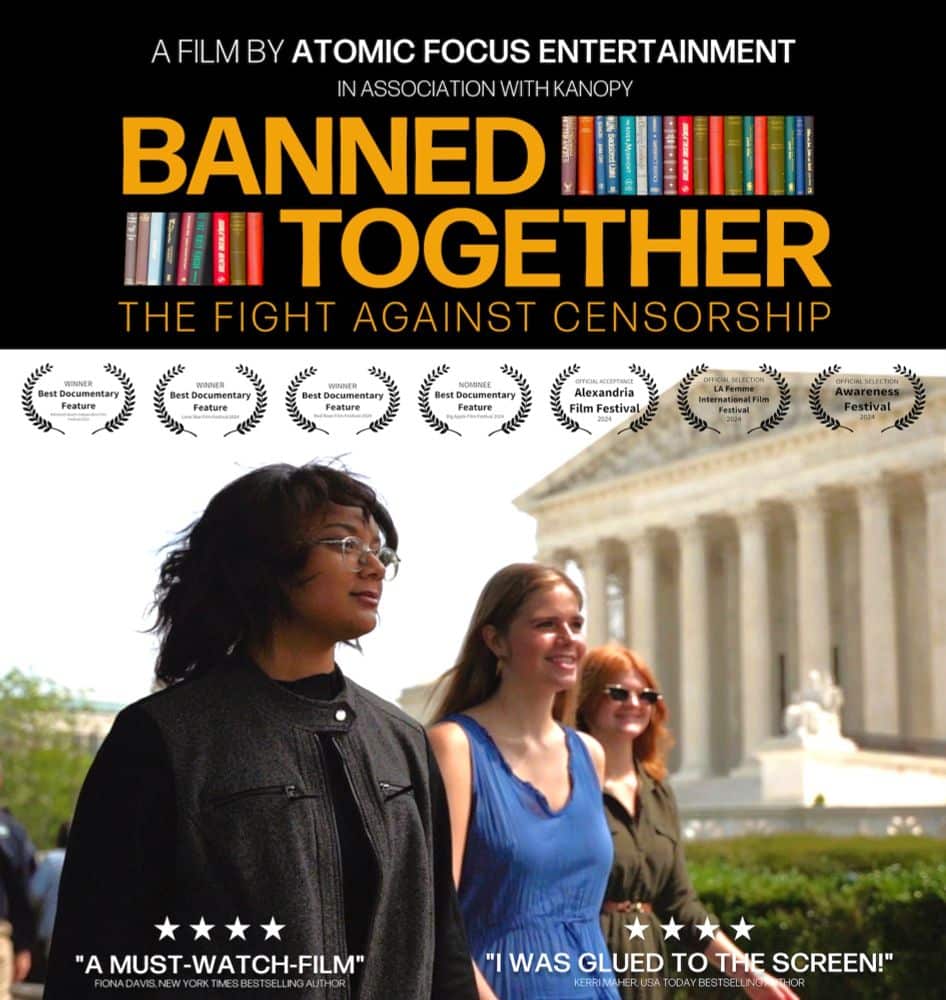
Film. Directed by Kate Way. 2024. 93 minutes.
Follows three students and their adult allies as they fight to reinstate 97 books suddenly pulled from their school libraries.
Continue reading