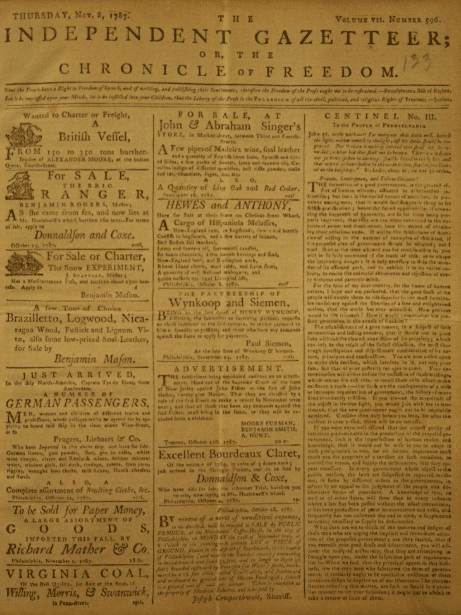
A series of essays appeared in a Philadelphia newspaper from 1787 to 1789, denouncing the new U.S. Constitution, calling the proposed government a “masqued aristocracy” designed to protect the ruling class from the will of the people.
Continue reading
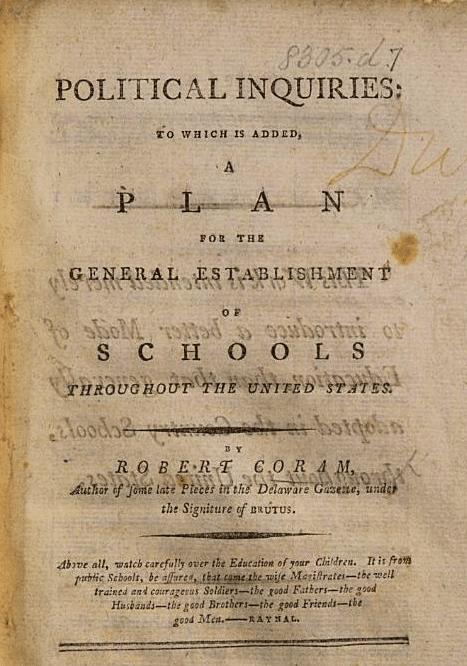
Delaware teacher and librarian Robert Coram authored a pamphlet that advocated for a well-funded public education system to help close the wealth gap in the United States.
Continue reading
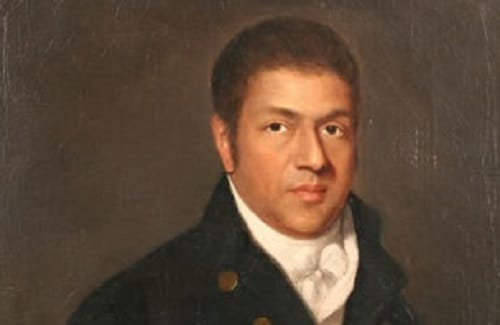
Paul Cuffee and other free Blacks petitioned the Massachusetts government to give African and Native Americans the right to vote.
Continue reading
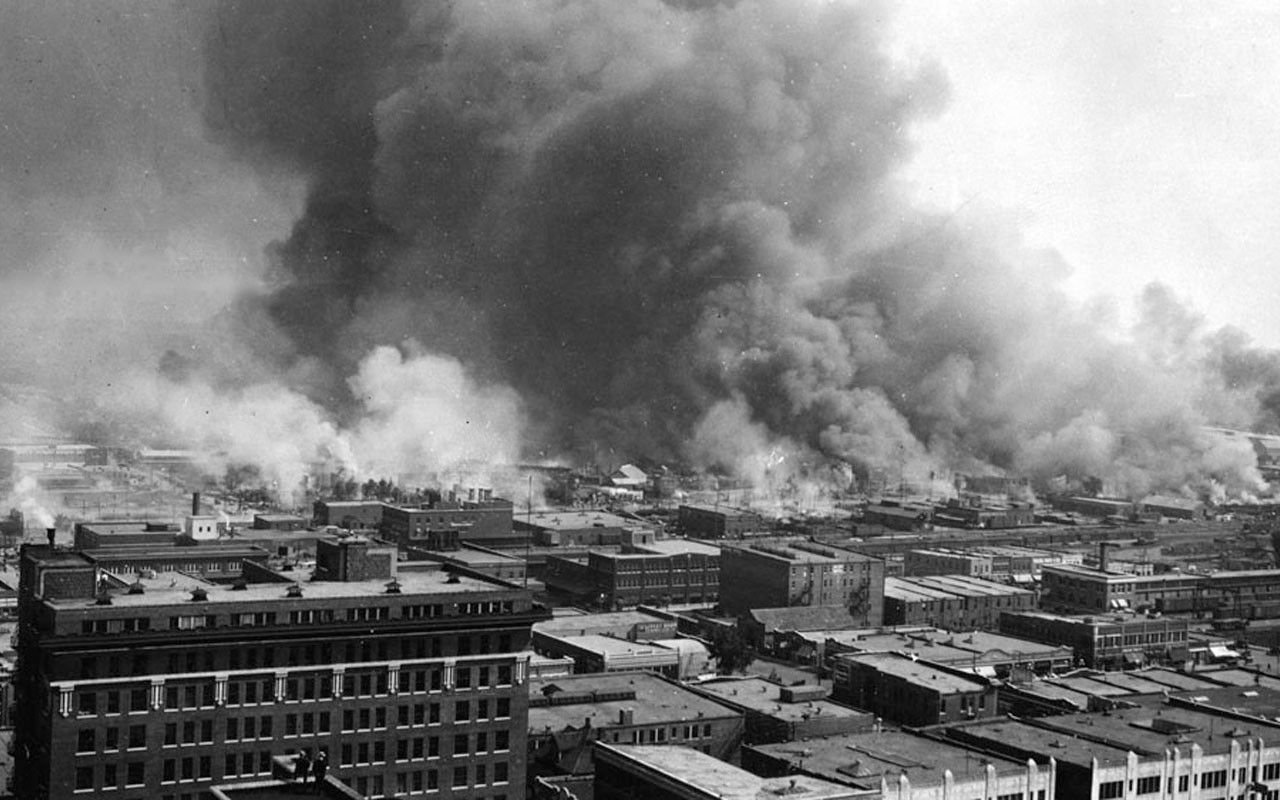
In one of countless white supremacist massacres in U.S. history, white supremacists destroyed a thriving Black community in Oklahoma, known today as the Tulsa Massacre.
Continue reading
Teaching Activity. By Ursula Wolfe-Rocca.
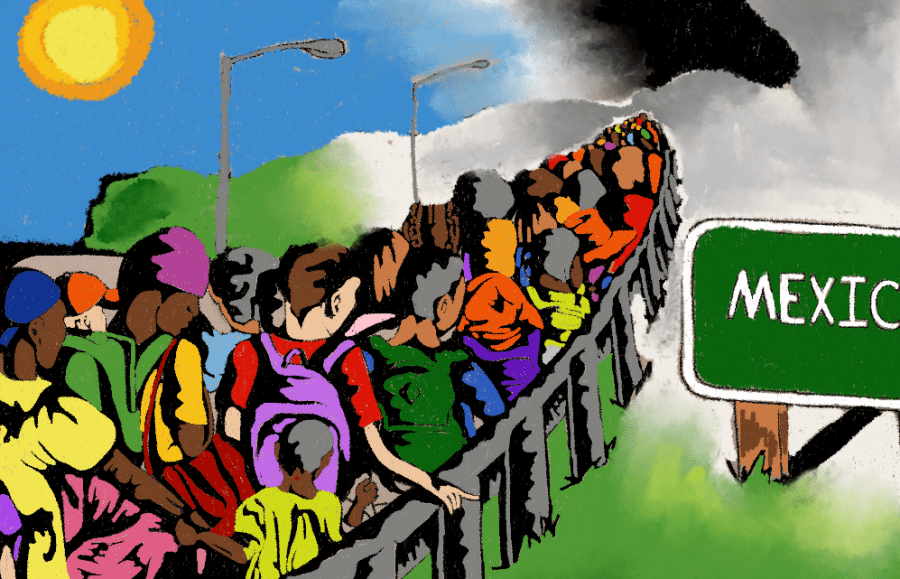
In this lesson, students analyze who is to blame for the illegal, mass deportations of Mexican Americans and immigrants during the Great Depression.
Continue reading
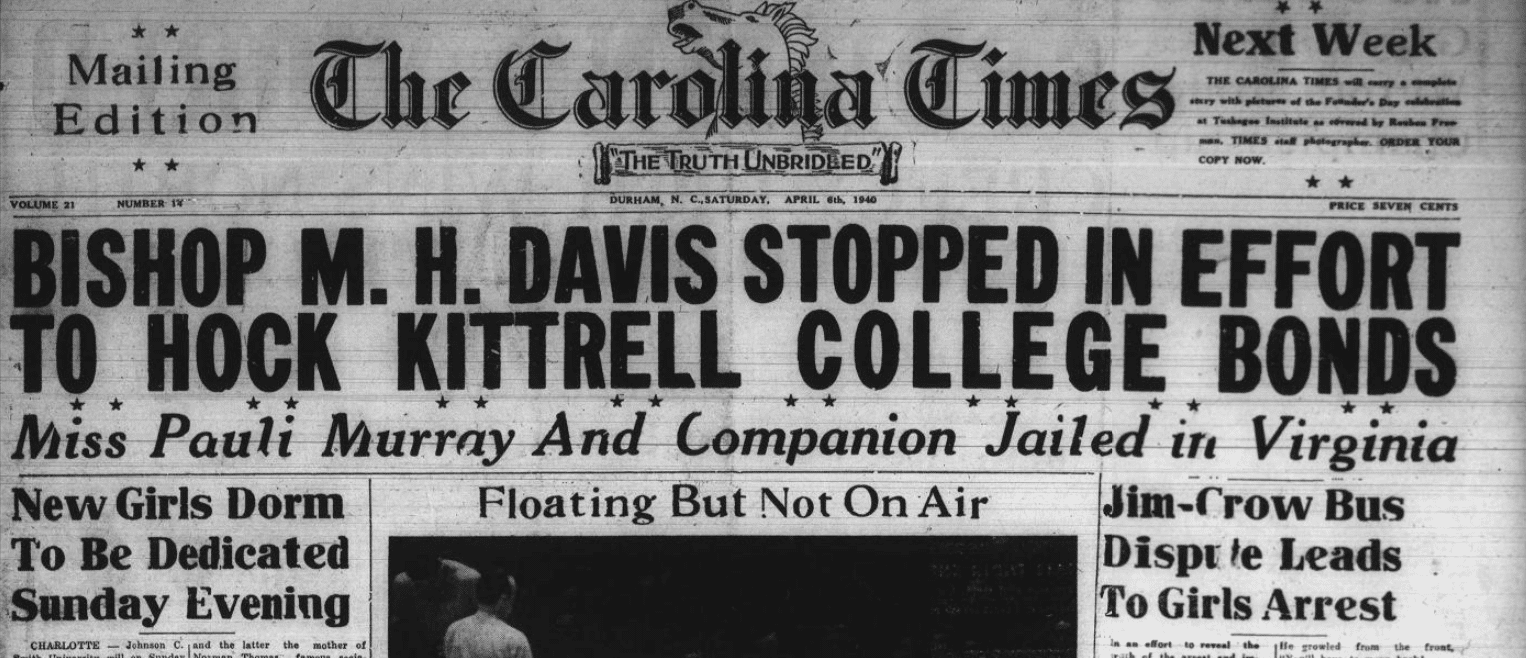
Pauli Murray and Adelene McBean were arrested on a Greyhound bus near Petersburg, Virginia for refusing to move to the back of the bus and were subsequently arrested and jailed.
Continue reading
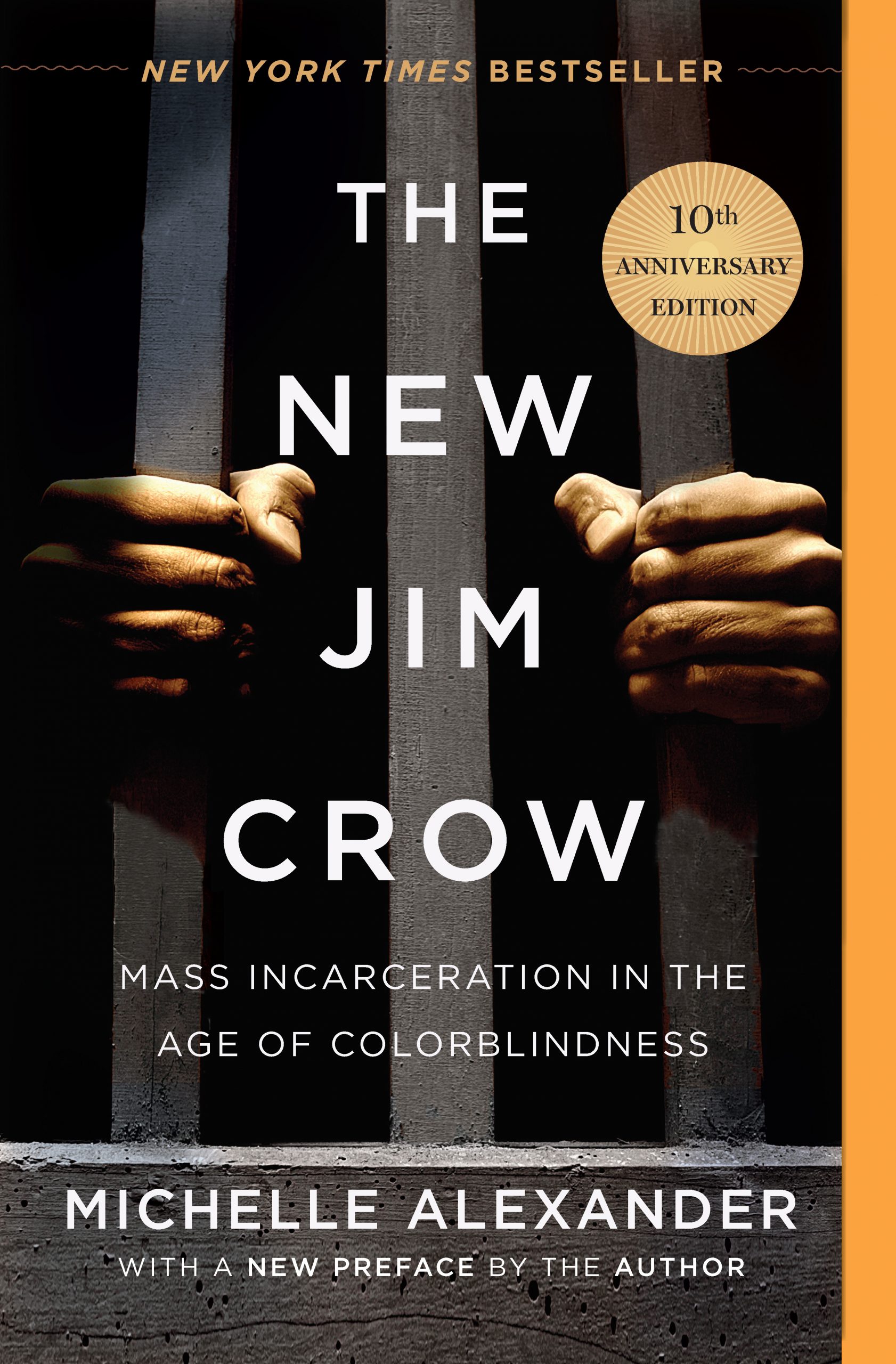
Book — Non-fiction. By Michelle Alexander. Introduction by Cornel West. 2010, updated 10th-anniversary edition released in 2020. 336 pages.
A critical analysis of the role the justice system plays in the oppression of African Americans in the United States.
Continue reading
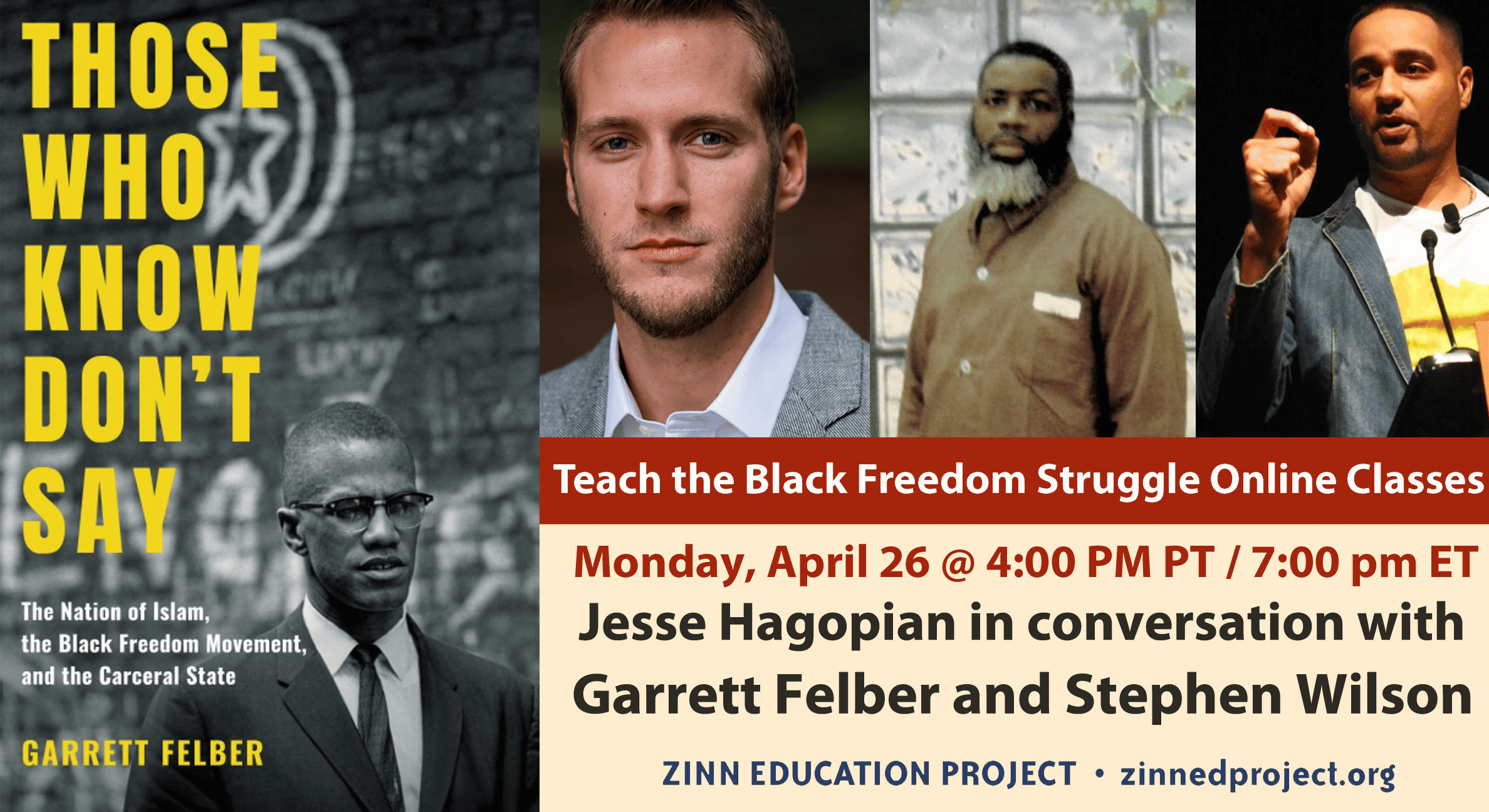
Jesse Hagopian led a conversation with Garrett Felber, Safear Ness, and Stevie Wilson about the prison industrial complex, incarceration, and the history of resistance against that system.
Continue reading
The 13th Amendment to the U.S. Constitution officially ended the institution of slavery.
Continue reading
Teaching Activity. By Bill Bigelow. 17 pages.
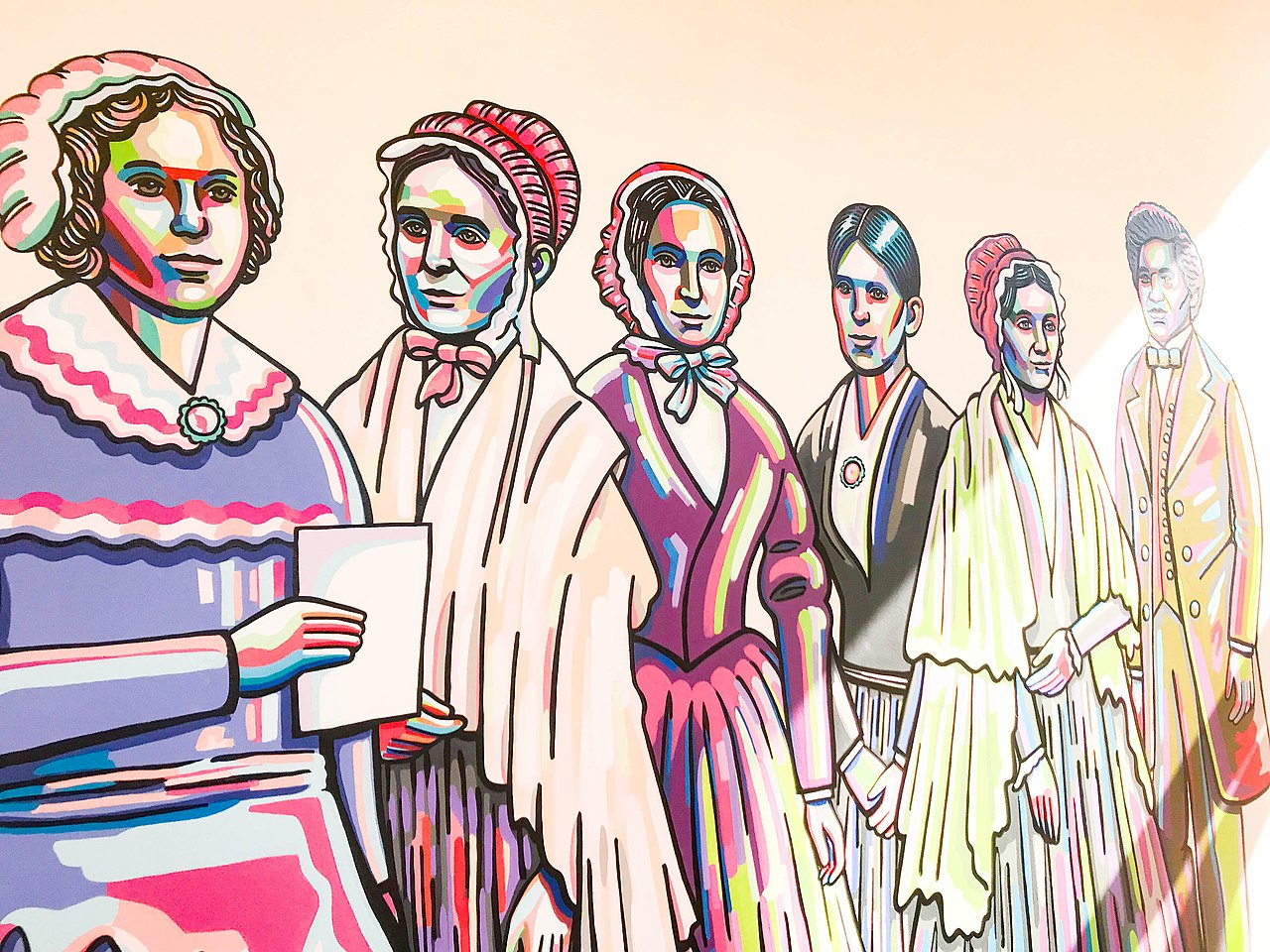
A role play allows students to examine issues of race and class when exploring both the accomplishments and limitations of the Seneca Falls Convention.
Continue reading
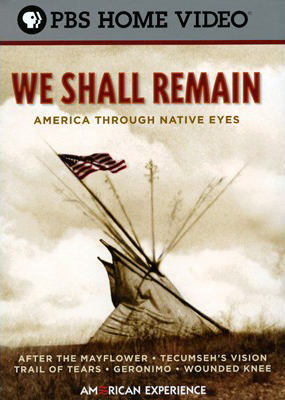
Film. PBS. 2009. 450 minutes.
Three hundred years of Native American history.
Continue reading
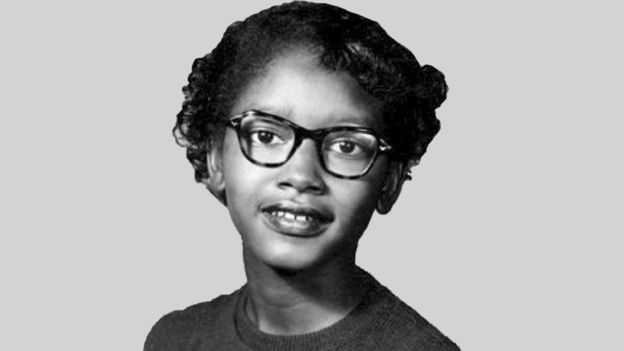
At age 15, Claudette Colvin refused to give up her bus seat to a white woman in Montgomery, Alabama.
Continue reading
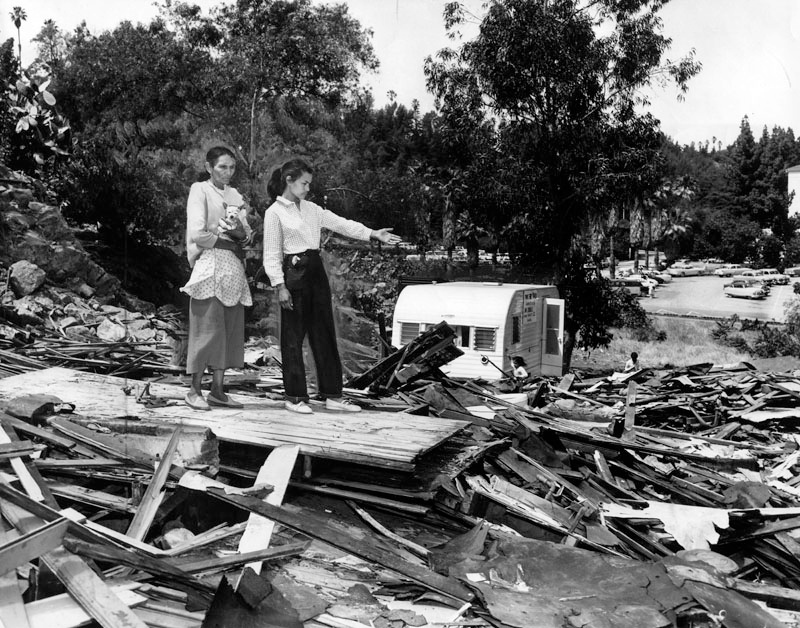
Teaching Activity. By Linda Christensen. Rethinking Schools. 9 pages.
Teaching about patterns of displacement and wealth inequality through the history of Palo Verde, La Loma, and Bishop communities and the building of Dodger Stadium.
Continue reading
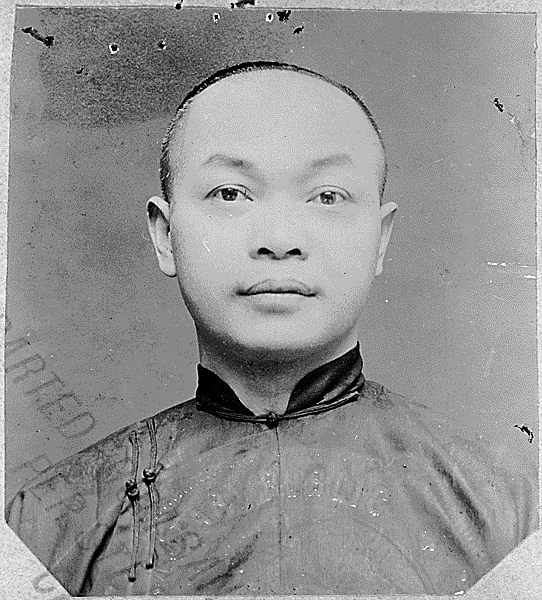
The U.S. Supreme Court issued its landmark decision in United States v. Wong Kim Ark.
Continue reading
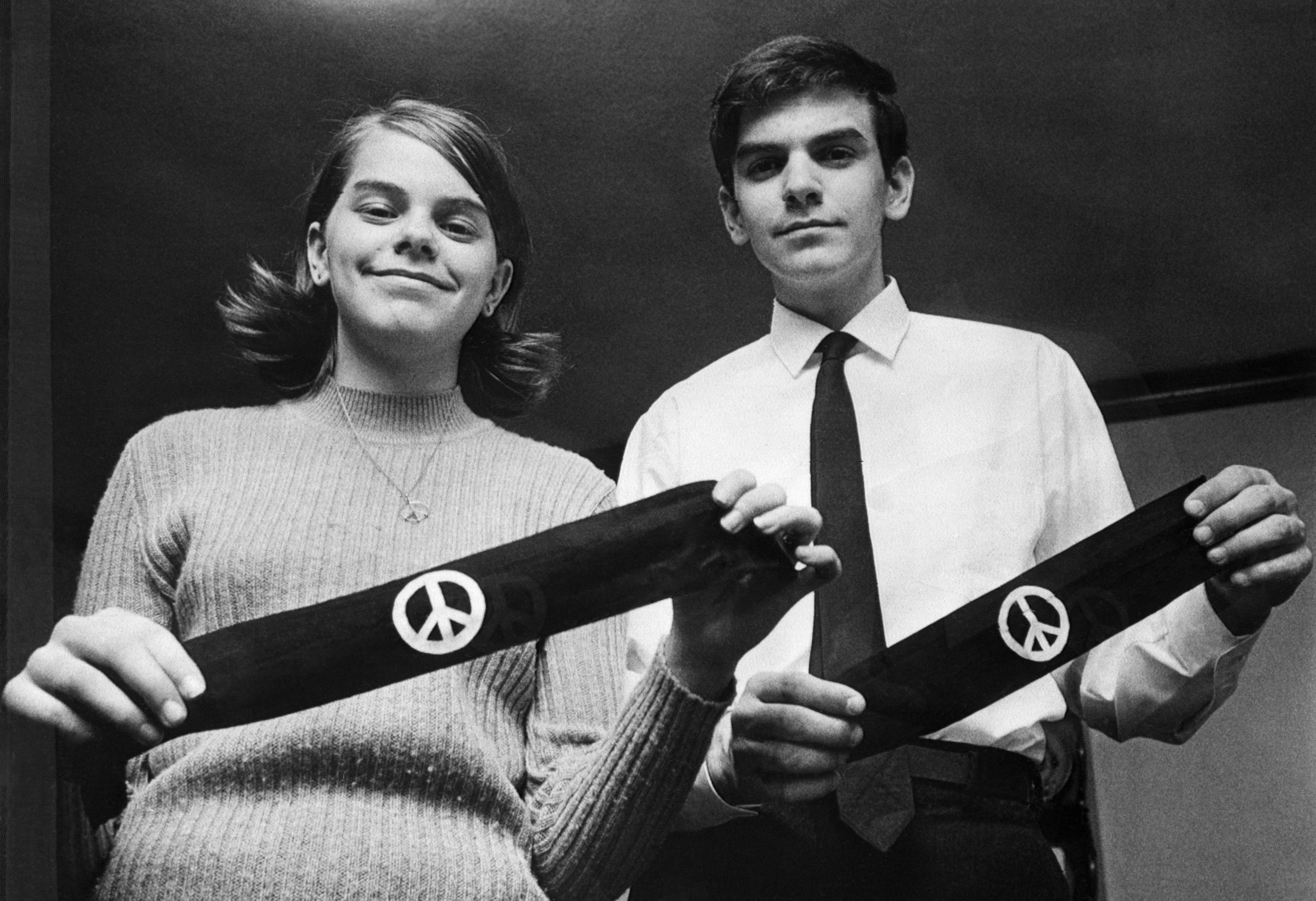
The Supreme Court ruled 7-2 in Tinker v. Des Moines that students do not “shed their constitutional rights to freedom of speech or expression at the schoolhouse gate.”
Continue reading
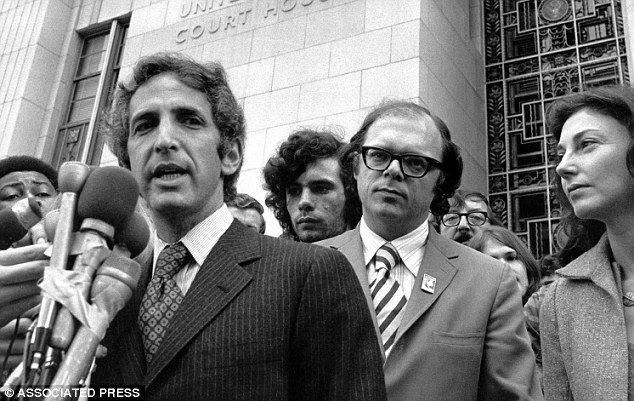
Daniel Ellsberg and Anthony J. “Tony” Russo Jr. were indicted for releasing the Pentagon Papers, detailing the secret history of U.S. involvement in Vietnam.
Continue reading
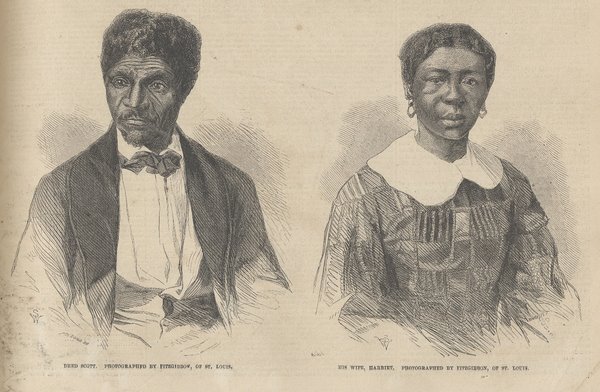
The Supreme Court declared in horrific Dred Scott v. Sandford ruling that “Any person descended from Africans, whether slave or free, is not a citizen of U.S.”
Continue reading
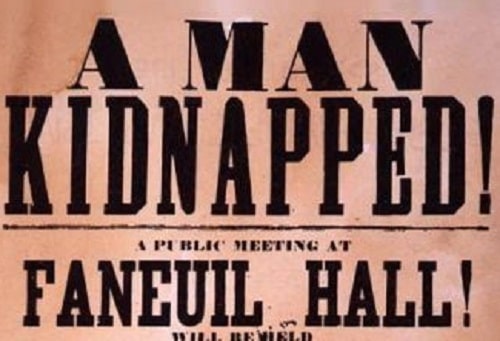
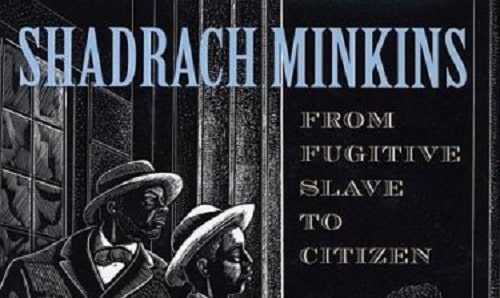
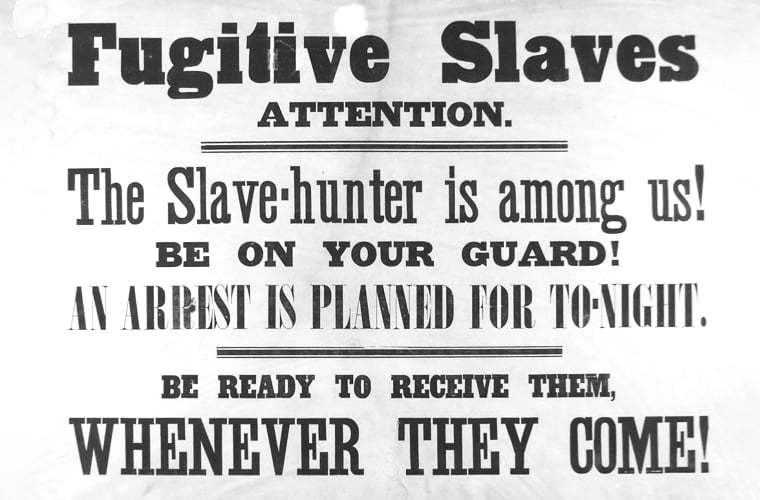
U.S. Marshals arrested Shadrach Minkins, who had escaped from slavery in Norfolk, Virginia.
Continue reading
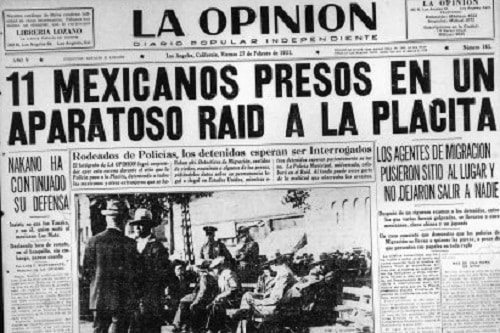
Immigration agents raided La Placita Park where they arrested and deported dozens of Mexican Americans.
Continue reading
Teaching Activity. By Matt Reed. Published by Rethinking Schools. 2023.
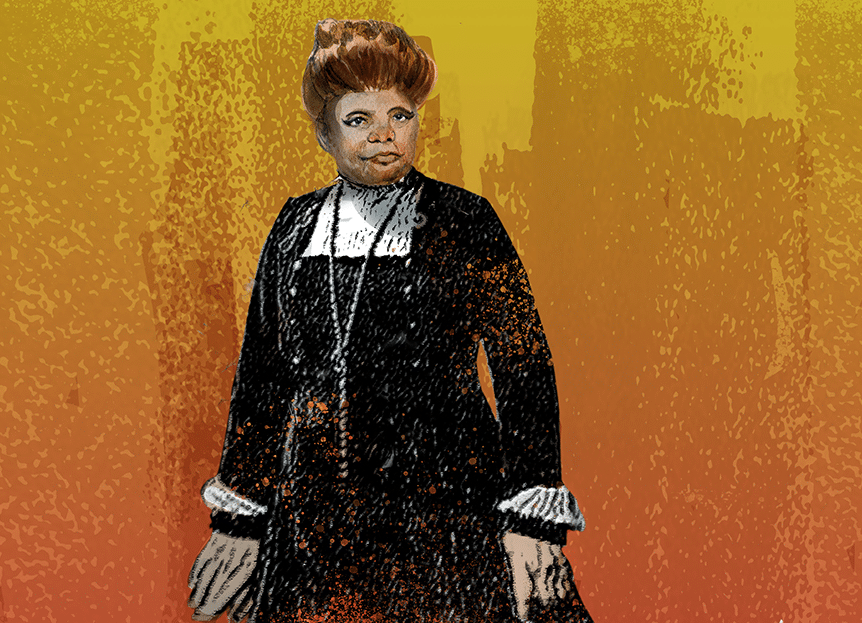
This mixer activity helps students uncover the radical legacy of Ida B. Wells.
Continue reading
Teaching Activity. By Jesse Hagopian. 2025. 40 pages.
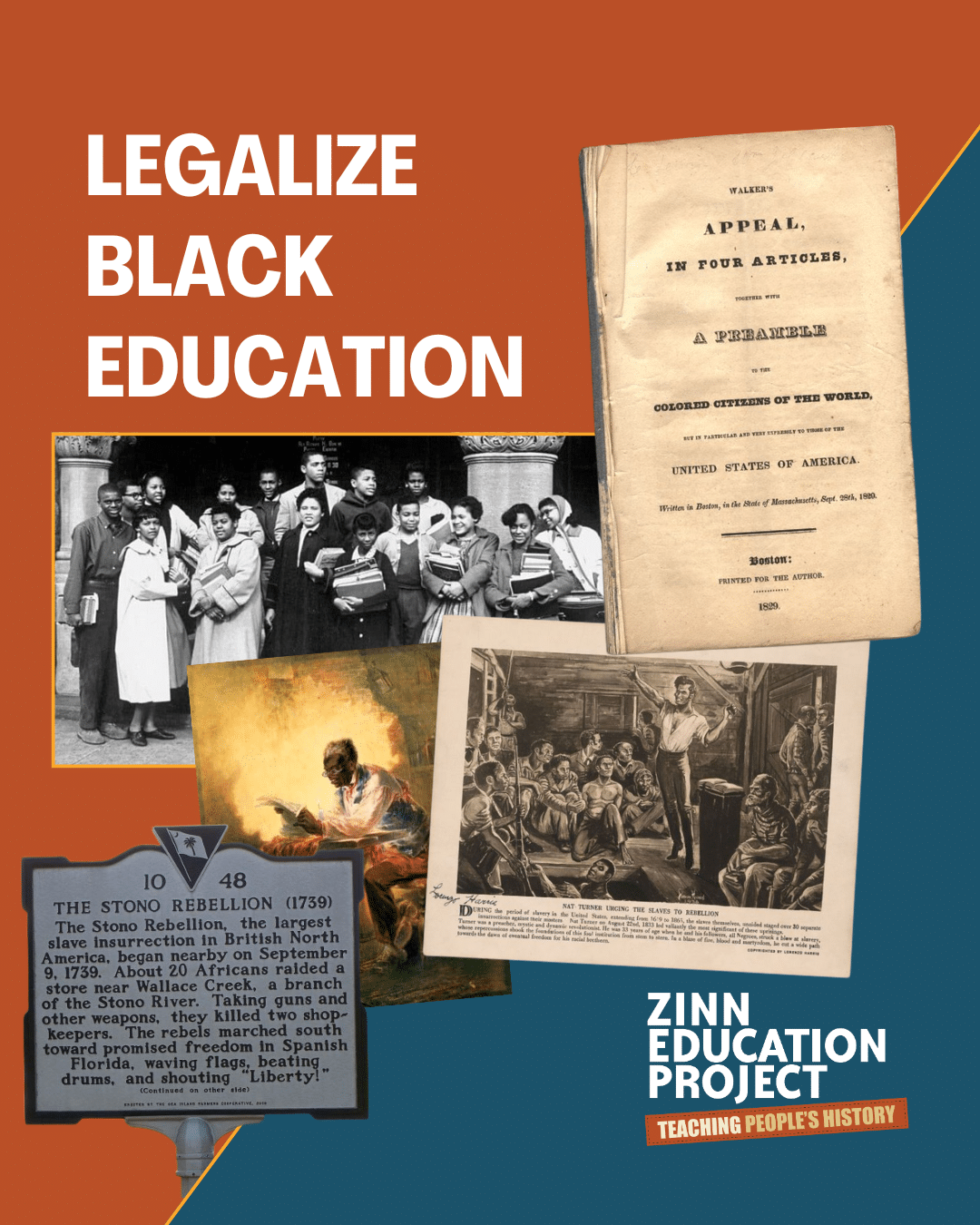
This lesson explores major examples of laws passed to suppress Black education in the wake of major victories for the Black Freedom Struggle, highlighting the historical context and motivations behind these legislative efforts.
Continue reading
Teaching Activity. By Bill Bigelow. 2025. 36 pages.
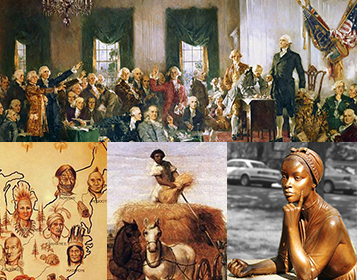
This is a unit with three lessons. The first invites students to think critically about key issues that confronted the framers of the Constitution — examining the perspectives not only of the elites attending the actual Constitutional Convention, but also of enslaved African Americans, poor white farmers, and white workers. The other two lessons are: The Constitutional Convention: Who Really Won? — with students exploring whose interests the Constitution advanced — and Federalist Paper #10: Suppressing “Wicked Projects,” a critical reading activity on James Madison's seminal defense of the Constitution.
Continue reading
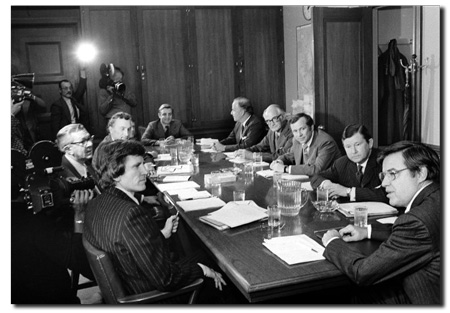
The Church Committee was an investigation into the covert operations of the U.S. intelligence community, including the FBI, CIA, and NSA, and their attacks on subversives and “enemies of the state.”
Continue reading
Signed into law by President George Washington, the first Fugitive Slave Act in the United States gave owners of the enslaved the right to reclaim those who escaped.
Continue reading