

In 1777, the Continental Congress adopted the Articles of Confederation as the first constitution of the United States. Ten years later, no longer in the midst of the Revolutionary War, some Founders argued that this document was too weak. It did not grant the federal government power to raise an army — a limitation made clear after Massachusetts farmers protested oppressive taxation. The protest’s opponents called this “Shays’ Rebellion” and urged changes to the Articles that would make it harder for people to protect themselves from an oppressive government.
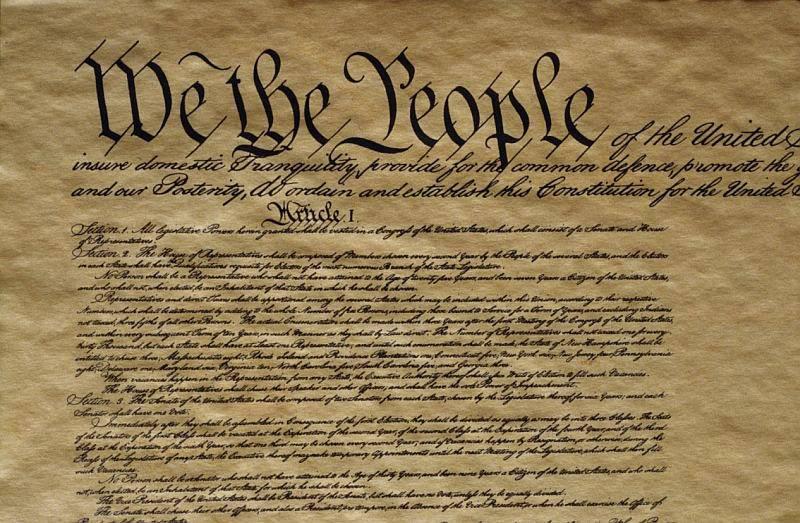
In September 1787, a convening of Founders in Philadelphia agreed to replace the Articles with the U.S. Constitution. The new document would grant Congress the power to raise and support armies. It would also solidify U.S. involvement in the international slave trade for 20 more years and strengthen chattel slavery across the South.
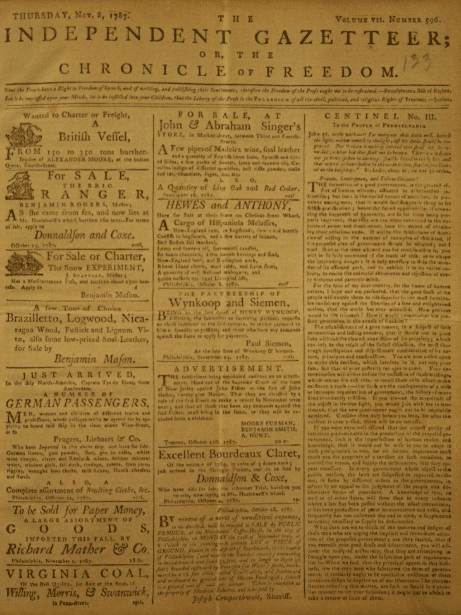
This Oct. 6, 1787, essay was penned by Samuel Hopkins, a Congregationalist theologian from Connecticut, as the convention was underway. In October, it was published in a Rhode Island newspaper under the alias “Crito.” He argued:
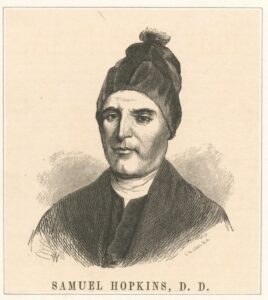
Engraving of abolitionist and theologian Samuel Hopkins. Source: The Princeton & Slavery Project
It was repeatedly declared in Congress, as the language and sentiment of all these states, and by other public bodies of men, “that we hold these truths to be self-evident, that all men are created equal. . . That all men are born, equally free and independent, and have certain natural, inherent, and unalienable rights, among which are the defending and enjoying life and liberty, acquiring, possessing and protecting property, and pursuing and obtaining happiness and safety. . . ”
The Africans, and the blacks in servitude among us, were really as much included in these assertions as ourselves; and their right, unalienable right to liberty, and to procure and possess property, is as much asserted as ours, if they be men. And if we have not allowed them to enjoy these unalienable rights, but violently deprive them of liberty and property, and are still taking, as far as in our power, all liberty, and property from the nations in Africa, we are guilty of a ridiculous wicked contradiction and inconsistence: and practically authorize any nation or people, who have power to do it, to make us their slaves.
The whole of our war with Britain was a contest for liberty. . . and we declared, in words and actions, that we chose rather to die than to be slaves, or have our liberty and property taken from us. . . . Is it possible that the Americans should, after all this, and in the face of all this light and conviction, and after they had obtained liberty and independence for themselves, continue to hold hundreds of thousands of their fellow men in the most abject slavery?
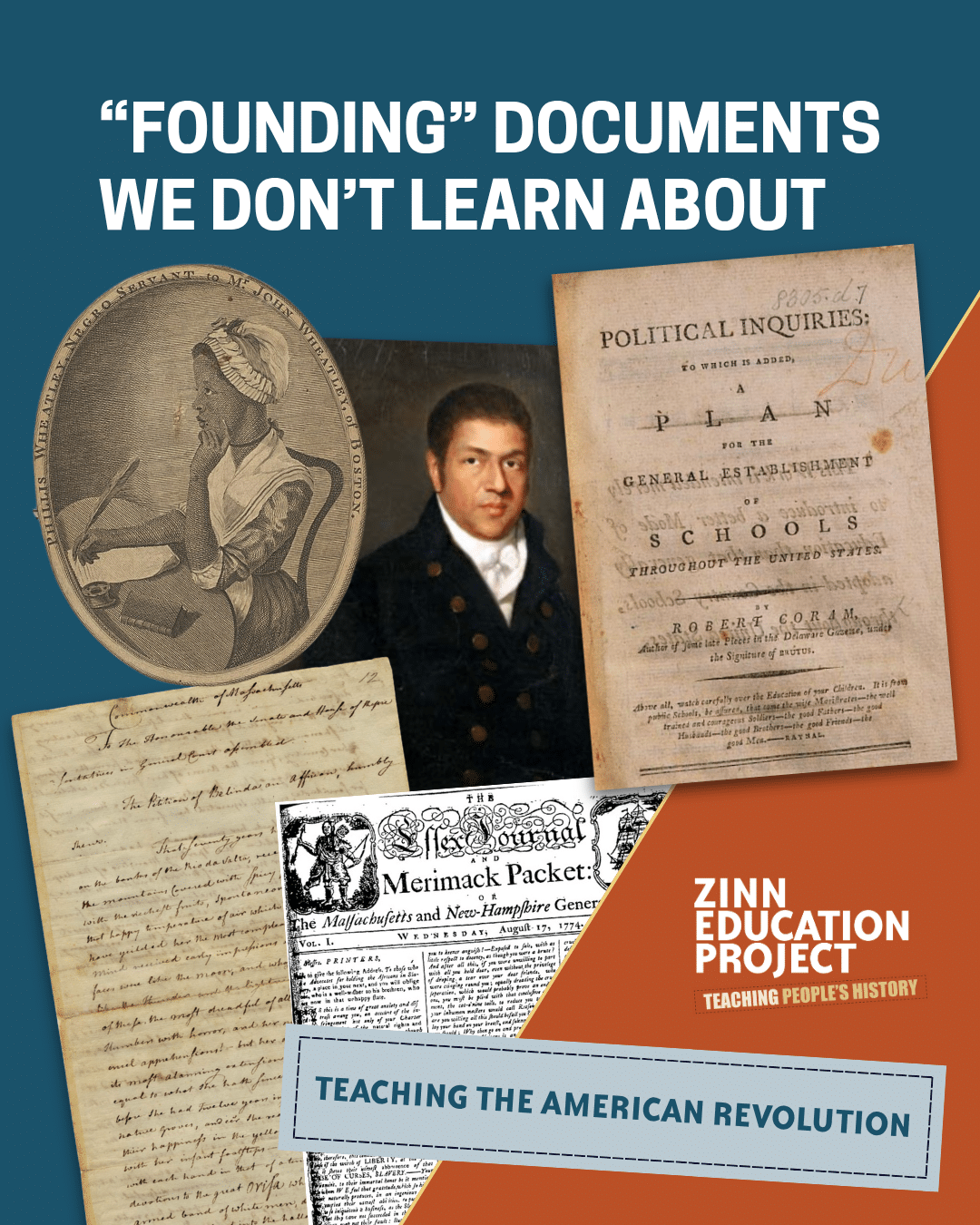
Read more in the lesson “Founding” Documents We Don’t Learn About.



Twitter
Google plus
LinkedIn