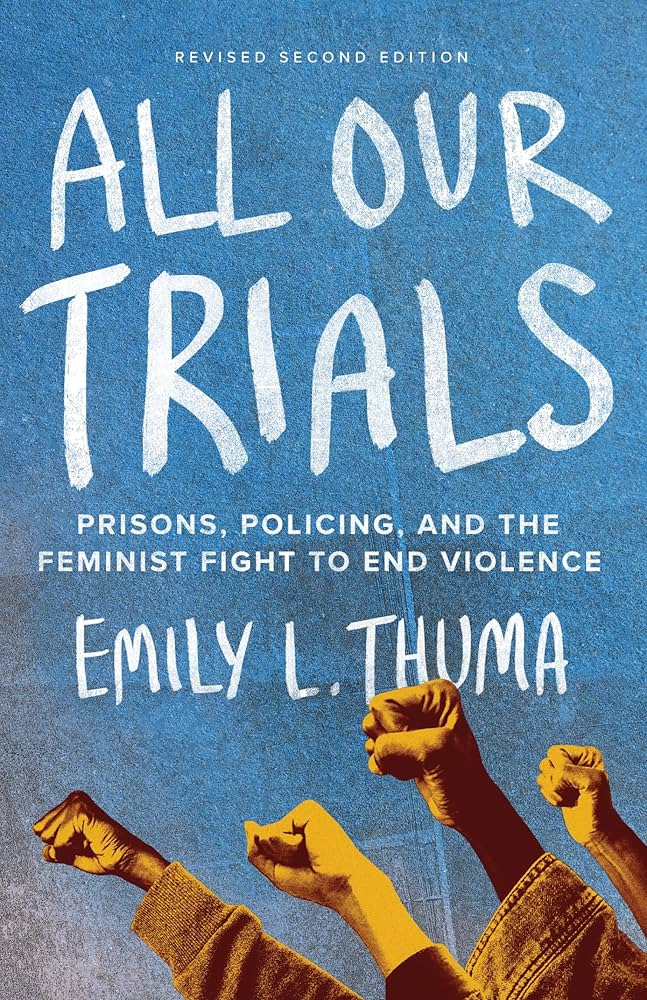
Book — Non-fiction. By Emily L. Thuma. 2024. 256 pages.
A vital history of organizing within and beyond the walls of women’s prisons in the 1970s, illuminating a crucial chapter in today’s abolition feminist struggles.
Continue reading
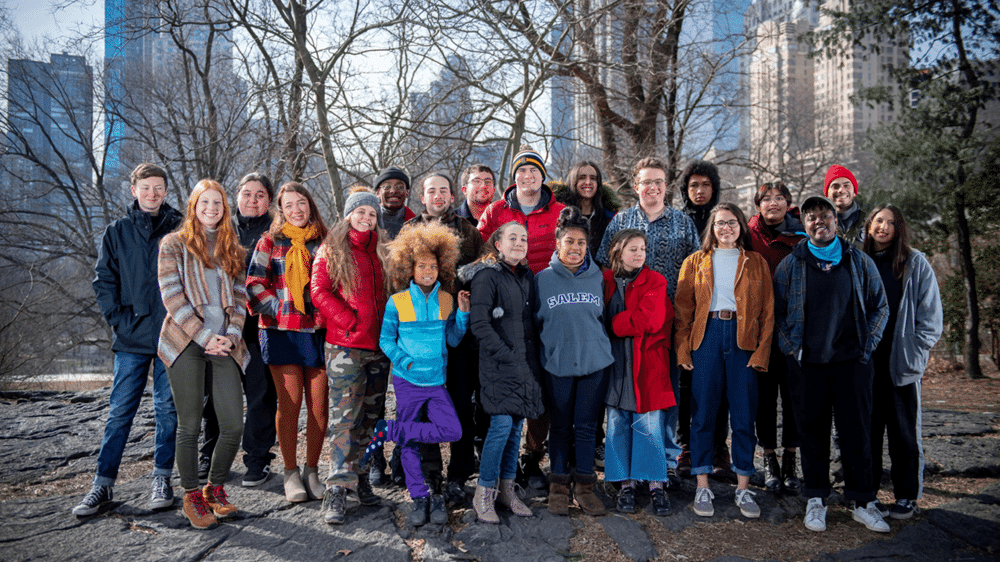
The constitutional climate case Juliana v. United States was filed by 21 youth against the U.S. government. The defendants said that the government's policies are causing catastrophic climate change and constitute a violation of their constitutional rights to life, liberty, and property.
Continue reading
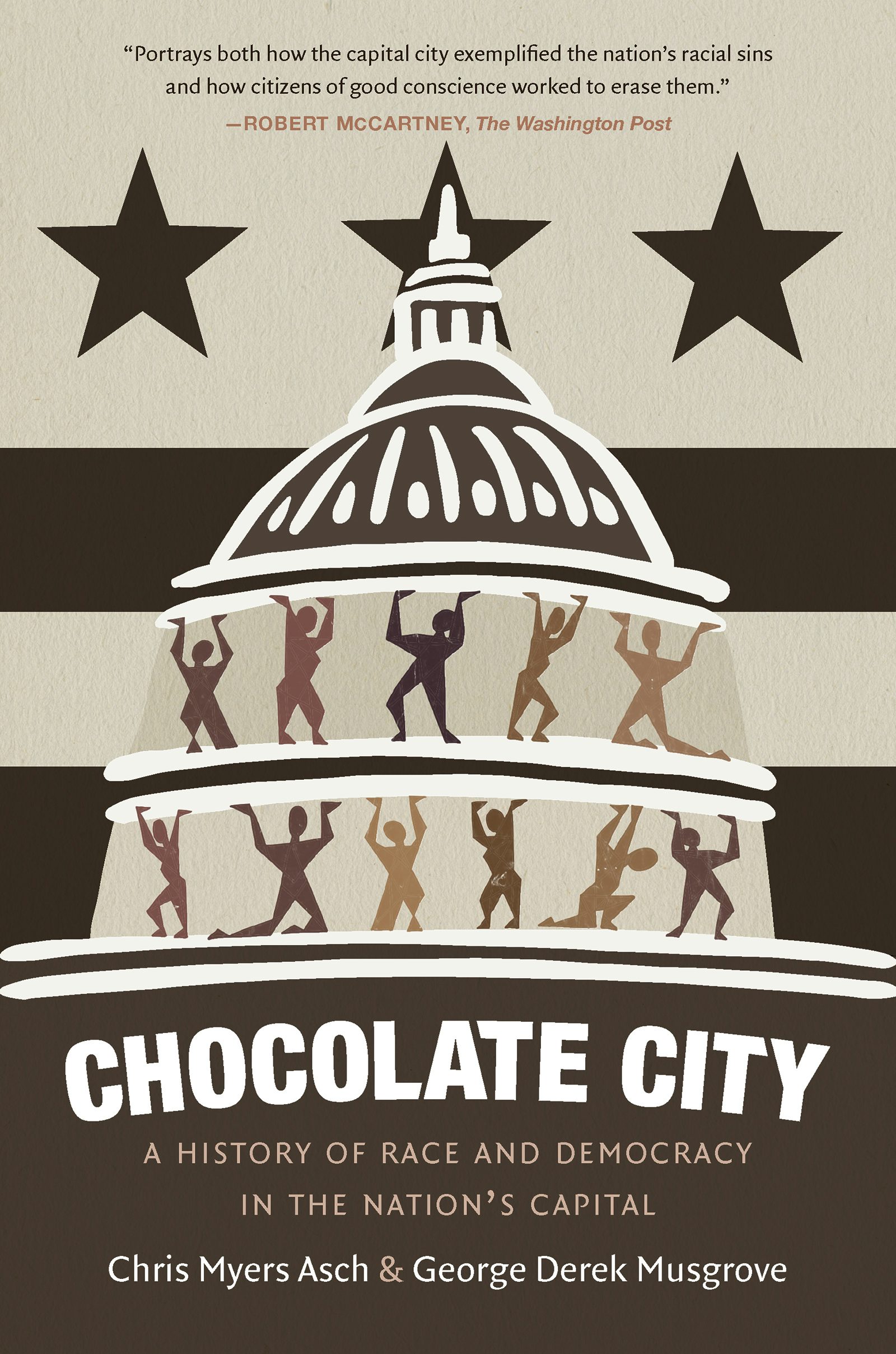
Book — Non-fiction. By Chris Myers Asch and George Derek Musgrove. 2019. 624 pages.
Tells the tumultuous, four-century story of race and democracy in our nation’s capital.
Continue reading
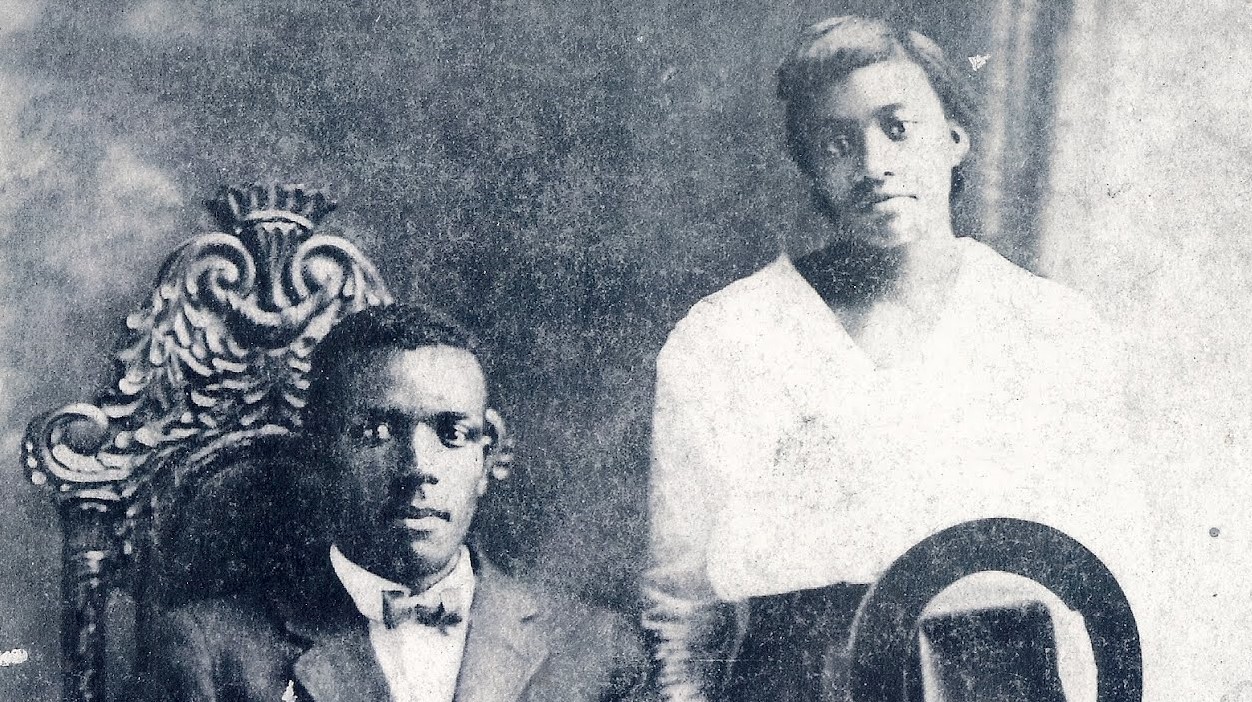
Lamar Smith, 63-year-old farmer and WWI veteran, was shot dead in Brookhaven, Mississippi, for urging African Americans to vote.
Continue reading
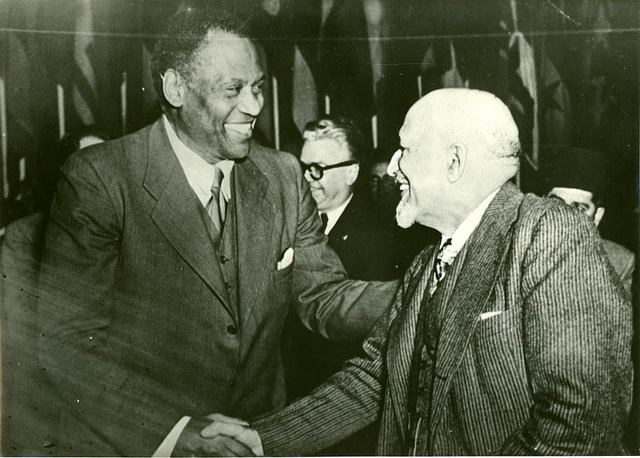
Paul Robeson lost his court appeal to have the U.S. State Department grant him a passport.
Continue reading
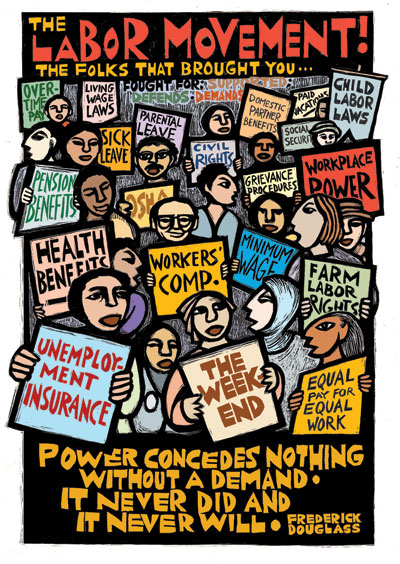
Teaching Activity. By Learning for Justice.
Introduces students to the role of the labor movement in securing contemporary benefits such as the 40-hour work week, the minimum wage, and workplace safety regulations.
Continue reading
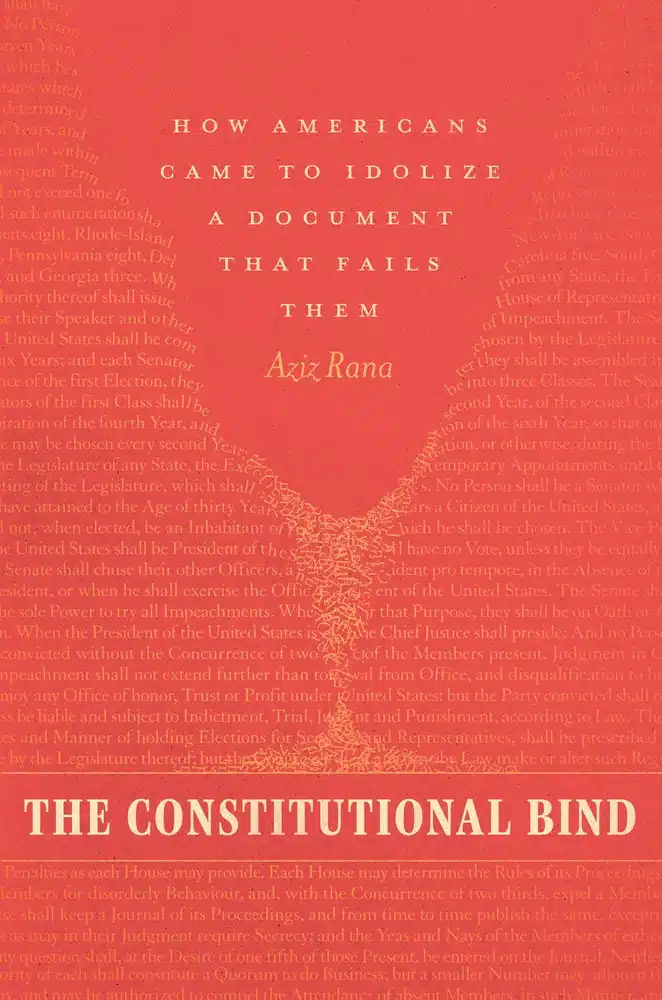
Book — Non-fiction. By Aziz Rana. 2024. 824 pages.
An account of how people in the United States came to revere the Constitution and what this reverence has meant domestically and around the world.
Continue reading
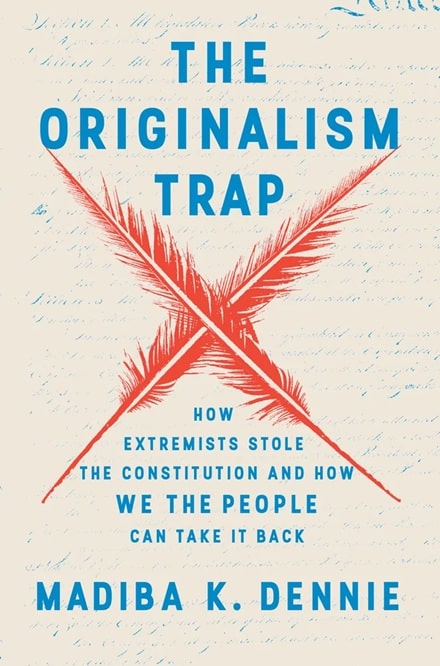
Book — Non-fiction. By Madiba K. Dennie. 2024. 304 pages.
Shows readers that the Constitution belongs to them and how, by understanding its possibilities, they can use it to fight for their rights.
Continue reading
Teaching Activity. By Bill Bigelow and Norm Diamond. 8 pages.
This lesson teaches some of the nuts and bolts of labor unions and then moves beyond to ask students to consider what rights they have at work, and to recognize that “rights” depend in large part on what people have fought for and won.
Continue reading
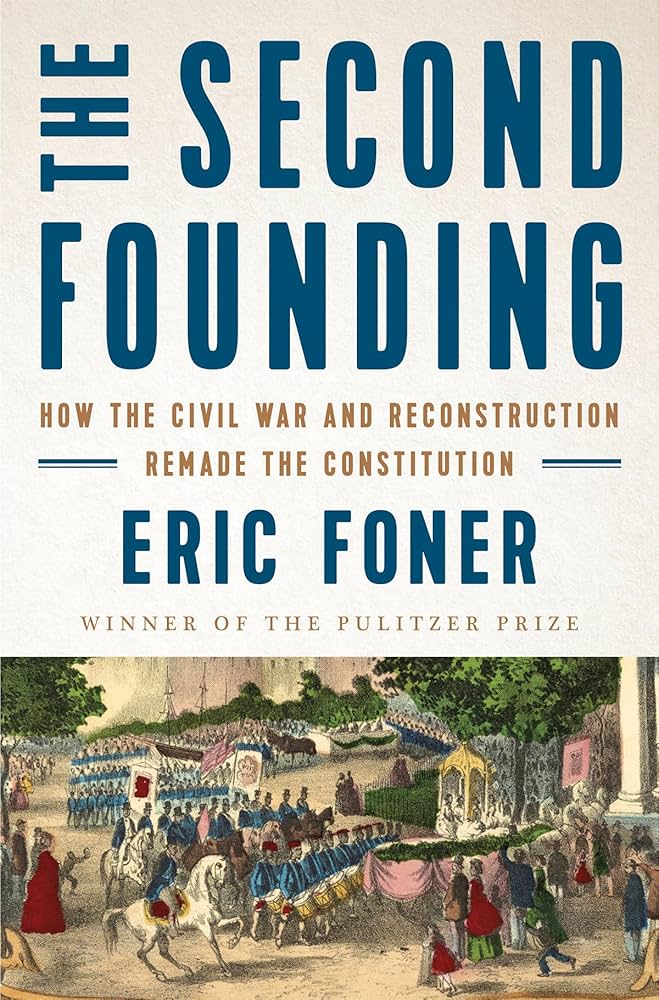
Book — Non-fiction. By Eric Foner. 2020. 304 pages.
Traces the arc of the three foundational Reconstruction amendments from their origins in antebellum activism to their virtual nullification by narrow Supreme Court decisions and Jim Crow state laws.
Continue reading
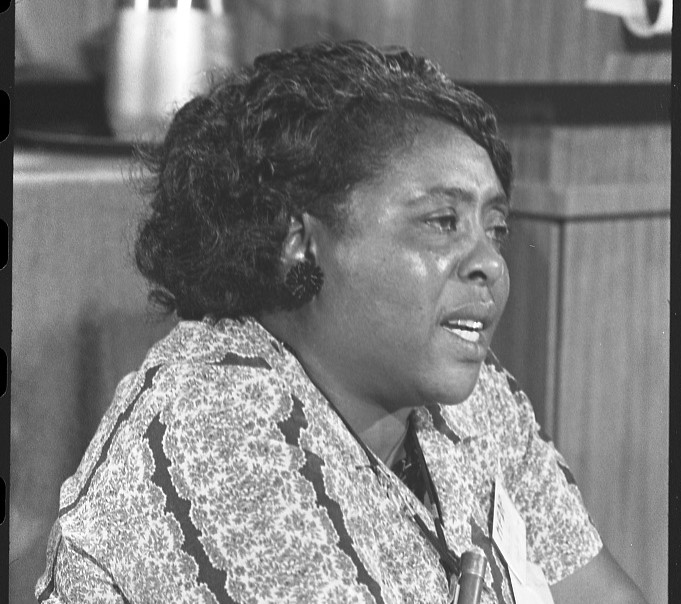
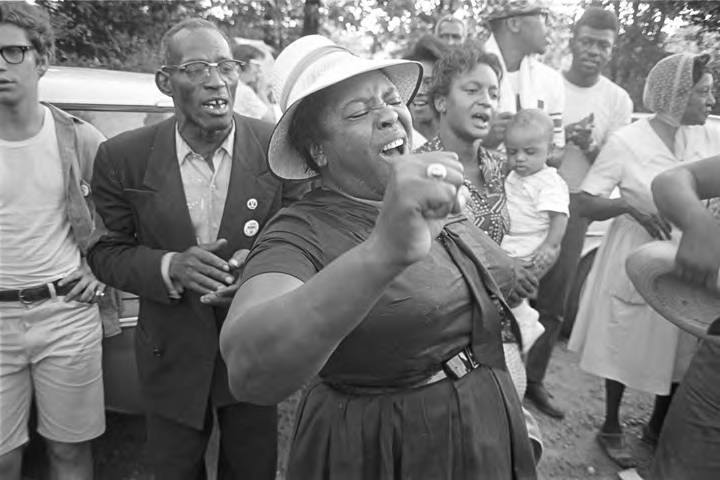
Mrs. Fannie Lou Hamer, and the other members of the MFDP at the Democratic National Convention, questioned the nation about the lack of “one person, one vote” in the United States.
Continue reading
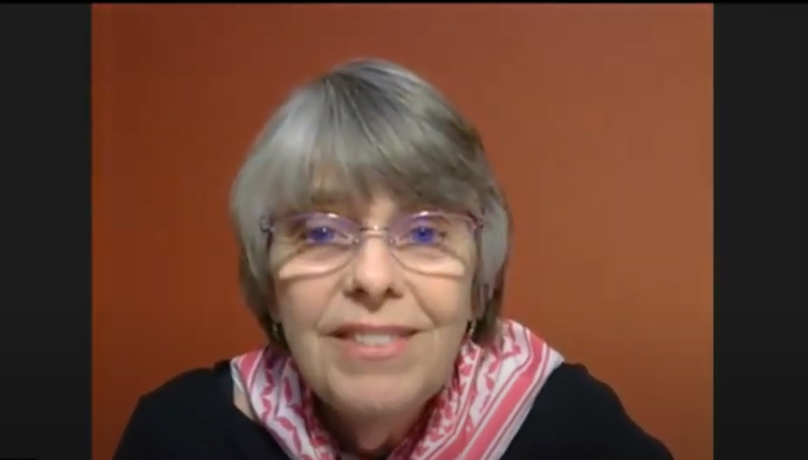
Free speech activist Mary Beth Tinker on the importance of teaching truthfully about the U.S. Constitution.
Continue reading
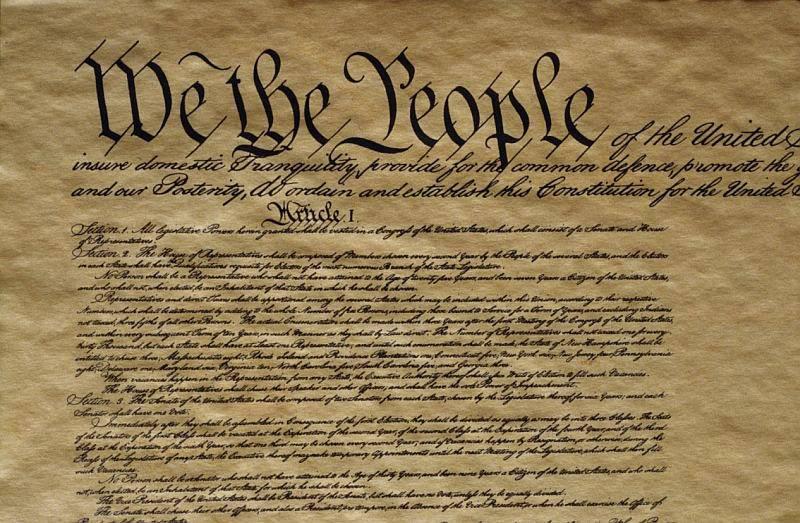
The U.S. Constitution was signed in Philadelphia, Pennsylvania.
Continue reading
Rev. George W. Lee, one of the first African Americans registered to vote in Humphreys County since Reconstruction and head of the Belzoni, Mississippi NAACP, was murdered.
Continue reading
Ben Chester White, caretaker on a farm, was brutally murdered by the Ku Klux Klan in Natchez, Mississippi.
Continue reading
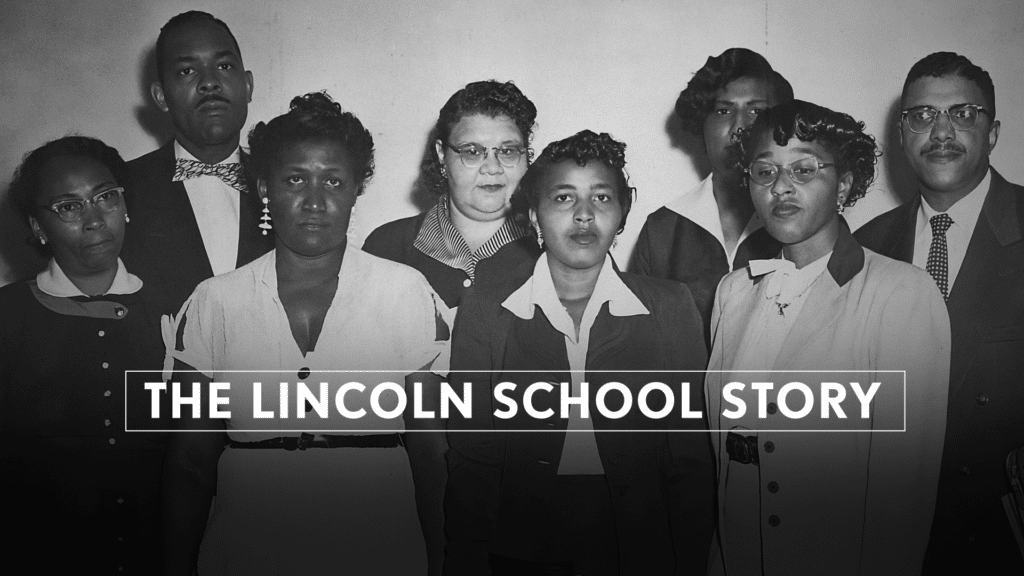
The “Marching Mothers” of Hillsboro sued the school district and began daily marches to desegregate elementary schools in this town in Ohio.
Continue reading
Mrs. Fannie Lou Hamer, a civil rights activist, was born in Montgomery County, Mississippi.
Continue reading
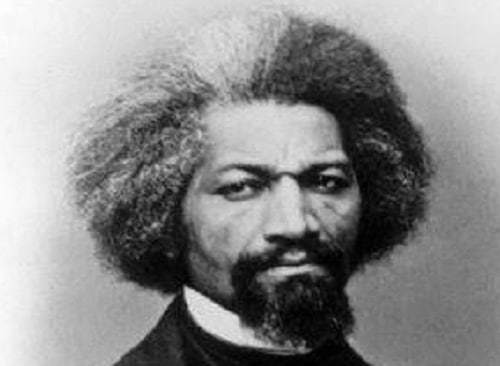
In protest of Jim Crow discrimination on public transportation, Frederick Douglass and his friend, white politician James N. Buffum, boarded a Eastern Railroad Company train, in a first class car and were promptly ejected from the train.
Continue reading
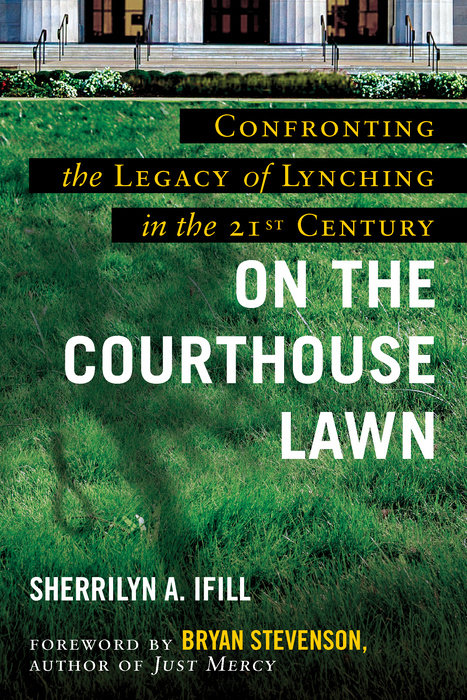
Book — Non-fiction. By Sherrilyn A. Ifill. 2018. 240 pages.
Examines the lynchings of Black Americans between 1890 and 1960 and the racial trauma still resounds across the country.
Continue reading
Profile.
Brief profiles of people and events from Asian American and Pacific Islander people's history.
Continue reading
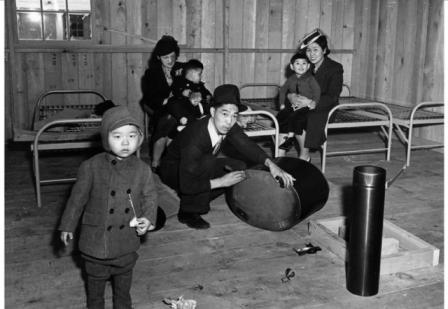
Teaching Activity. By Katie Baydo-Reed. Rethinking Schools. 10 pages.
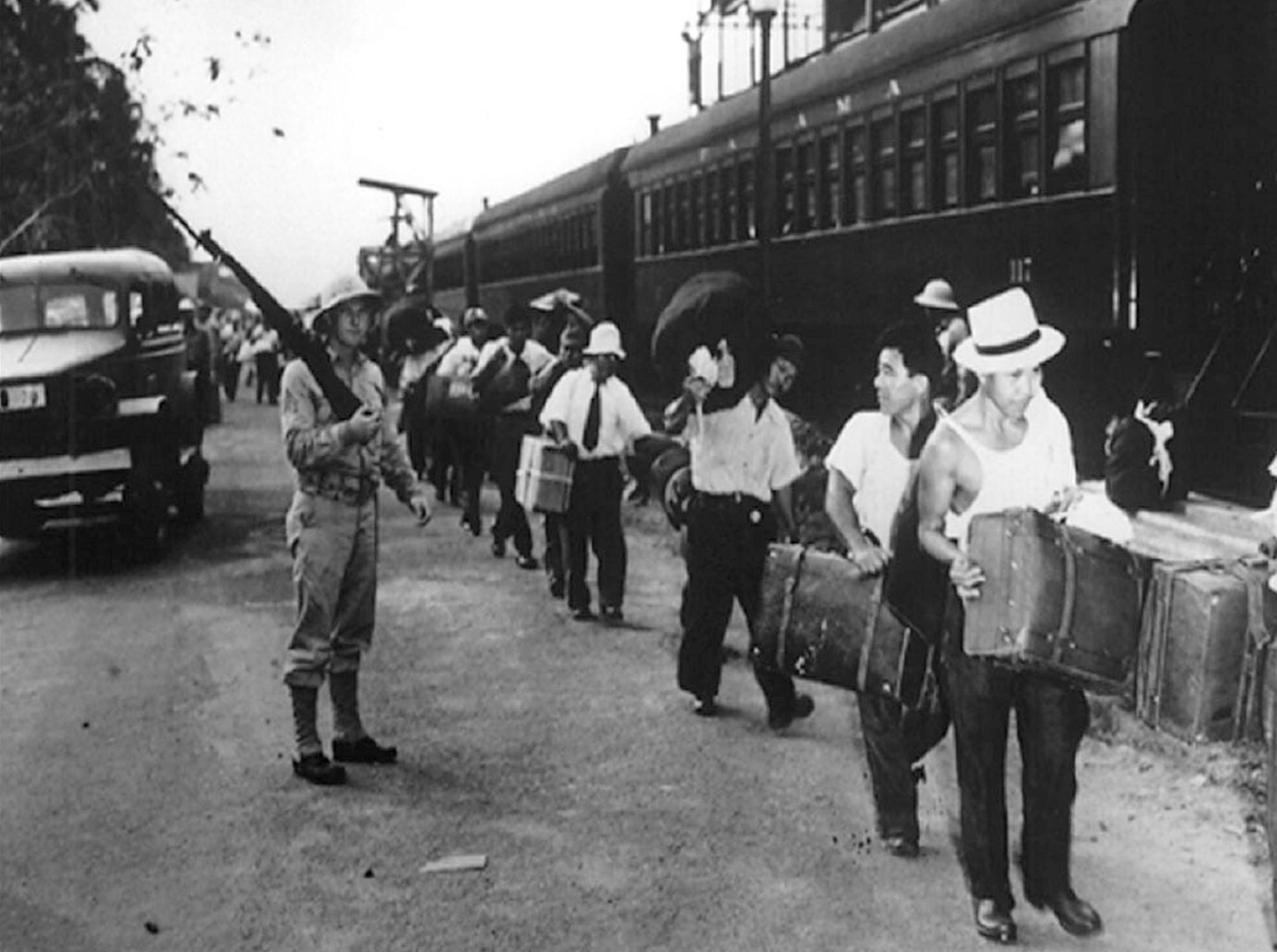
Students hold a mixer and a mock trial in preparation for reading literature about Japanese American incarceration.
Continue reading
Teaching Activity. By Moé Yonamine. Rethinking Schools. 18 pages.
Poetry, photography, and text are used in this role play to teach about the seldom told history of Japanese Latin American incarceration during WWII.
Continue reading
Digital collection. Explores the historical context and stories of individuals who have been targets of U.S. government surveillance during the 20th century.
Continue reading
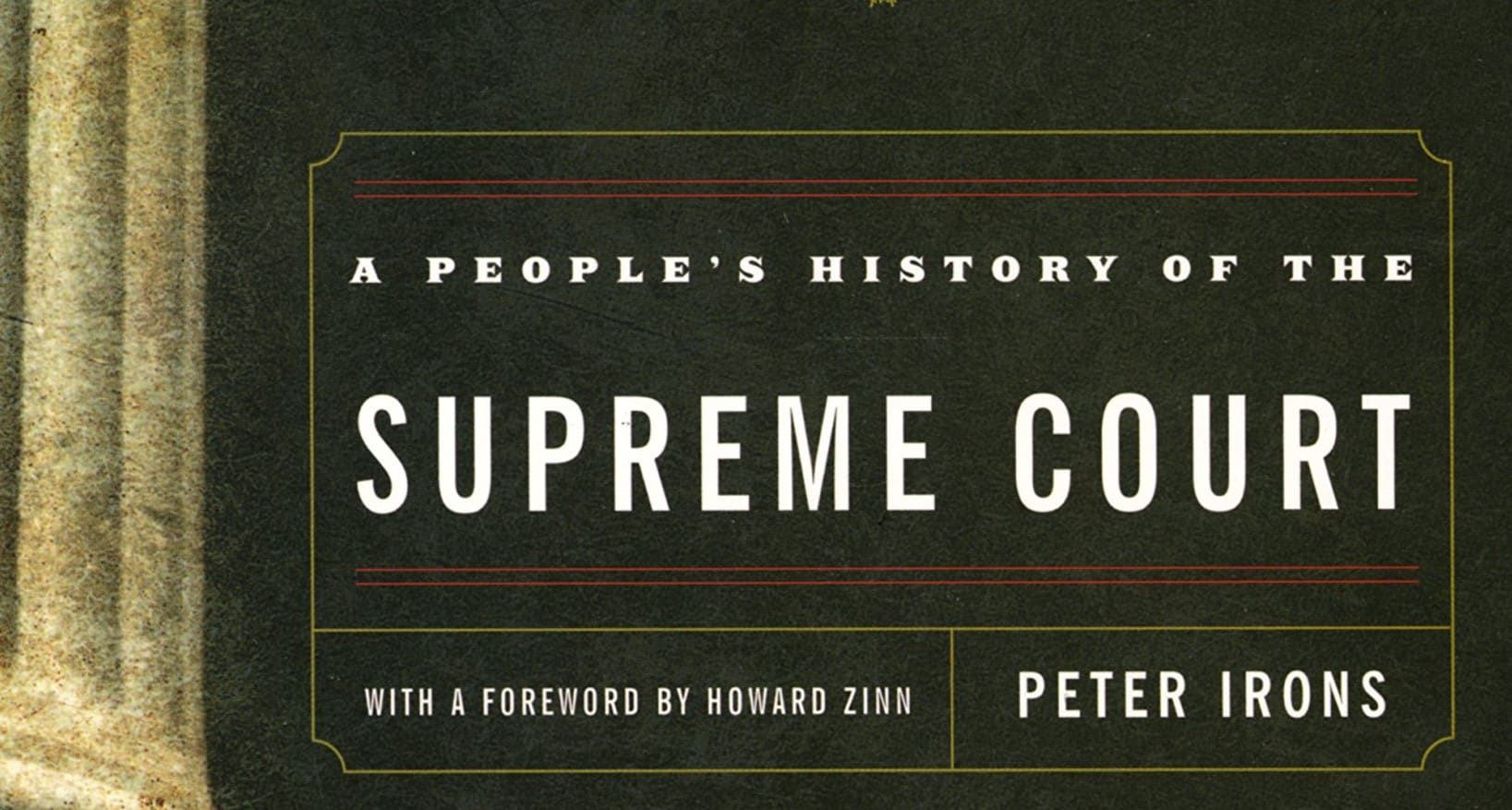
Book — Non-fiction. By Peter Irons. Foreword by Howard Zinn. 2006. 588 pages.
A detailed and critical history of the Supreme Court.
Continue reading