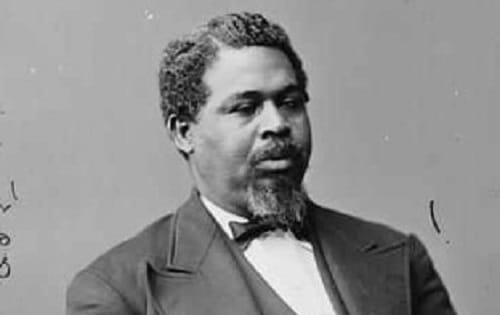
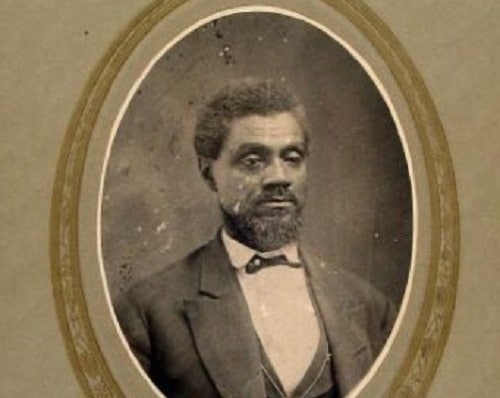
Robert Smalls was elected to Congress from South Carolina during Reconstruction.
Continue reading
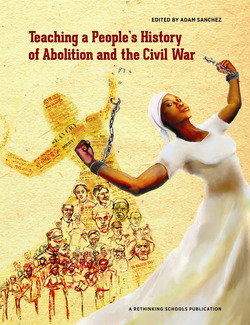
Teaching Guide. Edited by Adam Sanchez. 2019. Rethinking Schools. 181 pages.
Students will discover the real abolition story, one about some of the most significant grassroots social movements in U.S. history.
Continue reading
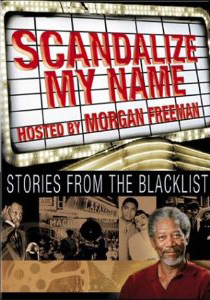
Film. Directed by Alexandra Isles. 2000. 60 minutes.
Documentary about the impact of the McCarthy era on African Americans in the film industry.
Continue reading
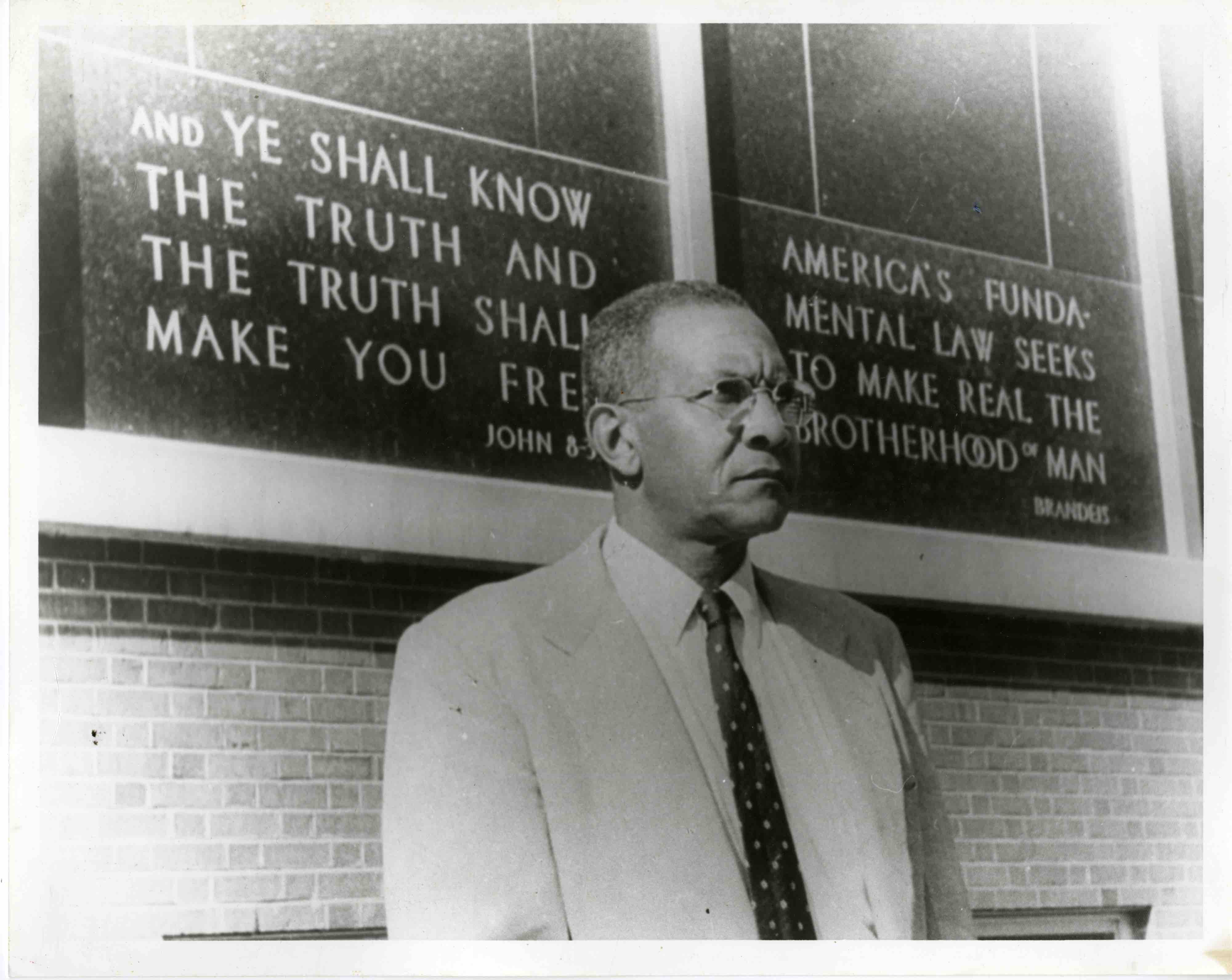
SCOTUS ruled 9-0 that redrawing city boundaries in Tuskegee, Alabama to exclude African-American voters violates the 15th Amendment.
Continue reading
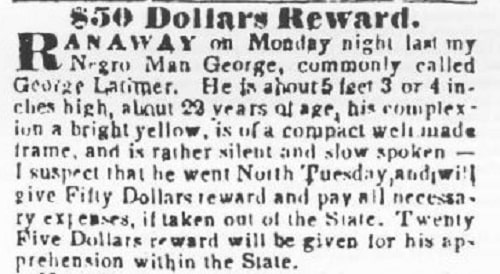
A Boston judge stopped the extradition of George Latimer, who had escaped enslavement in Virginia, and allowed him to raise funds for his own manumission.
Continue reading
Podcast. Written and hosted by Kidada E. Williams. 2021.
A Black history podcast tells stories "drawn from archives of voices from American history that have been muted time and time again."
Continue reading
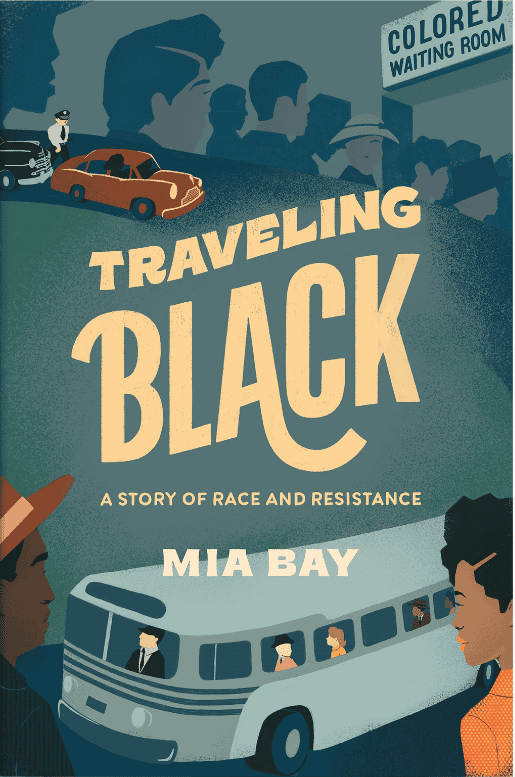
Book — Non-fiction. By Mia Bay. 2021. 400 pages.
From stagecoaches and trains to buses, cars, and planes, this book explores racial restrictions on transportation and resistance to the injustice.
Continue reading
The Palmer Raids began in November of 1919 and targeted suspected radical leftists, especially anarchists, and deported them from the United States.
Continue reading
Rosa Parks refused to give up her seat on a bus in Montgomery, Alabama.
Continue reading
After the Civil War, representatives from states recently in rebellion were blocked from being sworn-in at the 39th Congress.
Continue reading
The Montgomery Bus Boycott is one of the most powerful examples of organizing and social change in U.S. history.
Continue reading
William Beverly Nash and several others asked the federal government to intervene to ensure equal medical treatment for all.
Continue reading
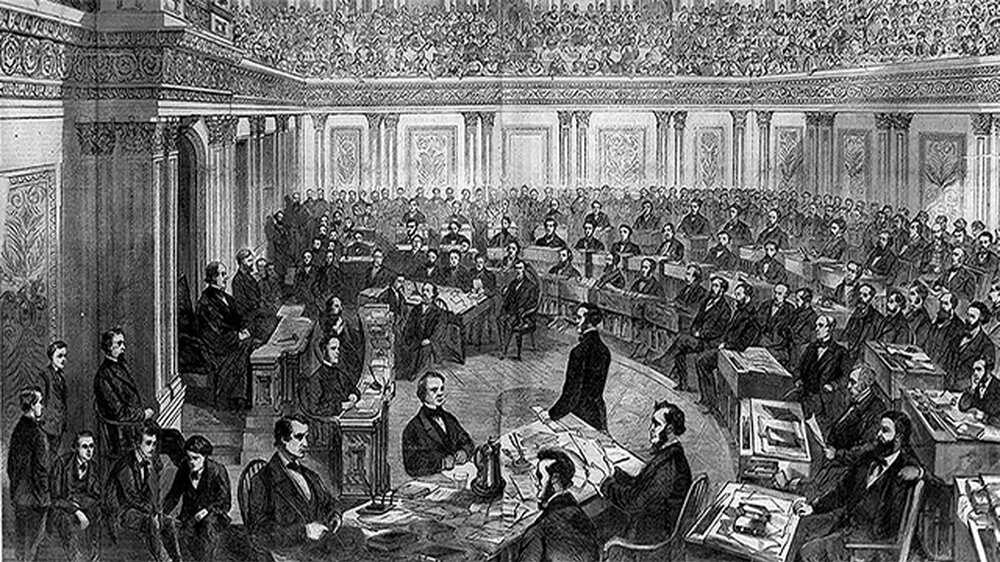
President Andrew Johnson was impeached by the House of Representatives.
Continue reading
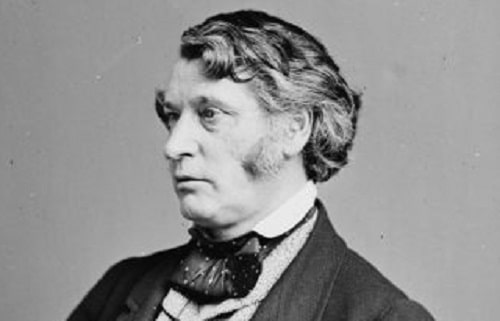
Born on this day in Massachusetts, Charles Sumner was outspoken against slavery, for full recognition of Haiti, against the U.S.-Mexico War, for true reconstruction with land distribution, against school segregation, and much more.
Continue reading
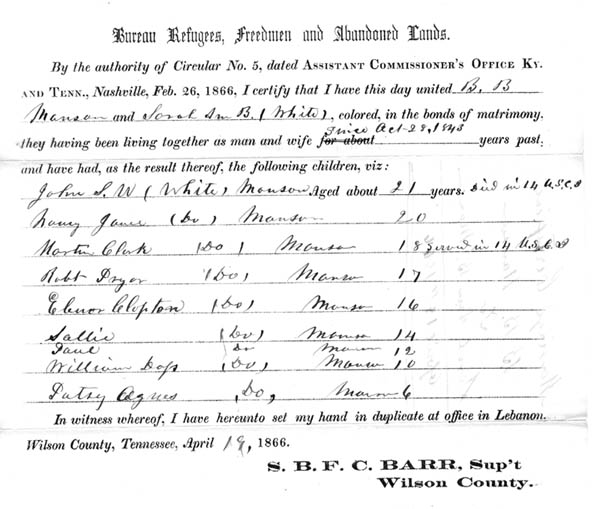
Benjamin Berry Manson and Sarah Ann Benton White, formerly enslaved in Tennessee, receive an official marriage certificate from the Freedmen’s Bureau.
Continue reading
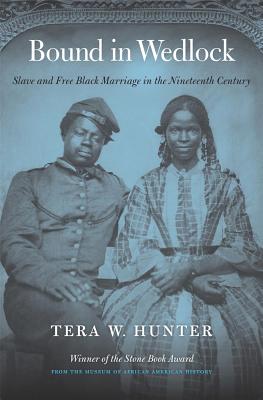
Book — Non-fiction. By Tera W. Hunter. 2019. 416 pages.
A comprehensive history of African American marriages in the nineteenth century.
Teaching Activity by Tera W. Hunter
Continue reading
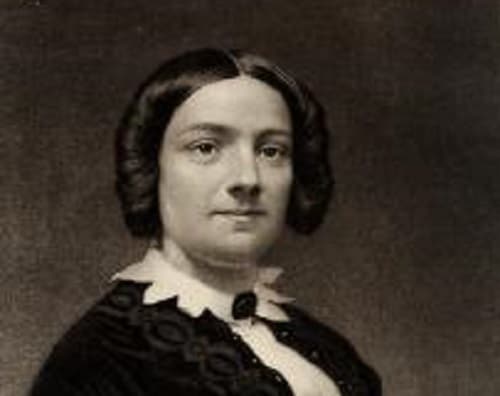
A judge in Norfolk, Virginia, sentenced a white woman, Margaret Douglass, to one month in jail for teaching free Black children to read.
Continue reading
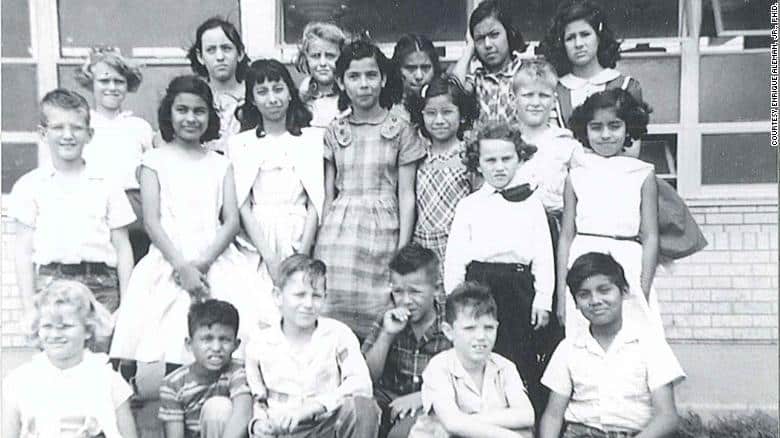
The U.S. District Court for the Southern District of Texas Corpus Christi found a South Texas school district guilty of discriminating against Mexican-American students in one of the first cases that directly applied the ruling made in Brown v. Board of Education to Mexican-American students.
Continue reading
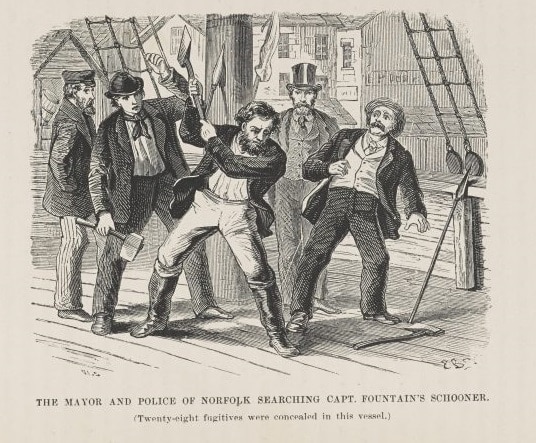
With escalating escapes of the formerly enslaved, the Virginia General Assembly responded to lobbying from slaveholders and human traffickers by making it harder for enslaved African Americans to escape on ships and by increasing penalties for anyone helping such freedom-seekers.
Continue reading
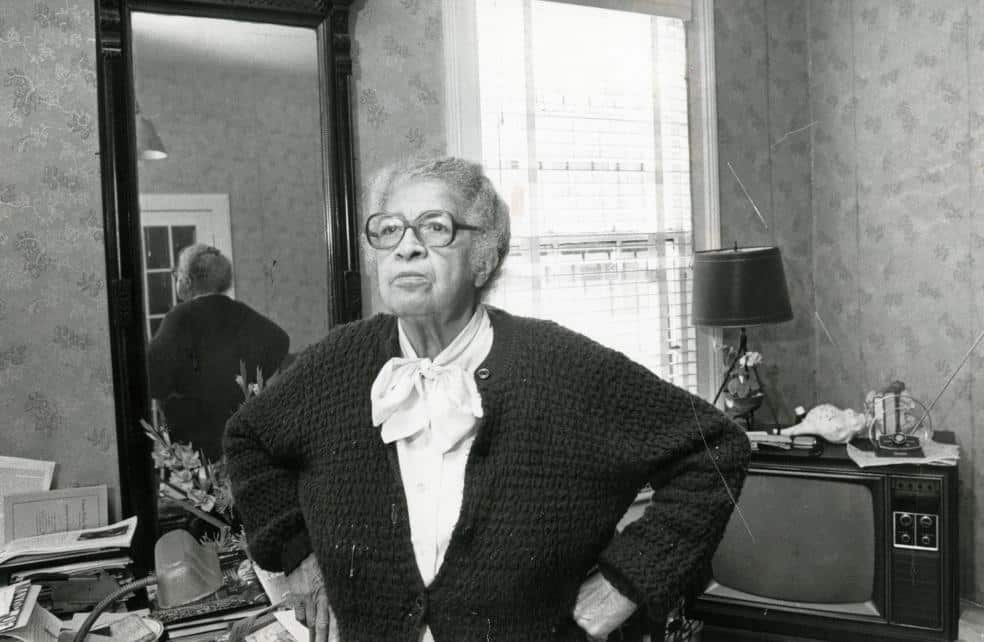
Prompted by South Carolina’s all-white political primary system, civil rights advocate Modjeska Monteith Simkins wrote a letter to Governor Olin D. Johnston of South Carolina challenging him to a debate on white supremacy.
Continue reading
Henry E. Hayne was the first Black student to be accepted to the University of South Carolina’s medical school, a bold act which encouraged other Black students to apply. By 1875, Black men comprised the majority of the student body.
Continue reading
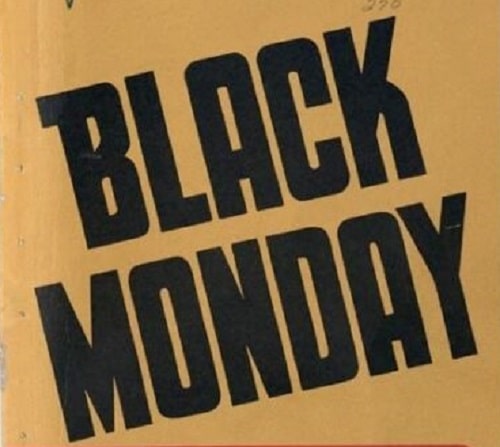
Future Mississippi Supreme Court Justice Tom P. Brady delivered a racist speech called “Black Monday” in response to the U.S. Supreme Court’s Brown v. Board of Education decision, inspiring many white leaders to join the White Citizens’ Council.
Continue reading
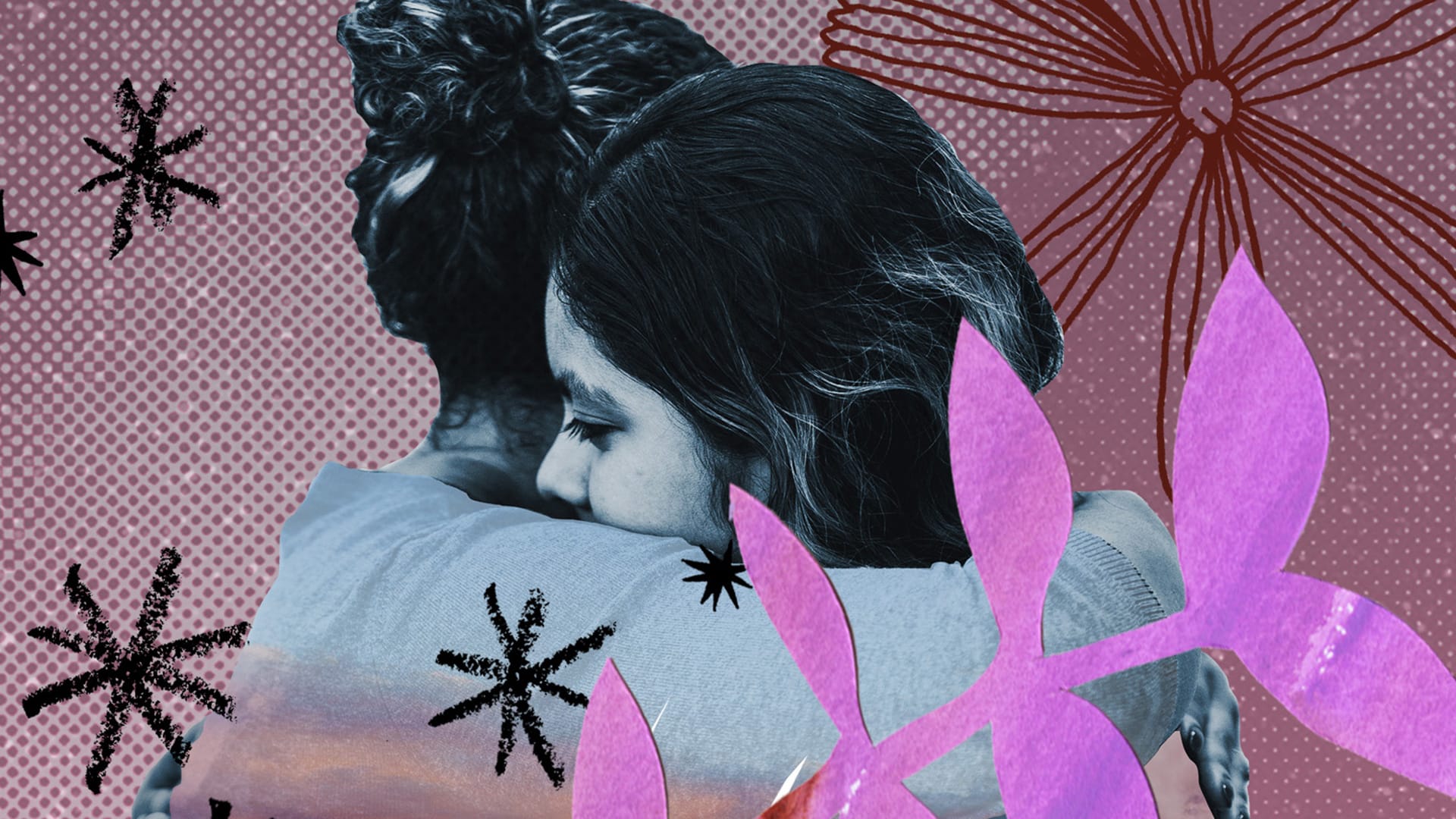
Website. NoKidsinPrison uses art to model, imagine and advocate for alternatives to youth incarceration by lifting up the voices of youth most impacted by the criminal justice system through art and culture.
Continue reading