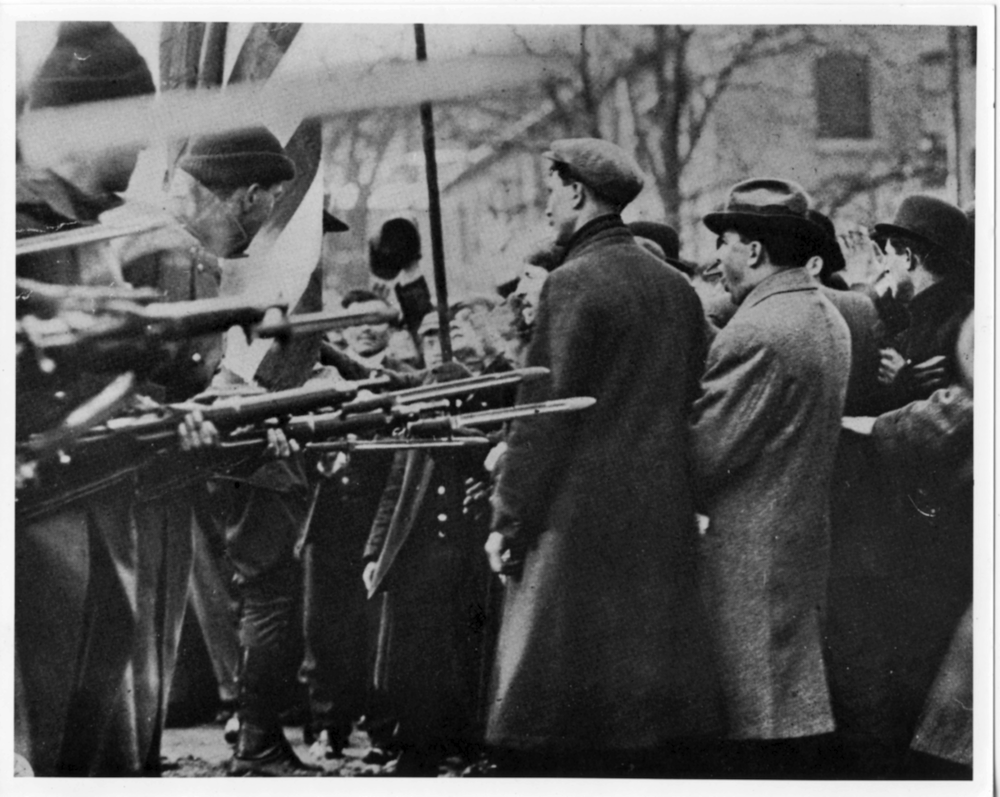
Article. By Robert Forrant. 2013.
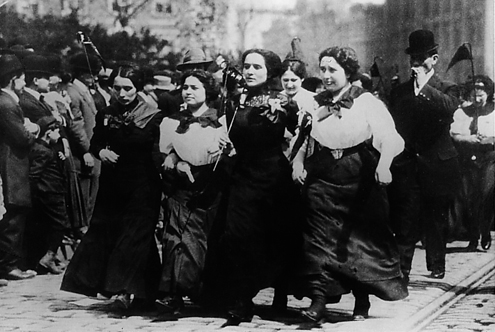
The author challenges the common myth that the Bread and Roses Strike was spontaneous.
Continue reading
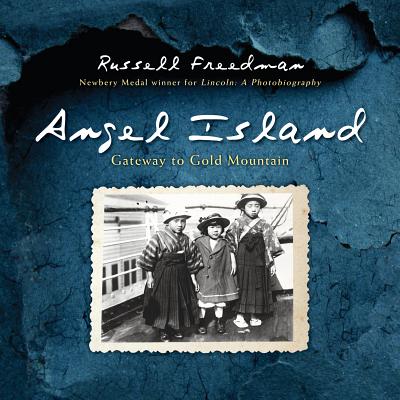
Book — Non-fiction. By Russell Freedman. 2014. 96 pages.
An account of Angel Island, California, the entry point for one million Asian immigrants in the early 20th century.
Continue reading
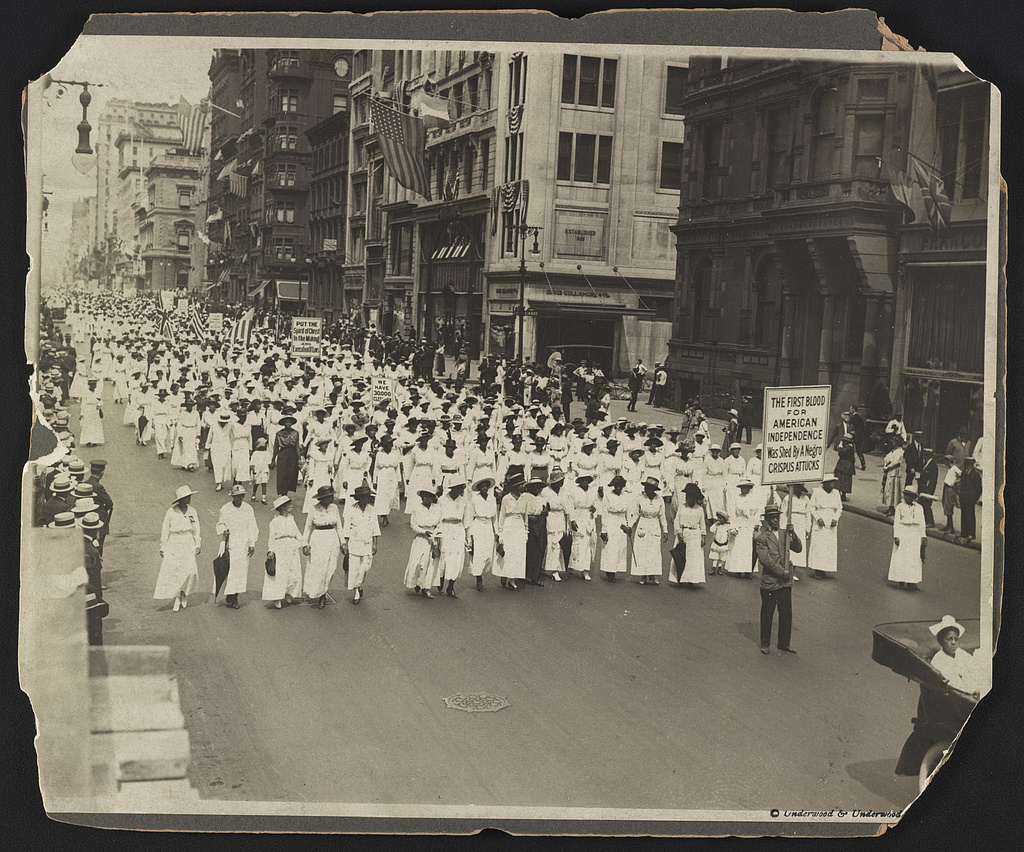
W. E. B. Du Bois and the NAACP organized a silent march in New York City to protest the massacres and lynchings of African Americans.
Continue reading
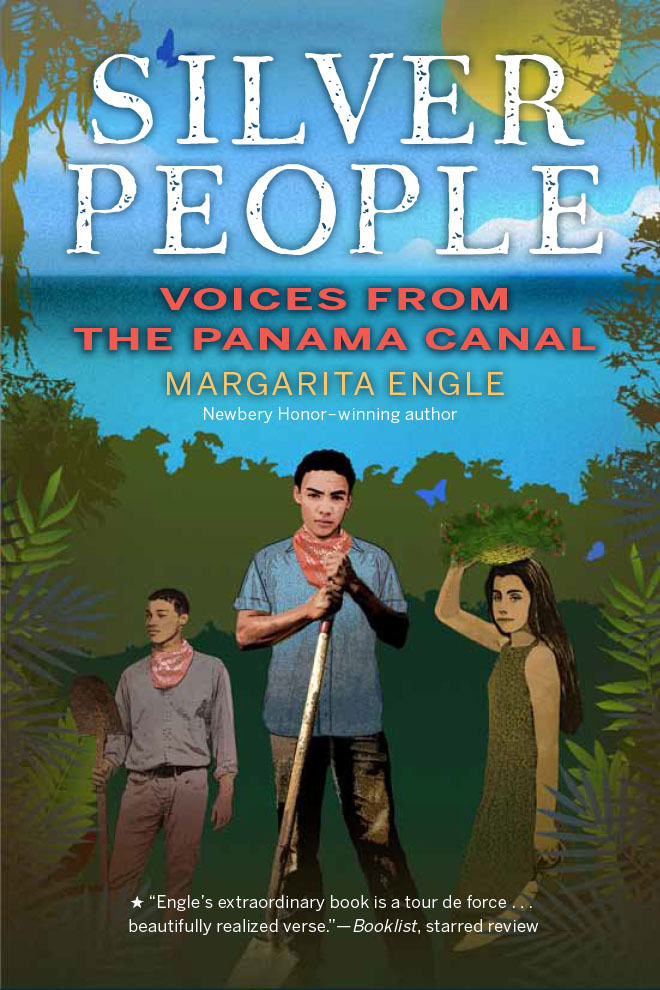
Book — Fiction. By Margarita Engle. 2016. 272 pages.
Historical fiction in free verse about the building of the Panama Canal.
Continue reading
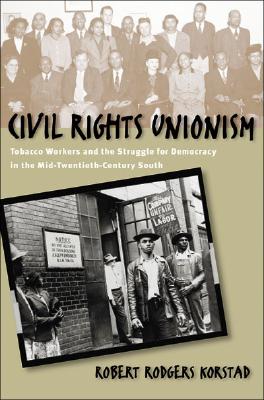
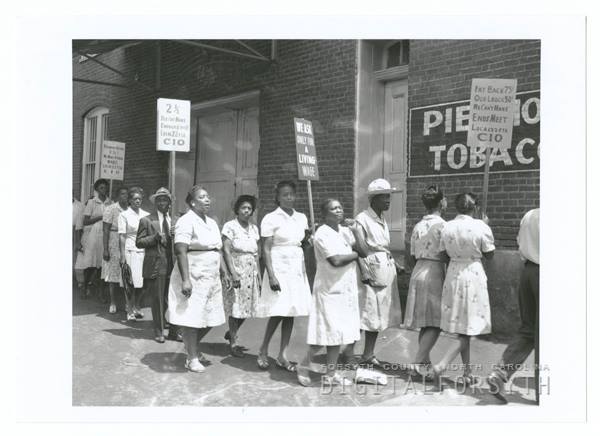
Book — Non-fiction. By Robert Rodgers Korstad. 2003. 576 pages.
Chronicles the rise and fall of the union that represented thousands of African American tobacco factory workers in Winston-Salem, N.C.
Continue reading
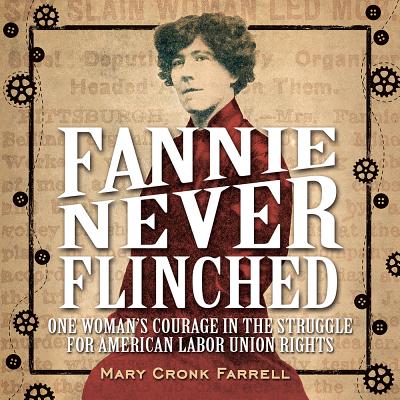
Book — Non-fiction. By Mary Cronk Farrell. 2016. 56 pages.
Biography of labor union activist Fannie Sellins.
Continue reading
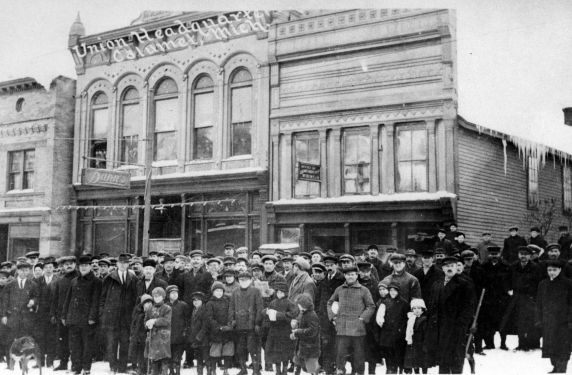
The Italian Hall disaster killed 73 people, 59 of them children, from families of striking copper miners.
Continue reading
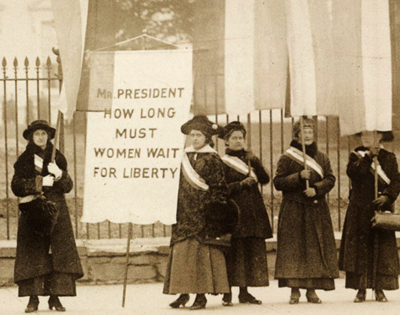
Twenty women were subjected to beatings and torture at Occoquan Workhouse, a prison in Virginia, in what became known as the “Night of Terror.”
Continue reading
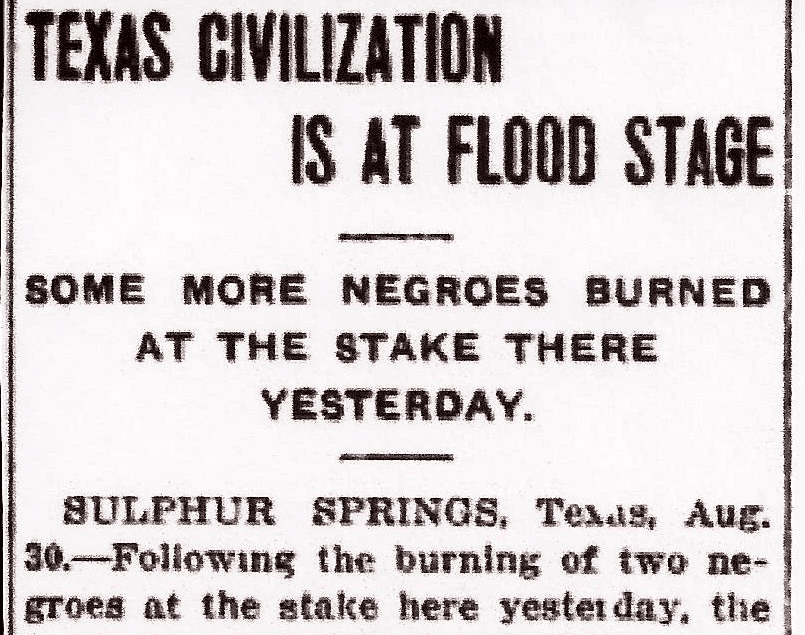
Two African American men were burned at the stake in Sulphur Springs, Texas.
Continue reading
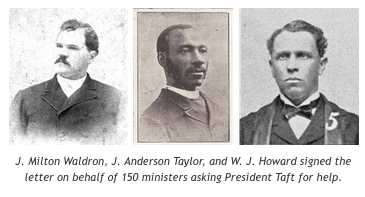
A group of more than 150 ministers from Washington, D.C. wrote to President William Taft about the Slocum Massacre.
Continue reading
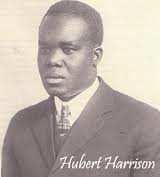
Hubert Harrison urges armed self-defense at Harlem protest rally in the wake of two white supremacist pogroms against African Americans in East St. Louis.
Continue reading
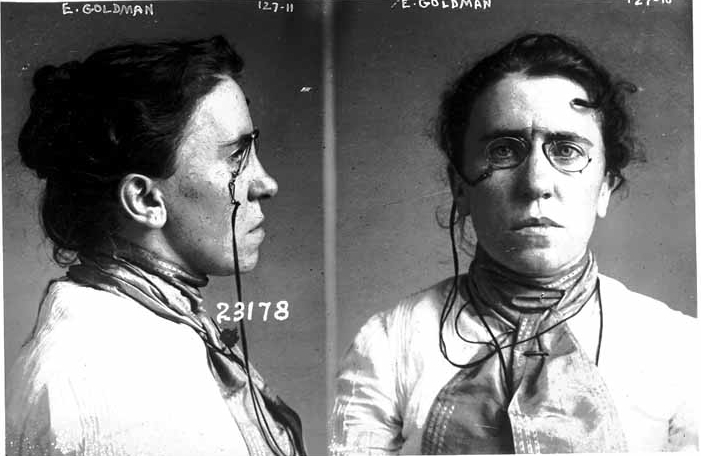
Russian Jewish anarchist Emma Goldman was arrested for distributing materials about birth control in violation of the Comstock Act.
Continue reading
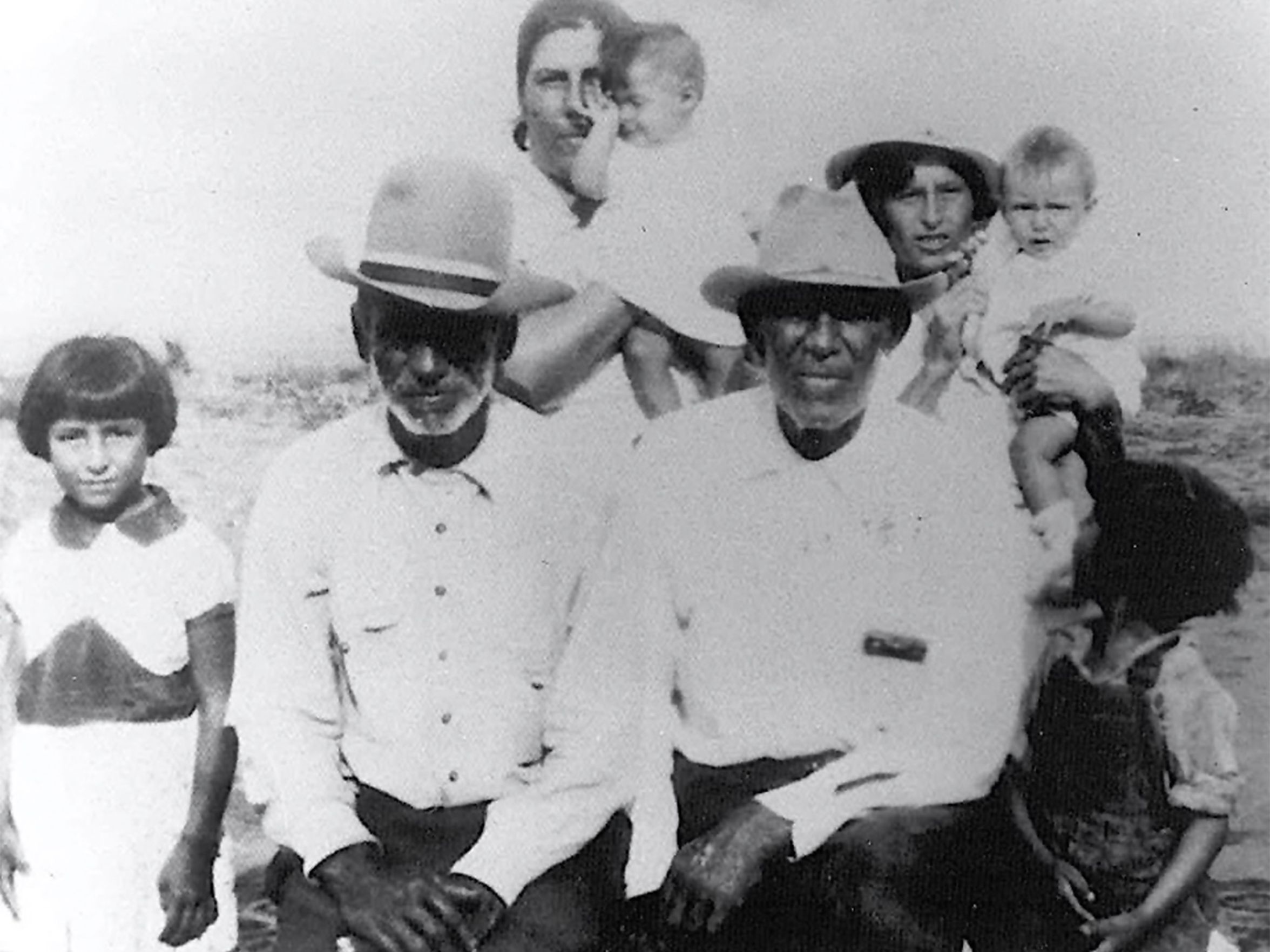
Fifteen Mexican-Americans were killed by Texas Rangers during the Porvenir Massacre.
Continue reading
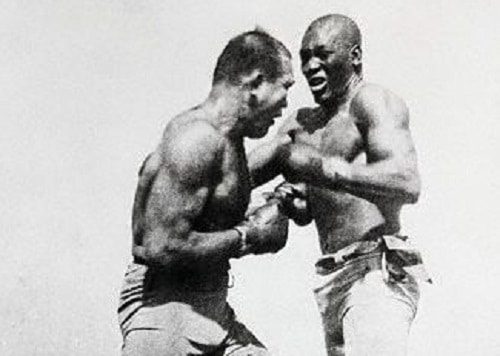
African American heavyweight champion Jack Johnson successfully defended his title by knocking out James J. Jeffries, who had come out of retirement “to win back the title for the White race” in Reno, Nevada.
Continue reading
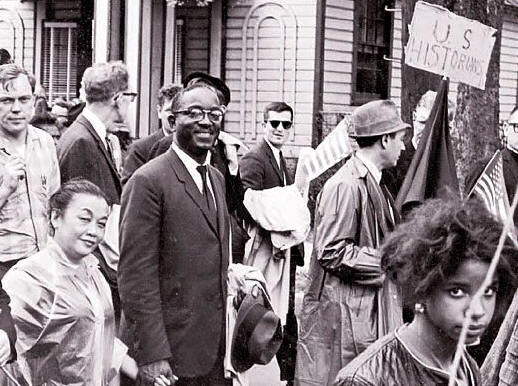
John Hope Franklin, born this day in Rentiesville and raised in Tulsa, Oklahoma, was one of most important historians of the 20th century.
Continue reading
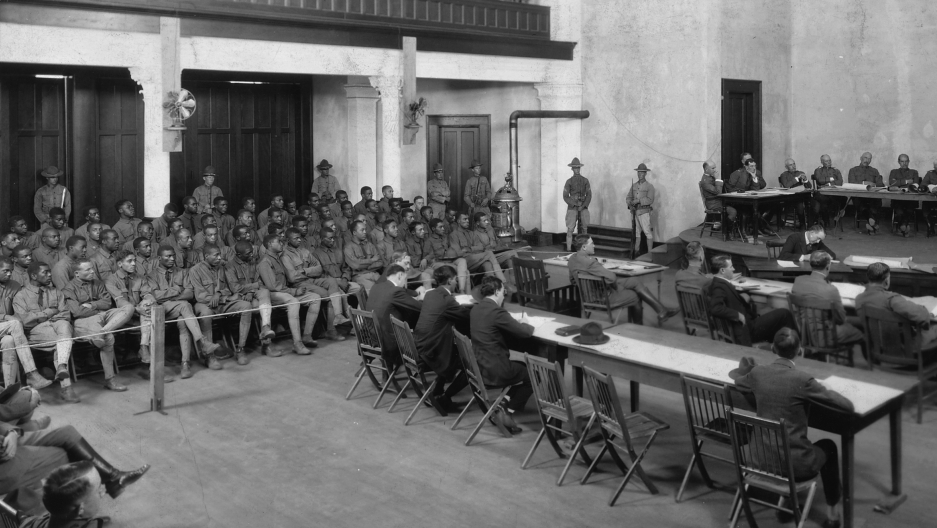
“The primary cause of the Houston riot was the habitual brutality of the white police officers of Houston in their treatment of colored people.” —The Crisis magazine.
Continue reading
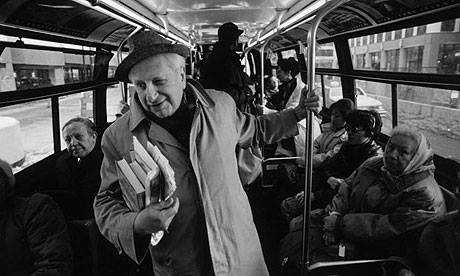
Studs Terkel was an author, activist, historian, and broadcaster.
Continue reading
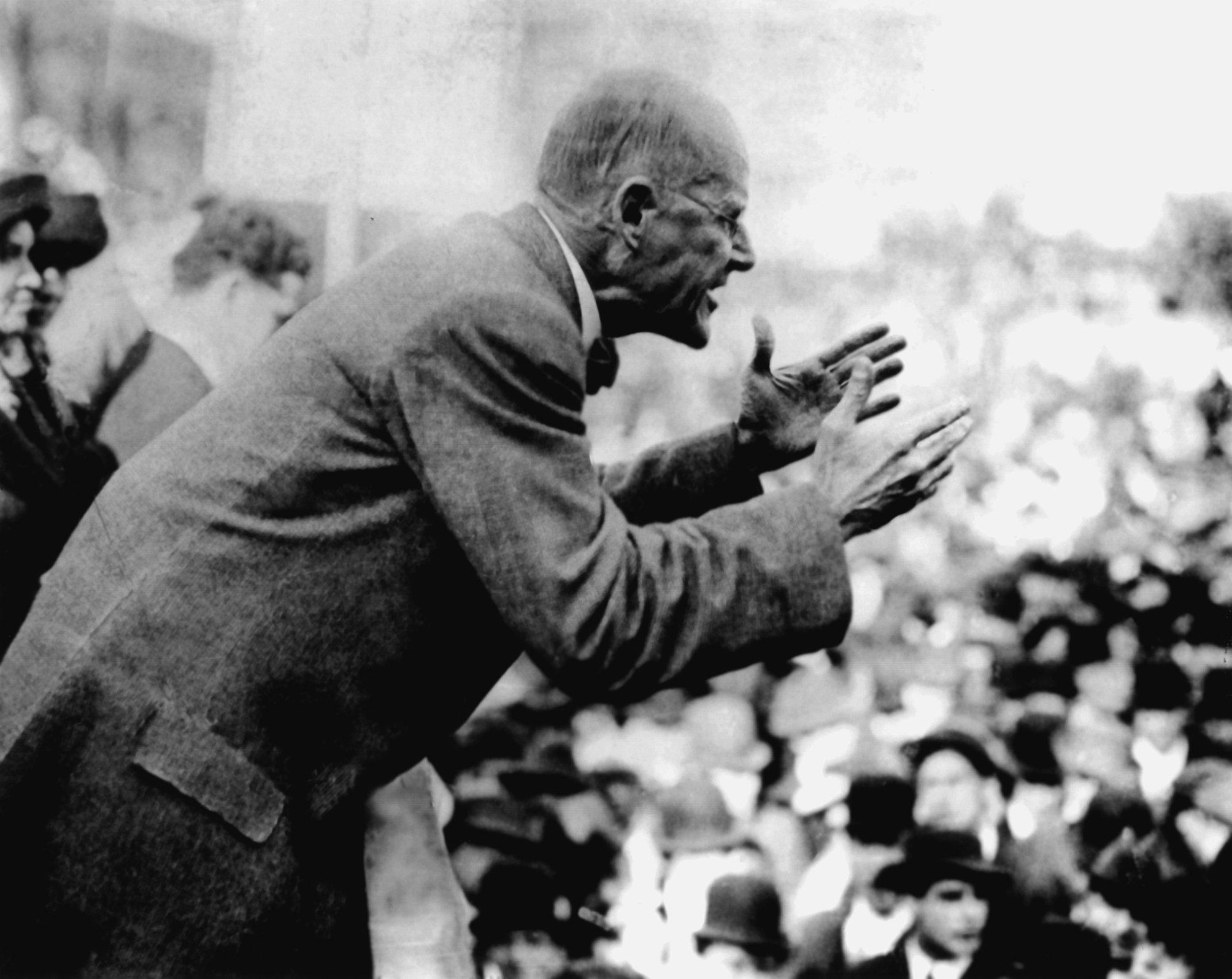
Eugene V. Debs made his famous anti-war speech protesting World War I, which was raging in Europe at the time.
Continue reading
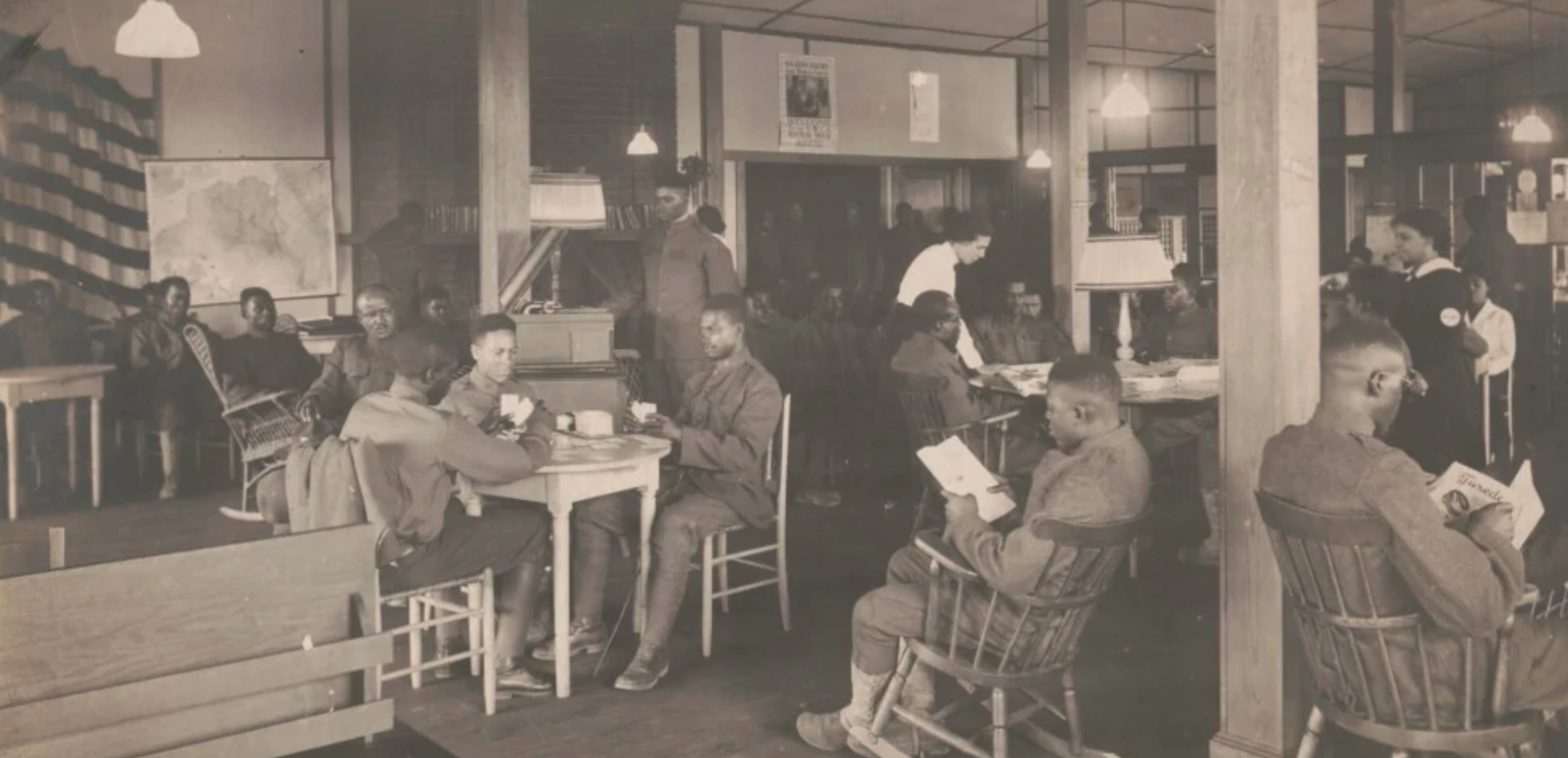
White mobs, incited by the media, attacked the African American community in Washington, D.C., and African American soldiers returning from WWI. This was one of the many violent events that summer and it was distinguished by strong and organized Black resistance to the white violence.
Continue reading
El Primer Congreso Mexicanista (First Mexicanist Congress) met in Laredo, Texas in order to discuss social, labor, educational, and economic issues facing Mexicans and Mexican Americans in the United States.
Continue reading
The Clayton Antitrust Act sought to end practices that limited competition throughout the economy.
Continue reading
Four African Americans (including one minister and three farmers; one of the farmers was a woman) were lynched in Hamilton, Georgia.
Continue reading
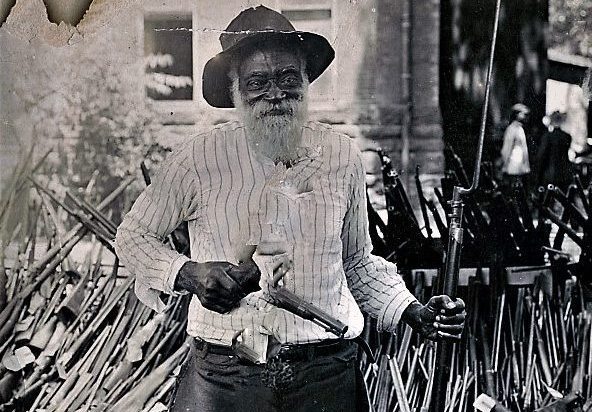
The Longview Riot is one example of white mob violence during the period known as “Red Summer.” Photo: Daniel Hoskins at gun repository required by U.S. Marshall to undermine African Americans’ ability to engage in self-defense.
Continue reading