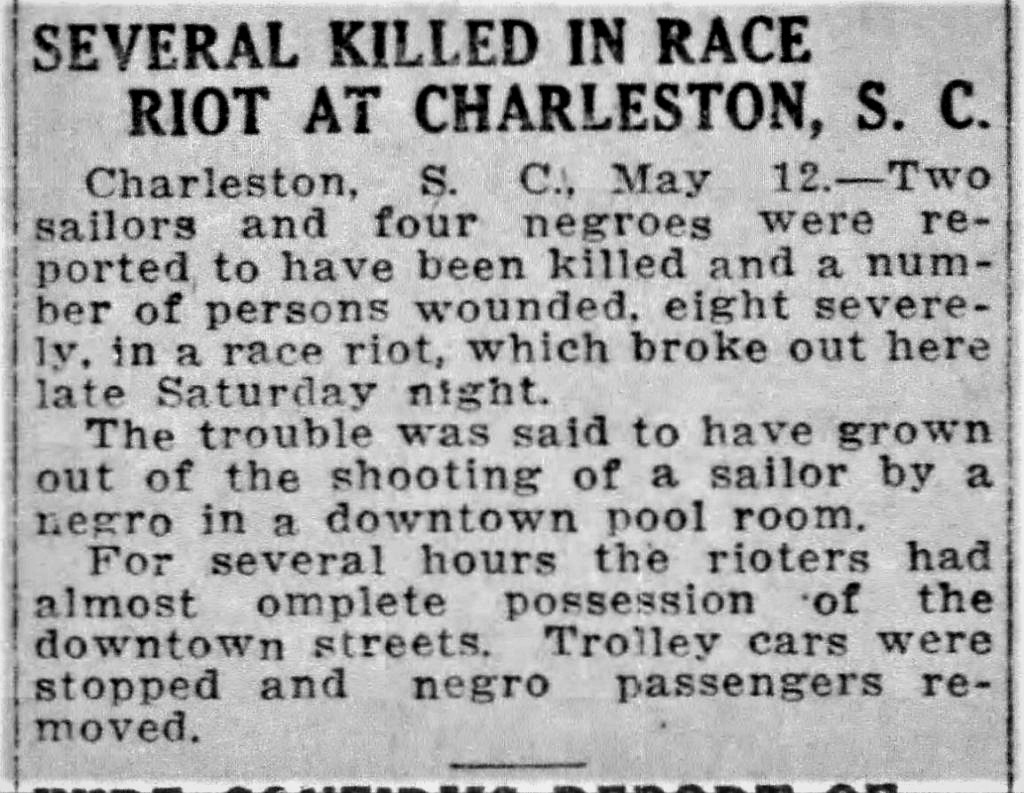
White sailors ignited violent rioting in Charleston, South Carolina during the Red Summer of 1919. African Americans fought back, in self-defense.
Continue reading
A white mob of between 5,000 to 15,000 lynched African American Will Brown. The Army arrested mob ringleaders. Even though photographs identified them, all of the suspects were eventually released.
Continue reading
A riot ensued after Louis Ruffin, an Army veteran, pulled out his gun to defend his family during an altercation between his father and two police officers.
Continue reading
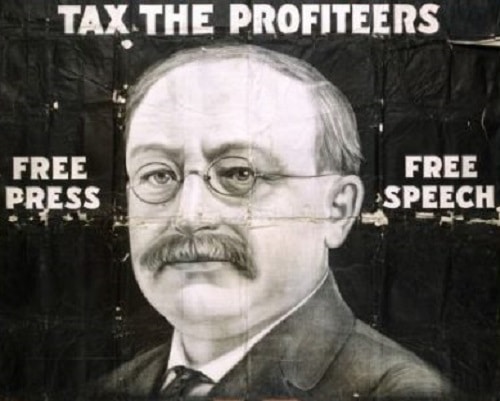
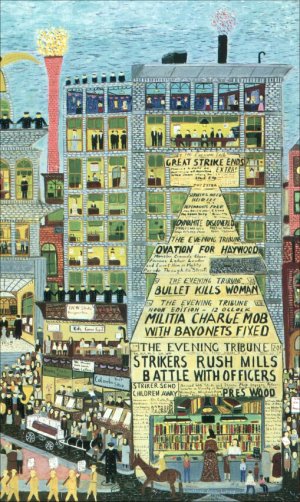
Milwaukee representative Victor Berger introduced House Resolution 409 to conduct hearings into the Lawrence strike and the workings of the American Woolen Company.
Continue reading
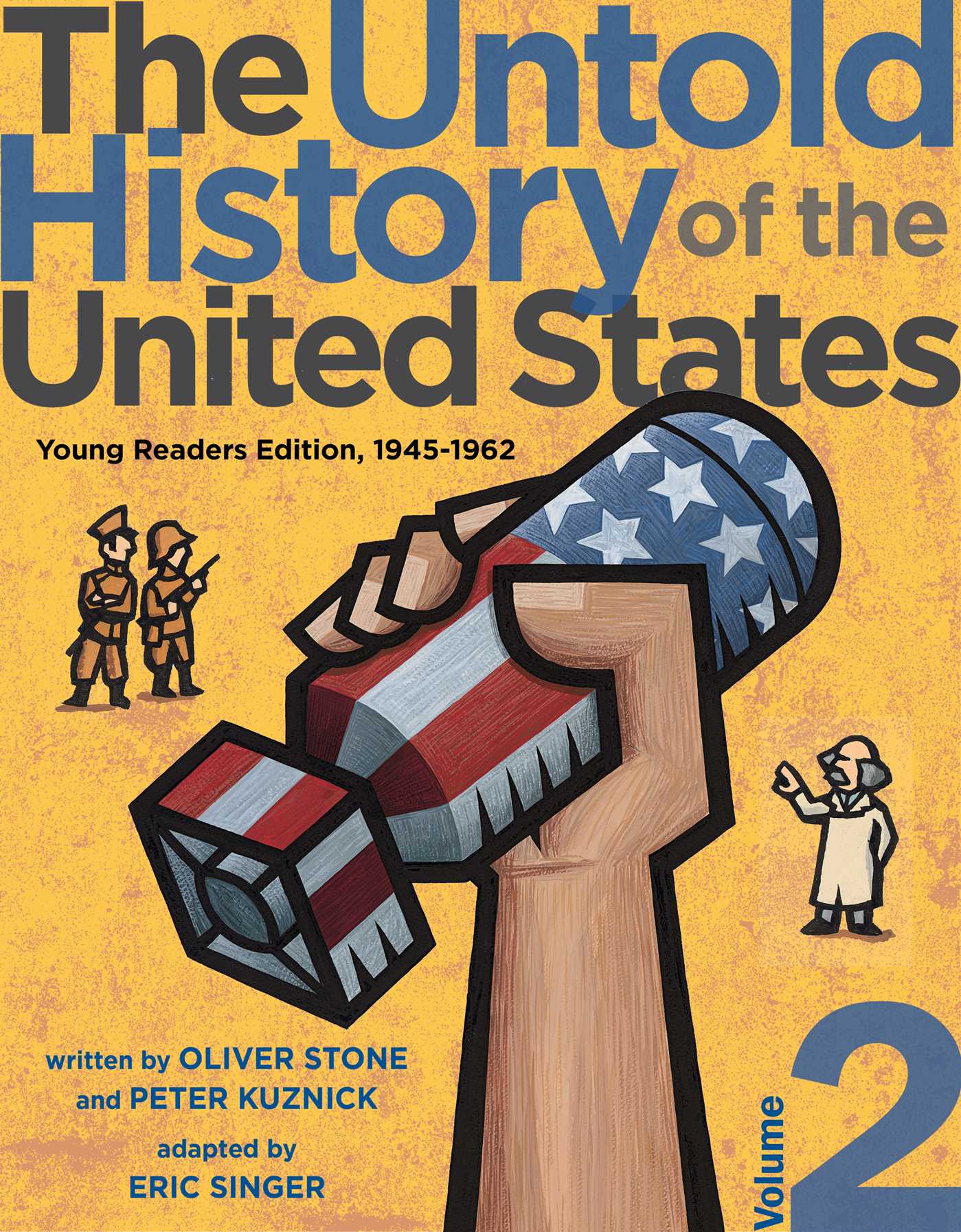
Book — Non-fiction. By Oliver Stone and Peter Kuznick. Adapted by Susan Campbell Bartoletti and Eric S. Singer. Vol 1. 2014. 400 pages. Vol 2. 2019. 320 pages.
These are two volumes of illustrated histories, adapted for students from a documentary book and film of the same name.
Continue reading
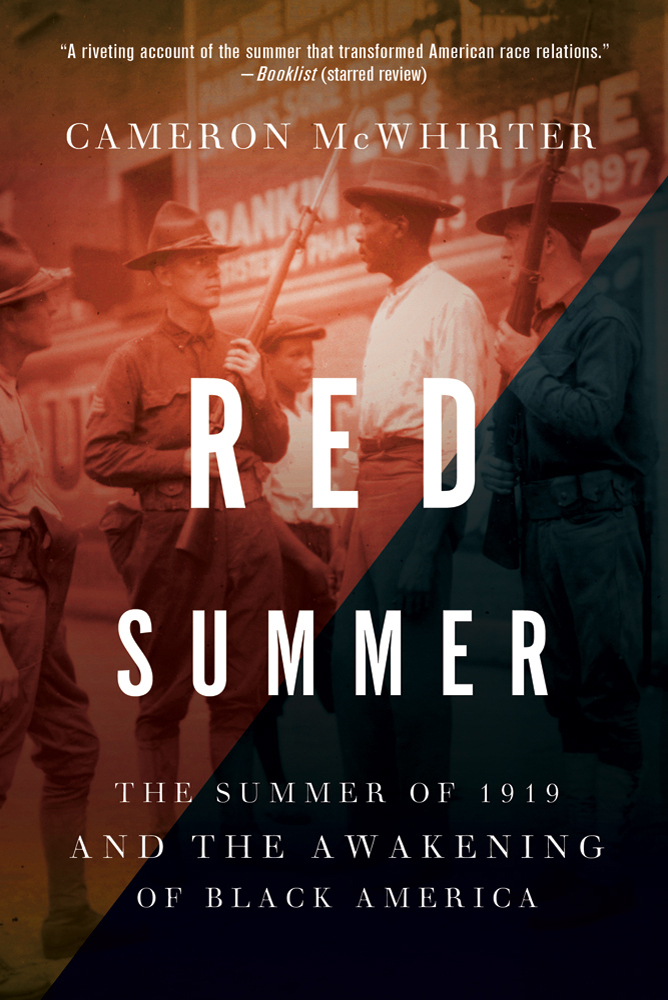
Book — Non-fiction. By Cameron McWhirter. 2012. 368 pages.
A chronicle of white supremacist violence in major U.S. cities across the nation after World War I.
Continue reading
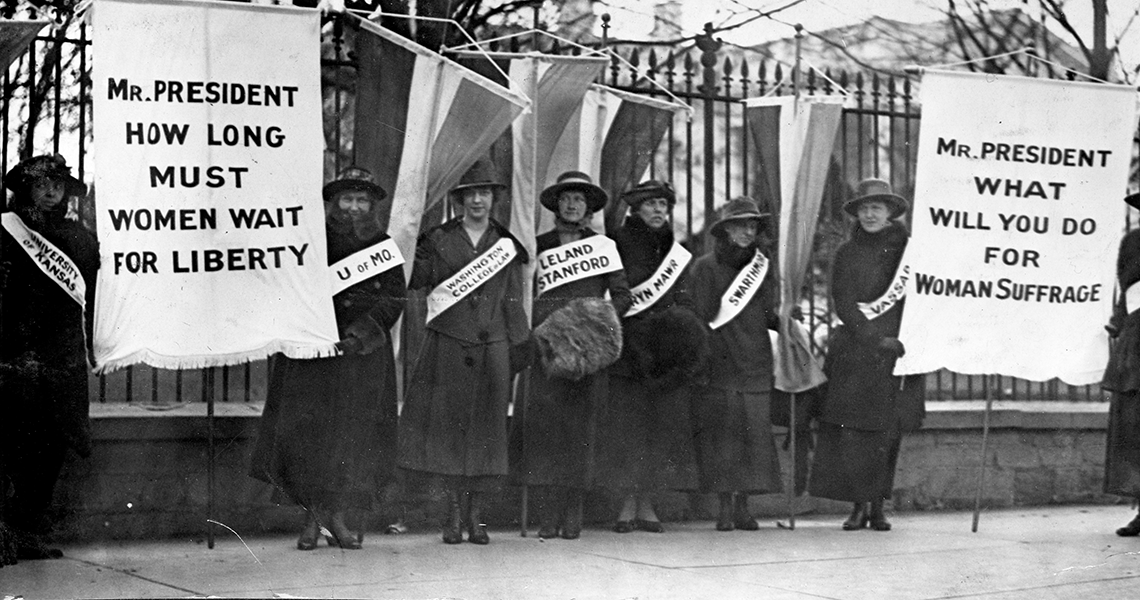
Congress passed the 19th Amendment to the United States Constitution.
Continue reading
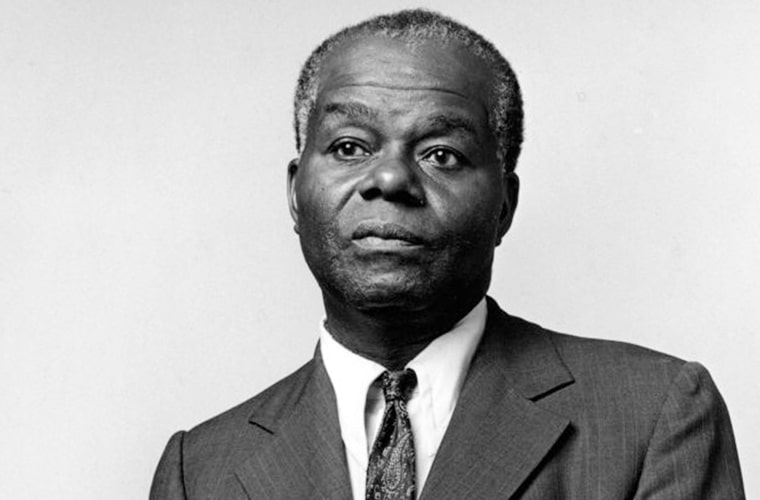
The teacher, scholar, and Pan-Africanist intellectual leader was born in Alabama.
Continue reading
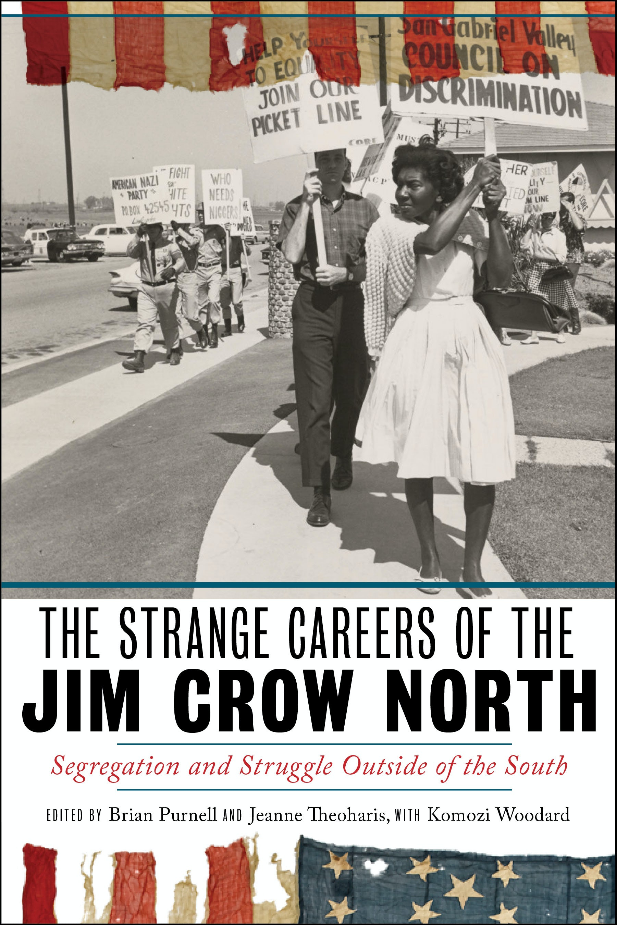
Book — Non-fiction. Edited by Brian Purnell and Jeanne Theoharis with Komozi Woodard. 2019. 352 pages.
This important work shows how the Jim Crow North maintained inequality in the nation’s most liberal places, and chronicles how activists worked to undo those inequities born of Northern Jim Crow.
Continue reading
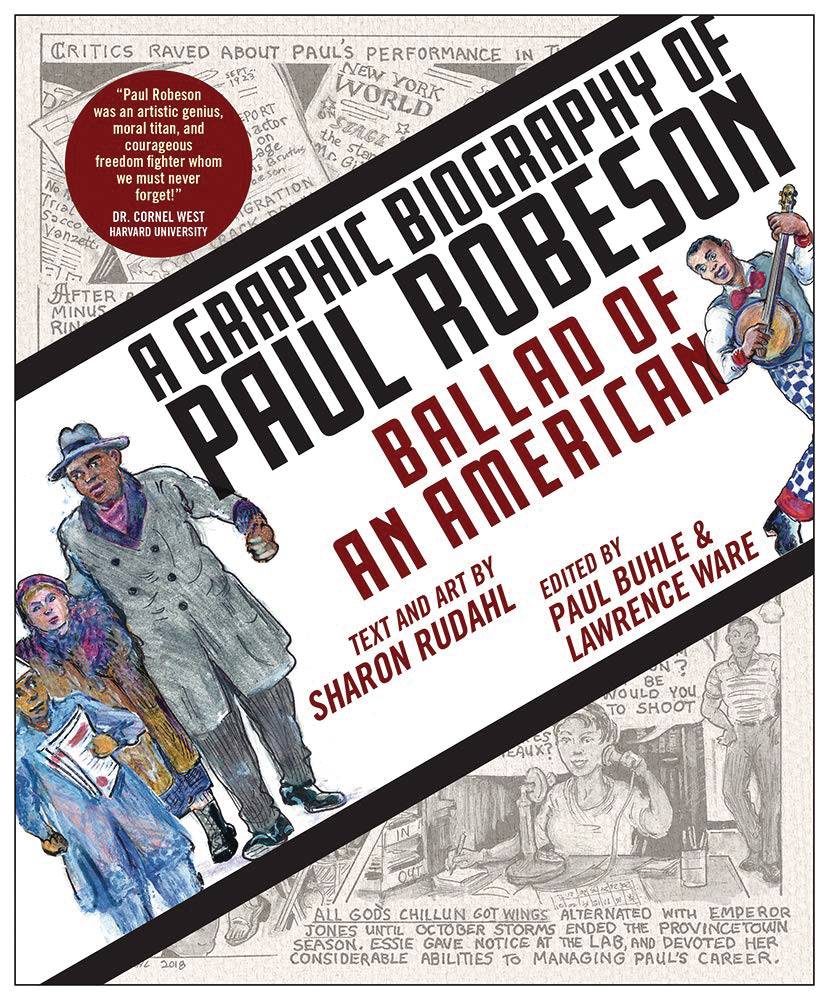
Book — Non-fiction. Written and illustrated by Sharon Rudahl. Edited by Paul Buhle and Lawrence Ware. 2020. 142 pages.
The first-ever graphic biography of Paul Robeson charts Robeson’s career as a singer, actor, scholar, athlete, and activist who achieved global fame.
Continue reading
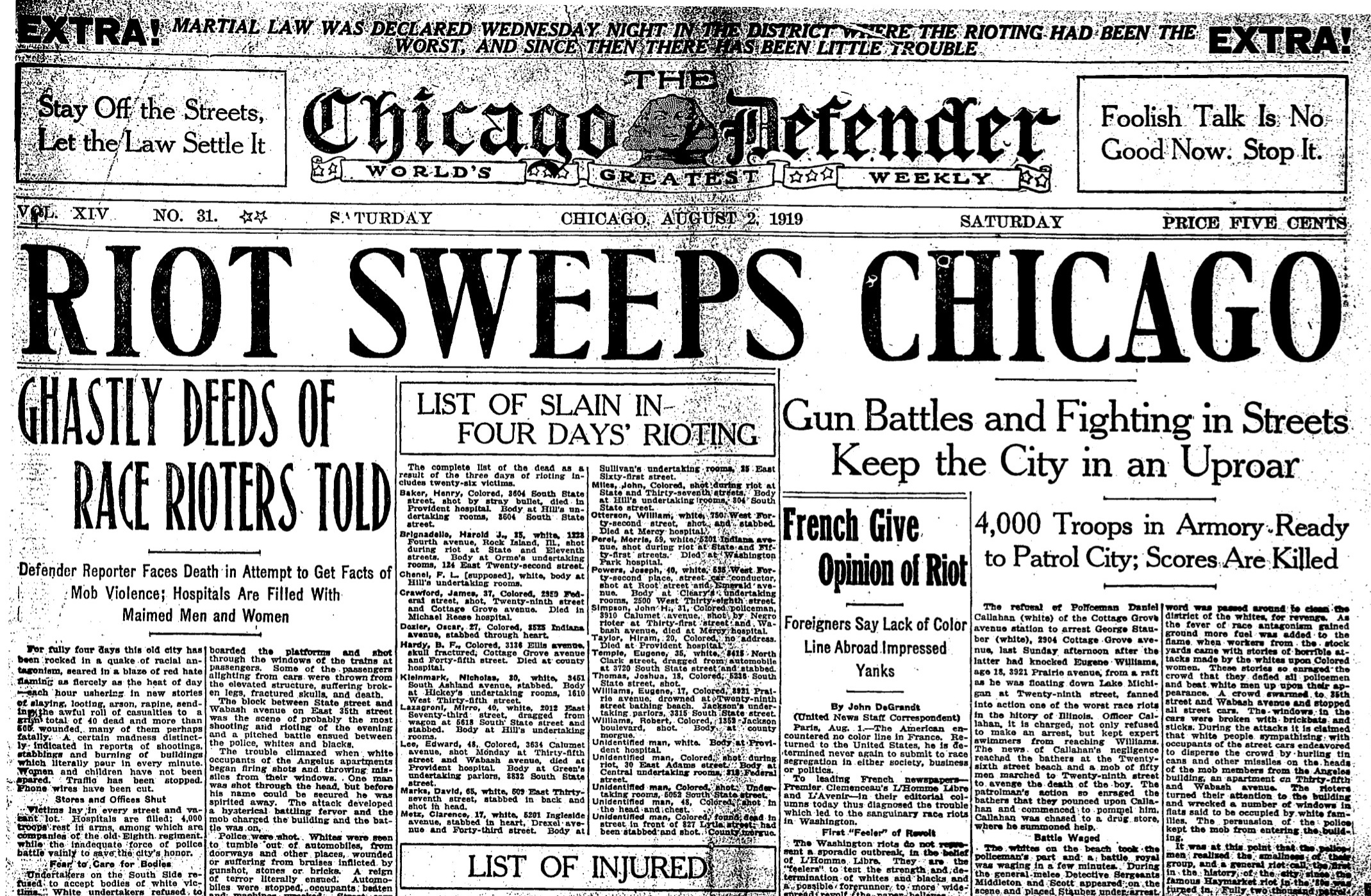
Sparked by a white police officer’s refusal to make an arrest in the murder of a Black teenager, violence in Chicago lasted almost a week. At least 38 people were killed and thousands of Black homes were looted and damaged during Red Summer.
Continue reading
Citizens in the small, predominately African American town of Slocum, Texas, were massacred.
Continue reading
Federal agents seized records, destroyed equipment and books, and arrested hundreds of activists involved with the Industrial Workers of the World (IWW).
Continue reading
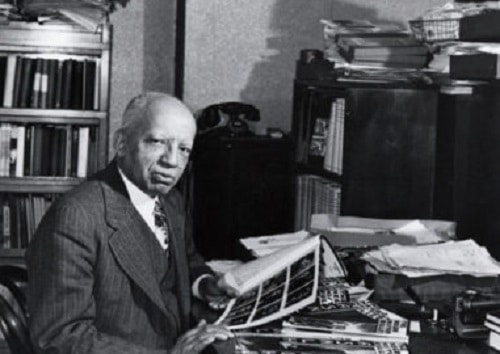
ASALH was established by Carter G. Woodson and Jesse E. Moorland.
Continue reading
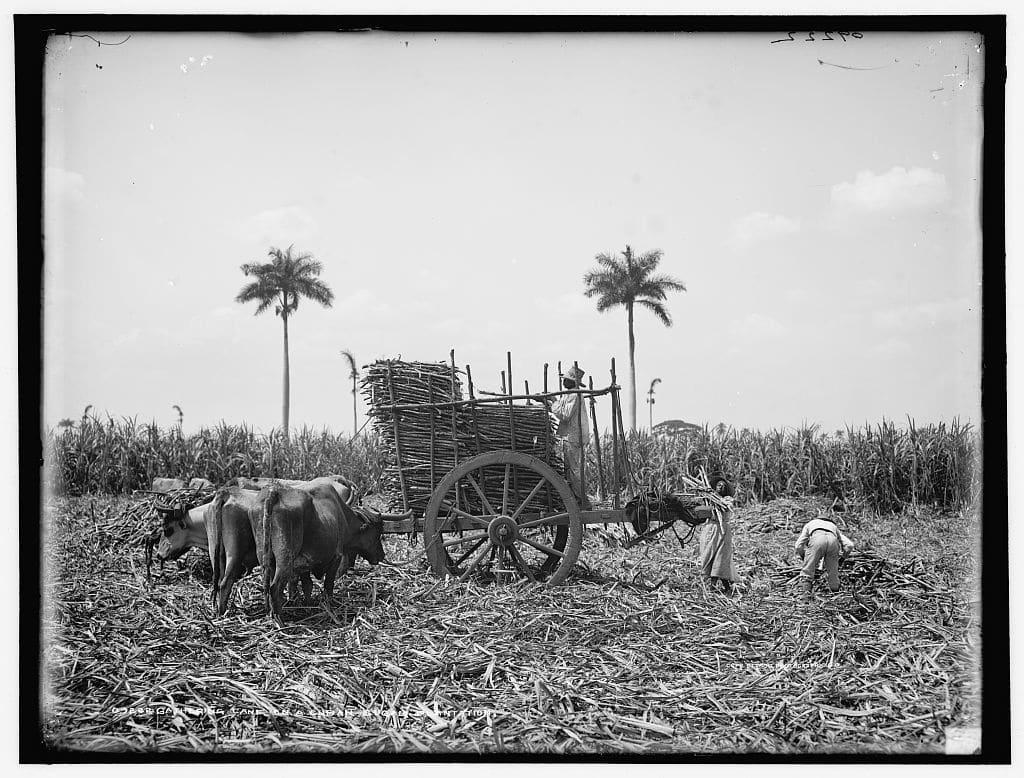
In April 1917, soldiers entered the sugar town of Jobabo in eastern Cuba and, according to eyewitnesses, executed several British West Indian men.
Continue reading
Article. By Ruth Shagoury.
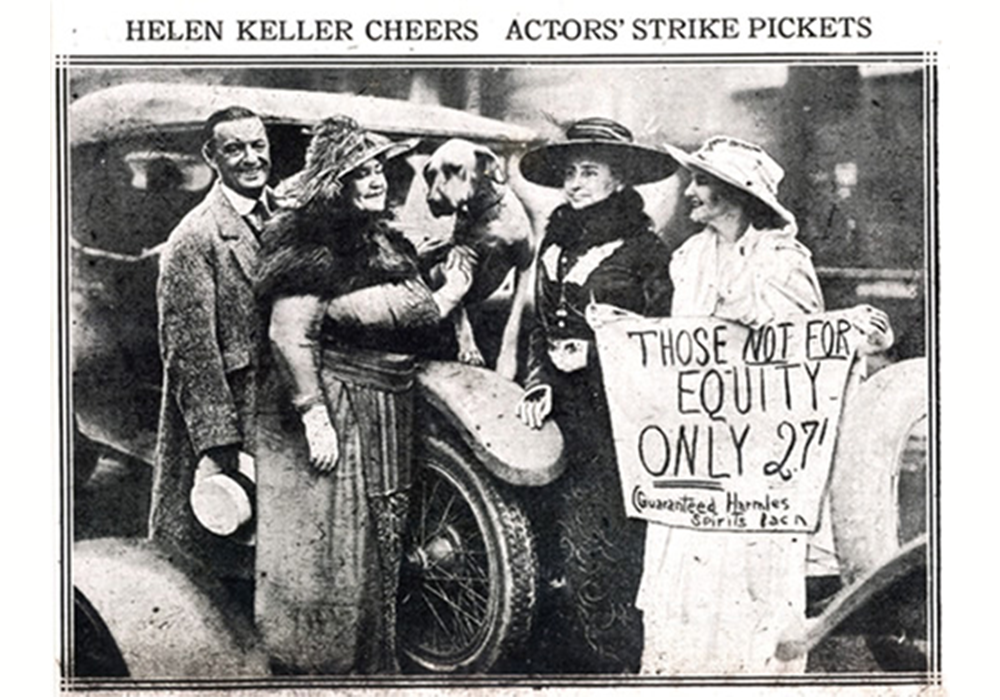
A review of children's picture books about the life of Helen Keller reveals the omission of any description of her active role in key social movements of the 20th century.
Continue reading
Black farmers were massacred in Elaine, Arkansas for their efforts to fight for better pay and higher cotton prices. A white mob shot at them, and the farmers returned fire in self-defense. Estimates range from 100-800 killed, and 67 survivors were indicted for inciting violence.
Continue reading
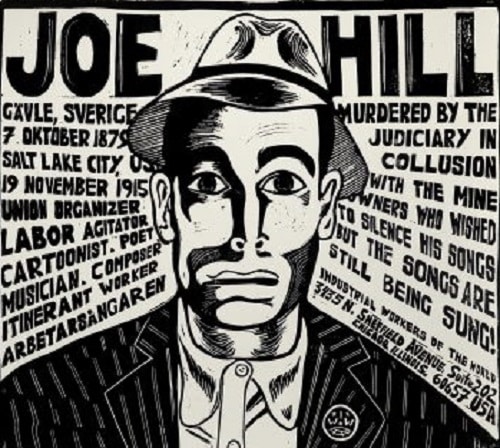
The state of Utah executed Joe Hill, labor organizer, songwriter, and member of the Industrial Workers of the World (IWW).
Continue reading
The Palmer Raids began in November of 1919 and targeted suspected radical leftists, especially anarchists, and deported them from the United States.
Continue reading
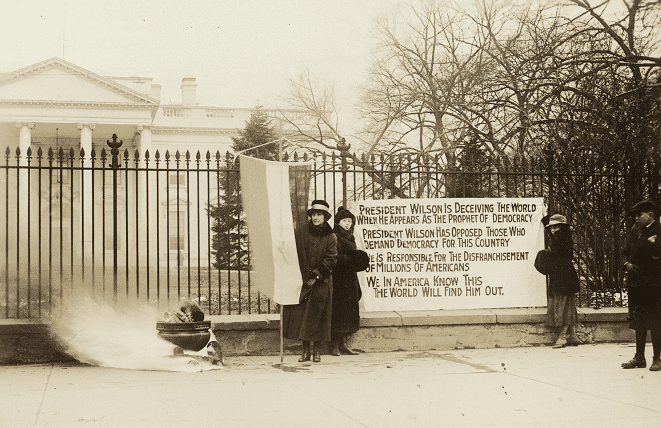
In one of the more spectacular demonstrations for women's voting rights, the National Woman’s Party burned President Woodrow Wilson in effigy in front of the White House during the campaign for the 19th Amendment.
Continue reading
Entrepreneur Claude Albert Barnett launched the Associated Negro Press, or ANP, a nationwide and international news service that focused on current events, feature stories, opinions and other information important to African Americans but usually ignored by or unknown to white-owned mainstream media.
Continue reading
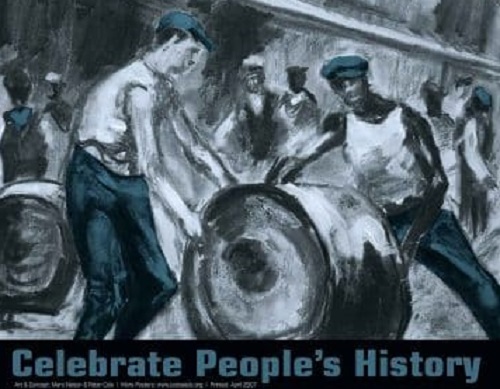
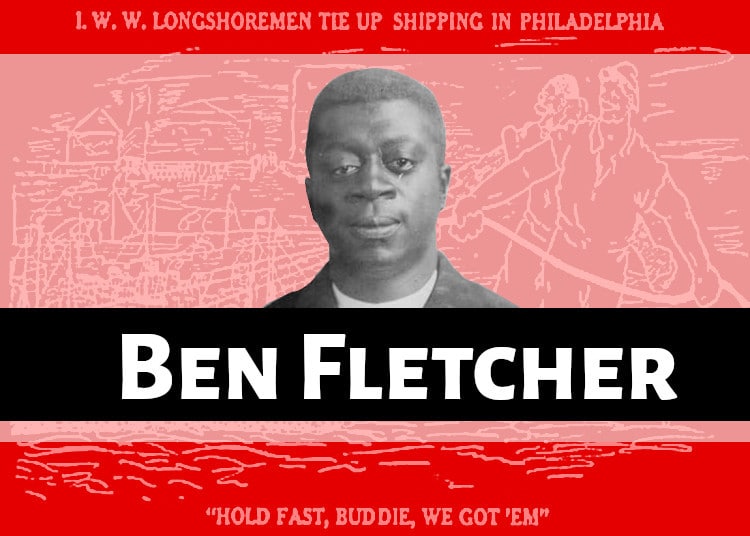
More than four thousand Philadelphia longshoremen, organized by African American IWW leader Ben Fletcher, went on strike and shut down one of the busiest ports in the United States.
Continue reading
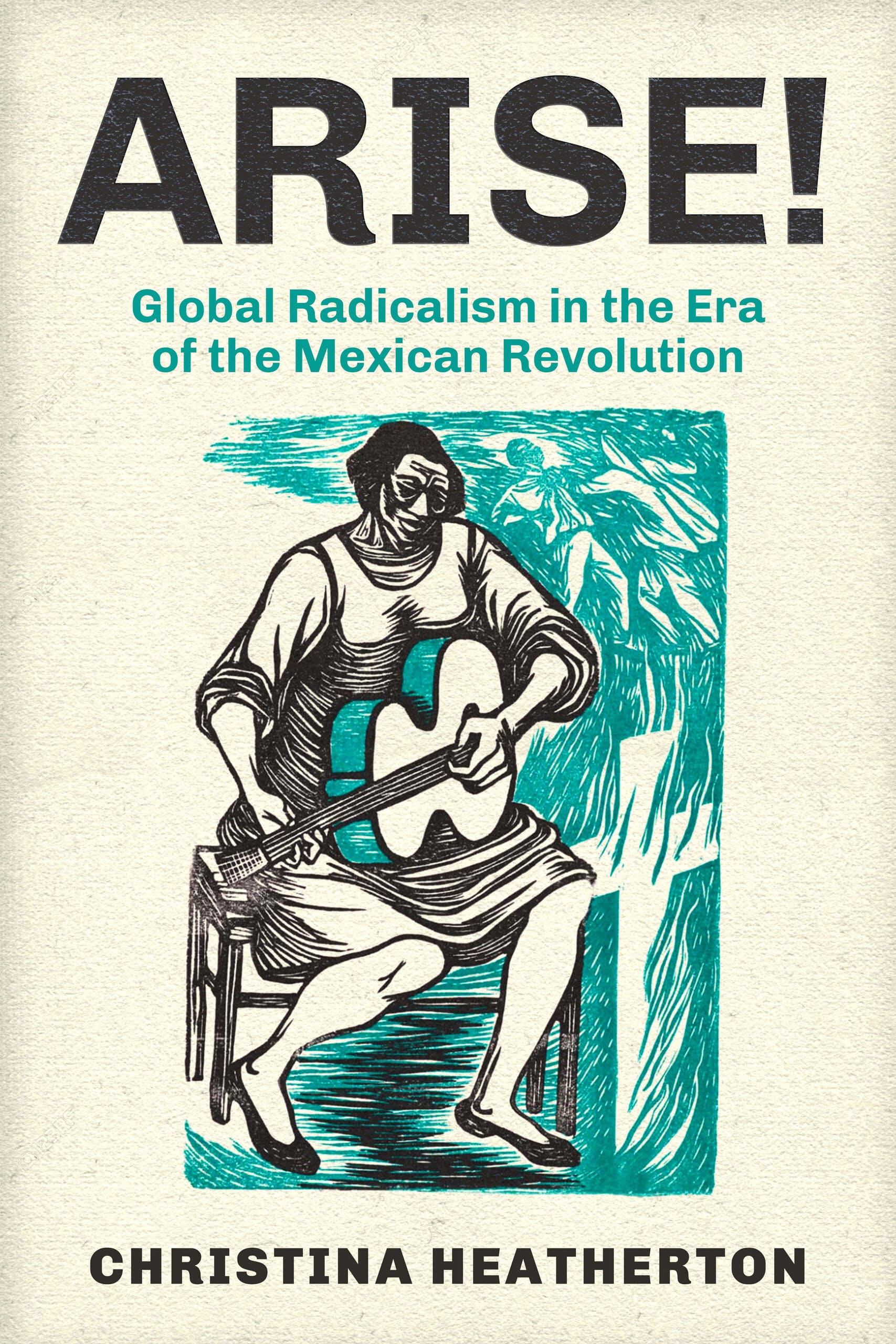
Book — Non-fiction. By Christina Heatherton. 2022. 336 pages.
This book tells the international history of radical movements and their convergences during the Mexican Revolution, reconstructing how this era's organizers found new ways to fight global capitalism.
Continue reading
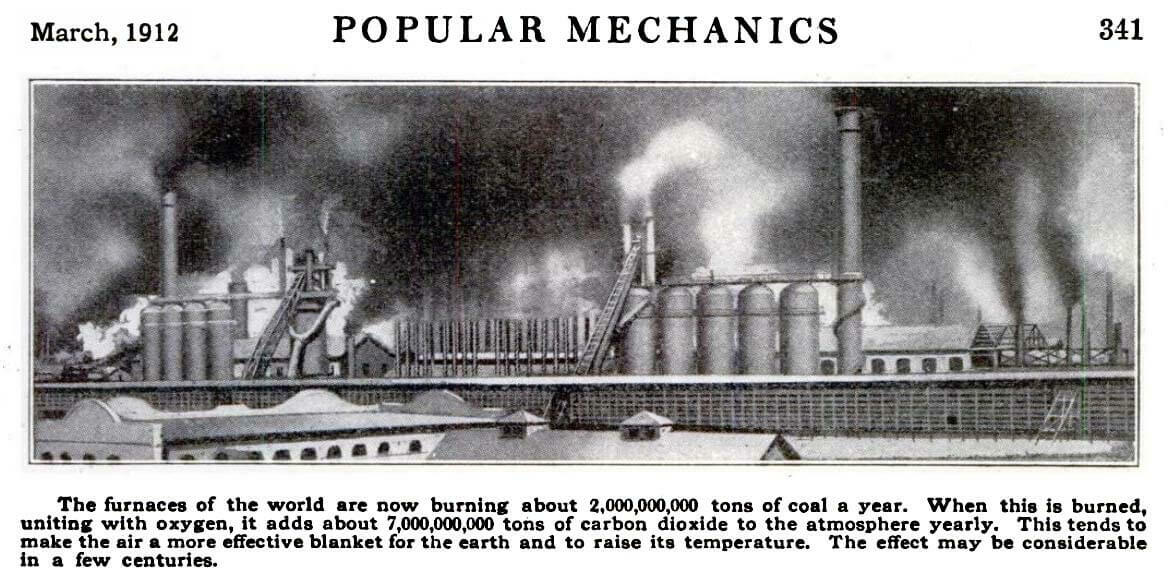
Francis Molina published an article in New York’s Popular Mechanics on March 1, 1912, which was then republished in New Zealand and other papers around the globe, becoming one of the first news items to directly connect increased coal burning, increased CO2 emissions, and increasing temperatures of the earth.
Continue reading