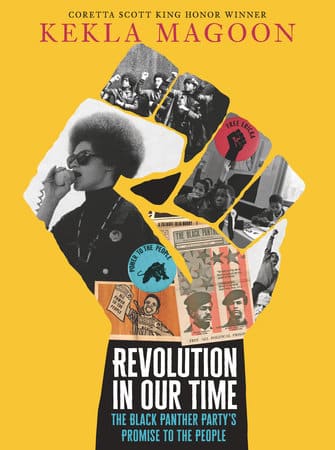
Book — Non-Fiction. By Kekla Magoon. 2021.
An account of militant revolutionaries and human rights advocates working to defend and protect their community.
Continue reading
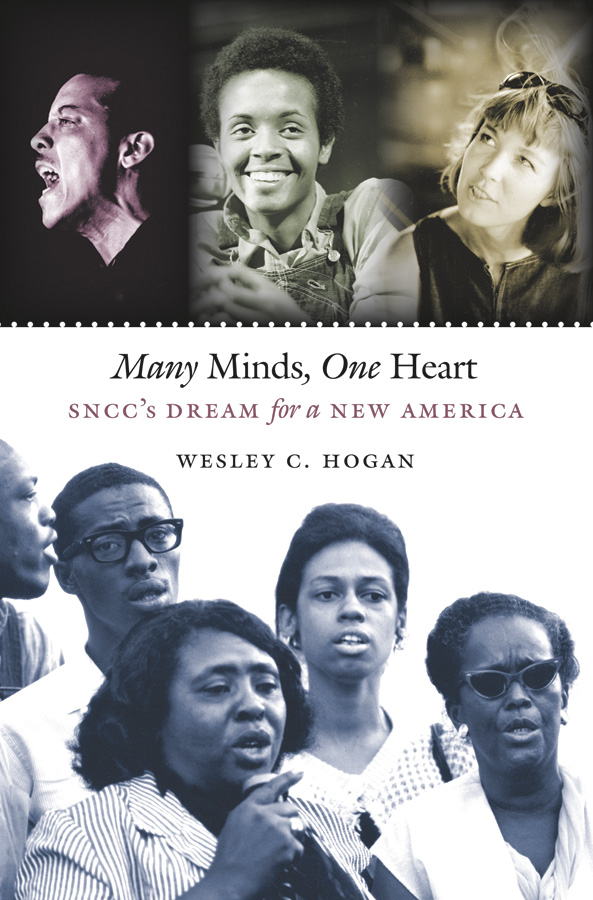
Book — Non-fiction. By Wesley C. Hogan. 2009. 463 pages.
An innovative study of what the Student Nonviolent Coordinating Committee (SNCC) accomplished and, more importantly, how it fostered significant social change in such a short time.
Continue reading
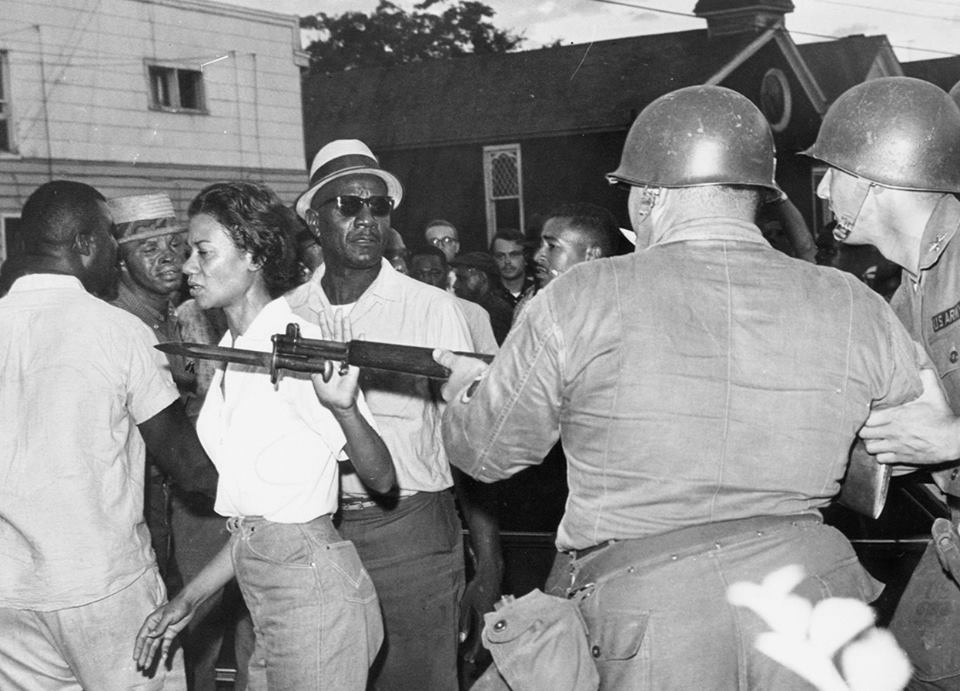
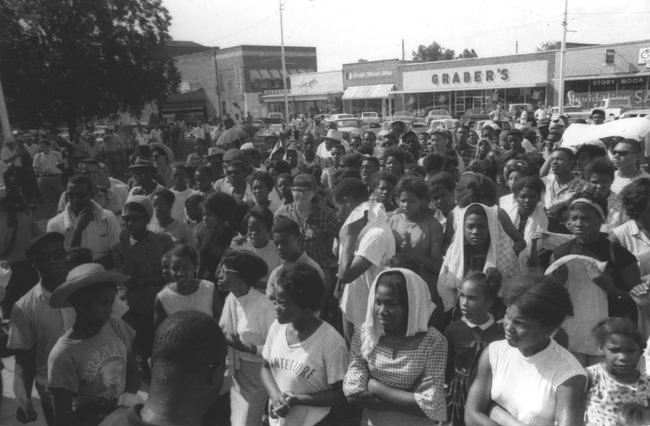
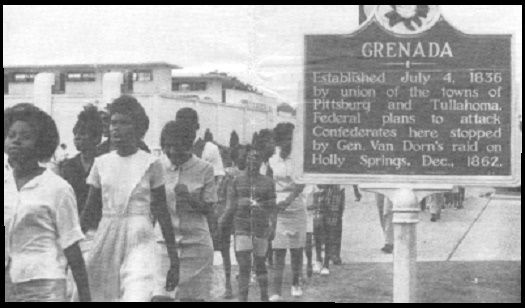
U.S. District Judge issued an injunction ordering police in Grenada, Mississippi to stop interfering with lawful protest. This ruling followed weeks of arrests and beating of demonstrators who had been attempting to desegregate businesses in the town.
Continue reading
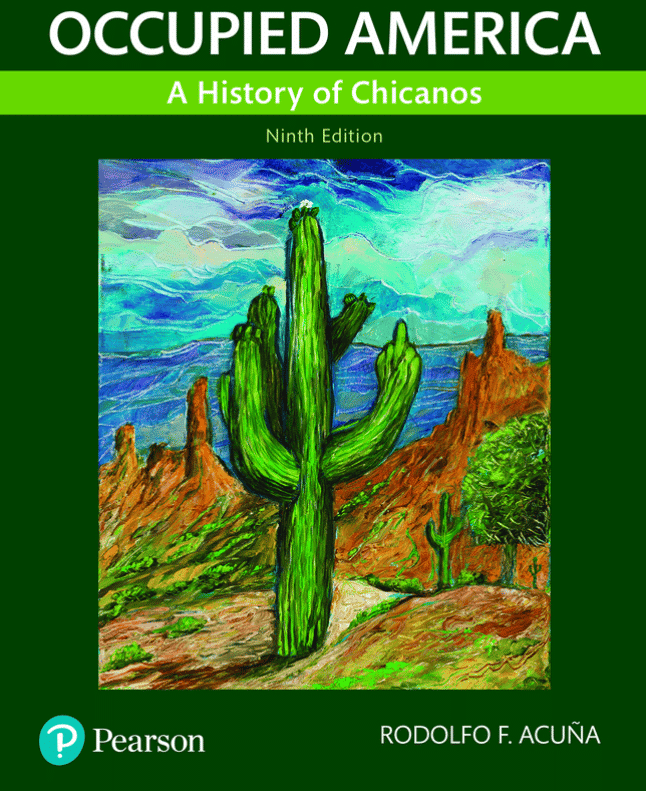
Book — Non-fiction. By Rodolfo Acuña. 2020 (9th Edition). 464 pages.
A leading textbook on Chicano history.
Teaching Activity by Rodolfo Acuña
Continue reading
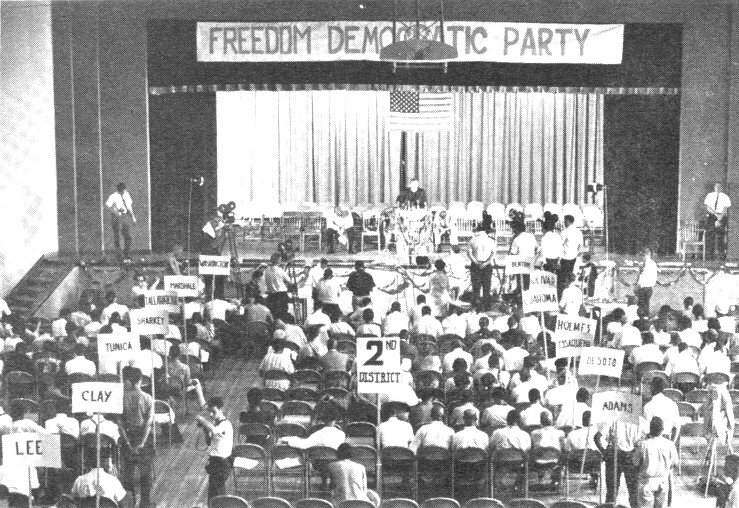
The MFDP held a State Convention with 2,500 people in Jackson, Mississippi.
Continue reading
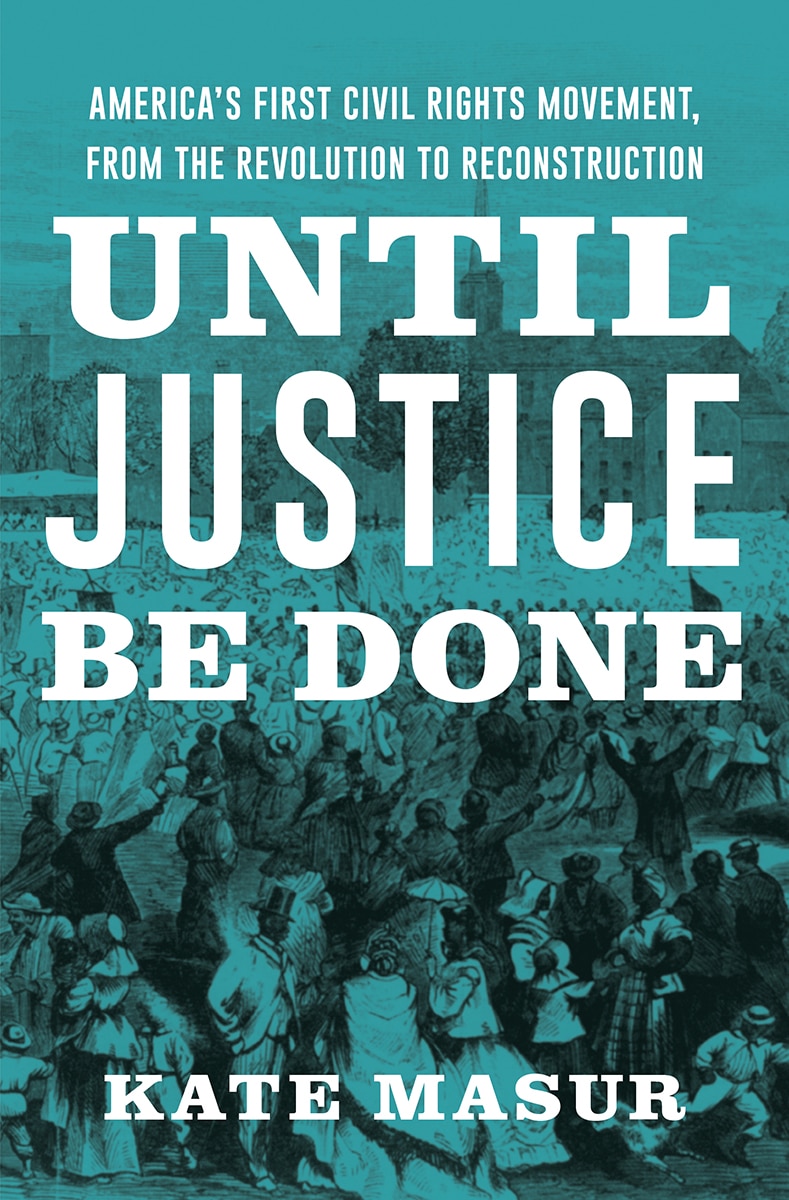
Book — Non-fiction. By Kate Masur. 2021.
The movement for equal rights in the decades before the Civil War.
Continue reading
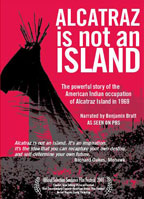
Film. By James M. Fortier. 2001. 60 minutes.
Documentary on a small group of Native American students and “Urban Indians” who occupied Alcatraz Island in November 1969, and how it forever changed the way Native Americans viewed themselves, their culture and their sovereign rights.
Continue reading
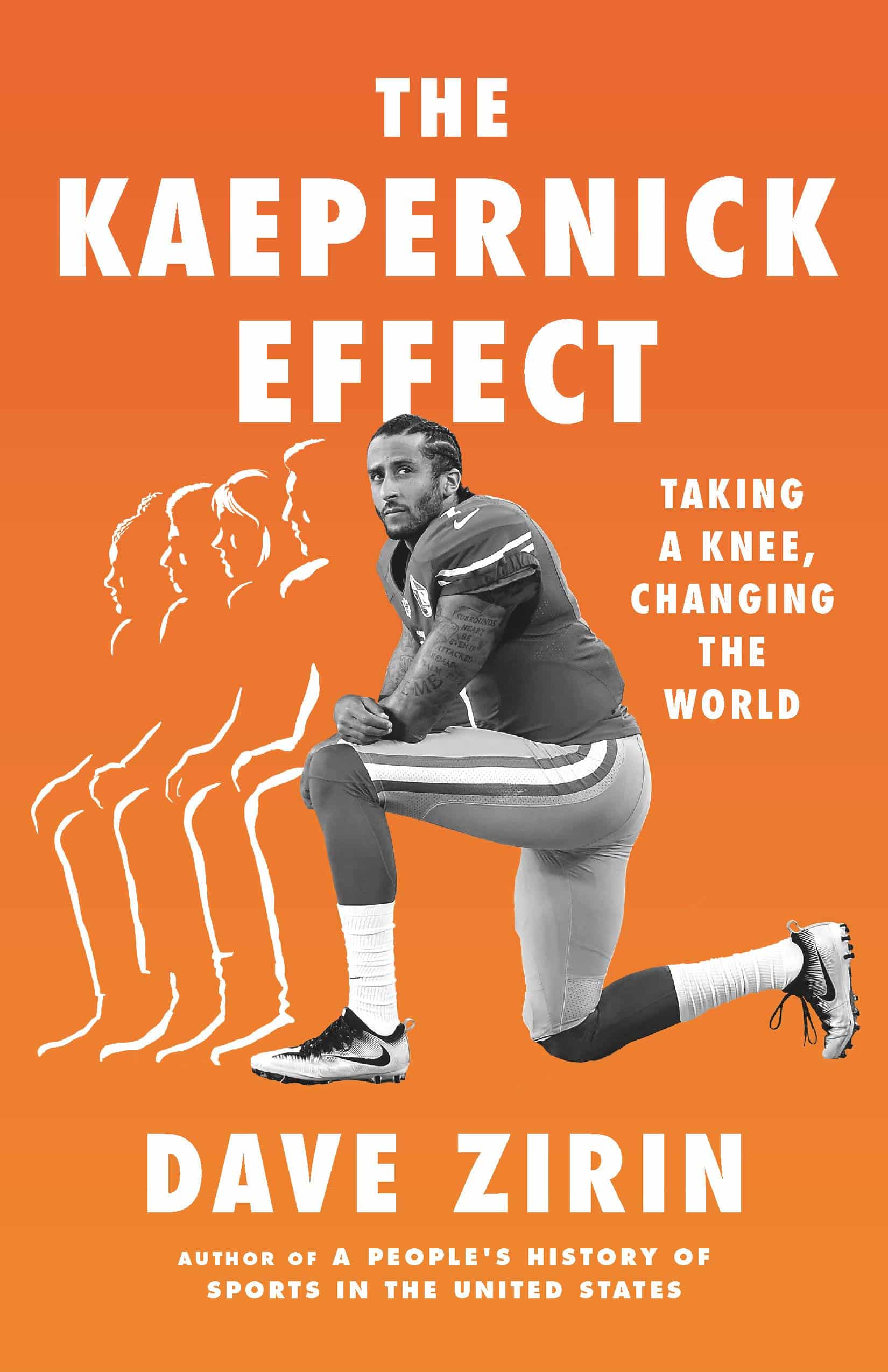
Book — Non-fiction. By Dave Zirin. 2021.
A book about the politics of sport, and the impact of sports on politics, reveals that essential dimension of the new movement for racial justice in the United States.
Continue reading
The Grenada, Mississippi school board shuttered school instead of opening its doors to registered Black students.
Continue reading
Teaching Activity. By Ursula Wolfe-Rocca.
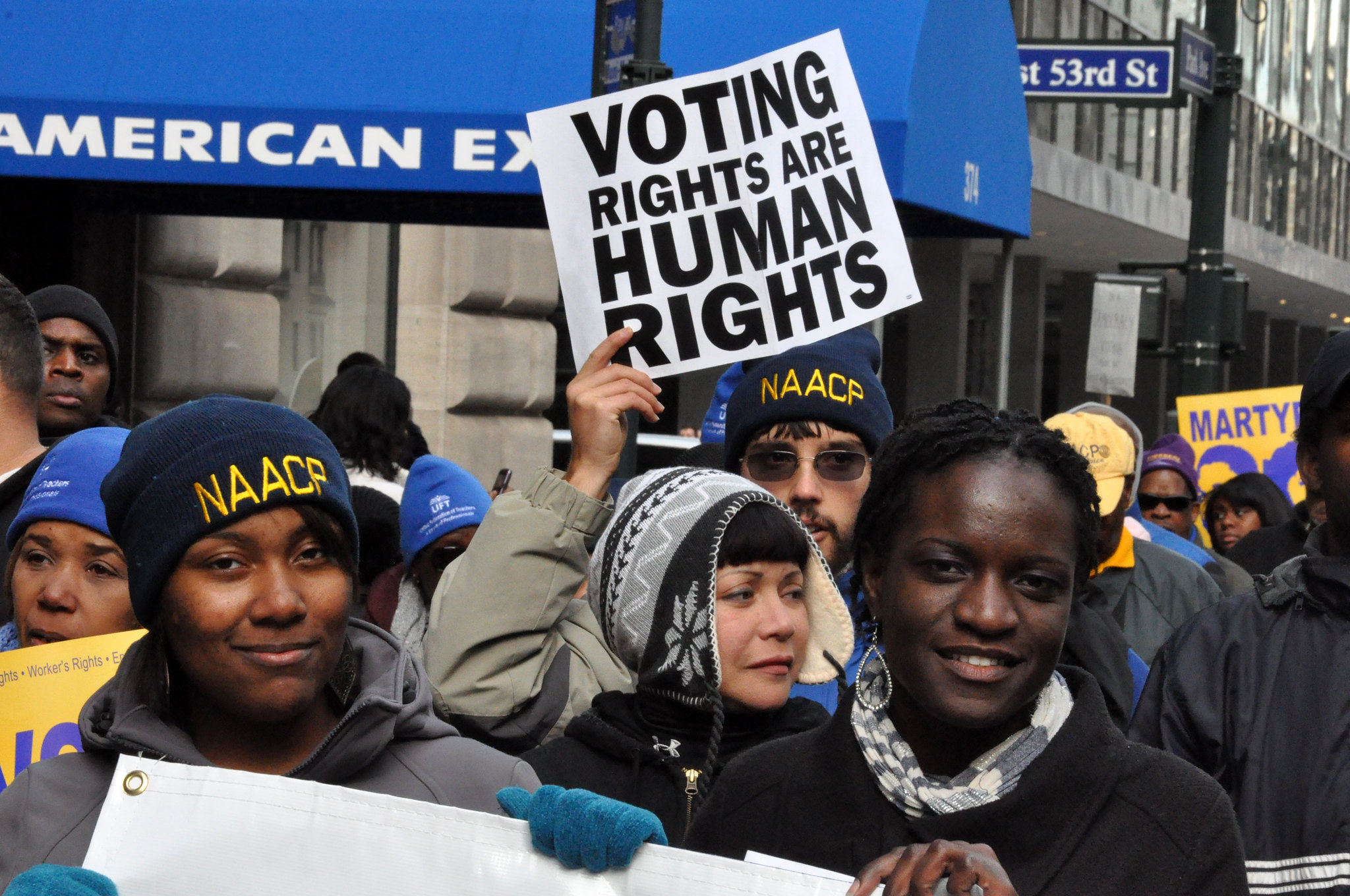
Unit with three lessons on voting rights, including the history of the struggle against voter suppression in the United States.
Continue reading
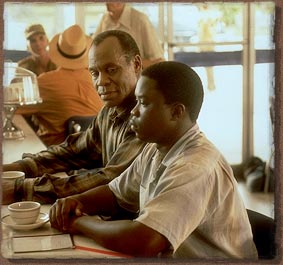
Film. By Phil Alden Robinson. 2006. 117 minutes.
Based on the actual history of the Student Nonviolent Coordinating Committee (SNCC), student activism, and voter registration in McComb, Mississippi, during the Civil Rights Movement.
Continue reading
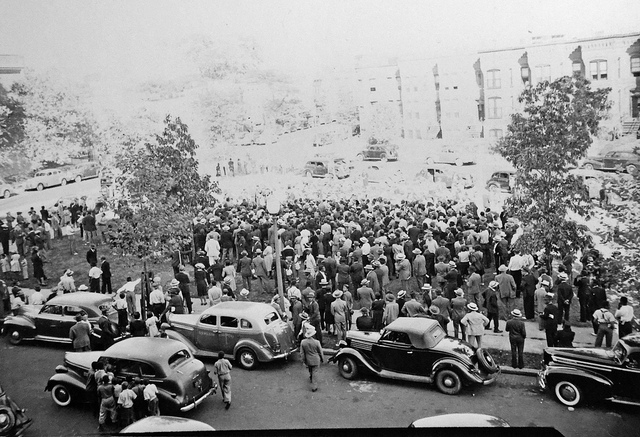
Following years of organizing against police brutality, four marches from different points in the city of Washington, D.C. converged at 10th and U Streets NW.
Continue reading
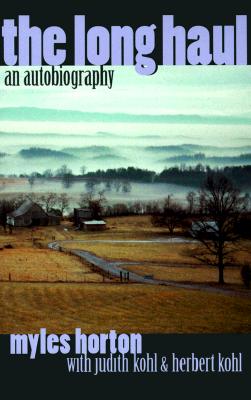
Book — Non-fiction. By Myles Horton with Herbert R. Kohl and Judith Kohl. 1997. 167 pages.
History of the role the Highlander Folk School played in the labor and Civil Rights Movements.
Continue reading
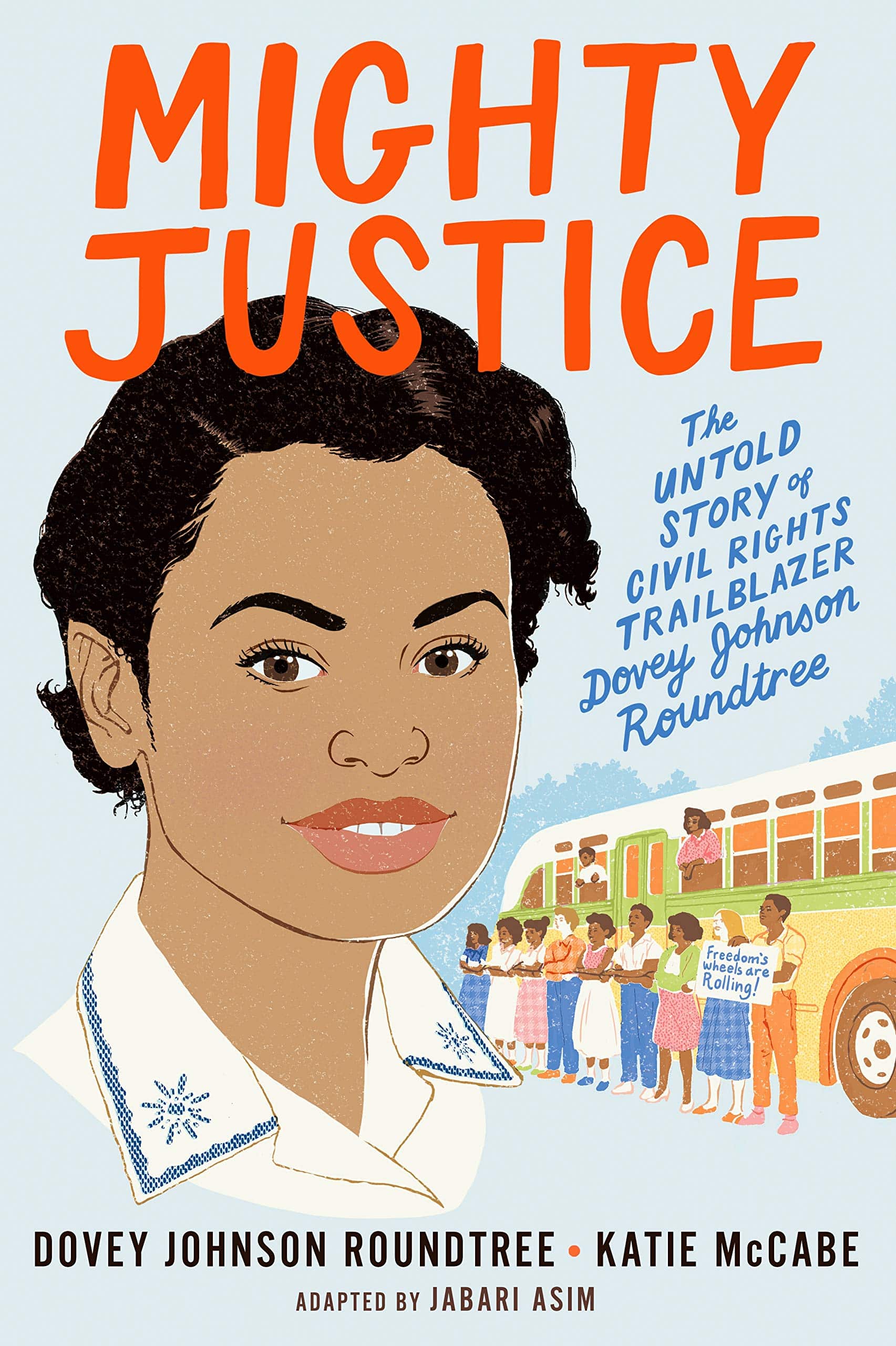
Book — Non-fiction. By Katie McCabe and Jabari Asim. 2020. 208 pages.
A young readers' adaptation of Mighty Justice: My Life in Civil Rights, the memoir of activist lawyer Dovey Johnson Roundtree.
Continue reading
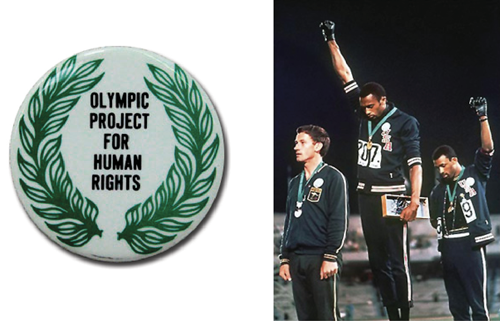
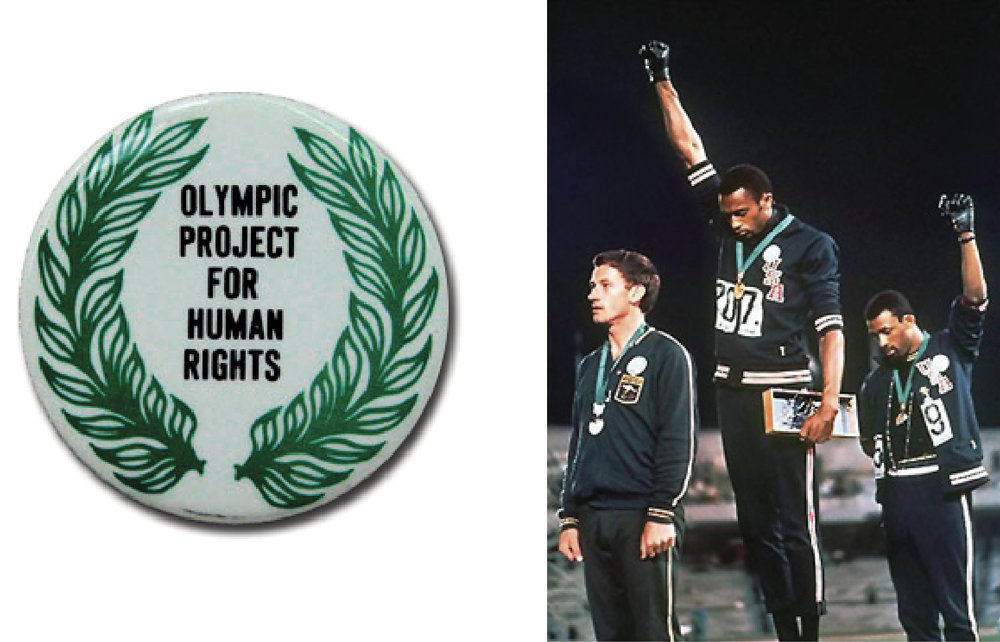
Tommie Smith and John Carlos made a symbolic protest while the U.S. national anthem was played in the Olympics.
Continue reading
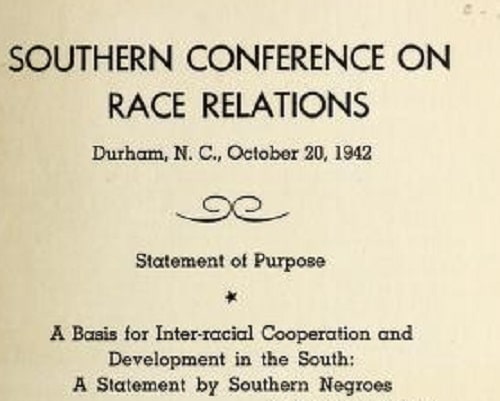
The Southern Conference on Race Relations (SCRR) was held in Durham, North Carolina to address dichotomy between African American soldiers fighting overseas in the name of democracy while in the U.S. they were facing racial violence and being denied basic human rights.
Continue reading
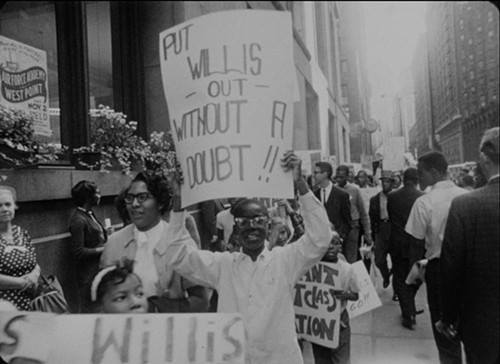
The Chicago Public School Boycott, also known as Freedom Day, was a mass boycott and demonstration against the segregationist policies.
Continue reading
Teaching Activity. By Doug Sherman. Rethinking Schools. 4 pages.
The author describes how he uses biographies and film to introduce students to the role of people involved in the Civil Rights Movement beyond the familiar heroes. He emphasizes the role and experiences of young people in the Movement.
Continue reading
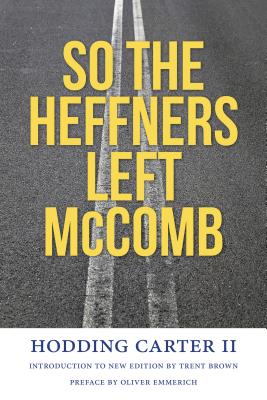
Book — Non-fiction. By Hodding Carter II. Reprinted 2016. 176 pages.
Profile of a white family persecuted for being hospitable to civil rights workers.
Continue reading
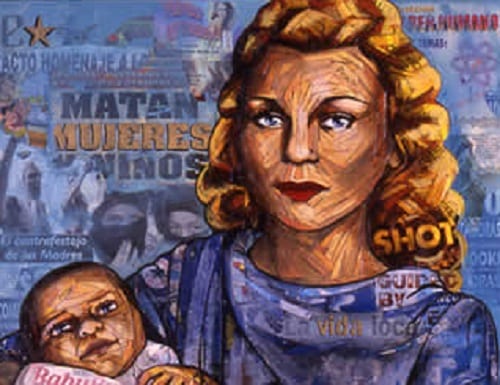
Viola Liuzzo (April 11, 1925 – March 25, 1965), Civil Rights activist, was murdered in 1965 by the KKK after the Selma to Montgomery March.
Continue reading