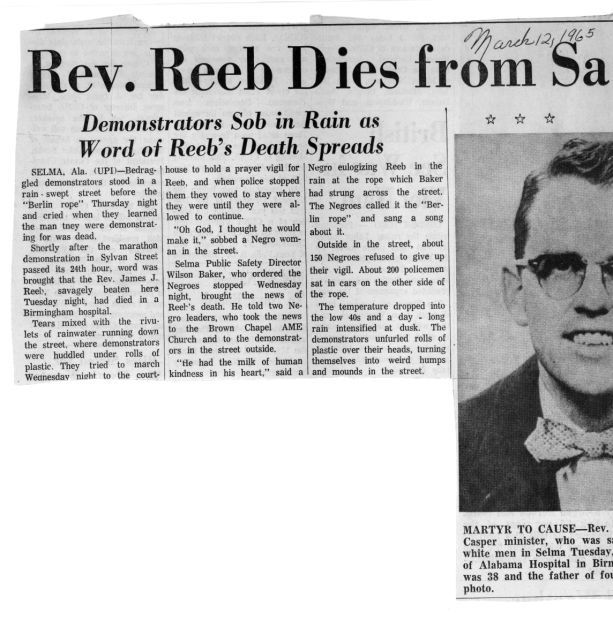
Rev. James Reeb died as a result of being severely beaten by a group of white men during Bloody Sunday in Selma two days earlier.
Continue reading
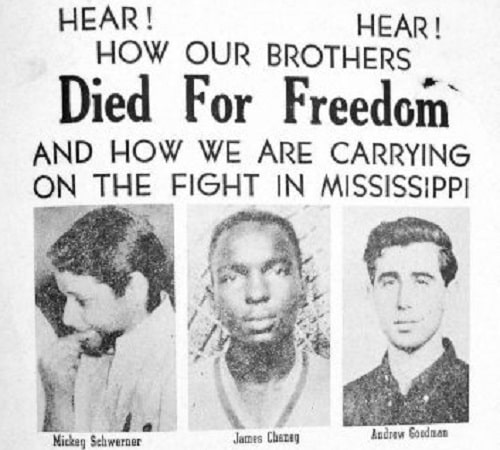
James Chaney, Michael Schwerner, and Andrew Goodman were tortured and murdered by the Ku Klux Klan in Neshoba County, Mississippi.
Continue reading
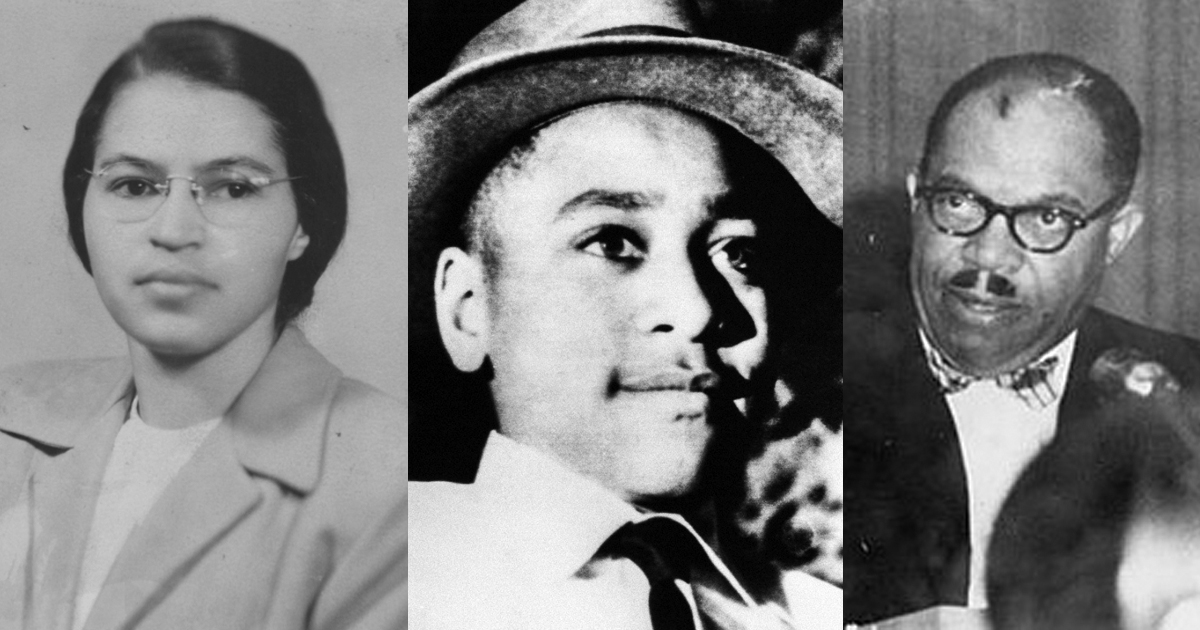
Rosa Parks attended a mass meeting about Emmett Till days before her refusal to give up her seat on the bus.
Continue reading
Teaching Activity. By Bill Bigelow.
In this mixer lesson, students learn about Rosa Parks' many decades of activism by taking on roles from various times in her life. In this way, students learn about her radicalism before, during, and long after the Montgomery Bus Boycott.
Continue reading
Profile.
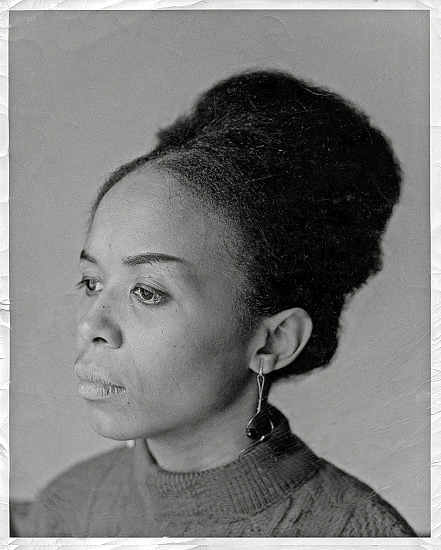
Dorie Ladner (June 28, 1942-March 11, 2024) was a Student Nonviolent Coordinating Committee (SNCC) veteran, social worker, and lifelong activist.
Continue reading
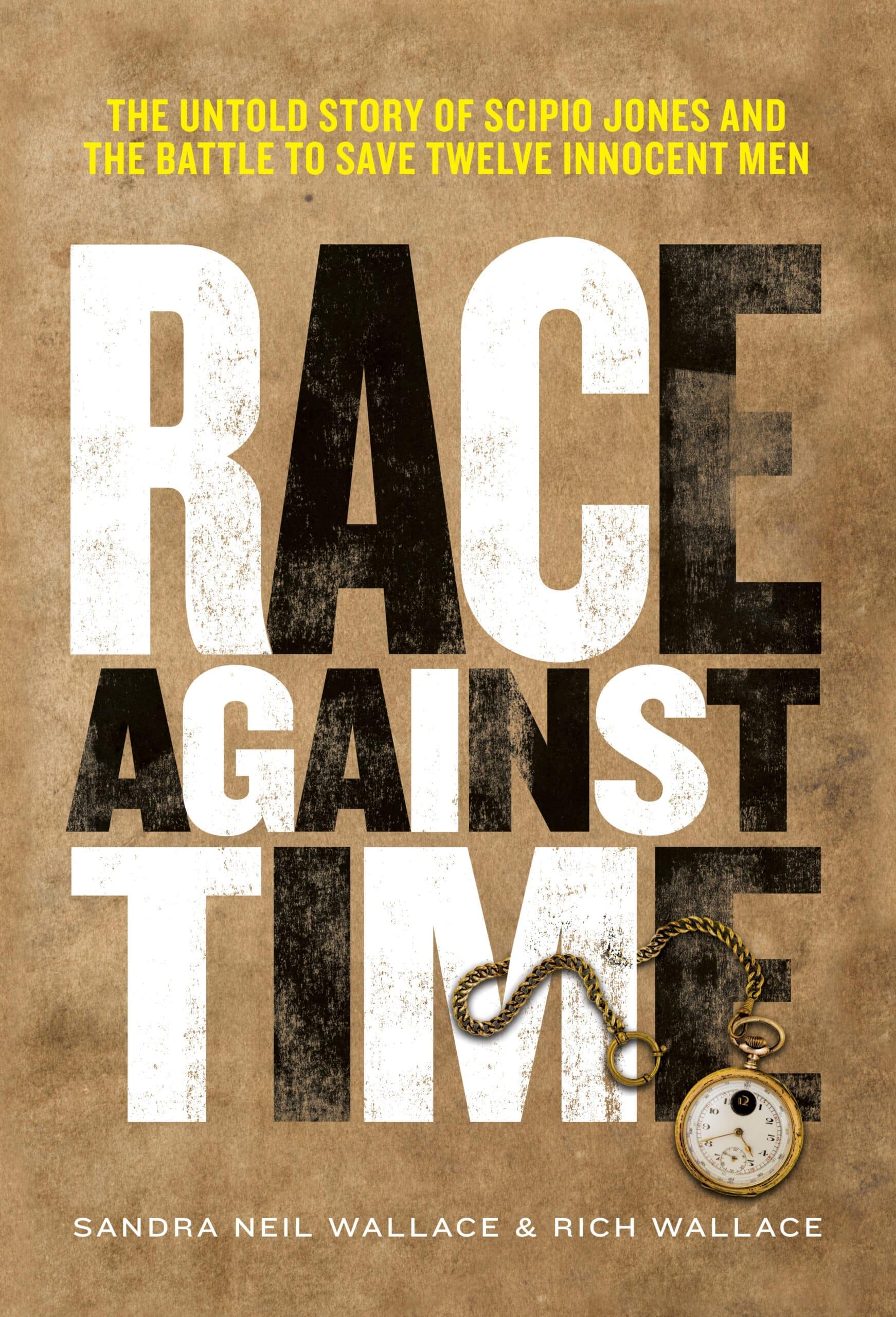
Book — Non-fiction. By Sandra Neil Wallace and Rich Wallace. 2021. 144 pages.
Scipio Africanus Jones — a self-taught attorney who was born enslaved — leads a momentous series of court cases to save twelve Black men who'd been unjustly sentenced to death.
Continue reading
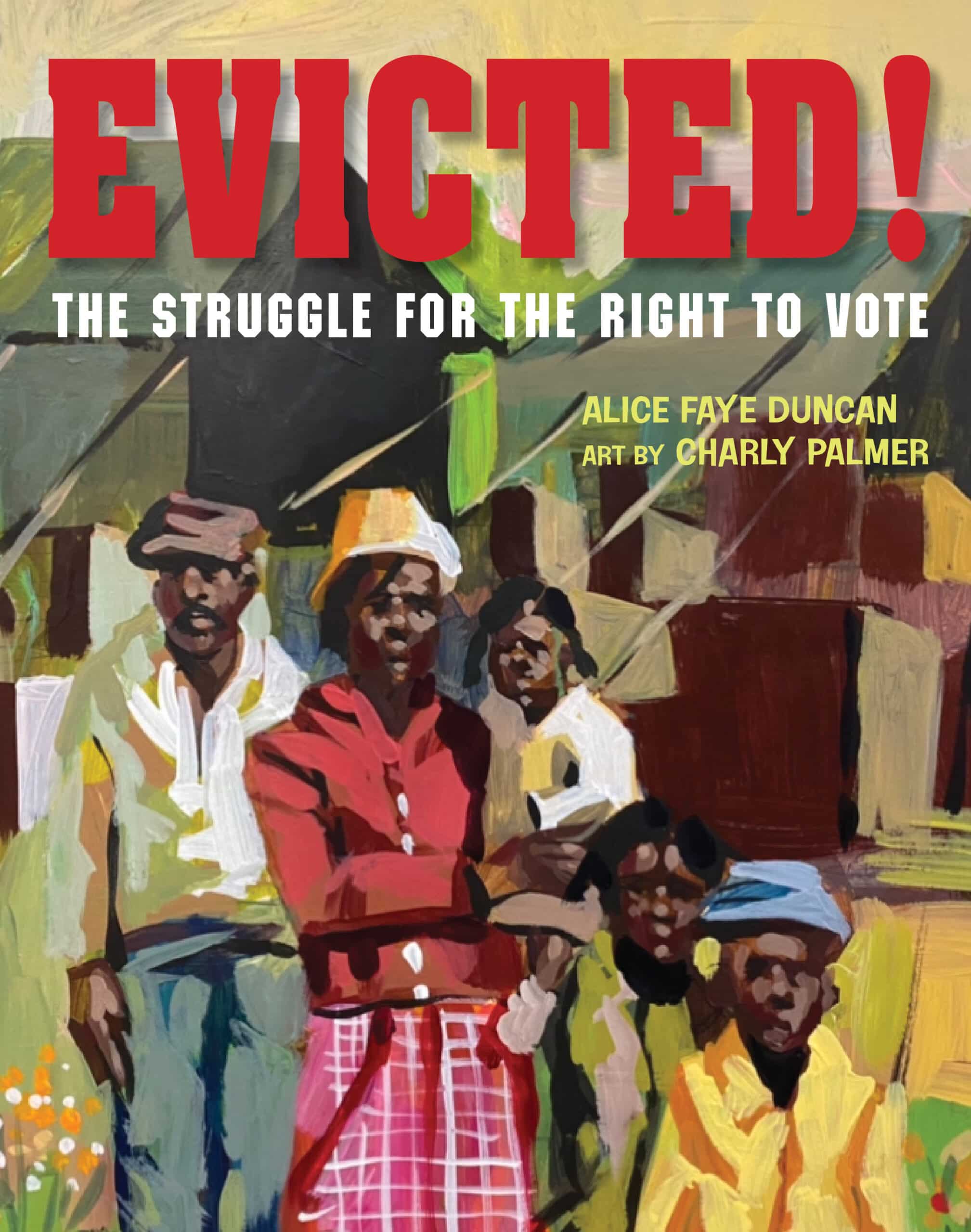
Picture book. By Alice Faye Duncan and illustrated by Charly Palmer. 2022. 64 pages.
This critical civil rights book for middle-graders examines the little-known Tennessee's Fayette County Tent City Movement in the late 1950s and reveals what is possible when people unite and fight for the right to vote.
Continue reading
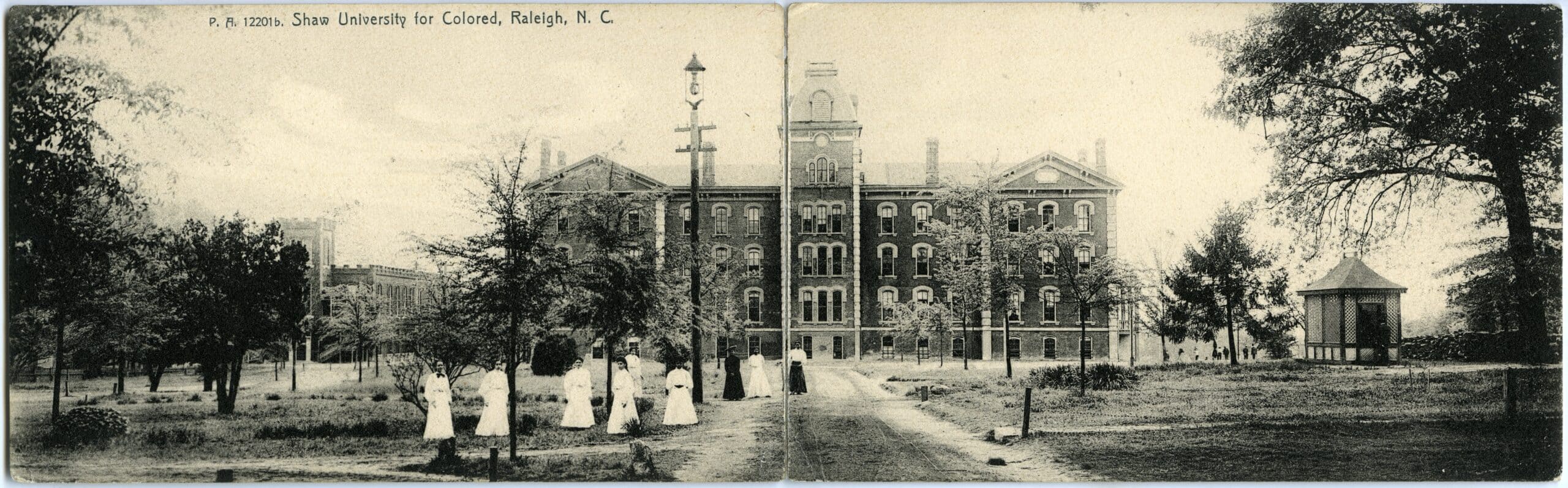
Shaw University was established as a co-ed campus with support from private donors and the Bureau of Refugees, Freedmen and Abandoned Lands. It is the second oldest HBCU in the South.
Continue reading
Film. National Park Service. 2020. 23 minutes.
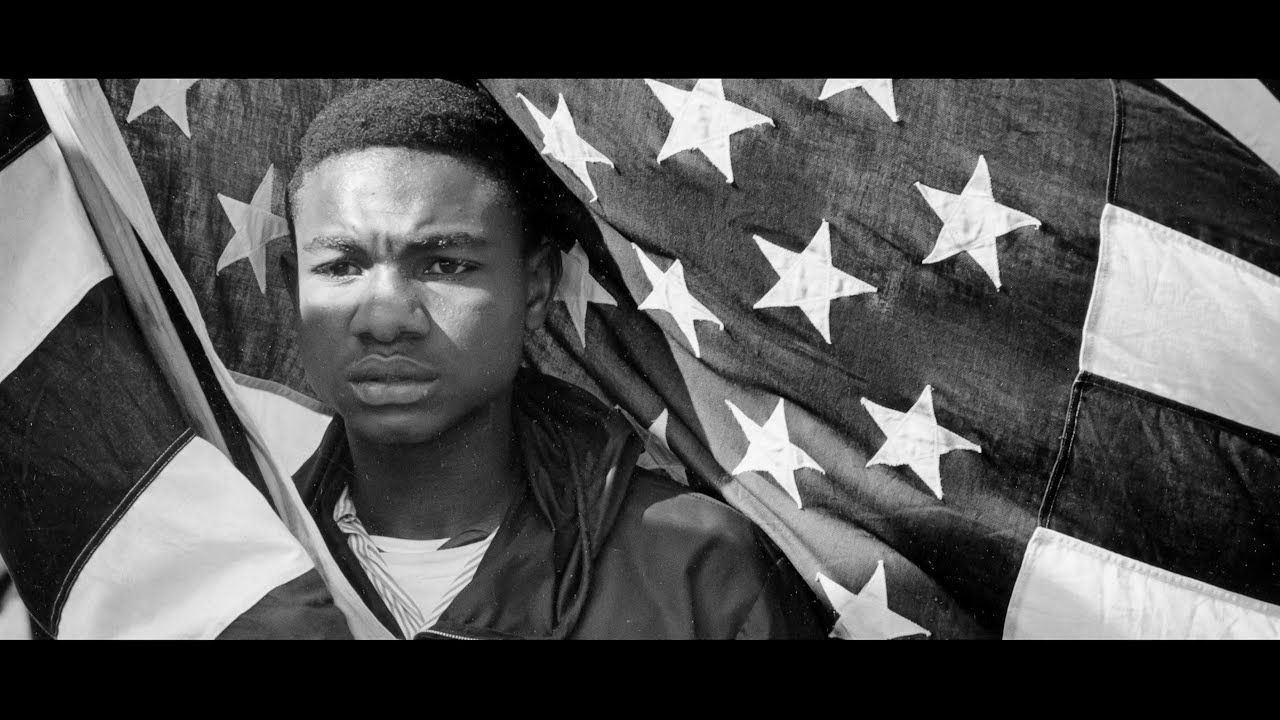
Documentary about the role of young people in the voting rights movement in Alabama in the 1960s.
Continue reading
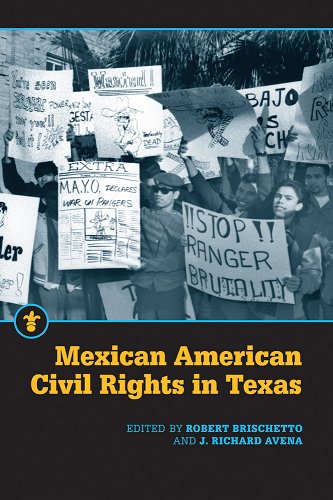
Book — Non-fiction. Edited by Brischetto and Avena. 2021. 408 pages.
This book is an examination of the social change of Mexican Americans of Texas over the past half century.
Continue reading
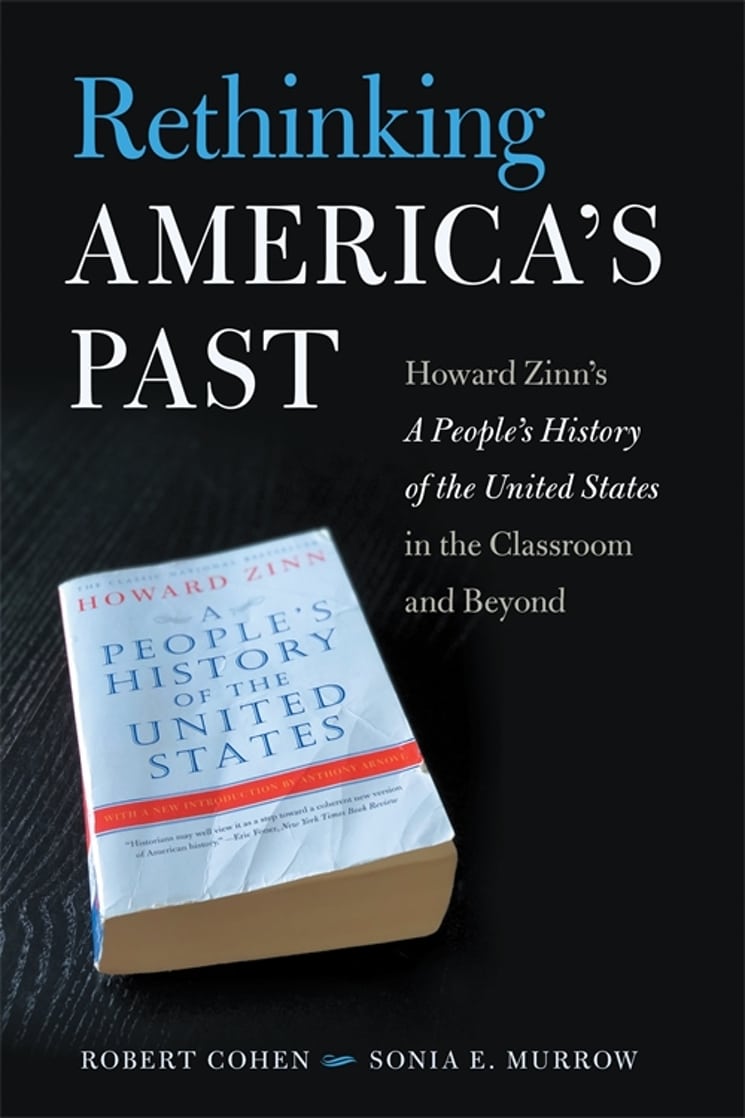
Book — Non-fiction. By Robert Cohen and Sonia E. Murrow. 2021. 344 pages.
The first work to use archival and classroom evidence to assess the impact that Zinn's classic work has had on historical teaching and learning and on U.S. culture.
Continue reading
Profile.
Summer initiative to register African American voters in Mississippi.
Continue reading
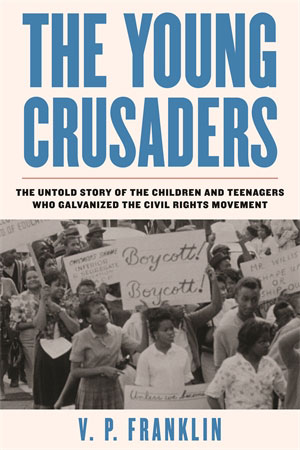
Book — Non-fiction. By V. P. Franklin. 2021. 328 pages.
This books tells the story of the hundreds of thousands of children and teenagers who engaged in sit-ins, school strikes, boycotts, marches, and demonstrations in which Dr. Martin Luther King Jr. and other national civil rights leaders played little or no part.
Teaching Activity by V. P. Franklin
Continue reading
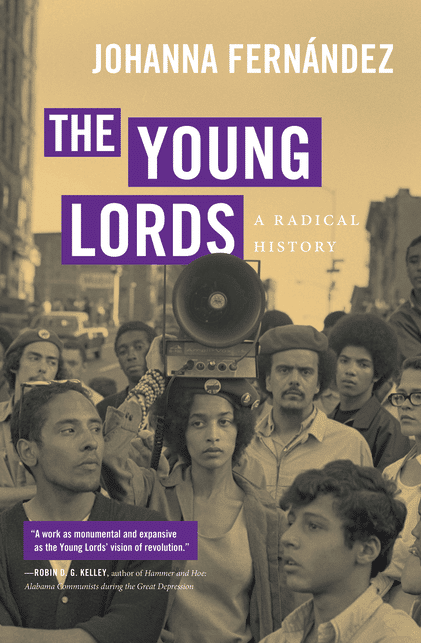
Book — Non-fiction. By Johanna Fernández. 2020. 480 pages.
Fernandez demonstrates how the Young Lords redefined the character of protest, the color of politics, and the cadence of popular urban culture in the age of great dreams.
Teaching Activity by Johanna Fernández
Continue reading
Teaching Guide. Presented by Ra Vision Media & Know Your Rights Camp. 2022. 85 pages.
In conjunction with the Netflix series of the same name, this teaching guide provides students with resources and activities to understand and address systemic and institutional racism.
Continue reading
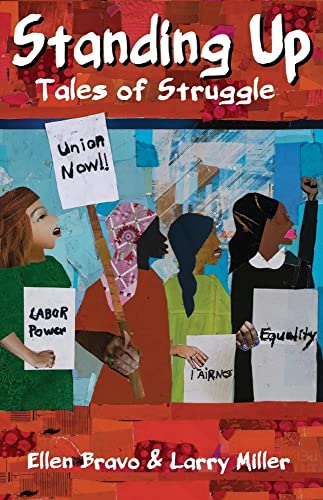
Book — Fiction. By Ellen Bravo and Larry Miller. 2021. 284 pages.
This collection of stories highlights the importance of collective struggle, both in the workplace and in the community.
Teaching Activity by Ellen Bravo and Larry Miller
Continue reading
Future Mississippi Supreme Court Justice Tom P. Brady delivered a racist speech called “Black Monday” in response to the U.S. Supreme Court’s Brown v. Board of Education decision, inspiring many white leaders to join the White Citizens’ Council.
Continue reading
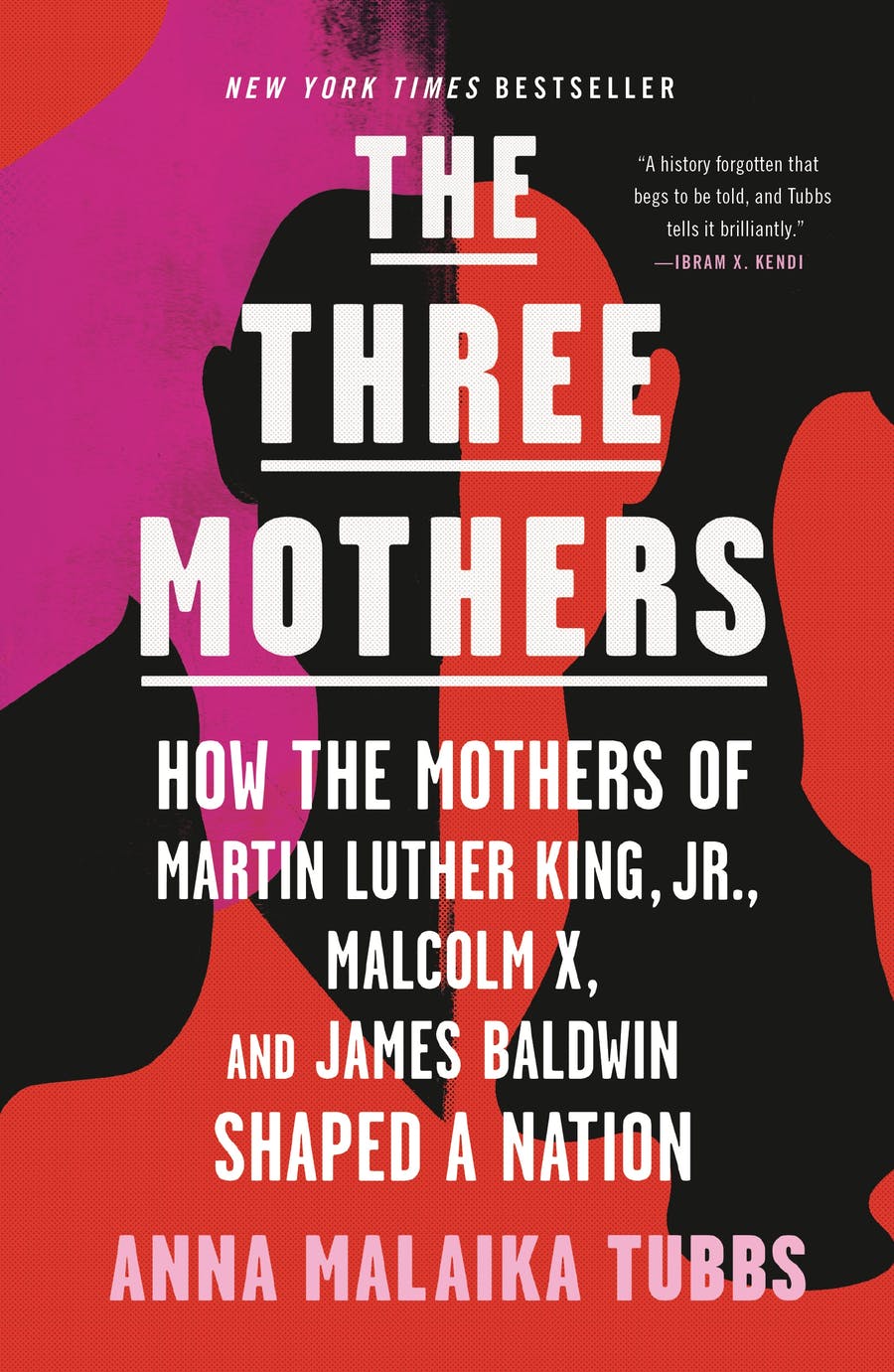
Book — Non-fiction. By Anna Malaika Tubbs. 2021. 288 pages.
This book details the lives of Berdis Baldwin, Alberta King, and Louise Little, the mothers of James Baldwin, Martin Luther King Jr., and Malcolm X, respectively.
Continue reading
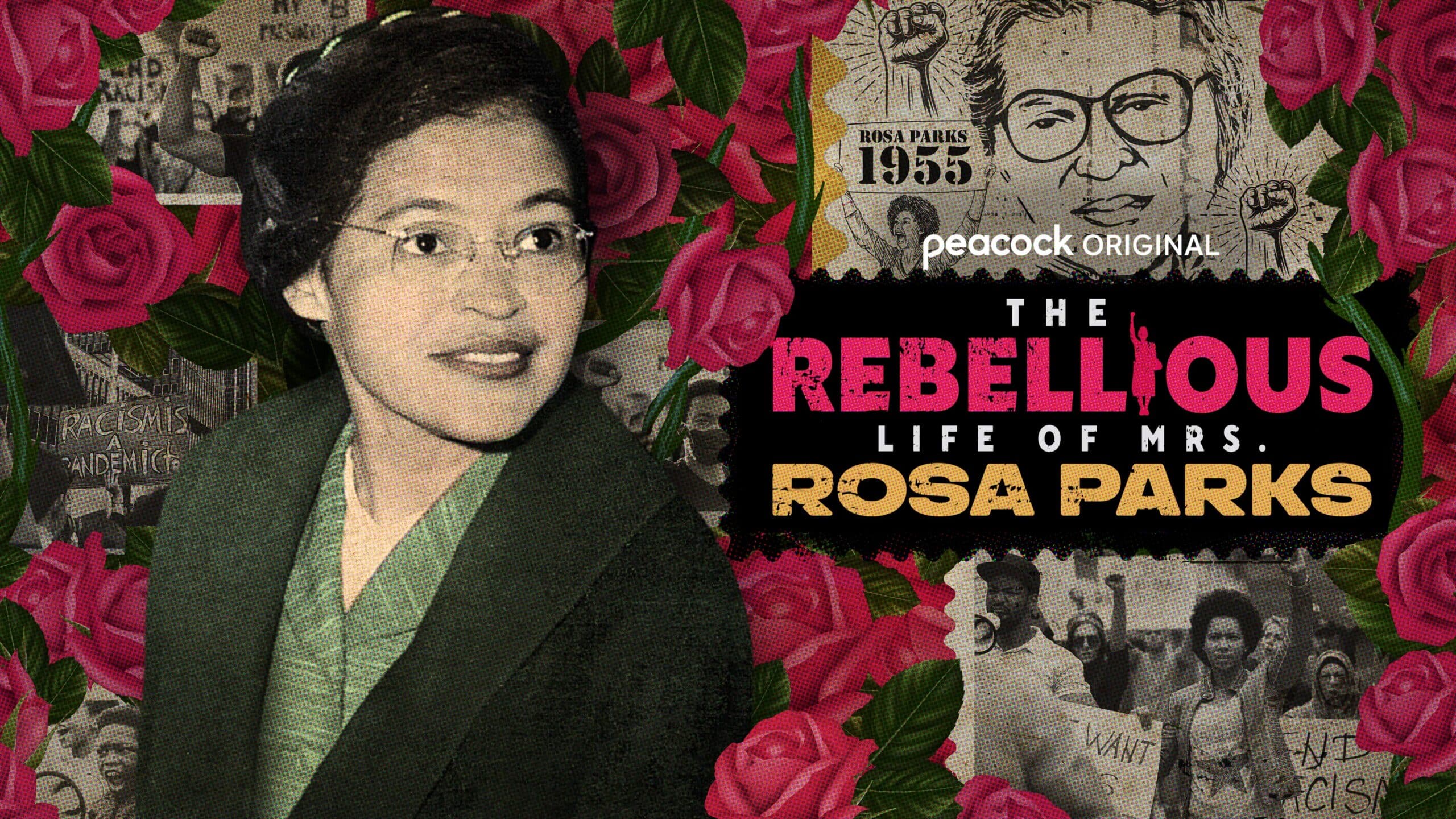
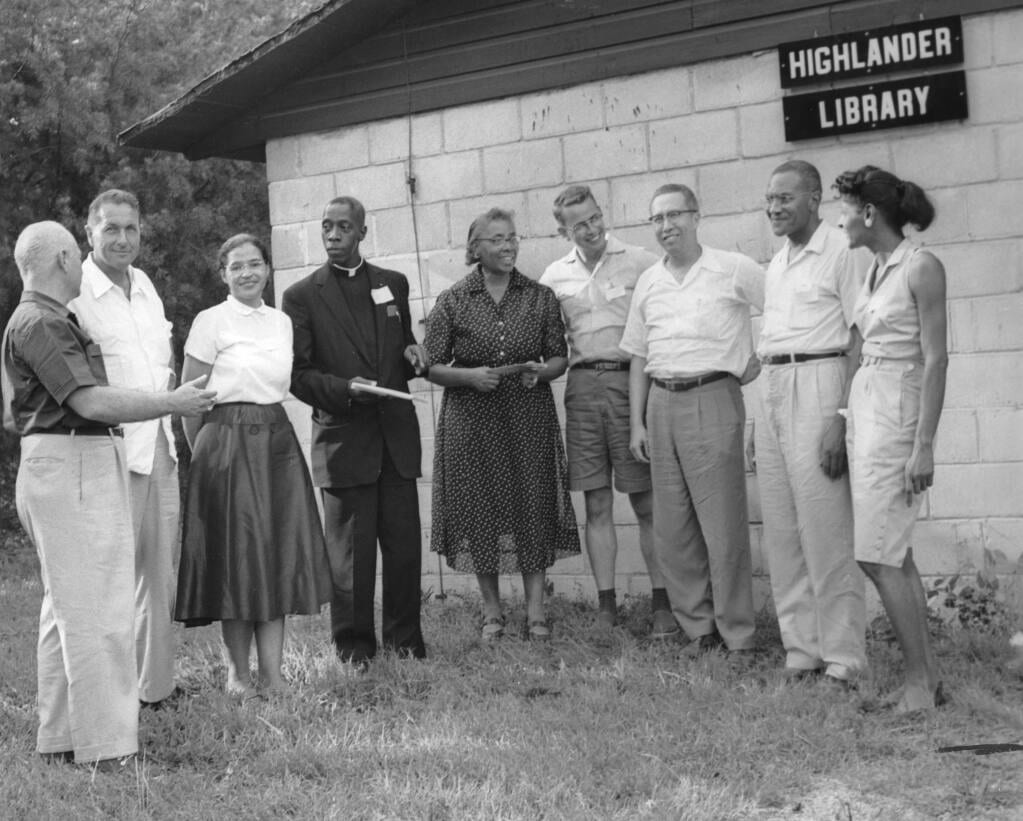
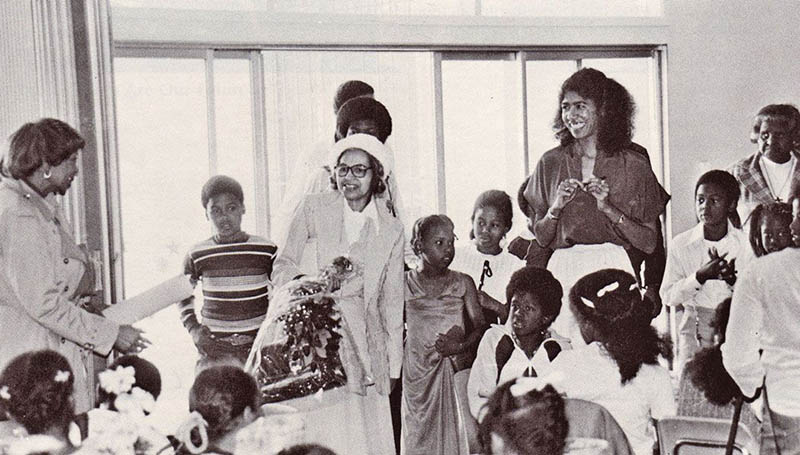
Film. Directed by Johanna Hamilton and Yoruba Richen. Produced by Soledad O’Brien. 2022. 101 minutes.
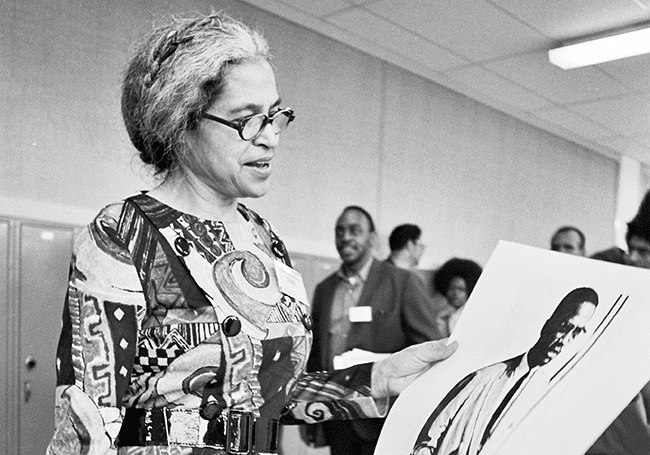
This documentary sheds light on Rosa Parks' extensive organizing, radical politics, and lifelong dedication to justice.
Continue reading
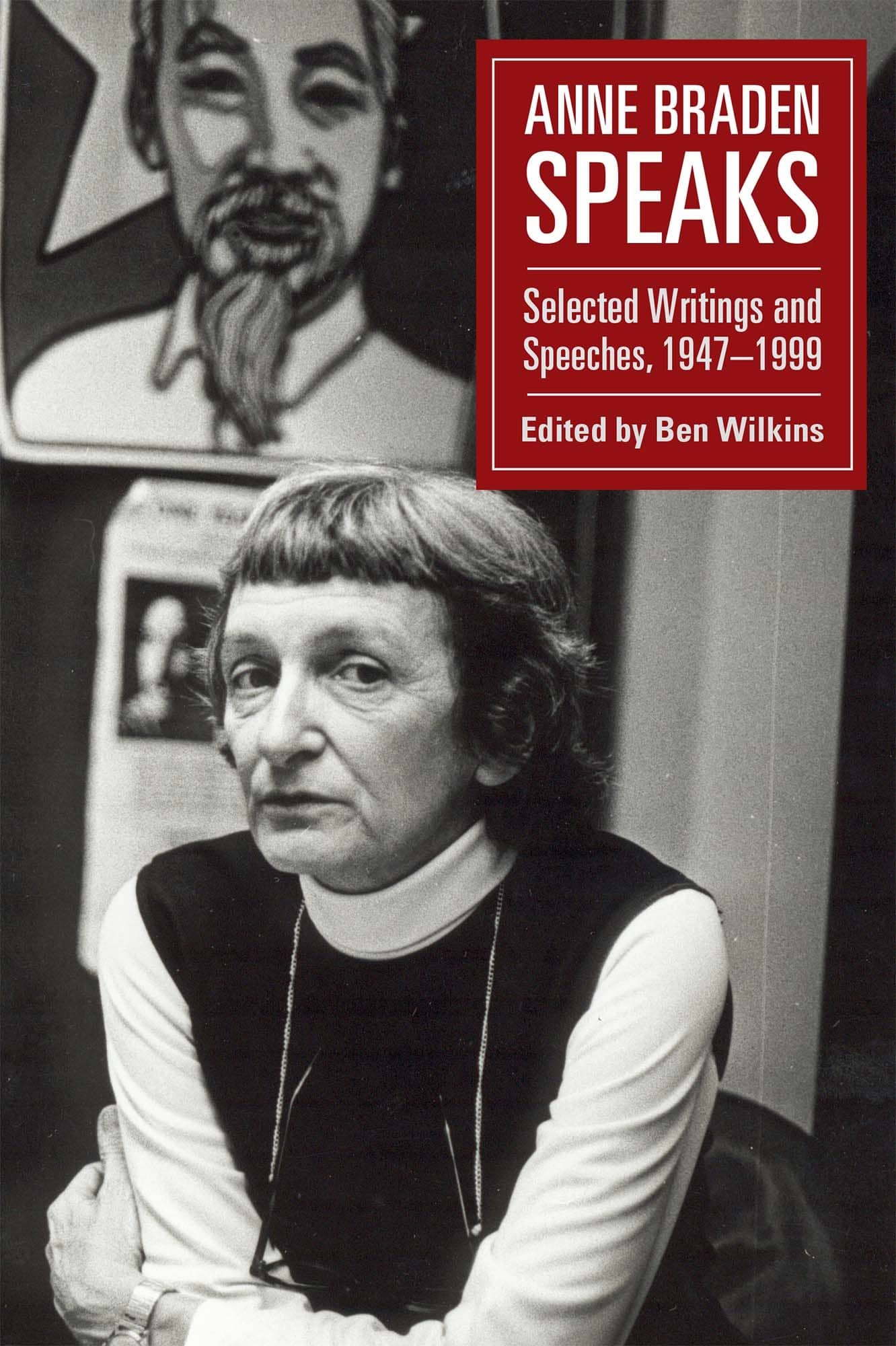
Book — Non-fiction. Edited by Ben Wilkins. 2022. 216 pages.
A representative collection of Anne Braden's writings, speeches, and letters, from the relationship between race and capitalism, to the role of the South in U.S. society, to the function of anti-communism.
Continue reading
Teaching Activity. By Jesse Hagopian. 4 pages.
With a short video and readings with competing viewpoints, students will learn about master narratives and counter-narratives and how they apply to Rosa Parks’ life. This activity can be introduced before watching the film or reading the book, The Rebellious Life of Mrs. Rosa Parks.
Continue reading
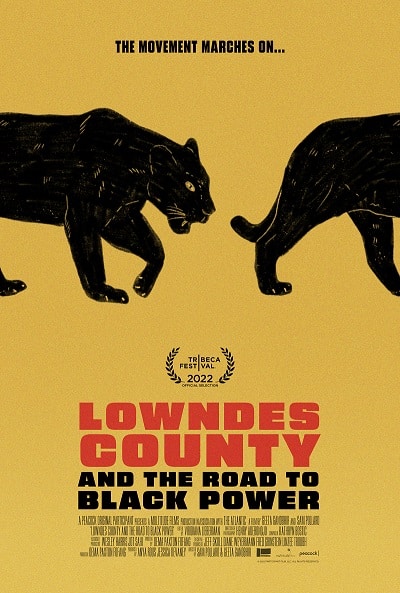
Film. Directed by Sam Pollard and Geeta Gandbhir. 2022. 90 minutes.
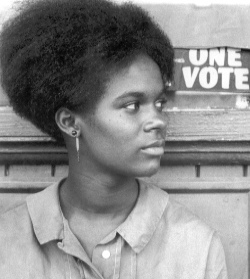
The story of young SNCC organizers who fought for voting rights and Black power in Lowndes County, Alabama.
Teaching Activity by Directed by Sam Pollard & Geeta Gandbhir
Continue reading
Teaching Activity. By Tiffany Mitchell Patterson and Jessica Rucker.
In this lesson, students explore the core ideas of Black Power through a gallery walk with images and quotes connected to the life of Rosa Parks, and then consider how to define Rosa Parks’s activism.
Continue reading
Famed civil rights lawyer and politician Z. Alexander Looby’s North Nashville home was dynamited in an assassination attempt.
Continue reading
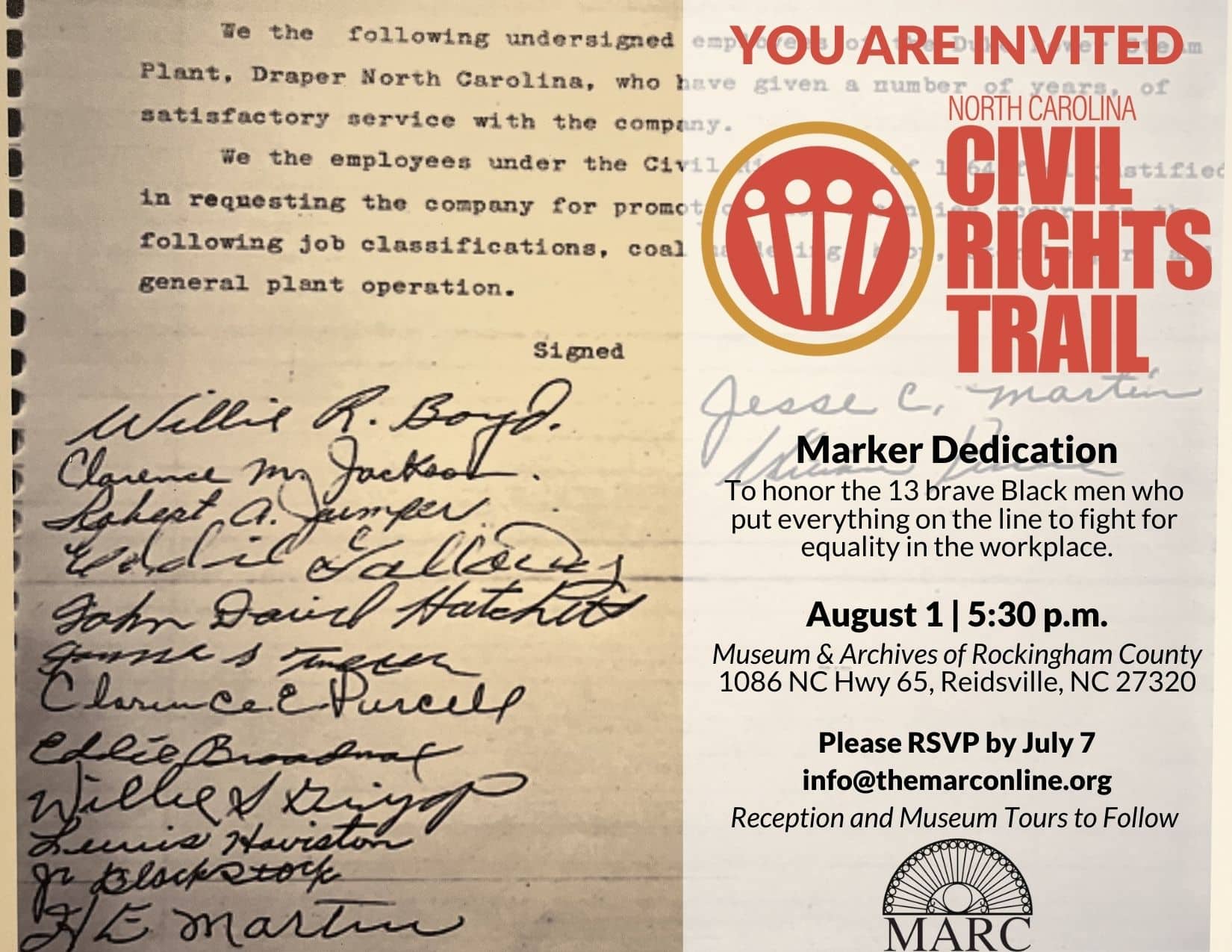
In 1966, 14 Black employees filed a complaint with the EEOC claiming that they were discriminated against in hiring and promotion at a power plant in North Carolina. Five years later, the Supreme Court delivered its landmark unanimous ruling prohibiting discriminatory practices by employers.
Continue reading