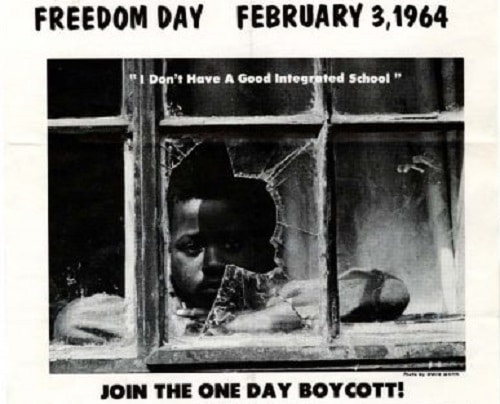
More than 450,000 New York City school children boycotted school as part of a protest for quality schools for Black and Latino students.
Continue reading
Film. Bill Brummel Productions. 2008. 39 minutes.
A documentary film and teaching guide on the grape strike and boycott led by Cesar Chavez and Dolores Huerta in the 1960s.
Continue reading
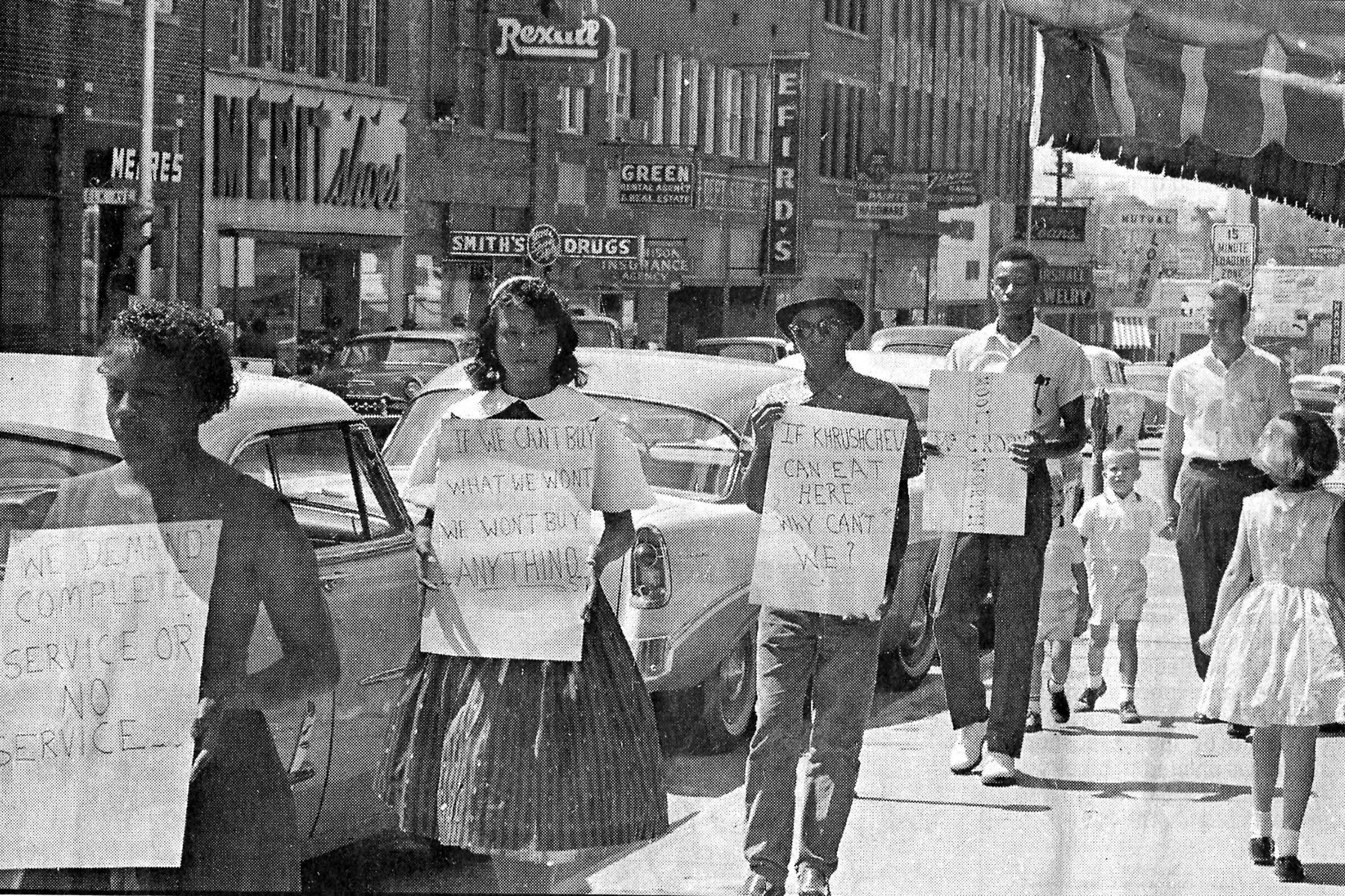
The Student Nonviolent Coordinating Committee (SNCC) sent four volunteers to Rock Hill, South Carolina to sit-in.
Continue reading
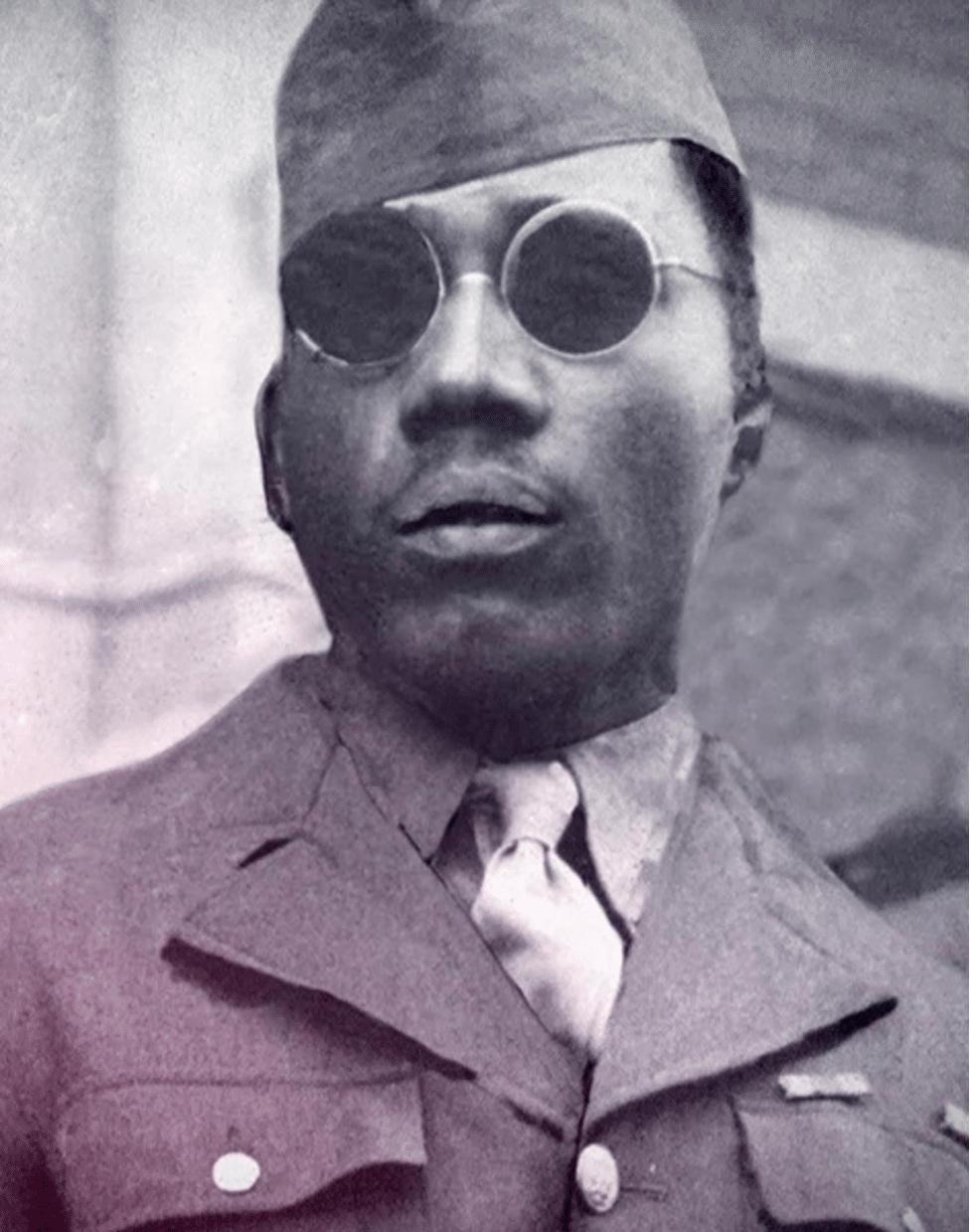
Isaac Woodard Jr., a Black army sergeant, was beaten and left blind in both eyes by white police officers within hours of being discharged from the army.
Continue reading
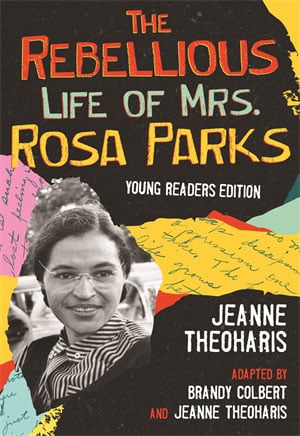
Book — Non-fiction. By Jeanne Theoharis and Brandy Colbert. 2021.
This biography of Rosa Parks accessibly examines her six decades of activism, challenging young readers’ perceptions of her as an accidental actor in the Civil Rights Movement.
Continue reading
Teaching Activity. By Bill Bigelow. 17 pages.
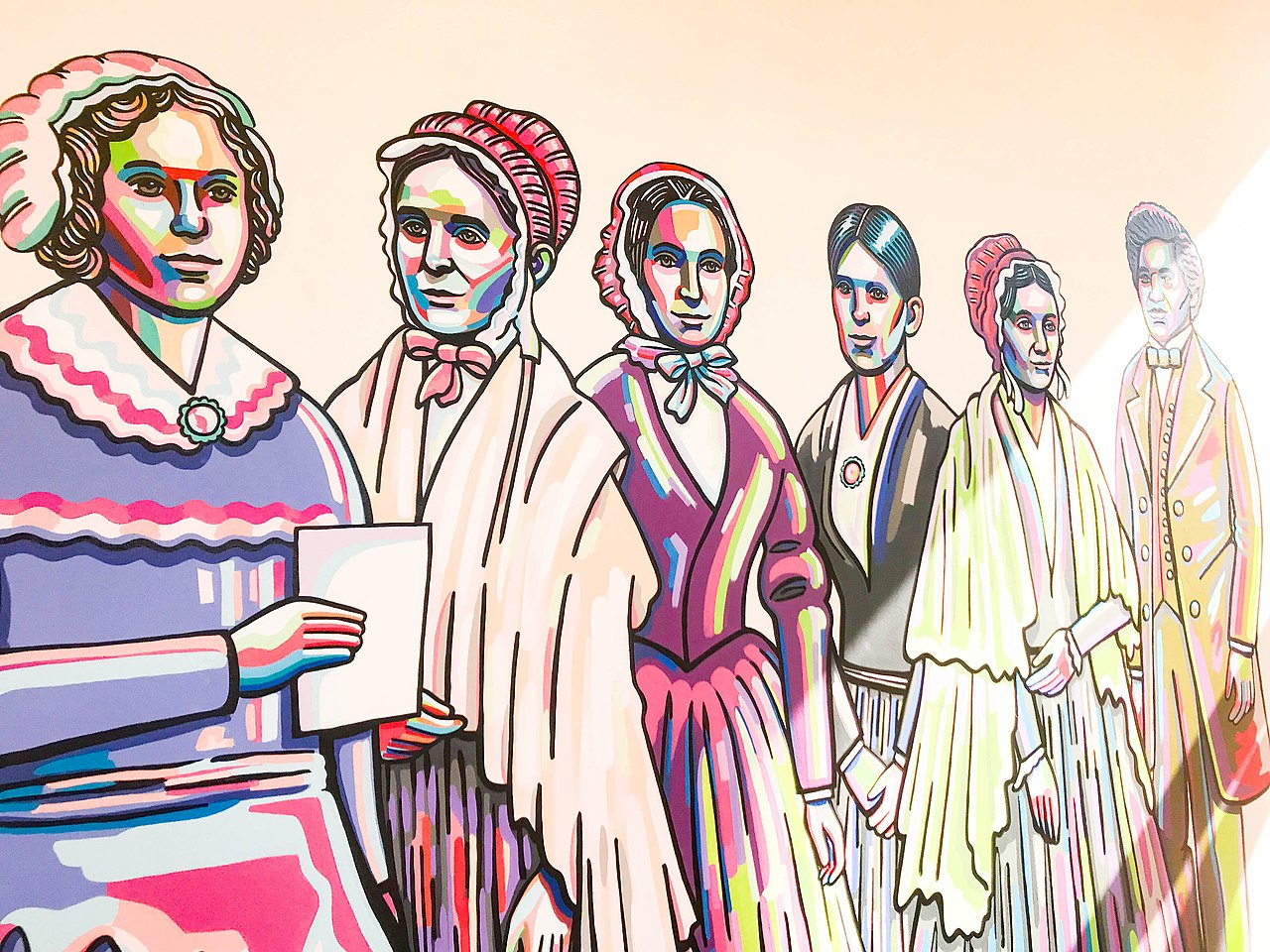
A role play allows students to examine issues of race and class when exploring both the accomplishments and limitations of the Seneca Falls Convention.
Continue reading
Teaching Activity. Essay by Howard Zinn and lesson by Bill Bigelow. Rethinking Schools. 18 pages.
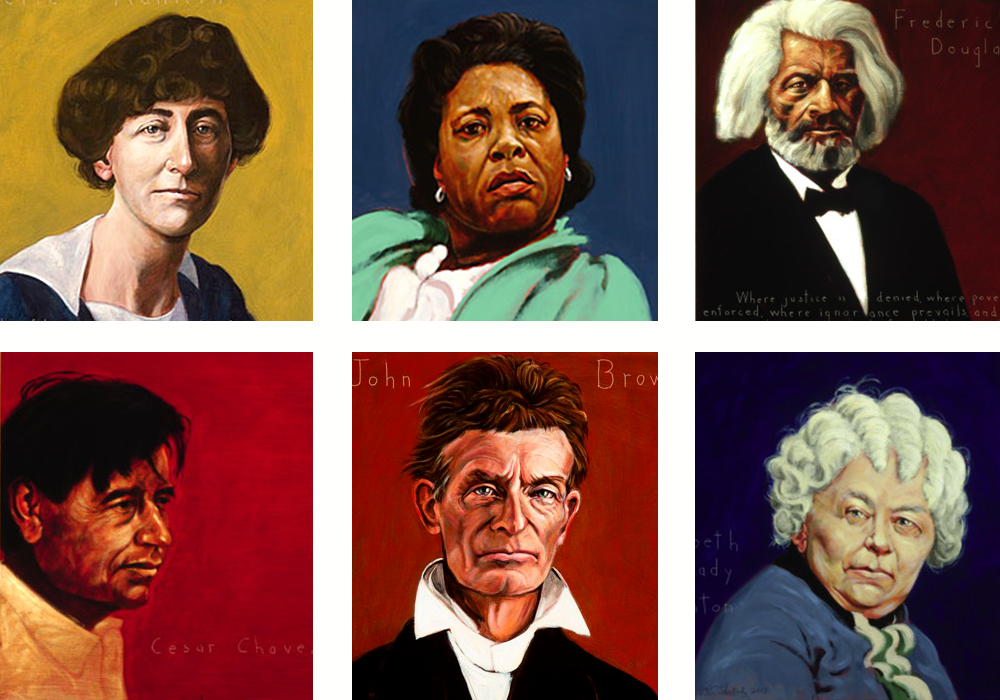
Students research and write stories about unsung heroes in U.S. history.
Continue reading
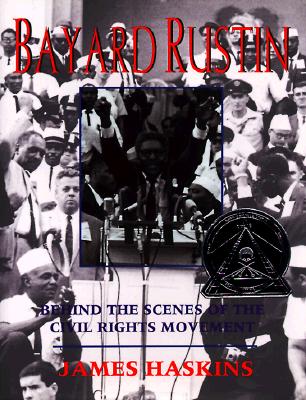
Book — Non-fiction. By James Haskins. 1997. 128 pages.
Biography for middle school readers of Bayard Rustin.
Continue reading
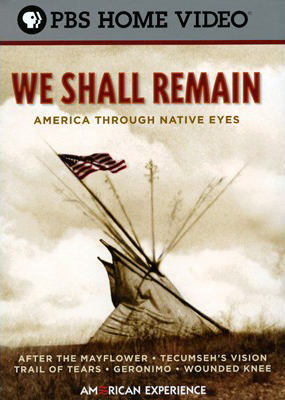
Film. PBS. 2009. 450 minutes.
Three hundred years of Native American history.
Continue reading
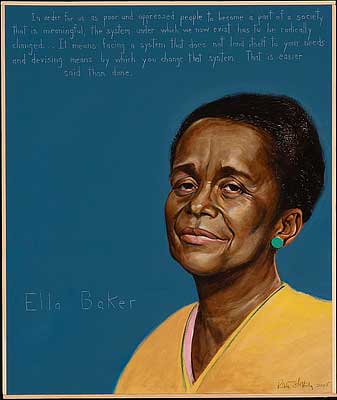
Profile.
Brief biography of Ella Josephine Baker, 1903–1986, activist and civil rights organizer.
Continue reading
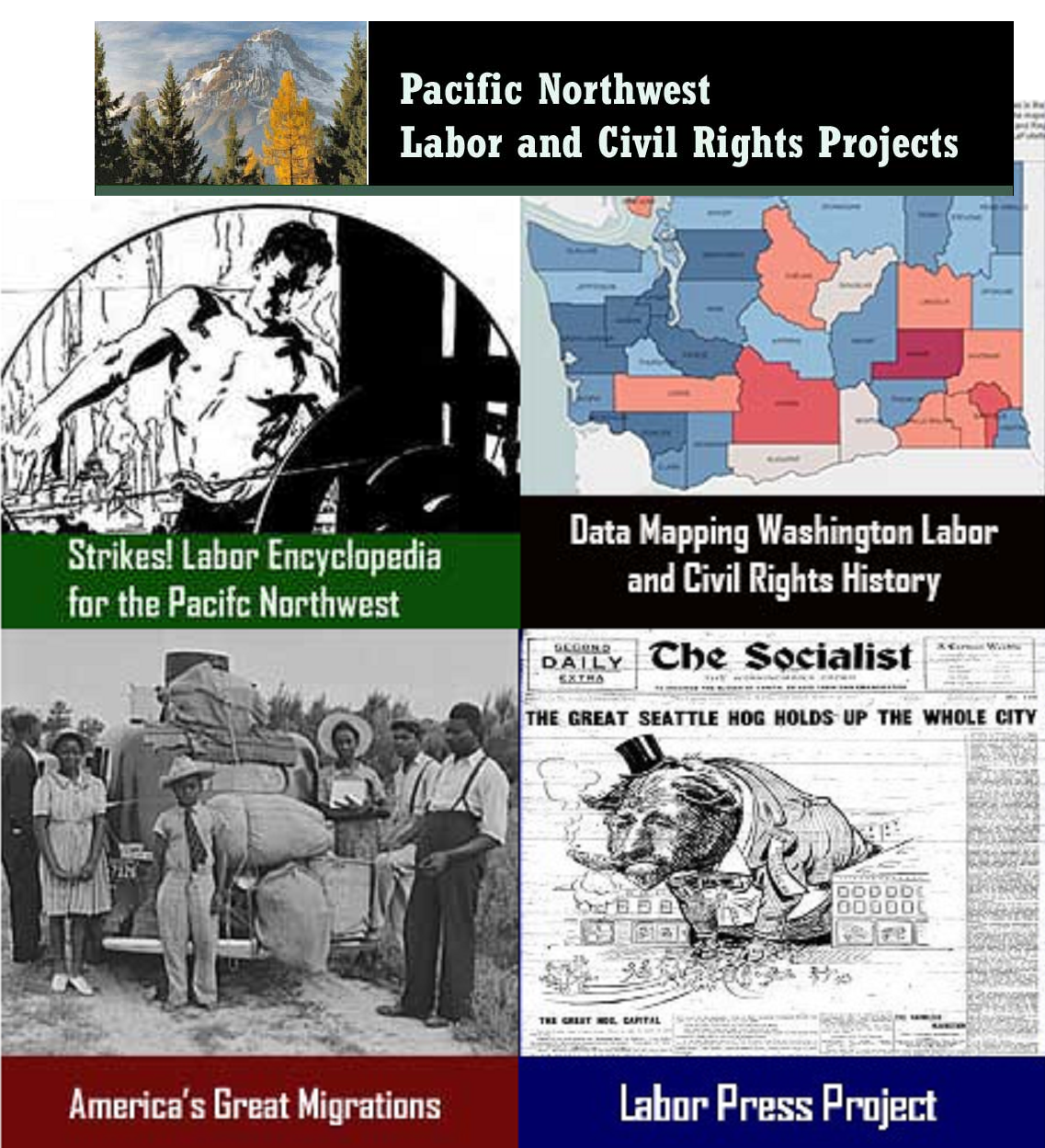
Digital collection. Features 11 projects on labor and civil rights movements in the Pacific Northwest with oral histories, primary documents, and more.
Continue reading
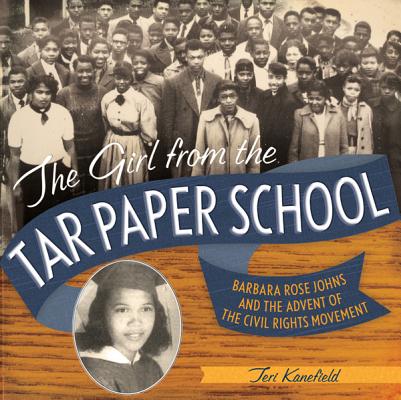
Book — Non-fiction. By Teri Kanefield. 2014. 56 pages.
Illustrated book of a teenager who led a student walk out to protest substandard conditions at a Virginia high school in 1951.
Continue reading
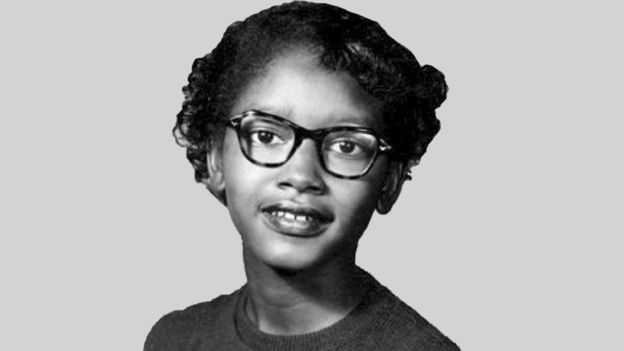
At age 15, Claudette Colvin refused to give up her bus seat to a white woman in Montgomery, Alabama.
Continue reading
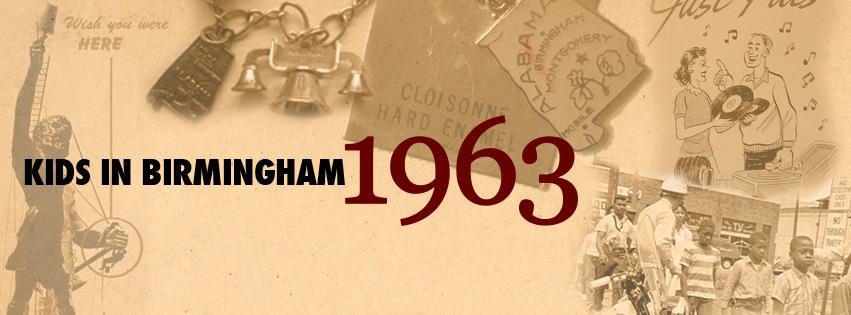
Digital collection. A resource for the stories of people who were children in Birmingham in 1963.
Continue reading
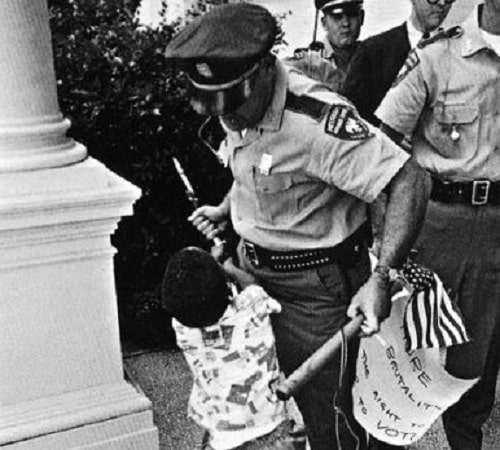
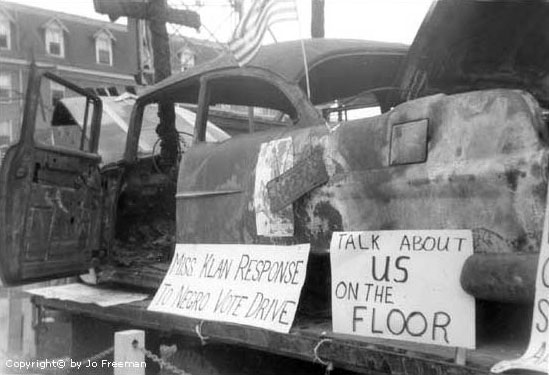
Five-year-old Anthony Quin and his mother and siblings protested against the election of five Mississippi Congressmen from districts where Black people were not allowed to vote. Refused admittance, they sat on the steps and police-instigated mayhem ensued.
Continue reading
The first African Liberation Day drew some 60,000 demonstrators in cities across the United States and Canada, including one on the National Mall in Washington D. C.
Continue reading
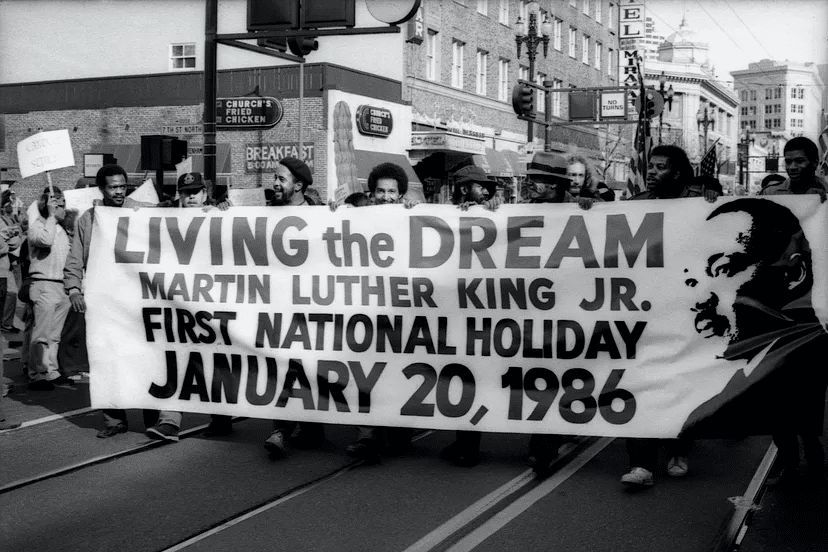
The United States celebrated its first national Martin Luther King Jr. holiday, three years after the holiday was signed into law and eighteen years after the fight for a King holiday began.
Continue reading
Film. Directed by Lucy Massie Phenix and Catherine Murphy. 2019. 9 minutes.
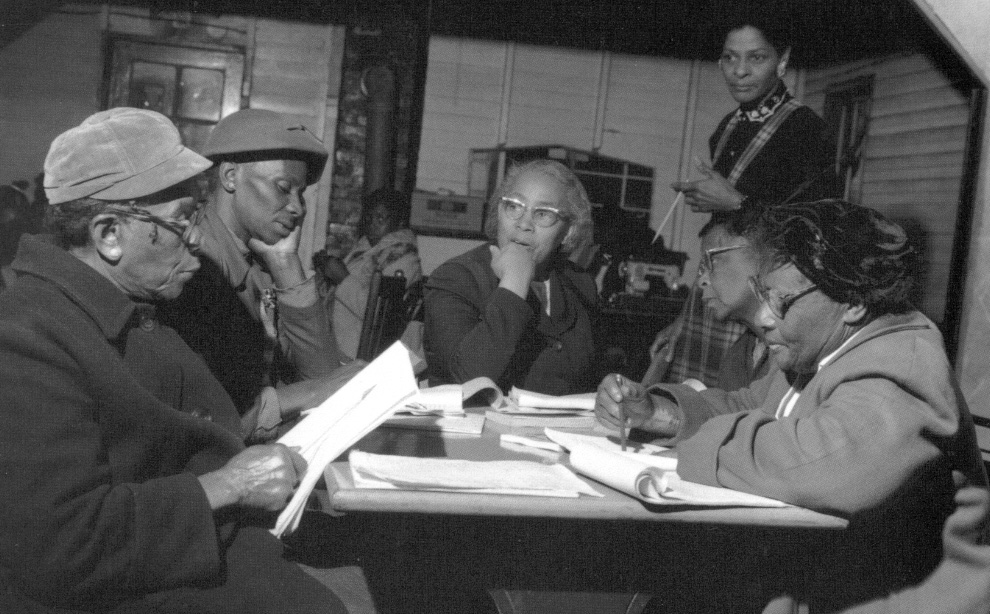
Documentary about Citizenship Schools.
Continue reading
Book — Non-fiction. Edited by Sarah Blanc. 2014. 115 pages.
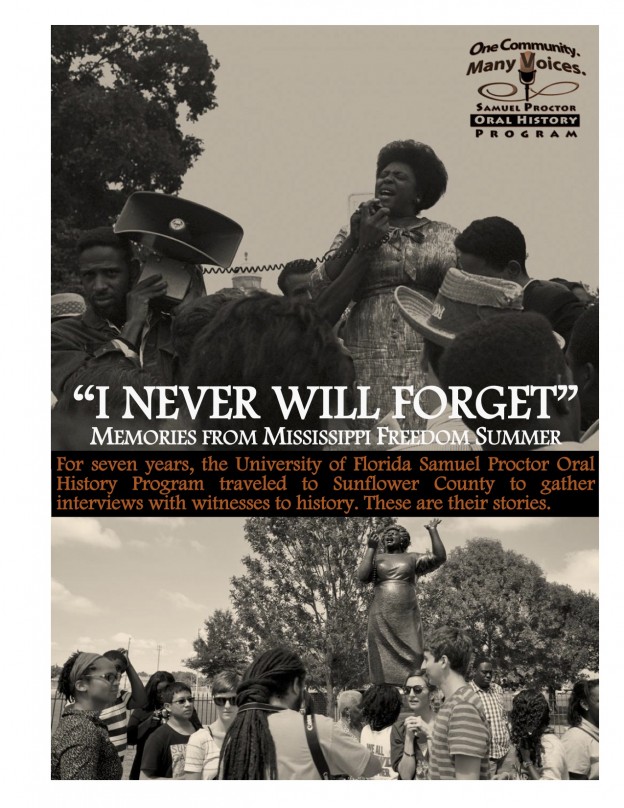
A collection of interviews conducted by the Samuel Proctor Oral History Program over seven years in Sunflower County, Mississippi. The stories provide a powerful first person introduction to the history of the Mississippi Civl Rights Movement.
Continue reading
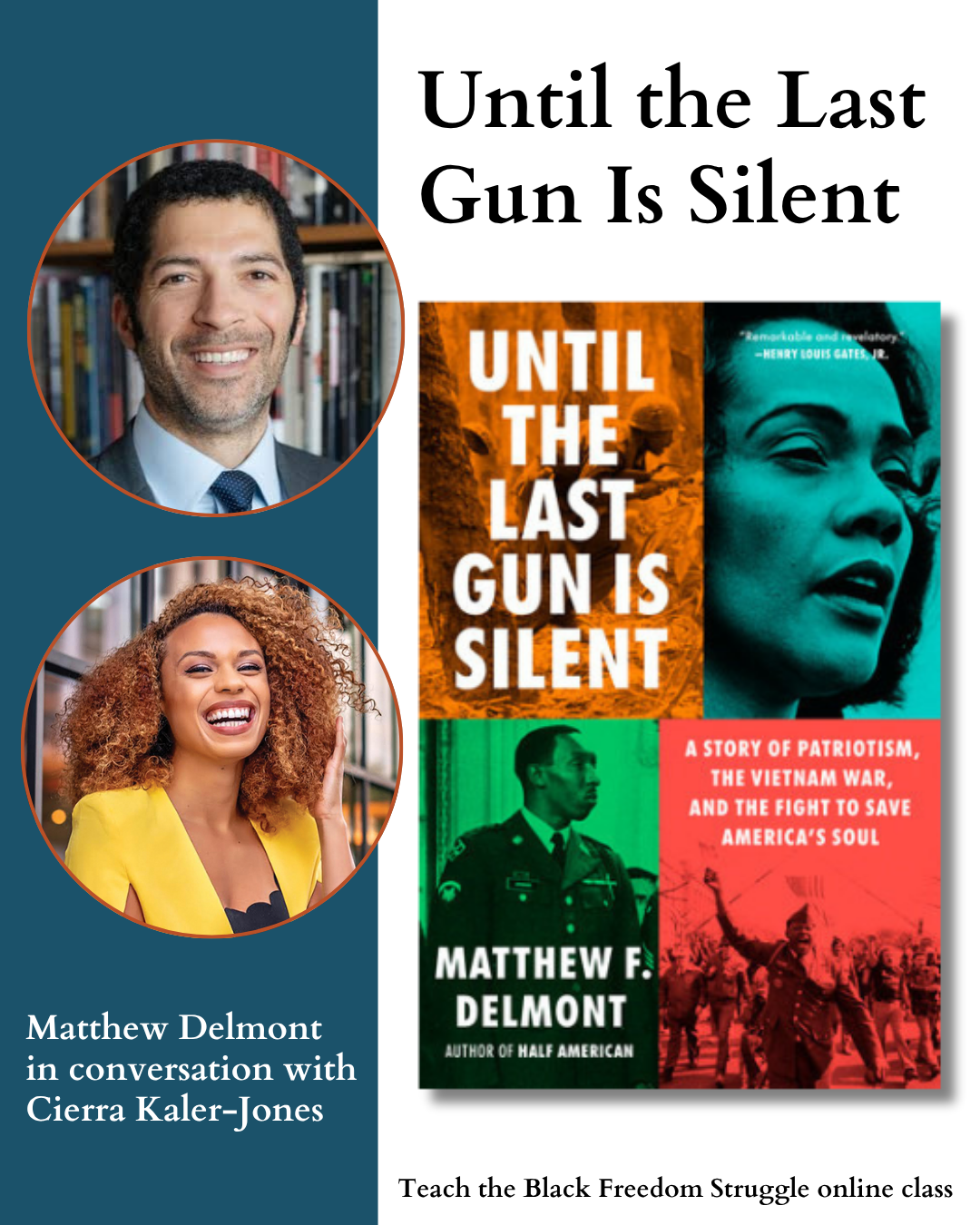
Historian Matthew Delmont joined Rethinking Schools executive director Cierra Kaler-Jones to discuss his latest book Until the Last Gun Is Silent: A Story of Patriotism, the Vietnam War, and the Fight to Save America’s Soul. This class was part of the Zinn Education Project’s Teach the Black Freedom Struggle online people’s history series.
Continue reading
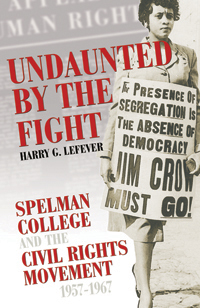
Book — Non-fiction. By Harry G. Lefever. 2005. 304 pages.
The story of Spelman College students and faculty engagement in the Civil Rights Movement from 1957 to 1967.
Continue reading
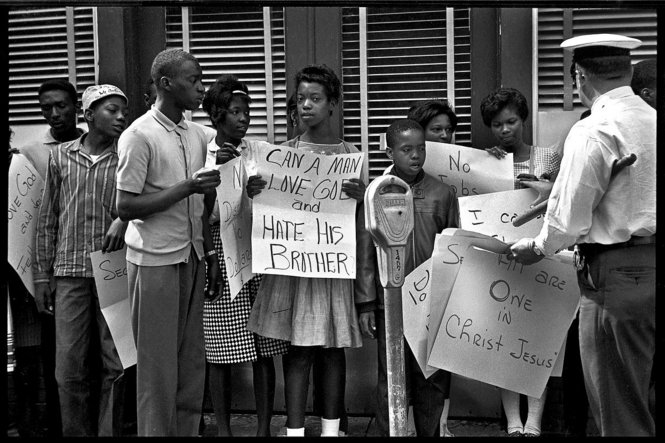
In disciplined groups and singing freedom songs, students “ditch” class to march for justice and fill the jails.
Continue reading