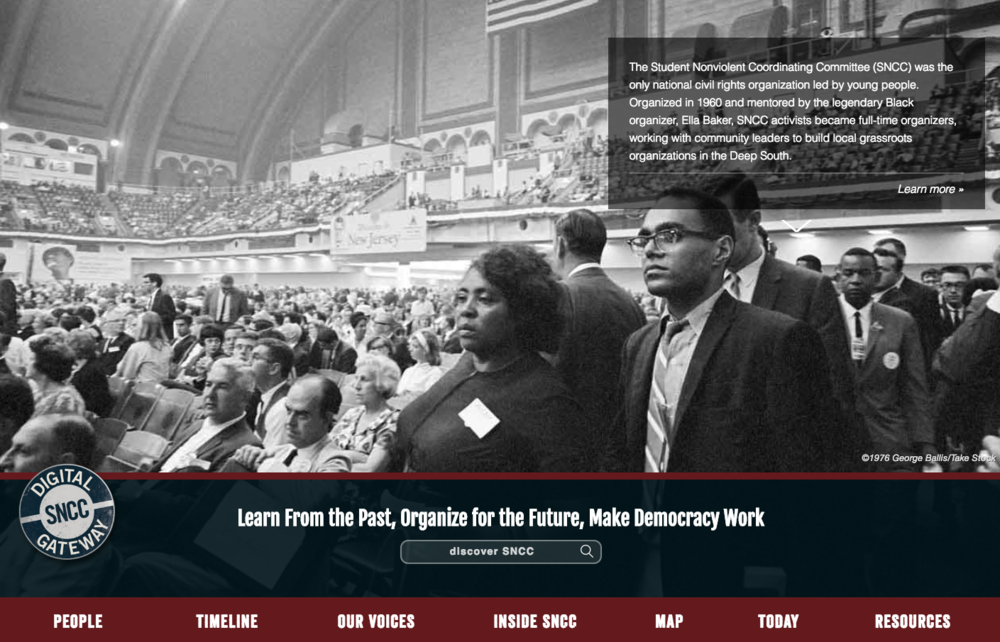
Digital collection. Historical materials, profiles, timeline, map, and stories on SNCC’s voting rights organizing.
Continue reading
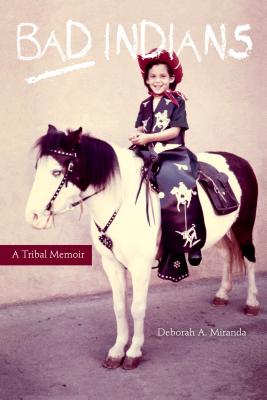
Book — Non-fiction and prose. Deborah A. Miranda. 2012. 240 pages.
A compilation of documents, photos, and memoir that recounts the establishment of missions in California and the impact on Indigenous people—then and today.
Continue reading
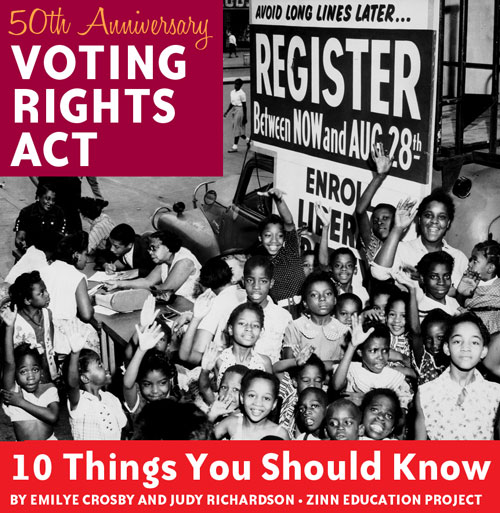
Article. By Emilye Crosby and Judy Richardson. 2015.
Key points in the history of the 1965 Voting Rights Act missing from most textbooks.
Continue reading
Digital Collection. Produced by John T. Edge and the Southern Foodways Alliance; directed by Kate Medley.
Five short films that document the civil disobedience staged at segregated lunch counters in the 1950s and 60s.
Continue reading
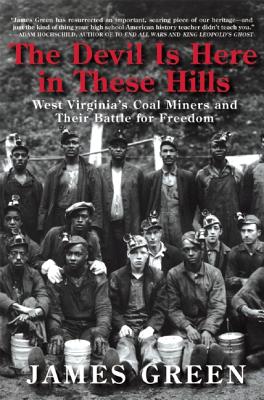
Book — Non-fiction. By James Green. 2015. 448 pages.
History of one of the most protracted and deadly labor struggles in U.S. history that was waged in West Virginia.
Continue reading
Profile.
Overview of the farm labor organization, the Coalition of Immokalee Workers, with artwork by Erin Currier.
Continue reading
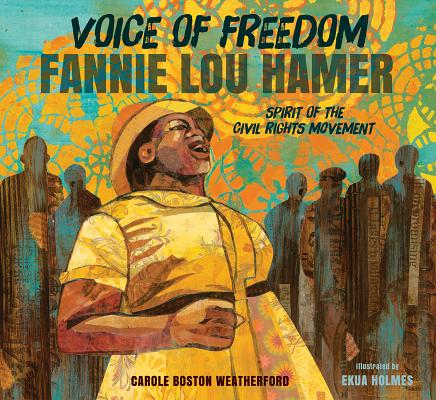
Picture book. By Carole Boston Weatherford. Illustrated by Ekua Holmes. 2015. 45 pages.
Illustrated biography of Fannie Lou Hamer, activist for voting and economic rights from Mississippi.
Continue reading
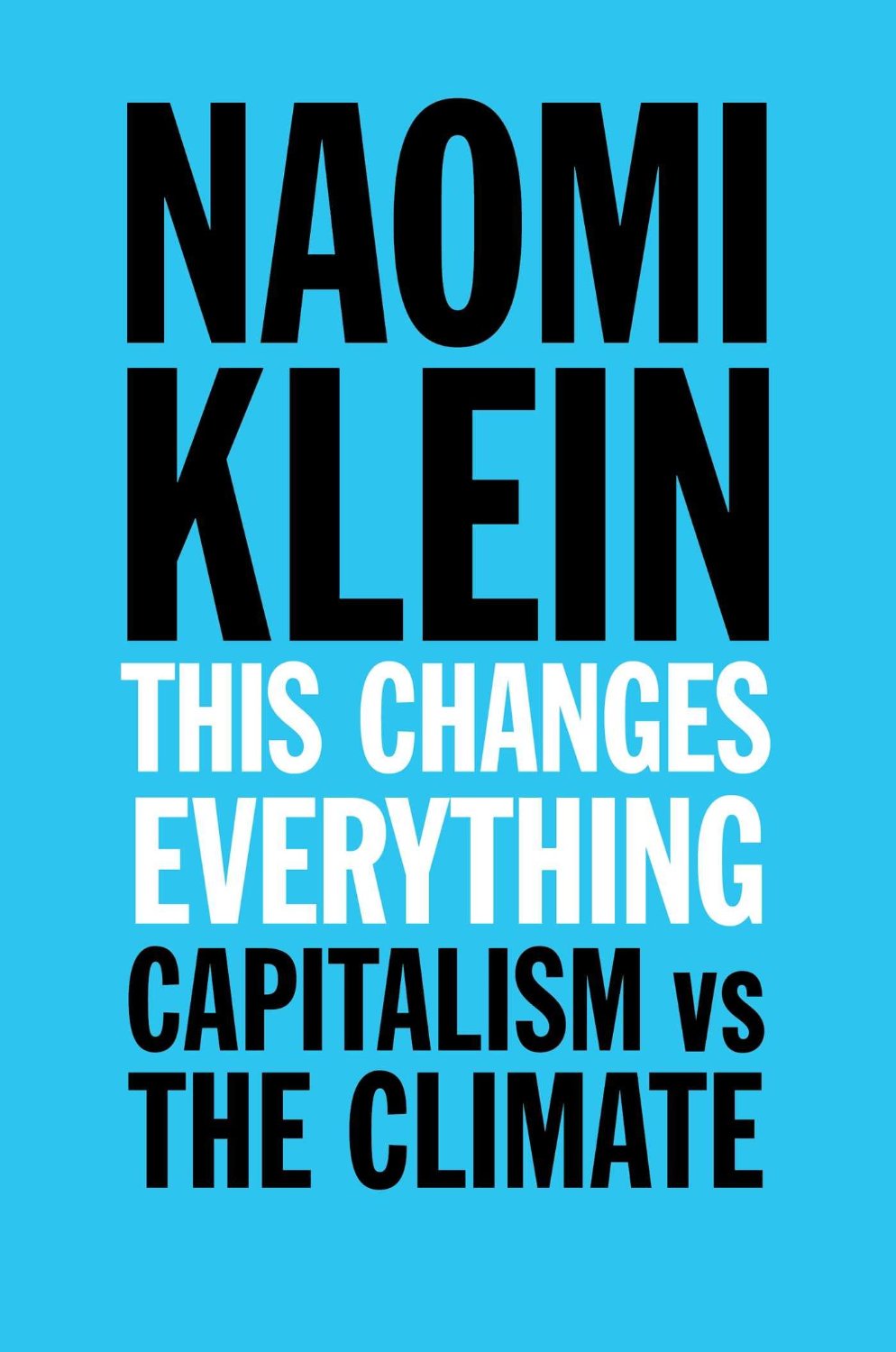
Book — Non-fiction. By Naomi Klein. 2015. 576 pages.
Naomi Klein tackles the war our economic model is waging against life on earth.
Continue reading
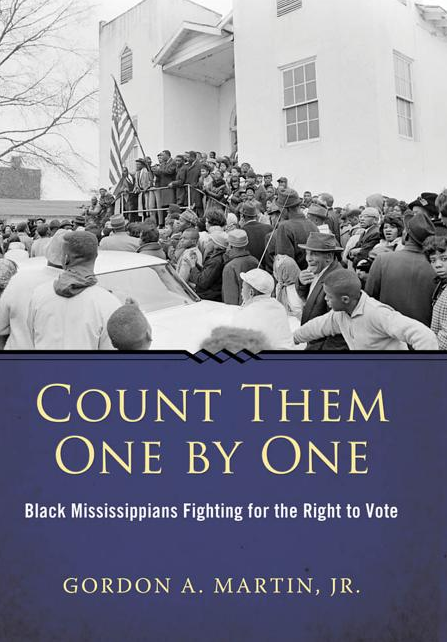
Book — Non-fiction. By Gordon A. Martin Jr. 2014. 272 pages.
A detailed portrait of brave individuals who risked everything in their fight for the right to vote.
Continue reading
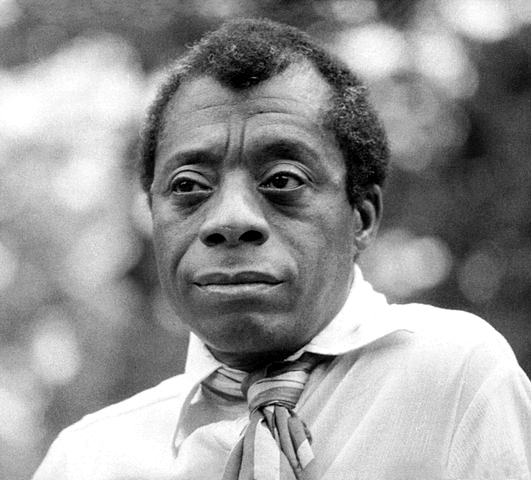
Article. By James Baldwin. October 16, 1963.
Baldwin addresses the challenges of education to prepare children to grapple with the myths and realities of U.S. history.
Continue reading
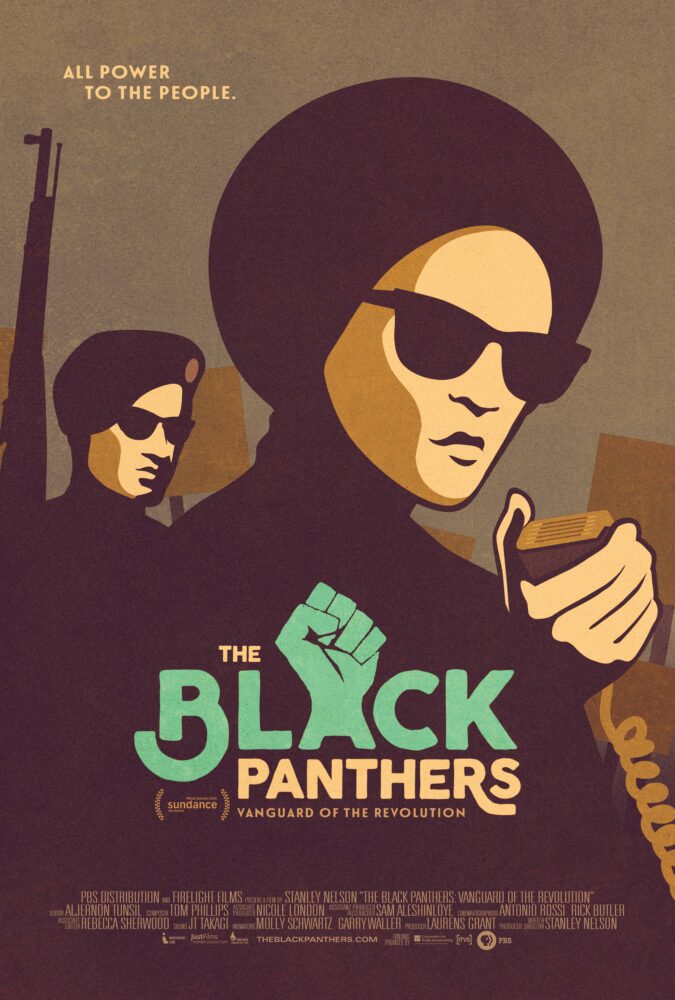
Film. By Stanley Nelson. 2015. 115 minutes.
Documentary on the Black Panther Party for Self Defense.
Continue reading
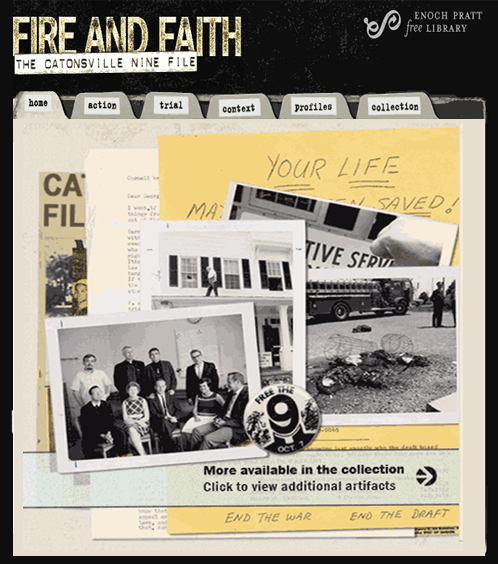
Digital collection. Features documents, photos, and audio and video accounts about the Catonsville Nine who burned Vietnam war draft files.
Continue reading
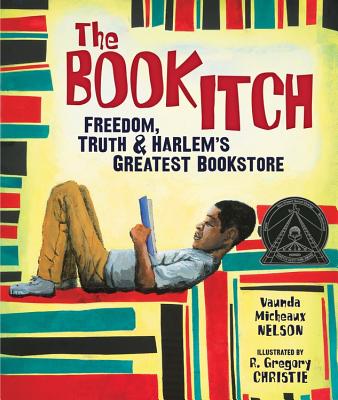
Picture book. By Vaunda Micheaux Nelson, Illustrated by R. Gregory Christie. 2015. 32 pages.
Tells the story of Lewis Michaux Sr.'s Harlem bookstore that was a center of African American history, scholarship, debate, and activism, for grades 2-5.
Continue reading
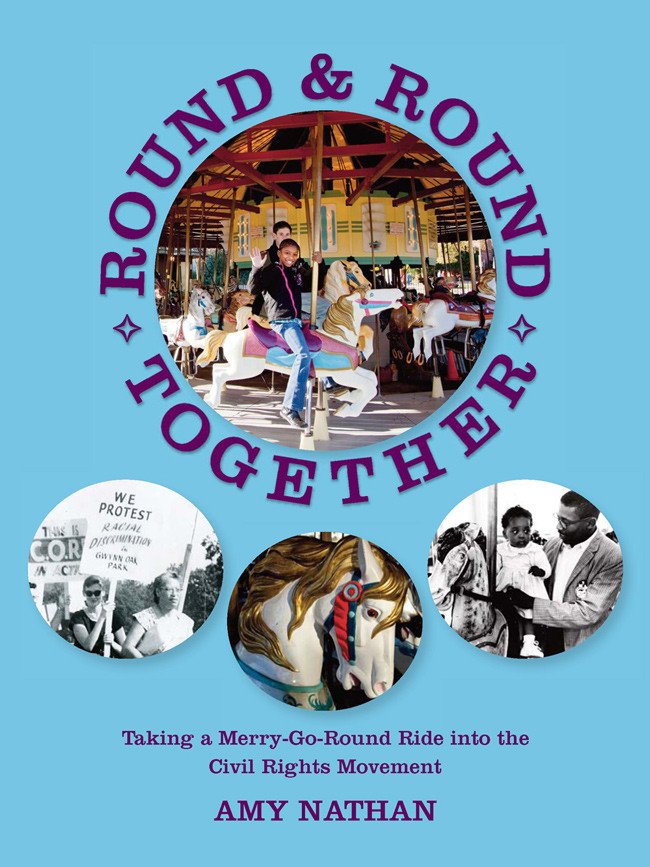
Book — Non-fiction. By Amy Nathan. 2011. 250 pages.
History of the decade long struggle to desegregate the Gwynn Oak Amusement Park in Baltimore, Maryland.
Continue reading
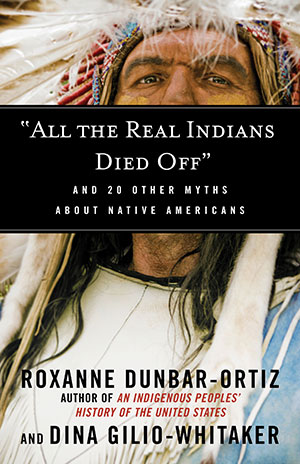
Book — Non-fiction. By Roxanne Dunbar-Ortiz and Dina Gilio-Whitaker. 2016. 224 pages.
Deconstructs persistent myths about American Indians rooted in fear and prejudice — an astute and lively primer of European-Indian relations.
Continue reading
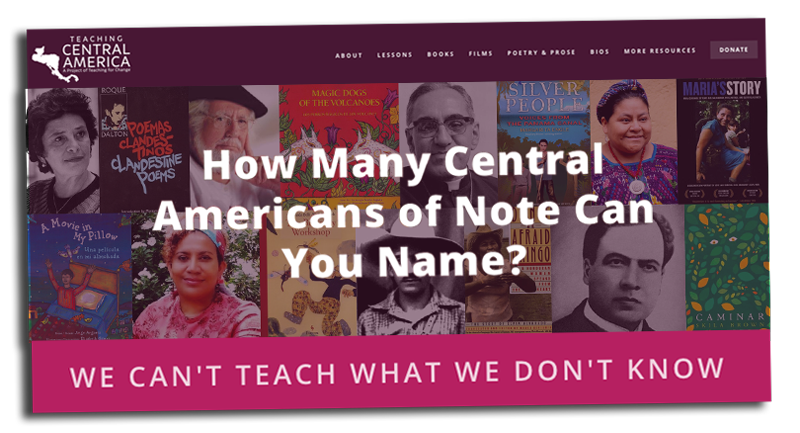
Website.
An online collection of lessons, book lists, biographies of noted historical figures, and readings for free use by classroom teachers.
Continue reading
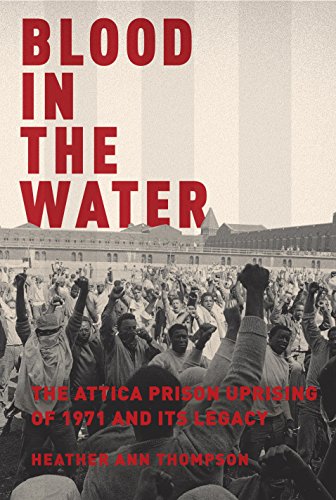
Book — Non-fiction. By Heather Ann Thompson. 2016. 752 pages.
The hidden history of the infamous 1971 Attica Prison Uprising.
Continue reading
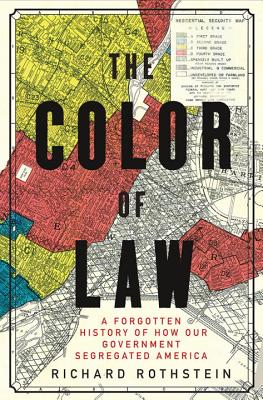
Book — Non-fiction. By Richard Rothstein. 2017. 368 pages.
A history of the laws and policy decisions passed by local, state, and federal governments that promoted racial segregation.
Continue reading
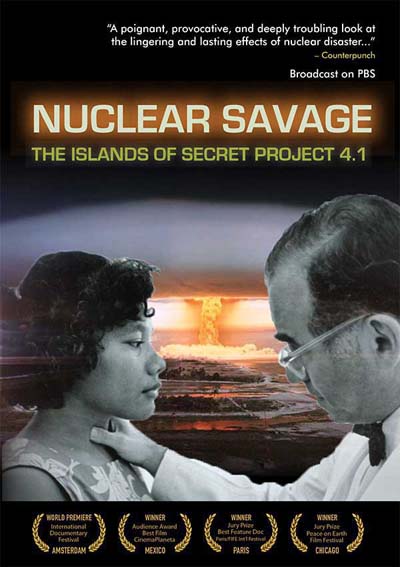
Film. By Adam Jonas Horowitz. 2012. 60 and 87 minutes.
History of the U.S. government's testing of nuclear weapons and fallout on the people of the Marshall Islands.
Continue reading
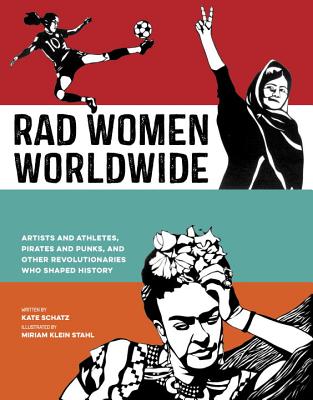
Book — Non-fiction. By Kate Schatz. Illustrated by Miriam Klein Stahl. 2016. 112 pages.
Profiles of women who fight for social justice around the world.
Continue reading
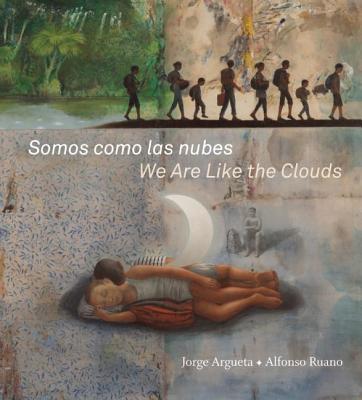
Picture book. By Jorge Argueta. Illustrated by Alfonso Ruano. 2016. 36 pages.
Poems written in Spanish and English address the struggles of child refugees fleeing Central America for the United States. Grade 2+.
Continue reading
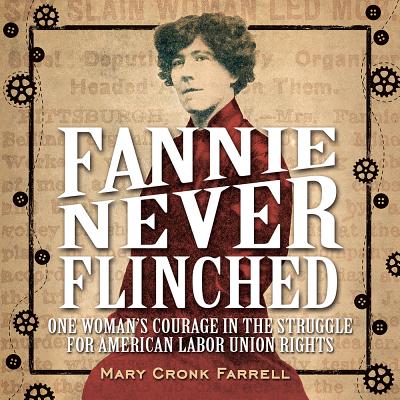
Book — Non-fiction. By Mary Cronk Farrell. 2016. 56 pages.
Biography of labor union activist Fannie Sellins.
Continue reading
Film. By Upstander Project. 2015. 13 minutes.
Story of forced removal of Native American children in Maine sent to boarding schools.
Continue reading
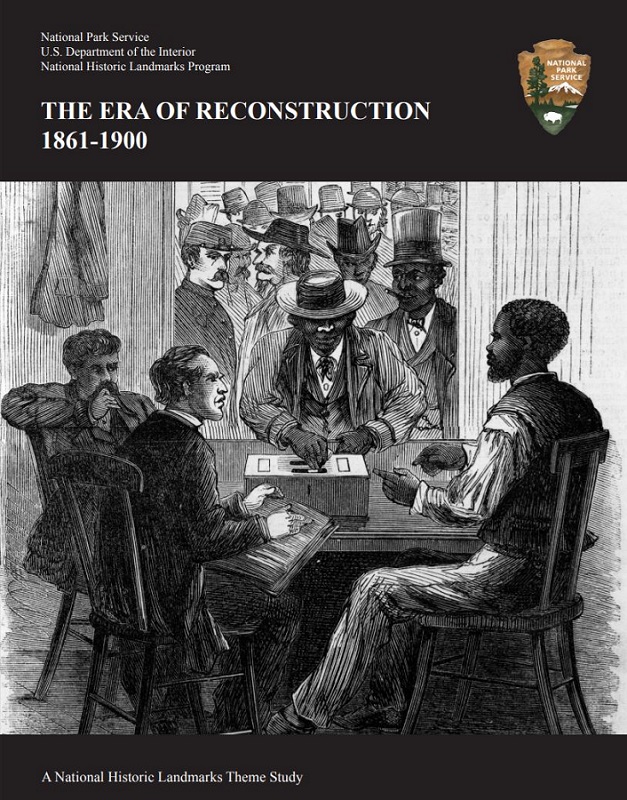
Book — Non-fiction. By National Park Service. 2017. 165 pages.
A theme study on the history of the Reconstruction era.
Continue reading