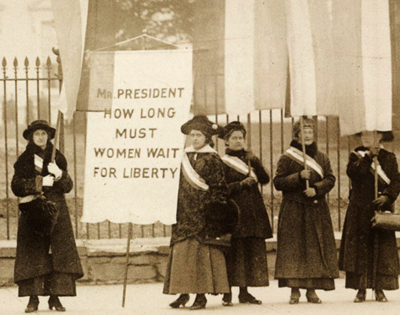
Twenty women were subjected to beatings and torture at Occoquan Workhouse, a prison in Virginia, in what became known as the “Night of Terror.”
Continue reading
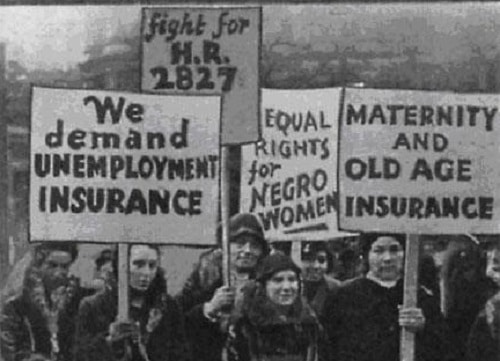
Due to the results of the strength of organized labor and other mass movements of the 1930s, the Social Security Act was passed.
Continue reading
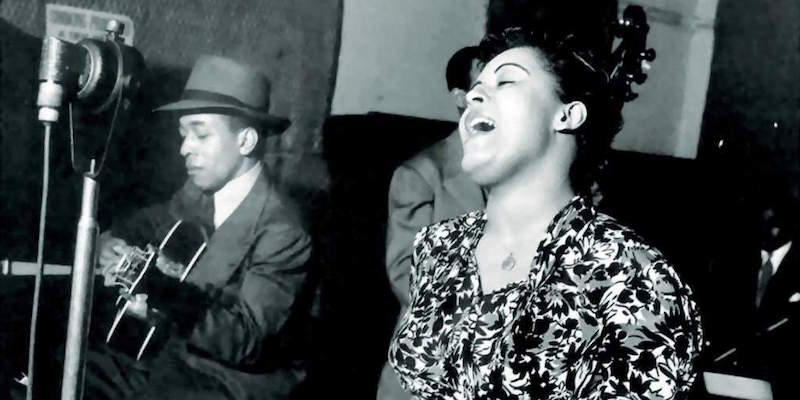
Billie Holiday was a legendary jazz singer and songwriter. Also born today, Harry Hay and Daniel Ellsberg.
Continue reading
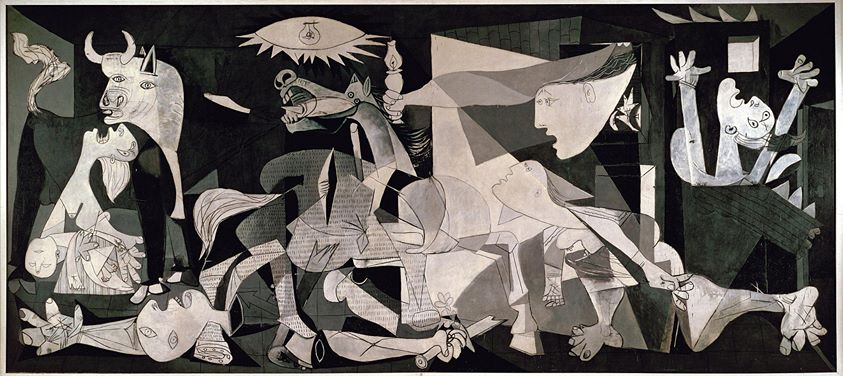
During the Spanish Civil War, the Nazis tested their new air force on the Basque town of Guernica in northern Spain.
Continue reading
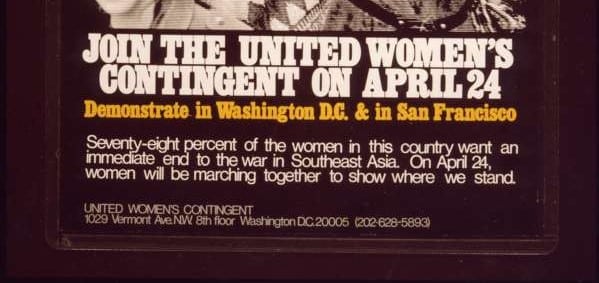
500,000 people demonstrated against the Vietnam War in Washington, D.C.
Continue reading
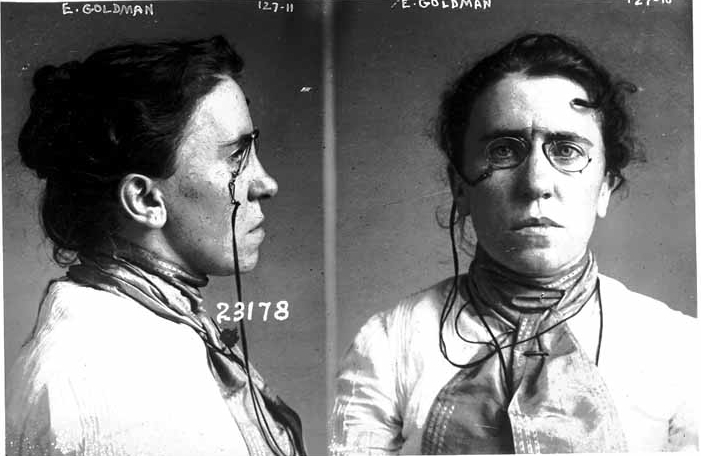
Russian Jewish anarchist Emma Goldman was arrested for distributing materials about birth control in violation of the Comstock Act.
Continue reading
Book — Non-fiction. By Barbara Miner. 2013. 305 pages.
The history of public education in Milwaukee in the context of the broader story of racism in the rust belt.
Continue reading
Teaching Activity. By Ursula Wolfe-Rocca. Rethinking Schools. 29 pages.
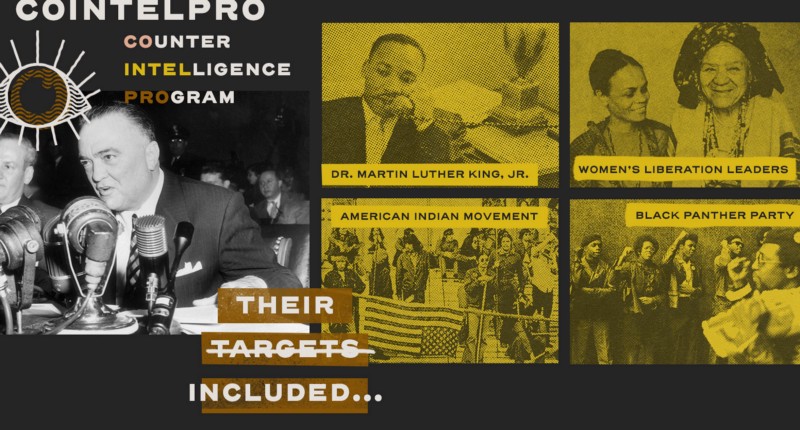
Through examining FBI documents, students learn the scope of the FBI’s COINTELPRO campaign to spy on, infiltrate, discredit, and disrupt all corners of the Black Freedom Movement.
Continue reading
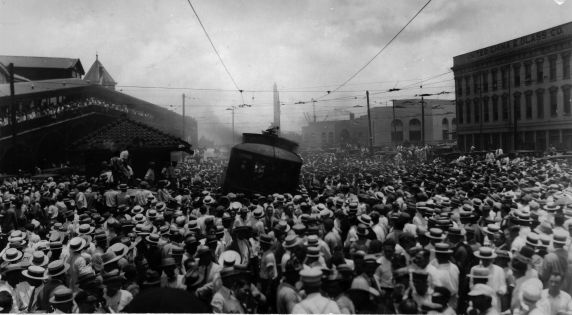
More than 1,000 streetcar workers went on strike in New Orleans.
Continue reading
Digital collection. The Library of Congress has launched an online collection of oral history interviews with Civil Rights Movement veterans.
Continue reading
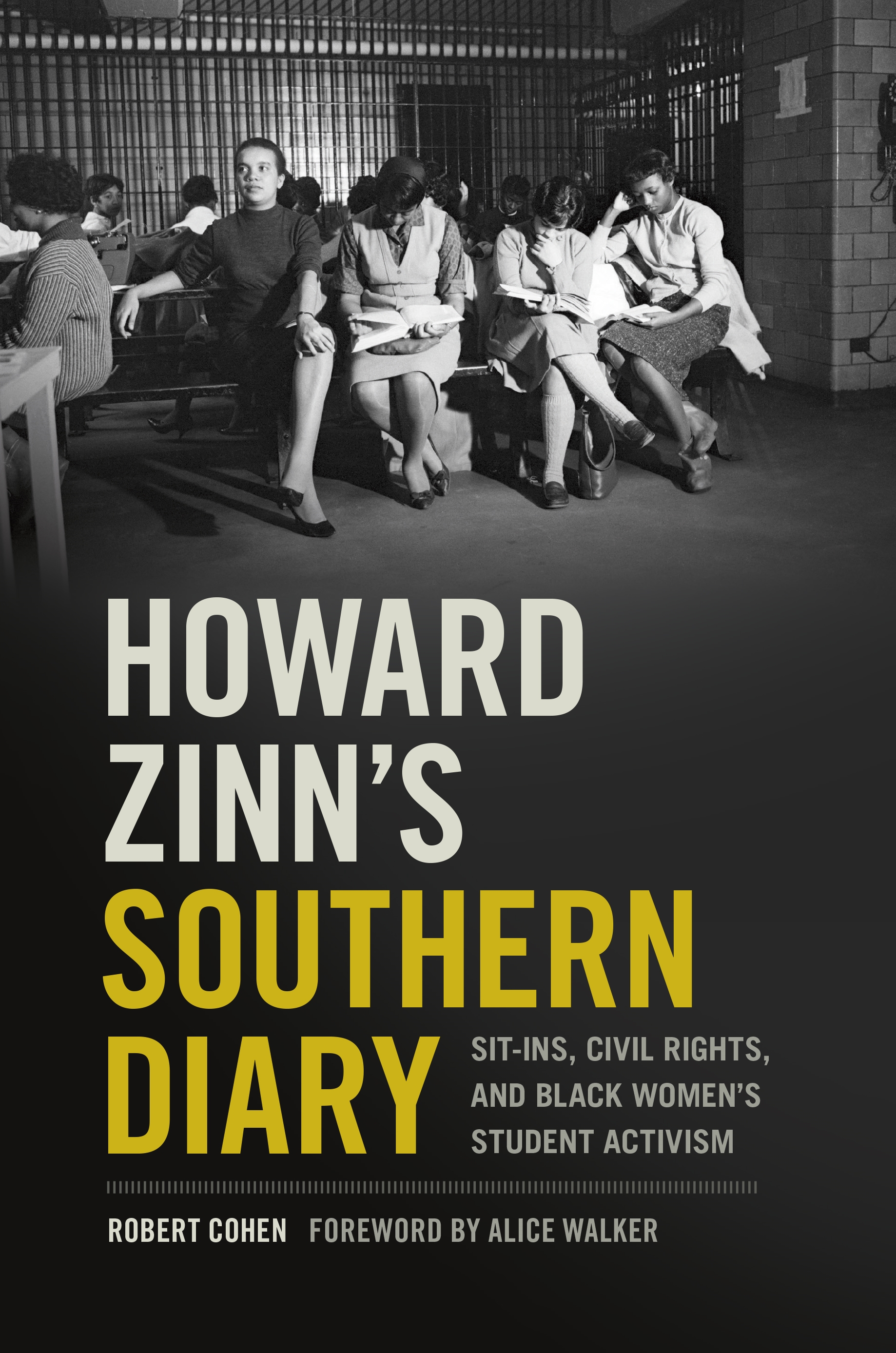
The University of Georgia Press published Howard Zinn's Southern Diary: Sit-Ins, Civil Rights, and Black Women's Student Activism by Robert Cohen in September of 2018.
Continue reading
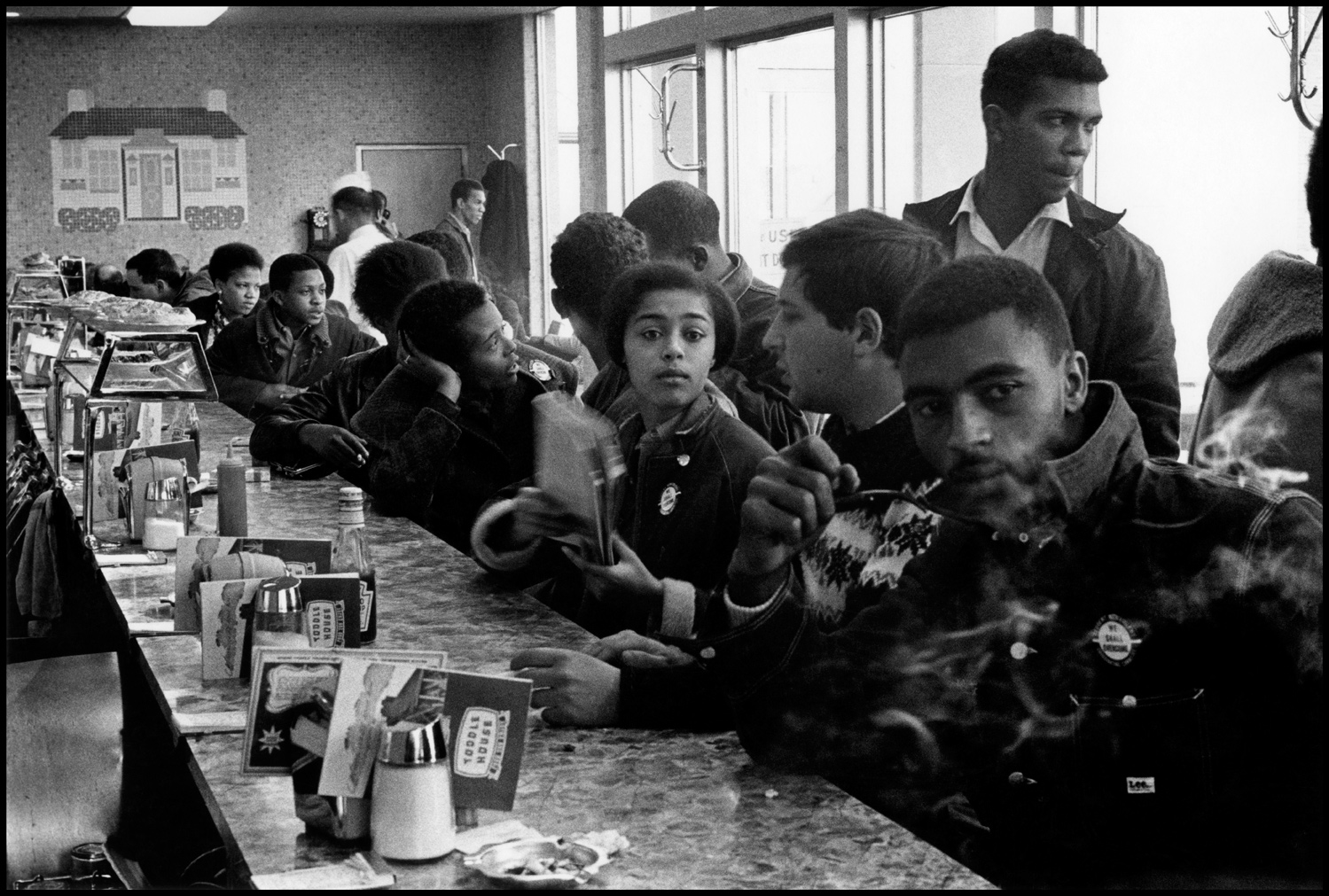
Teaching Activity. By Adam Sanchez. Rethinking Schools. 24 pages.
A series of role plays that explore the history and evolution of the Student Nonviolent Coordinating Committee, including freedom rides and voter registration.
Continue reading
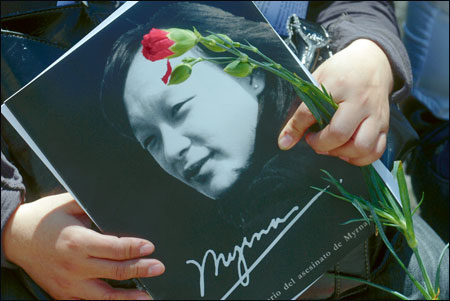
Anthropologist Myrna Mack Chang was murdered in Guatemala by the U.S.-backed military due to her outspoken criticism of the Guatemala government’s treatment of the indigenous Maya.
Continue reading
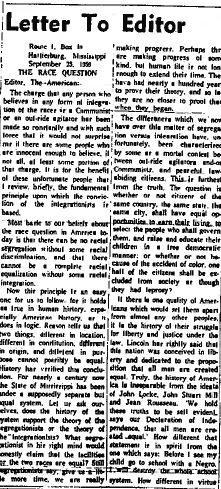
Article. By Clyde Kennard. 1959.
Letter to the editor the Hattiesburg American about race and integration.
Continue reading
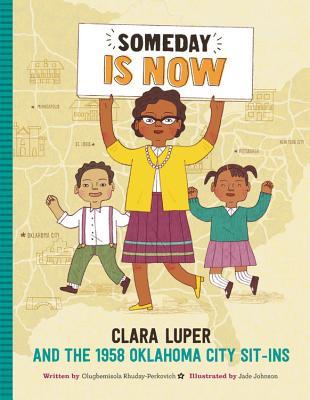
Picture book. By Olugbemisola Rhuday-Perkovich. Illustrated by Jade Johnson. 2018. 32 pages.
The true story of a teacher who led her students to take direct non-violent action to protest segregation.
Continue reading
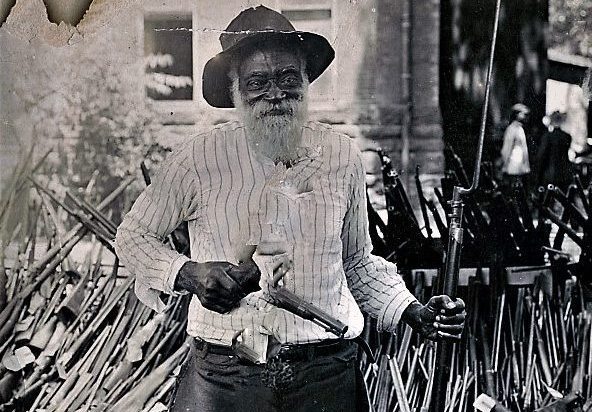
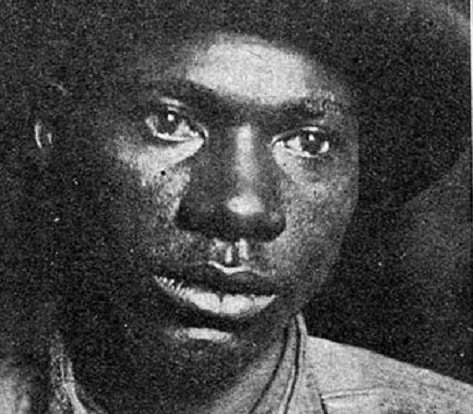
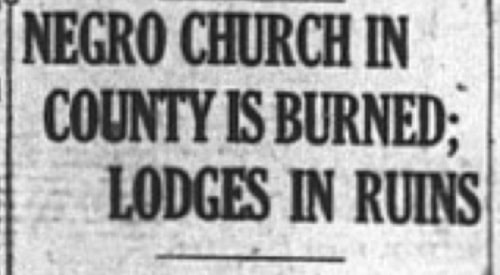
The Longview Riot is one example of white mob violence during the period known as “Red Summer.” Photo: Daniel Hoskins at gun repository required by U.S. Marshall to undermine African Americans’ ability to engage in self-defense.
Continue reading
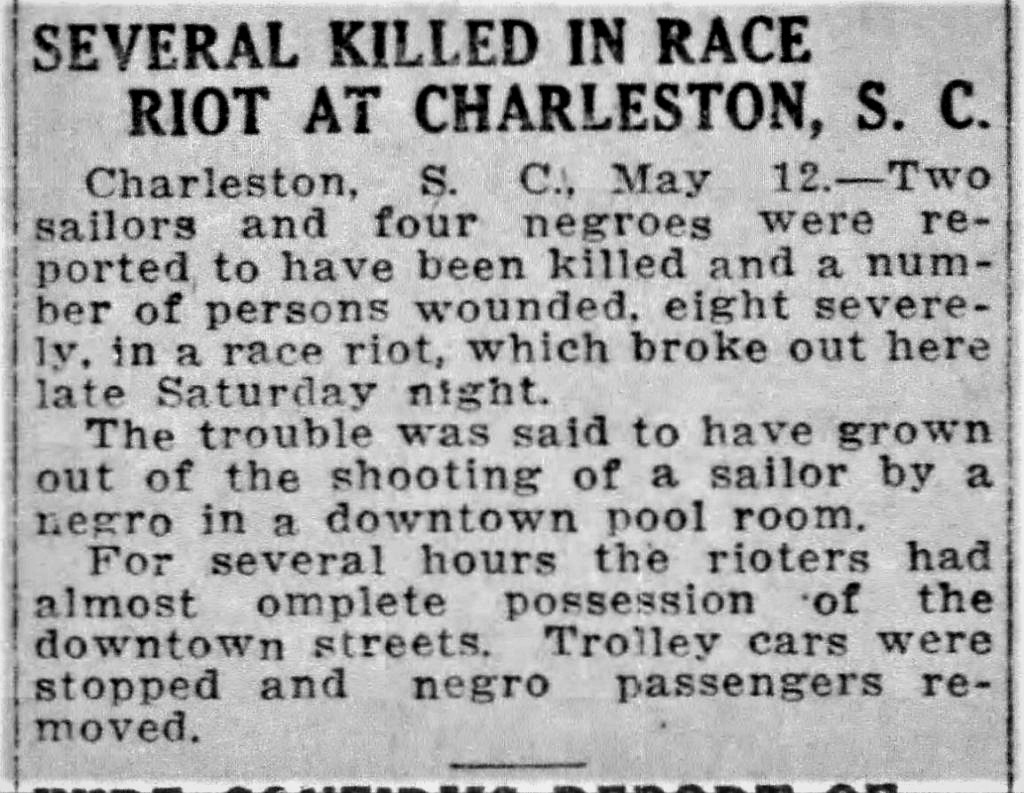
White sailors ignited violent rioting in Charleston, South Carolina during the Red Summer of 1919. African Americans fought back, in self-defense.
Continue reading
A white mob of between 5,000 to 15,000 lynched African American Will Brown. The Army arrested mob ringleaders. Even though photographs identified them, all of the suspects were eventually released.
Continue reading
A group of white people rioted after forming a mob to lynch Maurice Mays, a Black man in custody on for the alleged (with no evidence) murder of a white woman in Knoxville, Tennessee.
Continue reading
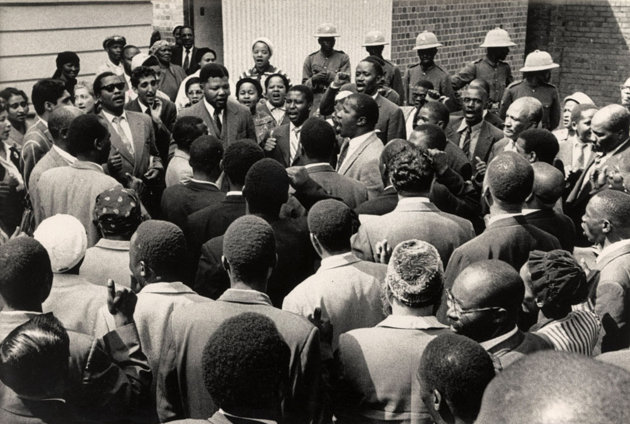
Nelson Mandela was released from prison in South Africa after 27 years.
Continue reading
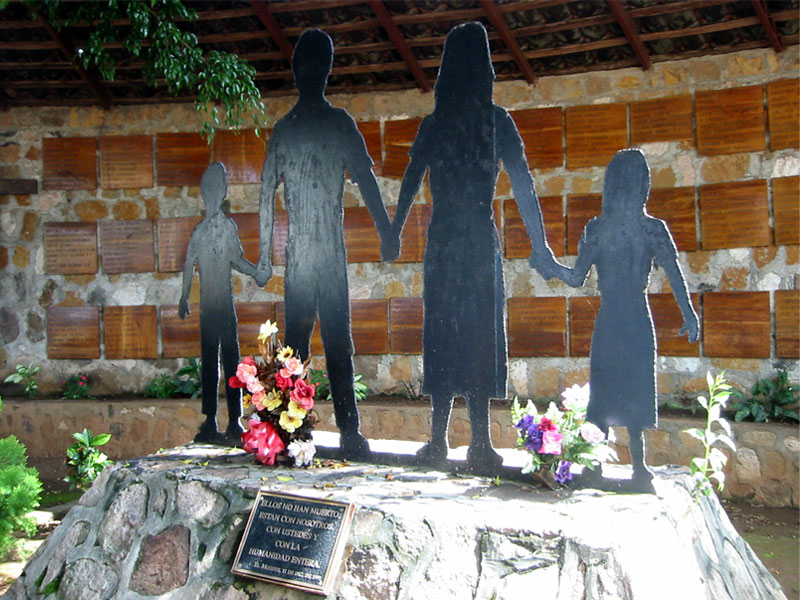
More than 800 civilians were massacred by the U.S.-backed Salvadoran Army in El Mozote.
Continue reading
A riot ensued after Louis Ruffin, an Army veteran, pulled out his gun to defend his family during an altercation between his father and two police officers.
Continue reading
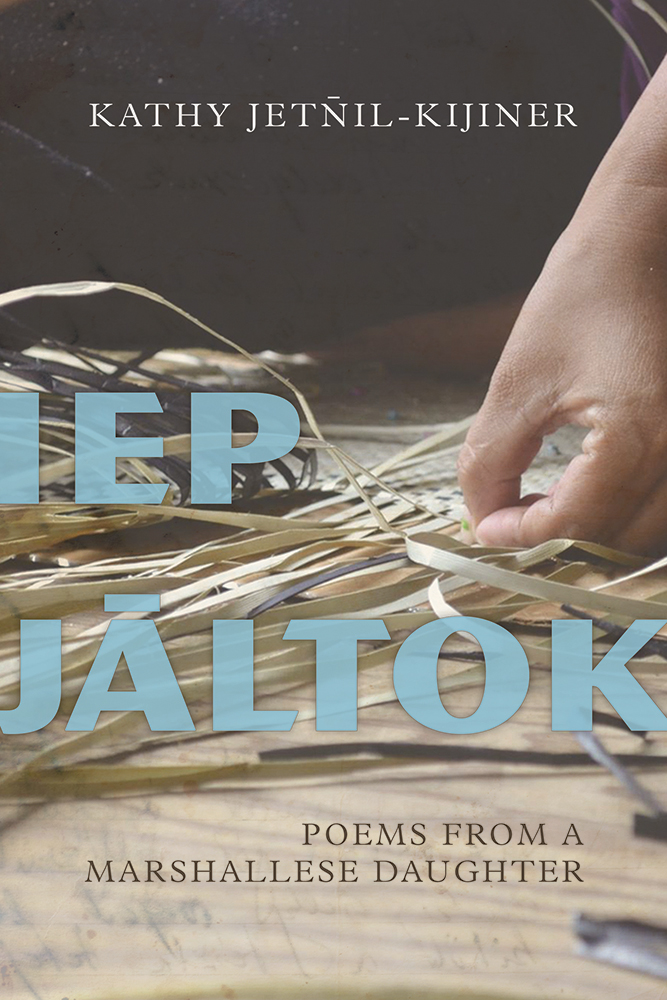
Poetry. By Kathy Jetñil-Kijiner. 2017. 90 pages.
Poetry reveals the traumas of colonialism, racism, forced migration, the legacy of American nuclear testing, and the impending threats of climate change.
Continue reading
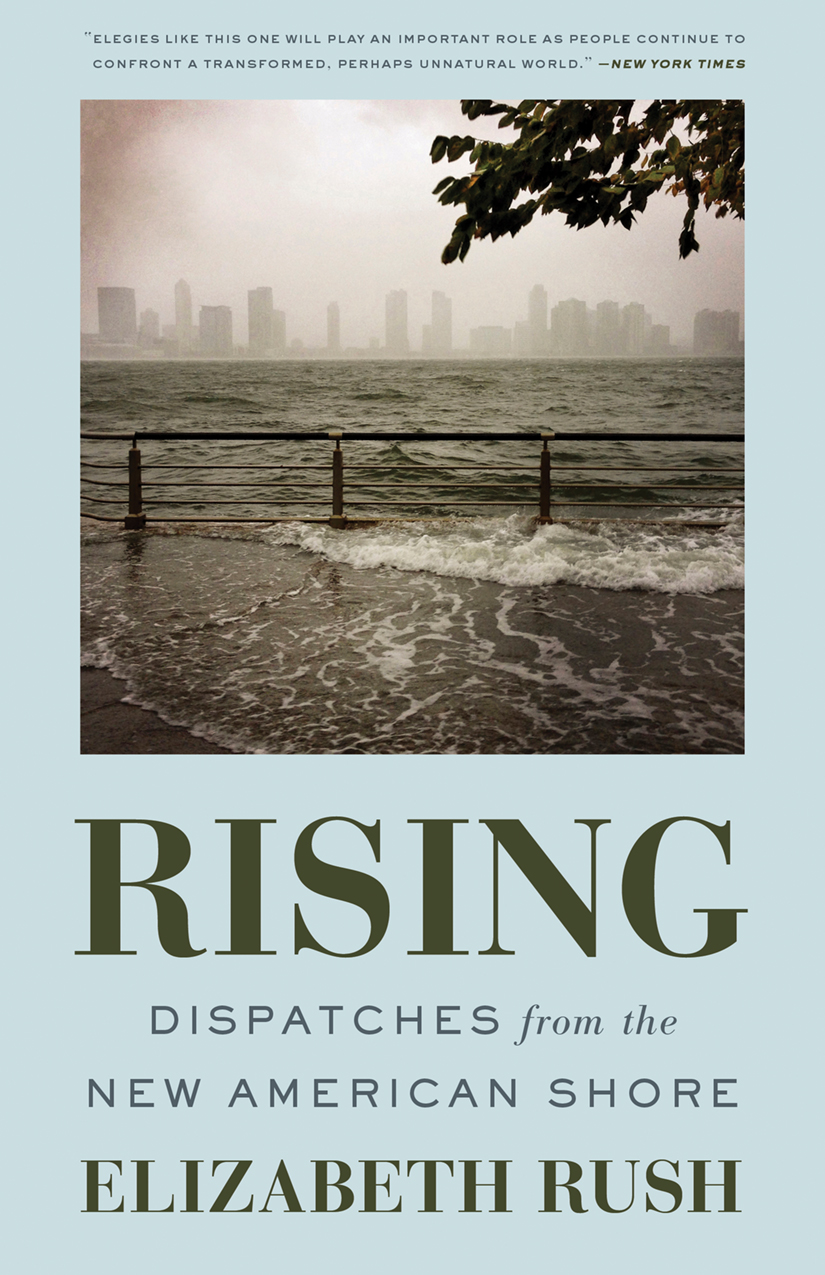
Book — Non-fiction. By Elizabeth Rush. 2019. 328 pages.
A book about the impact of climate change on U.S. communities and societies that privileges the voices of those too often kept at the margins.
Continue reading