Article. By Ursula Wolfe-Rocca. If We Knew Our History series.
Too often, when it comes to U.S. Cold War interventions, the official curriculum is sanitized and disjointed, leaving students ill-equipped to make sense out of their nation’s global bullying.
Continue reading
Teaching Activity. By Bill Bigelow. Rethinking Schools.
The Thingamabob Game helps students grasp the essential relationship between climate and capitalism.
Continue reading
Film. By Deb Ellis and Denis Mueller. 2010. 78 minutes.
Documentary on life and work of Howard Zinn.
Continue reading
Article. By Herbert Kohl. Rethinking Schools.
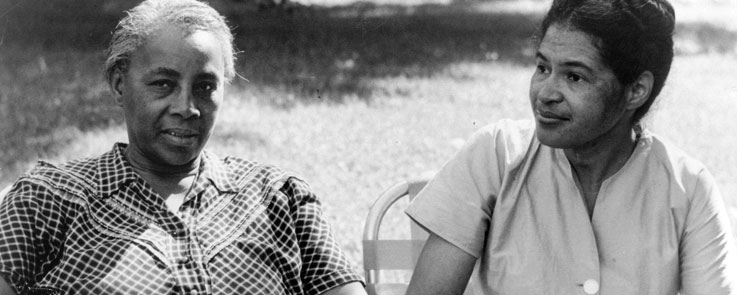
A critical analysis that challenges the myths in children's books about Rosa Parks and the Montgomery Bus Boycott.
Continue reading
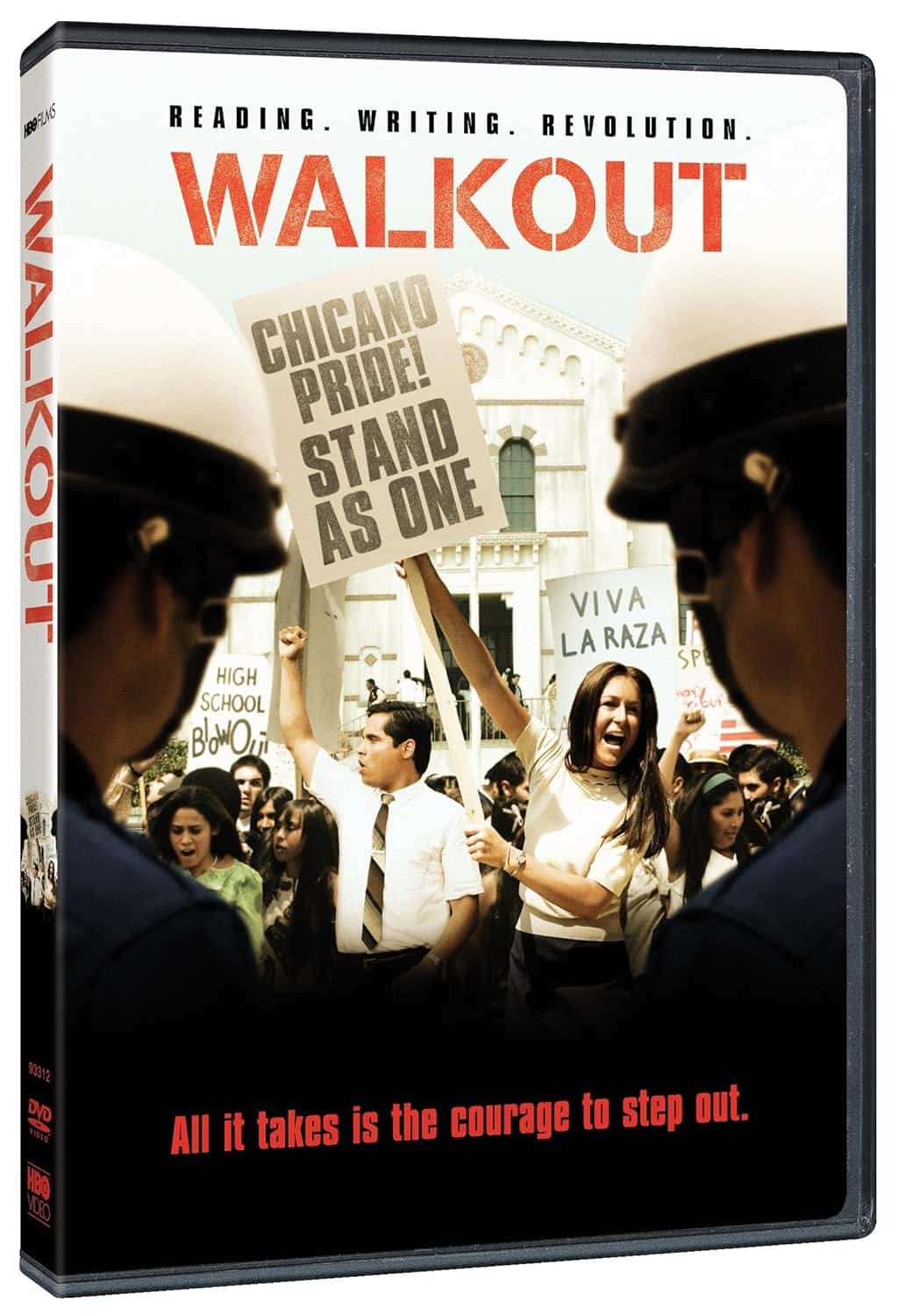
Film. Produced by Moctesuma Esparza. 2006. 111 minutes.
Walkout tells the true story of the Chicano students of East L.A., who in 1968 staged several dramatic walkouts in their high schools to protest academic prejudice and dire school conditions.
Continue reading
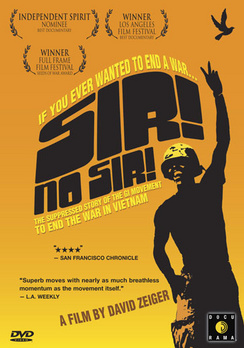
Film. By David Zeiger. 2005. 84 minutes.
This award-winning film demonstrates the role soldiers and veterans played in the anti-Vietnam War movement.
Continue reading
Teaching Activity. By Jack Bareilles.
Questions and teaching ideas for Chapter 19 of Voices of a People's History of the United States on the emergence and legacy of the 1960s counterculture, as well as the movements it helped create.
Continue reading
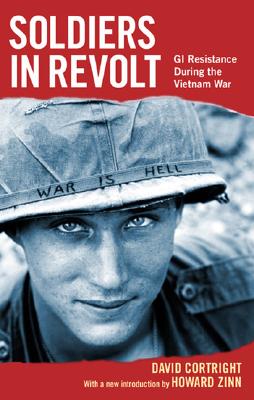
Book — Non-fiction. By David Cortright. Introduction by Howard Zinn. 2005. 355 pages.
Documents the rebellion among U.S. soldiers opposed to the Vietnam War.
Continue reading
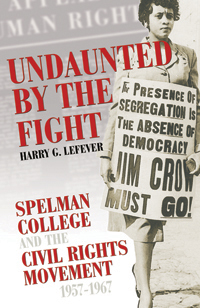
Book — Non-fiction. By Harry G. Lefever. 2005. 304 pages.
The story of Spelman College students and faculty engagement in the Civil Rights Movement from 1957 to 1967.
Continue reading
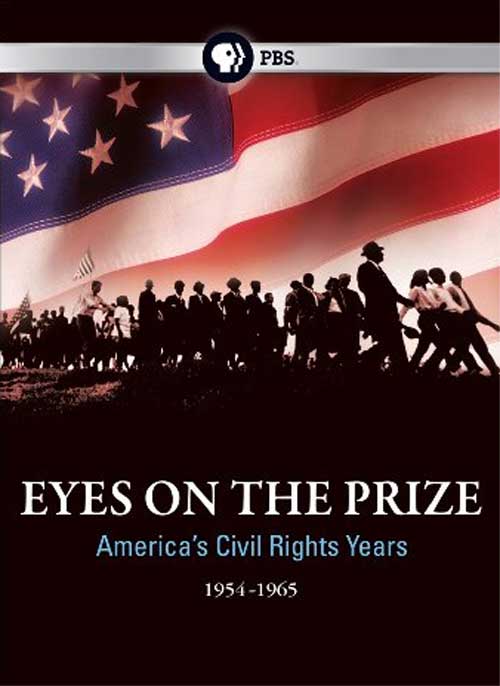
Film. Produced by Henry Hampton. Blackside. 1987. 360 minutes.
Comprehensive documentary history of the Civil Rights Movement.
Continue reading
Poem. By Josh Healey.
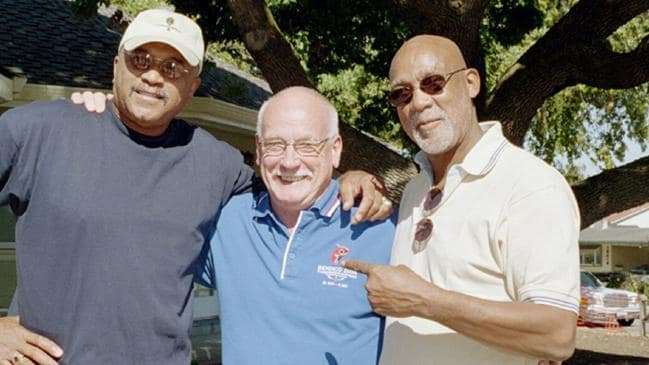
Poem about Peter Norman, the white Australian athlete in the historic protest and iconic photo at the 1968 Olympics.
Continue reading
Digital collection. Information and resources on the 1934 truckers strikes in Minneapolis, Minnesota.
Continue reading
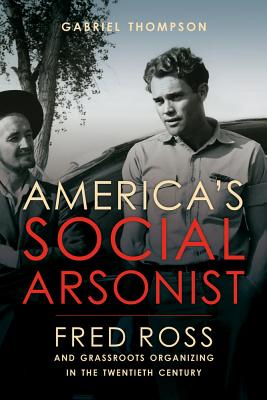
Profile. By Gabriel Thompson. 2013.
Introduction to little-known but influential labor organizer Fred Ross (1910-1992), who trained many activists of note including Dolores Huerta and Cesar Chavez.
Continue reading
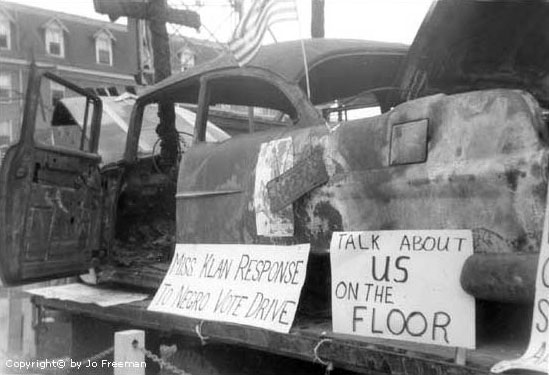
The Ku Klux Klan bombed the home of labor and voting rights activists Harry T. Moore and Harriette Moore — killing them both. Harriette Moore taught elementary school, secretly teaching her students Black history in the face of bans by the state superintendent.
Continue reading
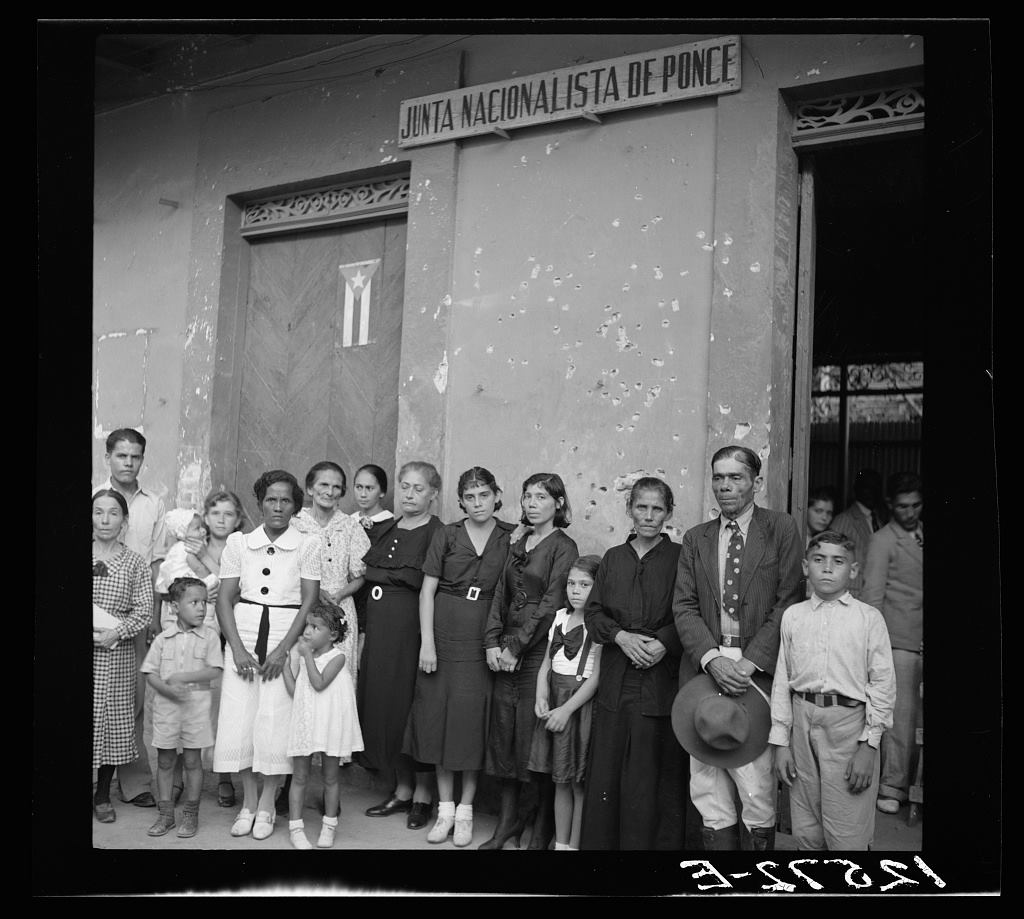
Police shot peaceful protesters, killing 19 and wounding over 200 others in Ponce, Puerto Rico.
Continue reading
Teaching Activity. By Adam Sanchez and Jesse Hagopian. Rethinking Schools. 33 pages.
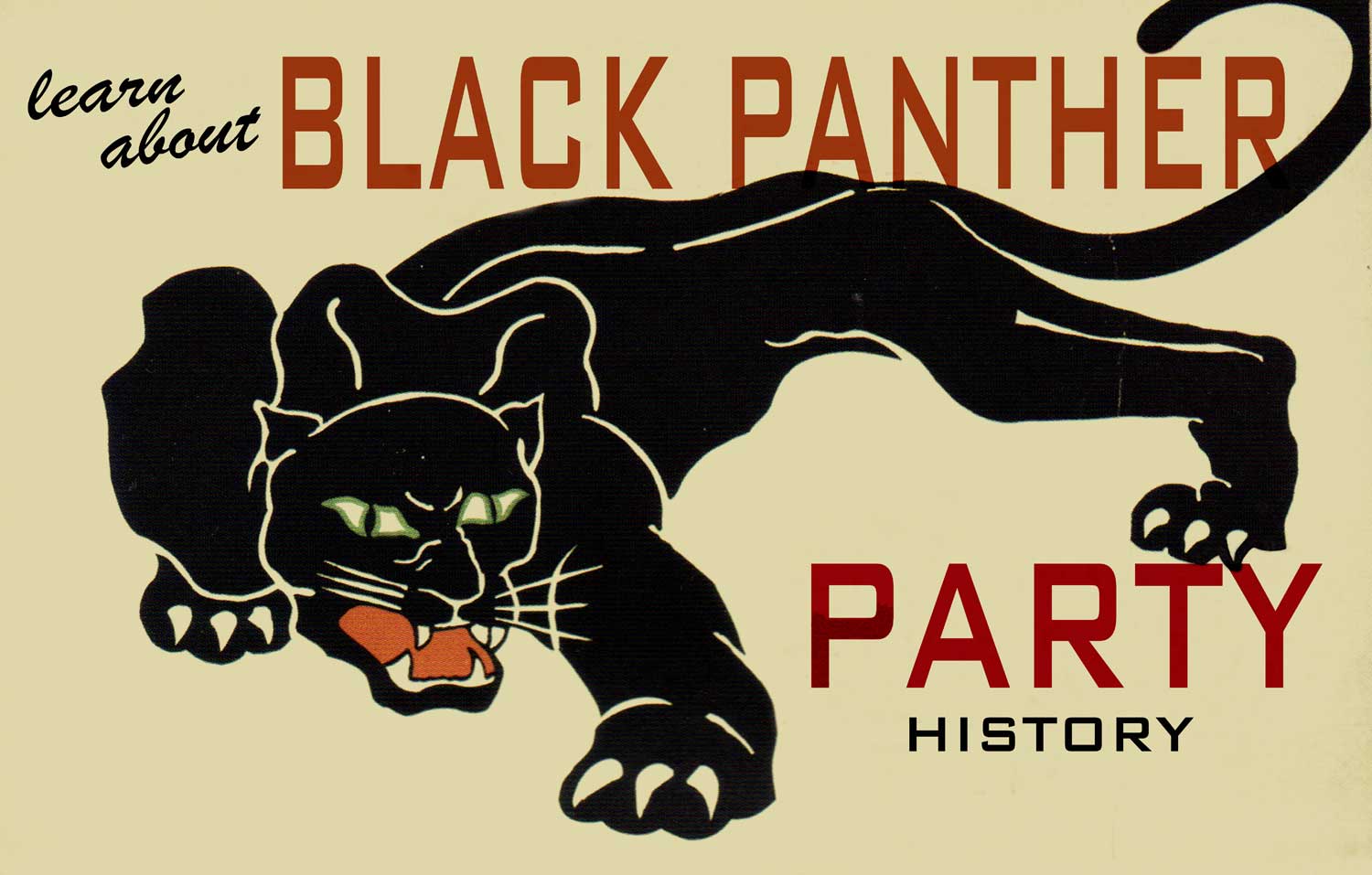
A mixer lesson introduces students to the pivotal history of the Black Panthers.
Continue reading
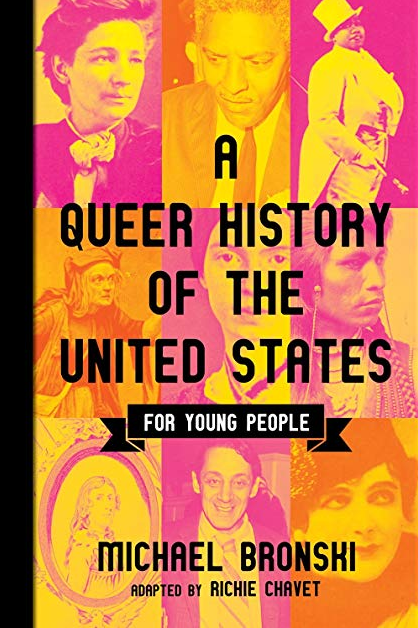
Book — Non-fiction. By Michael Bronski, adapted for by Richie Chevat. 2019. 336 pages.
A young adult readers edition of the original text explores the history of LGBTQ+ experiences in the U.S. since 1500.
Continue reading
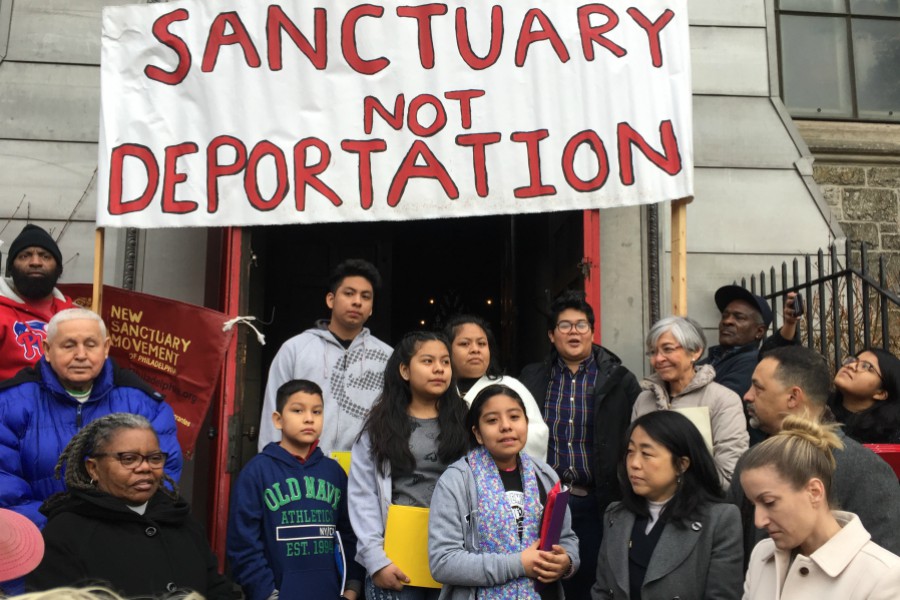
A network of religious congregations that became known as the Sanctuary Movement started with a Presbyterian church and a Quaker meeting in Tucson, Arizona.
Continue reading
Teaching Activity. By Ursula Wolfe-Rocca.
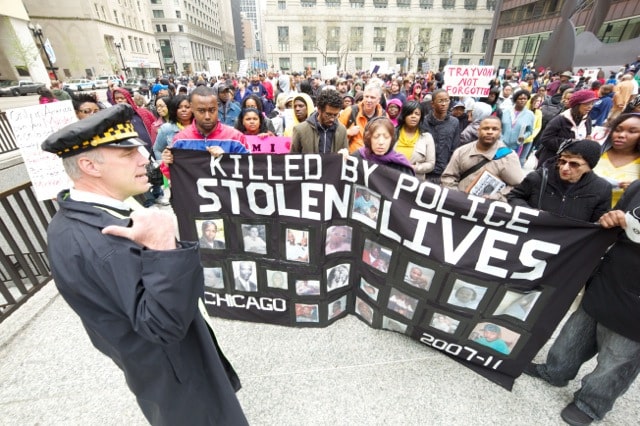
Students explore three documents produced in the wake of three major episodes of racial violence (1919, 1967, 2014) to understand the long trajectory of police violence in Black communities.
Continue reading
Teaching Activity. By Bill Bigelow. 2024. 33 pages.
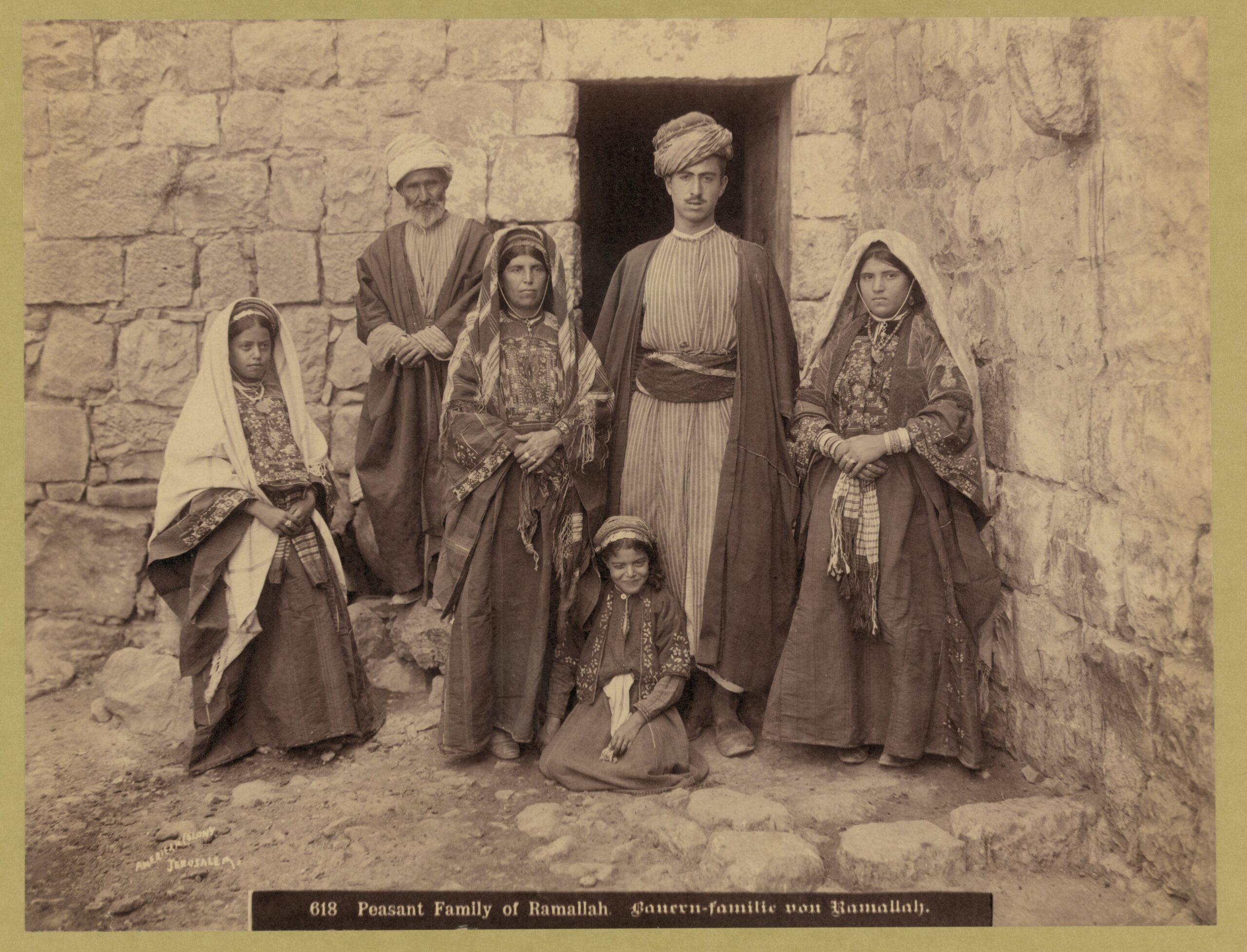
A mixer/mystery activity on Zionism, anti-Zionism, peasant resistance, the Great War, the British Mandate, and more.
Continue reading
Teaching Activity. By Nick Palazzolo. Rethinking Schools. 2025. 74 pages.
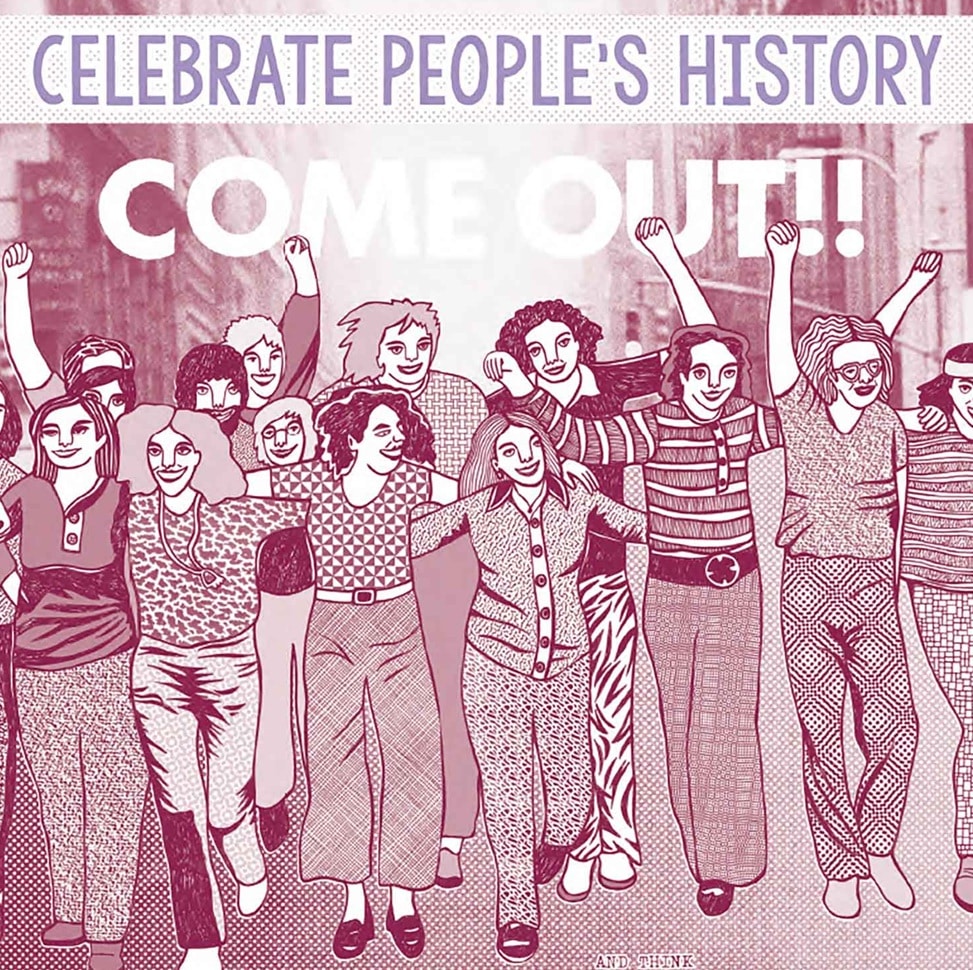
A dilemma-based, problem-solving lesson on the history of the fight for queer liberation in the United States.
Continue reading
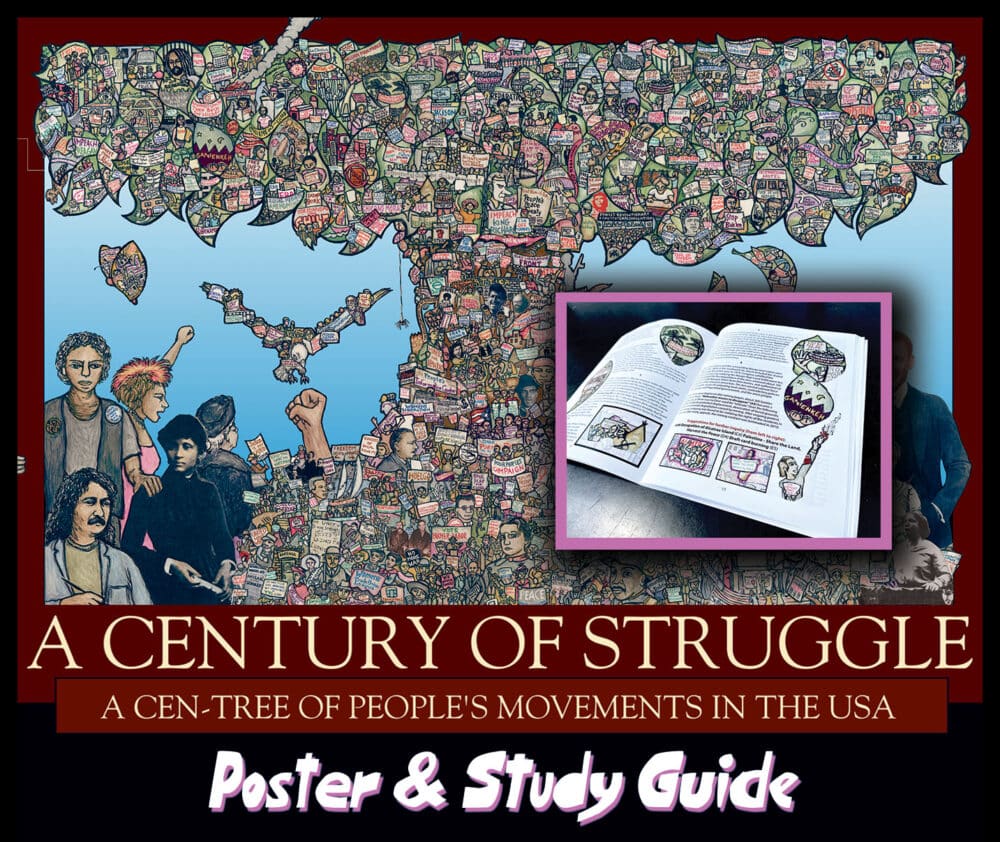
Poster. By Ricardo Levins Morales and Janna Schneider, with a Companion Guide by Jennings Mergenthal and Jaime Hokanson. 2025. 50 pages.
Chronicles U.S. social justice struggles, groups, activists, campaigns, slogans, publications, and events from 1900–2000.
Continue reading