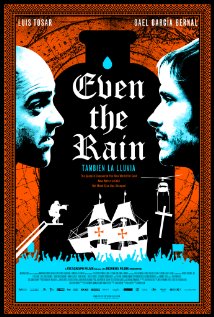
Film. Directed by Icíar Bollaín and written by Paul Laverty. 2010. 103 minutes.
As a crew shoots a film about Columbus' genocide, local people in Cochabamba, Bolivia rise up against plans to privatize the water supply.
Continue reading
Profile.
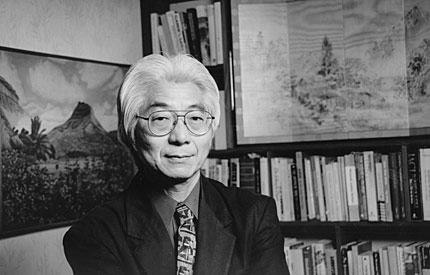
Ronald Takaki (April 12, 1939 - May 26, 2009) was an academic, historian, ethnographer, author, and activist who is credited with founding ethnic studies.
Continue reading
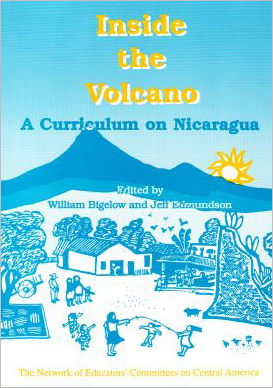
Teaching Guide. Edited by Bill Bigelow and Jeff Edmundson. 1990. 130 pages.
Fourteen interactive lessons on the history of Nicaragua.
Continue reading
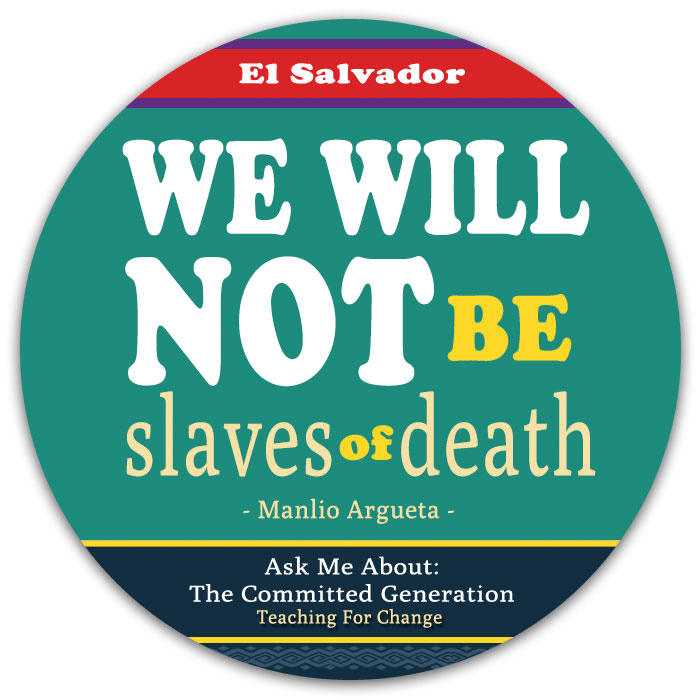
Article. By Manlio Argueta. From Cuzcatlán, Donde bate la mar del sur.
An excerpt from a novel of historical fiction about the impact of an export economy on peasants in El Salvador.
Continue reading
Profile. By Dernoral Davis.
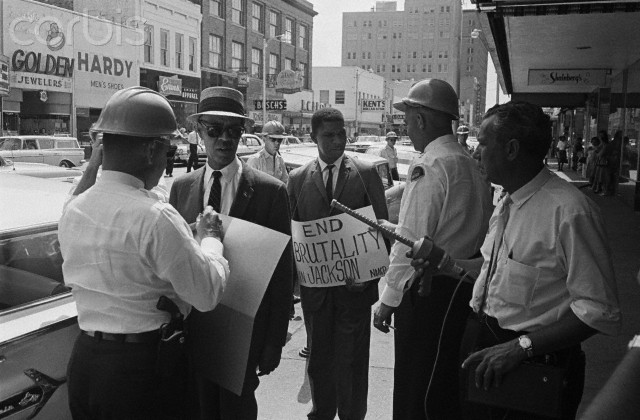
Medgar Evers (July 2, 1925—June 12, 1963), Civil Rights Movement activist in Mississippi.
Continue reading
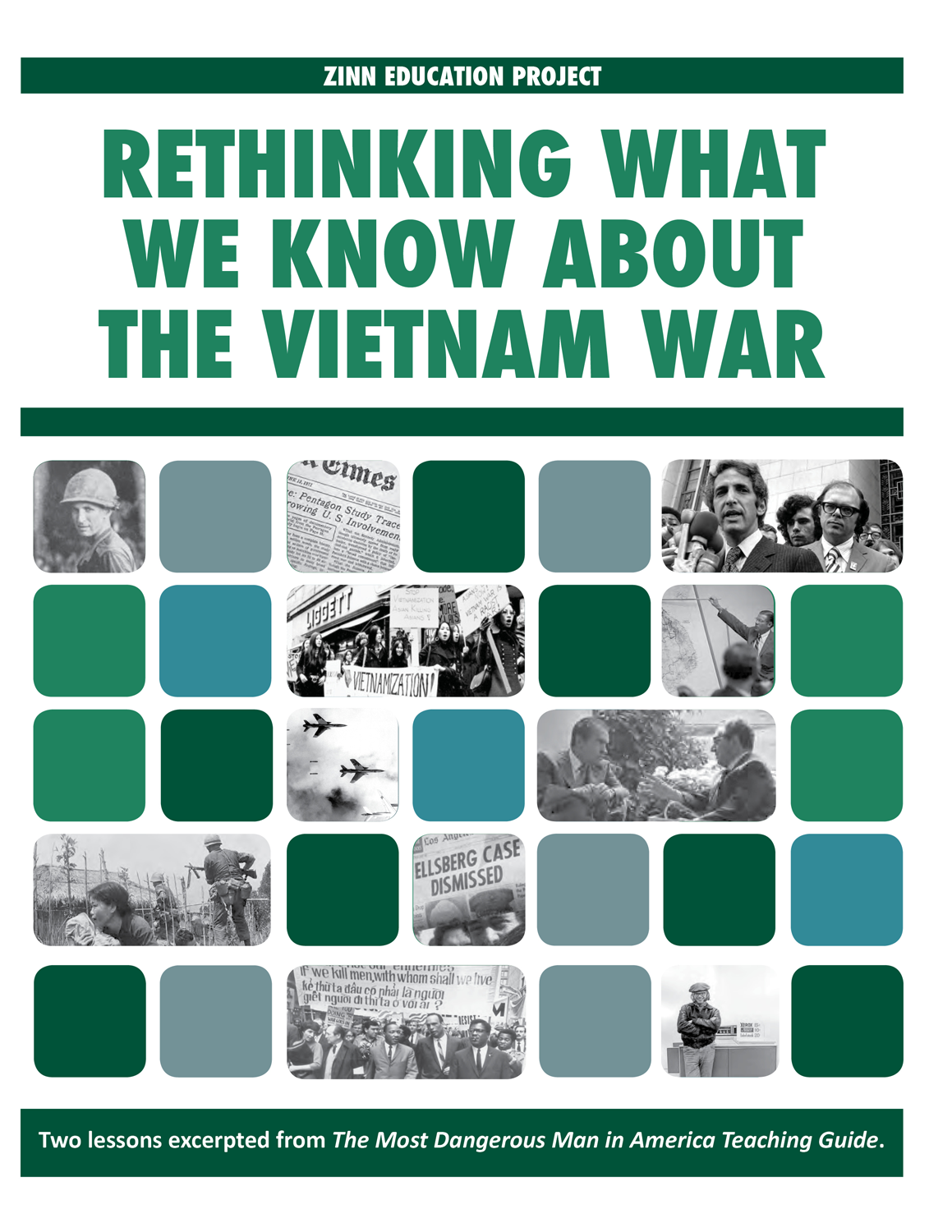
Teaching Activity. Zinn Education Project. 21 pages.
Two lessons to introduce key facts about the Vietnam War and the Pentagon Papers, documents that provide essential history that is often ignored by textbooks.
Continue reading
Teaching Activity. By Linda Christensen. Rethinking Schools. 9 pages.
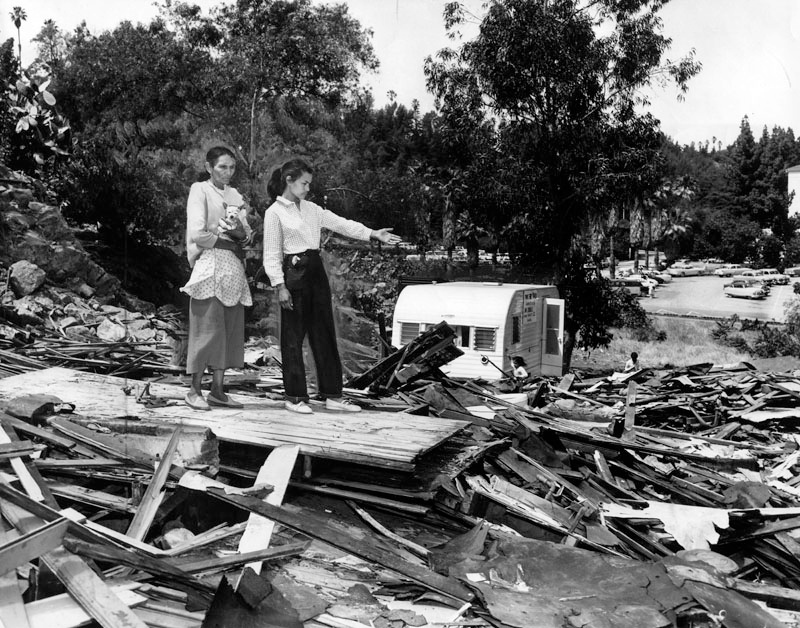
Teaching about patterns of displacement and wealth inequality through the history of Palo Verde, La Loma, and Bishop communities and the building of Dodger Stadium.
Continue reading
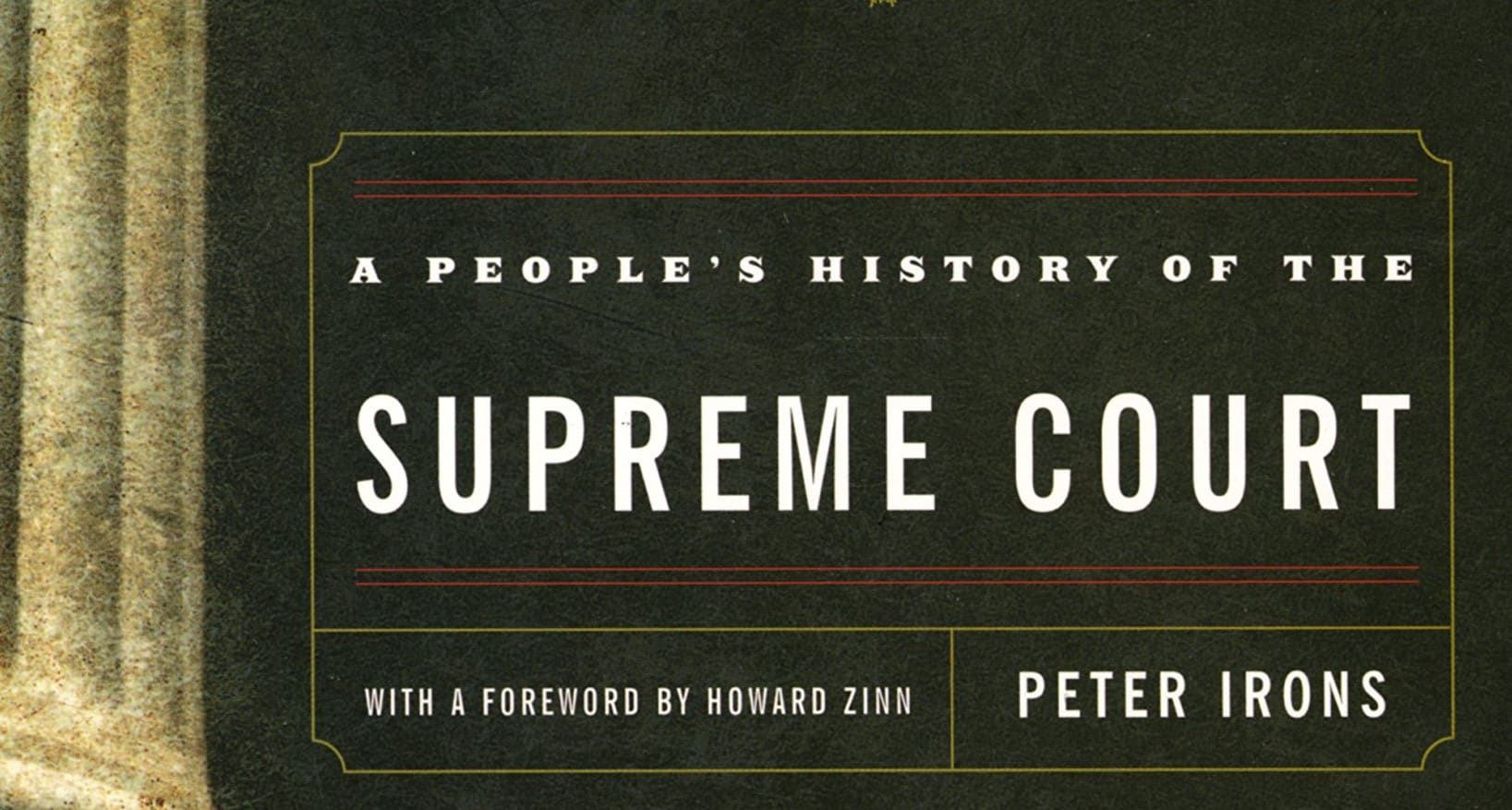
Book — Non-fiction. By Peter Irons. Foreword by Howard Zinn. 2006. 588 pages.
A detailed and critical history of the Supreme Court.
Continue reading
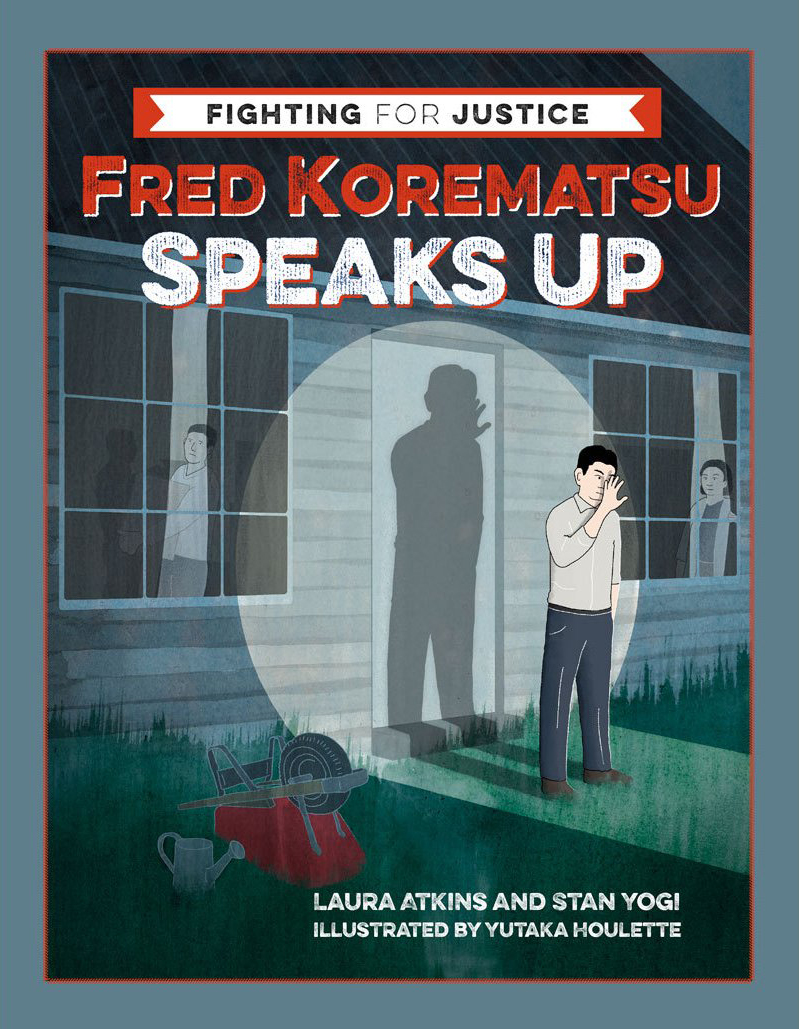
Book — Non-fiction. By Laura Atkins and Stan Yogi. Illustrated by Yutaka Houlette. 2017. 112 pages.
Story of Fred Koretmatsu, jailed for resisting incarceration by the U.S. government during WWII. He took his case to the U.S. Supreme Court twice.
Continue reading
Teaching Activity. By Alison Kysia. 28 pages.
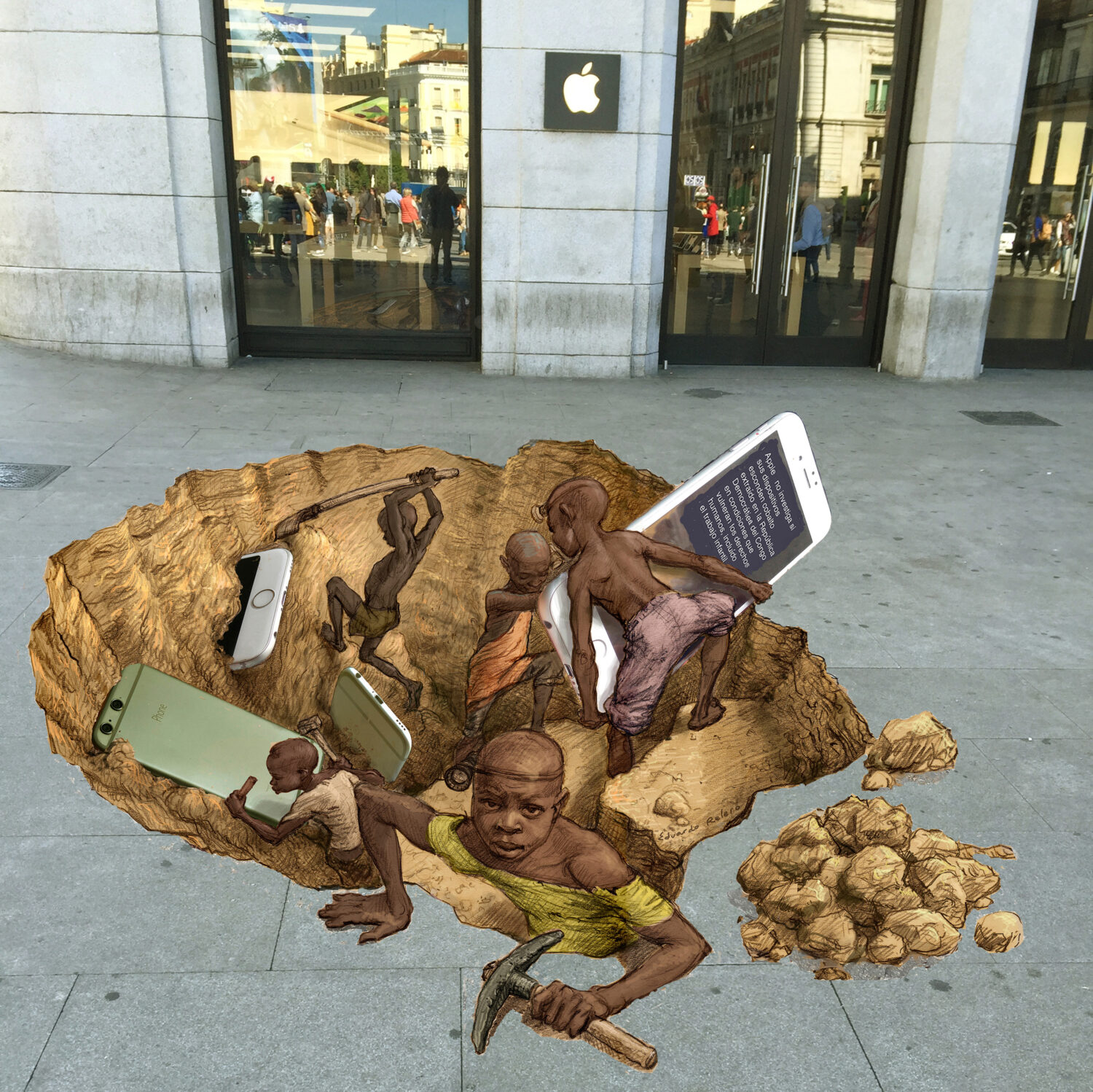
In this lesson, students learn about the colonial history of Congo, debate responsibility for crimes against humanity, and investigate the connection, past and present, between the exploitation of natural resources and violence.
Continue reading
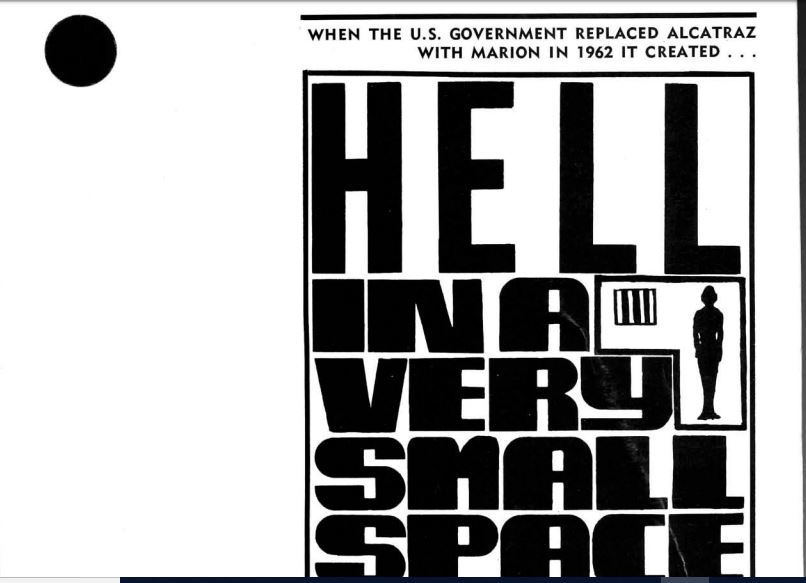
Inmates at United States Penitentiary (USP) Marion staged a hunger strike on the U.S. bicentennial in protest of inhumane treatment by the prison administration.
Continue reading
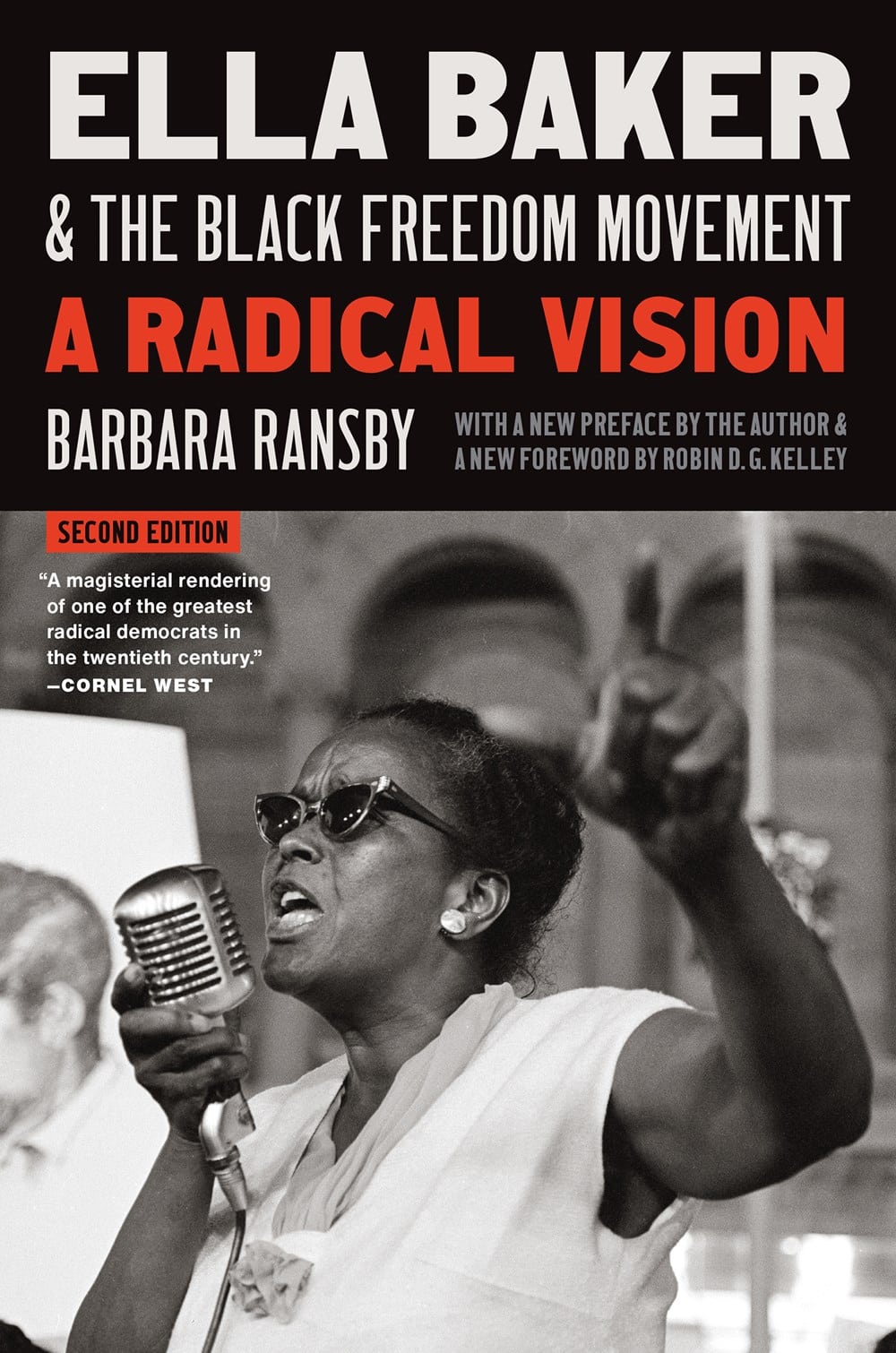
Book — Non-fiction. By Barbara Ransby. 2024 (Second Edition). 512 pages.
This biography chronicles Baker's long and rich political career as an organizer, an intellectual, and a teacher, from her early experiences in depression-era Harlem to the civil rights movement of the 1950s and 1960s.
Continue reading
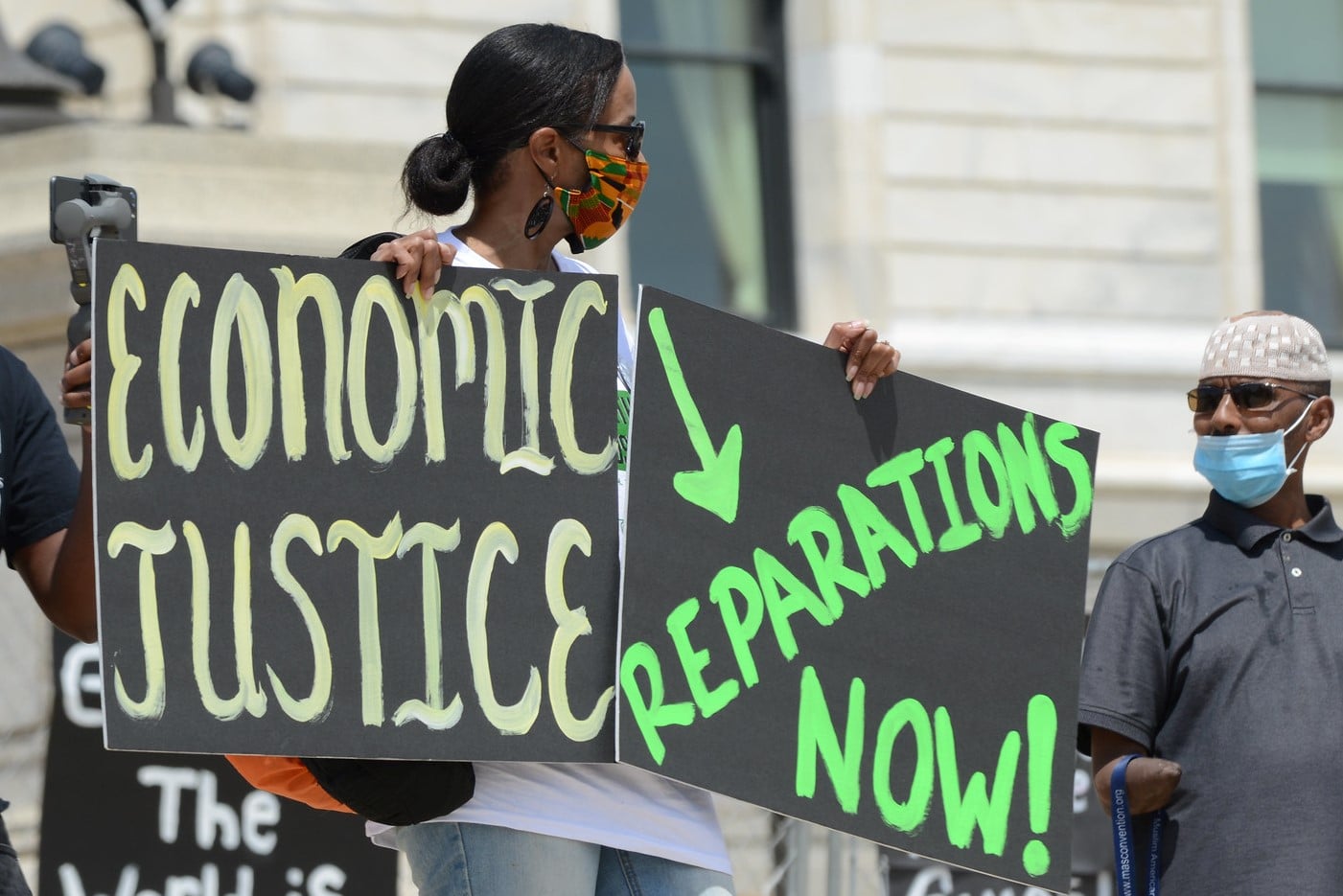
Teaching Activity. By Ursula Wolfe-Rocca.
In this activity, students take on the role of activist-experts to improve upon a Congressional bill for reparations for Black people. They talk back to Congress’ flimsy legislation and design a more robust alternative.
Continue reading
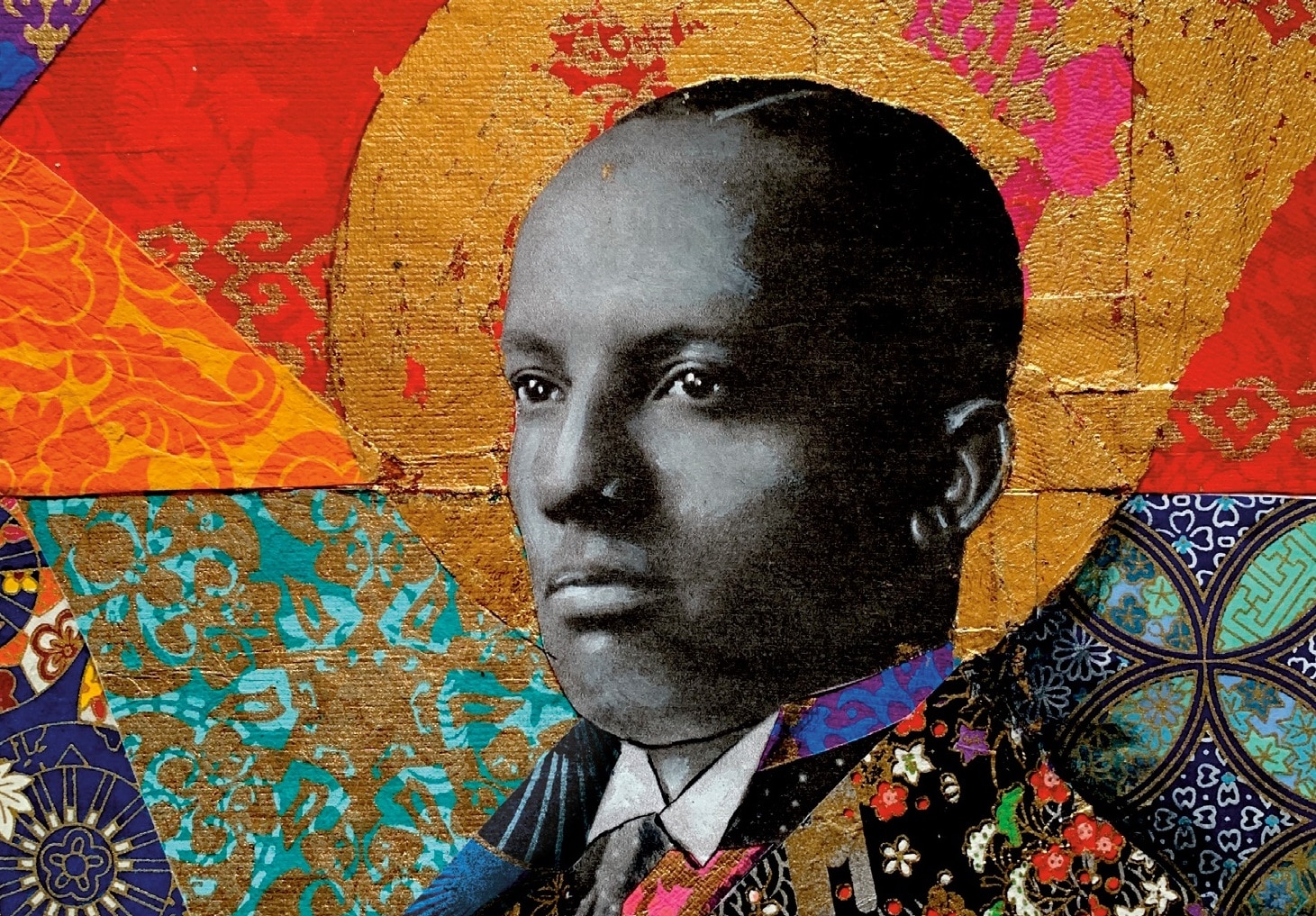
Book — Non-fiction. By Carter G. Woodson, with an introduction by Jarvis Givens. 2023. 224 pages.
Originally released in 1933, The Mis-Education of the Negro continues to resonate today, raising questions about the legacy of slavery and enduring white supremacy.
Teaching Activity by Carter G. Woodson
Continue reading
General Dwight Eisenhower endorsed the finding of a court-martial in the case of Eddie Slovik, who deserted from the U.S. Army during World War II.
Continue reading
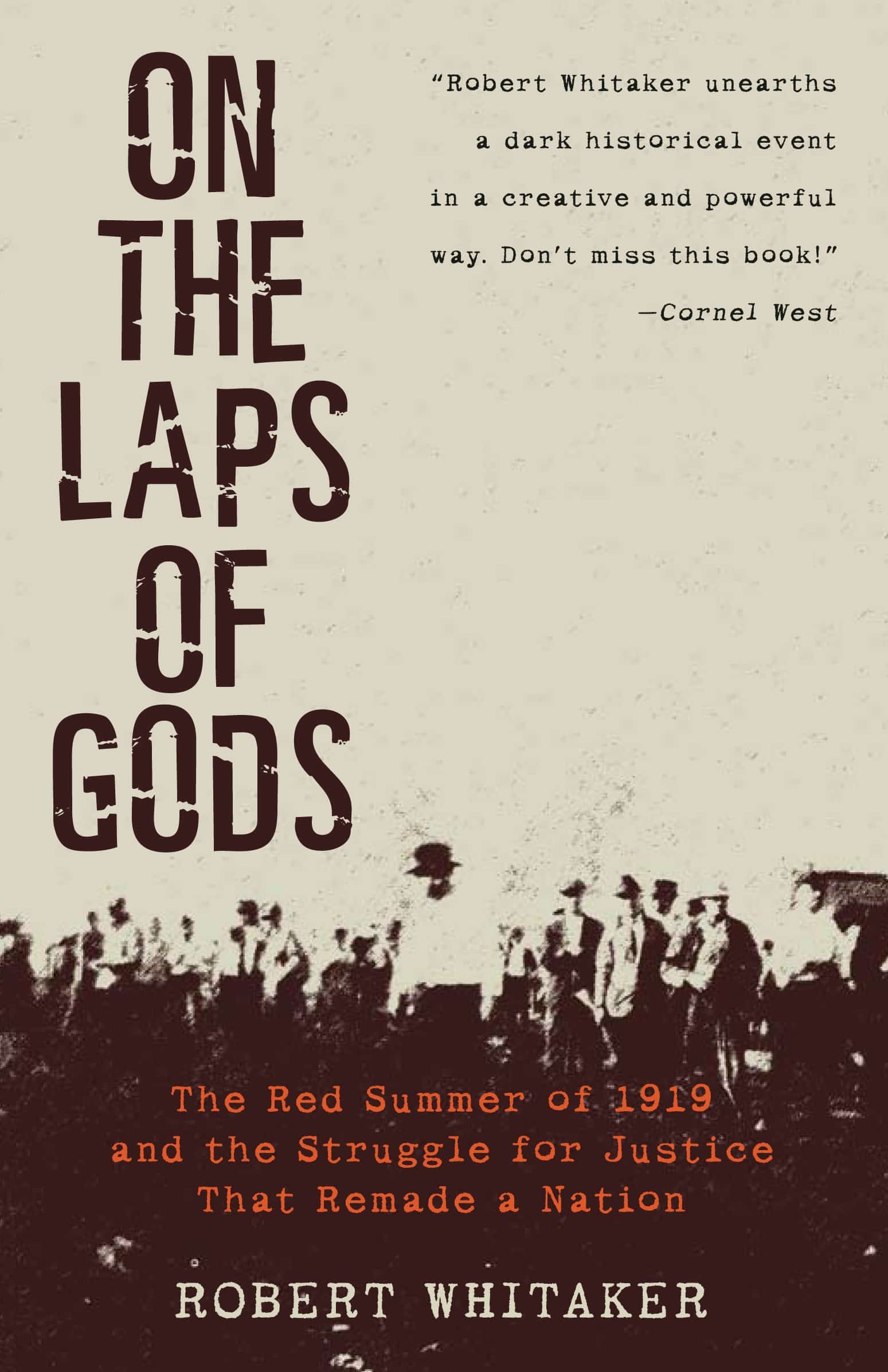
Book — Non-fiction. By Robert Whitaker. 2009. 386 pages.
The story of the 1919 Elaine massacre in Hoop Spur, Arkansas.
Continue reading
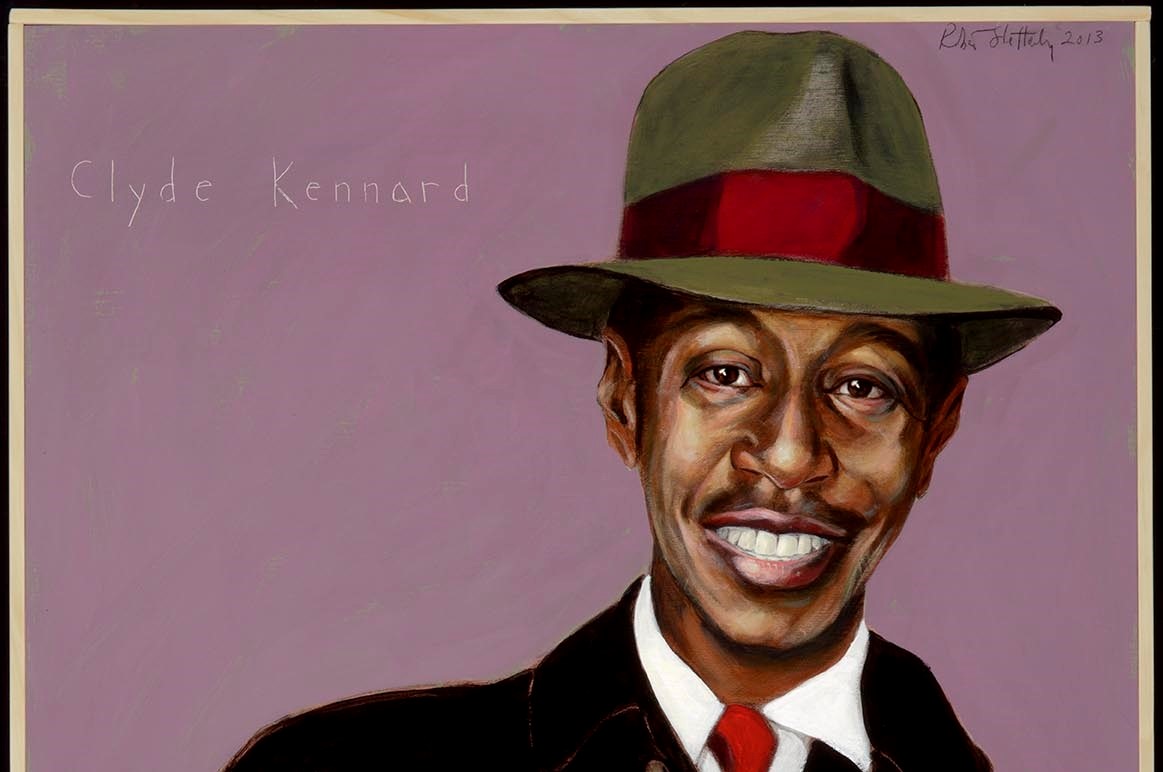
Clyde Kennard (June 12, 1927–July 4, 1963) bravely and righteously tried to pursue higher education in Mississippi. He faced the fatal wrath of the state as a result of his efforts to challenge white supremacy.
Continue reading
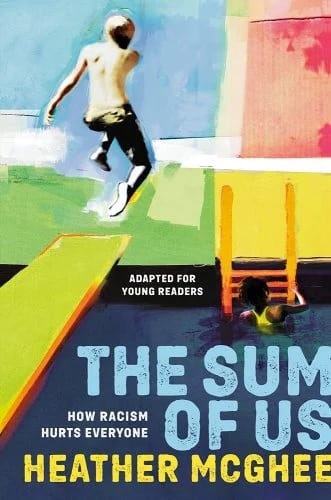
Book — Non-fiction. By Heather McGhee. 2023. 240 pages.
This young readers’ edition analyzes racism in U.S. politics and policymaking, and provides a potential path forward through solidarity.
Continue reading
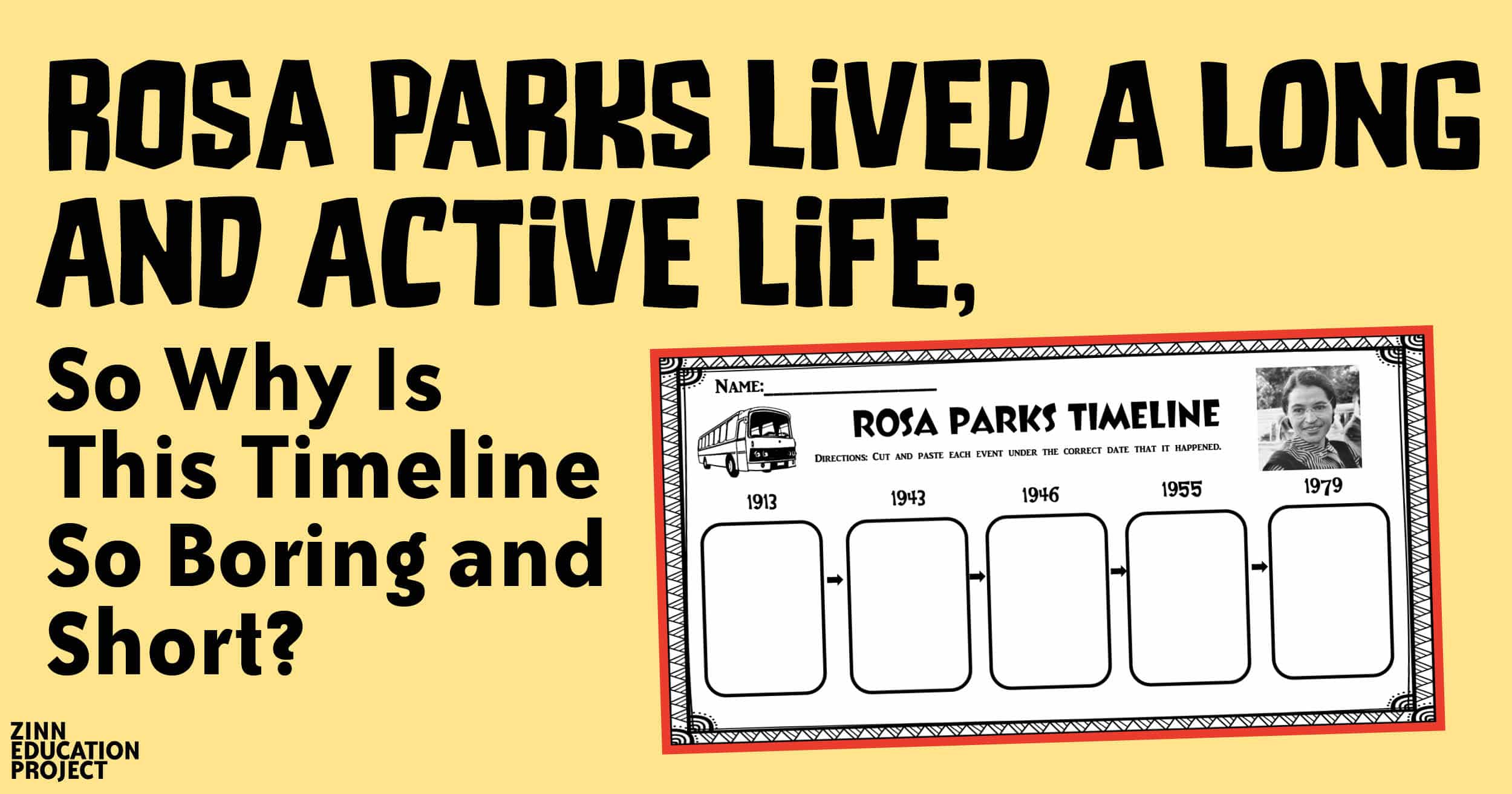
Teaching Activity. By Ursula Wolfe-Rocca. 3 pages.
This timeline activity builds on students’ viewing of the 2022 film, The Rebellious Life of Mrs. Rosa Parks, and involves collaborating on a new timeline of Mrs. Parks' life.
Continue reading
Resources about Dr. Martin Luther King Jr., beyond the traditional narrative.
Continue reading
Teaching Activity. By Adam Sanchez. Rethinking Schools.
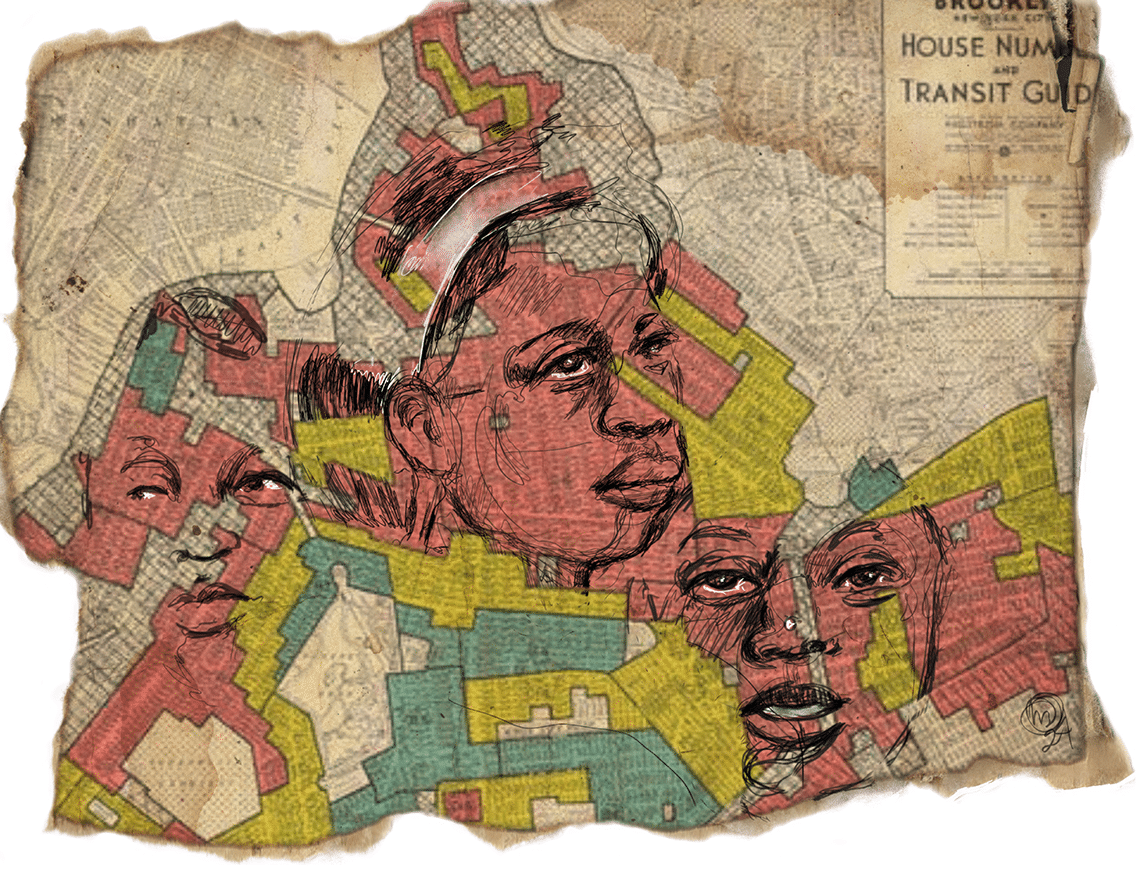
A high school social studies teacher describes a classroom simulation where students experience the effects of decades of racist federal housing policies.
Continue reading
Book — Non-fiction. By David Dorado Romo. 352 pages.
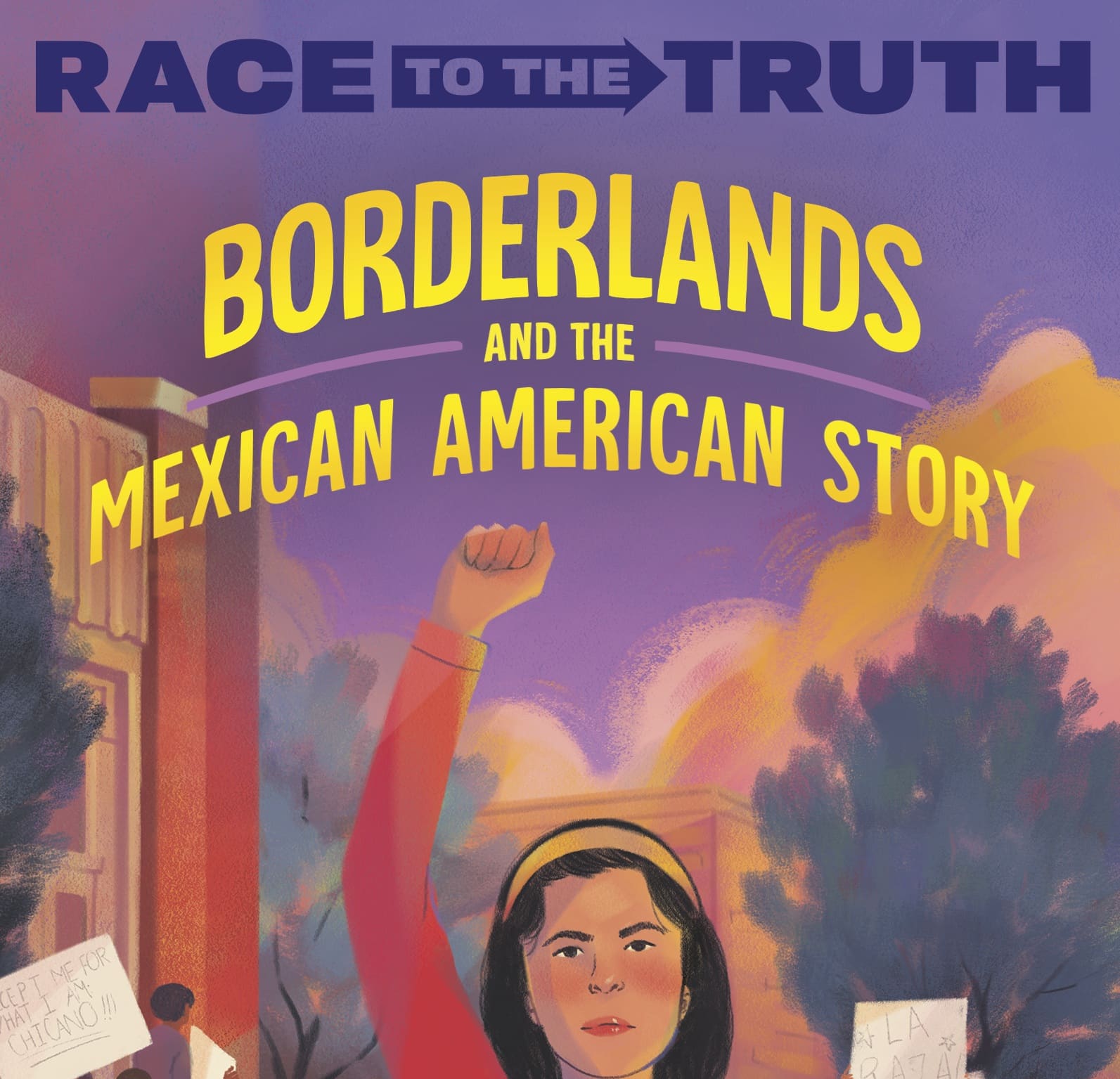
From missions and the Alamo to muralists, revolutionaries, and teen activists, this is the true story of the Mexican American experience.
Continue reading
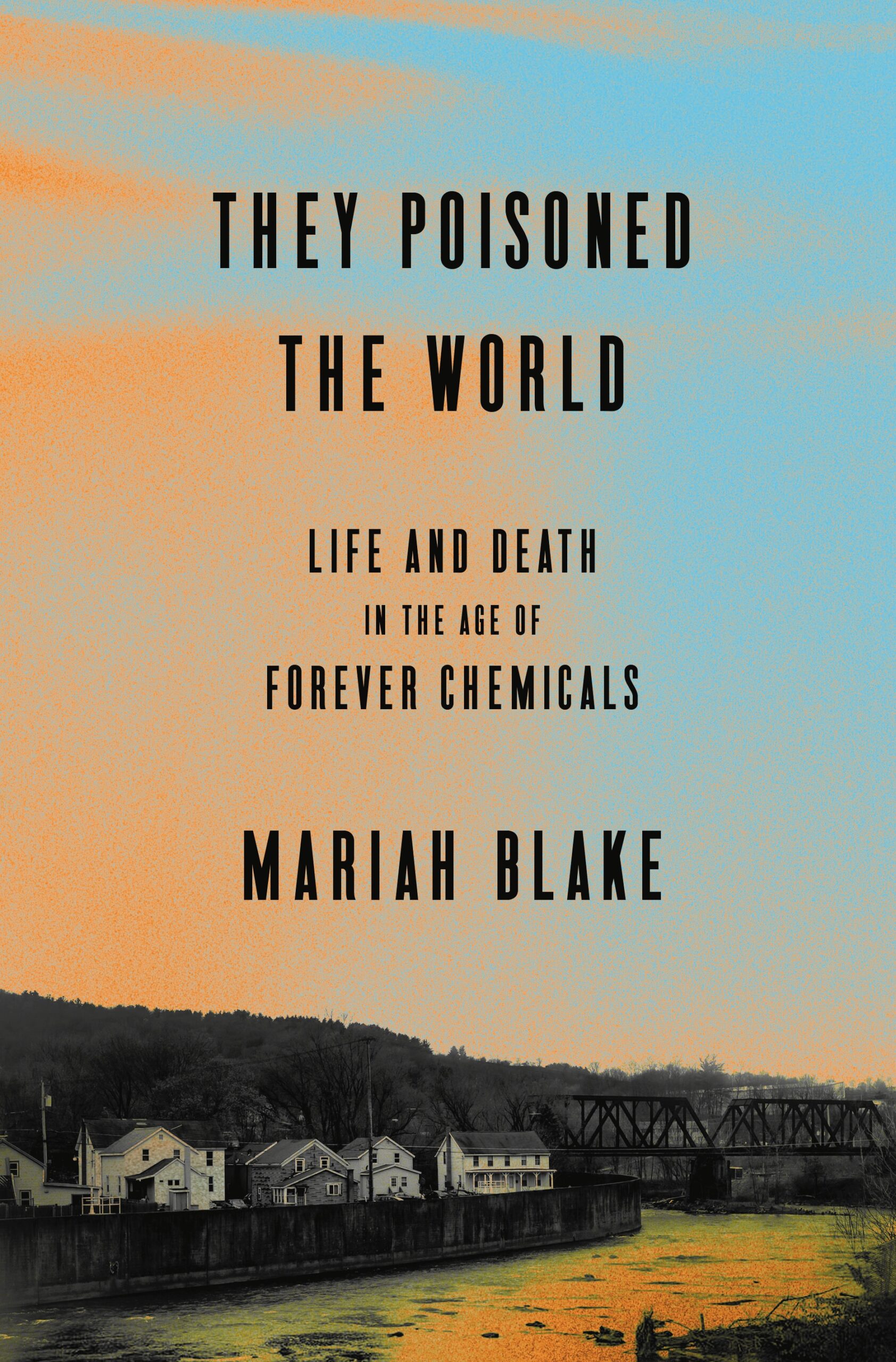
Book — Non-fiction. By Mariah Blake. 2025. 320 pages.
An investigation of the chemical industry’s decades-long campaign to hide the dangers of forever chemicals, told through the story of a small town on the frontlines of an epic public health crisis.
Continue reading
Teaching Activity. By Jesse Hagopian. 2025. 19 pages.
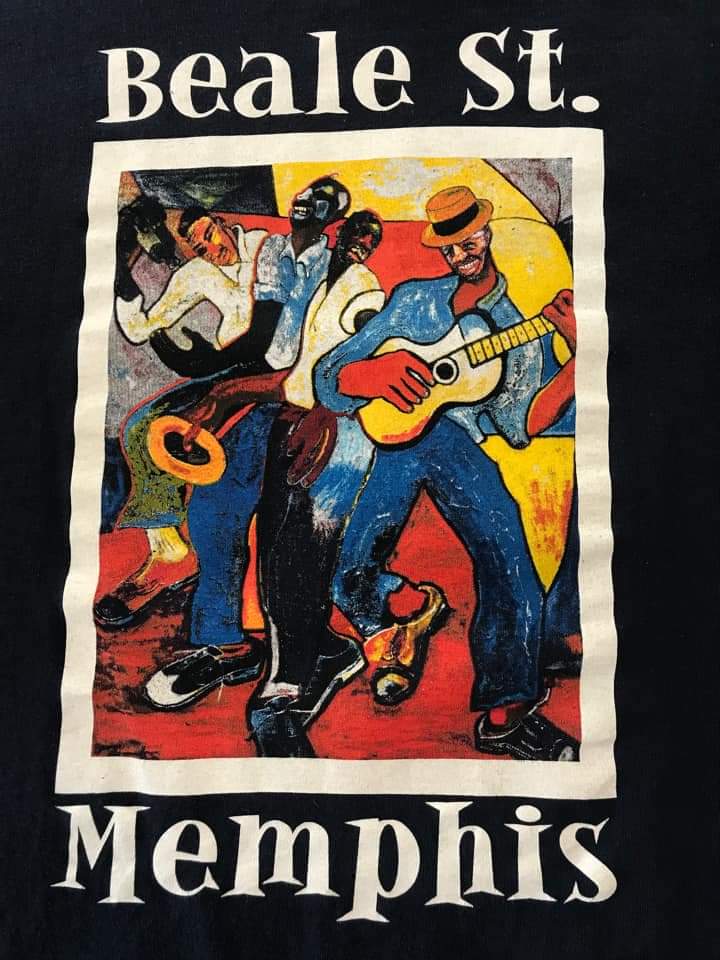
A lesson for the 250th anniversary of the U.S. founding exploring the blues as both a cultural art form and a vehicle for political resistance.
Continue reading
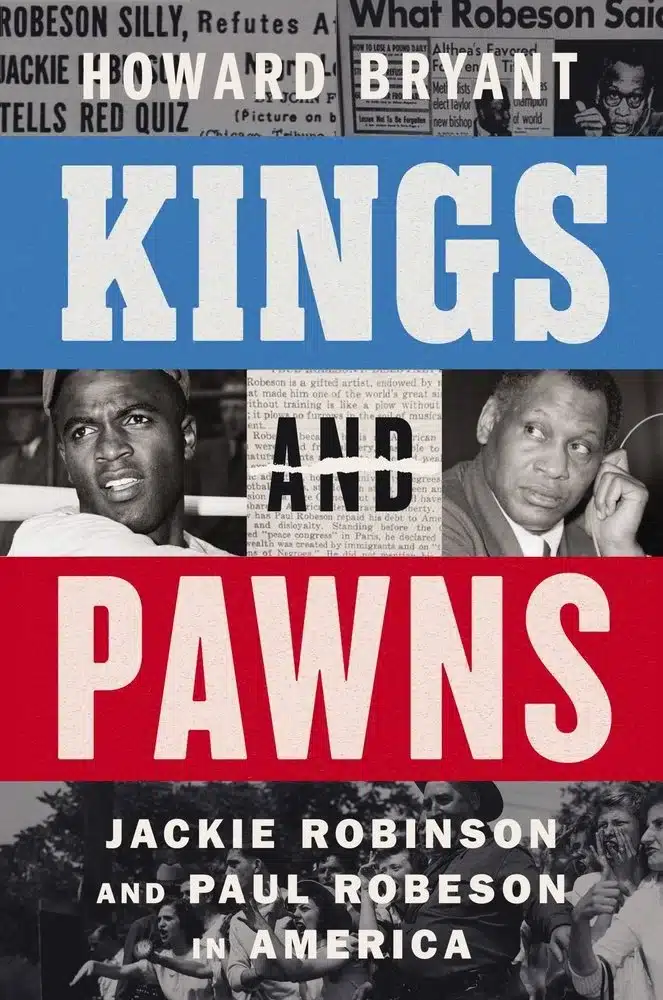
Book — Non-fiction. By Howard Bryant. 2026. 320 pages.
Highlighting the lives of Paul Robeson and Jackie Robinson, this book tells the story of sports and fame, Black life in the United States, and the promise of integration through the Cold War lens of two transformative events.
Continue reading