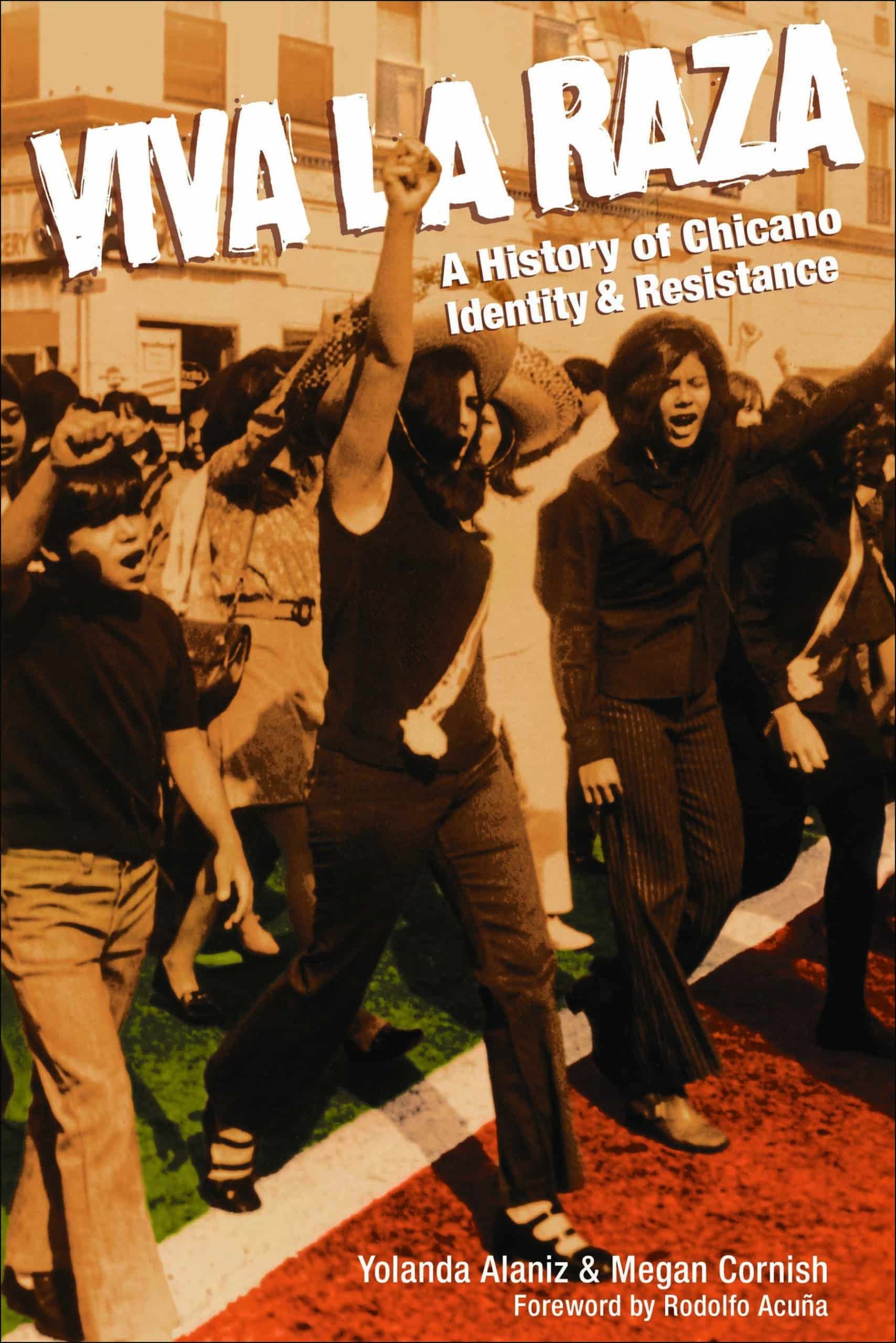
Book — Non-fiction. By by Yolanda Alaniz and Megan Cornish, with a foreword by Rodolfo Acuña. 2008. 368 pages.
A history of Chicana/o militancy, from the occupation of Northern Mexico to the 1990s.
Continue reading
Teaching Activity. By Bill Bigelow, Jesse Hagopian, Cierra Kaler-Jones, Ana Rosado, and Ursula Wolfe-Rocca.
Students read about sites of memory in How the Word Is Passed and imagine how to commemorate what occurred there. They then compare that to how the respective site is currently commemorated and described by docents.
Continue reading
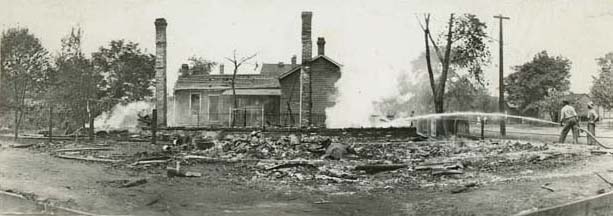
This massacre was committed against African Americans by a mob of about 5,000 white people in Springfield, Illinois.
Continue reading
When the “Fort Hood 43” refused to board a plane to Chicago for riot-control duty against fellow African Americans, their non-violent act became one of the largest demonstrations of dissent in U.S. military history.
Continue reading
Teaching Activity. By Ursula Wolfe-Rocca, Alex Stegner, Chris Buehler, Angela DiPasquale, and Tom McKenna.
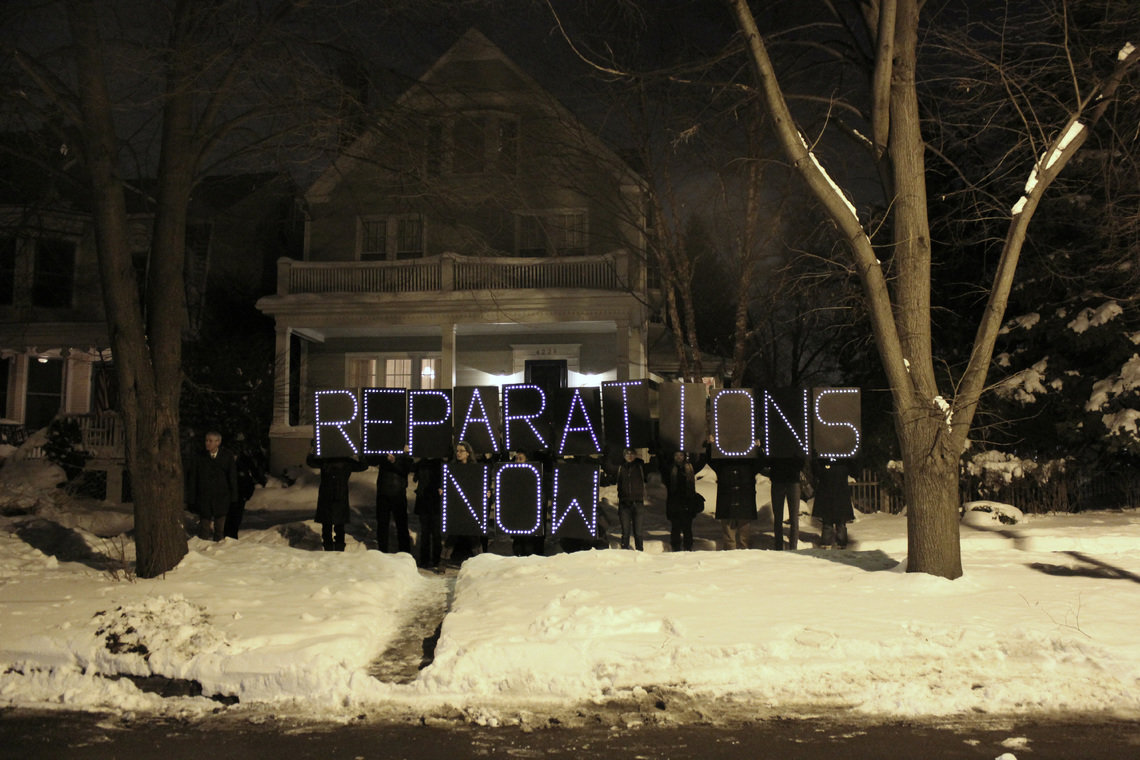
Students meet dozens of advocates and recipients of reparations from a variety of historical eras to grapple with the possibility of reparations now and in the future.
Continue reading
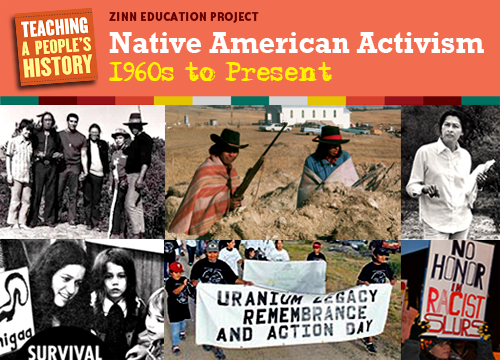
Overview of Native American activism since the late 1960s, including protests at Mt. Rushmore, Alcatraz, Standing Rock, and more.
Continue reading
Film. Produced by Anne Lewis. 2012. 75 minutes.
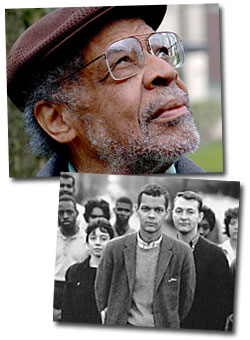
Documentary about Southern activist Anne Braden.
Continue reading
Teaching Activity. By Mark Sweeting. Rethinking Schools. 4 pages.
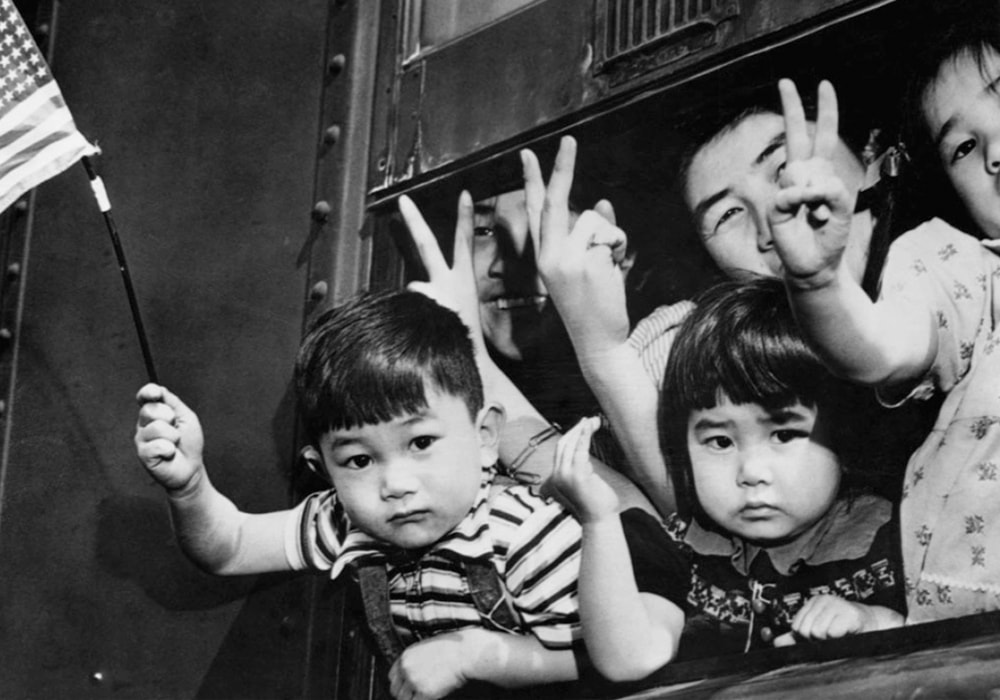
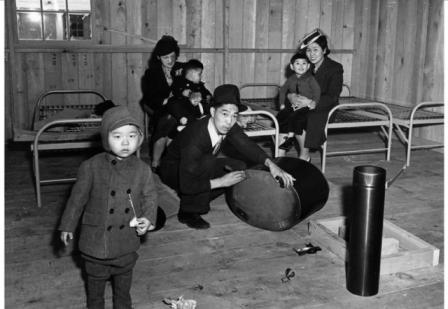
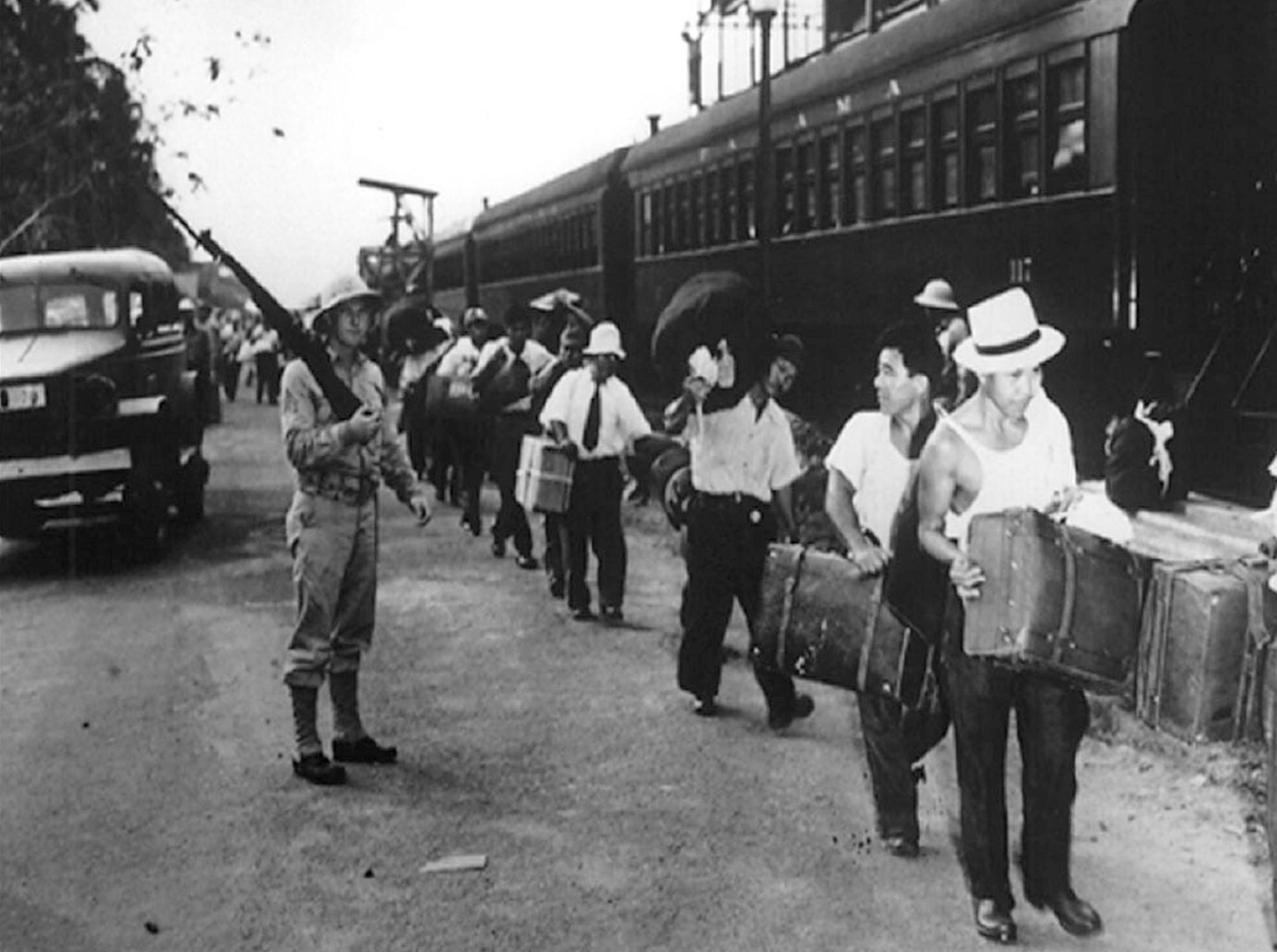
How one teacher engaged his students in a critical examination of the language used in textbooks to describe the Japanese American incarceration.
Continue reading
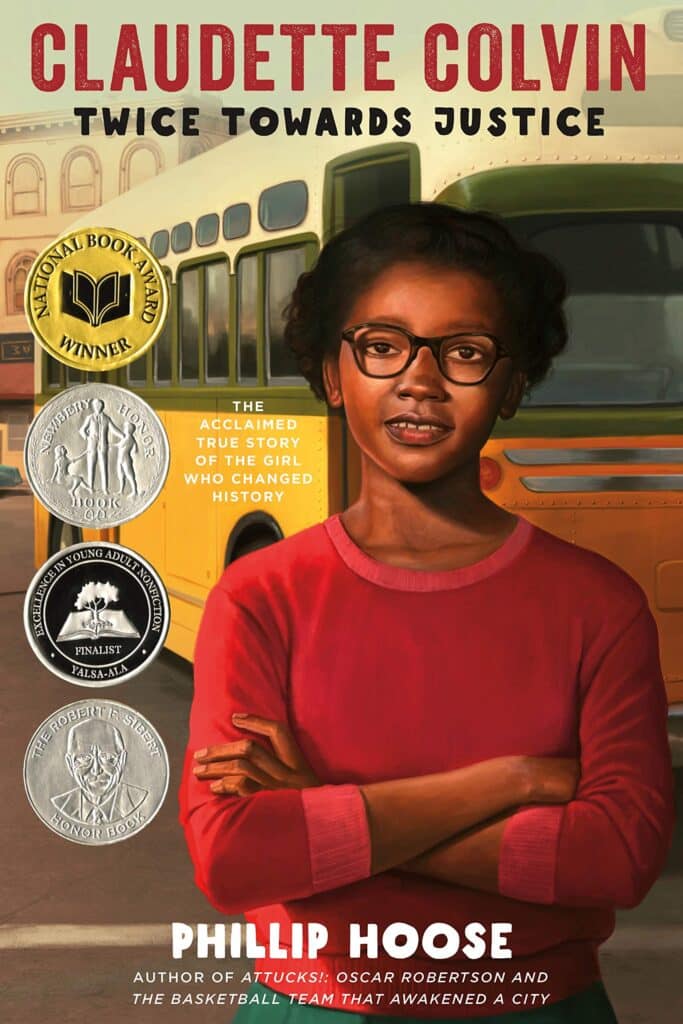
Book — Non-fiction. By Phillip Hoose. 2010. 160 pages.
The story of Claudette Colvin, a teenager who refused to give up her seat in the year leading up to the Montgomery Bus Boycott.
Continue reading
Teaching Activity. By John DeRose. Rethinking Schools. 4 pages.
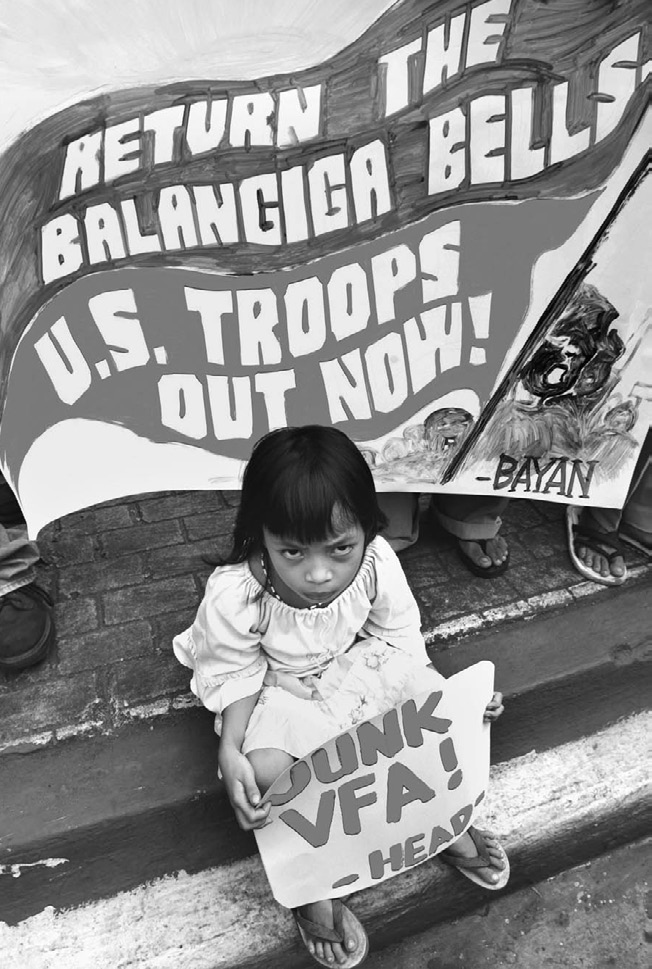
Analysis of textbook passages from different countries, videos and books are used to explore different perspectives about the same event in history, i.e. "Philippine-American War" vs. "War of Philippine Independence."
Continue reading
Teaching Activity. By Bill Bigelow. Rethinking Schools. 7 pages.
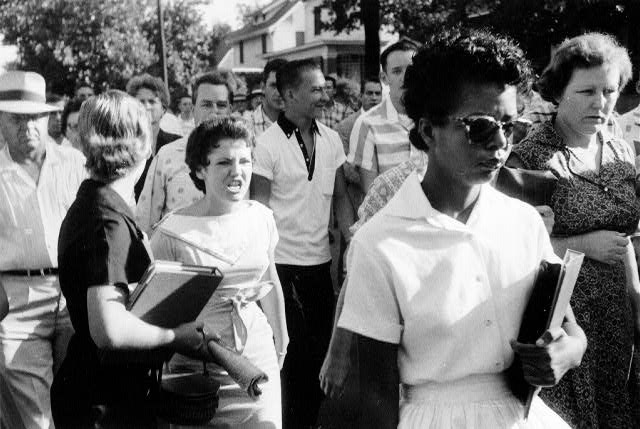
A companion lesson to the Eyes on the Prize segment on school desegregation.
Continue reading
Teaching Activity. By Mike Benbow and Robin Pickering. 17 pages.
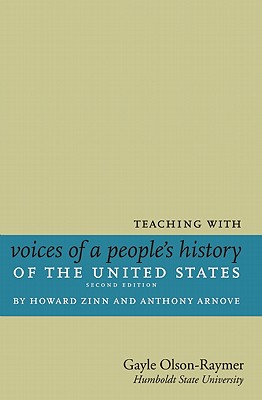
Questions and teaching ideas for Chapter 18 of Voices of a People's History of the United States on opposition to the Vietnam War.
Continue reading
Teaching Guide. Edited by Bill Bigelow and Bob Peterson. 2002. 402 pages.
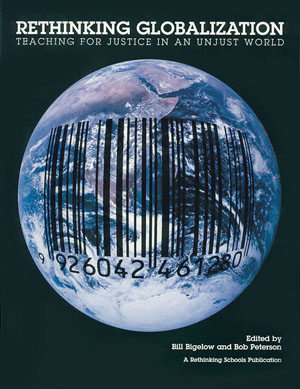
An extensive collection of readings and source material on critical global issues, plus teaching ideas, lesson plans, and rich collections of resources for classroom teachers.
Continue reading
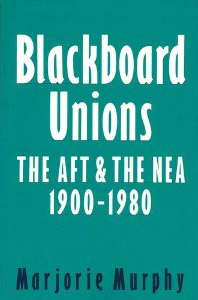
Book — Non-fiction. By Marjorie Murphy. 1992. 304 pages.
The history of unionization of teachers.
Continue reading
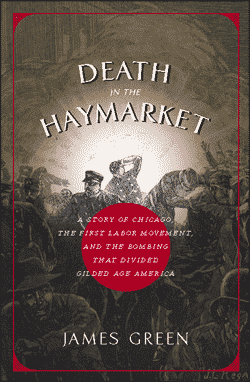
Book — Non-fiction. By James Green. 2007. 400 pages.
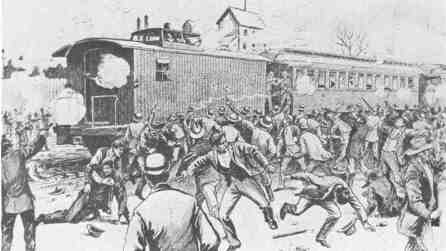
History of the late 19th century labor movement.
Continue reading
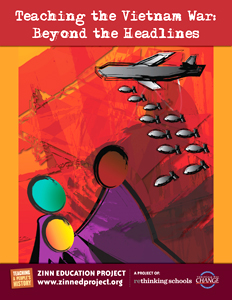
Teaching Activity. By the Zinn Education Project. 100 pages.
Eight lessons about the Vietnam War, Daniel Ellsberg, the Pentagon Papers, and whistleblowing.
Continue reading
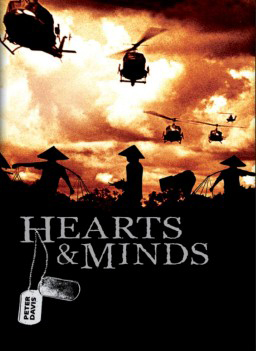
Film. Directed by Peter Davis. 1974. 112 minutes.
Documentary about the Vietnam War.
Continue reading
Teaching Activity. By Learning for Justice.
Introduces students to the role of the labor movement in securing contemporary benefits such as the 40-hour work week, the minimum wage, and workplace safety regulations.
Continue reading
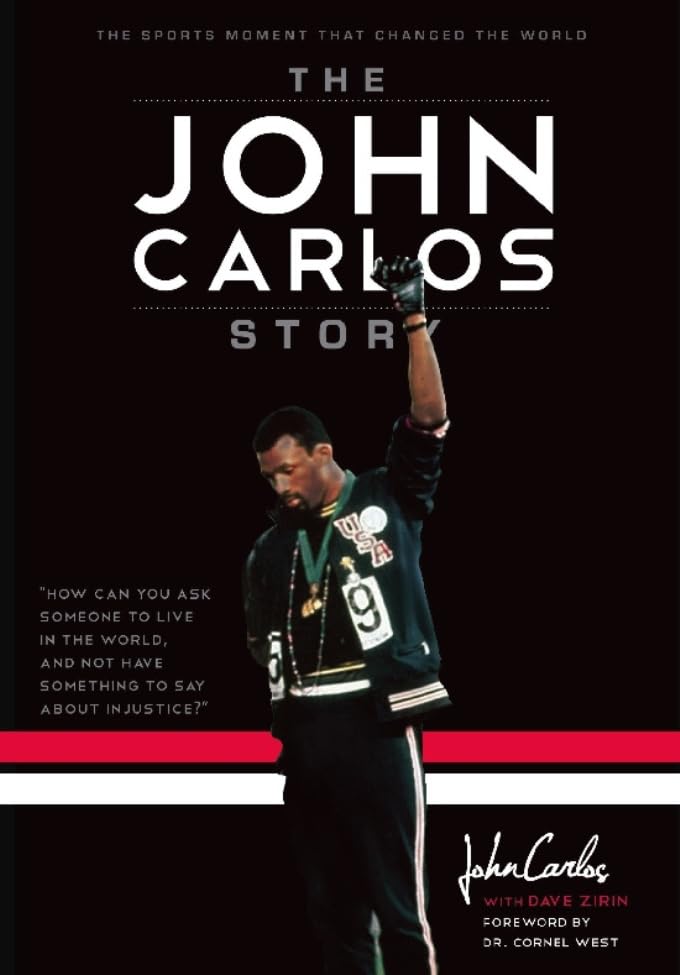
Book — Non-fiction. By John Carlos and Dave Zirin. Foreword by Cornel West. 2011. 220 pages.
Written for grades 7+, this biography of John Carlos recounts his childhood, his legendary act of courage at the '68 Olympics, and the backlash.
Continue reading
Teaching Activity. By Katie Baydo-Reed. Rethinking Schools. 10 pages.
Students hold a mixer and a mock trial in preparation for reading literature about Japanese American incarceration.
Continue reading
Teaching Activity. By Moé Yonamine. Rethinking Schools. 18 pages.
Poetry, photography, and text are used in this role play to teach about the seldom told history of Japanese Latin American incarceration during WWII.
Continue reading
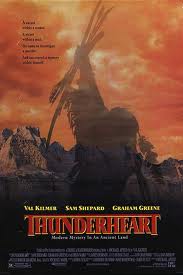
Film. By Michael Apted. 1992. 118 minutes.
Captures some of the conflicts on the Pine Ridge Reservation in the 1970s relating to corporate/government collusion to exploit Native lands for profit.
Continue reading
Digital collection. Explores the historical context and stories of individuals who have been targets of U.S. government surveillance during the 20th century.
Continue reading
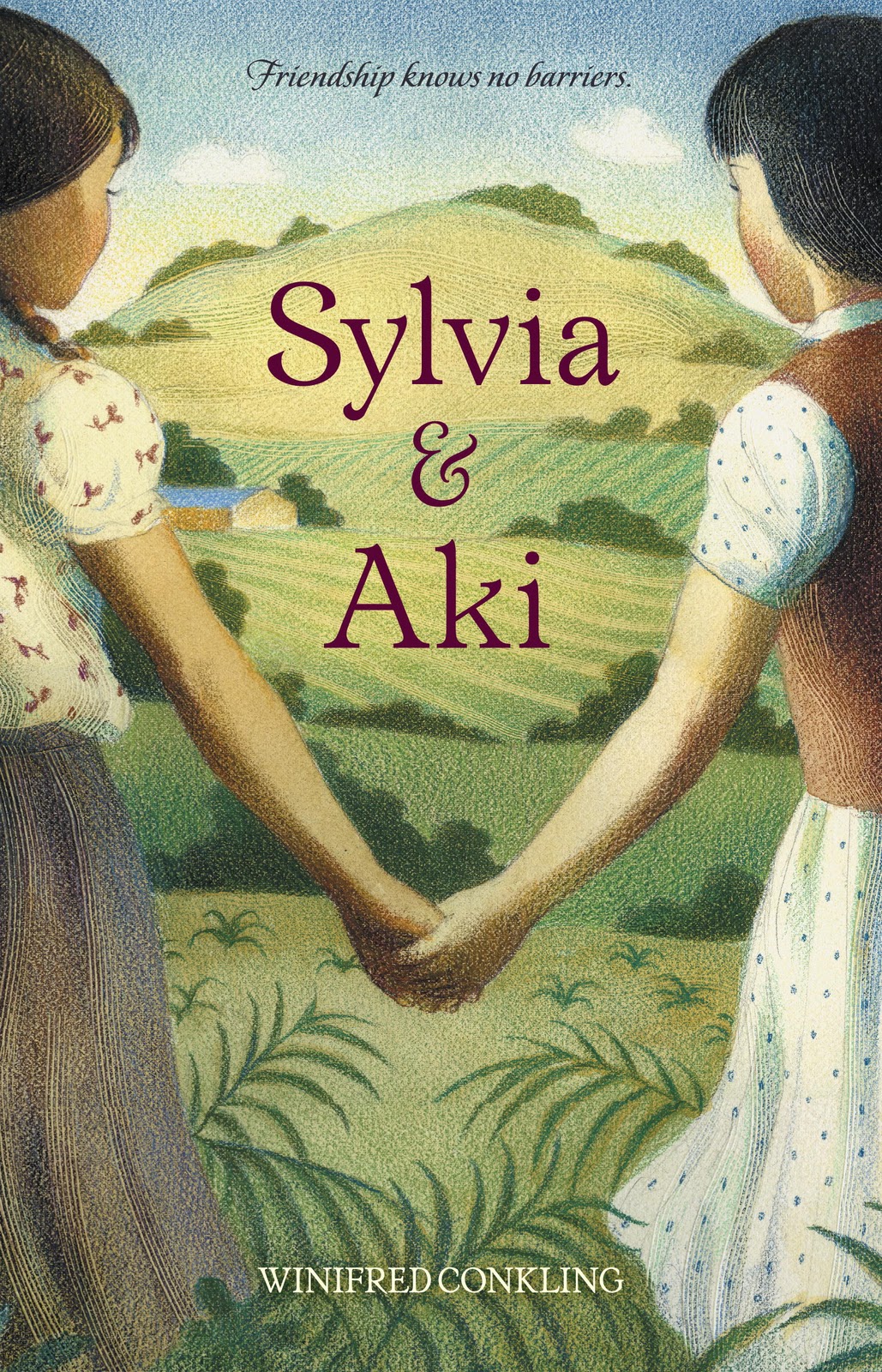
Book — Historical fiction. By Winifred Conkling. 2011. 160 pages.
Based on the true story of two girls who meet in 1940s California and a landmark lawsuit on education.
Continue reading
Profile.
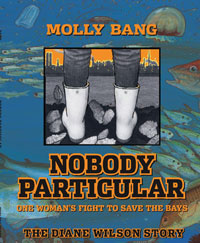
Diane Wilson (born 1948) is a shrimp fisher, environmentalist, and activist.
Continue reading