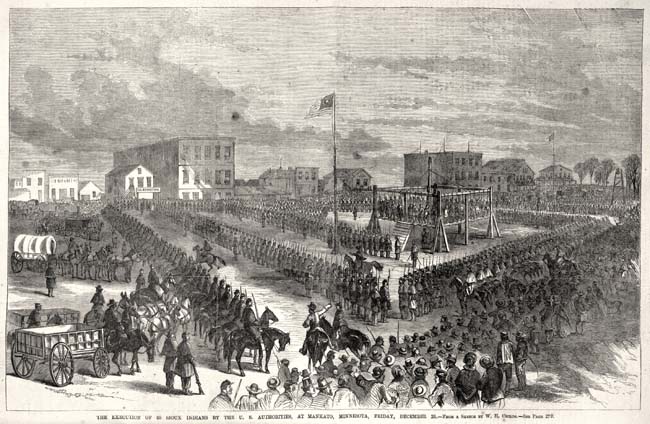
The mass execution of 38 Dakota Indians was ordered by President Abraham Lincoln.
Continue reading
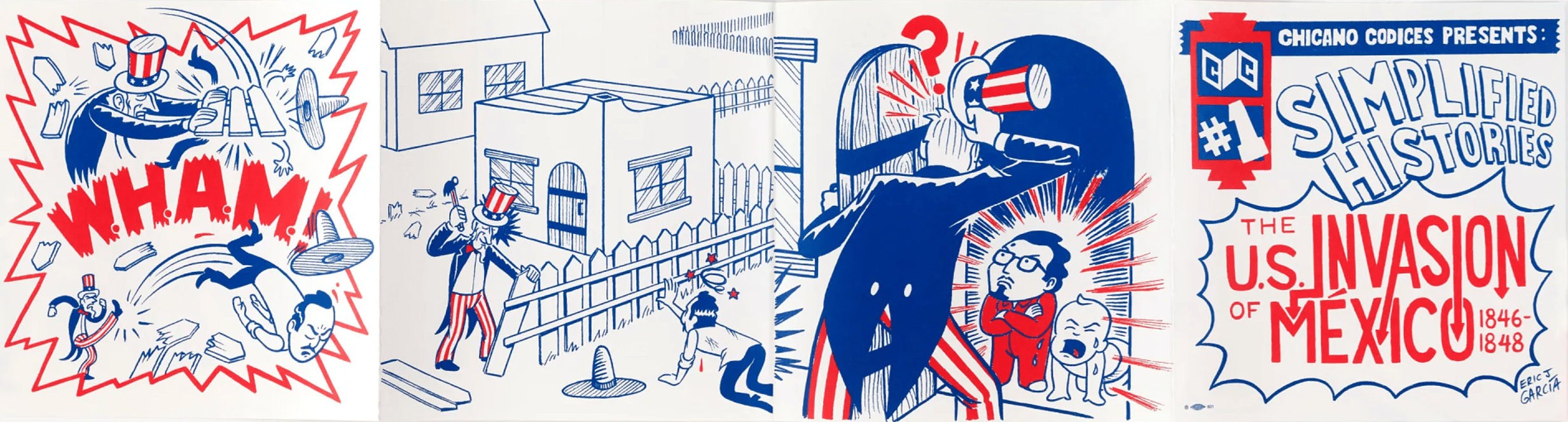
Today’s border with Mexico is the product of invasion and war. Grasping some of the motives for that war and some of its immediate effects begins to provide students the kind of historical context that is crucial for thinking about the line that separates the United States and Mexico.
Continue reading
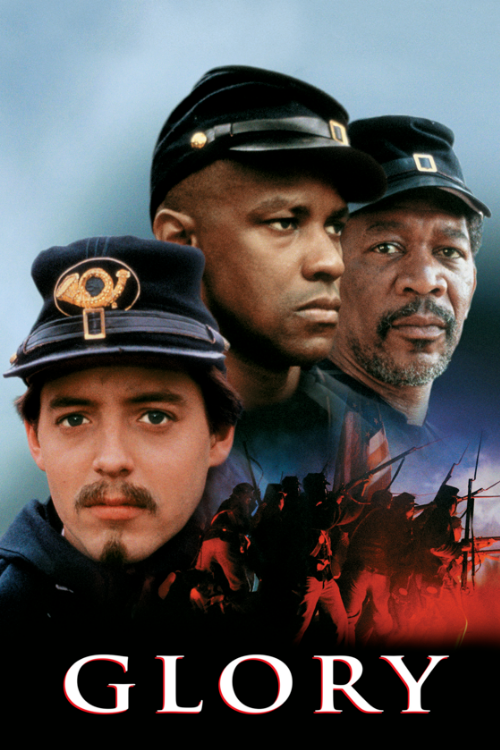
Film. Directed by Edward Zwick. 1989. 122 minutes.
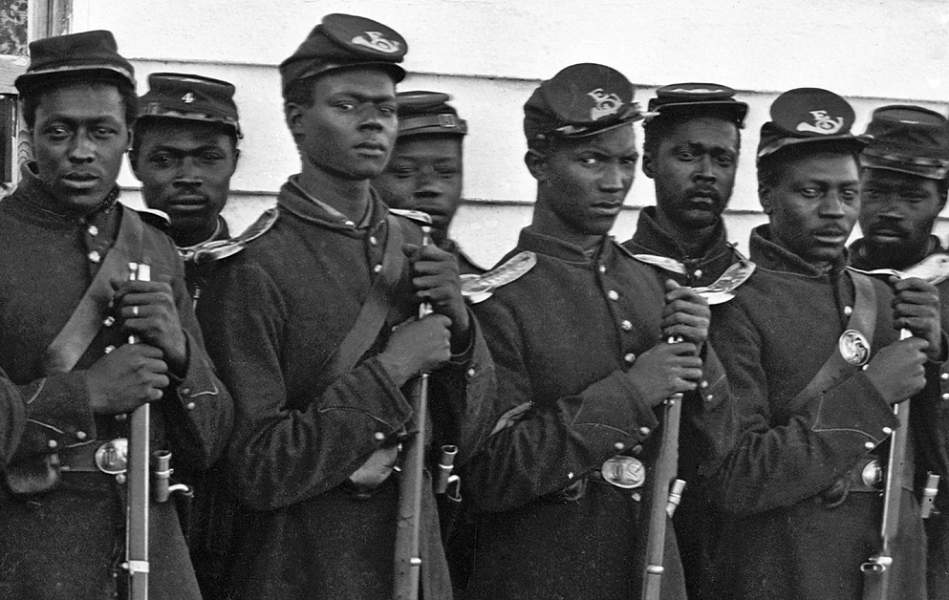
The all-Black 54th Massachusetts Volunteer Infantry Regiment is brought to the screen in this star-studded Civil War film.
Continue reading
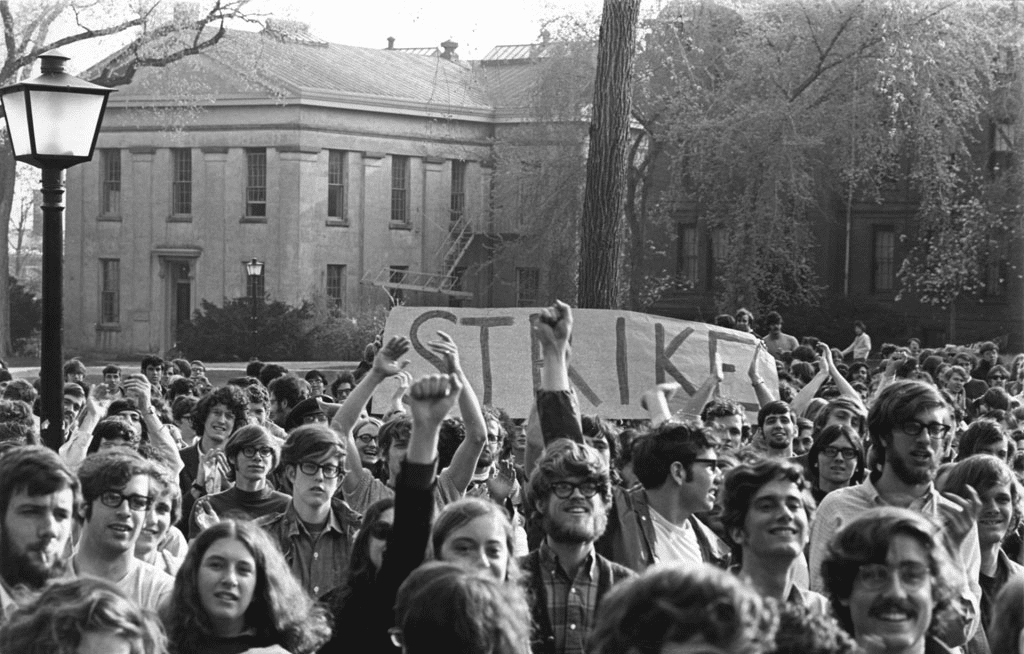
Students at Brown University went on strike to demand that the university take a stand against the escalation of the Vietnam War into neighboring Cambodia.
Continue reading
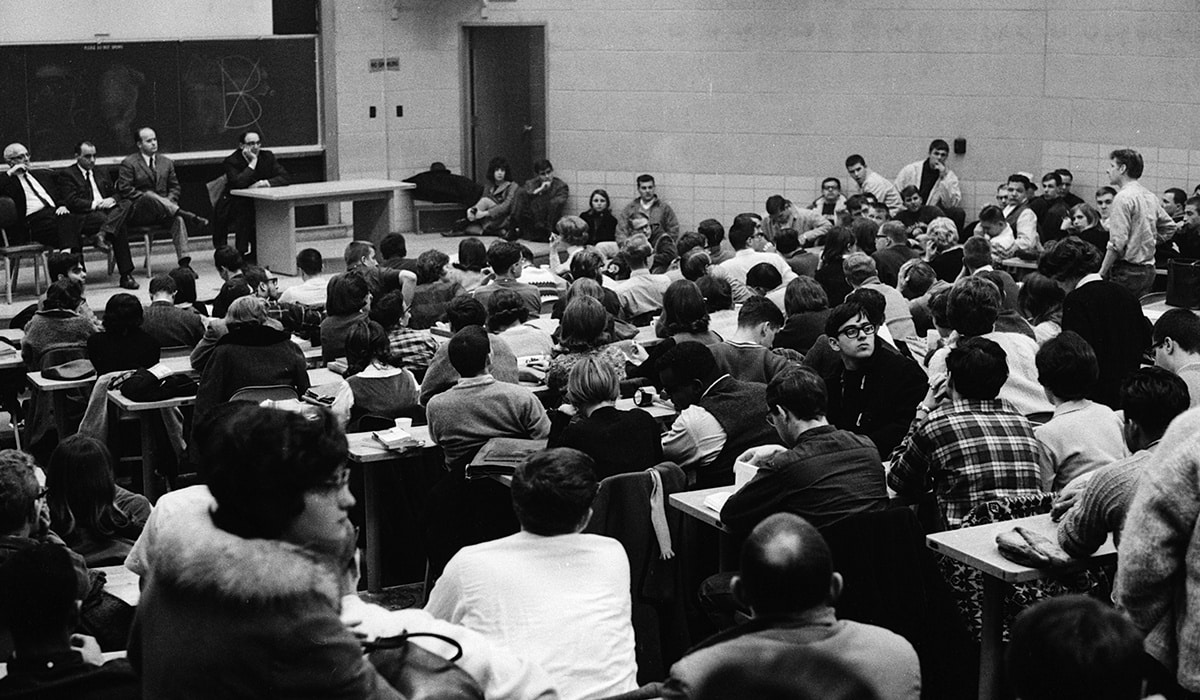
The first anti-Vietnam War teach-in occurred at the University of Michigan, with more than 3,000 students, faculty and community members gathering on campus to educate each other about escalating U.S. aggression in Vietnam.
Continue reading
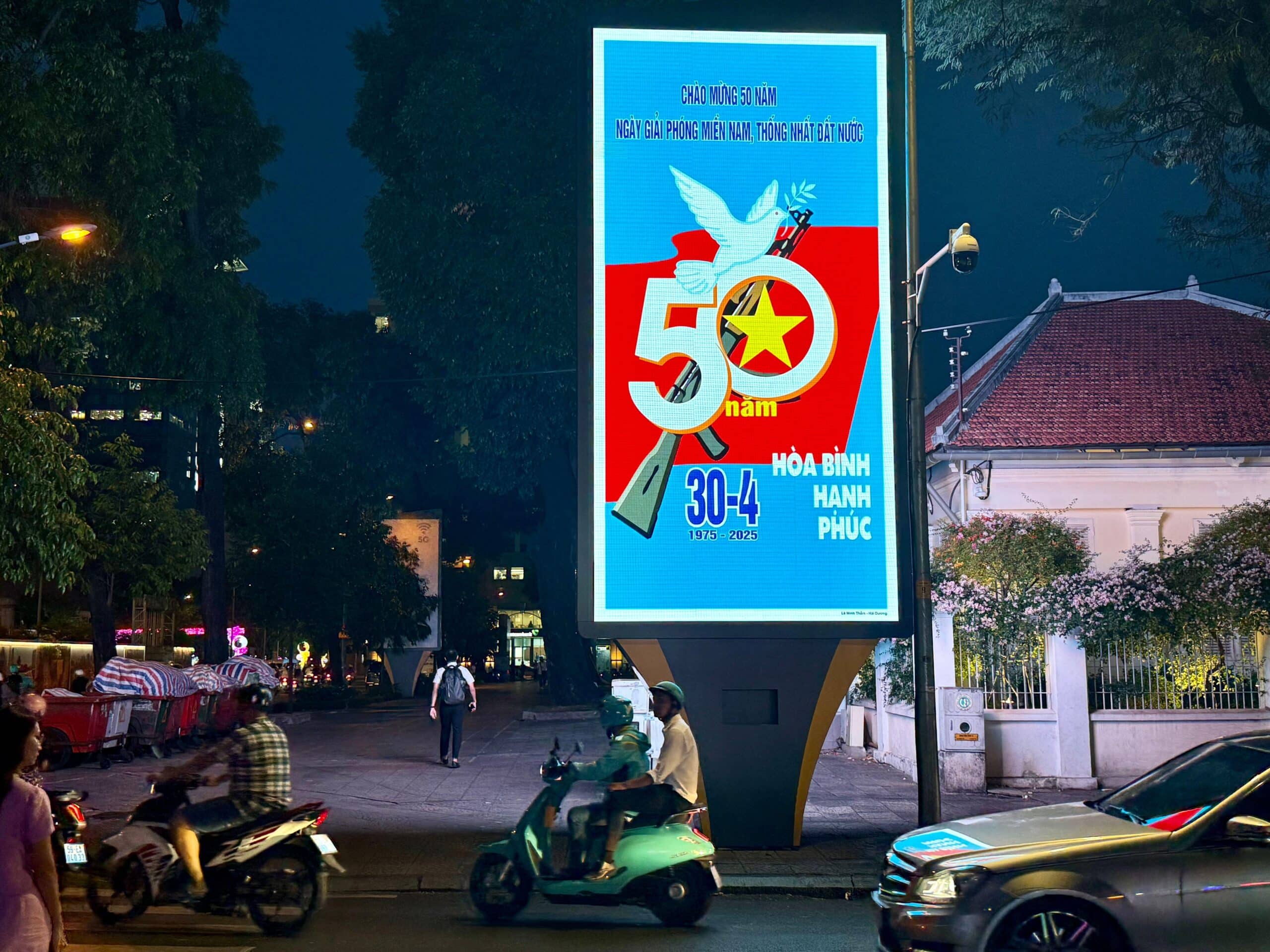
April 30 marks the end of the U.S. war in Vietnam — the capture by Vietnamese forces of Saigon in 1975.
Continue reading
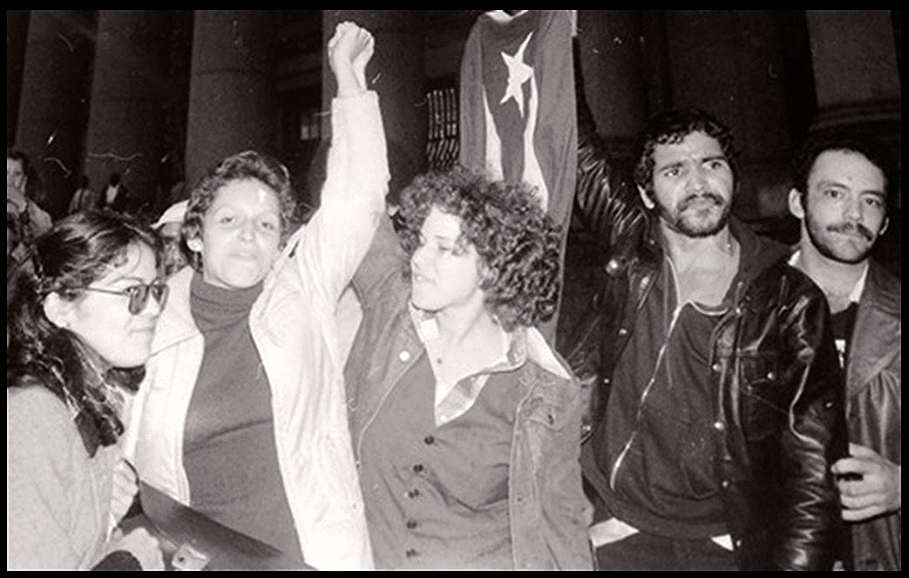
Puerto Rican nationalists and their supporters occupied the Statue of Liberty, hanging the Puerto Rican flag from Lady Liberty’s crown and demanding the release of five U.S.-held Puerto Rican political prisoners.
Continue reading
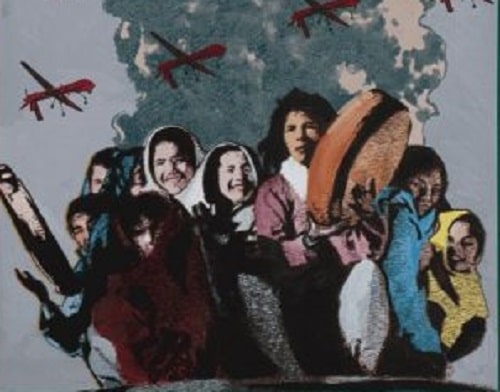
The United States and United Kingdom began the war in Afghanistan.
Continue reading
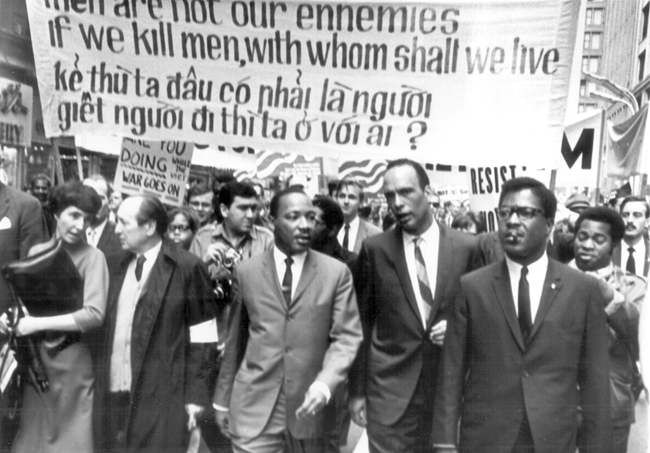
Teaching Activity. By Rev. Dr. Martin Luther King Jr. 3 pages.
Text of speech by Dr. Martin Luther King Jr. on the Vietnam War, followed by three teaching ideas.
Continue reading
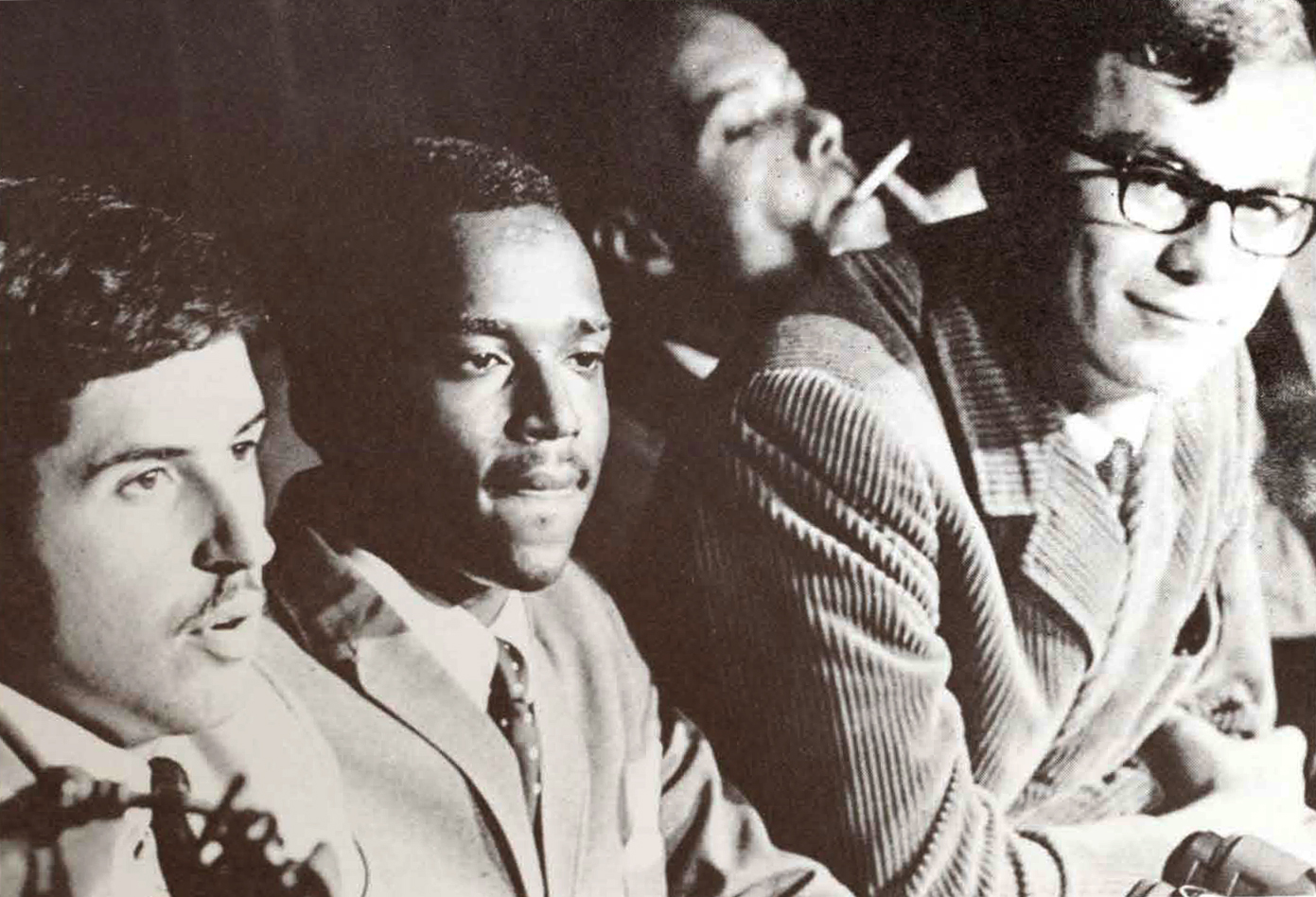
The Fort Hood Three issued a public statement about their refusal to be sent to Vietnam.
Continue reading
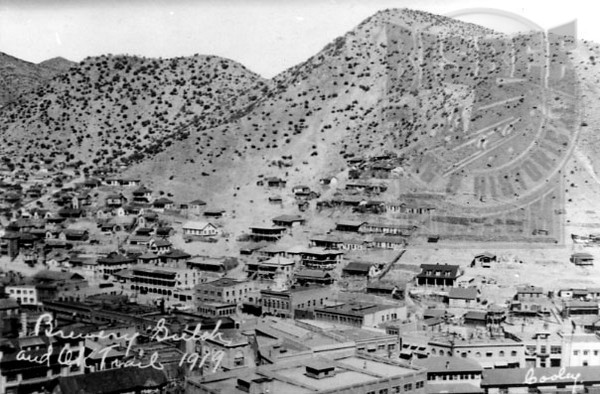
A battle between Black soldiers and the local white law enforcement who targeted them in Bisbee, Arizona during Red Summer.
Continue reading
The U.S. Civil War ended when the Confederate Army of Northern Virginia surrendered to U.S. General Ulysses S. Grant at Appomattox Court House in south-central Virginia.
Continue reading
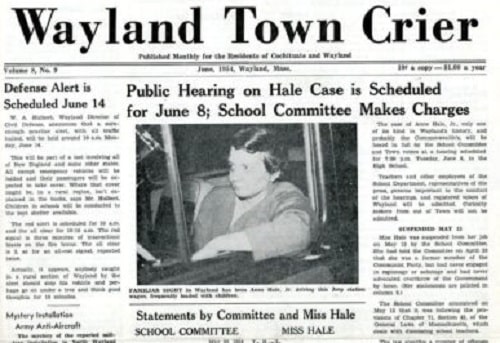
At the height of the anti-Communist Red Scare, Massachusetts second-grade teacher Anne P. Hale Jr. was removed from her position because of her prior membership in the Communist Party.
Continue reading
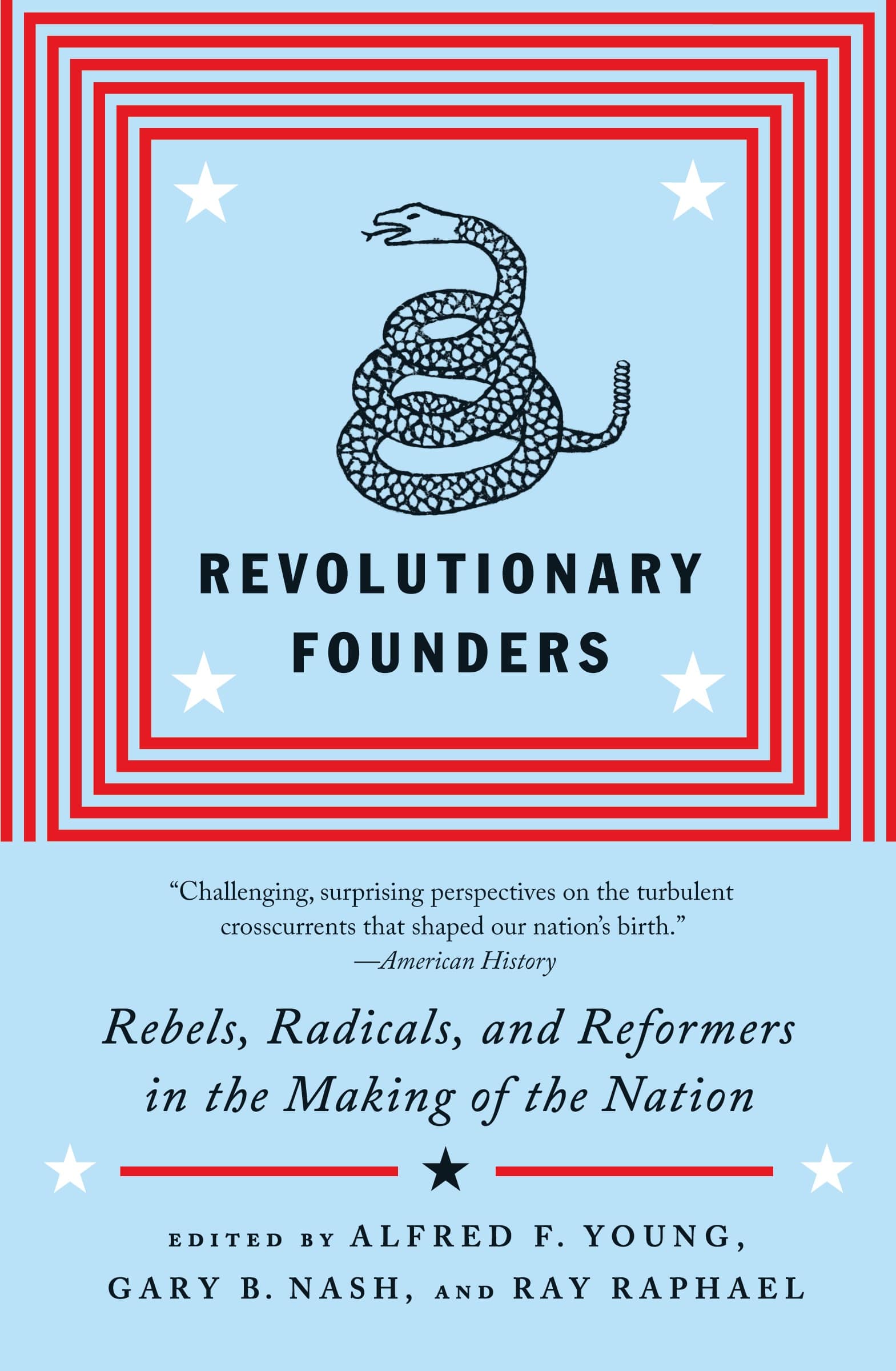
Book — Non-fiction. Edited by Alfred F. Young, Gary Nash, and Ray Raphael. 2012. 464 pages.
In twenty-two original essays, leading historians reveal the radical impulses at the founding of the American Republic.
Continue reading
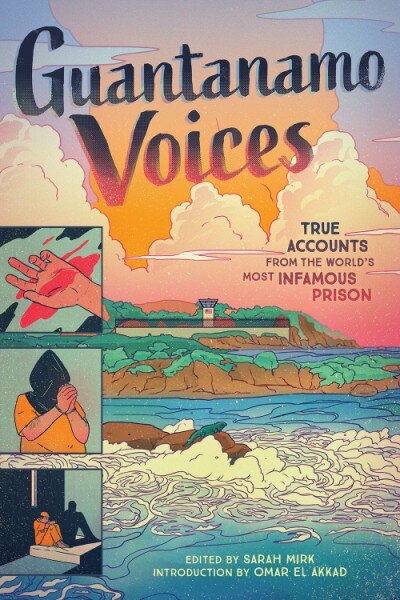
Book — Non-fiction. Edited by Sarah Mirk. 2020. 208 pages.
A graphic novel anthology of illustrated narratives about the prison and the lives it changed forever.
Continue reading
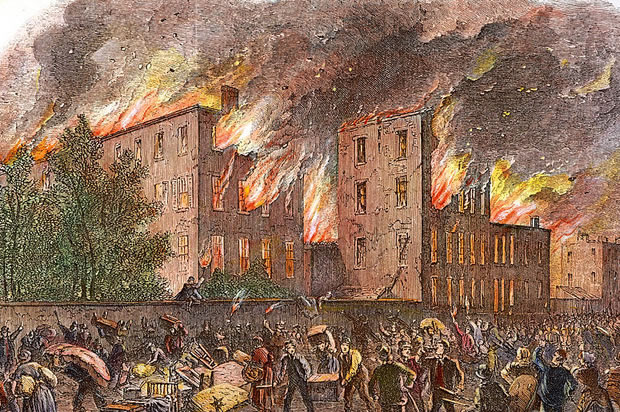
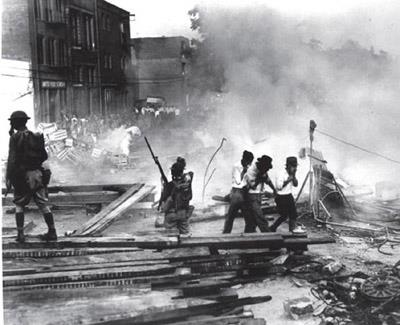
The New York City Draft Massacre (“Riots”) were the largest civil insurrection in U.S. history besides the Civil War itself. White mobs attacked the African American community — committing murder and burning homes and institutions (including an orphanage.)
Continue reading
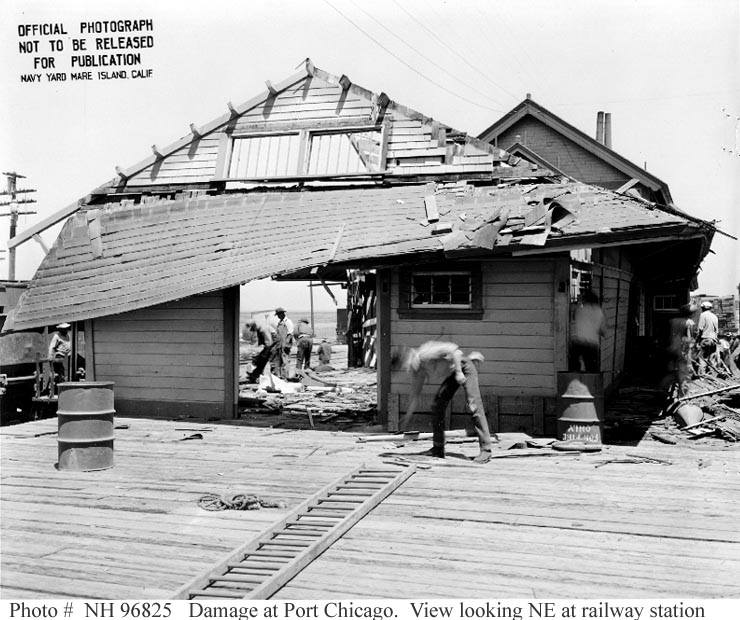
A deadly munitions explosion occurred at the Port Chicago Naval Magazine in Port Chicago, California. When the surviving African Americans sailors demanded safer conditions before returning to work, they faced court martial and jail.
Continue reading
During the No Gun Ri Massacre, the U.S. Army ordered that all Korean civilians traveling and moving around the country must be stopped.
Continue reading
The U.S. government attacked an encampment of Black and white WWI veterans with tanks, bayonets, and tear gas.
Continue reading
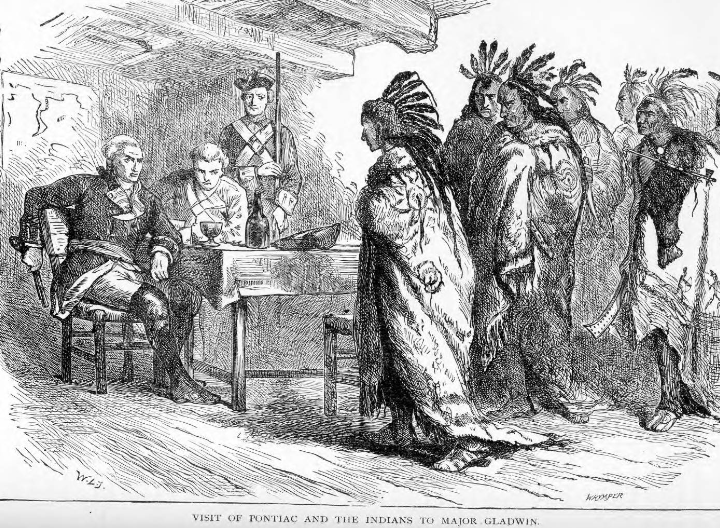
Fighting alongside Odawa Chief Pontiac, the unified Native warriors defeated 250 British soldiers during their siege at Fort Detroit during Pontiac’s War.
Continue reading
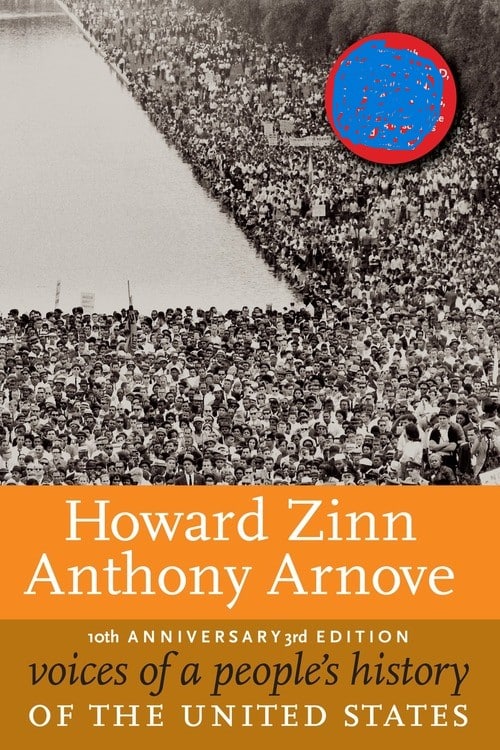
Book — Non-fiction. Edited by Howard Zinn and Anthony Arnove. 2014. 704 pages.
Speeches, letters, poems, and songs for each chapter of A People’s History of the United States.
Continue reading
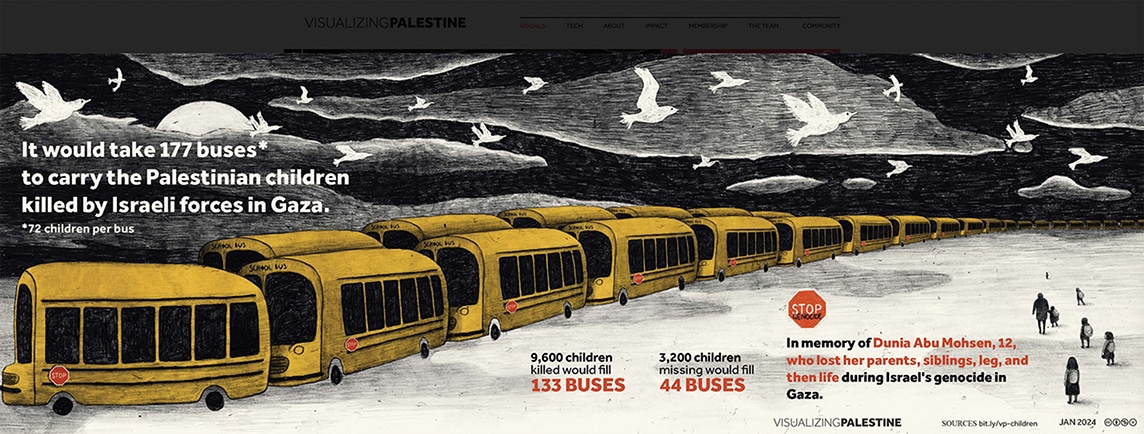
Digital collection. Provides graphic storytelling that can help students see Palestinian reality in new ways.
Continue reading
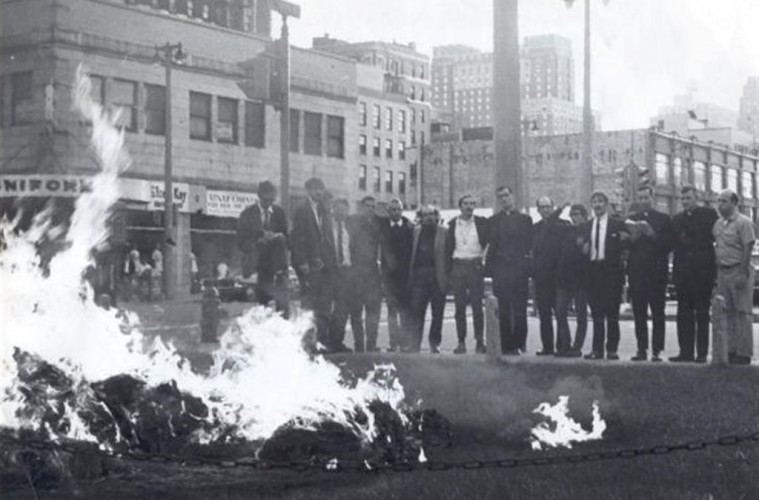
Fourteen people removed and burned 10,000 draft cards from the Milwaukee draft board.
Continue reading