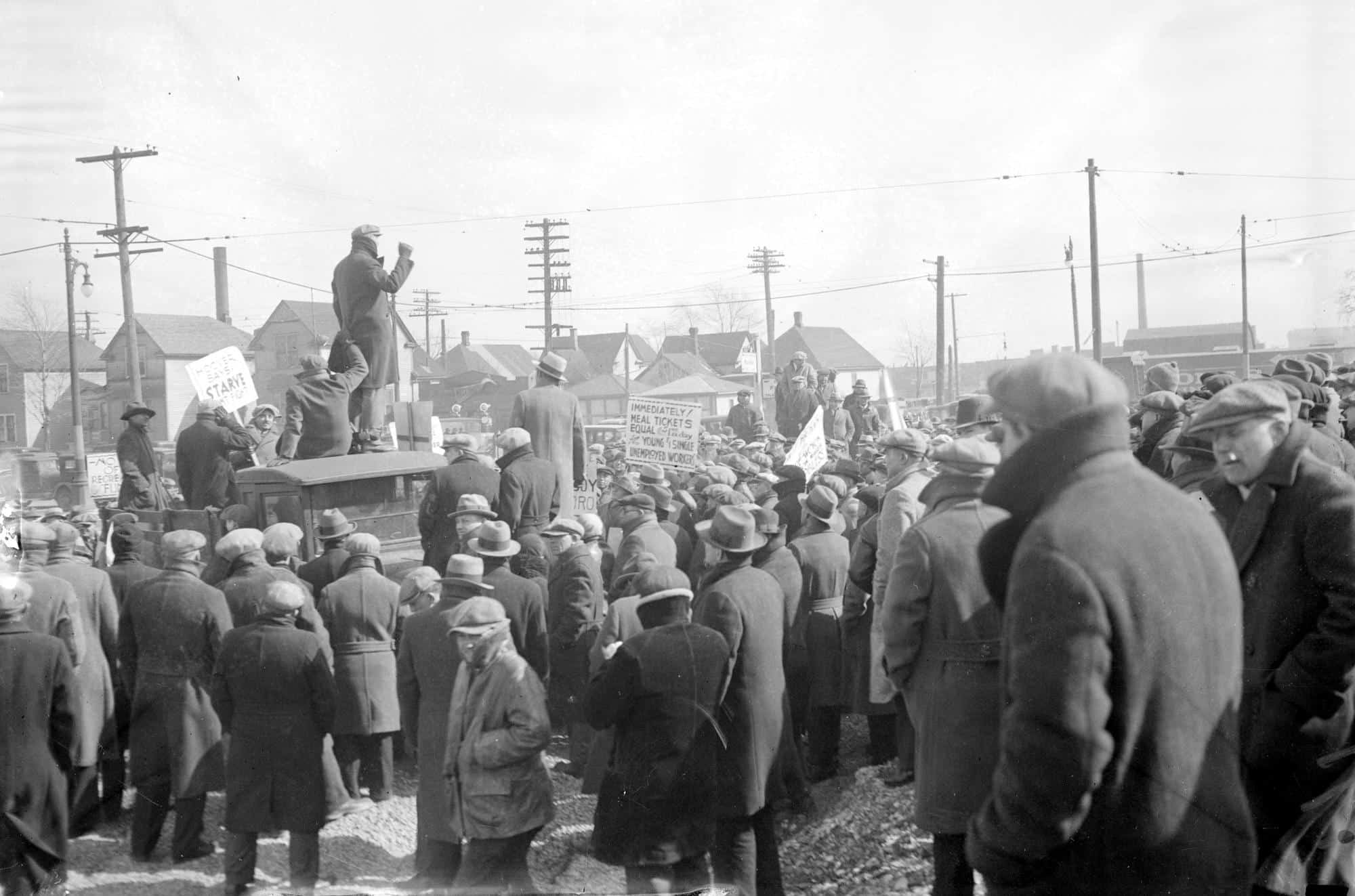
Starting in the spring of 1934, longshoremen across every port on the West Coast struck against the unfair hiring tactics that they experienced daily.
Continue reading
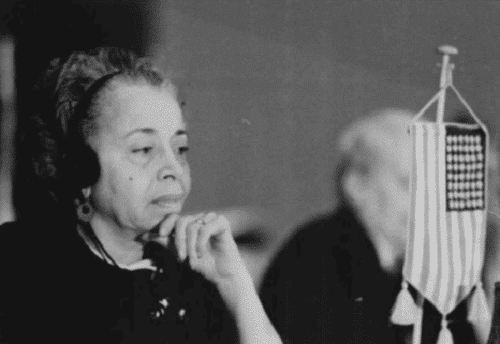
A decade before the March on Washington, a group of Black women known as the Sojourners for Truth and Justice gathered in Washington D.C. to advocate for their rights.
Continue reading
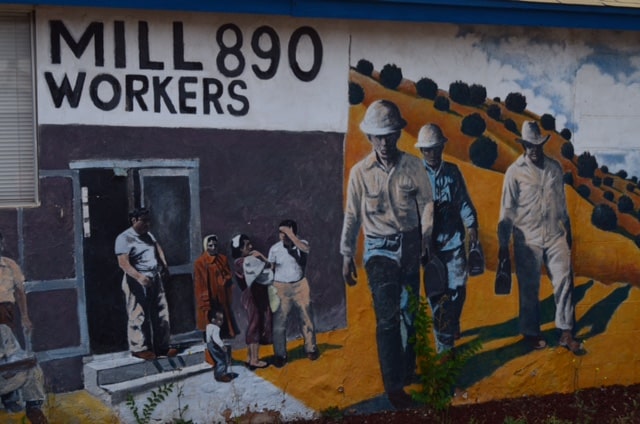
The local chapter of the International Union of Mine, Mill, and Smelter Workers went on strike to protest their segregated housing and unfair wages and living conditions.
Continue reading
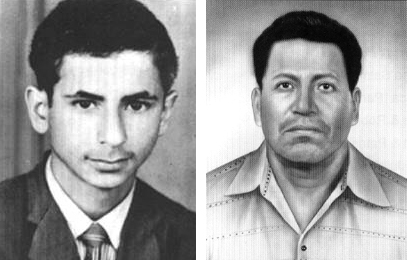
Two striking United Farm Workers (UFW) were killed on Aug. 15 and 17, 1973, while picketing.
Continue reading
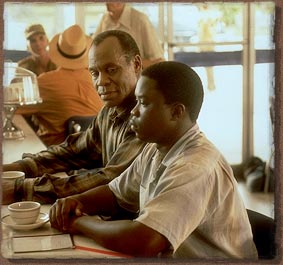
Film. By Phil Alden Robinson. 2006. 117 minutes.
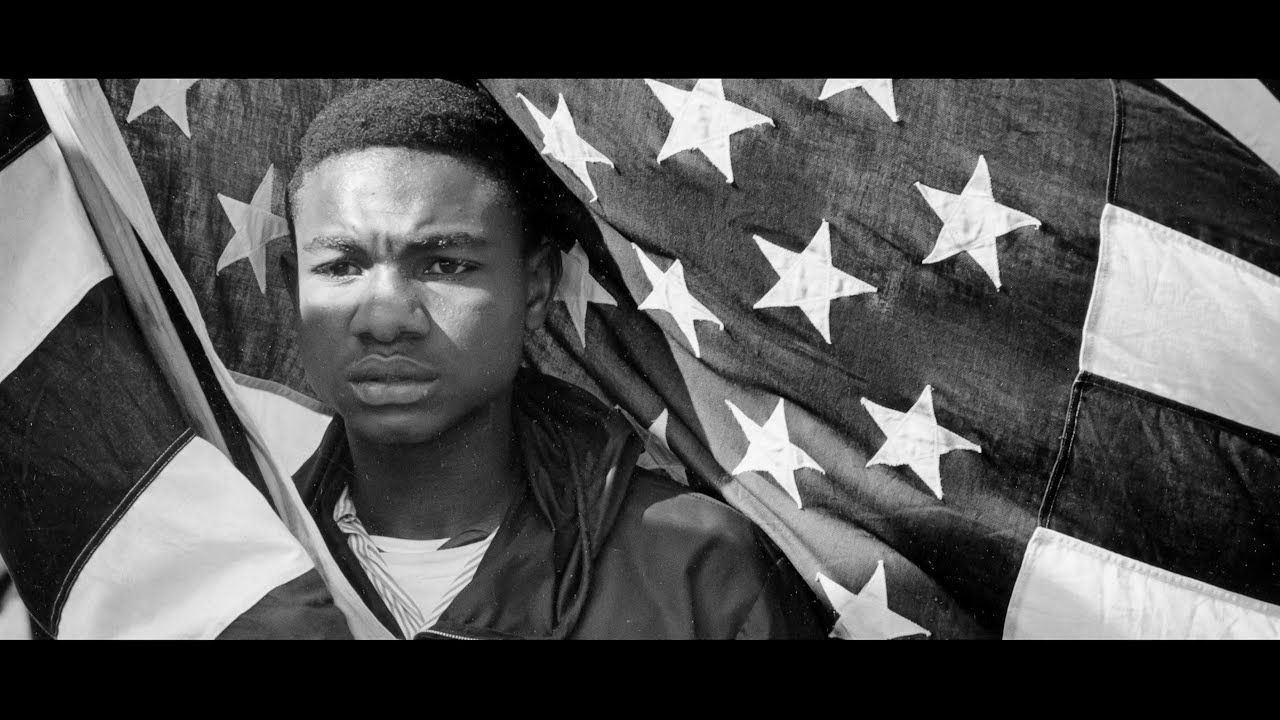
Based on the actual history of the Student Nonviolent Coordinating Committee (SNCC), student activism, and voter registration in McComb, Mississippi, during the Civil Rights Movement.
Continue reading
Forty African Americans, elected by communities in nine states, met in Philadelphia, Pennsylvania in 1830 to organize for improving the lives of Black people in North America. That week, they founded the National Colored Conventions movement and held its first official series of formal meetings.
Continue reading
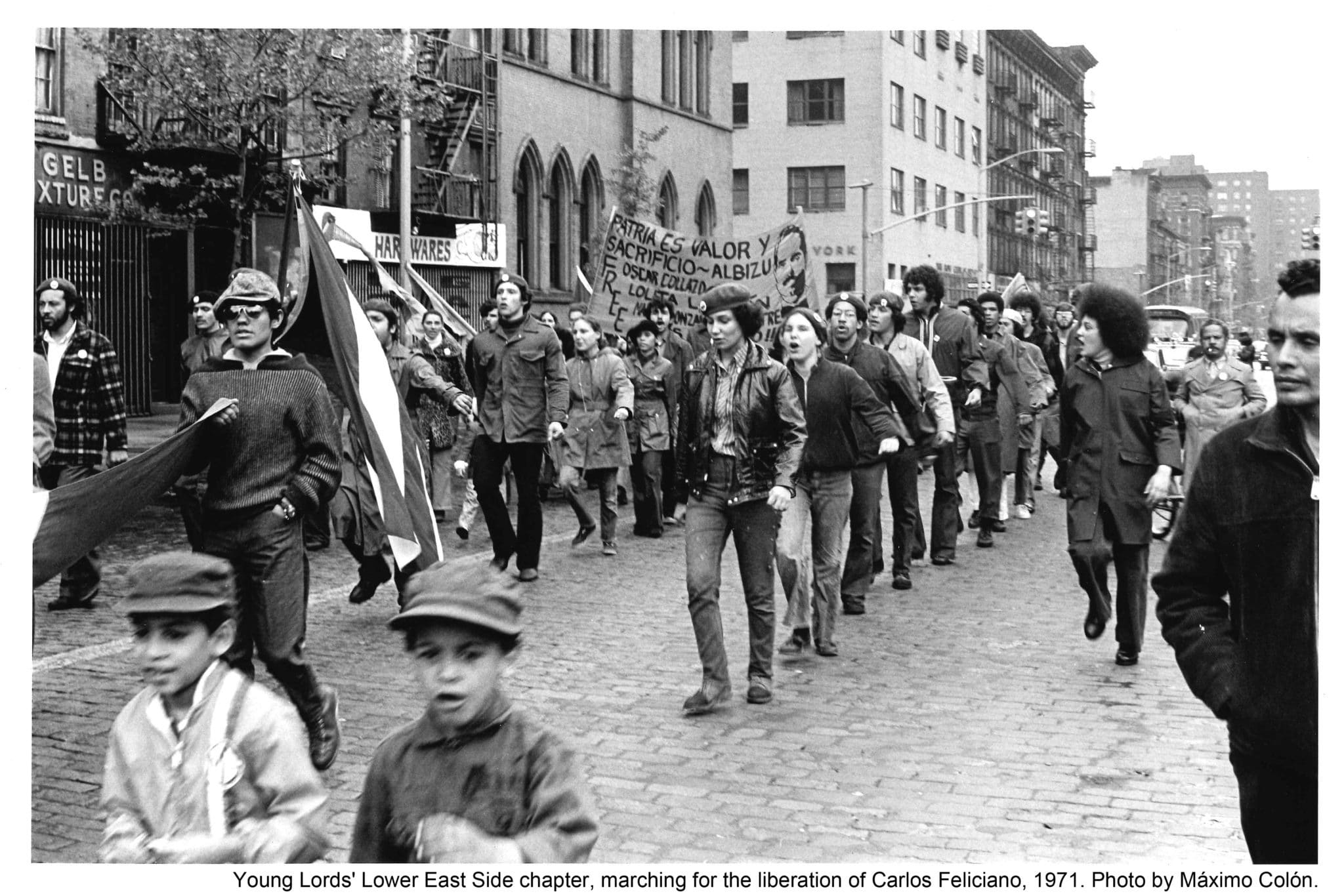
The Young Lords were established in Chicago, Illinois in 1968, led by a street activist named Cha Cha Jiménez, who organized the group to fight local gentrification, police brutality, and racism.
Continue reading
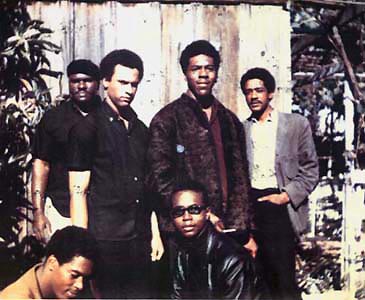
The Black Panther Party sought justice for African Americans and other oppressed communities through a combination of revolutionary theory, education, and community programs.
Continue reading
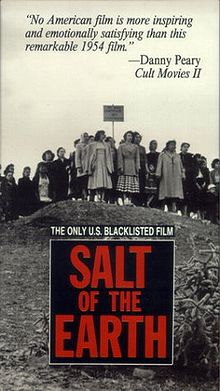
Film. By Herbert Biberman. 1954. 94 minutes.
This classic, powerful film about a miners strike in New Mexico can be used to teach about the intersection of class, race, national origin, and gender.
Continue reading
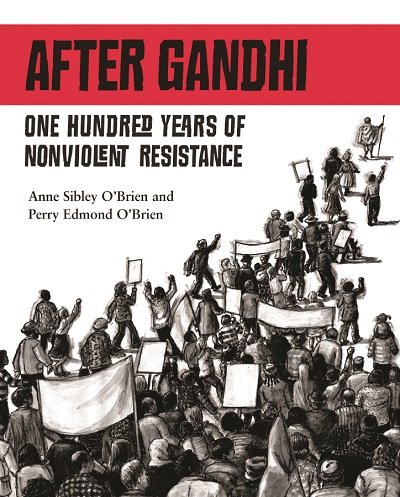
Book — Non-fiction. By Anne Sibley O'Brien and Perry Edmund O'Brien. 2009. 192 pages.
Stories about 15 activists who continue in the tradition of Gandhi, written and illustrated for upper elementary and middle school.
Continue reading
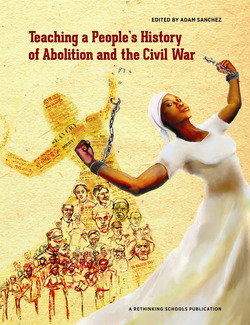
Teaching Guide. Edited by Adam Sanchez. 2019. Rethinking Schools. 181 pages.
Students will discover the real abolition story, one about some of the most significant grassroots social movements in U.S. history.
Continue reading
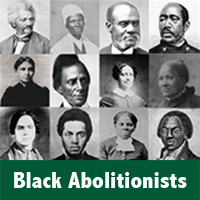
Teaching Activity. By Adam Sanchez, Brady Bennon, Deb Delman, and Jessica Lovaas.
This mixer role play introduces students to the stories of famous and lesser-known abolitionists, through biography and investigation.
Continue reading
Teaching Activity. By Doug Sherman. Rethinking Schools. 4 pages.
The author describes how he uses biographies and film to introduce students to the role of people involved in the Civil Rights Movement beyond the familiar heroes. He emphasizes the role and experiences of young people in the Movement.
Continue reading
Radical abolitionists organized to liberate kidnapped Black New Yorkers and fight racist police violence in the decades after New York abolished slavery.
Continue reading
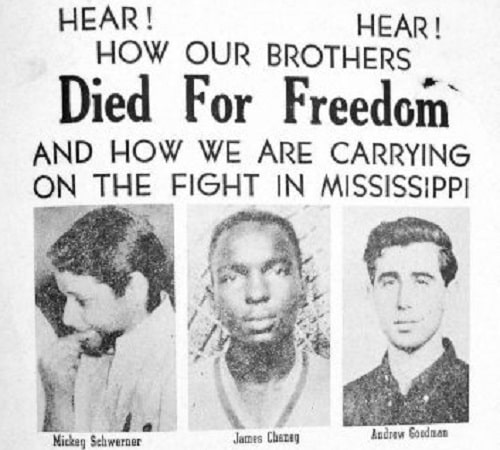
James Chaney, Michael Schwerner, and Andrew Goodman were tortured and murdered by the Ku Klux Klan in Neshoba County, Mississippi.
Continue reading
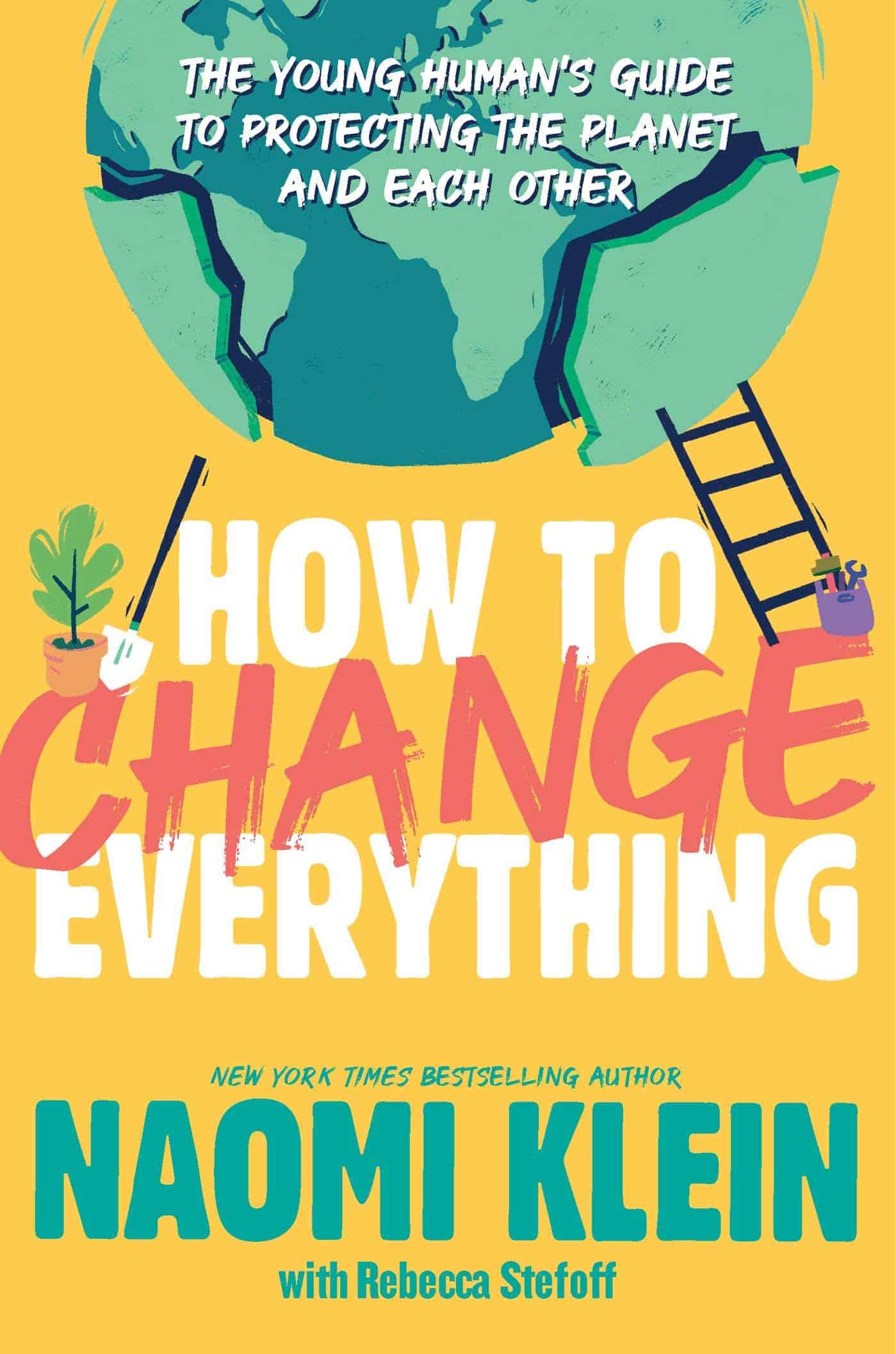
Book — Non-fiction. By Naomi Klein and Rebecca Stefoff. 2021.
Young leaders are showing the world that this moment of increasingly dangerous climate change is also a moment of great opportunity — an opportunity to change everything for the better.
Continue reading
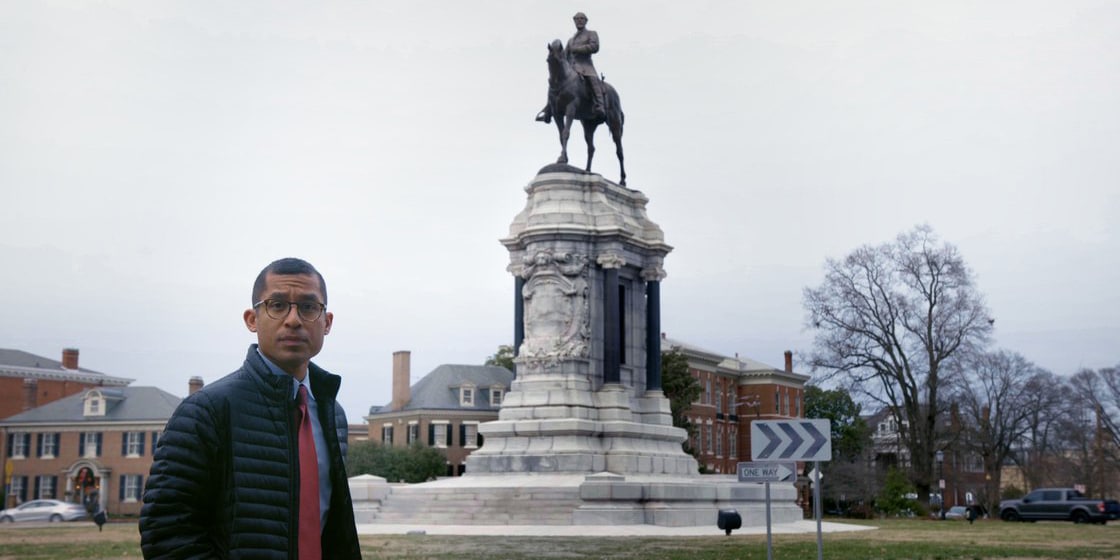
Film. Directed by C. J. Hunt. 2021. 82 minutes.
A co-production of POV and ITVS, in association with the Center for Asian American Media. A student-friendly documentary on the fight over Confederate monuments and the Lost Cause narrative.
Continue reading
Film. National Park Service. 2020. 23 minutes.
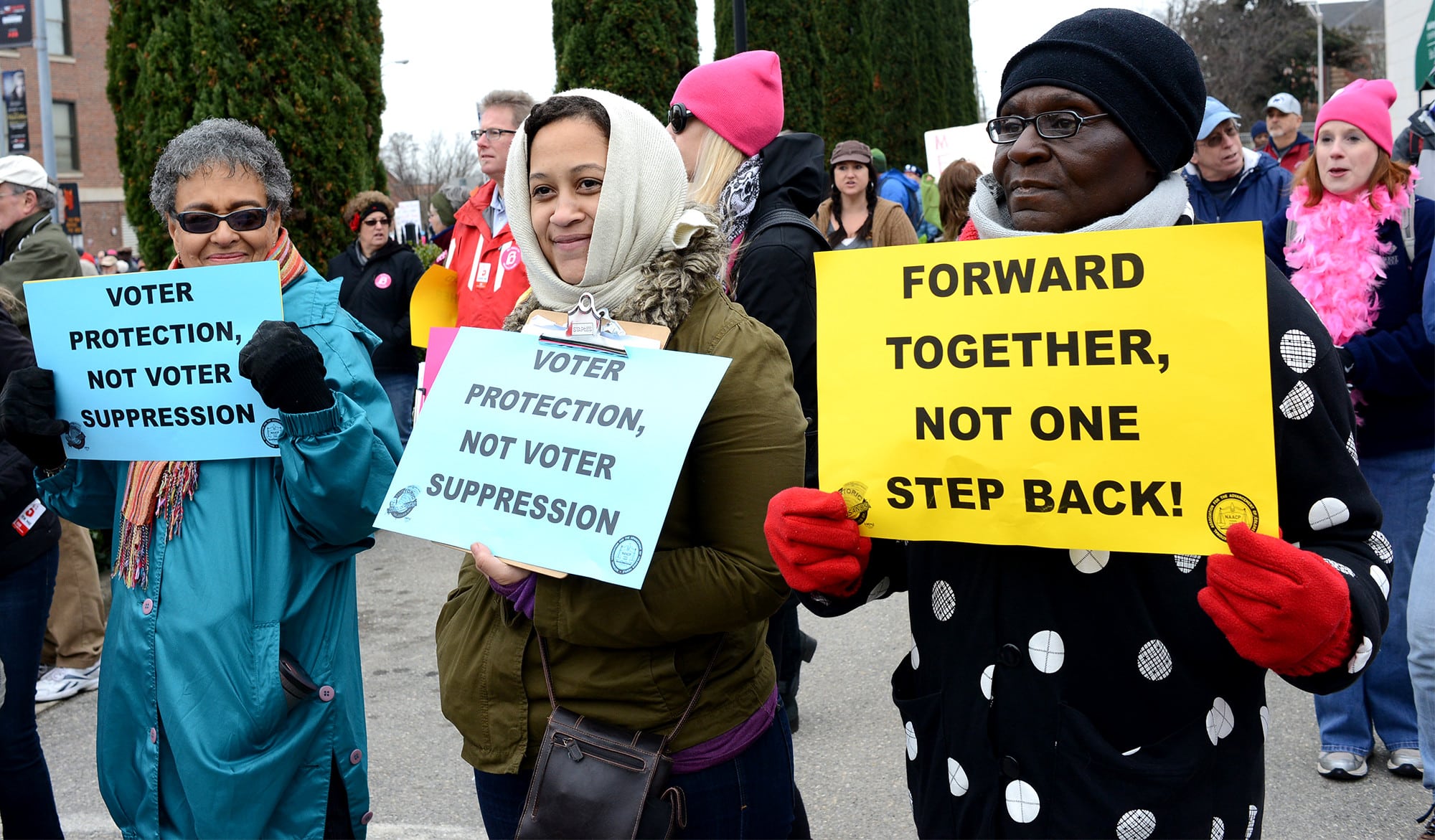
Documentary about the role of young people in the voting rights movement in Alabama in the 1960s.
Continue reading
In 2021, two new Democratic lawmakers from Georgia were elected to the U.S. Senate, one of whom is only the 11th African American senator in U.S. history.
Continue reading
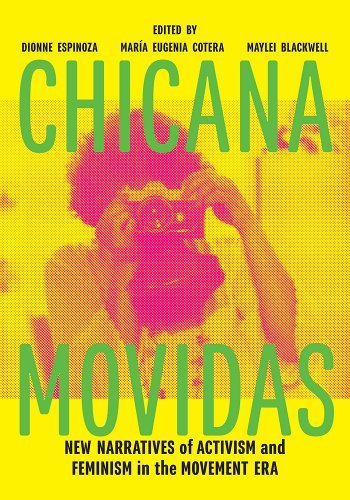
Book — Non-fiction. Edited by Cotera, Espinoza, and Blackwell. 2018. 488 pages.
This anthology focuses on Chicana organizing, activism, and leadership and the intellectual and political legacies of early Chicana feminism.
Teaching Activity by Edited by María Eugenia Cotera, Dionne Espinoza, and Maylei Blackwell
Continue reading
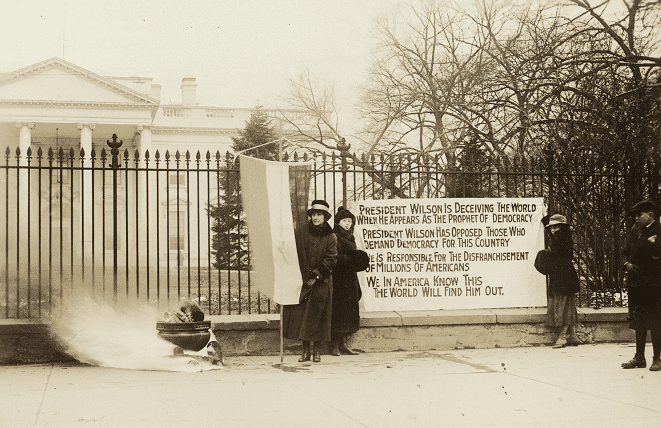
In one of the more spectacular demonstrations for women's voting rights, the National Woman’s Party burned President Woodrow Wilson in effigy in front of the White House during the campaign for the 19th Amendment.
Continue reading
Book — Non-fiction. Edited by Peter Cole. 2021. 352 pages.
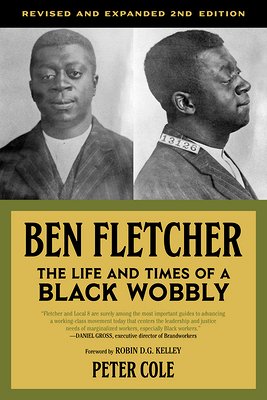
This biography details the life of Black IWW organizer Ben Fletcher and the working class struggles he took part in.
Teaching Activity by Peter Cole (editor)
Continue reading