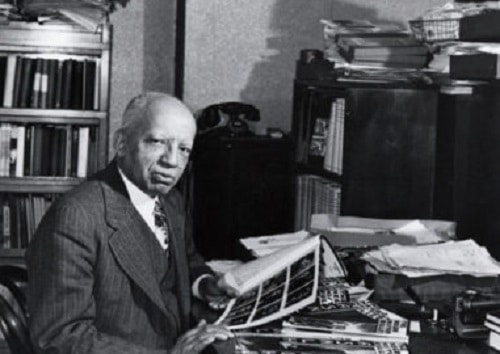
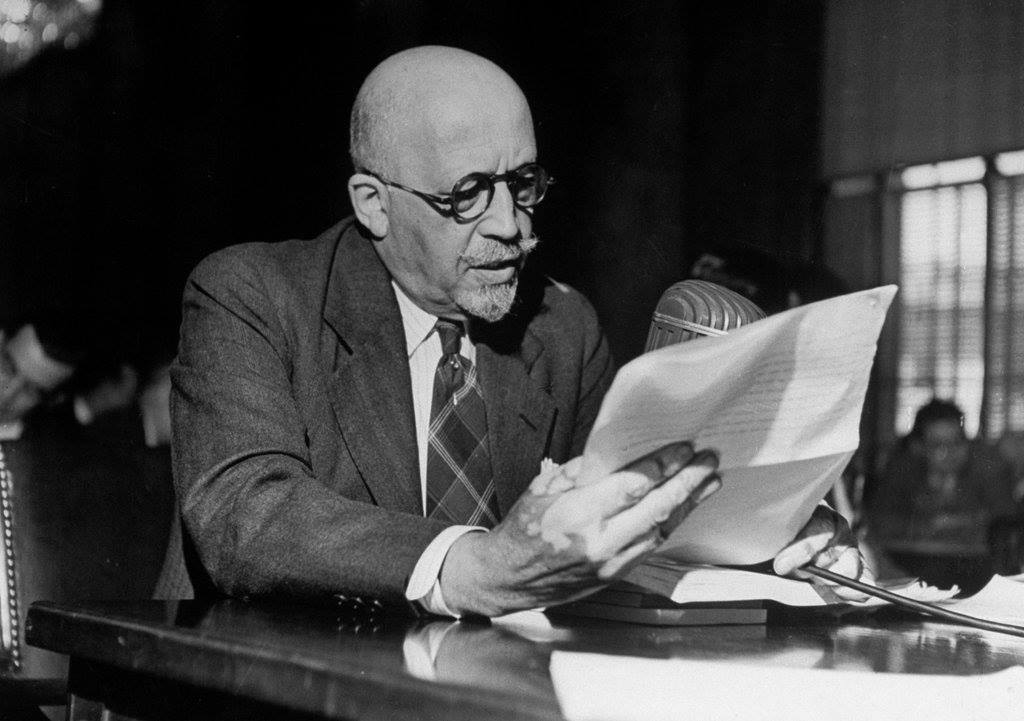
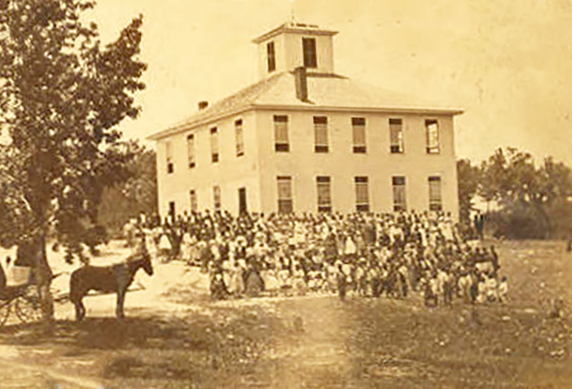
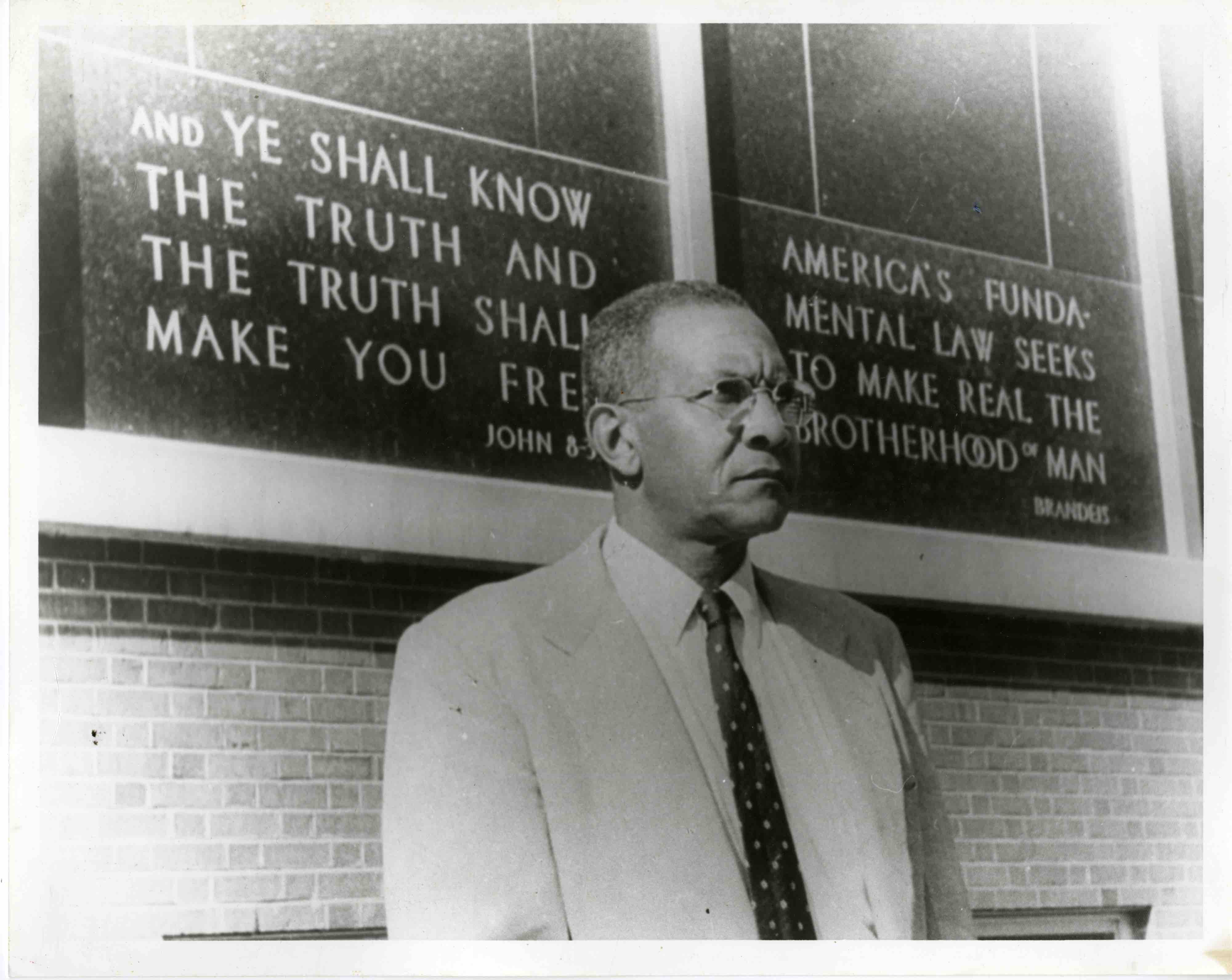
ASALH was established by Carter G. Woodson and Jesse E. Moorland.
Continue reading
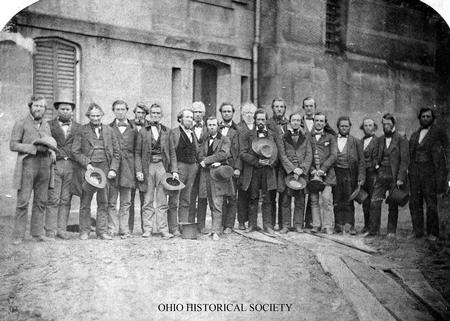
Eighteen-year-old John Price was arrested by a federal marshal in Oberlin, Ohio under the Fugitive Slave Act of 1850.
Continue reading
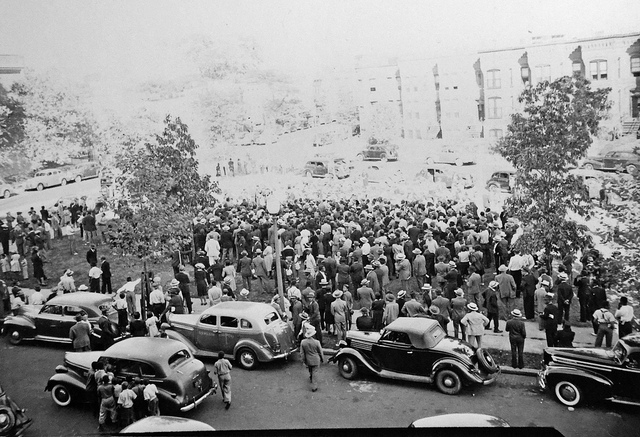
Following years of organizing against police brutality, four marches from different points in the city of Washington, D.C. converged at 10th and U Streets NW.
Continue reading
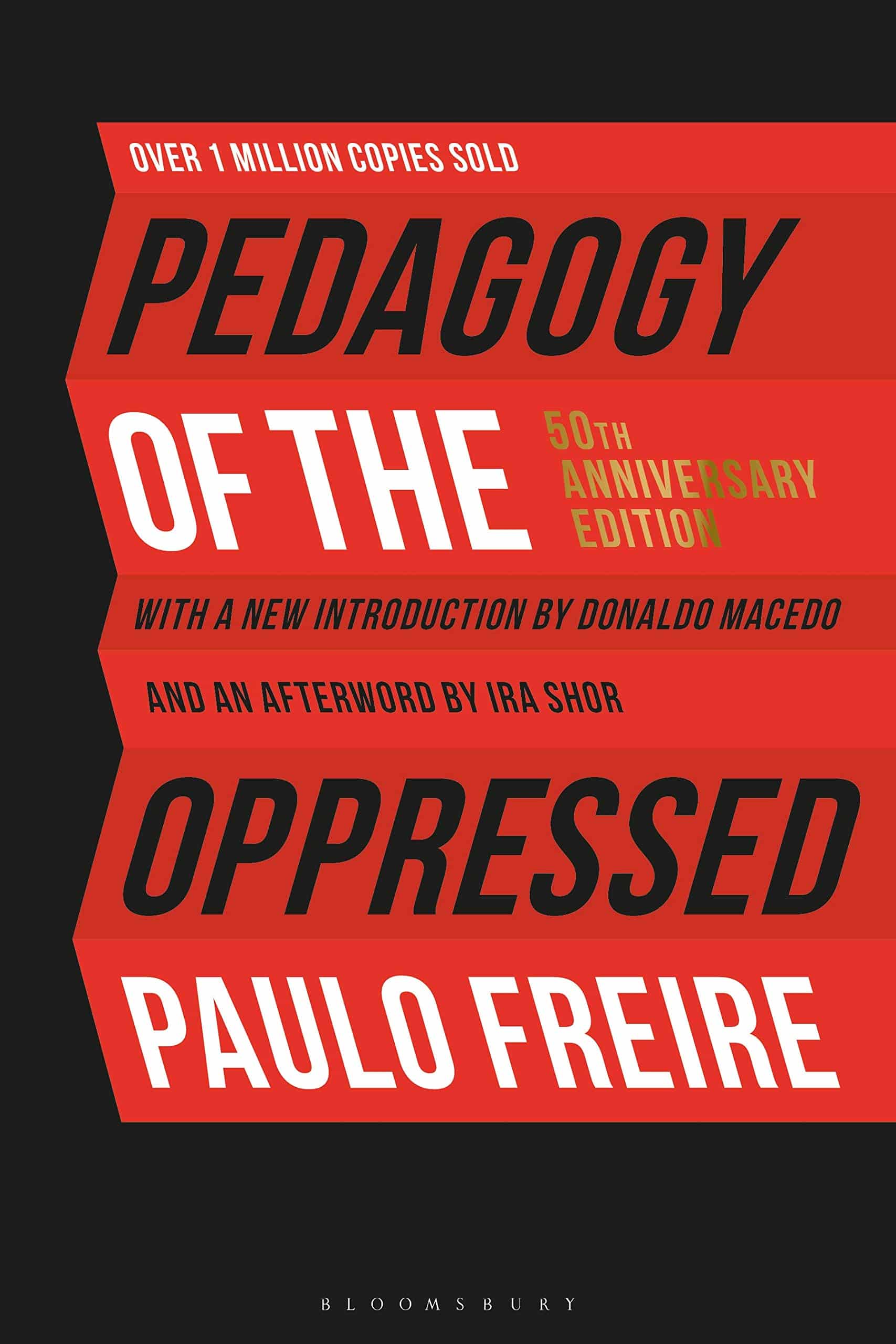
Book — Non-fiction. By Paulo Freire. 1968; republished in 2000, 2018. 192 pages.
Classic text on critical pedagogy.
Continue reading
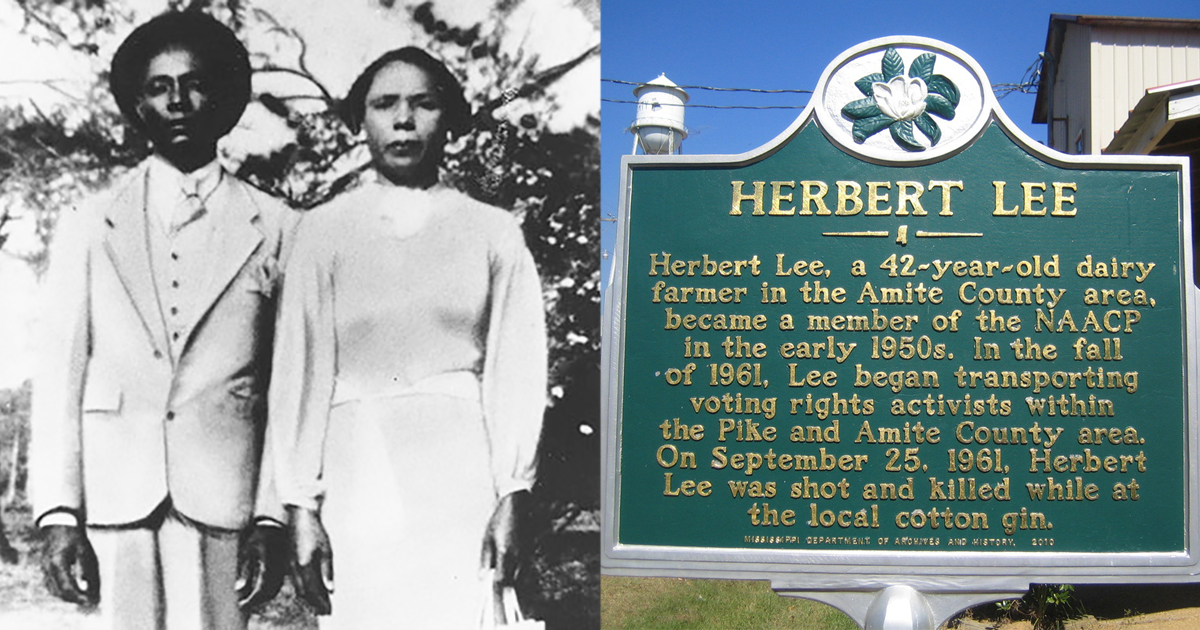
Herbert Lee, a farmer who helped voting rights activists, was murdered by a Mississippi state legislator in broad daylight.
Continue reading
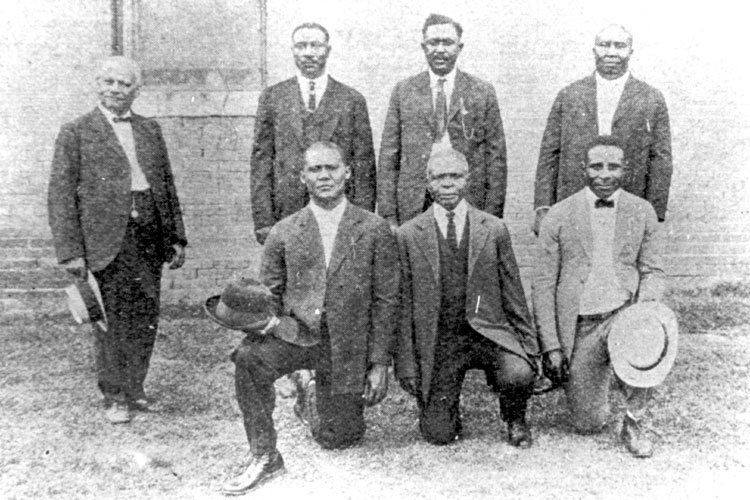
Black farmers were massacred in Elaine, Arkansas for their efforts to fight for better pay and higher cotton prices. A white mob shot at them, and the farmers returned fire in self-defense. Estimates range from 100-800 killed, and 67 survivors were indicted for inciting violence.
Continue reading
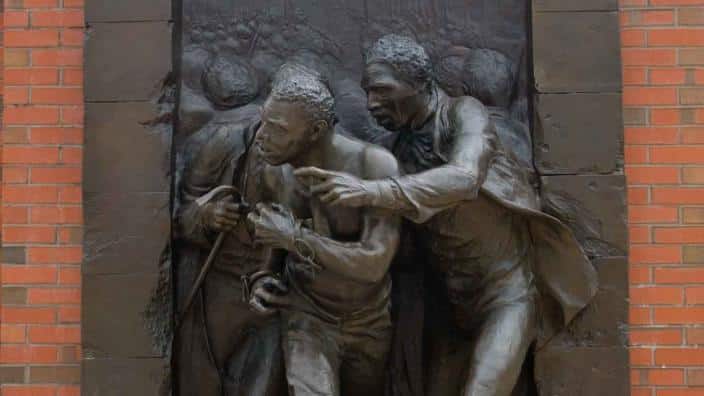
Abolitionists freed a man captured under the Fugitive Slave Act of 1850 in Syracuse, New York.
Continue reading
Film clip. Voices of a People's History.
Dramatic reading of Cindy Sheehan's speech "It's Time the Antiwar Choir Started Singing" (2005) is read by Marisa Tomei and Staceyann Chin.
Continue reading
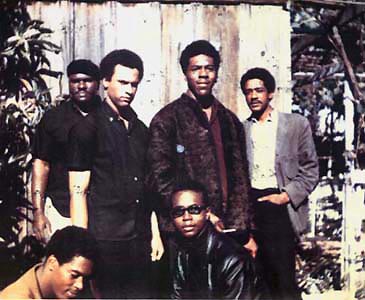
The Black Panther Party sought justice for African Americans and other oppressed communities through a combination of revolutionary theory, education, and community programs.
Continue reading
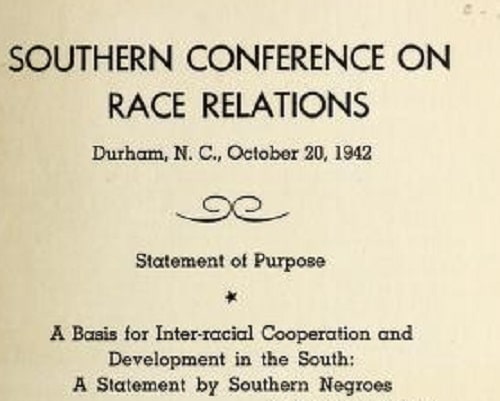
The Southern Conference on Race Relations (SCRR) was held in Durham, North Carolina to address dichotomy between African American soldiers fighting overseas in the name of democracy while in the U.S. they were facing racial violence and being denied basic human rights.
Continue reading
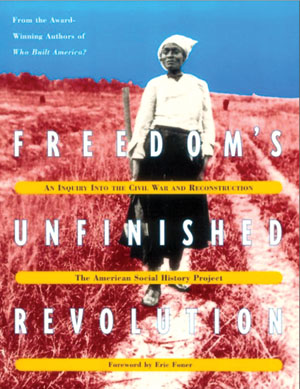
Teaching Guide. By American Social History Project with foreword by Eric Foner. 1996.
Primary documents, essays, and questions to teach the untold story of Reconstruction.
Continue reading
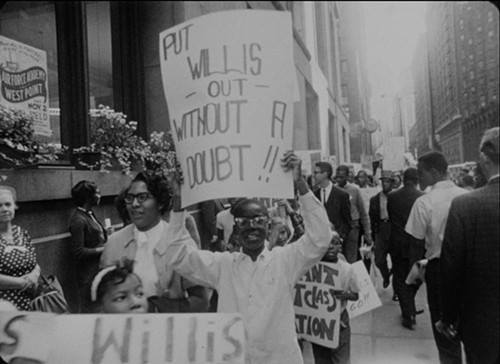
The Chicago Public School Boycott, also known as Freedom Day, was a mass boycott and demonstration against the segregationist policies.
Continue reading
The NAACP sent to the U.N. a document titled “An Appeal to the World,” to redress human rights violations the United States committed against its African-American citizens.
Continue reading
Teaching Activity. By Bob Peterson. Rethinking Schools. 14 pages.
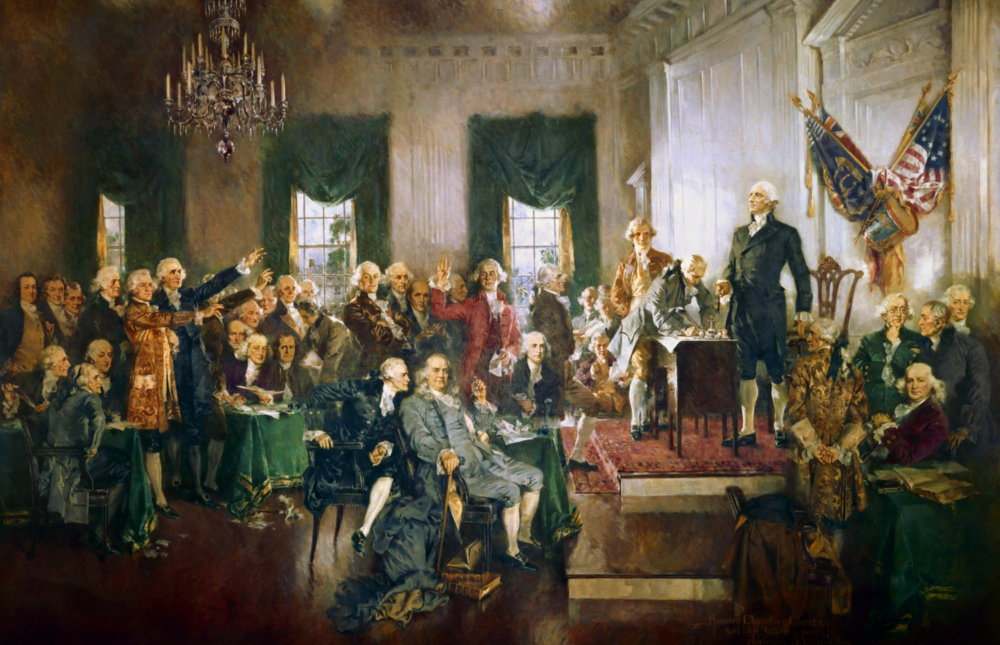
A role play on the Constitutional Convention which brings to life the social forces active during and immediately following the American Revolution with focus on two key topics: suffrage and slavery. An elementary school adaptation of the Constitution Role Play by Bill Bigelow. Roles available in Spanish.
Teaching Activity by Bob Peterson
Continue reading
Teaching Activity. By Bill Bigelow. 24 pages.
The U.S. Constitution endorsed slavery and favored the interests of the owning classes. What kind of Constitution would have resulted from founders who were representative of the entire country? That is the question addressed in this role play activity.
Continue reading
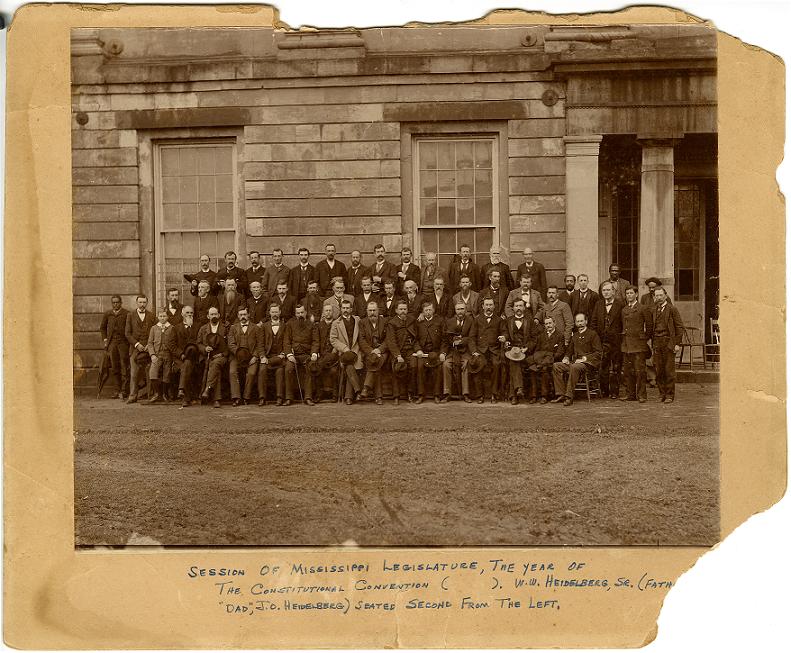
Mississippi adopted a state constitution with poll tax and literacy tests to roll back the gains of the Reconstruction era.
Continue reading
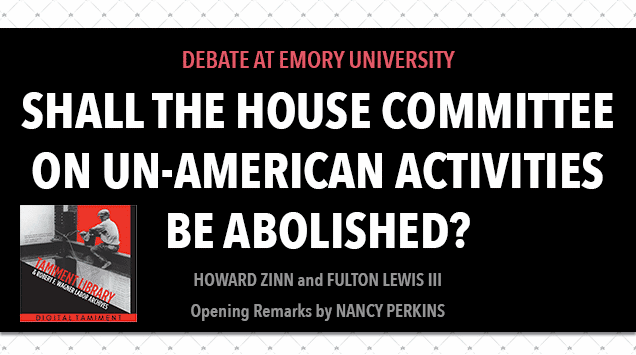
Howard Zinn debated Fulton Lewis III, a journalist and member of the House Un-American Activities Committee, on the question of “Shall the House Committee on Un-American Activities Be Abolished?”
Continue reading
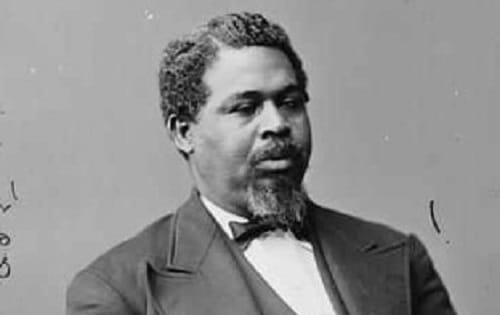
Robert Smalls was elected to Congress from South Carolina during Reconstruction.
Continue reading
Delegates gathered in Montgomery, Alabama, to draft a new state constitution during Reconstruction.
Continue reading
SCOTUS ruled 9-0 that redrawing city boundaries in Tuskegee, Alabama to exclude African-American voters violates the 15th Amendment.
Continue reading
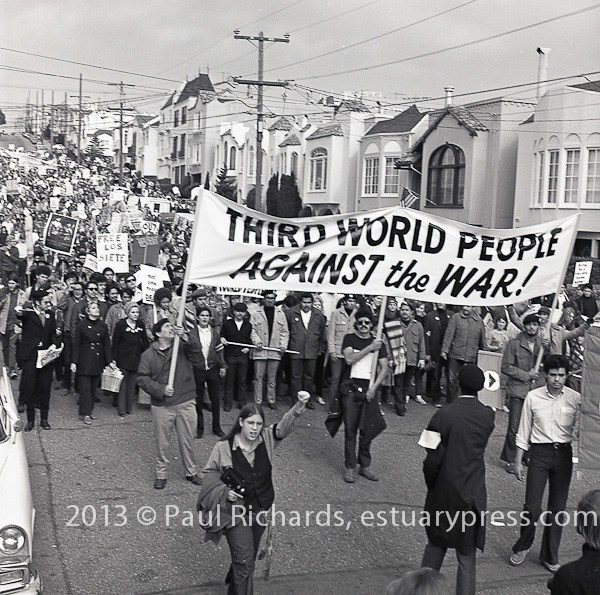
The second anti-war Moratorium occurred with over 500,000 marching in Washington, D.C. and demonstrations throughout the country and the world.
Continue reading
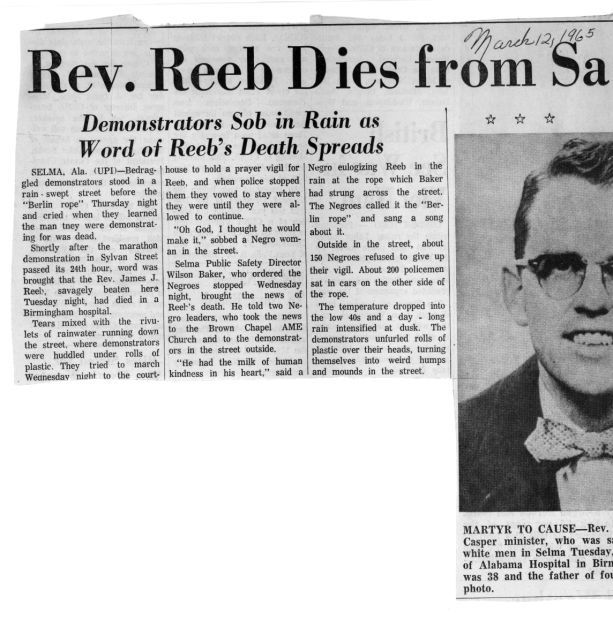
Rev. James Reeb died as a result of being severely beaten by a group of white men during Bloody Sunday in Selma two days earlier.
Continue reading
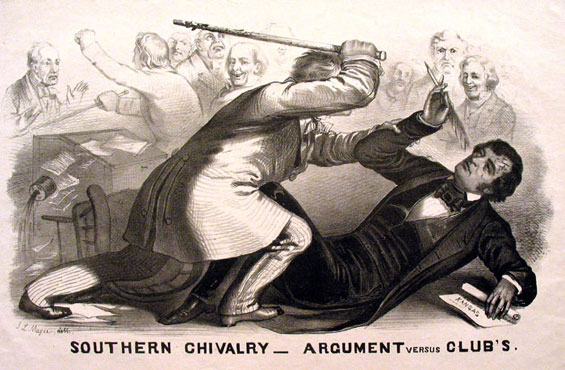
Charles Sumner delivered a speech denouncing slavery and the need for Kansas to become a free state.
Continue reading
Podcast. Written and hosted by Kidada E. Williams. 2021.
A Black history podcast tells stories "drawn from archives of voices from American history that have been muted time and time again."
Continue reading
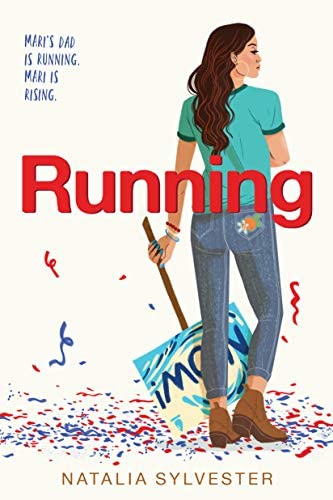
Book — Fiction. By Natalia Sylvester. 2020. 328 pages.
A story that celebrates young people who find themselves as they come to political consciousness and commitment.
Continue reading