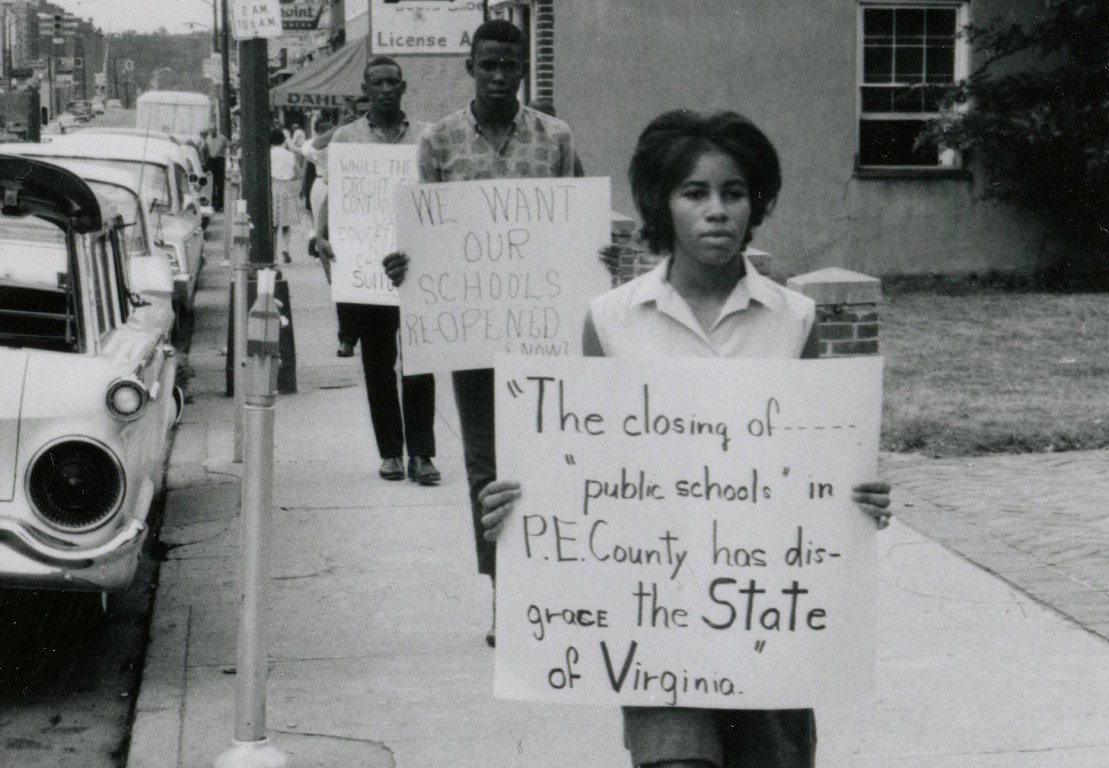
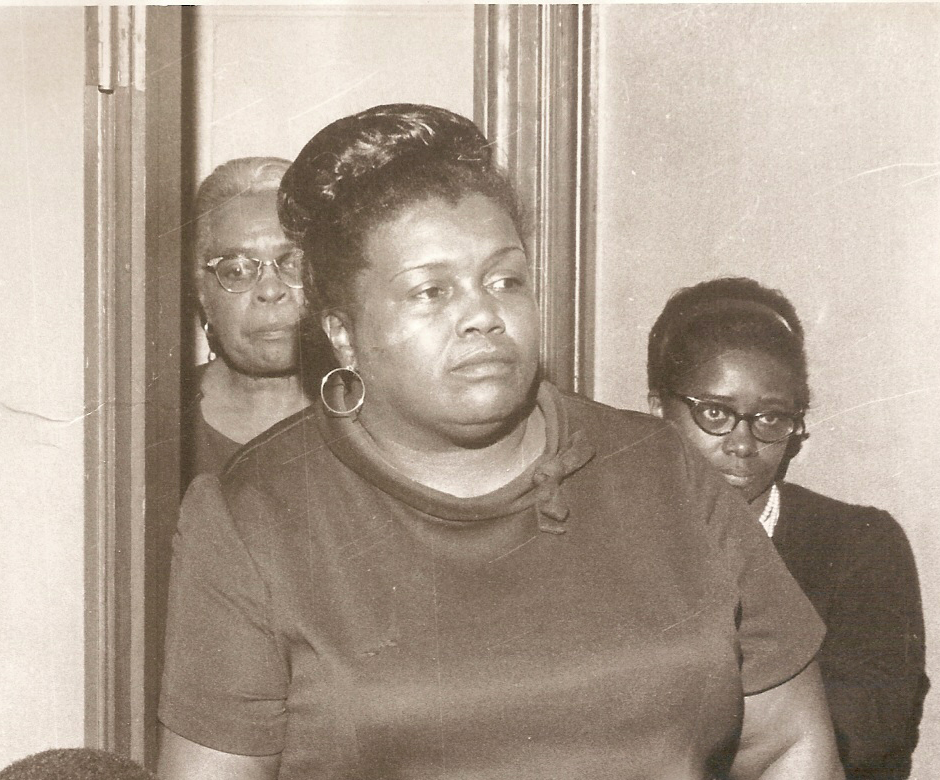
Rather than desegregate, the Prince Edward County, Virginia Board of Supervisors refused to appropriate money from the County School Board to the public schools.
Continue reading
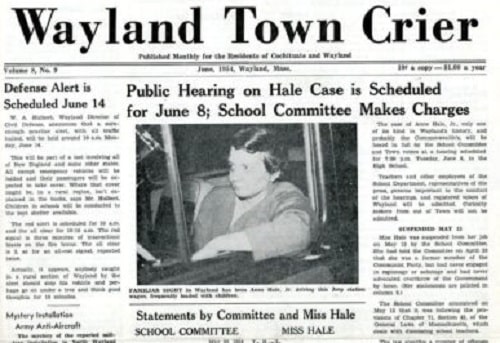
At the height of the anti-Communist Red Scare, Massachusetts second-grade teacher Anne P. Hale Jr. was removed from her position because of her prior membership in the Communist Party.
Continue reading
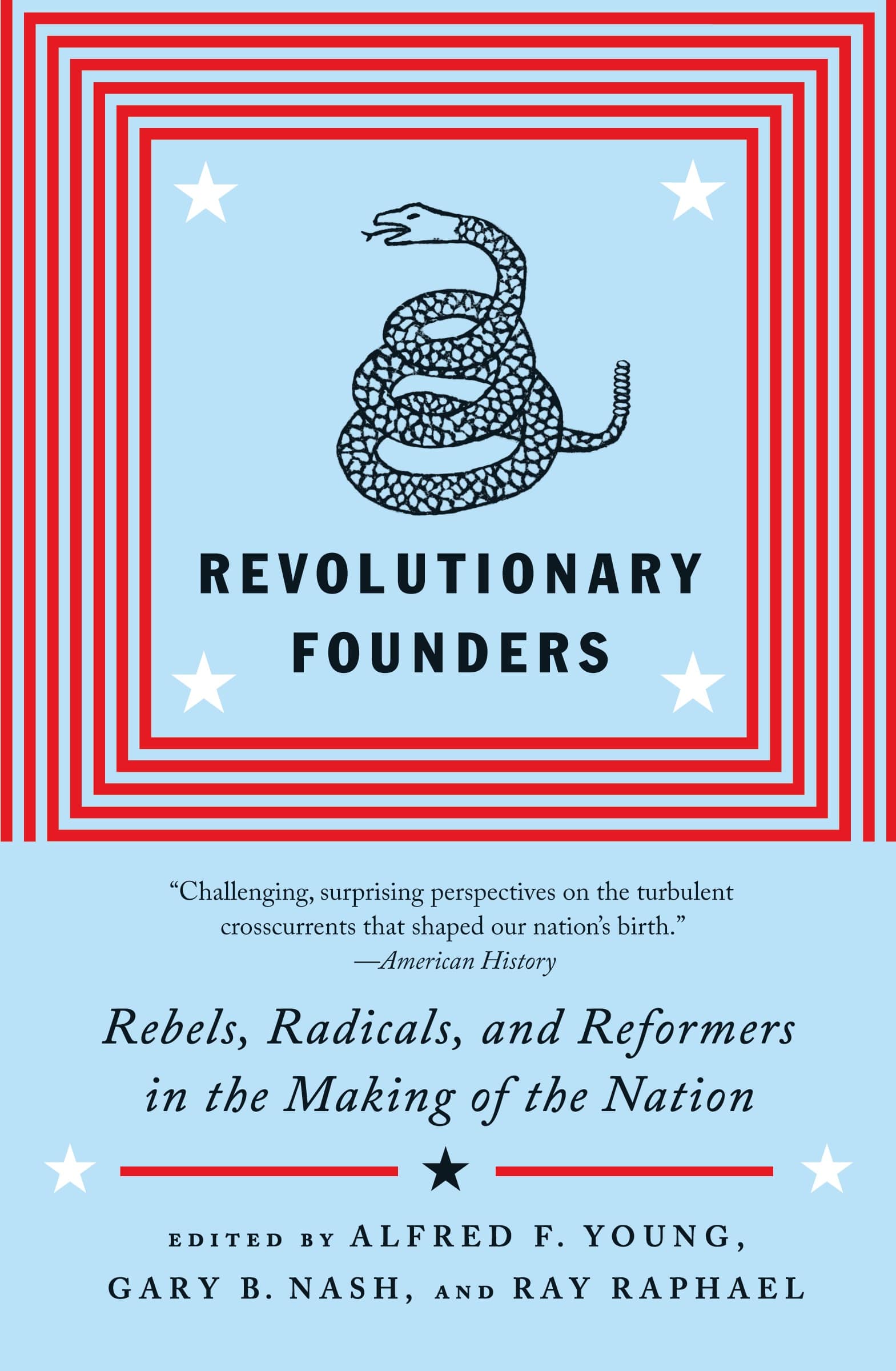
Book — Non-fiction. Edited by Alfred F. Young, Gary Nash, and Ray Raphael. 2012. 464 pages.
In twenty-two original essays, leading historians reveal the radical impulses at the founding of the American Republic.
Continue reading
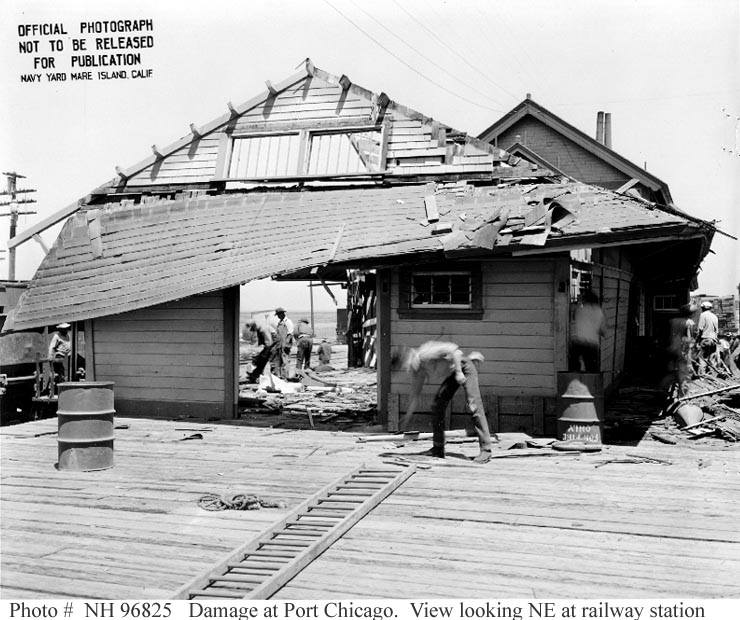
A deadly munitions explosion occurred at the Port Chicago Naval Magazine in Port Chicago, California. When the surviving African Americans sailors demanded safer conditions before returning to work, they faced court martial and jail.
Continue reading
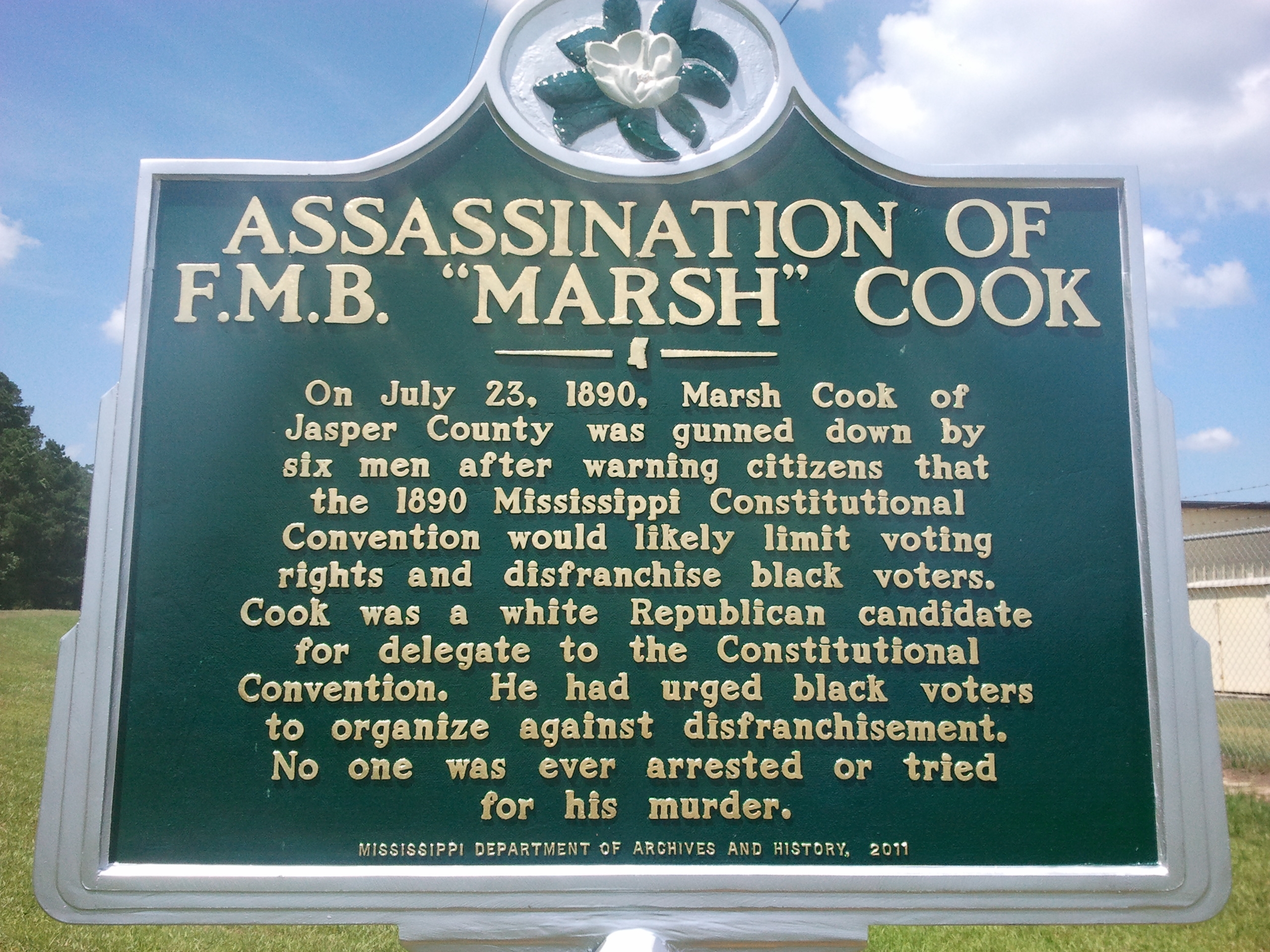
F. M. B. “Marsh” Cook, a white man, was killed for standing up against the white supremacist 1890 Mississippi Constitutional Convention.
Continue reading
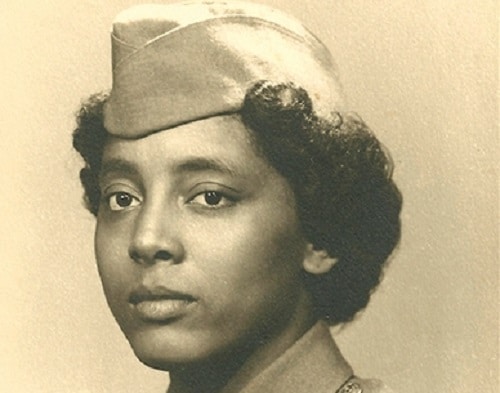
Sarah Keys refused to give up her seat on a state-to-state charter bus, prompting the landmark court case, Sarah Keys v. Carolina Coach Company.
Continue reading
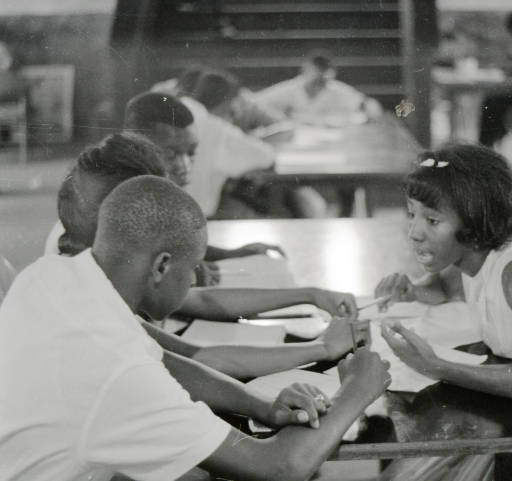
The Freedom Schools Convention was held in Meridian, Mississippi
Continue reading
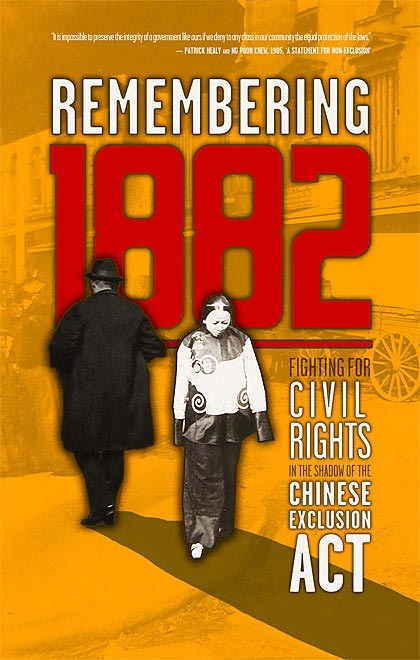
Digital collection. Primary documents, historical background, and more on the Chinese Exclusion Act and the history of Chinese American struggles for civil rights.
Continue reading
Harriet Elizabeth Brown, a teacher from Maryland, sued for equal pay for Black teachers and won the case.
Continue reading
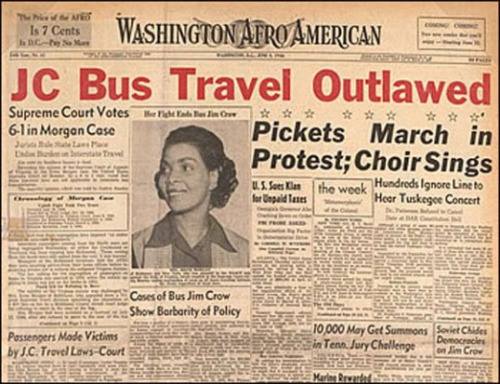
SCOTUS ruled against Jim Crow segregation on interstate commerce in Morgan v. Commonwealth of Virginia, leading to Journey of Reconciliation Freedom Rides.
Continue reading
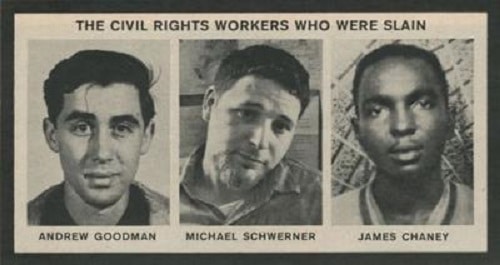
The bodies of three lynched civil rights workers (James Chaney, Michael Schwerner, and Andrew Goodman) were found in Neshoba County, Mississippi.
Continue reading
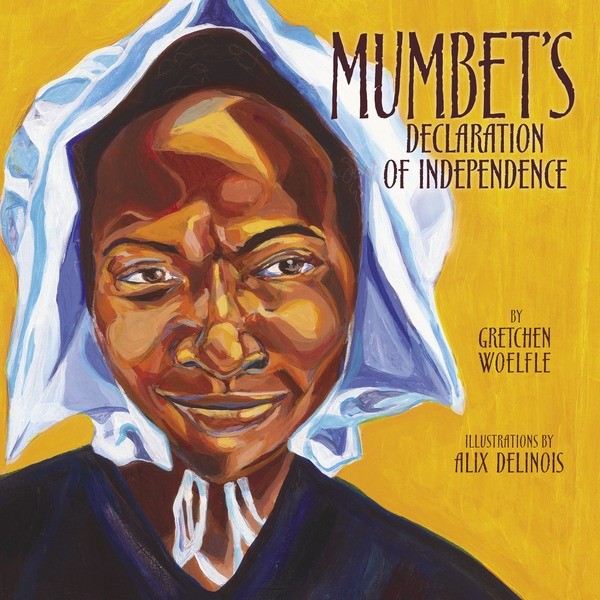
Elizabeth Mumbet Freeman won her freedom after she got an attorney and filed a “freedom suit” under the 1780 State Constitution for Massachusetts.
Continue reading
Teaching Activity. By Adam Sanchez and Nqobile Mthethwa. 25 pages.
A mixer role play explores the connections between different social movements during Reconstruction.
Continue reading
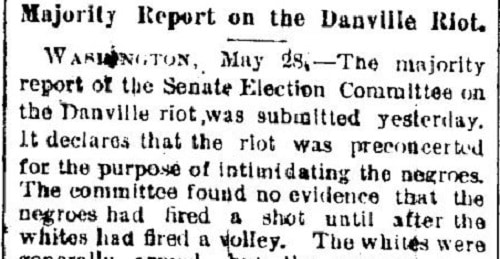
African Americans voters were threatened after the Danville Riot, leading to their loss of political power in this majority African American city in Virginia.
Continue reading
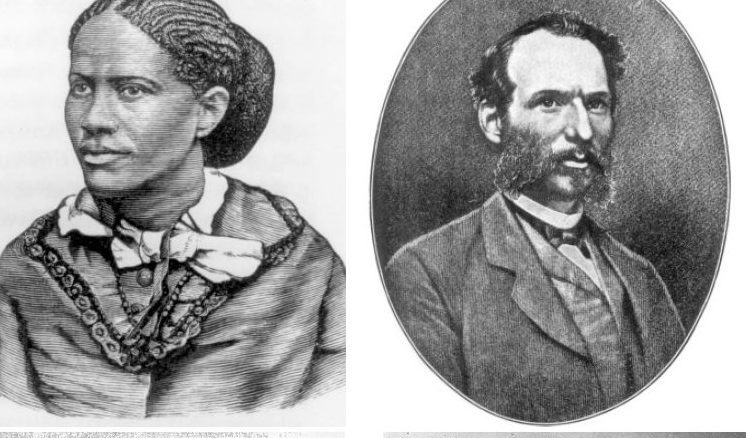
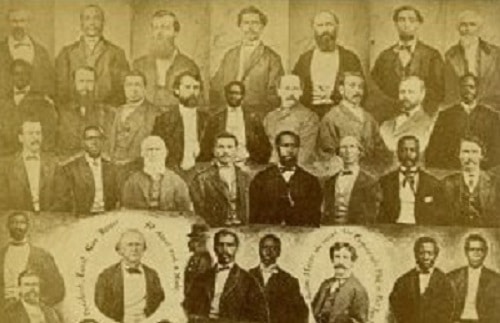
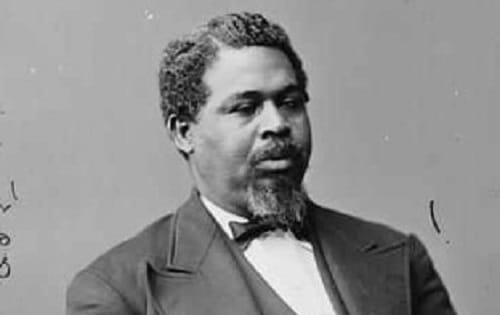
The South Carolina constitutional convention met with a majority of Black delegates, adopting a constitution that provided for all people regardless of race, economic class, or gender.
Continue reading
A U.S. Supreme Court decision bans poll taxes for state and local elections.
Continue reading
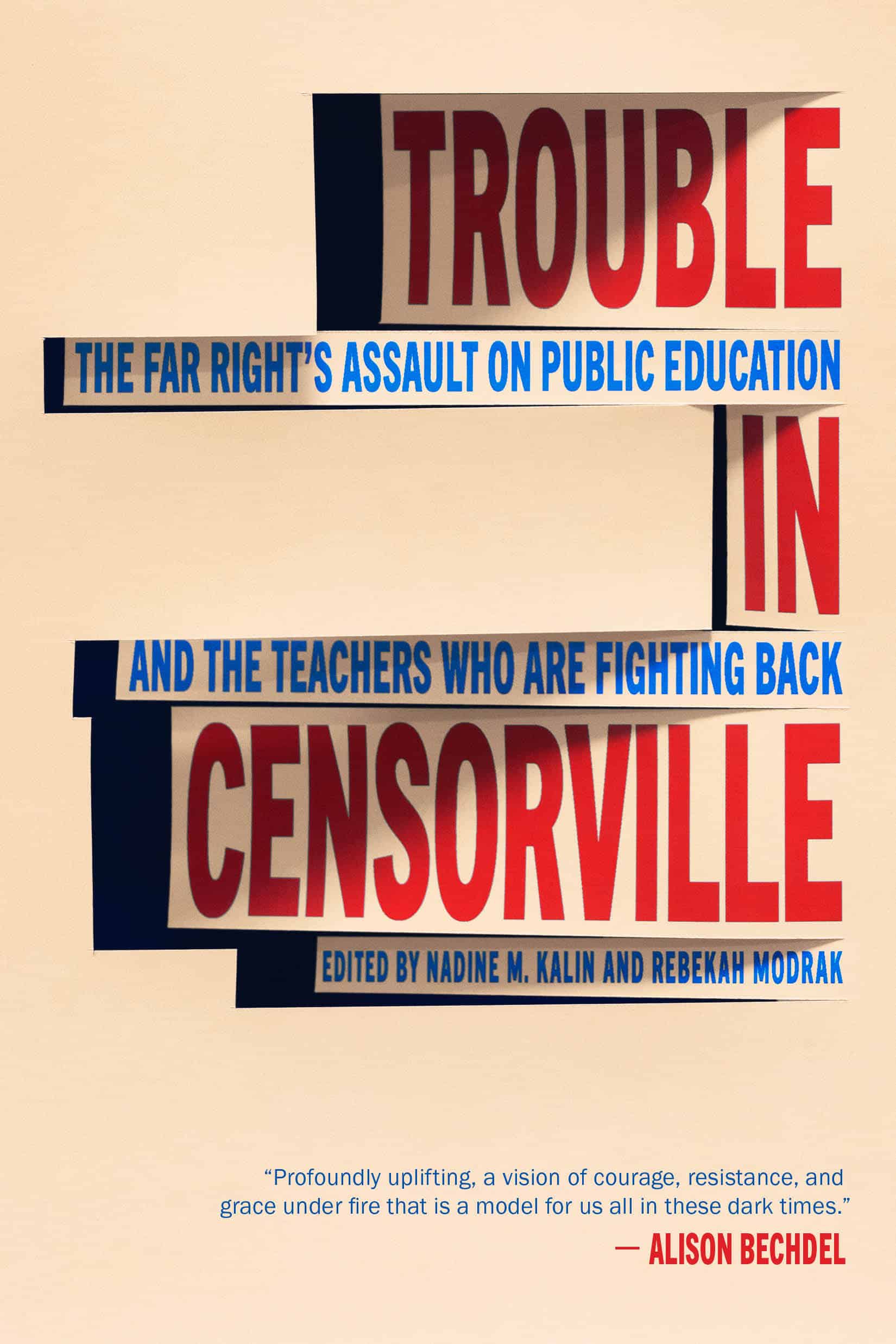
Book — Non-fiction. Edited by Nadine M. Kalin and Rebekah Modrak. 2024. 296 pages.
Gives readers a teacher’s-eye view of the radical right crusade to take down public education, coordinated by well-funded, well-connected far-right political interests.
Continue reading
Lamar Smith, 63-year-old farmer and WWI veteran, was shot dead in Brookhaven, Mississippi, for urging African Americans to vote.
Continue reading
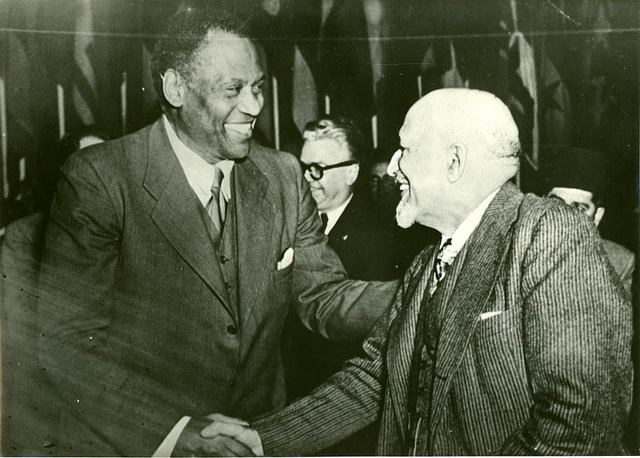
Paul Robeson lost his court appeal to have the U.S. State Department grant him a passport.
Continue reading
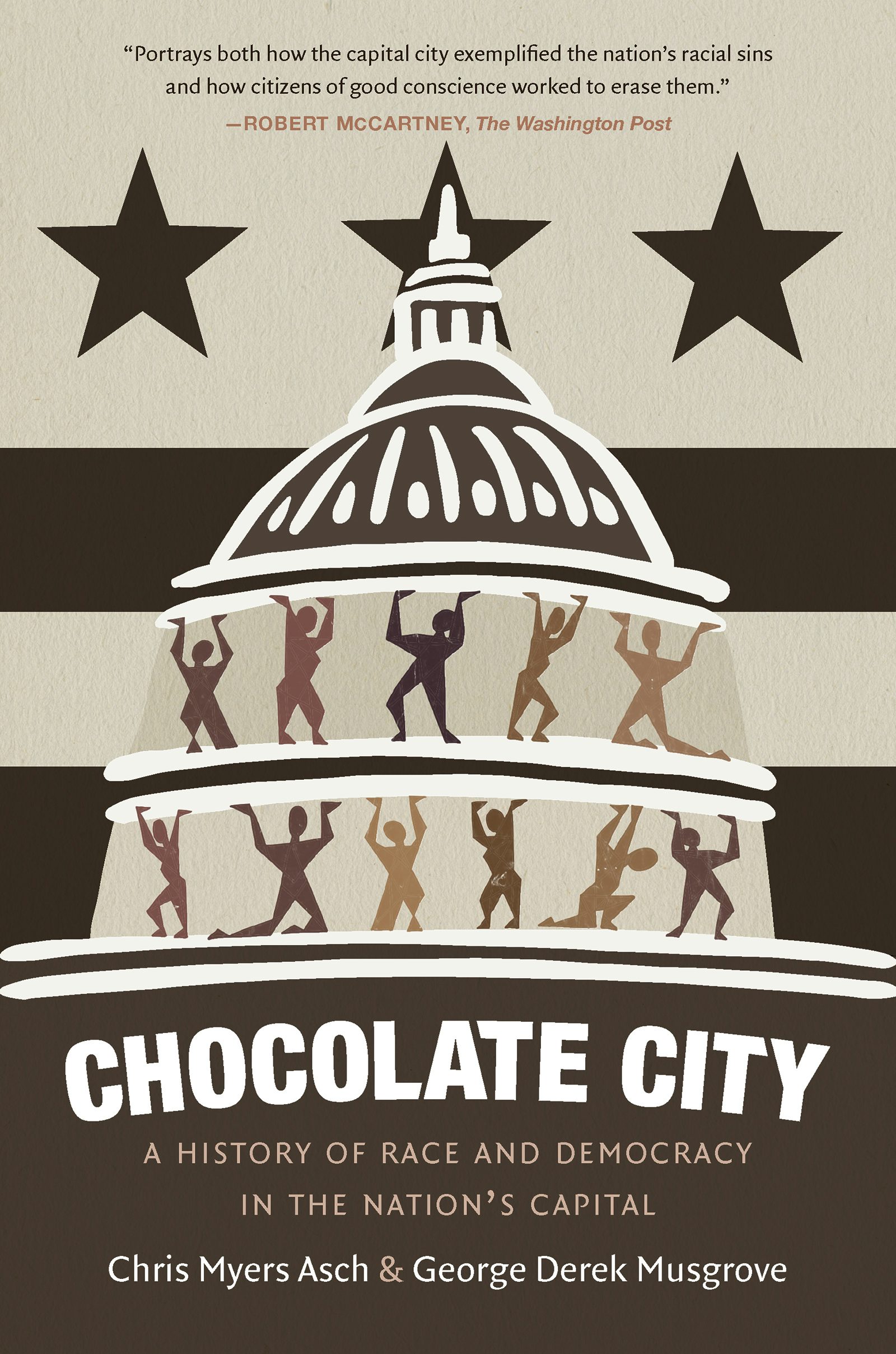
Book — Non-fiction. By Chris Myers Asch and George Derek Musgrove. 2019. 624 pages.
Tells the tumultuous, four-century story of race and democracy in our nation’s capital.
Continue reading
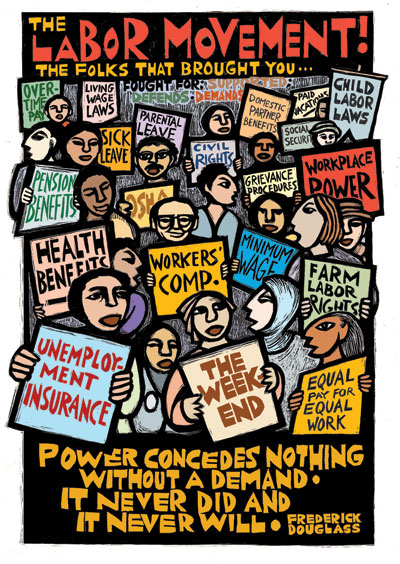
Teaching Activity. By Bill Bigelow and Norm Diamond. 8 pages.
This lesson teaches some of the nuts and bolts of labor unions and then moves beyond to ask students to consider what rights they have at work, and to recognize that “rights” depend in large part on what people have fought for and won.
Continue reading
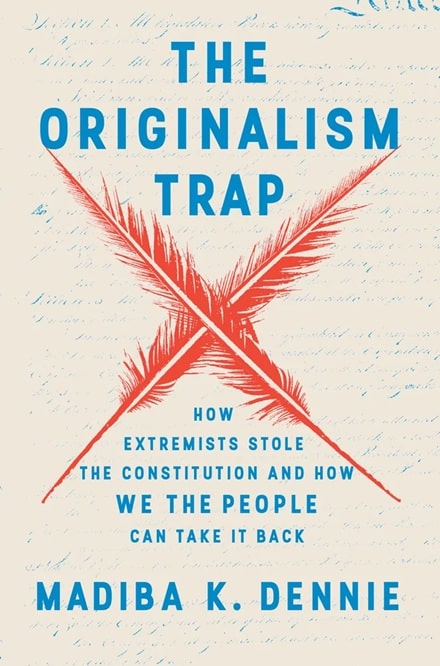
Book — Non-fiction. By Madiba K. Dennie. 2024. 304 pages.
Shows readers that the Constitution belongs to them and how, by understanding its possibilities, they can use it to fight for their rights.
Continue reading
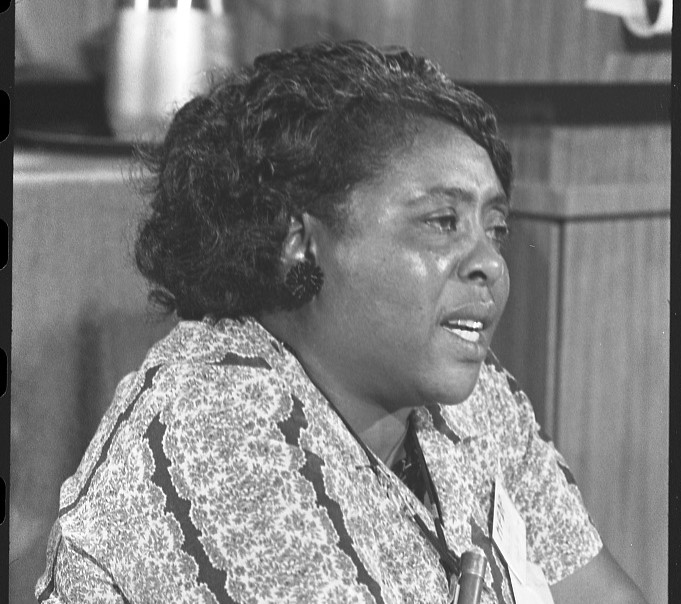
Mrs. Fannie Lou Hamer, and the other members of the MFDP at the Democratic National Convention, questioned the nation about the lack of “one person, one vote” in the United States.
Continue reading
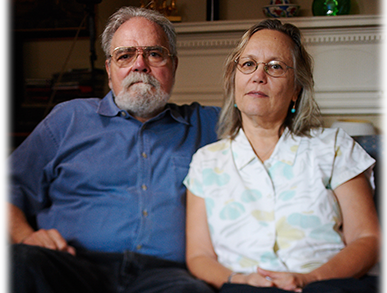
Orlando and Phyllis Rodriguez spoke out against using September 11, 2001 as a pretext for war.
Continue reading
The South Carolina Constitutional Convention convened to disenfranchise Black voters.
Continue reading