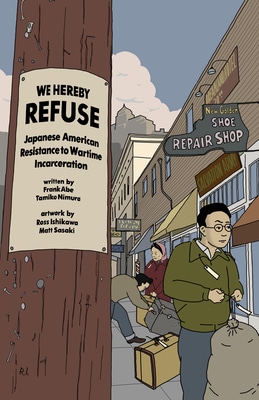
Book — Non-fiction. By Frank Abe and Tamiko Nimura; illustrated by Ross Ishikawa. 2021. 160 pages.
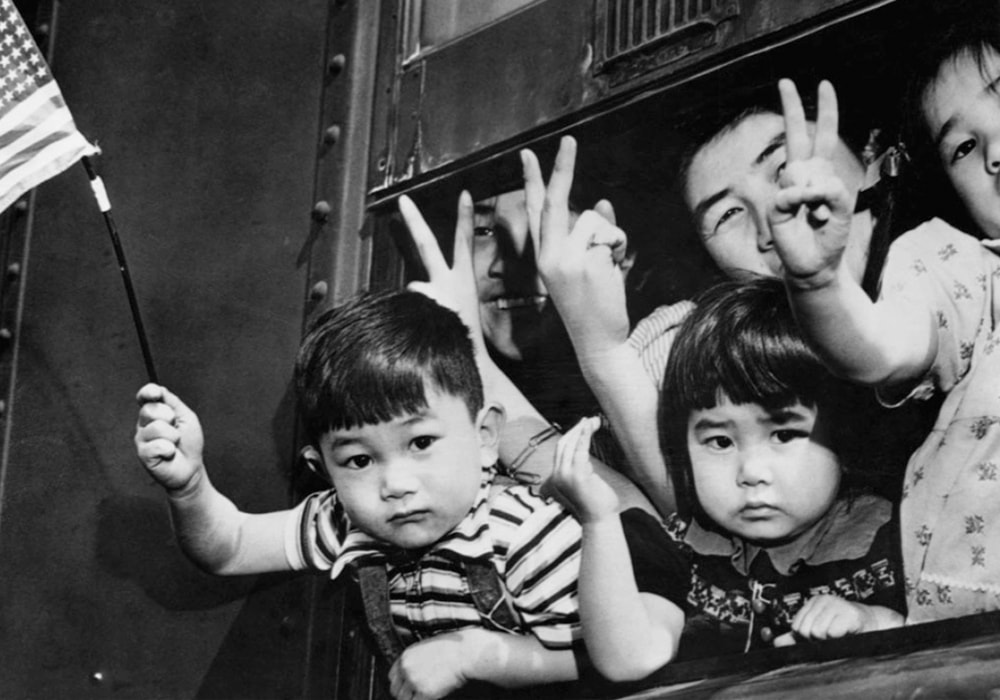
This graphic novel tells the story of Japanese American imprisonment during World War II, and the resistance and defiance that existed in these incarceration camps.
Continue reading
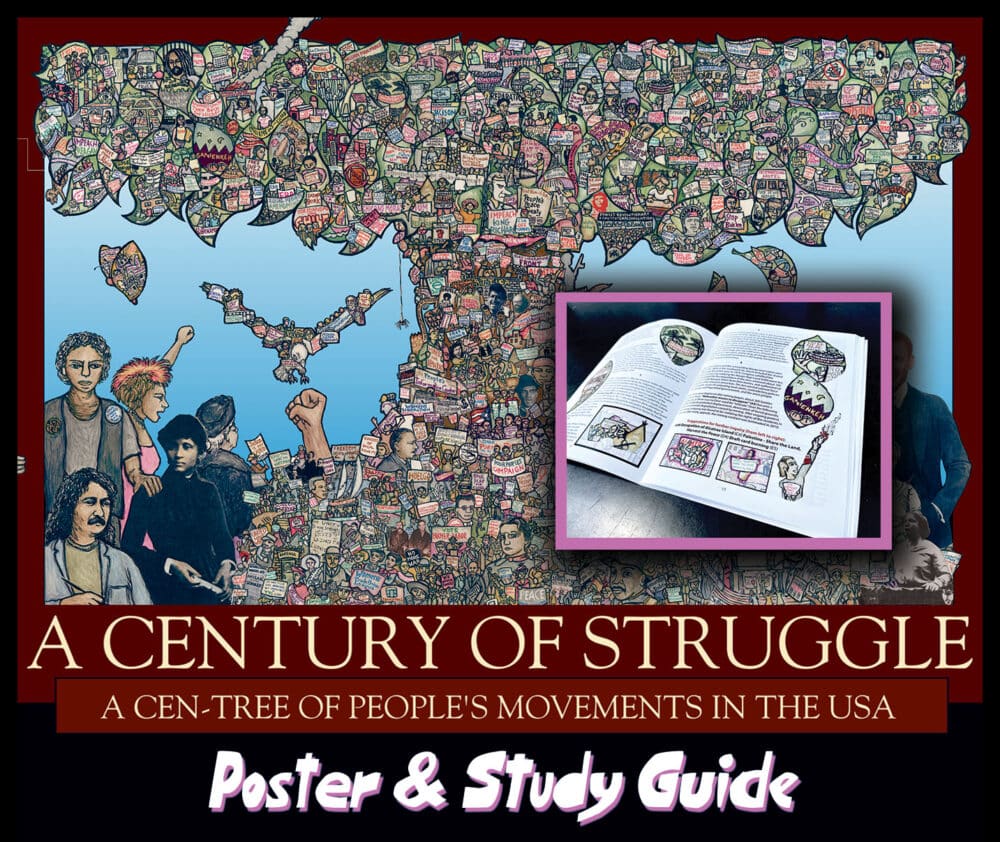
Poster. By Ricardo Levins Morales and Janna Schneider, with a Companion Guide by Jennings Mergenthal and Jaime Hokanson. 2025. 50 pages.
Chronicles U.S. social justice struggles, groups, activists, campaigns, slogans, publications, and events from 1900–2000.
Continue reading
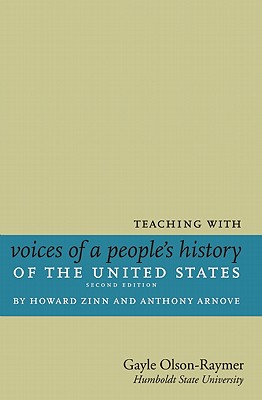
Teaching Activity. By Jack Bareilles.
Questions and teaching ideas for Chapter 19 of Voices of a People's History of the United States on the emergence and legacy of the 1960s counterculture, as well as the movements it helped create.
Continue reading
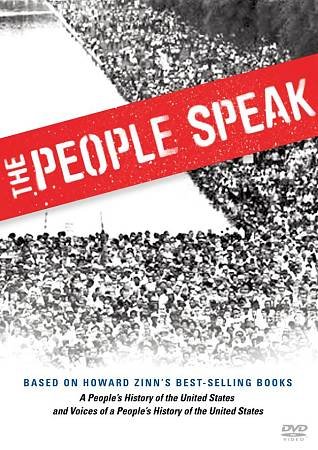
Film. Directed by Howard Zinn, Chris Moore, and Anthony Arnove. 2009. 110 minutes.
Dramatic readings and performances based on Voices of a People's History and A People's History of the United States.
Continue reading
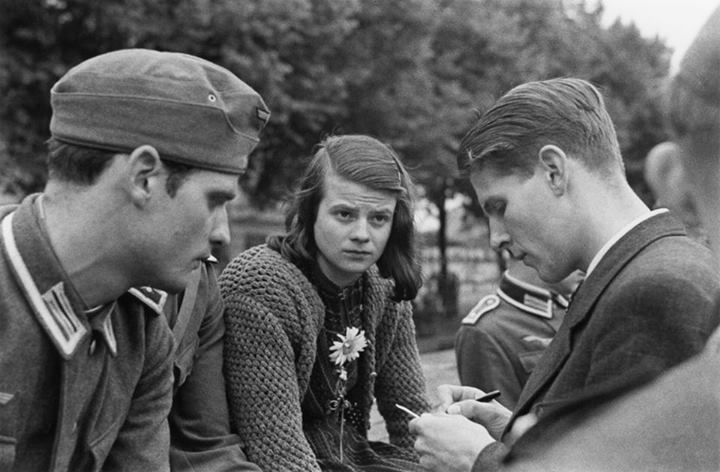
Student activists Sophie Scholl, Hans Scholl, and Christoph Probst were executed for urging students to rise up and overthrow the Nazi government.
Continue reading
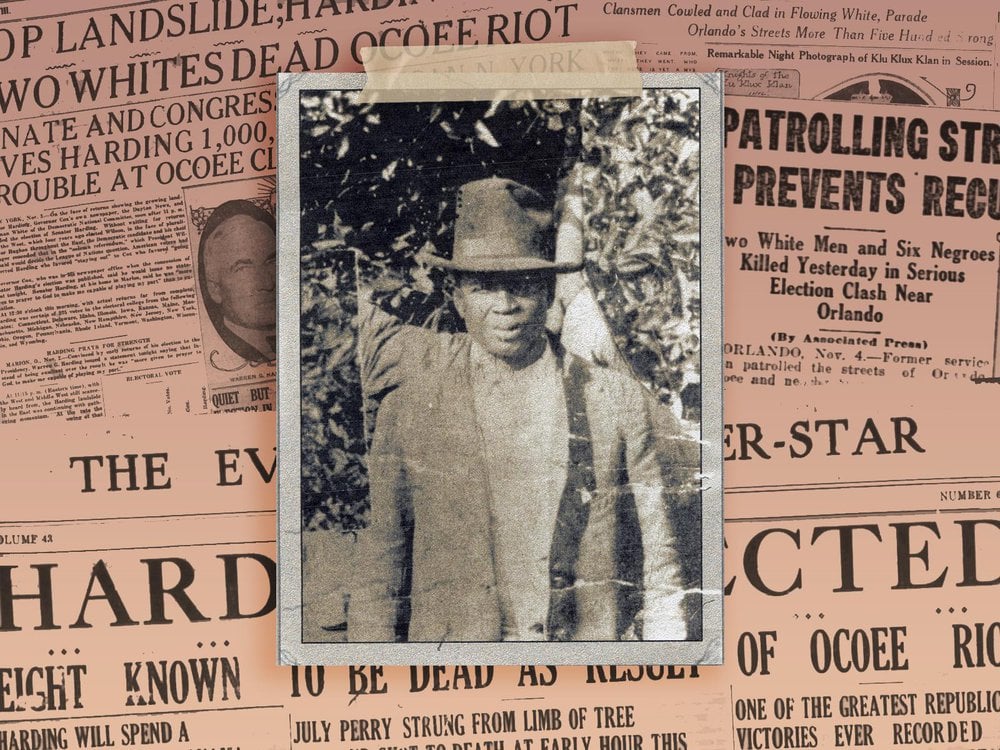
More than fifty African Americans killed in the Ocoee Massacre after going to vote in Florida.
Continue reading
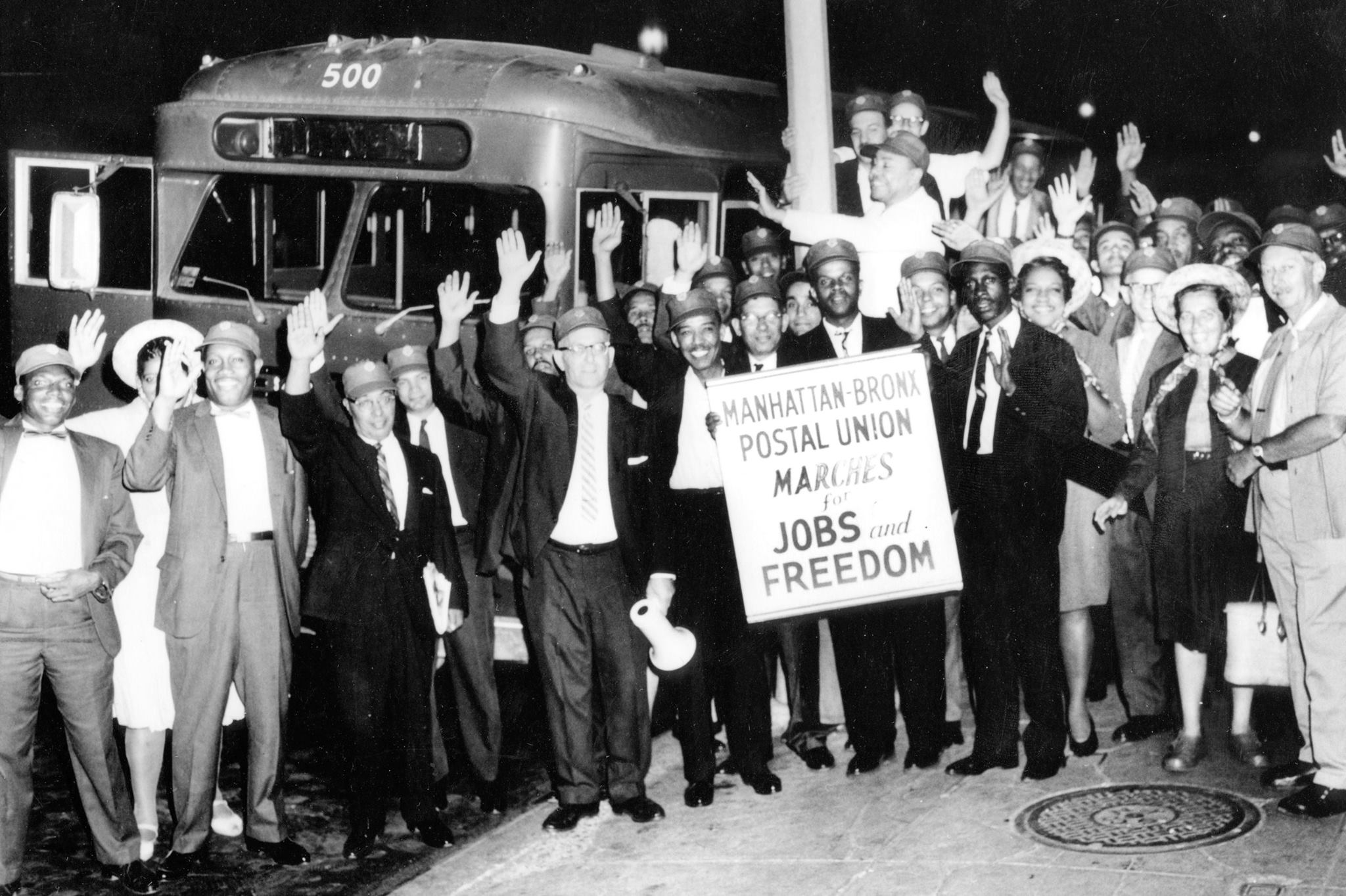
Hundreds of thousands of civil rights activists marched on Washington for Jobs and Freedom.
Continue reading
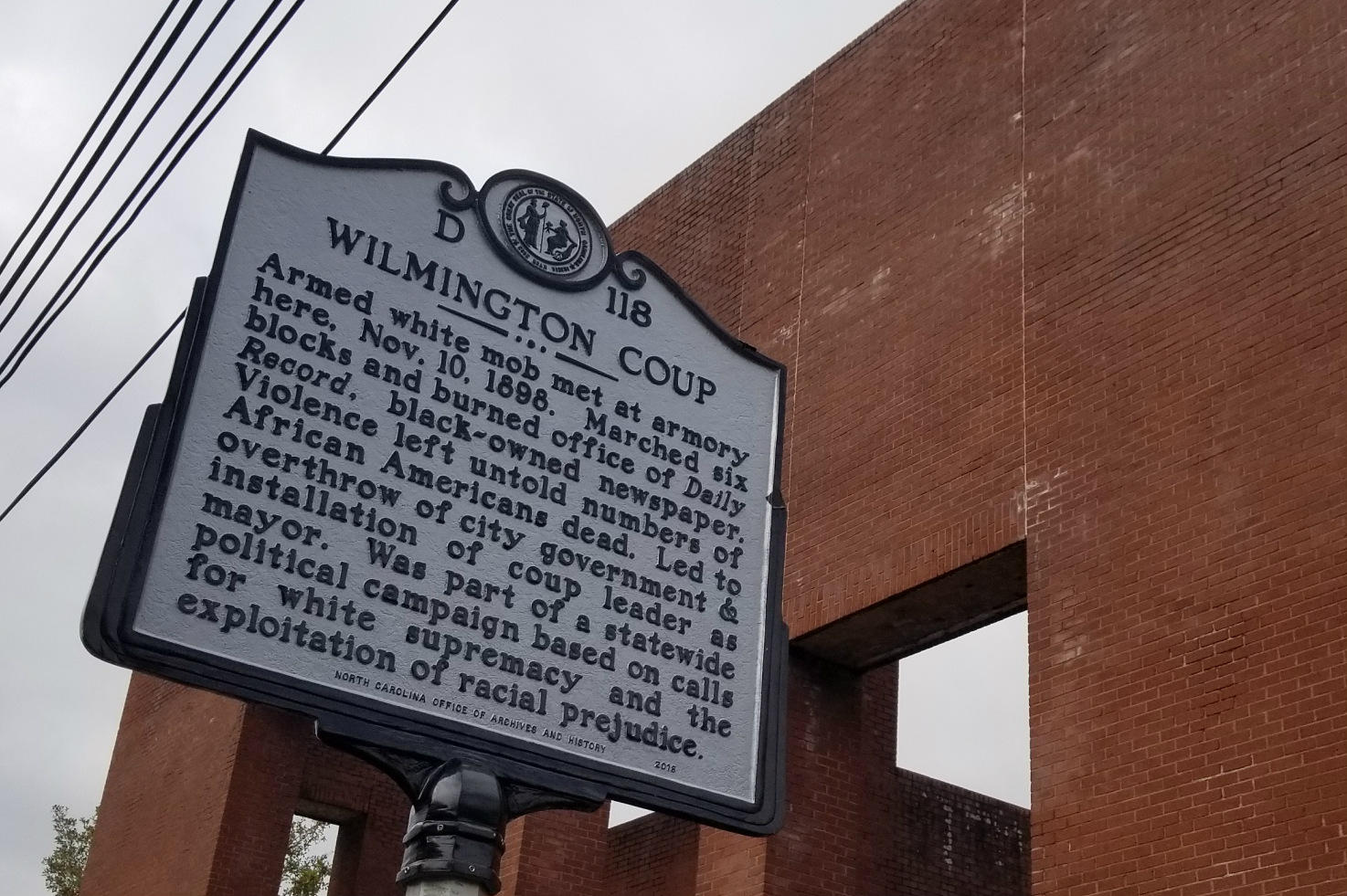
The elected and interracial Reconstruction era local government was deposed in a coup d’etat in Wilmington, North Carolina.
Continue reading
Mrs. White of the Indiana Textbook Commission called for a ban of Robin Hood in all school books for promoting communism.
Continue reading
The Albany Movement engaged multiple civil rights organizations and students in the fight for desegregation and voting rights.
Continue reading
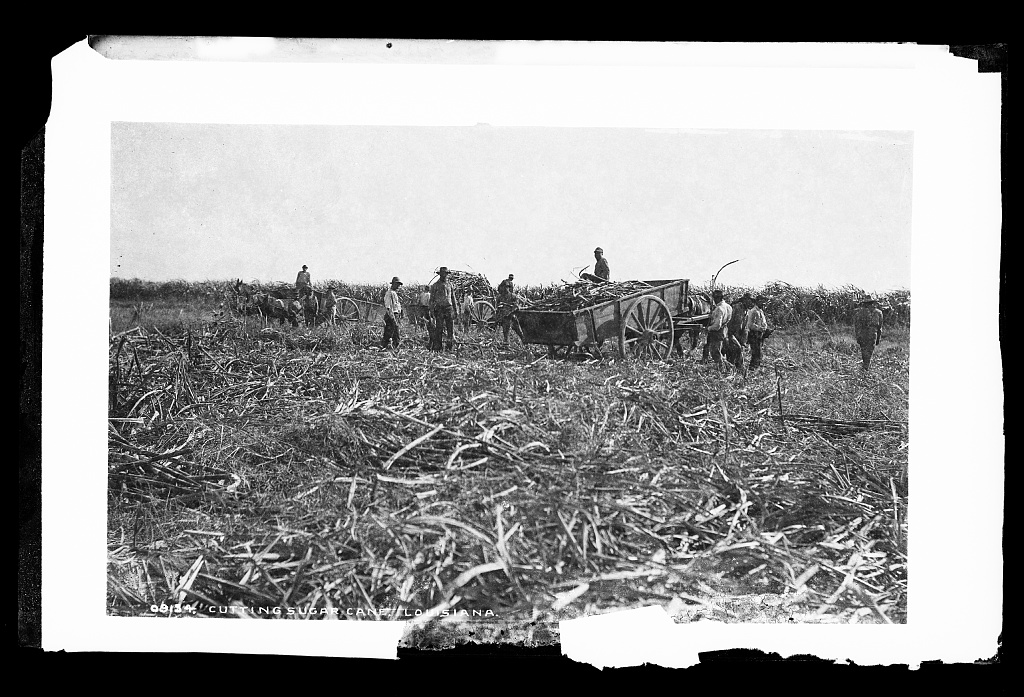
Between 30-60 striking Black Louisiana sugarcane workers were massacred.
Continue reading
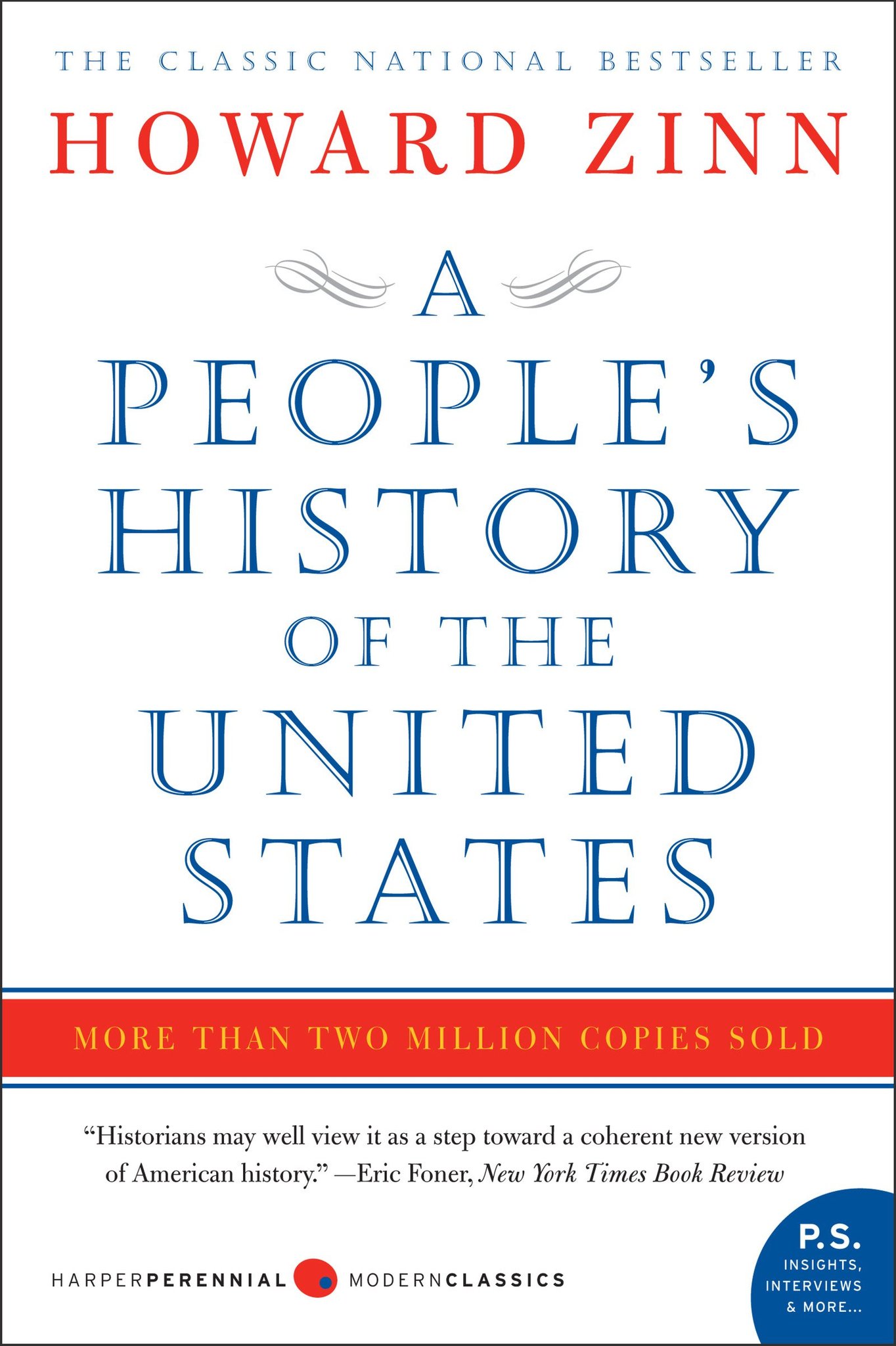
Book — Non-fiction. By Howard Zinn. 2005, with a new introduction by Anthony Arnove in 2015. 784 pages.
Howard Zinn's groundbreaking work on U.S. history. This book details lives and facts rarely included in textbooks—an indispensable teacher and student resource.
Continue reading
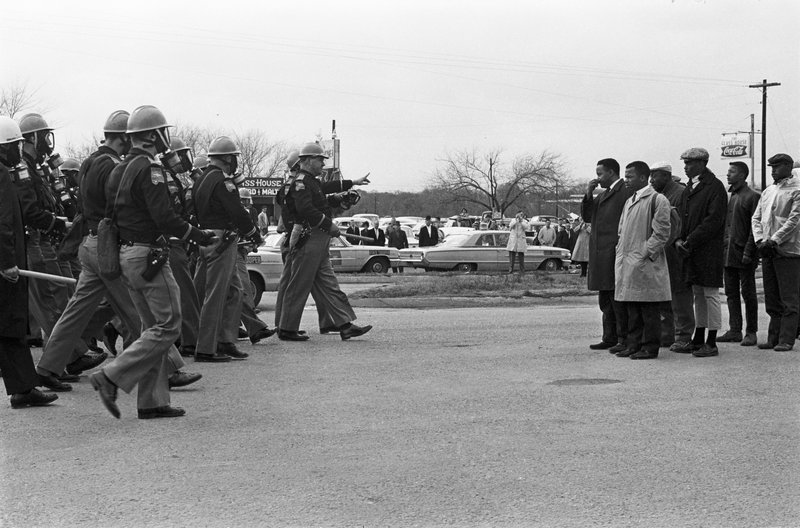
To protest the police murder of Jimmie Lee Jackson and for voting rights, more than 600 people began a peaceful march from Selma to Montgomery.
Continue reading
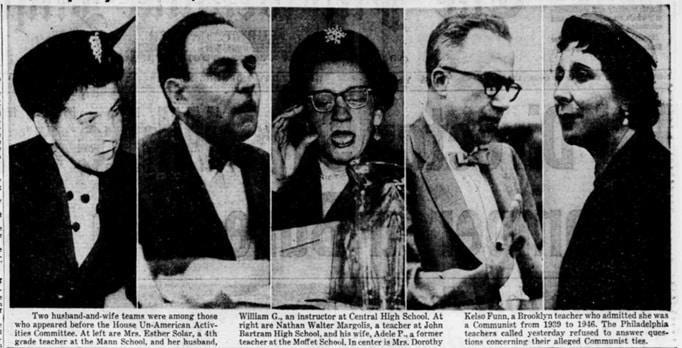
At the height of McCarthyism, the School District of Philadelphia suspended 32 teachers for their alleged connections to the Communist Party.
Continue reading
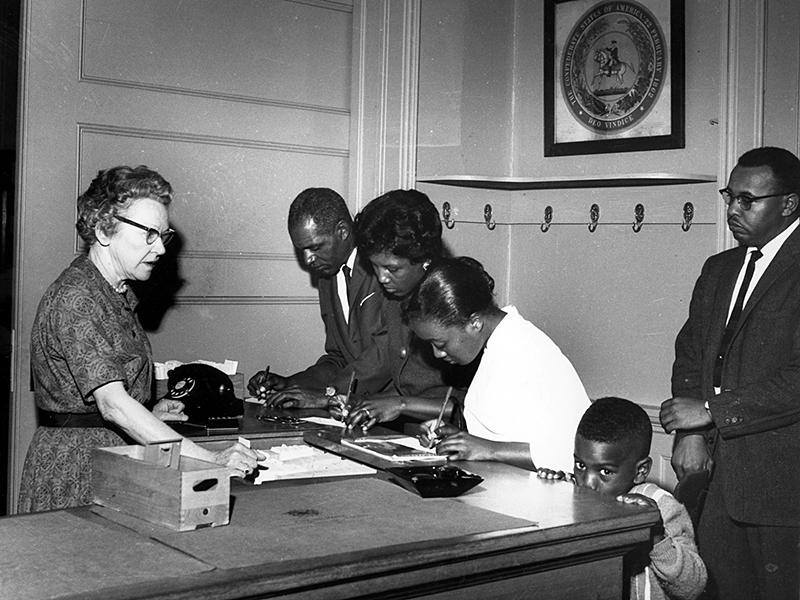
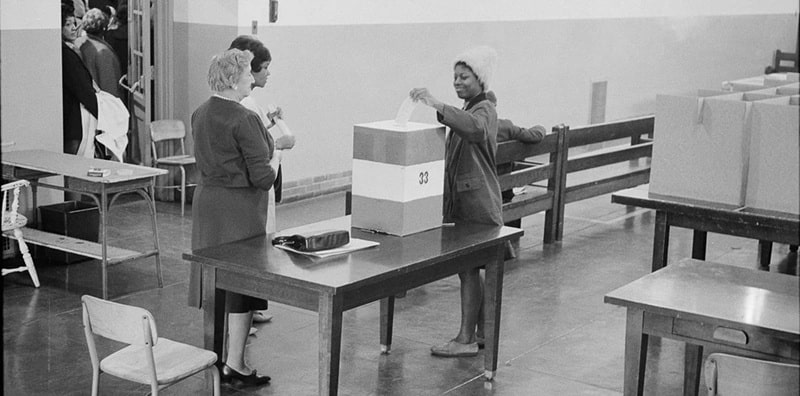
Following the 23rd Amendment, in 1964, Washington, D.C. residents voted in a presidential election for the first time since 1800.
Continue reading
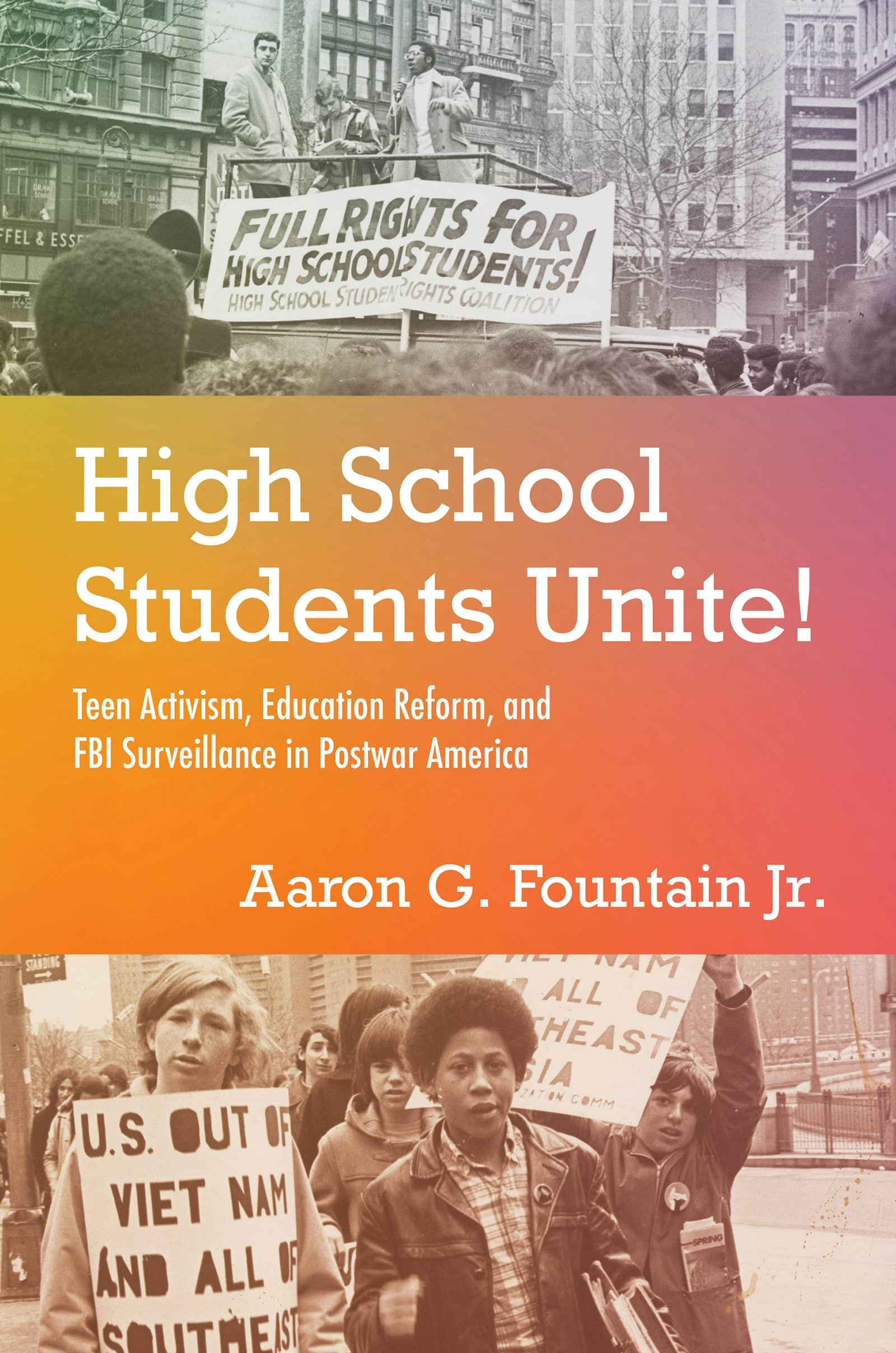
Book — Non-fiction. By Aaron G. Fountain Jr. 2025. 398 pages.
Highlights the crucial impact of high school activists in the 1960s and 1970s.
Continue reading
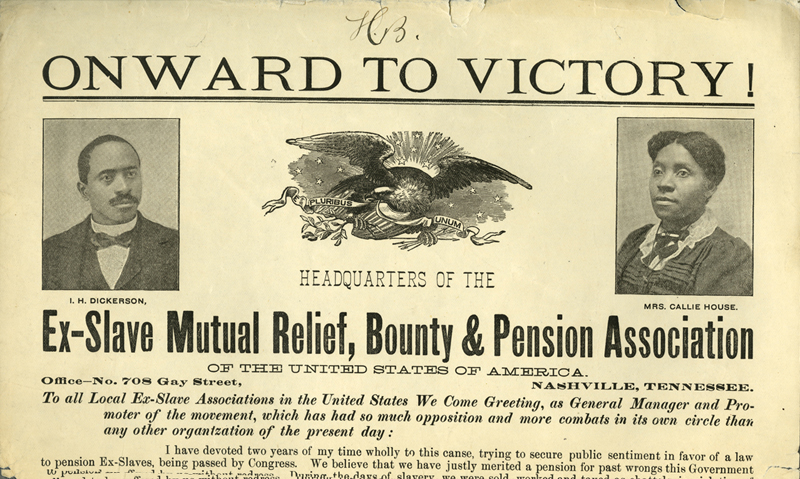
The Ex-Slave Mutual Relief, Bounty, and Pension Association was founded with a dual mission to organize mutual aid for its members and to pass federal pension legislation that would compensate every formerly enslaved person.
Continue reading
Teaching Activity. By Bill Bigelow. 9 pages.
Students are invited to solve a mystery, using historical clues, about the real story of the Draft Riots.
Continue reading
The Ku Klux Klan bombed the home of labor and voting rights activists Harry T. Moore and Harriette Moore — killing them both. Harriette Moore taught elementary school, secretly teaching her students Black history in the face of bans by the state superintendent.
Continue reading
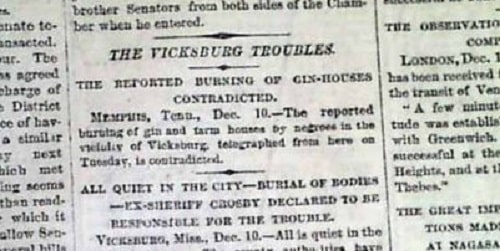
White people attacked and killed many Black citizens who had organized for a Black sheriff to remain in office during the Vicksburg Massacre.
Continue reading
Teaching Activity. By Mimi Eisen and Ursula Wolfe-Rocca. 47 pages.
A follow-up lesson to “Reconstructing the South,” using primary source documents to reveal key outcomes of the Reconstruction era.
Continue reading
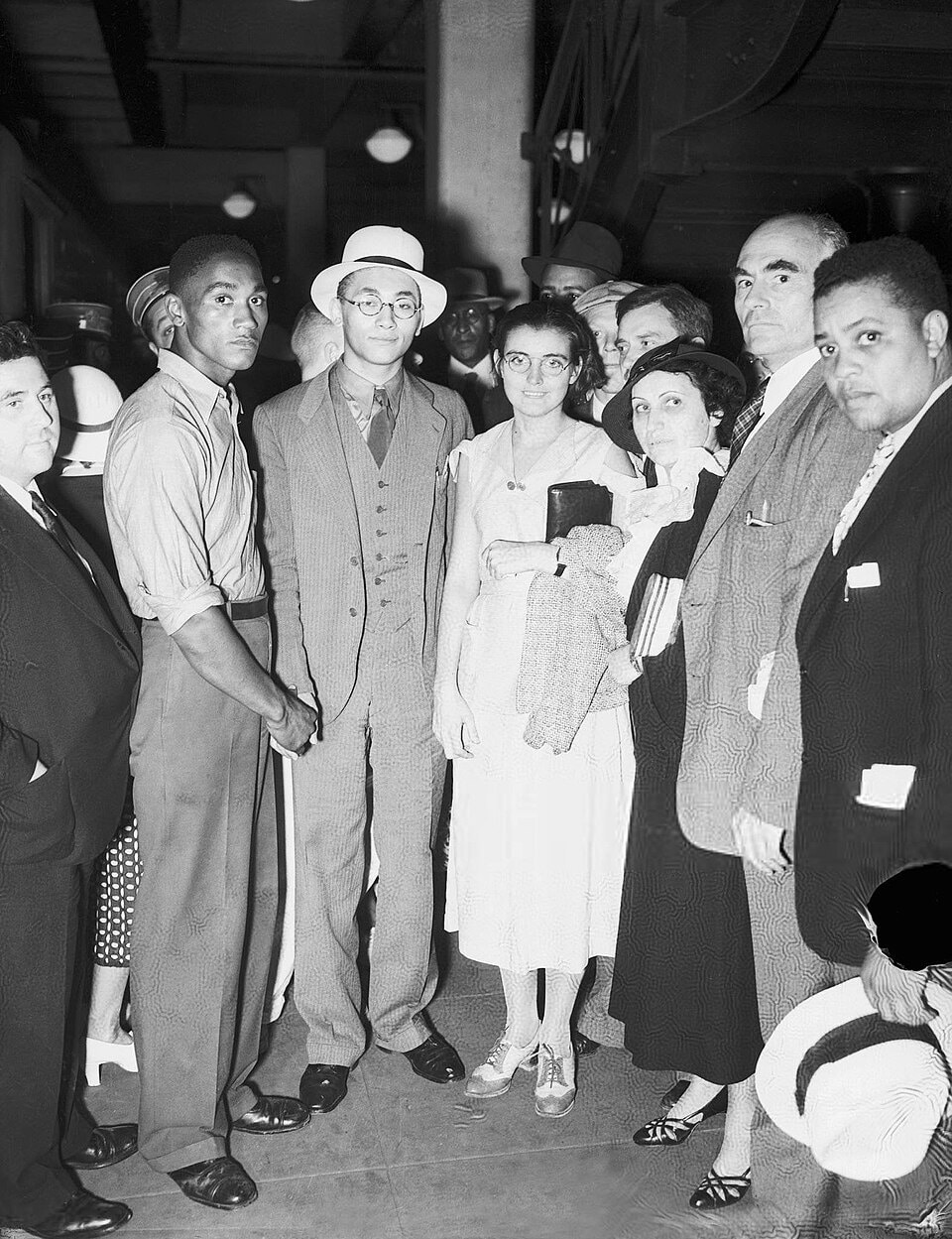
A Black labor organizer’s imprisoned for having “communist literature” was freed following a U.S. Supreme Court decision.
Continue reading
Teaching Activity. By Bill Bigelow. 10 pages.
What led up to the Trail of Tears? In this lesson, students learn about the decision to remove the Cherokee and Seminole people from their lands.
Continue reading
Teaching Activity. By Mark Sweeting. Rethinking Schools. 4 pages.
How one teacher engaged his students in a critical examination of the language used in textbooks to describe the Japanese American incarceration.
Continue reading