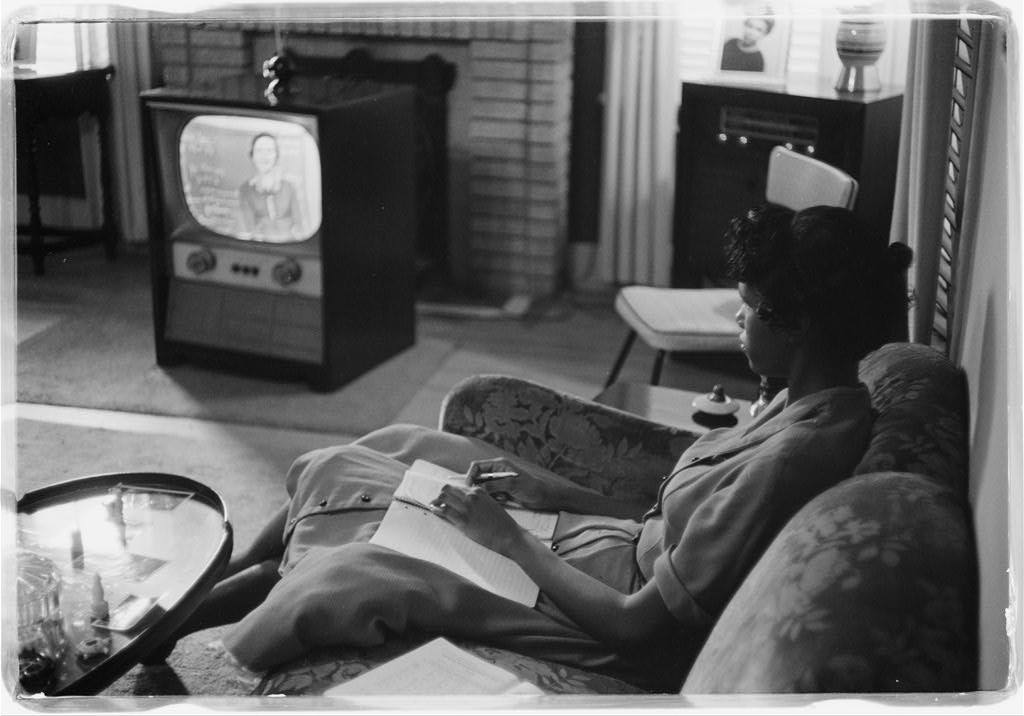
Governor Orval Faubus closed all Little Rock, Arkansas public schools for one year rather than allow integration.
Continue reading
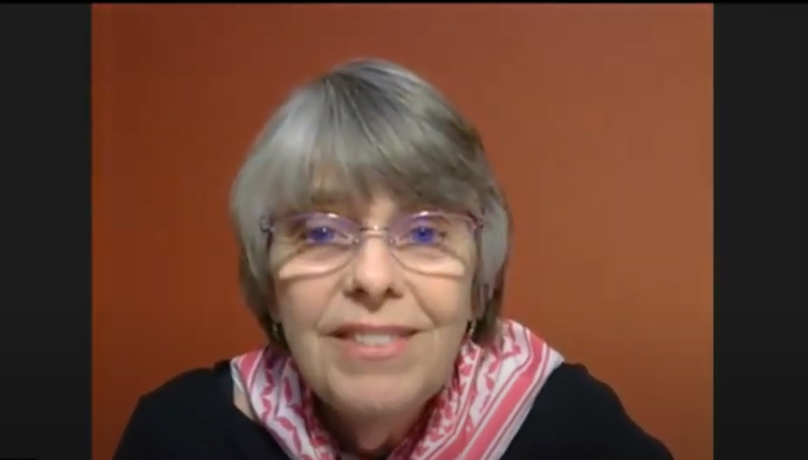
Free speech activist Mary Beth Tinker on the importance of teaching truthfully about the U.S. Constitution.
Continue reading
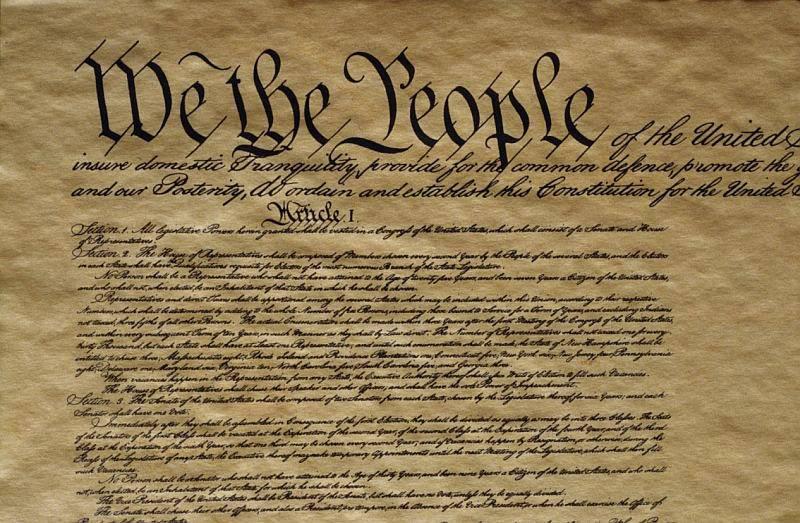
The U.S. Constitution was signed in Philadelphia, Pennsylvania.
Continue reading
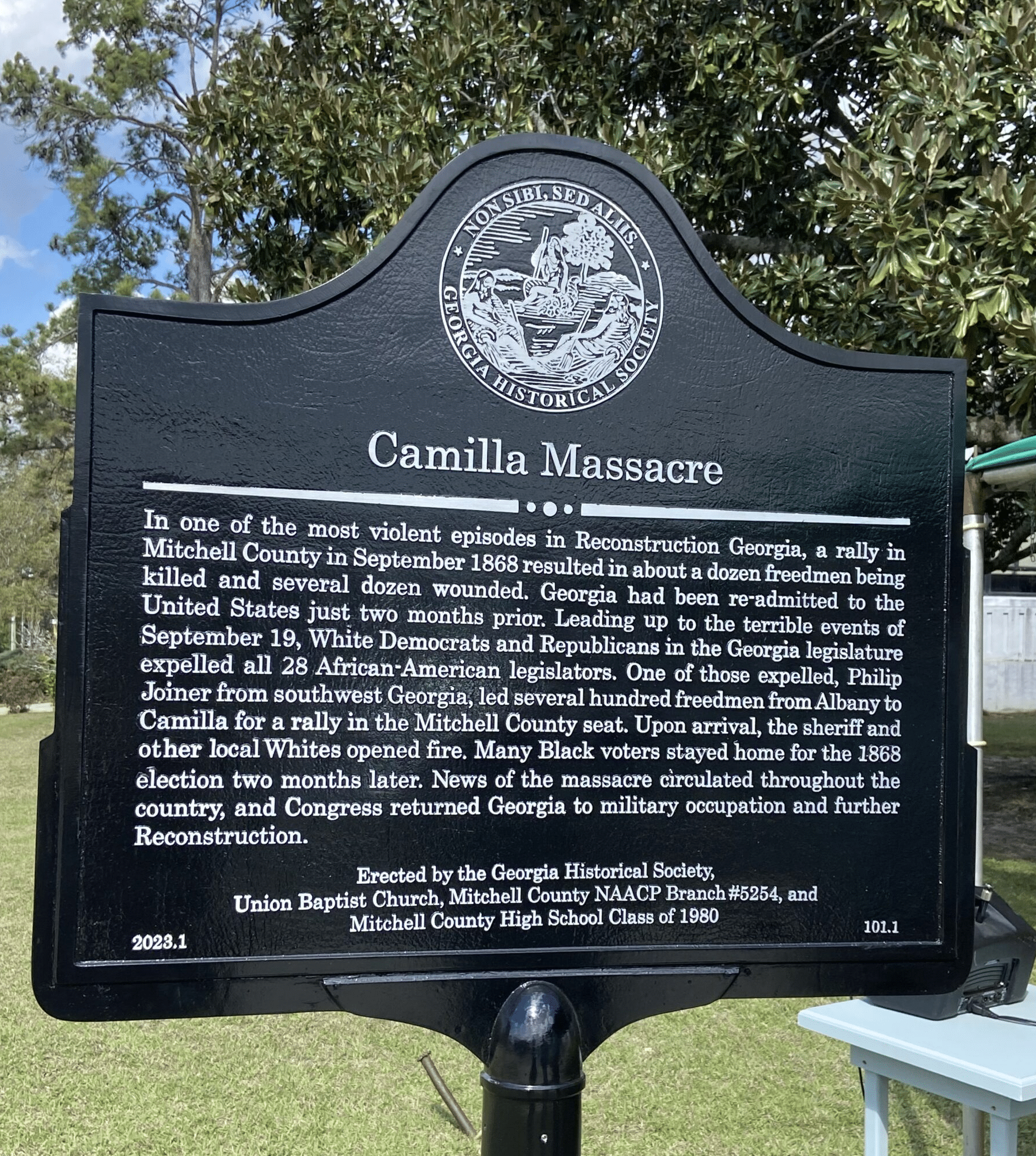
As African Americans marched peacefully in response to their expulsion from elected office, more than a dozen were massacred near Albany, Georgia.
Continue reading
Ben Chester White, caretaker on a farm, was brutally murdered by the Ku Klux Klan in Natchez, Mississippi.
Continue reading
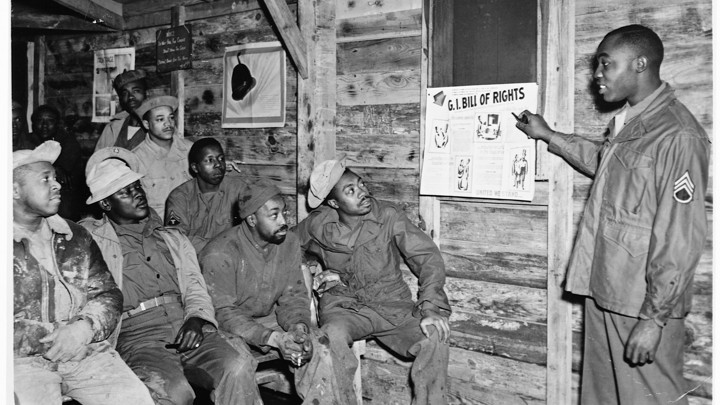
President Roosevelt signed the Servicemen’s Readjustment Act (USA), known as the GI Bill, to provide financial aid to veterans returning from WW II. White supremacy prevented equal access to those benefits.
Continue reading
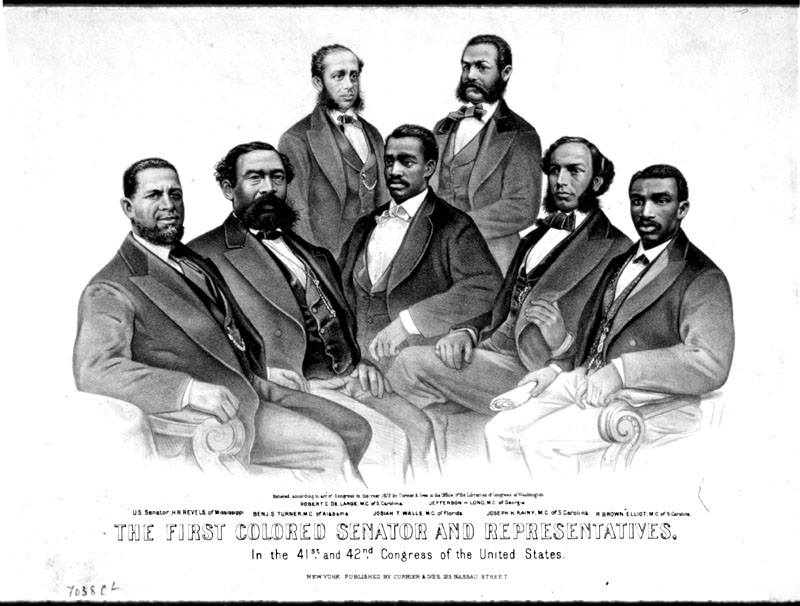
For the first time, African Americans were elected to the House of Representatives in 1870.
Continue reading
Successful African American entrepreneur, landowner, and community leader Anthony P. Crawford was murdered by a lynch mob in South Carolina.
Continue reading
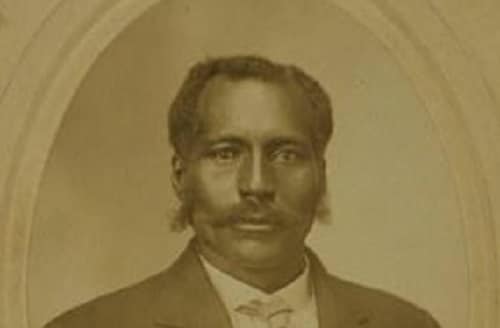
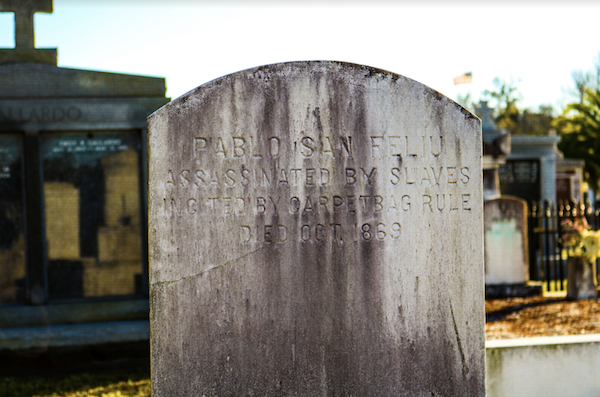
The St. Bernard Parish massacre of African Americans was carried out by white men to terrorize the recently emancipated voters in Louisiana.
Continue reading
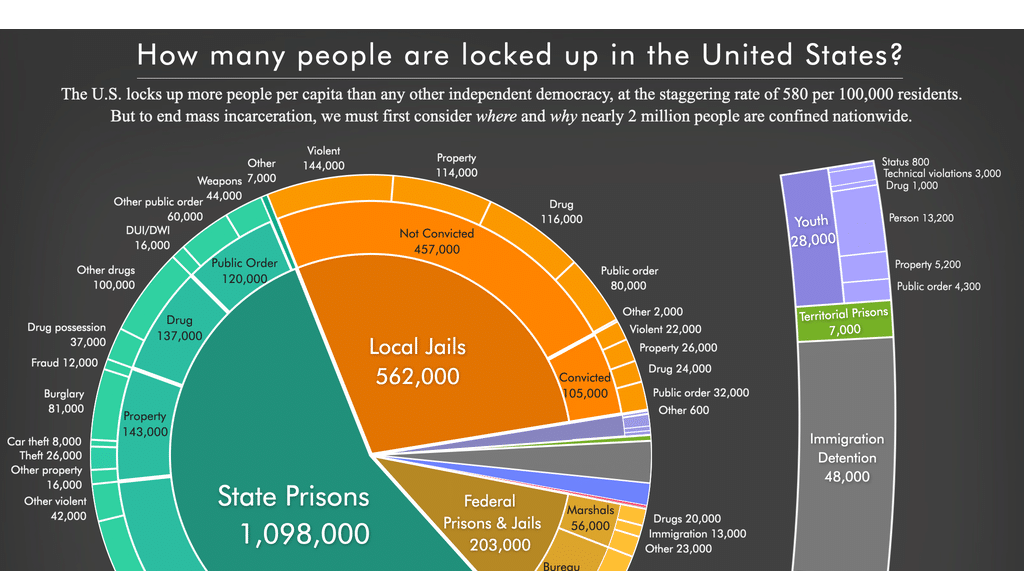
The U.S. Justice Department announced that the prison population topped one million for the first time in U.S. history.
Continue reading
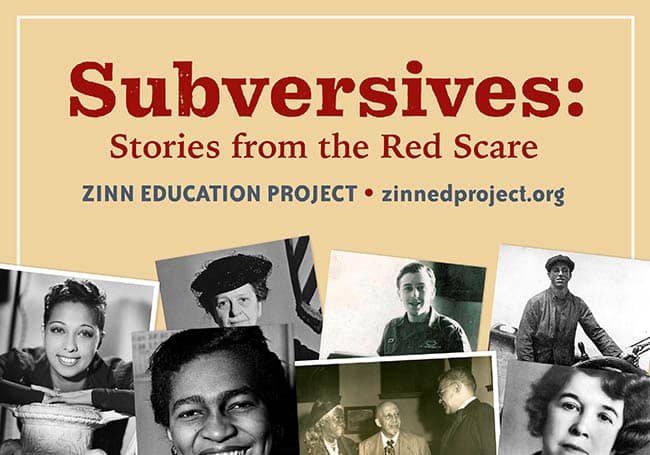
Teaching Activity. By Ursula Wolfe-Rocca.
In this mixer lesson, students meet 27 different targets of government harassment and repression to analyze why disparate individuals might have become targets of the same campaign, determining what kind of threat they posed in the view of the U.S. government.
Continue reading
Book — Non-fiction. By Ray Raphael. Series editor: Howard Zinn. 2002. 528 pages.
Using hundreds of primary sources, this book tells the more accurate, populist, complicated, and interesting story of the American Revolution.
Continue reading
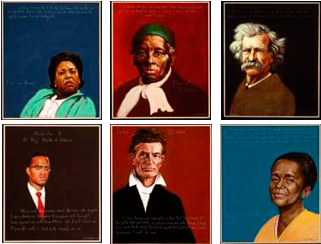
Posters.
Portraits by Robert Shetterly and biographies of individuals who have taken a stand for justice.
Continue reading
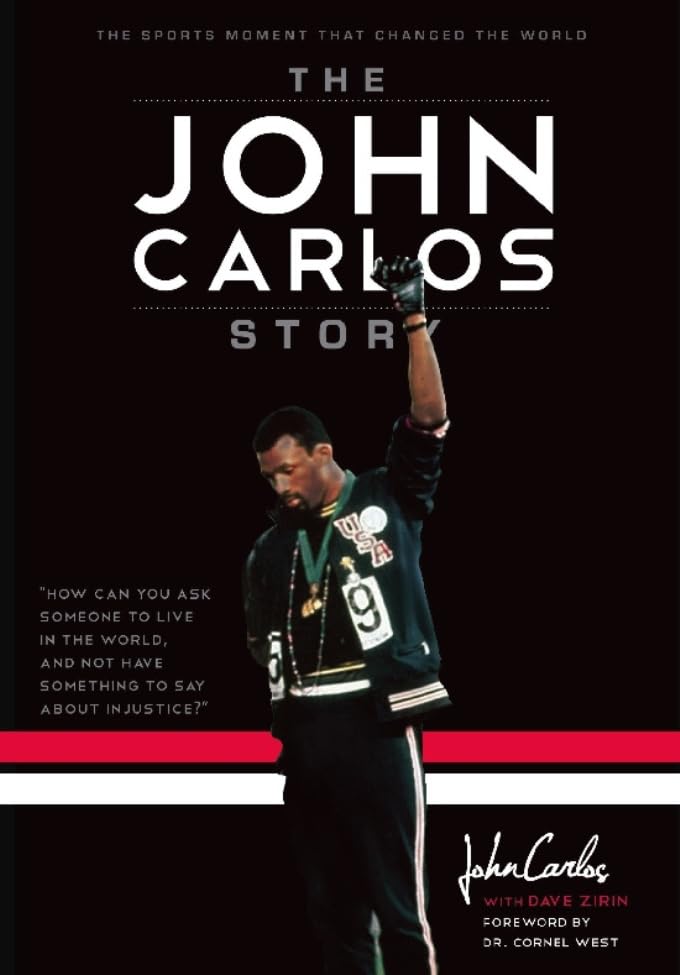
Book — Non-fiction. By John Carlos and Dave Zirin. Foreword by Cornel West. 2011. 220 pages.
Written for grades 7+, this biography of John Carlos recounts his childhood, his legendary act of courage at the '68 Olympics, and the backlash.
Continue reading
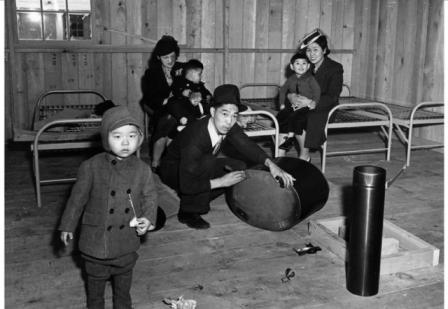
Teaching Activity. By Katie Baydo-Reed. Rethinking Schools. 10 pages.
Students hold a mixer and a mock trial in preparation for reading literature about Japanese American incarceration.
Continue reading
Teaching Activity. By Moé Yonamine. Rethinking Schools. 18 pages.
Poetry, photography, and text are used in this role play to teach about the seldom told history of Japanese Latin American incarceration during WWII.
Continue reading
Digital collection. Explores the historical context and stories of individuals who have been targets of U.S. government surveillance during the 20th century.
Continue reading
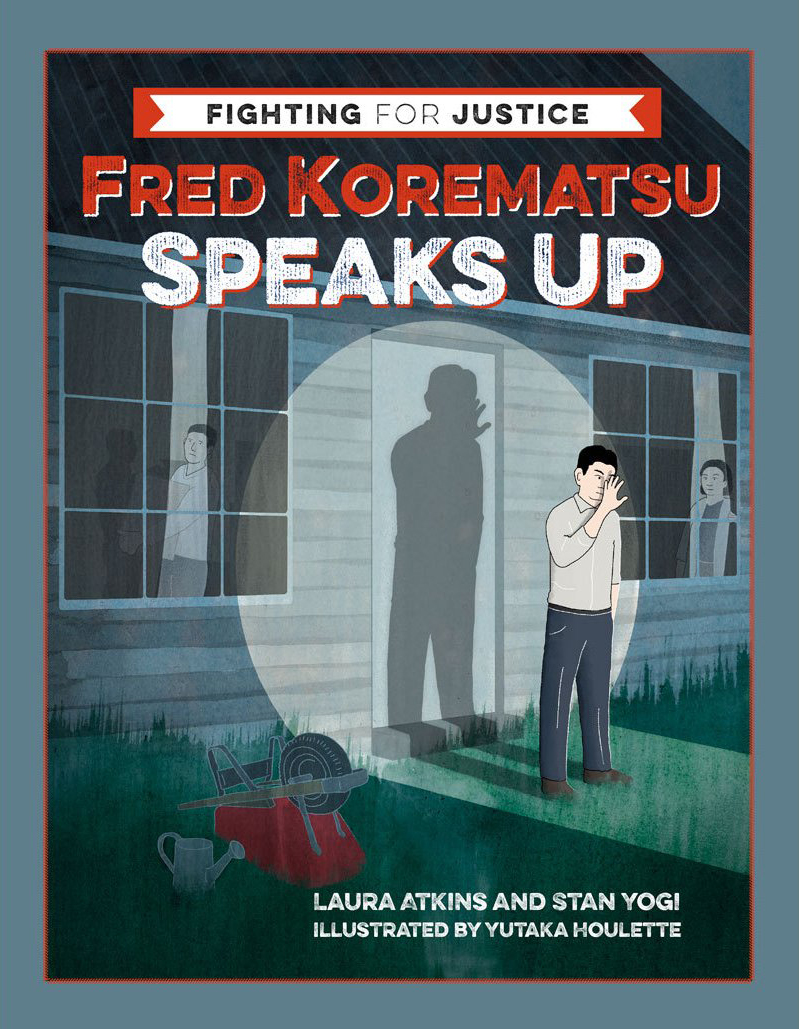
Book — Non-fiction. By Laura Atkins and Stan Yogi. Illustrated by Yutaka Houlette. 2017. 112 pages.
Story of Fred Koretmatsu, jailed for resisting incarceration by the U.S. government during WWII. He took his case to the U.S. Supreme Court twice.
Continue reading
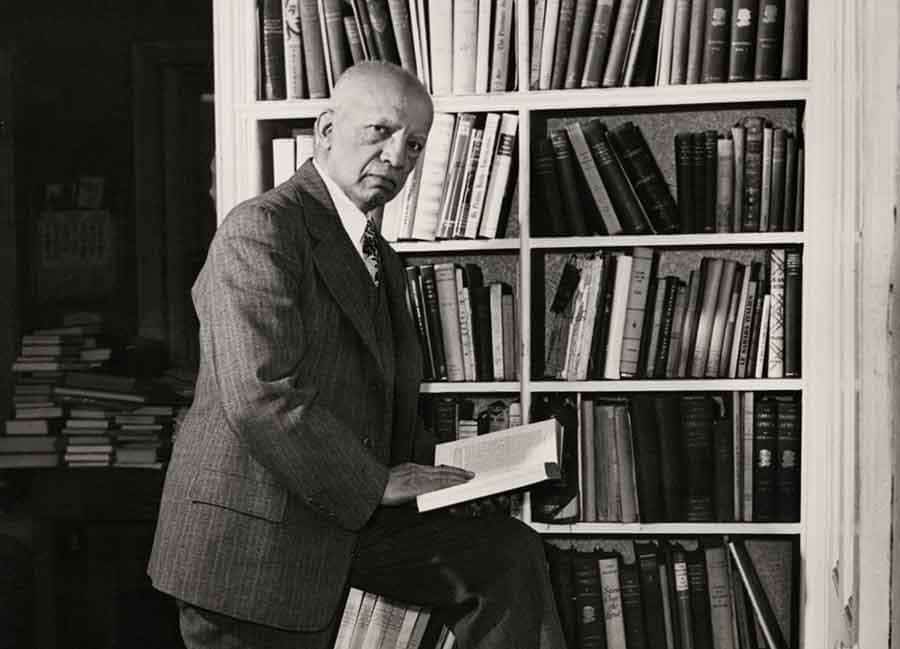
Carter G. Woodson initiated the first celebration of Negro History Week which led to Black History Month.
Continue reading
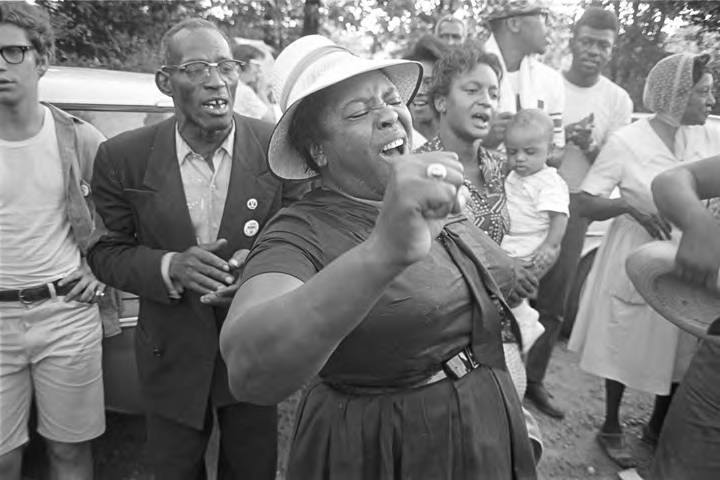
Mrs. Fannie Lou Hamer, a civil rights activist, was born in Montgomery County, Mississippi.
Continue reading
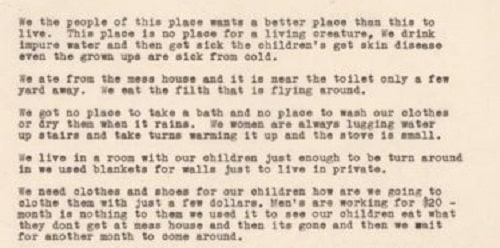
Aleut women from the Pribilof Islands Program wrote a petition about the dangerous incarceration camp conditions during World War II.
Continue reading
The forcible removal of Native American tribes, known as the Trail of Tears, began.
Continue reading
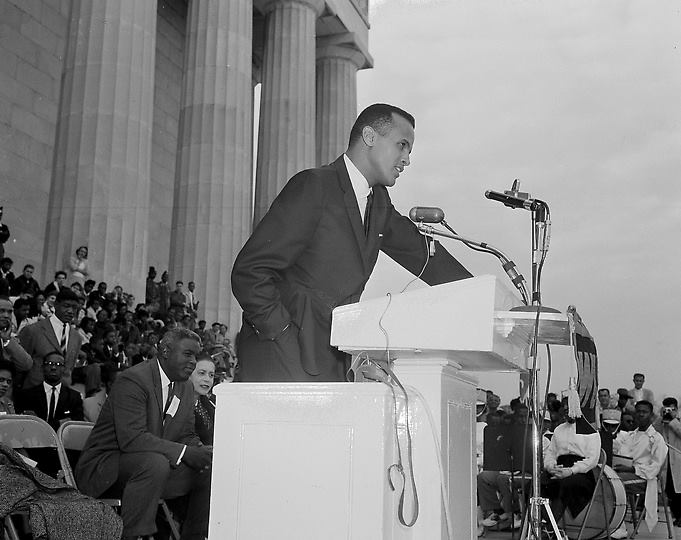
A. Philip Randolph, Jackie Robinson, Coretta Scott King, Harry Belafonte, Bayard Rustin, and more led a Youth March for Integrated Schools in Washington, D.C.
Continue reading
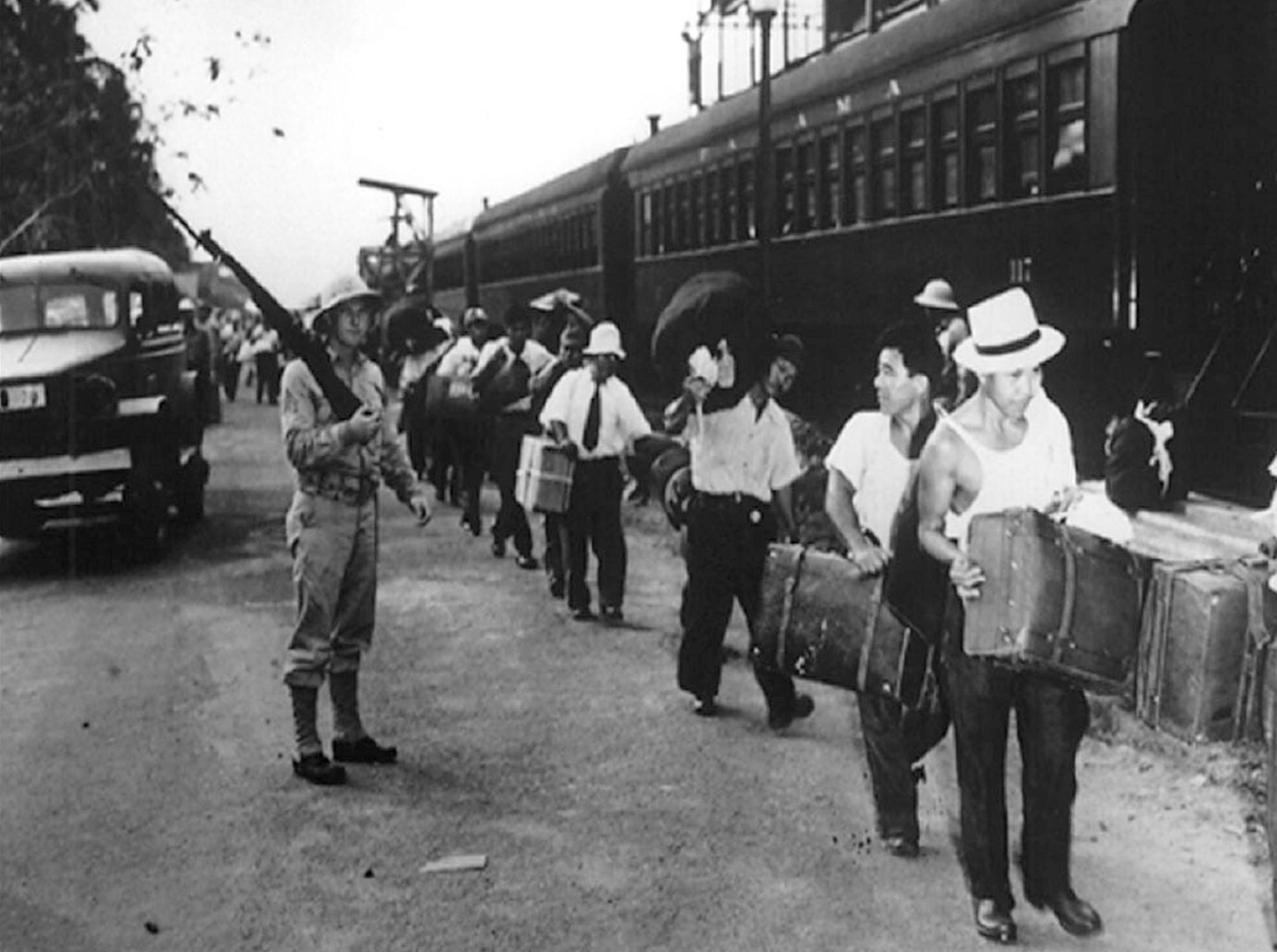
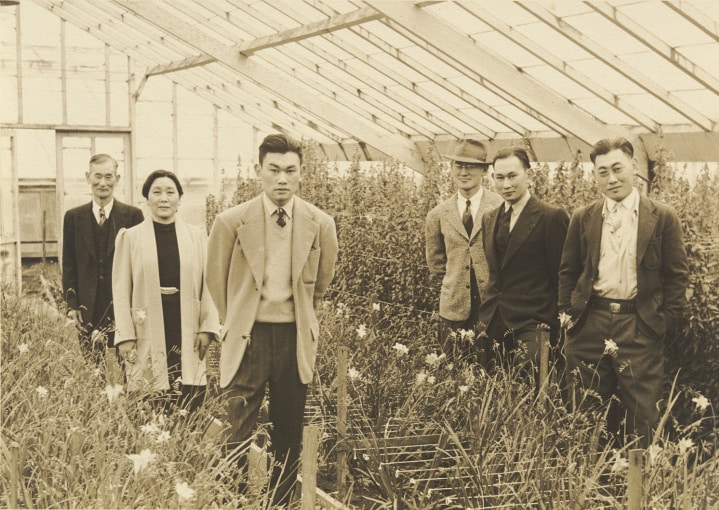
Fred Korematsu was arrested on a street corner in San Leandro, California for resisting Executive Order 9066, in which all people of Japanese descent were incarcerated in U.S. concentration camps.
Continue reading