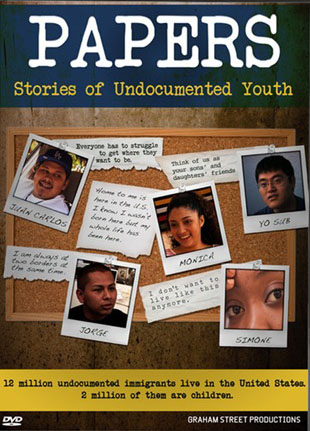
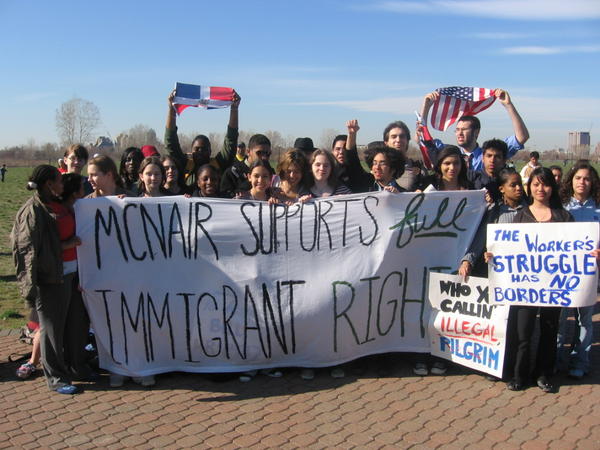
Film. Graham Street Productions. 2009. 110 minutes.
The story of undocumented youth and the challenges they face as they turn 18 without legal status.
Continue reading
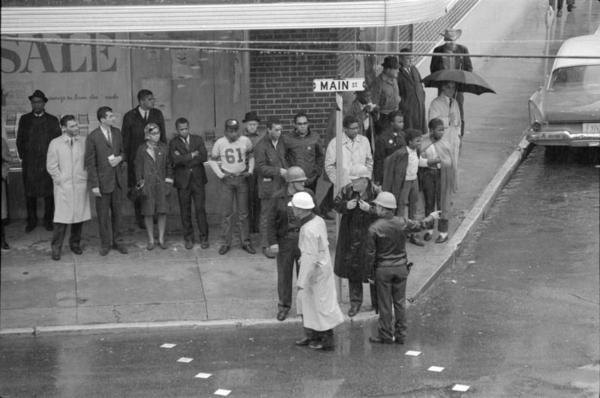
Students and faculty from Tougaloo College held a sit-in at the Woolworth’s lunch counter in Jackson, Mississippi.
Continue reading
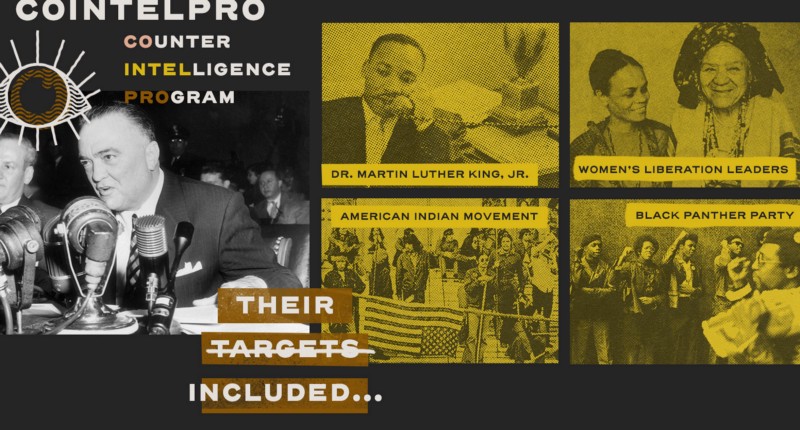
A cab driver, a day care provider, and two professors broke into an FBI office in Media, Pennsylvania, and stole more than 1,000 classified documents.
Continue reading
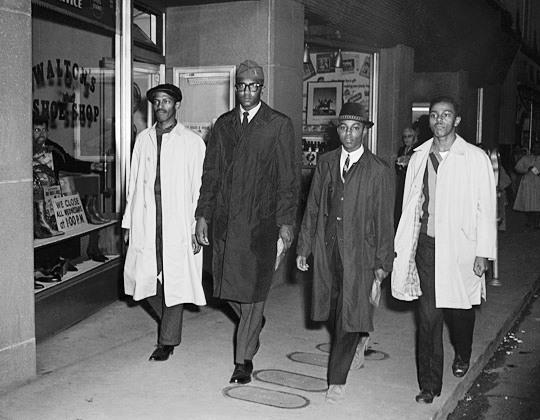
Four African-American North Carolina A&T University students began a sit-in protest at a Woolworth’s whites-only lunch counter.
Continue reading
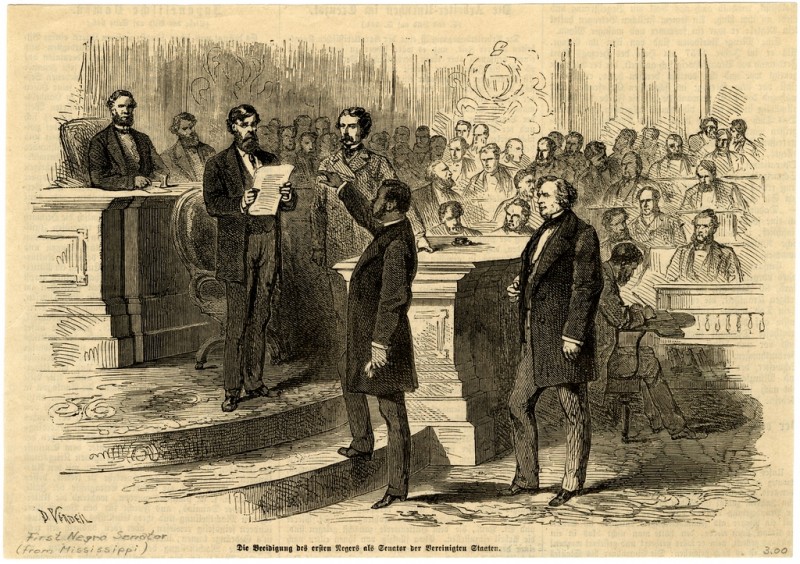
Hiram Revels was sworn into office as senator from Mississippi, becoming the first African American to serve in the U.S. Senate.
Continue reading
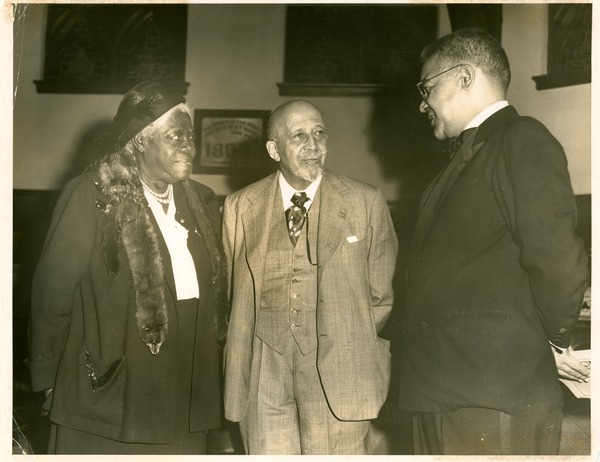
W. E. B. Du Bois, sociologist, historian, Pan-Africanist, author, and editor, was one of the most important scholars of the 20th century.
Continue reading
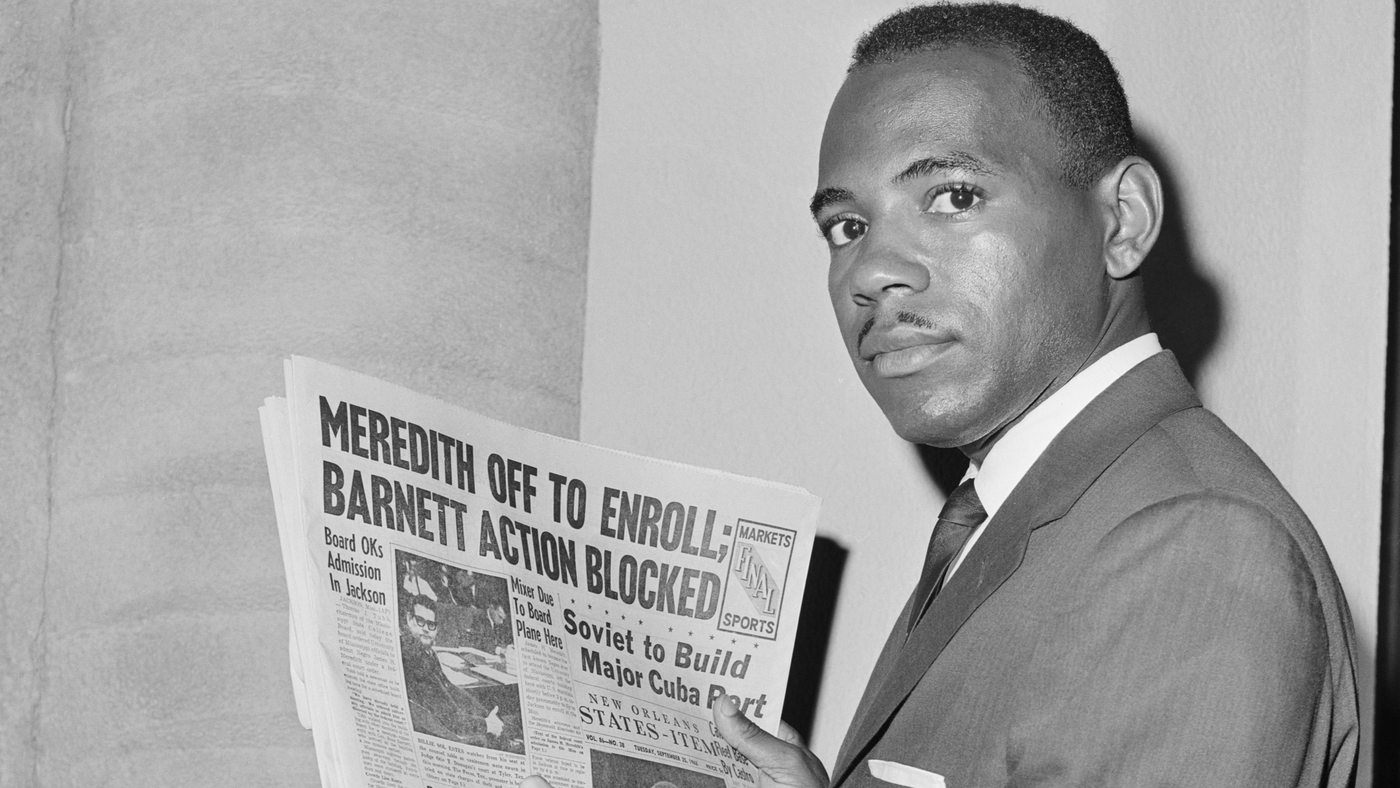
James Meredith attempted to register at the University of Mississippi.
Continue reading
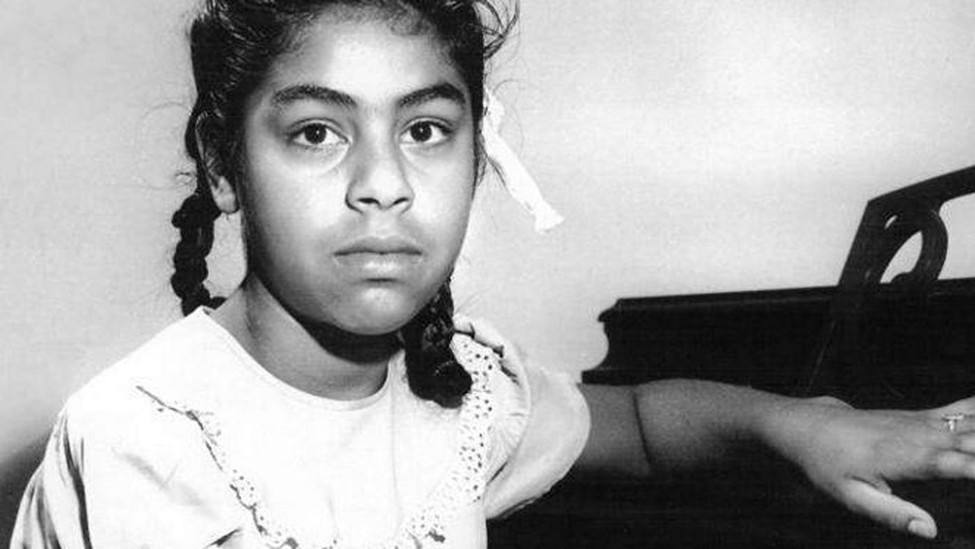
The courts ruled in favor of the Mendez family and their co-plaintiffs in California, finding segregated schools to be unconstitutional.
Continue reading
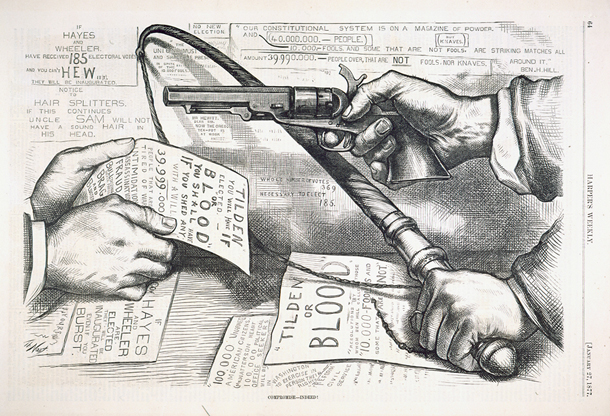
Rutherford Hayes became the 19th President of the United States with a devastating impact on Reconstruction.
Continue reading
Thousands of Black leaders gathered to create a cohesive political strategy at the National Black Political Convention in Gary, Indiana.
Continue reading
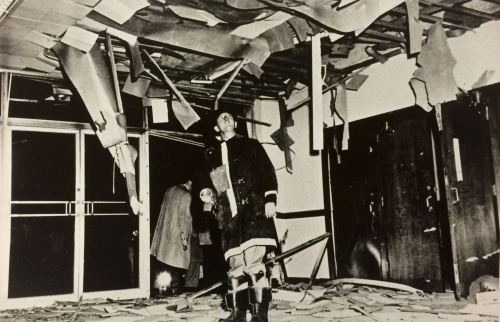
In one of many white supremacists attacks during the early years of the Civil Rights Movement, a Jewish Community Center was bombed in Nashville, Tennessee.
Continue reading
Article. By Howard Zinn. From Chapter 6 of You Can't Be Neutral on a Moving Train.
Zinn describes the Student Nonviolent Coordinating Committee (SNCC) voting rights campaign called Freedom Day in Hattiesburg, Miss.
Continue reading
Article. By James W. Loewen. July 2015 in the Washington Post.
A critique of textbook and mainstream media coverage of the Civil War.
Continue reading
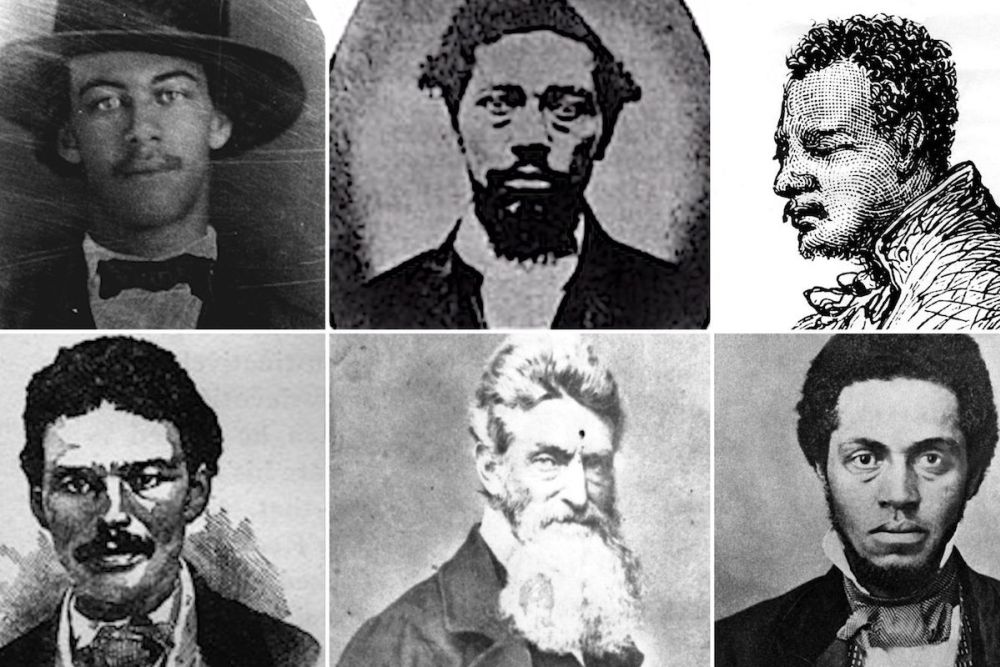
An abolitionist raid against a federal armory in Harpers Ferry, West Virginia in an attempt to start an armed revolt against the institution of slavery.
Continue reading
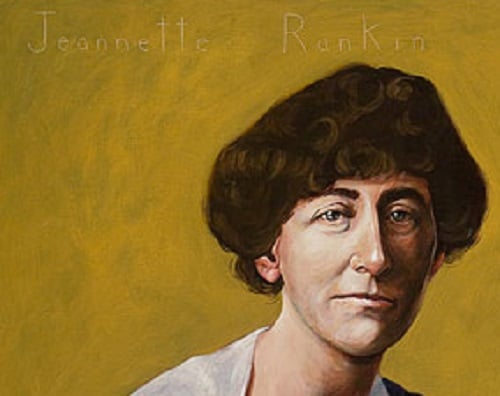
Congresswoman Jeannette Rankin was the only member of Congress to vote against declaring war on Japan after the attack on Pearl Harbor.
Continue reading
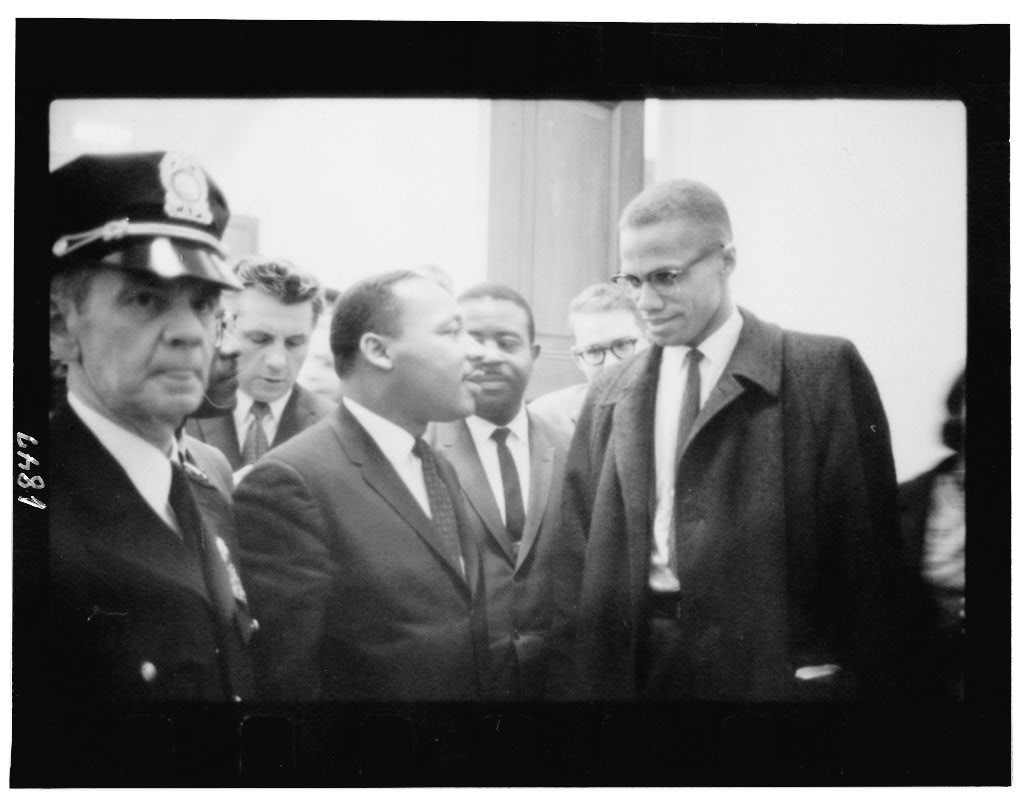
Martin Luther King Jr. and Malcolm X met briefly by chance as they were waiting for a press conference.
Continue reading
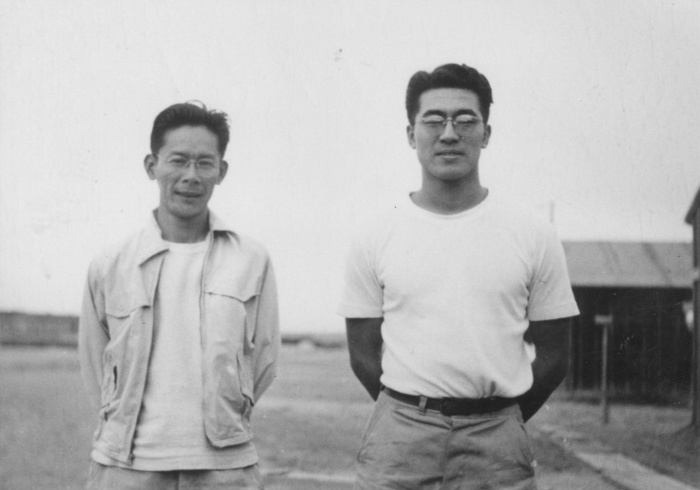
Frank S. Emi protested the draft during Japanese American incarceration and was interrogated.
Continue reading
Jeannette Rankin took her seat in the U.S. House of Representatives as the first woman ever elected to the U.S. Congress.
Continue reading
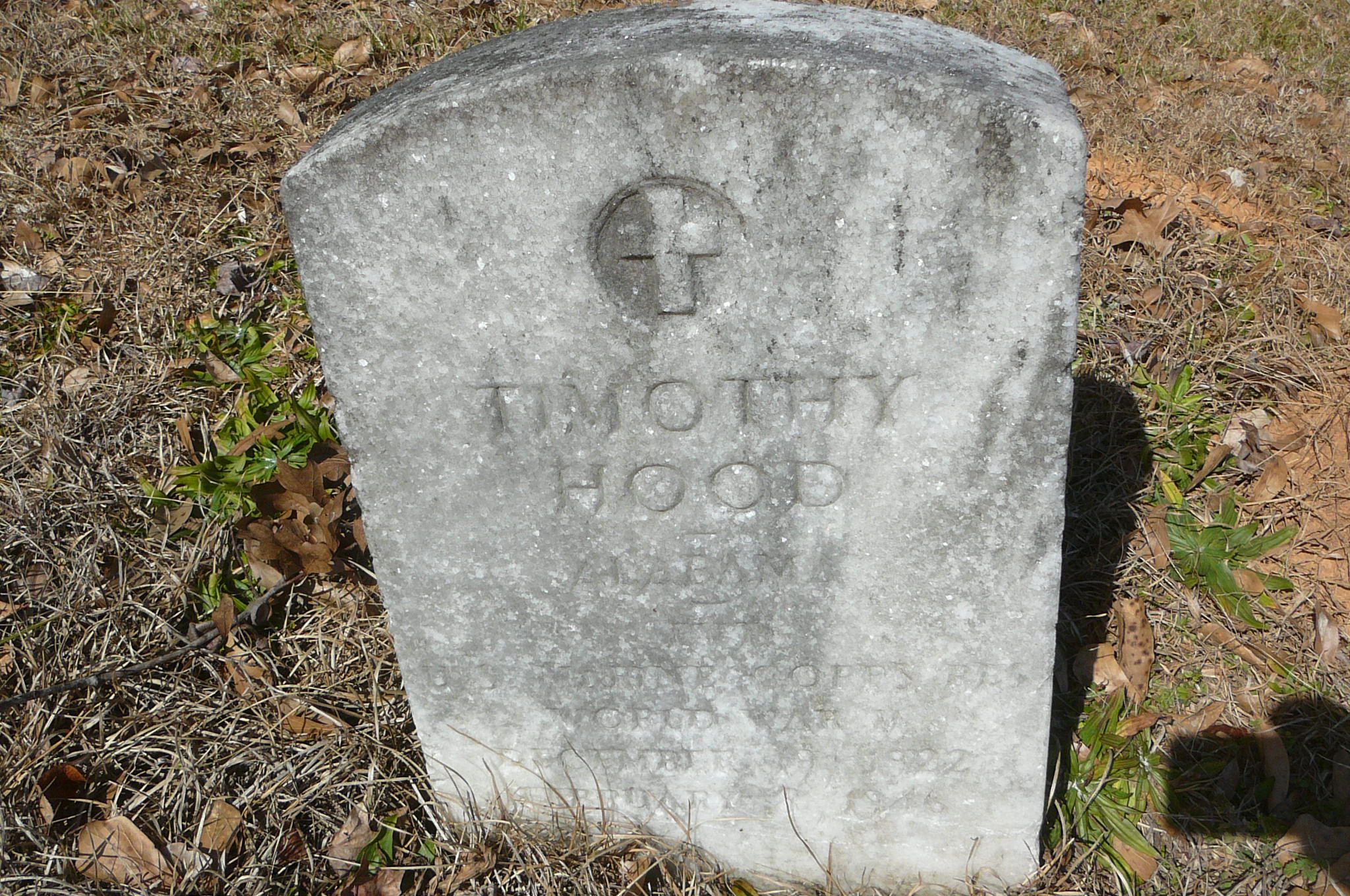
Timothy Hood, a veteran of the U.S. Marines, was killed for removing a Jim Crow sign.
Continue reading
During a Spring filled with pro-immigrant activism, on this day the largest number of people gathered in over 100 cities in the United States to protest new anti-immigrant legislation.
Continue reading
Digital collection. A project by the American Social History Project (ASHP) that aims to revitalize interest in history by challenging traditional ways of learning about the past, focusing on the working men and women who shaped U.S. history.
Continue reading
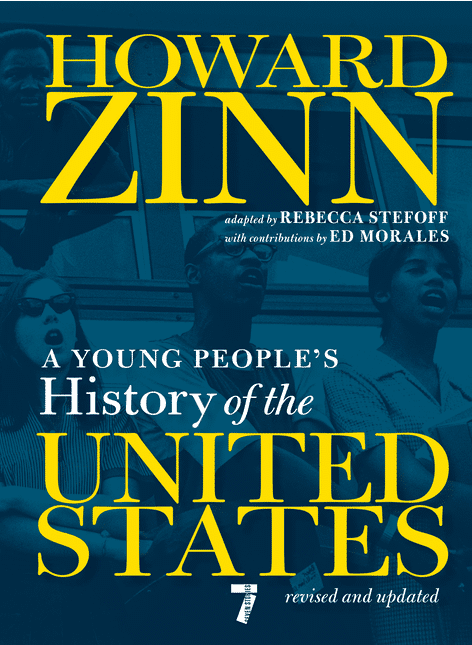
Book — Non-fiction. By Howard Zinn, adapted by Rebecca Stefoff with additions by Ed Morales. 2022. 544 pages.
A young adult version of the best-selling A People’s History of the United States, ideal for 6th through 9th grade students.
Continue reading
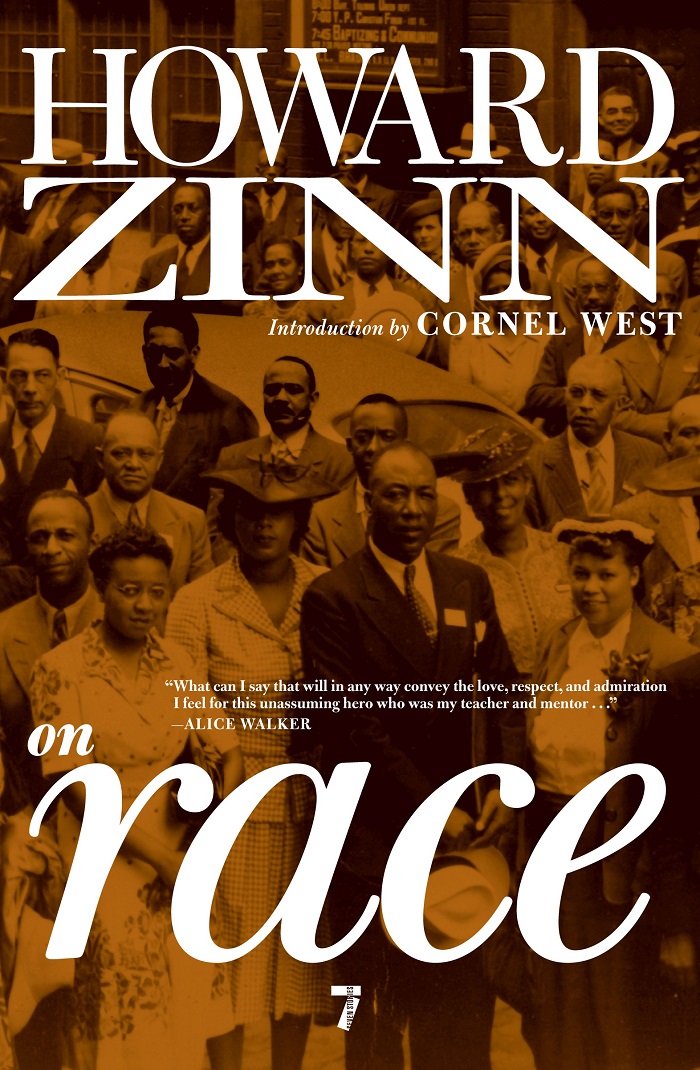
Book — Non-fiction. By Howard Zinn. Introduction by Cornel West. 2011. 192 pages.
Includes some never before published writings, speeches and interviews that illustrate the evolution and fundamental principles around the story of race in the United States.
Continue reading
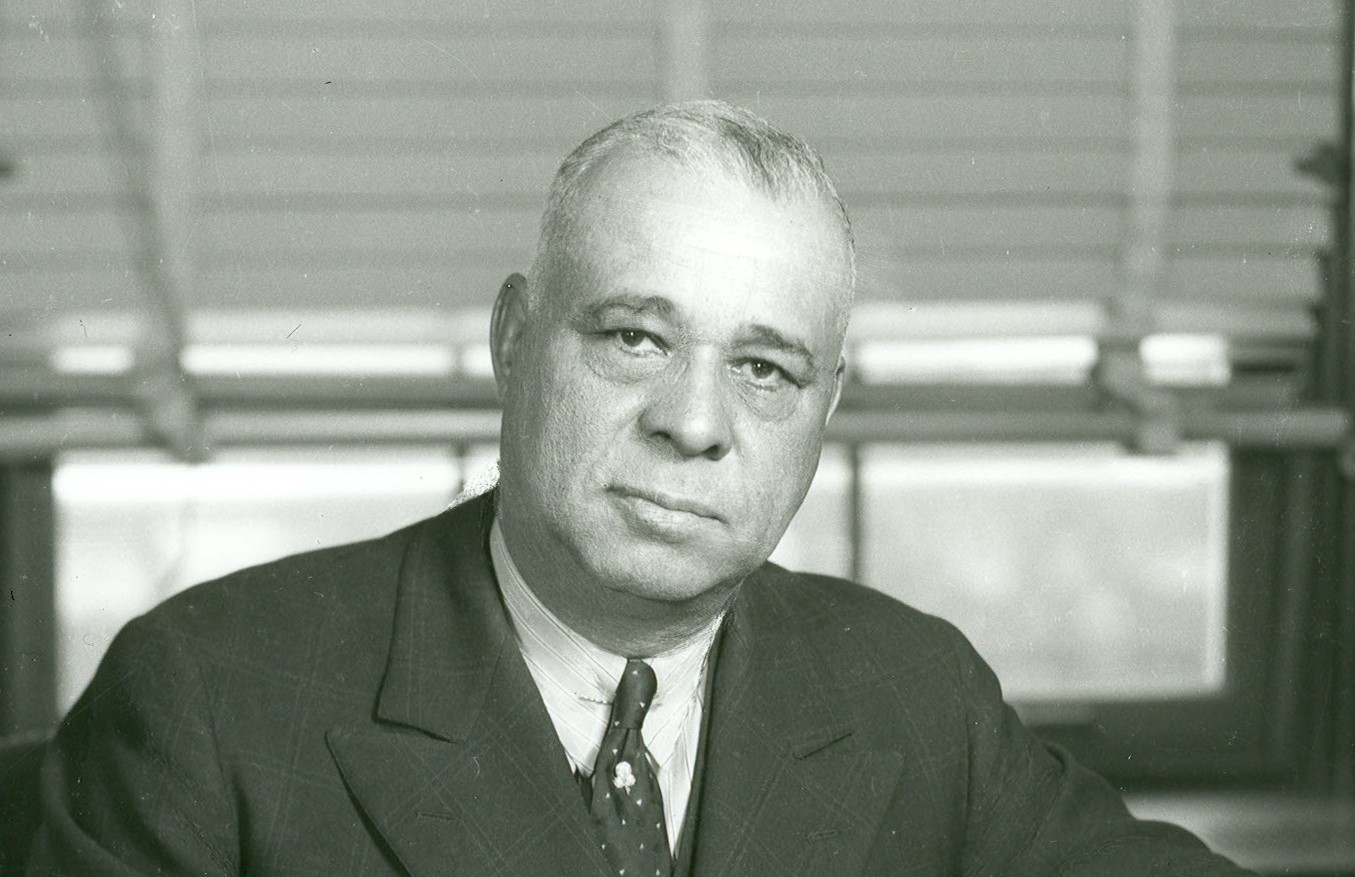
Illinois congressman Arthur W. Mitchell was ordered to move to the Jim Crow car of the train once it entered Arkansas.
Continue reading
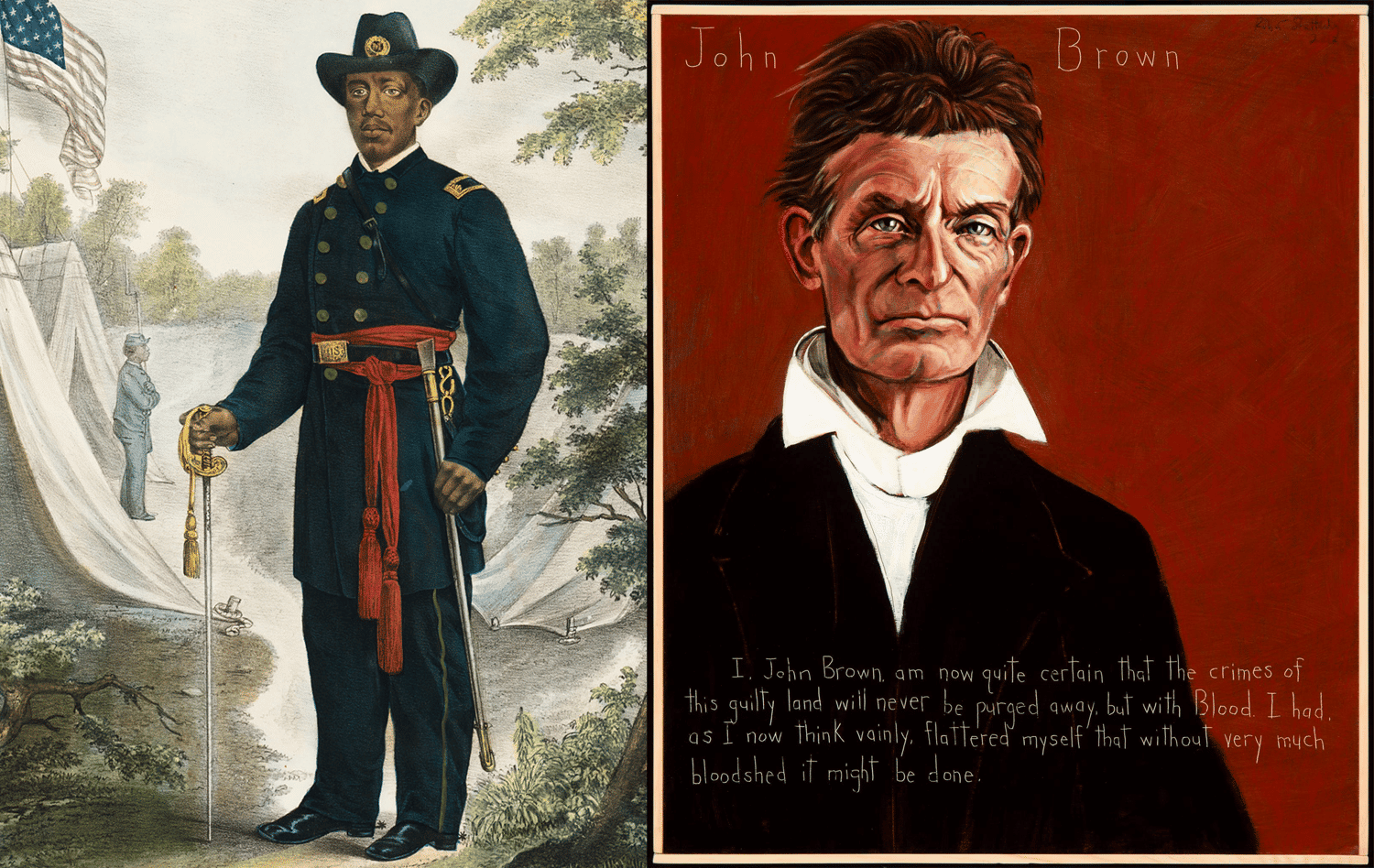
John Brown, Martin Delany, and others gathered for a Constitutional Convention in Chatham, Canada.
Continue reading