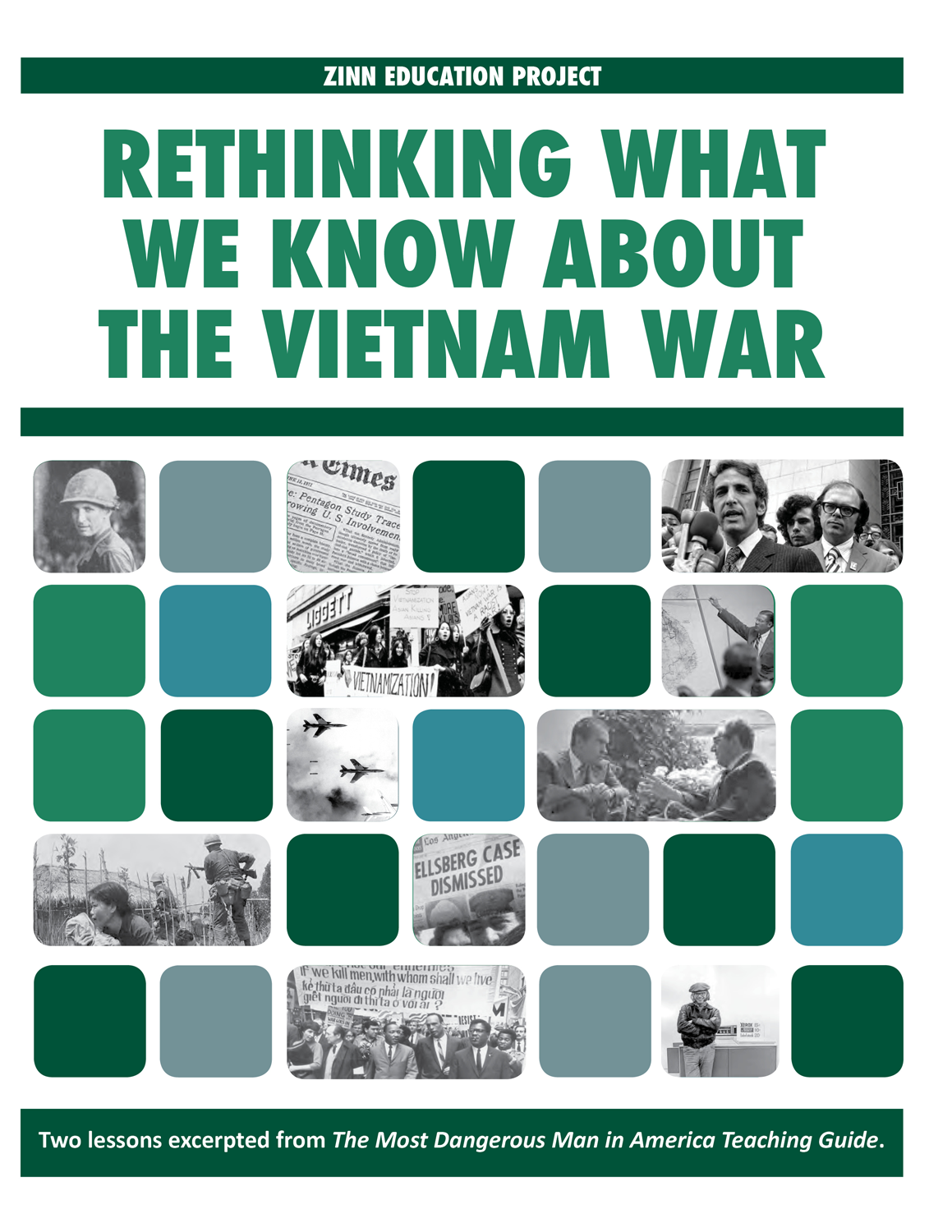
Teaching Activity. Zinn Education Project. 21 pages.
Two lessons to introduce key facts about the Vietnam War and the Pentagon Papers, documents that provide essential history that is often ignored by textbooks.
Continue reading
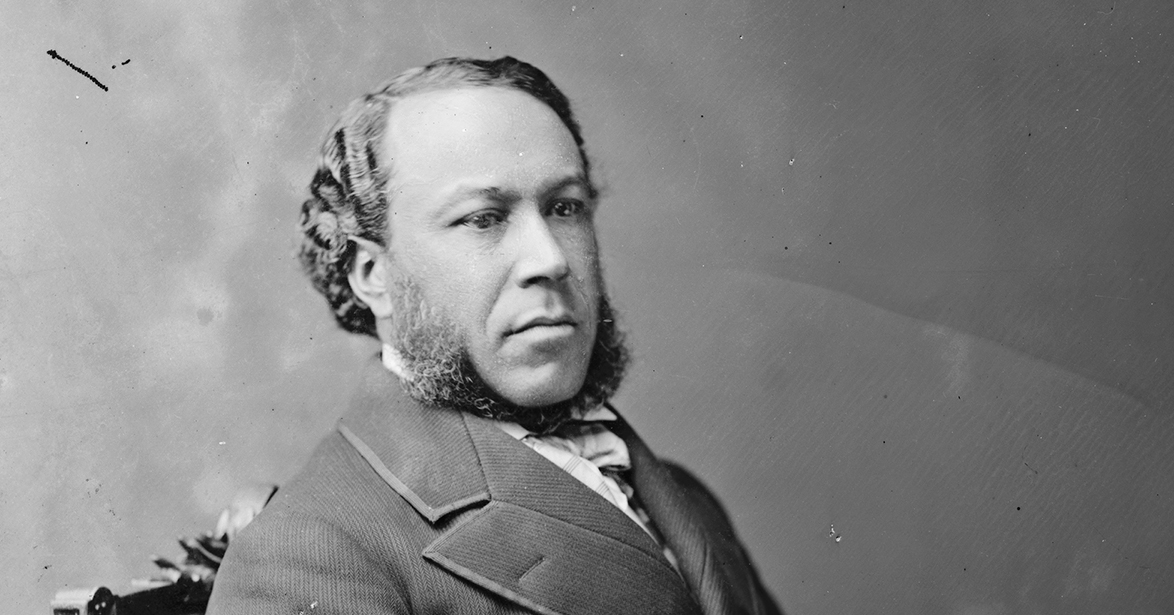
Joseph H. Rainey, from South Carolina, was the first African American to serve in the U.S. House of Representatives.
Continue reading
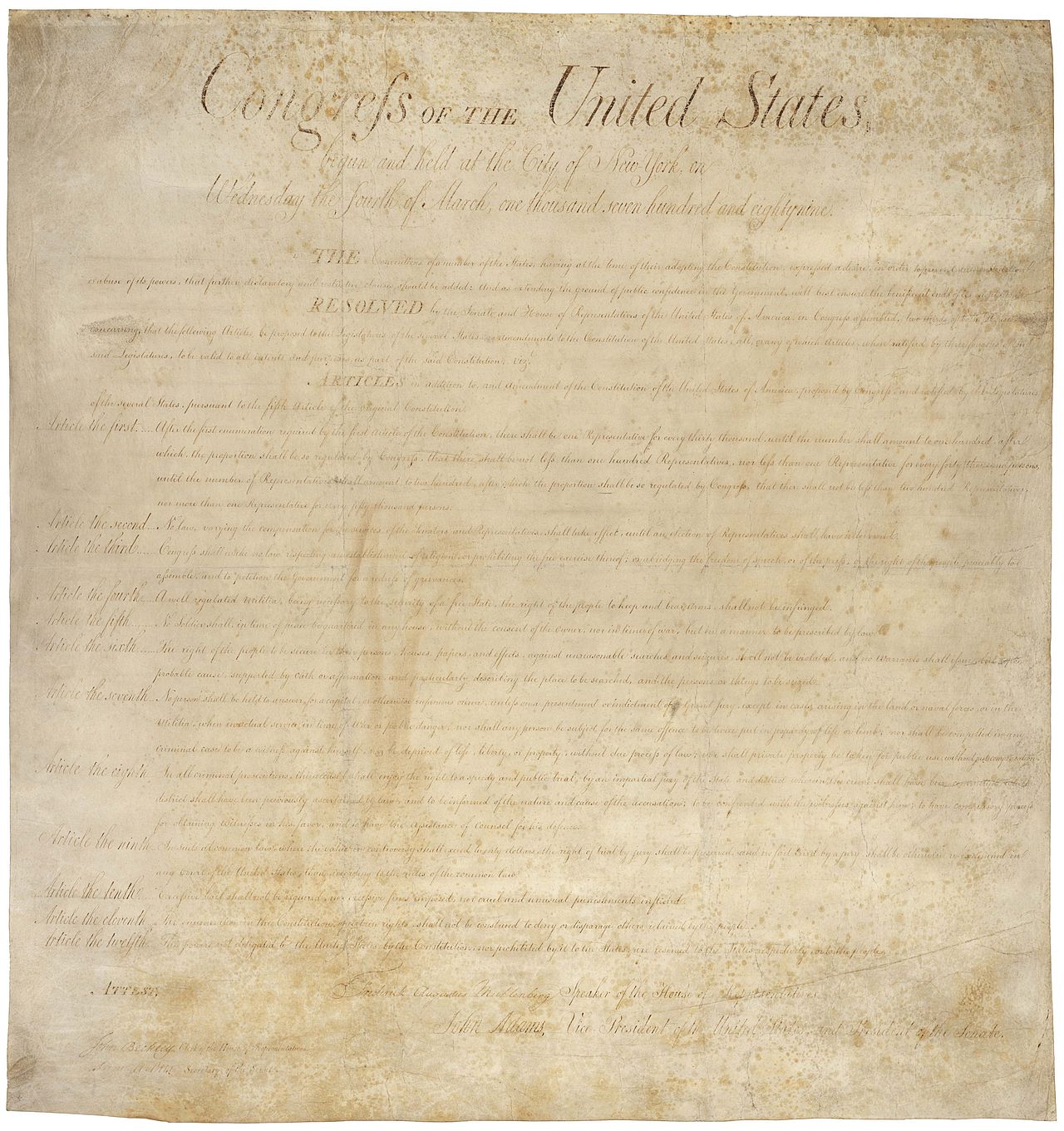
The first ten amendments to the U.S. Constitution, known as the United States Bill of Rights, were ratified.
Continue reading
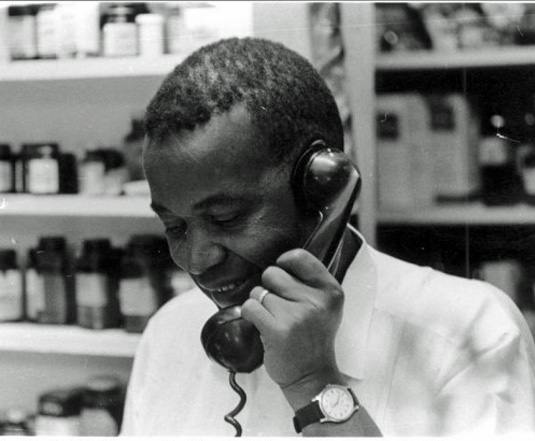
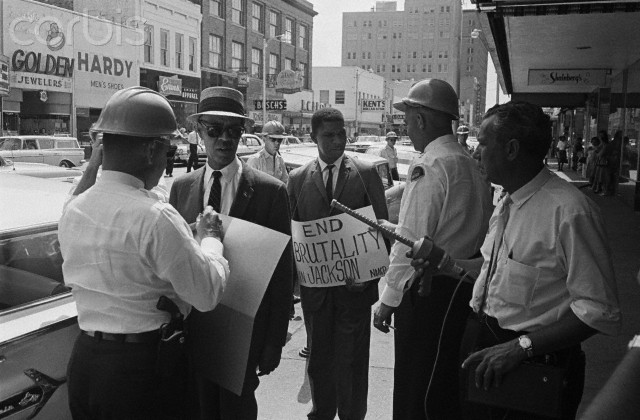
Aaron Henry (Mississippi state NAACP president, pharmacist, drugstore owner) and the Coahoma County NAACP organized an effective Christmas shopping boycott in Clarksdale, Mississippi.
Continue reading
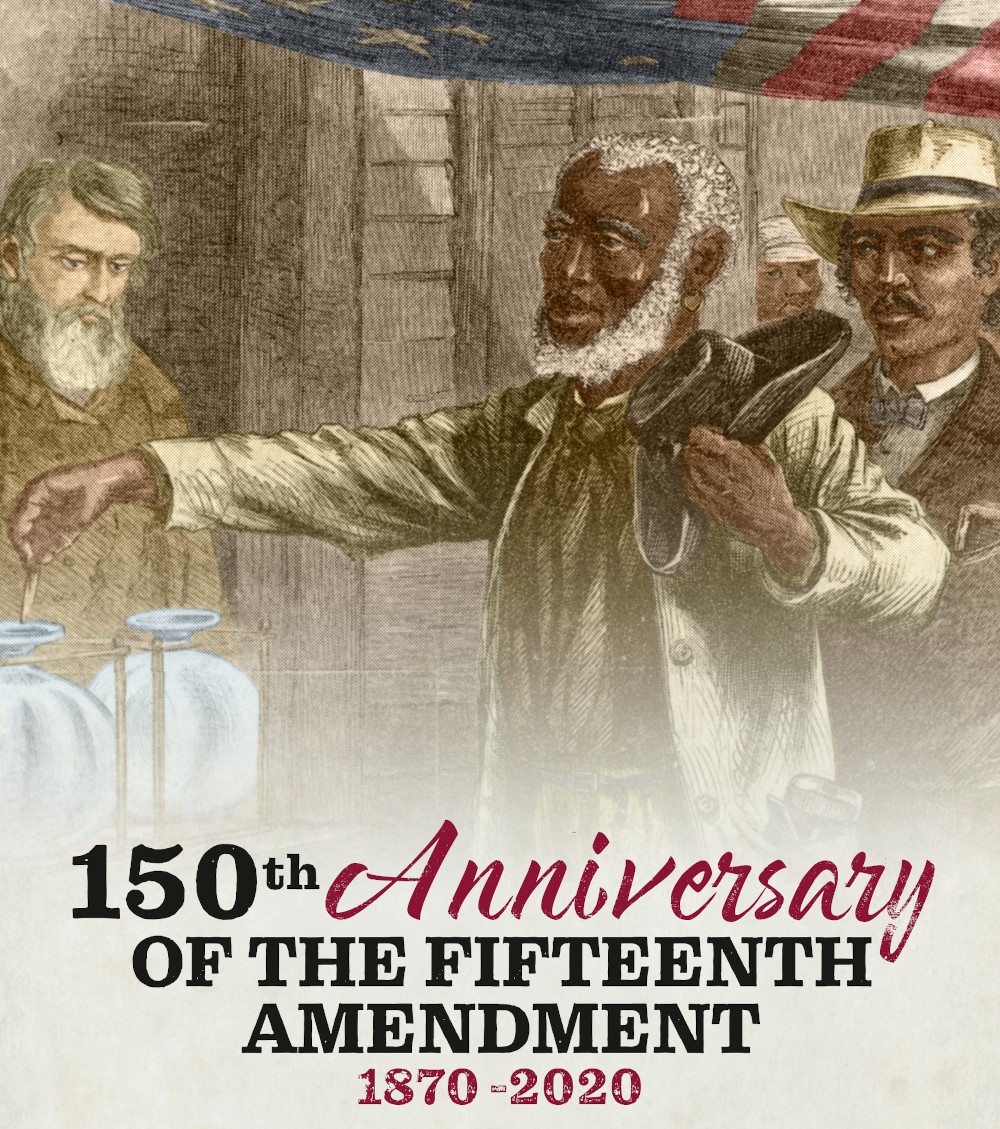
Apply for a mini-grant to teach the 15th Amendment in 2020, the 150th anniversary of the Constitutional right to vote regardless of "race, color, or previous condition of servitude."
Continue reading
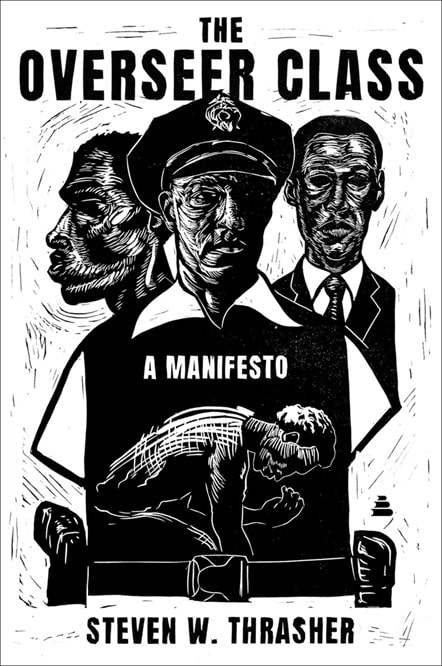
Book — Non-fiction. By Steven W. Thrasher. 2026. 400 pages.
Explores what happens when members of historically minoritized groups are selected for high-visibility positions of power within existing institutions.
Continue reading
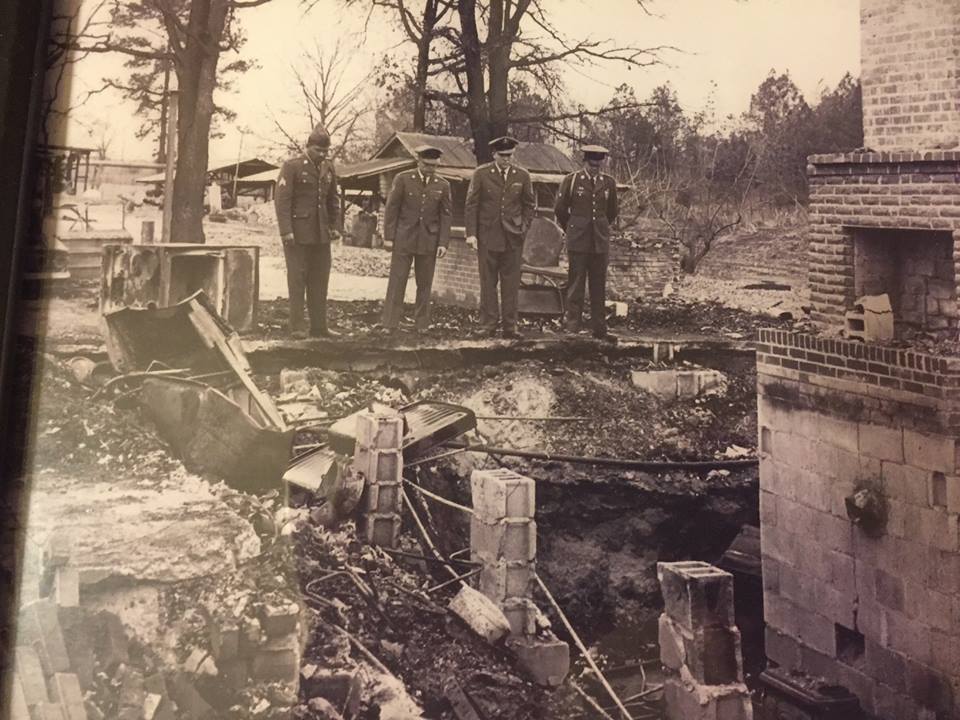
Vernon Dahmer was killed when the Ku Klux Klan fired bombed his home. This was one day after Dahmer offered to pay the election poll tax for anyone who could not afford it.
Continue reading
Resources about Dr. Martin Luther King Jr., beyond the traditional narrative.
Continue reading
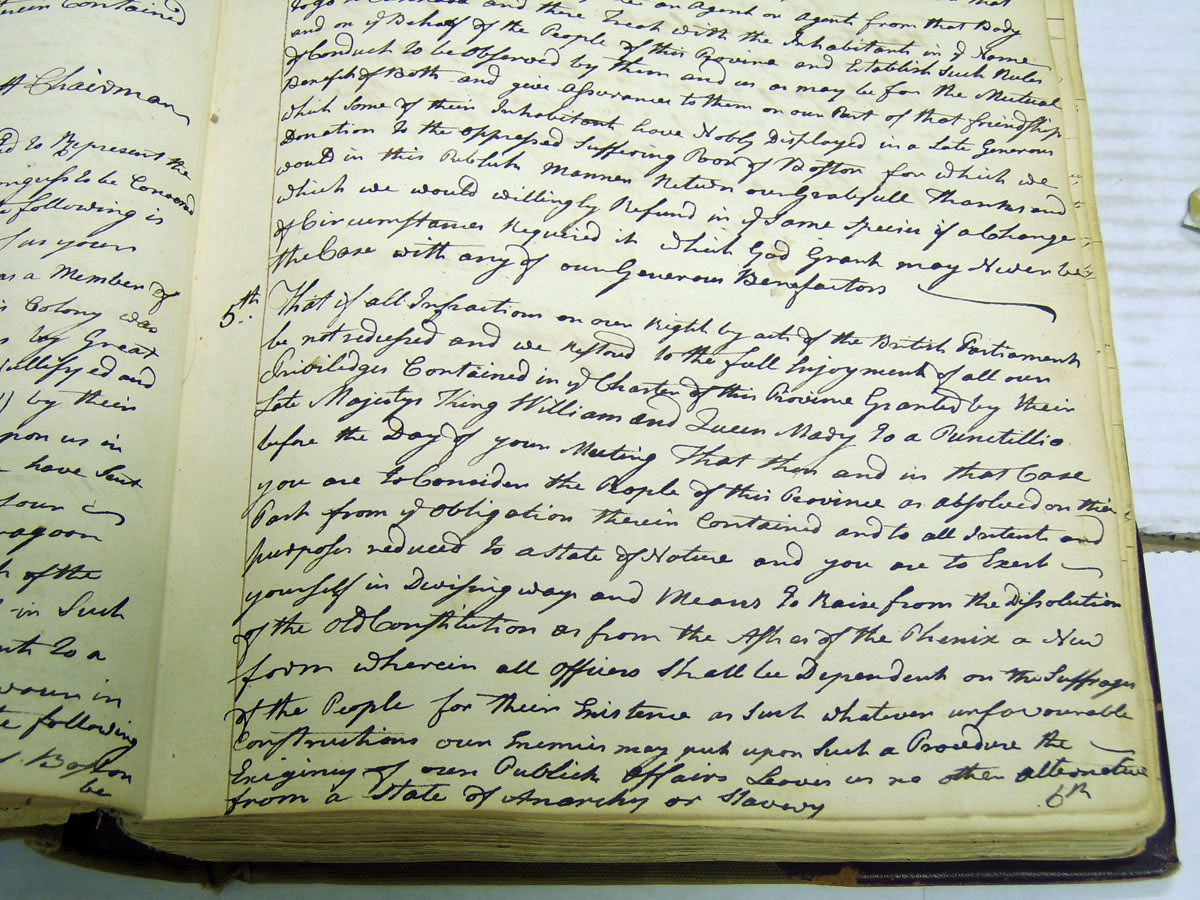
Residents of Worcester, Massachusetts demanded a new government be elected by the people, divorced from the British Crown and Parliament, setting the stage for nearly 100 more declarations that would sweep through the Thirteen Colonies before the summer of 1776.
Continue reading
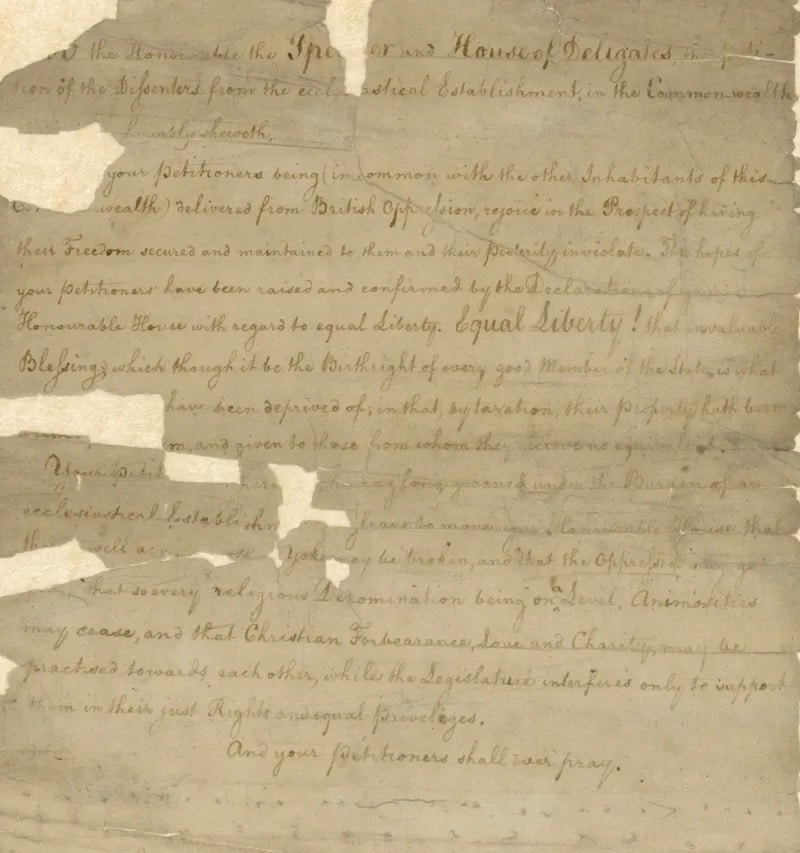
In Virginia, under threat of persecution, Baptists preached and petitioned for freedom of religion to be carved into law.
Continue reading
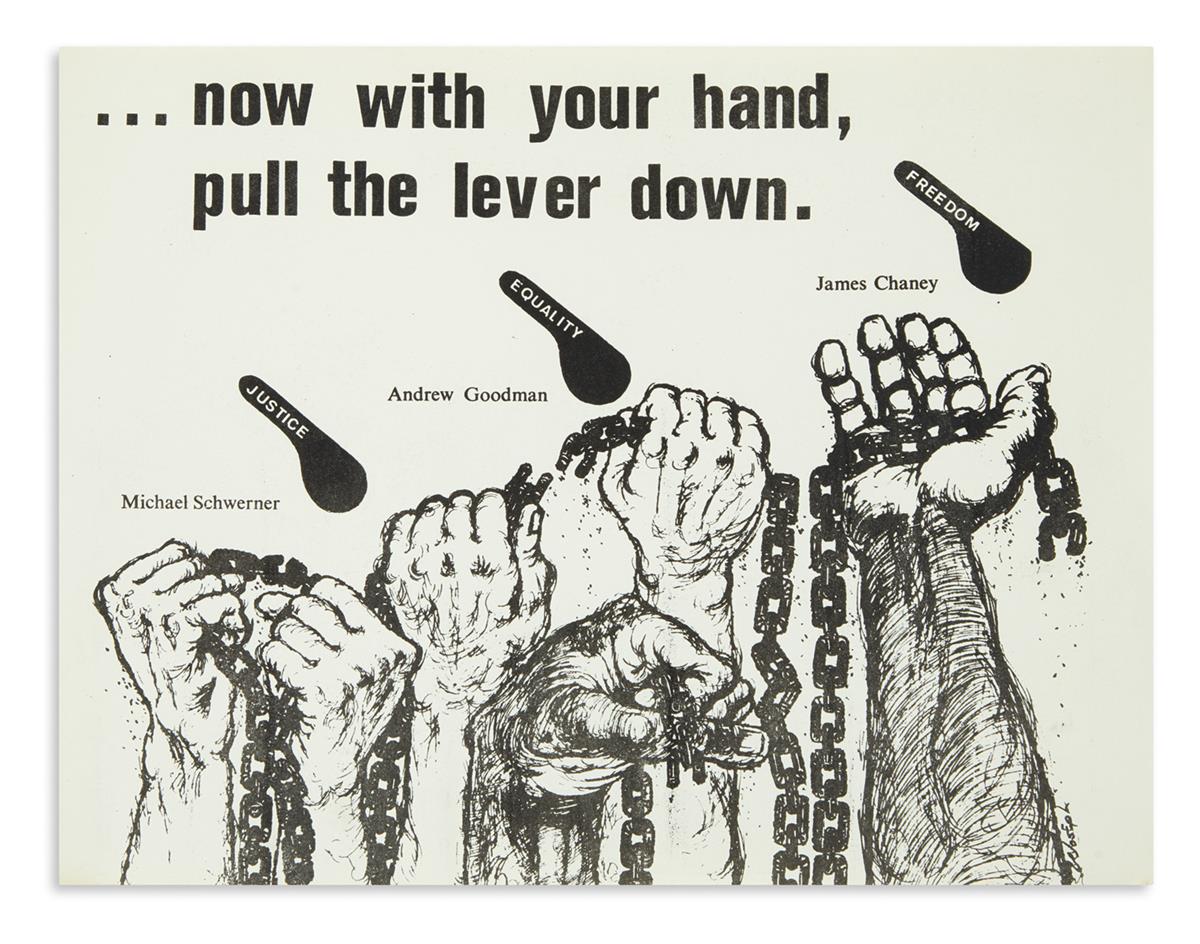
Reagan appealed to the “George Wallace-inclined voters” and to white supremacy in his stump speech at the Neshoba County Fair, mere miles away from where three civil rights workers were murdered by the Klan in 1964.
Continue reading
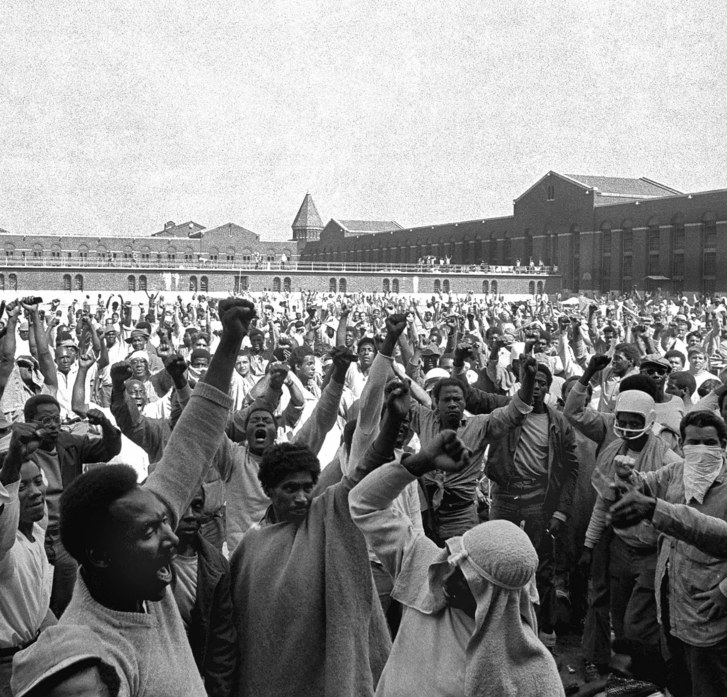
The Attica Prison Uprising began when prisoners took control of part of the prison in Upstate New York.
Continue reading
Teaching Activity. By Bill Bigelow. 17 pages.
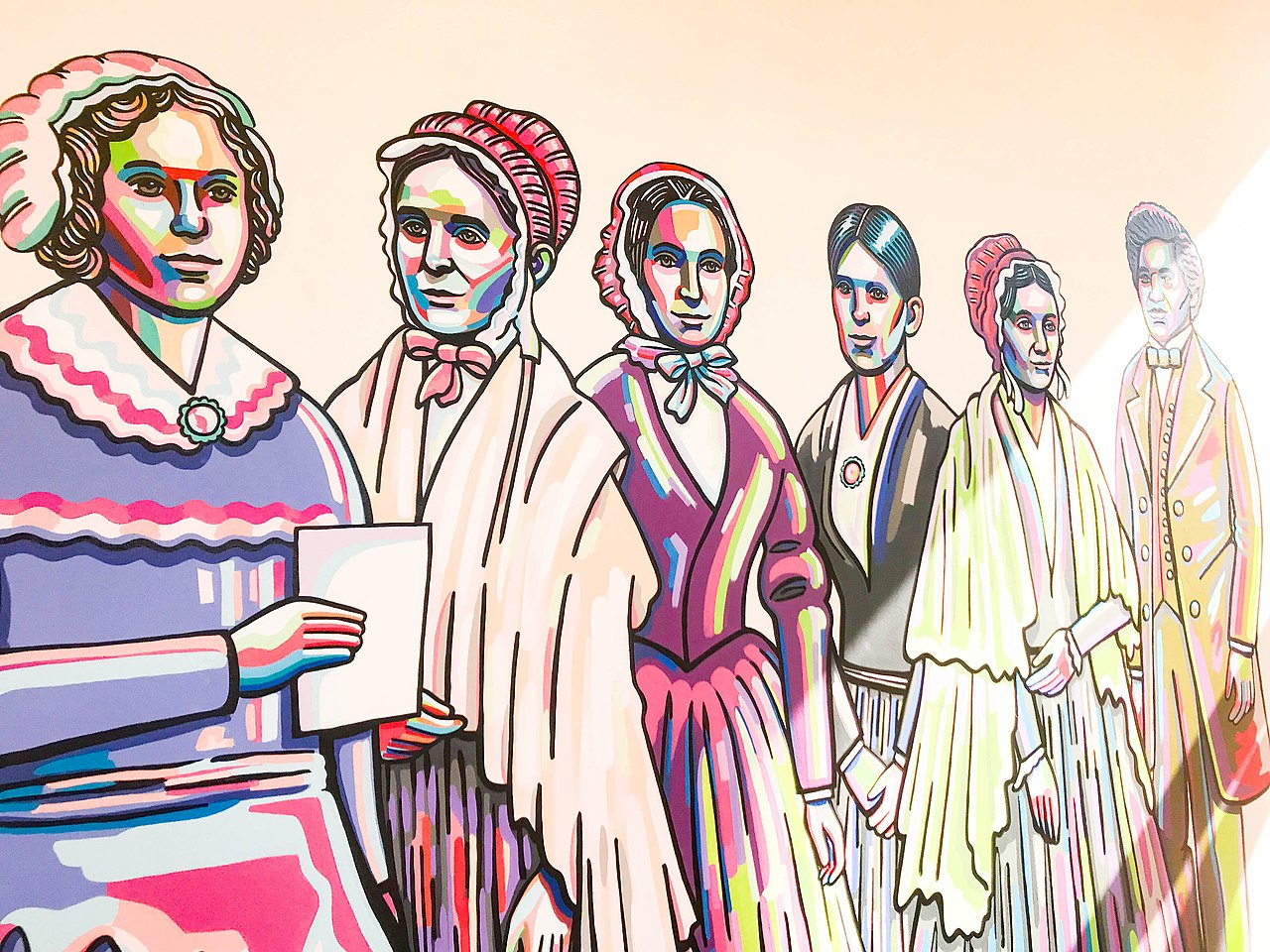
A role play allows students to examine issues of race and class when exploring both the accomplishments and limitations of the Seneca Falls Convention.
Continue reading
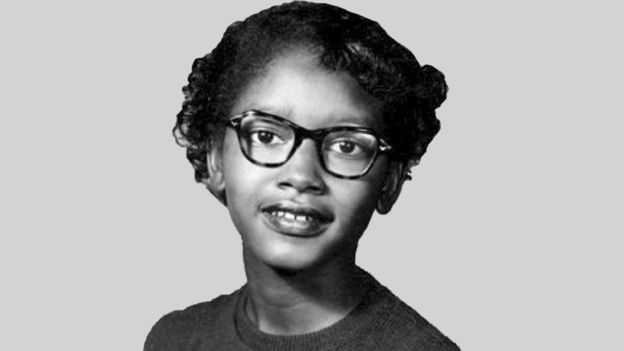
At age 15, Claudette Colvin refused to give up her bus seat to a white woman in Montgomery, Alabama.
Continue reading
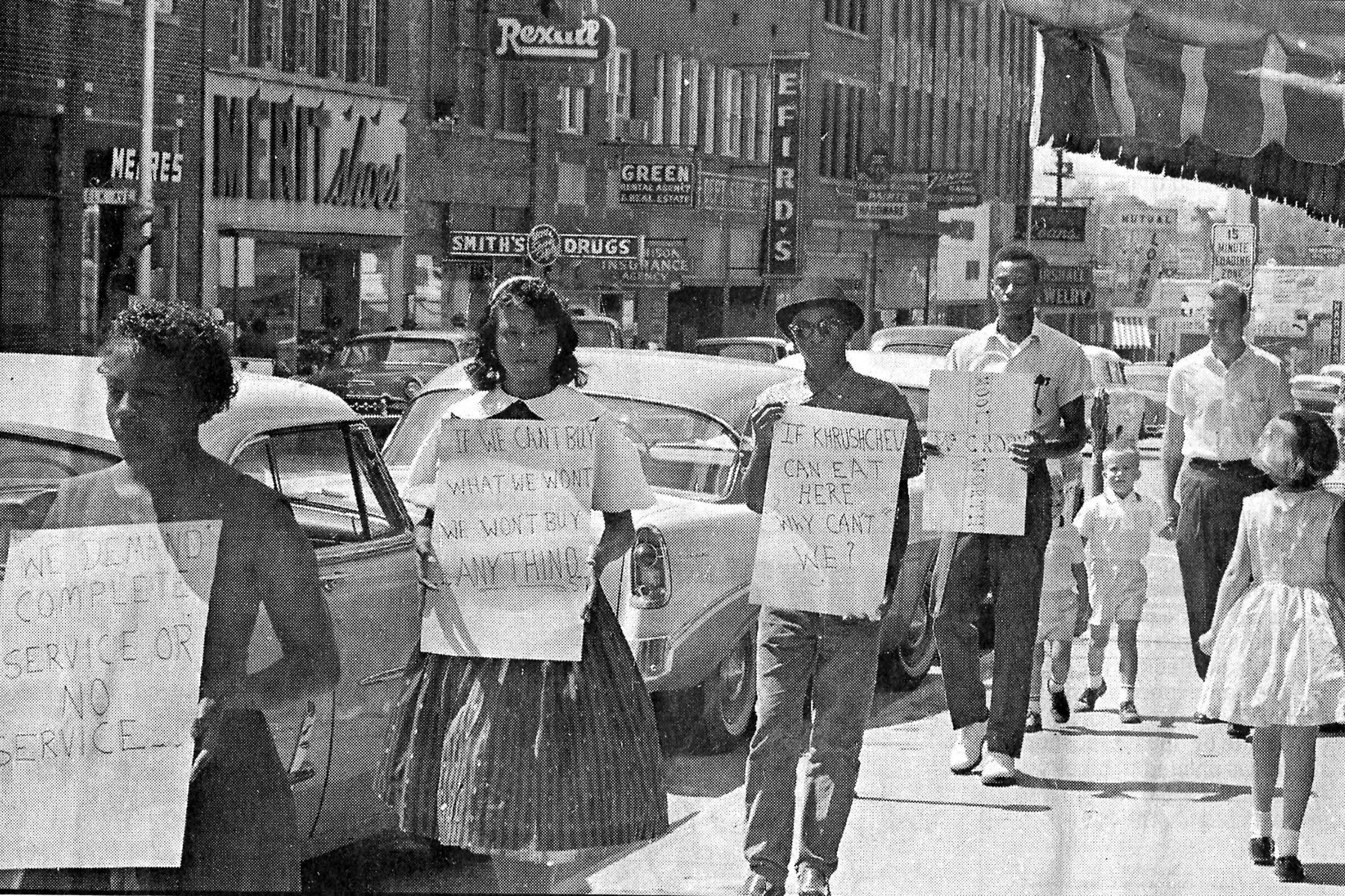
The Student Nonviolent Coordinating Committee (SNCC) sent four volunteers to Rock Hill, South Carolina to sit-in.
Continue reading
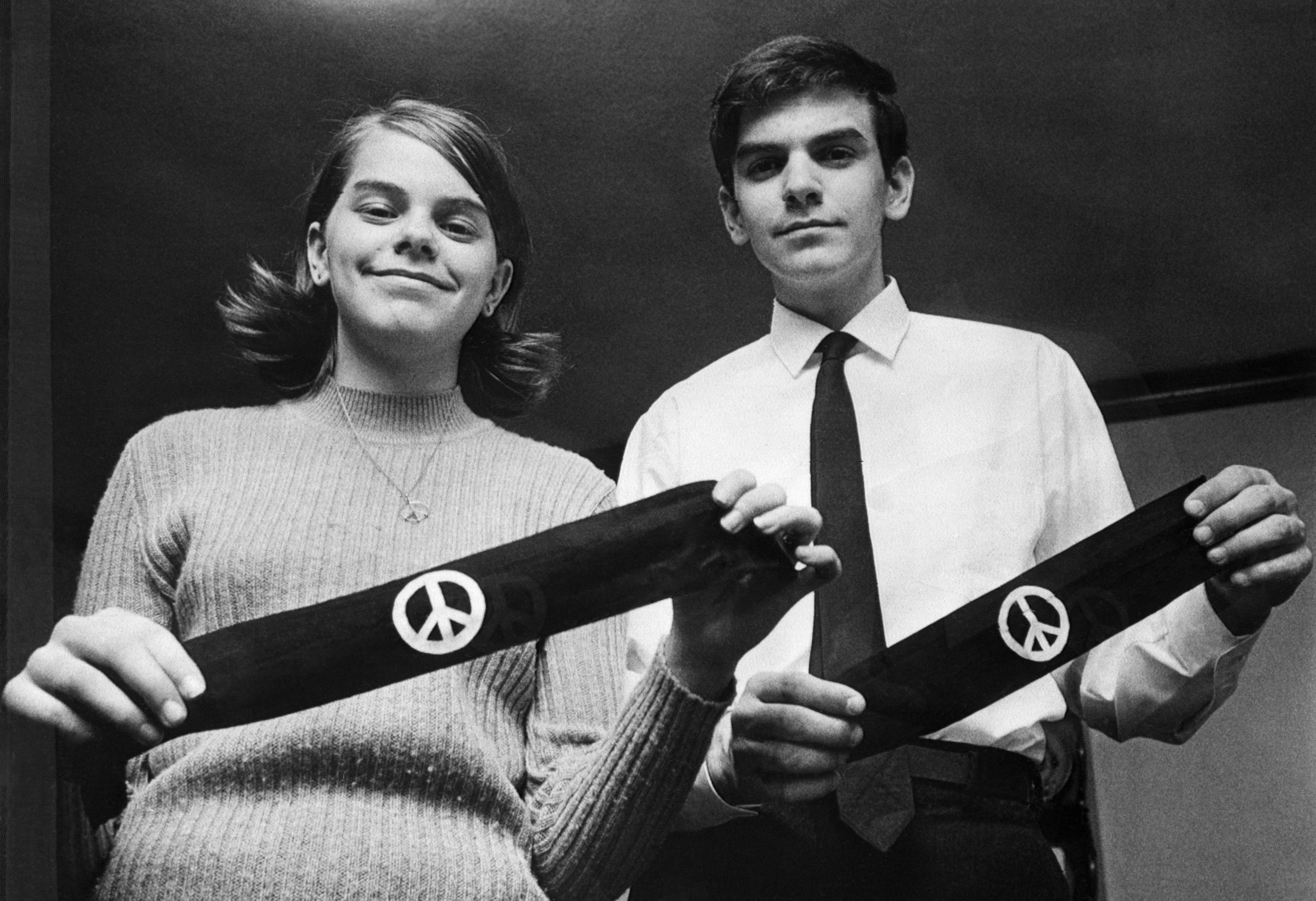
The Supreme Court ruled 7-2 in Tinker v. Des Moines that students do not “shed their constitutional rights to freedom of speech or expression at the schoolhouse gate.”
Continue reading
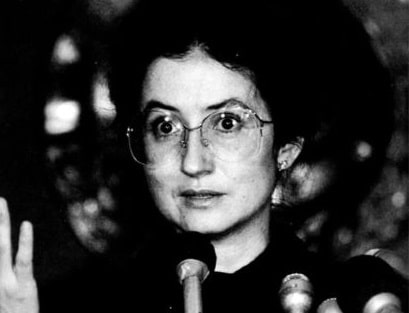
Kansas reservist Dr. Yolanda Huet-Vaughn refused orders to serve in the first Gulf War (Desert Storm).
Continue reading
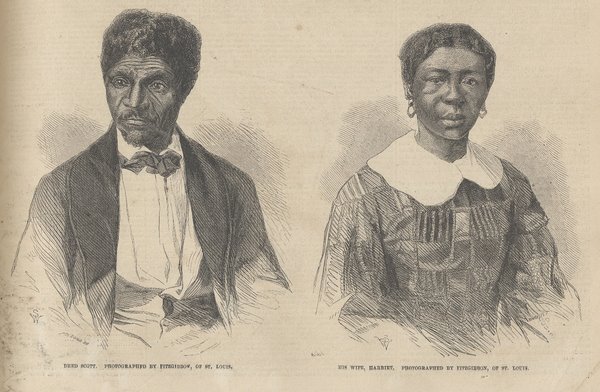
The Supreme Court declared in horrific Dred Scott v. Sandford ruling that “Any person descended from Africans, whether slave or free, is not a citizen of U.S.”
Continue reading
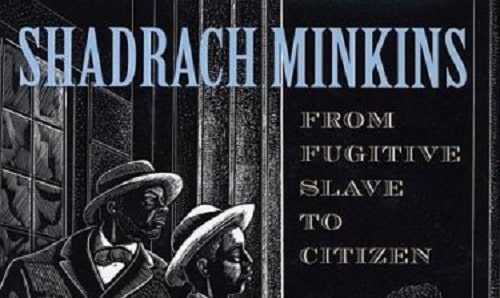
U.S. Marshals arrested Shadrach Minkins, who had escaped from slavery in Norfolk, Virginia.
Continue reading
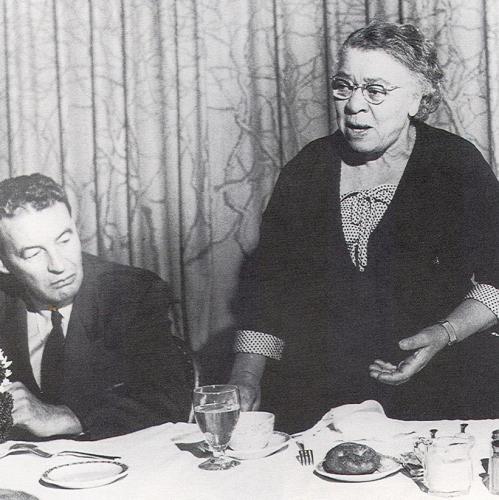
California newspaper owner and anti-Klan activist Charlotta Spears Bass became the first African American nominated to be a U.S. political party's vice-presidential candidate.
Continue reading
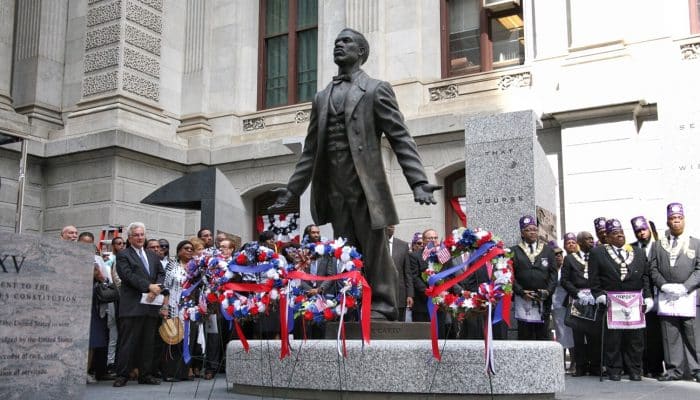
Philadelphia, Pennsylvania Black educator, baseball player, and civil rights activist Octavius V. Catto was murdered by a white supremacist on election day.
Continue reading
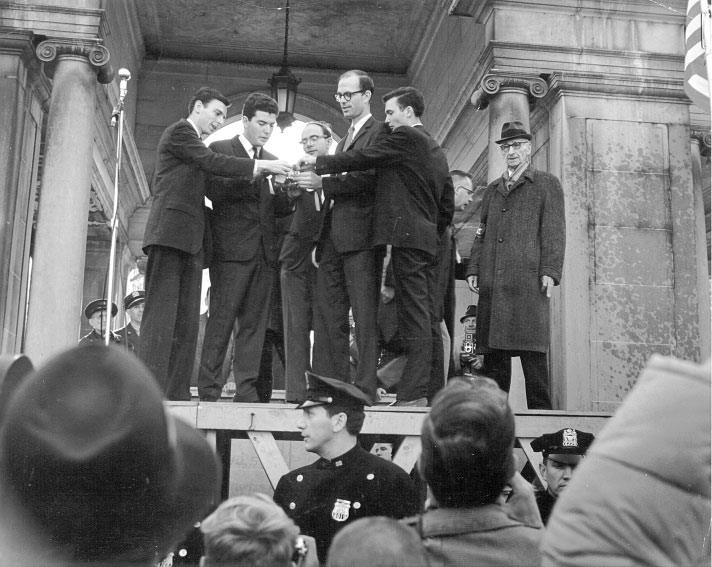
Draft cards burned in solidarity with David Miller, a Catholic pacifist who was one of the first to publicly burn his draft card.
Continue reading
Profile. By Dernoral Davis.
Medgar Evers (July 2, 1925—June 12, 1963), Civil Rights Movement activist in Mississippi.
Continue reading
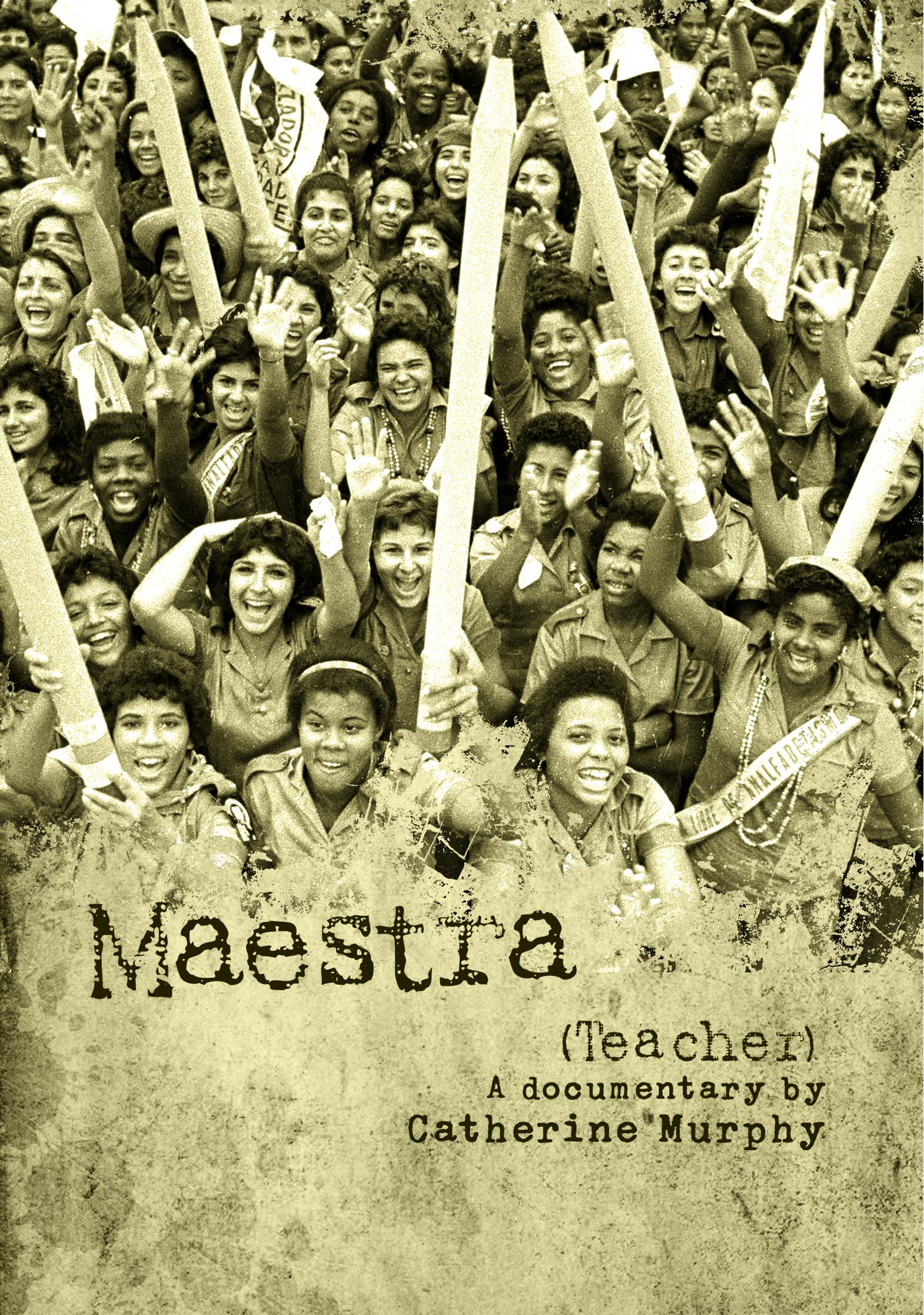
Film. By Catherine Murphy. 2013. 32 minutes.
Documentary about the successful 1961 literacy campaign in Cuba.
Continue reading