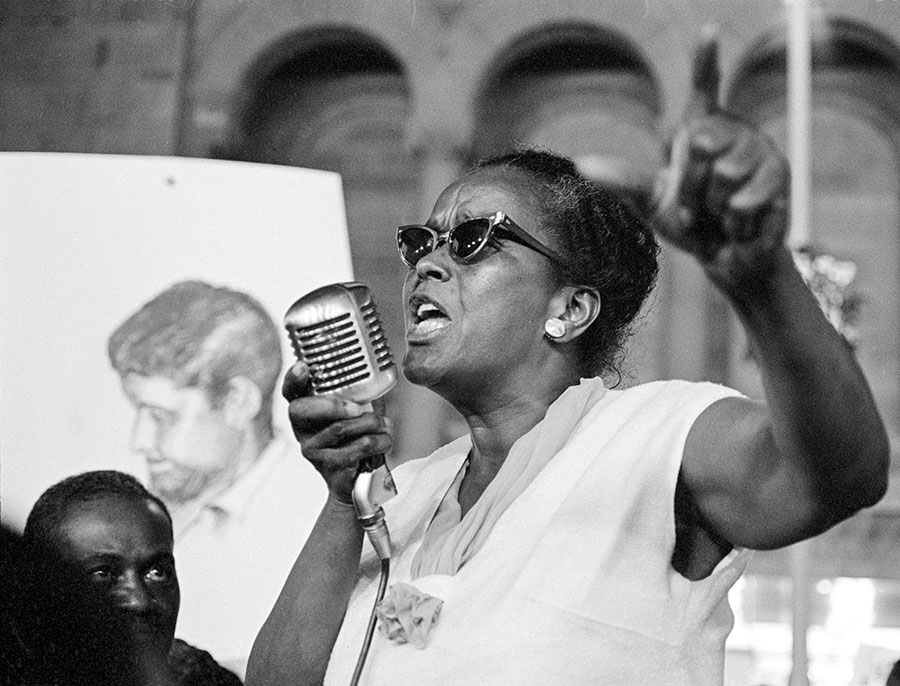
Born on this day, Ella Baker was a civil rights and human rights activist beginning in the 1930s whose career spanned more than five decades.
Continue reading
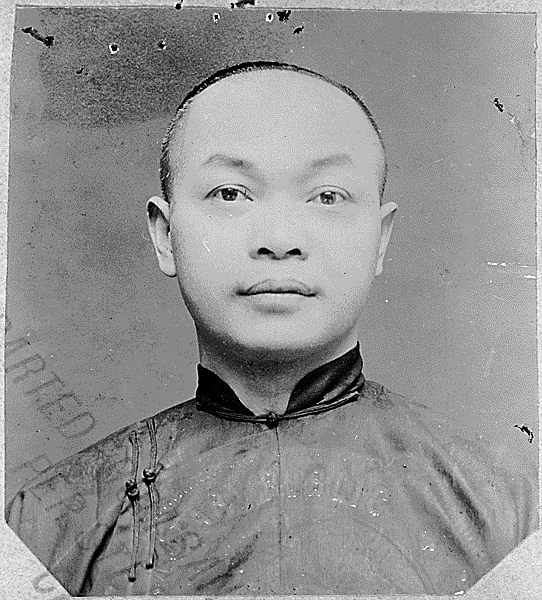
The U.S. Supreme Court issued its landmark decision in United States v. Wong Kim Ark.
Continue reading
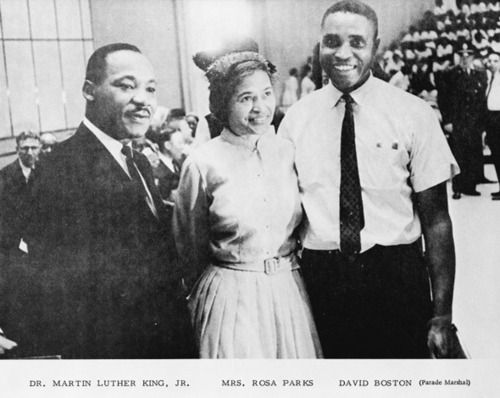
Dr. Martin Luther King Jr. gave the speech titled “The Other America” focusing on economic inequalities and white complicity in the North.
Continue reading
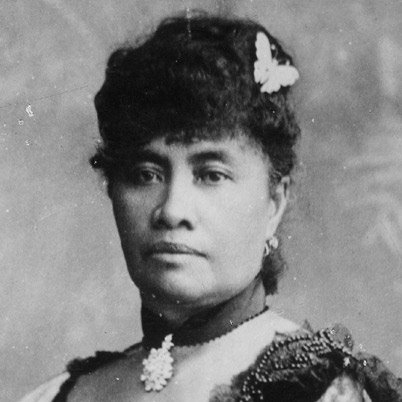
Queen Lili`uokalani of the independent kingdom of Hawai`i was overthrown as she was arrested at gunpoint by U.S. Marines.
Continue reading
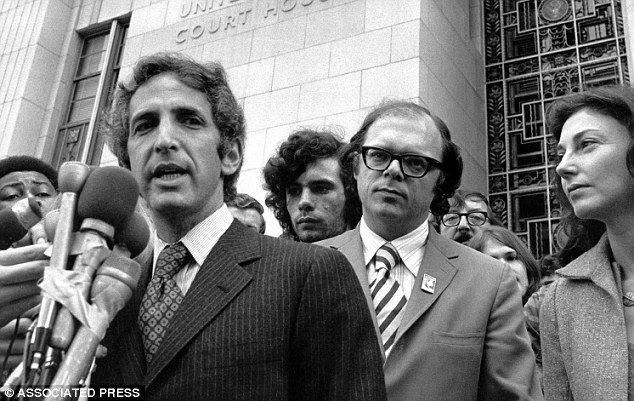
Daniel Ellsberg and Anthony J. “Tony” Russo Jr. were indicted for releasing the Pentagon Papers, detailing the secret history of U.S. involvement in Vietnam.
Continue reading
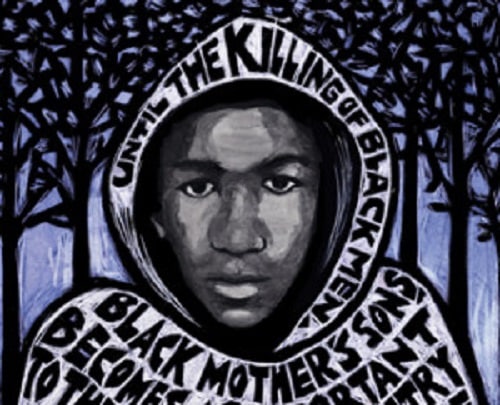
Trayvon Martin, a Black teenager, was murdered. The death of Martin and acquittal of the man who shot him sparked the national and global Movement for Black Lives.
Continue reading
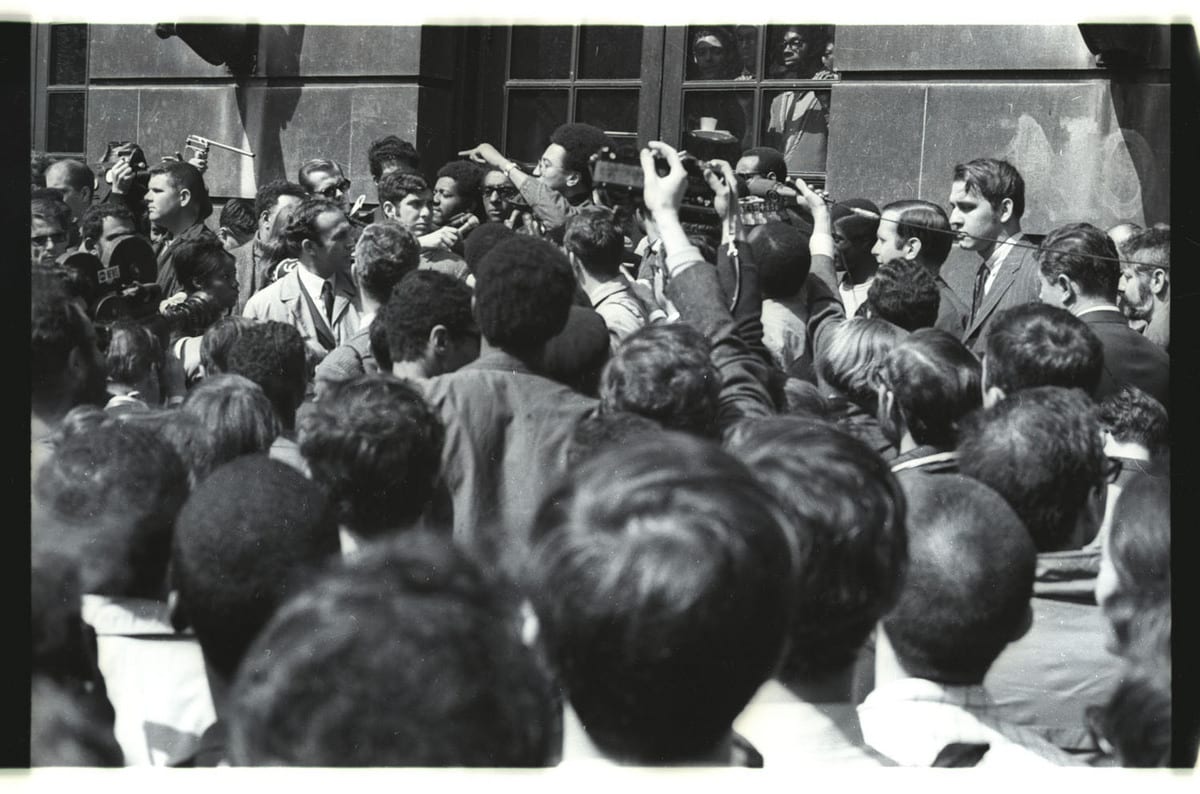
Students for a Democratic Society, Student Afro-American Society and others began a nonviolent occupation of campus buildings at Columbia University.
Continue reading
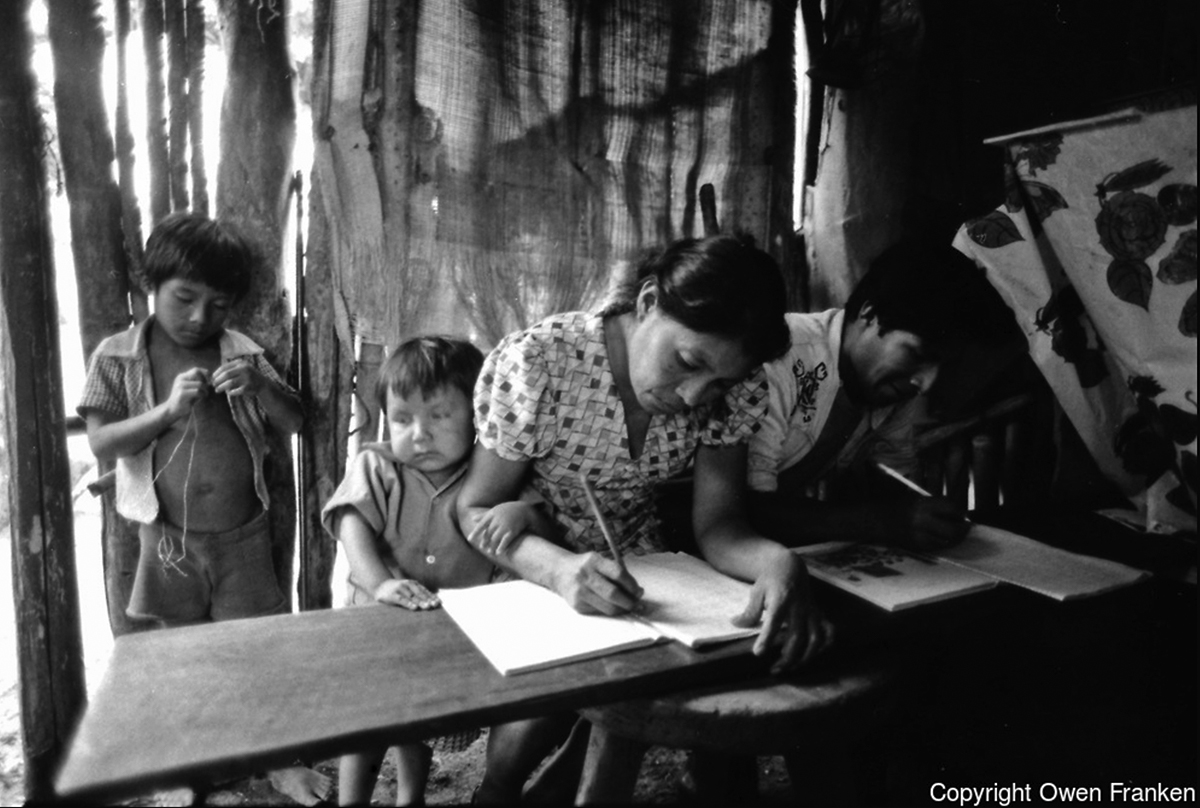
Nicaragua held its first democratic elections in more than fifty years in 1984.
Continue reading
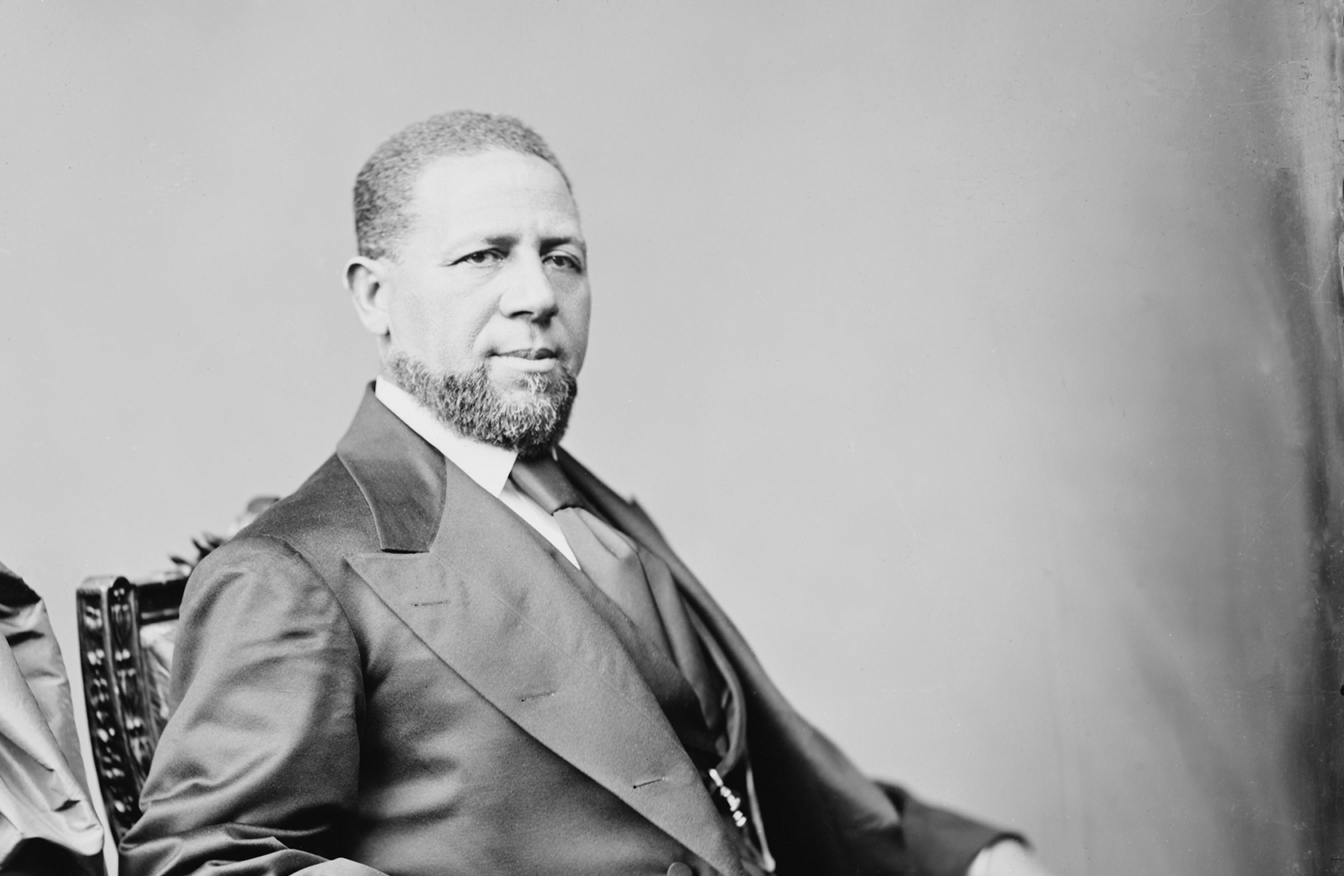
Hiram Rhodes Revels was the first African American to be elected to serve in the U.S. Senate.
Continue reading
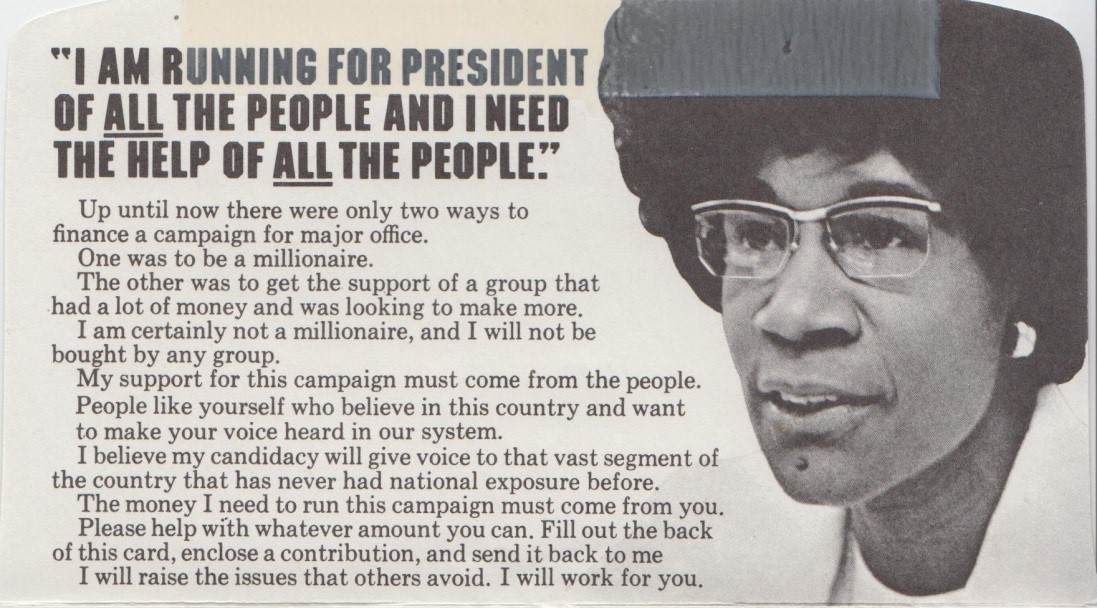
Shirley Chisholm, the first Black woman elected to Congress, opened her historic campaign for President.
Continue reading
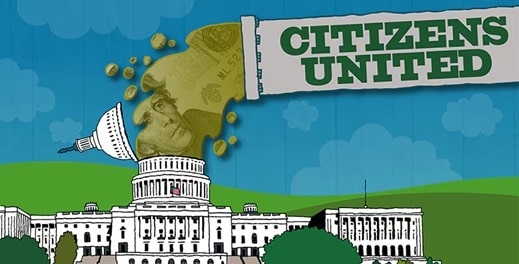
The Supreme Court determined that the government could not infringe upon the First Amendment rights of corporations to spend unlimited funds on electoral campaigns.
Continue reading
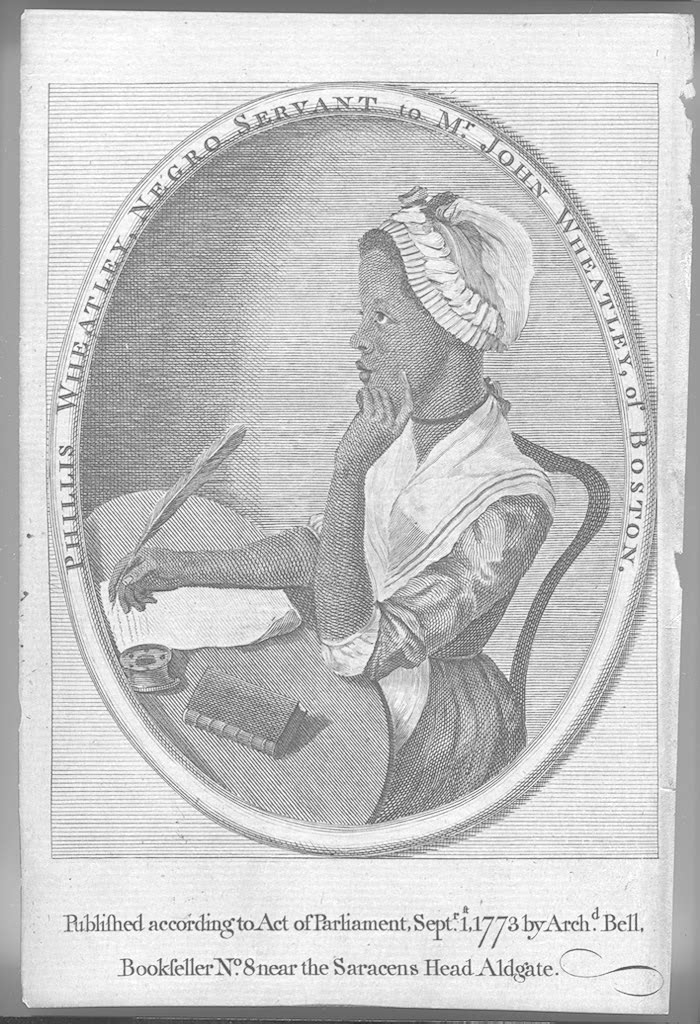
In a letter to a friend, Phillis Wheatley wrote of the idea of natural rights for African Americans, challenging patriot enslavers years before the Declaration of Independence.
Continue reading
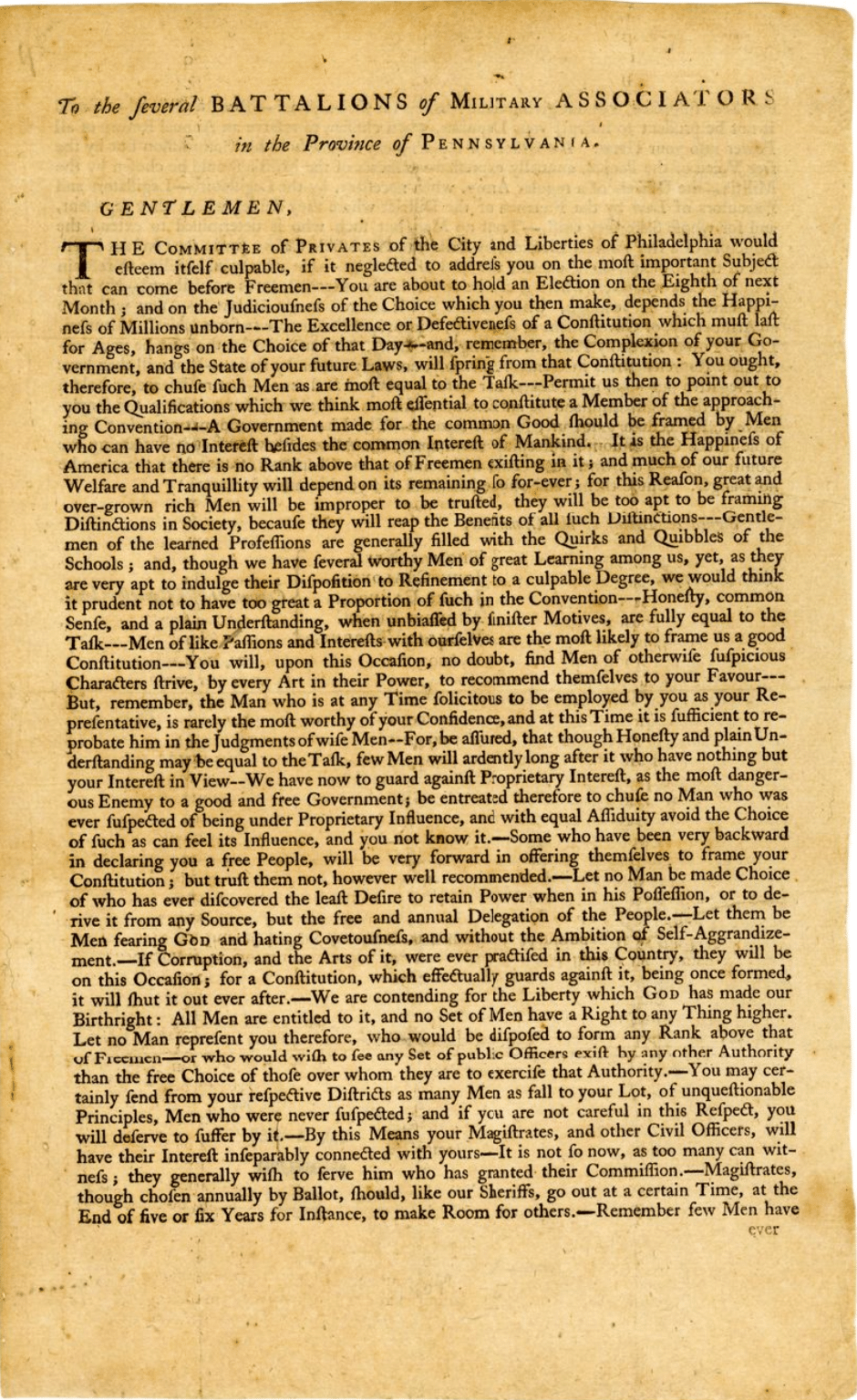
A group of Philadelphians posted a broadside across the city calling for for independence from the British Crown, urging the colony’s militia to instead select delegates of “honesty, common sense, and a plain understanding, when unbiased by sinister motives.”
Continue reading
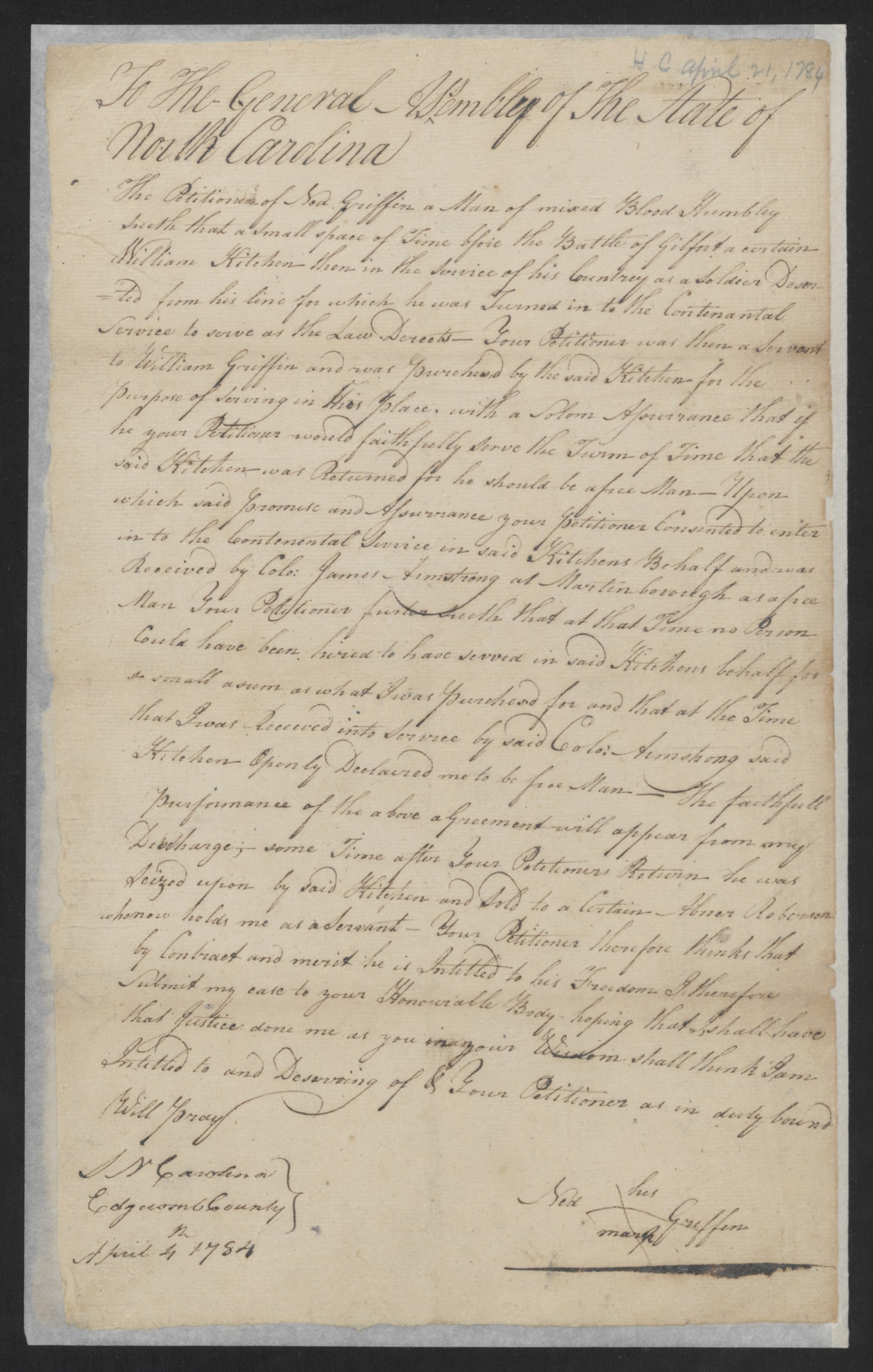
Enslaved Continental Army veteran Ned Griffin successfully sued for his freedom in North Carolina.
Continue reading
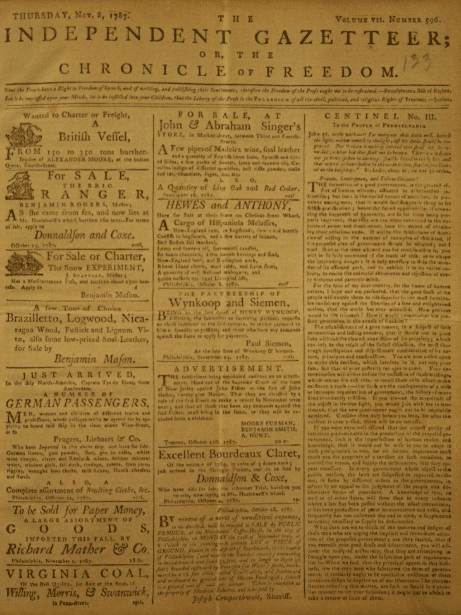
A series of essays appeared in a Philadelphia newspaper from 1787 to 1789, denouncing the new U.S. Constitution, calling the proposed government a “masqued aristocracy” designed to protect the ruling class from the will of the people.
Continue reading
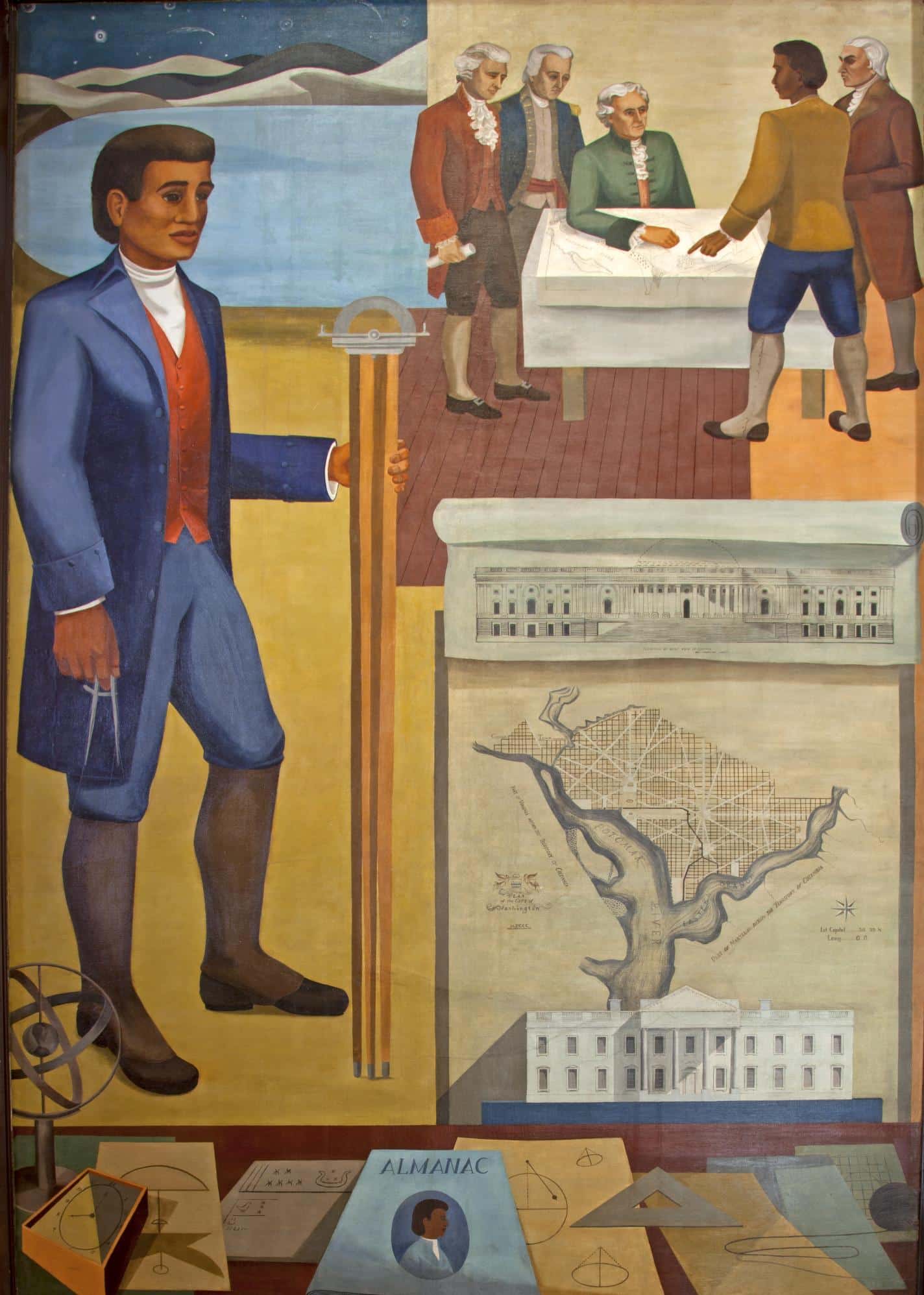
A land surveyor, almanac writer, and correspondent of Thomas Jefferson’s, Benjamin Banneker told Thomas Jefferson to end his “narrow prejudices.”
Continue reading
Profiles. Zinn Education Project. 2014.
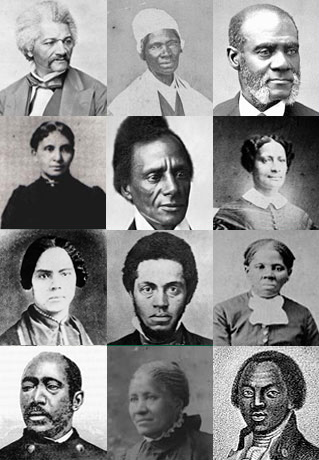
Brief biographies of 25 Black abolitionists.
Continue reading
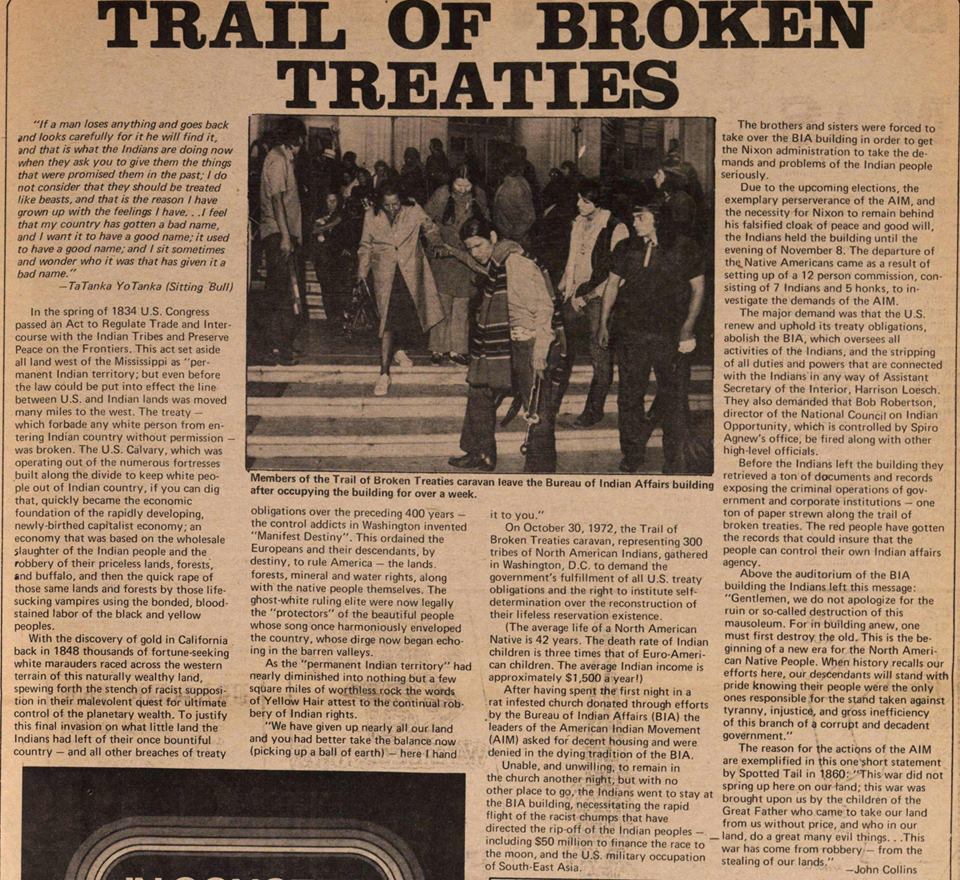
Protesters from the Trail of Broken Treaties Caravan occupied the Bureau of Indian Affairs (BIA) offices in Washington, D.C. for six days.
Continue reading
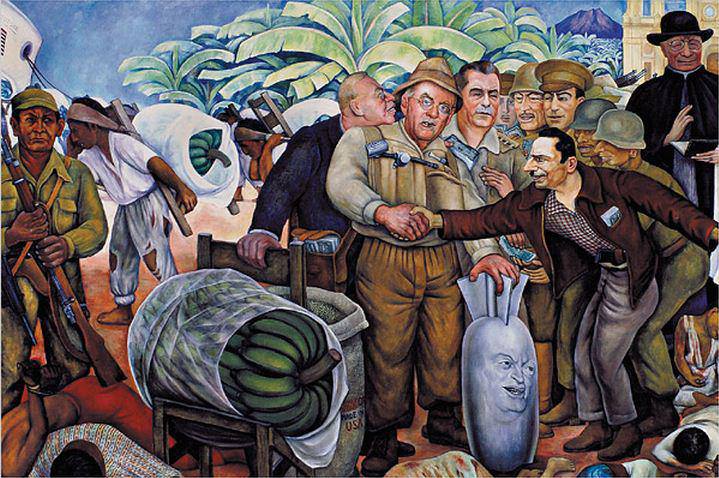
Democratically elected Guatemalan president Jacobo Árbenz Guzmán was deposed in a CIA-sponsored coup.
Continue reading
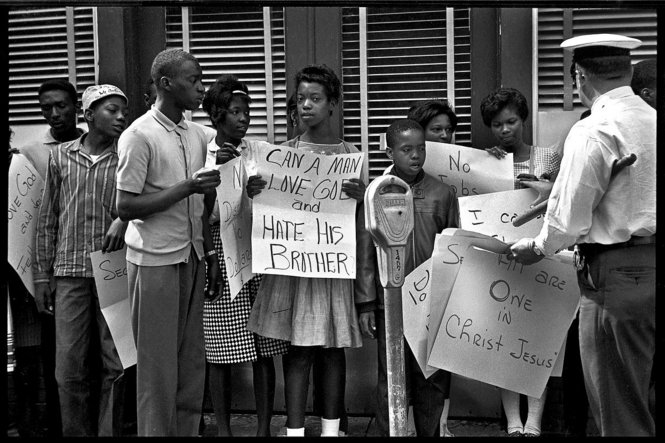
In disciplined groups and singing freedom songs, students “ditch” class to march for justice and fill the jails.
Continue reading
Teaching Activity. By Bill Bigelow. 2025. 36 pages.
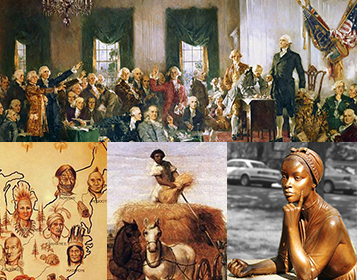
This is a unit with three lessons. The first invites students to think critically about key issues that confronted the framers of the Constitution — examining the perspectives not only of the elites attending the actual Constitutional Convention, but also of enslaved African Americans, poor white farmers, and white workers. The other two lessons are: The Constitutional Convention: Who Really Won? — with students exploring whose interests the Constitution advanced — and Federalist Paper #10: Suppressing “Wicked Projects,” a critical reading activity on James Madison's seminal defense of the Constitution.
Continue reading
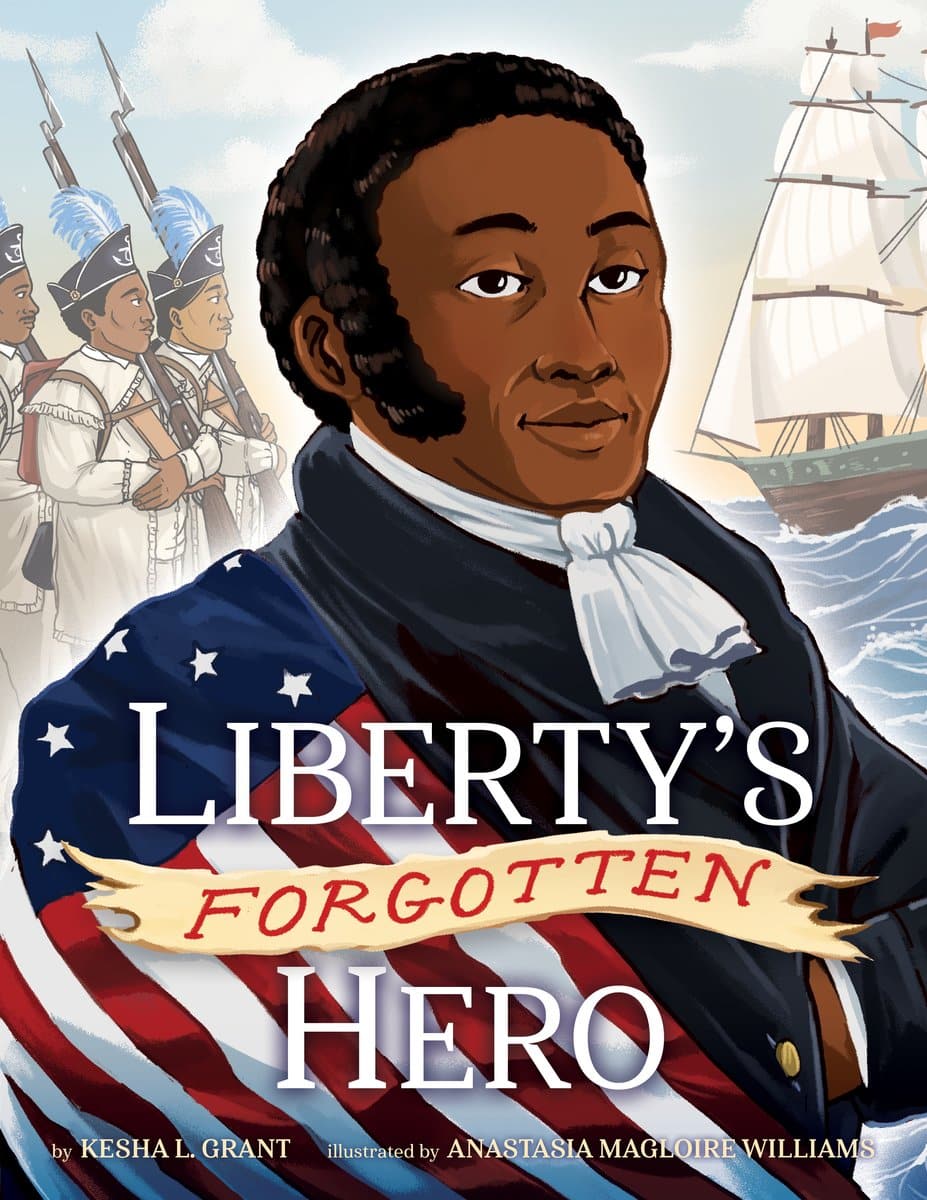
Picture book. By Kesha L. Grant, with illustrations by Anastasia Magloire Williams. 2026. 48 pages.
Tells the story of James Forten, who served in the American Revolution and then dedicated his life to fighting for the ideals set forth by the Declaration of Independence that “all men are created equal.”
Continue reading