

As a child, Phillis Wheatley was kidnapped into slavery in West Africa and brought to Boston. She grew into a prolific writer and gained her freedom in 1773, shortly after publishing her first book of poetry: Poems on Various Subjects, Religious and Moral.
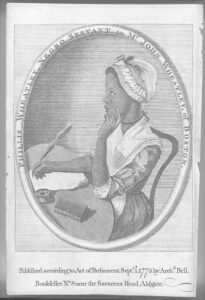
Portrait of Phillis Wheatley in her first book of poetry, Poems on Various Subjects, Religious and Moral. Source: Library of Congress
On Feb. 11, 1774, Wheatley wrote a letter to her friend Samson Occum, a Presbyterian minister and member of the Mohegan Tribe in Connecticut. She praised him for a recent sermon in which he pointed out the hypocrisy of Christian ministers who enslaved people.
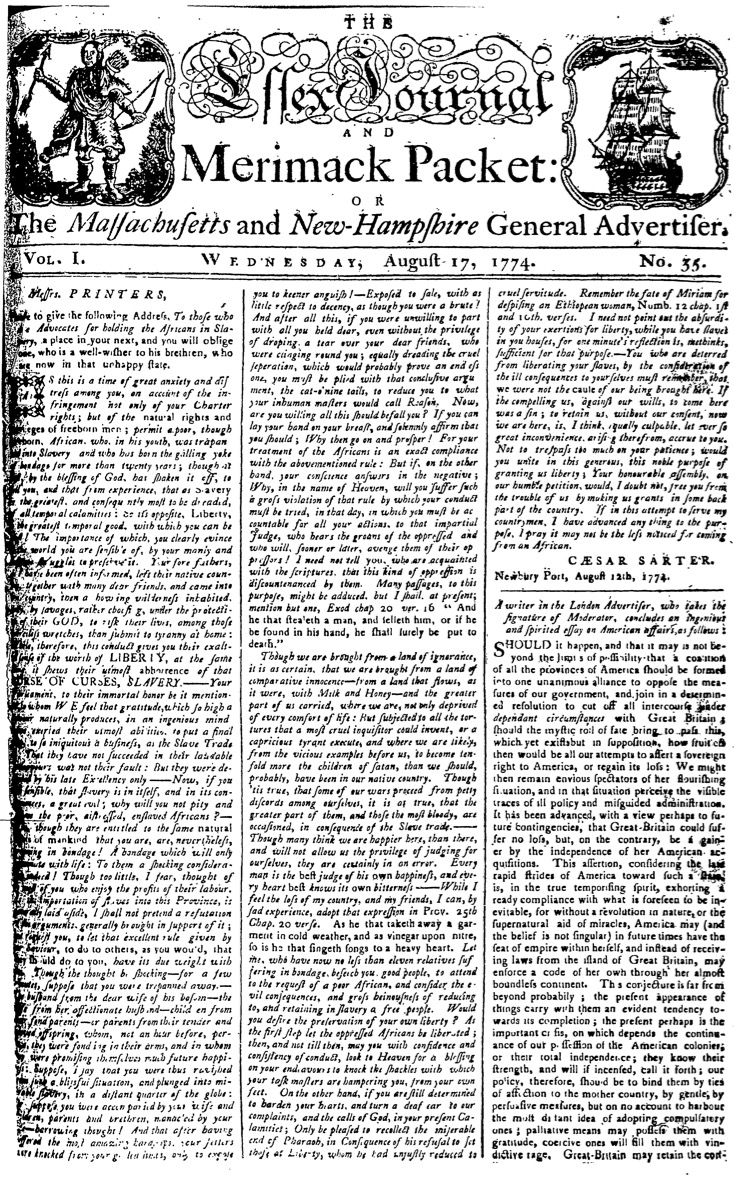
Evoking the idea of natural rights years before the Declaration of Independence, Wheatley emphasized the “strange absurdity” of colonists who “cry for liberty” from Britain while championing the enslavement of African Americans. Her letter was printed repeatedly in New England newspapers in the spring of 1774.
A decade later, Wheatley would publish “Liberty and Peace,” a poem that celebrated the founding of the United States and imagined a future in which freedom would be universal. Her work inspired abolitionist readers and challenged patriot enslavers like Thomas Jefferson, who pushed false claims of Black inferiority in order to delay emancipation.
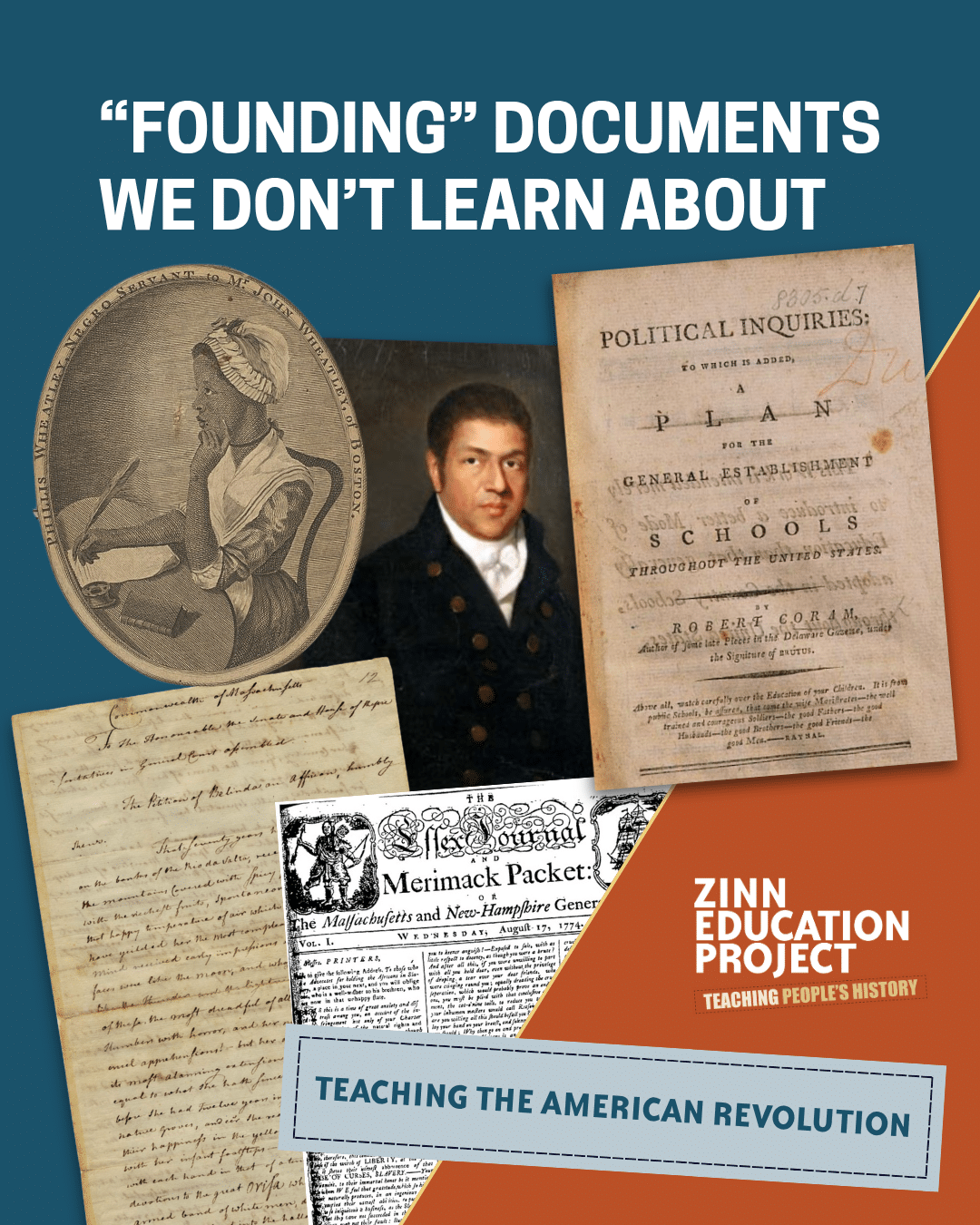
Read more in the lesson “Founding” Documents We Don’t Learn About.




Twitter
Google plus
LinkedIn