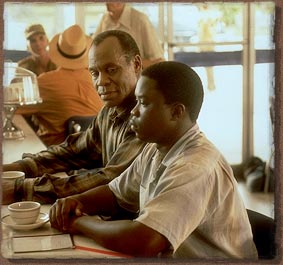
Film. By Phil Alden Robinson. 2006. 117 minutes.
Based on the actual history of the Student Nonviolent Coordinating Committee (SNCC), student activism, and voter registration in McComb, Mississippi, during the Civil Rights Movement.
Continue reading
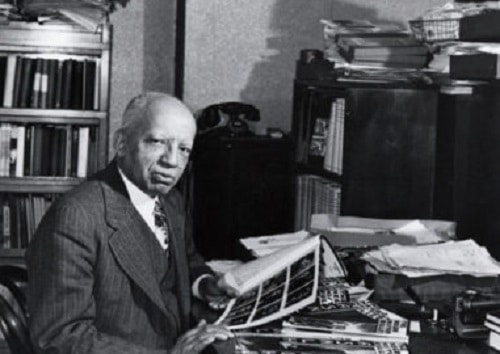
ASALH was established by Carter G. Woodson and Jesse E. Moorland.
Continue reading
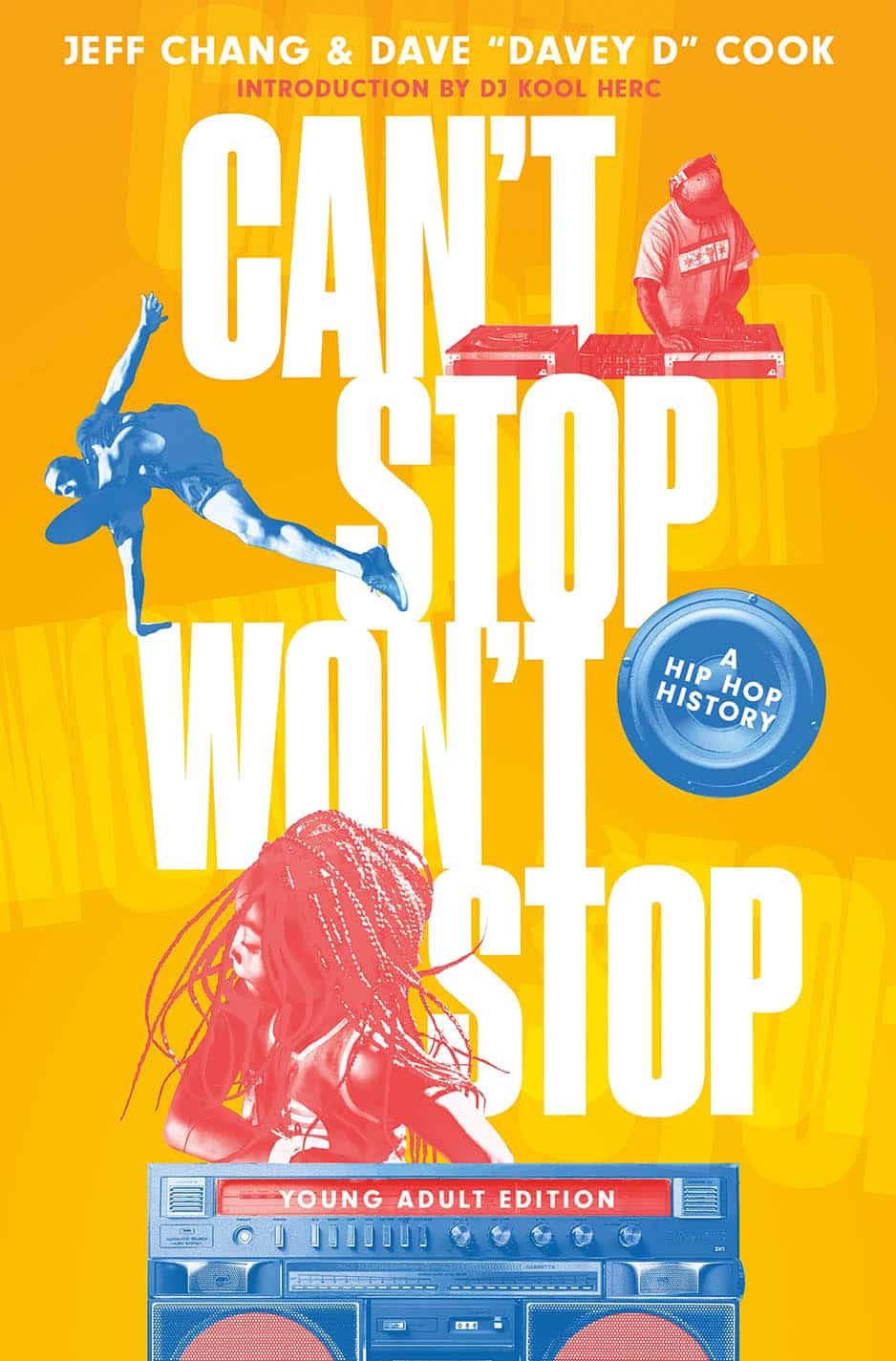
Book — Non-fiction. By Jeff Chang and Davey D Cook. 2021. 352 pages.
An essential guide for understanding hip-hop music and culture.
Continue reading
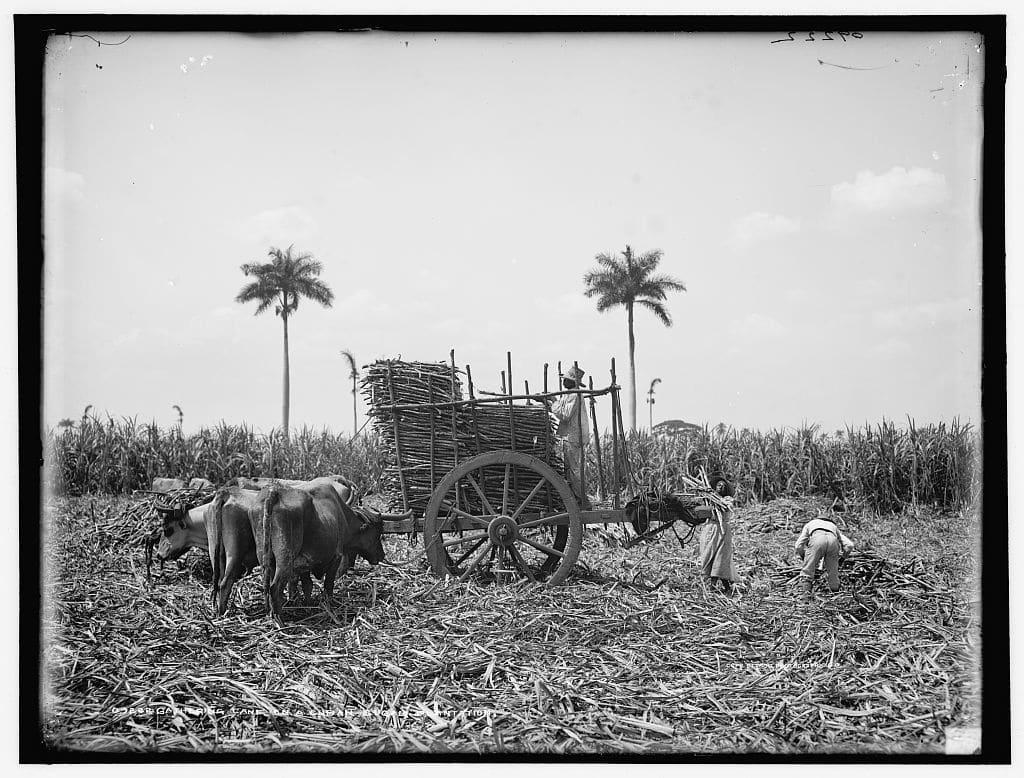
In April 1917, soldiers entered the sugar town of Jobabo in eastern Cuba and, according to eyewitnesses, executed several British West Indian men.
Continue reading
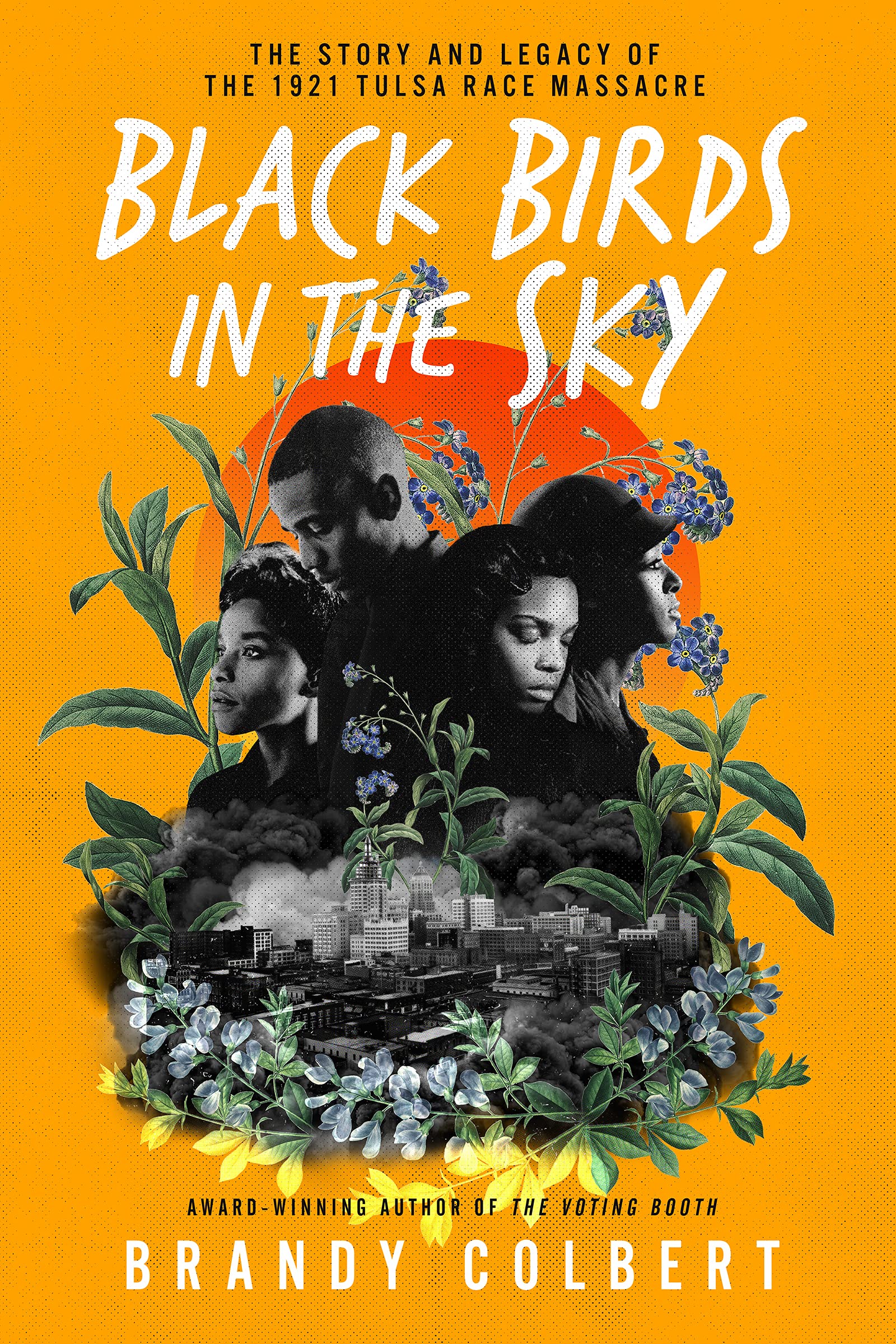
Book — Non-fiction. By Brandy Colbert. 2021. 216 pages.
History of Oklahoma including Trail of Tears, Reconstruction, Black towns, Red Summer, Jim Crow, Black and white newspapers, lynchings, Tulsa Race Massacre, and the ongoing fight for reparations and historical memory.
Continue reading
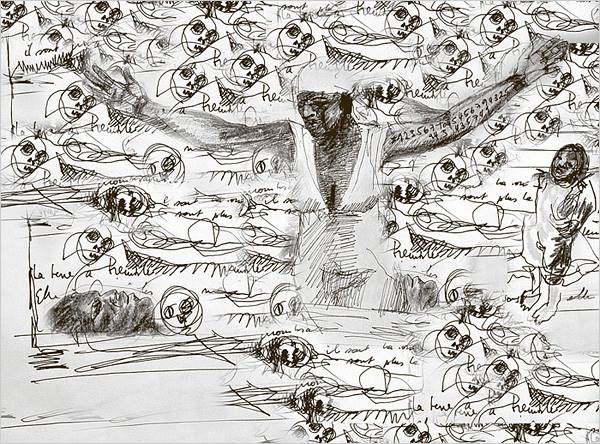
Under the orders of U.S.-backed Dominican dictator President Rafael Trujillo, the execution of more than 20,000 Haitians began in what is now known as the Parsley Massacre at Massacre River.
Continue reading
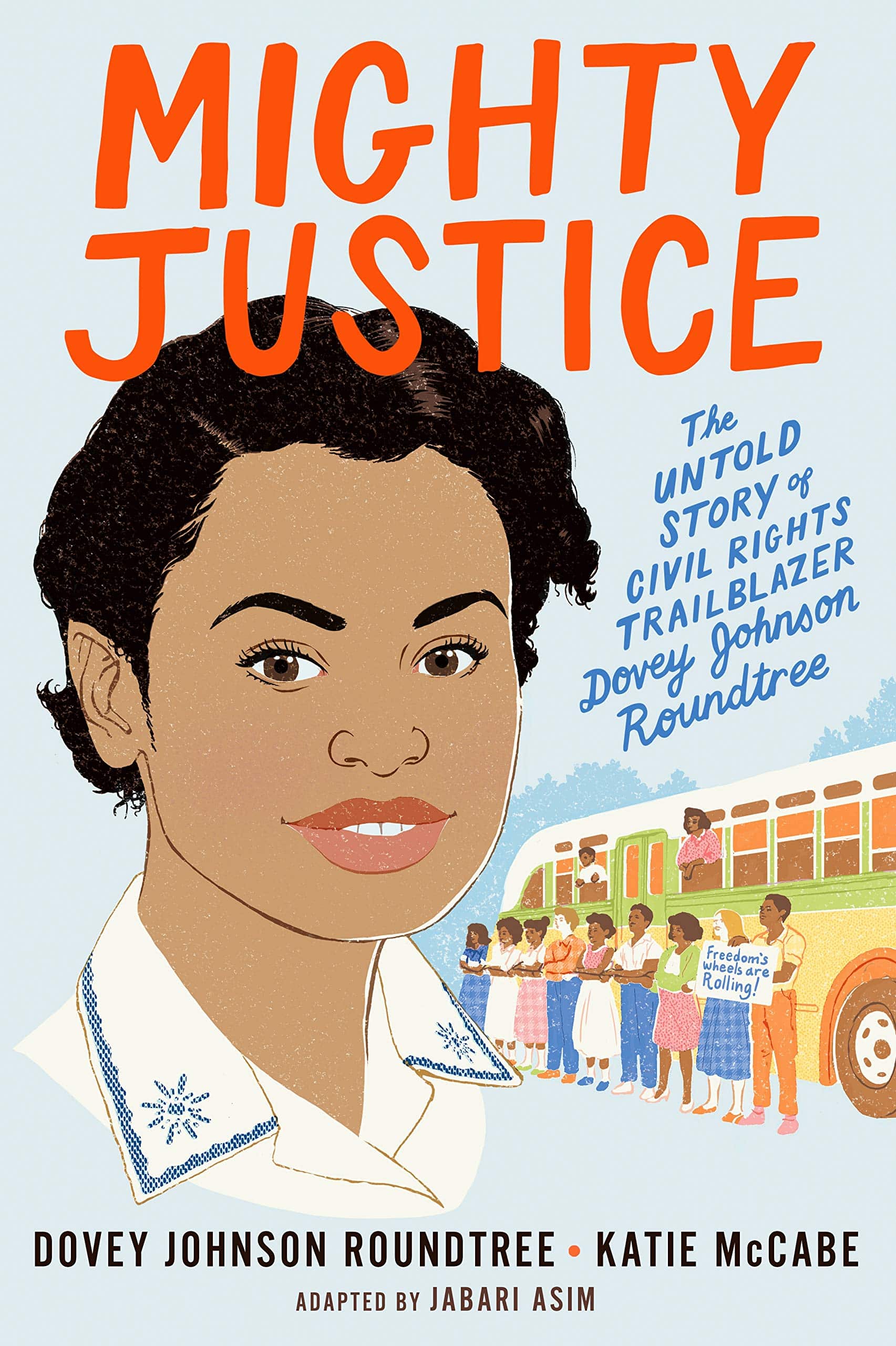
Book — Non-fiction. By Katie McCabe and Jabari Asim. 2020. 208 pages.
A young readers' adaptation of Mighty Justice: My Life in Civil Rights, the memoir of activist lawyer Dovey Johnson Roundtree.
Continue reading
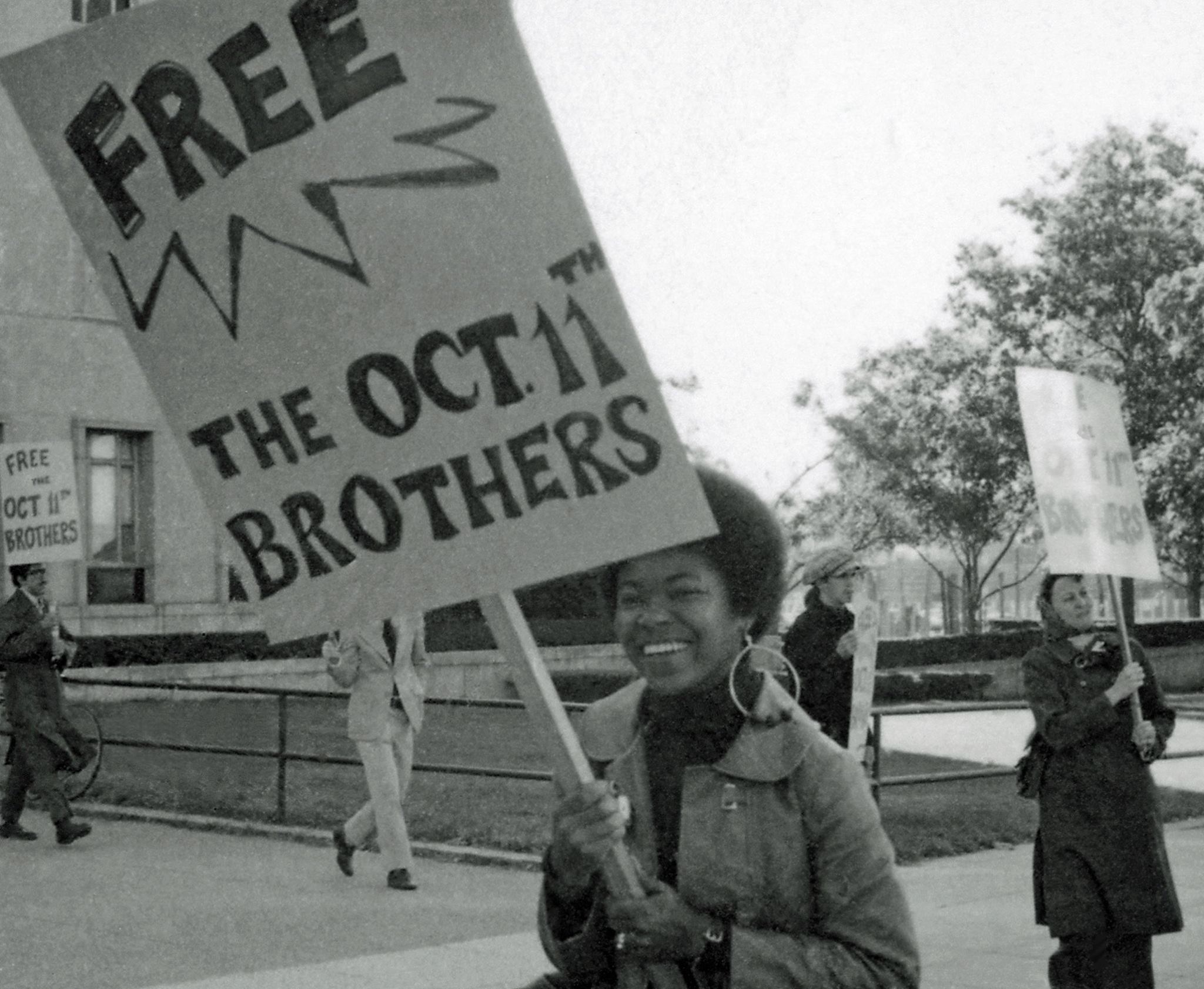
An uprising took place at a Washington, D.C. jail to protest conditions.
Continue reading
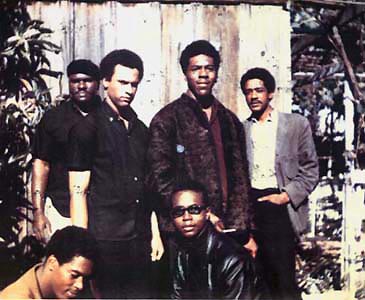
The Black Panther Party sought justice for African Americans and other oppressed communities through a combination of revolutionary theory, education, and community programs.
Continue reading
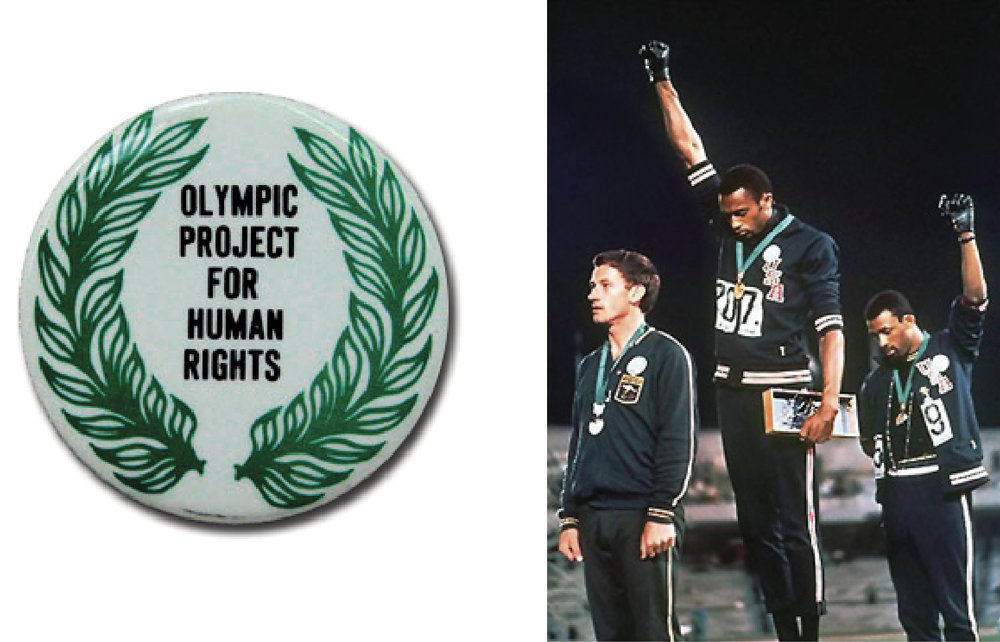
Tommie Smith and John Carlos made a symbolic protest while the U.S. national anthem was played in the Olympics.
Continue reading
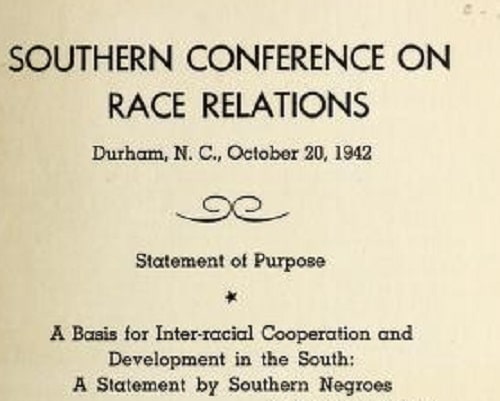
The Southern Conference on Race Relations (SCRR) was held in Durham, North Carolina to address dichotomy between African American soldiers fighting overseas in the name of democracy while in the U.S. they were facing racial violence and being denied basic human rights.
Continue reading
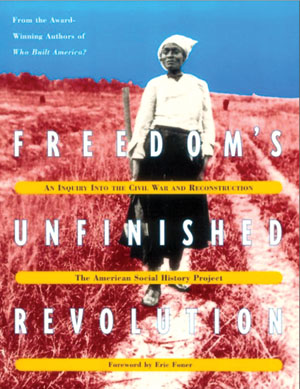
Teaching Guide. By American Social History Project with foreword by Eric Foner. 1996.
Primary documents, essays, and questions to teach the untold story of Reconstruction.
Continue reading
The NAACP sent to the U.N. a document titled “An Appeal to the World,” to redress human rights violations the United States committed against its African-American citizens.
Continue reading
A lynch mob of 500 Anglo and Latino Los Angelinos rioted and murdered at least 17 Chinese residents after a white civilian died in a shootout.
Continue reading
Teaching Activity. By Bill Bigelow. 24 pages.
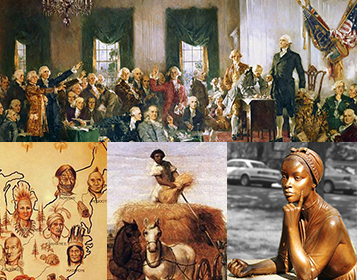
The U.S. Constitution endorsed slavery and favored the interests of the owning classes. What kind of Constitution would have resulted from founders who were representative of the entire country? That is the question addressed in this role play activity.
Continue reading
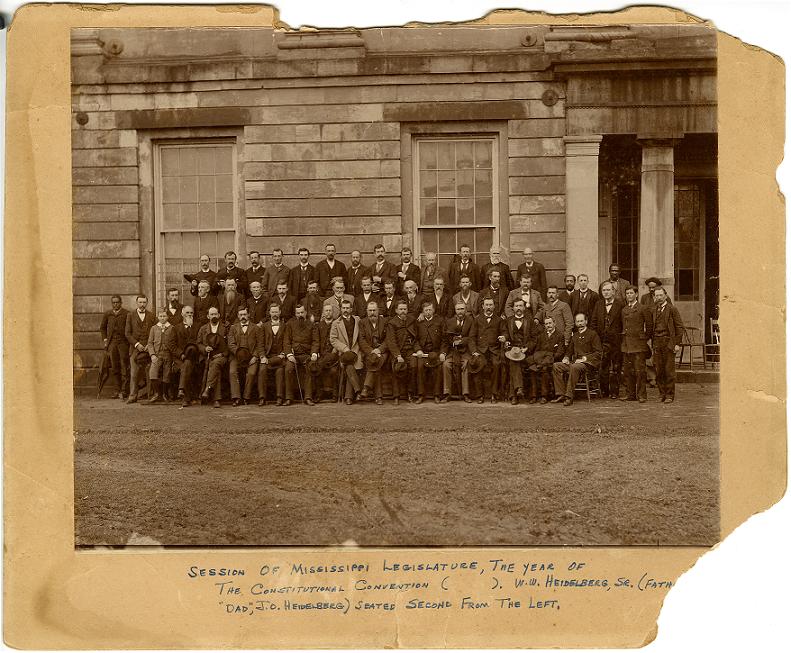
Mississippi adopted a state constitution with poll tax and literacy tests to roll back the gains of the Reconstruction era.
Continue reading
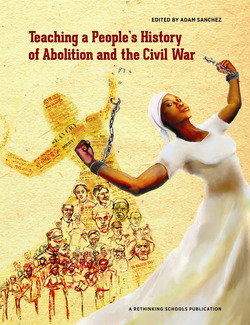
Teaching Guide. Edited by Adam Sanchez. 2019. Rethinking Schools. 181 pages.
Students will discover the real abolition story, one about some of the most significant grassroots social movements in U.S. history.
Continue reading
Film. Directed by Alexandra Isles. 2000. 60 minutes.
Documentary about the impact of the McCarthy era on African Americans in the film industry.
Continue reading
Book — Fiction. By Jewell Parker Rhodes. 2013. 288 pages.
Historical fiction about Reconstruction-era Louisiana through the eyes of a young girl who bridges the divide between the long-time plantation workers and the Chinese indentured servants.
Continue reading
Teaching Activity. By Doug Sherman. Rethinking Schools. 4 pages.
The author describes how he uses biographies and film to introduce students to the role of people involved in the Civil Rights Movement beyond the familiar heroes. He emphasizes the role and experiences of young people in the Movement.
Continue reading
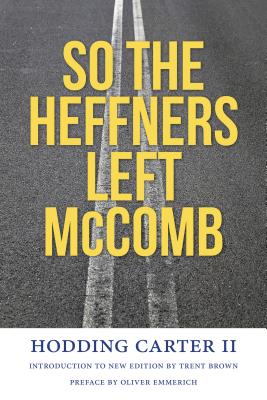
Book — Non-fiction. By Hodding Carter II. Reprinted 2016. 176 pages.
Profile of a white family persecuted for being hospitable to civil rights workers.
Continue reading
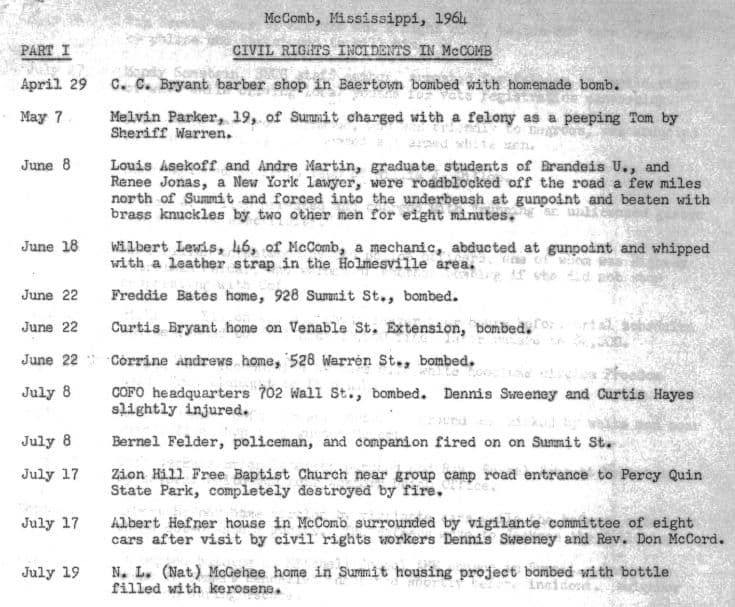
A white family (the Heffners) in McComb, Mississippi, left after a campaign of harassment, ostracism, and economic retaliation for having spoken to civil rights workers.
Continue reading
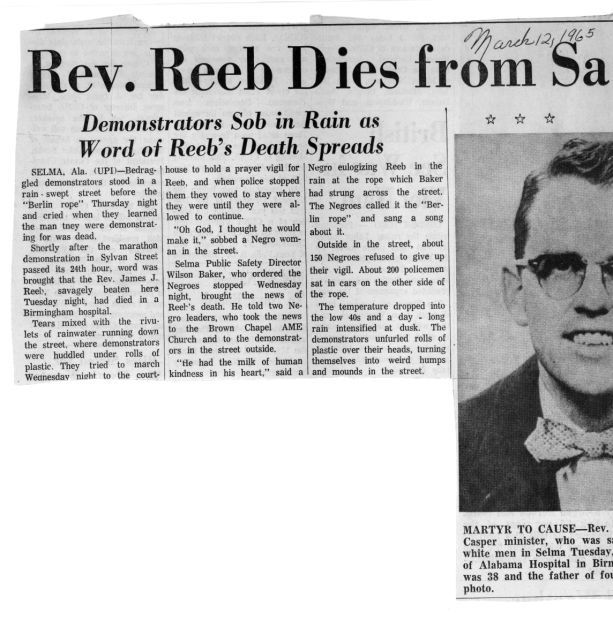
Rev. James Reeb died as a result of being severely beaten by a group of white men during Bloody Sunday in Selma two days earlier.
Continue reading
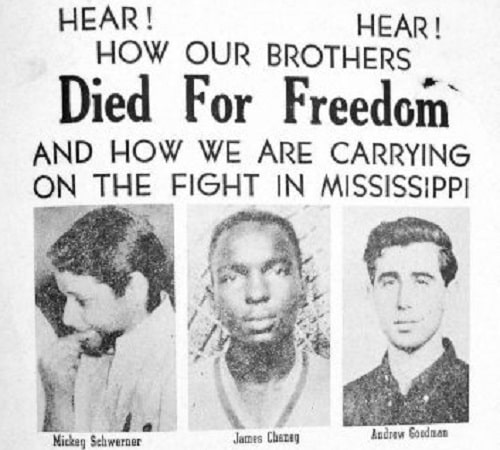
James Chaney, Michael Schwerner, and Andrew Goodman were tortured and murdered by the Ku Klux Klan in Neshoba County, Mississippi.
Continue reading