Thousands of Black leaders gathered to create a cohesive political strategy at the National Black Political Convention in Gary, Indiana.
Continue reading
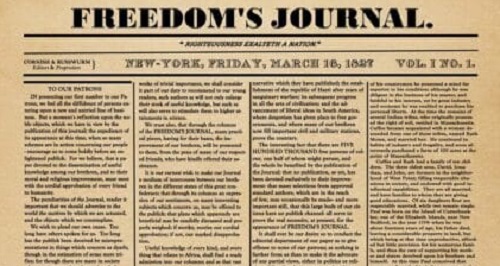
Freedom’s Journal was the first African American owned and operated newspaper in the United States.
Continue reading
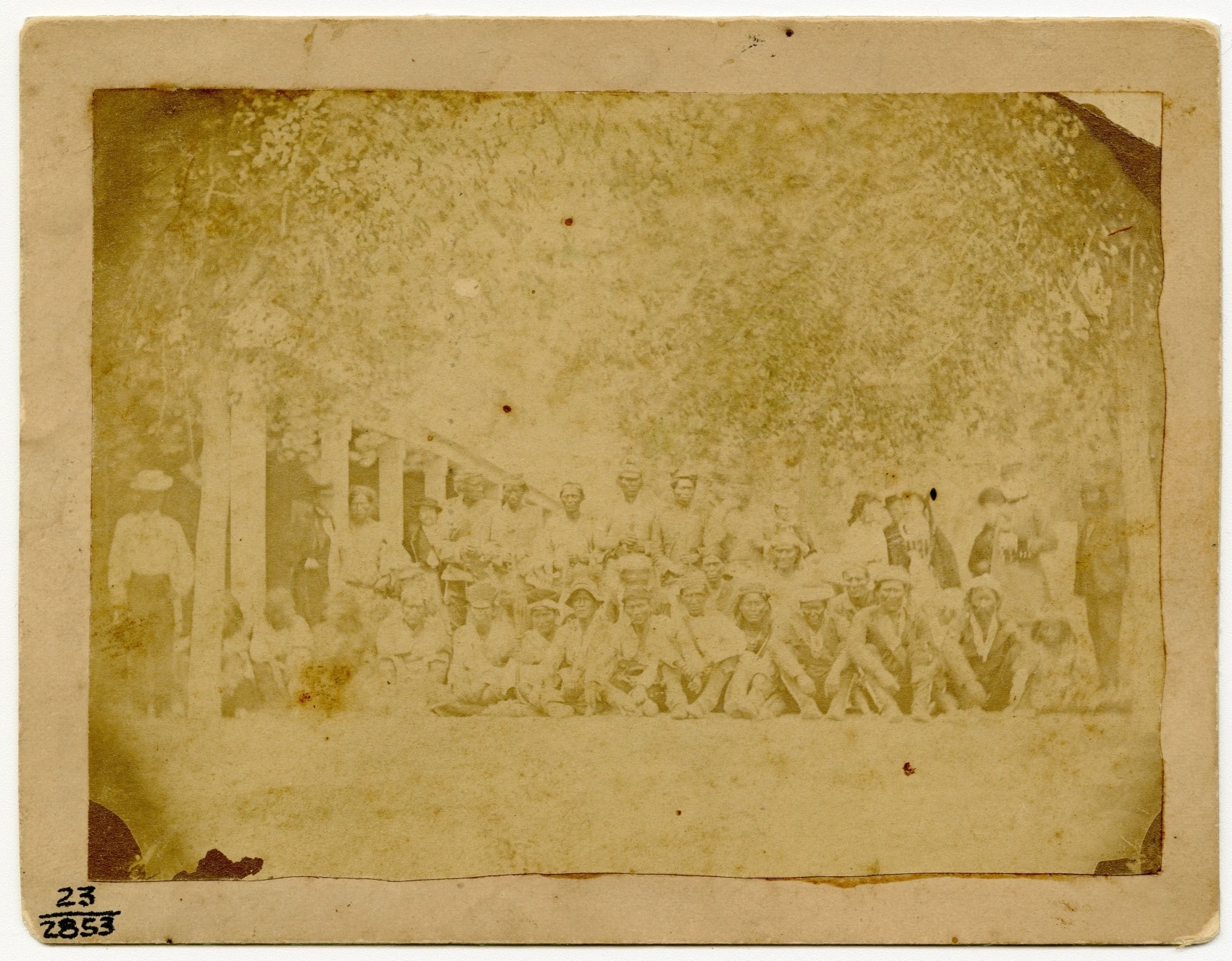
Bringing an end to the Navajo Wars, the Navajo Treaty of 1868 created a sovereign nation for the Navajo peoples and returned those interned at Fort Sumner following the Long Walk.
Continue reading
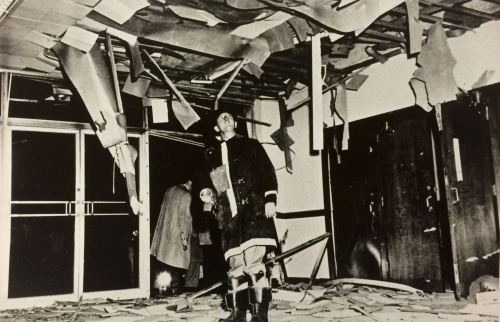
In one of many white supremacists attacks during the early years of the Civil Rights Movement, a Jewish Community Center was bombed in Nashville, Tennessee.
Continue reading
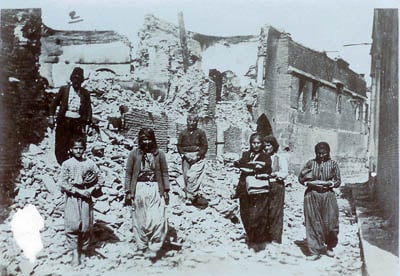
In and around the city of Adana, approximately 20,000 to 25,000 Armenians were tortured and killed by Ottoman Muslims following political unrest in the region.
Continue reading
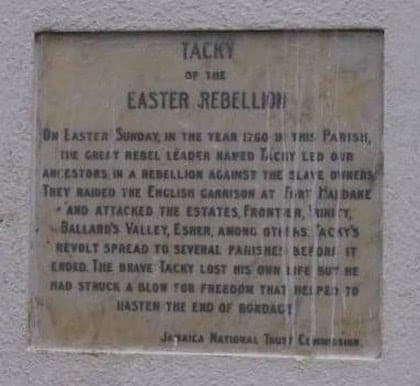
Inspired by the First Maroon War, a group of enslaved Ghanaian rebels in Jamaica sought to overthrow the British colonialists and create an independent Black nation on the island.
Continue reading
Digital collection. A project by the American Social History Project (ASHP) that aims to revitalize interest in history by challenging traditional ways of learning about the past, focusing on the working men and women who shaped U.S. history.
Continue reading
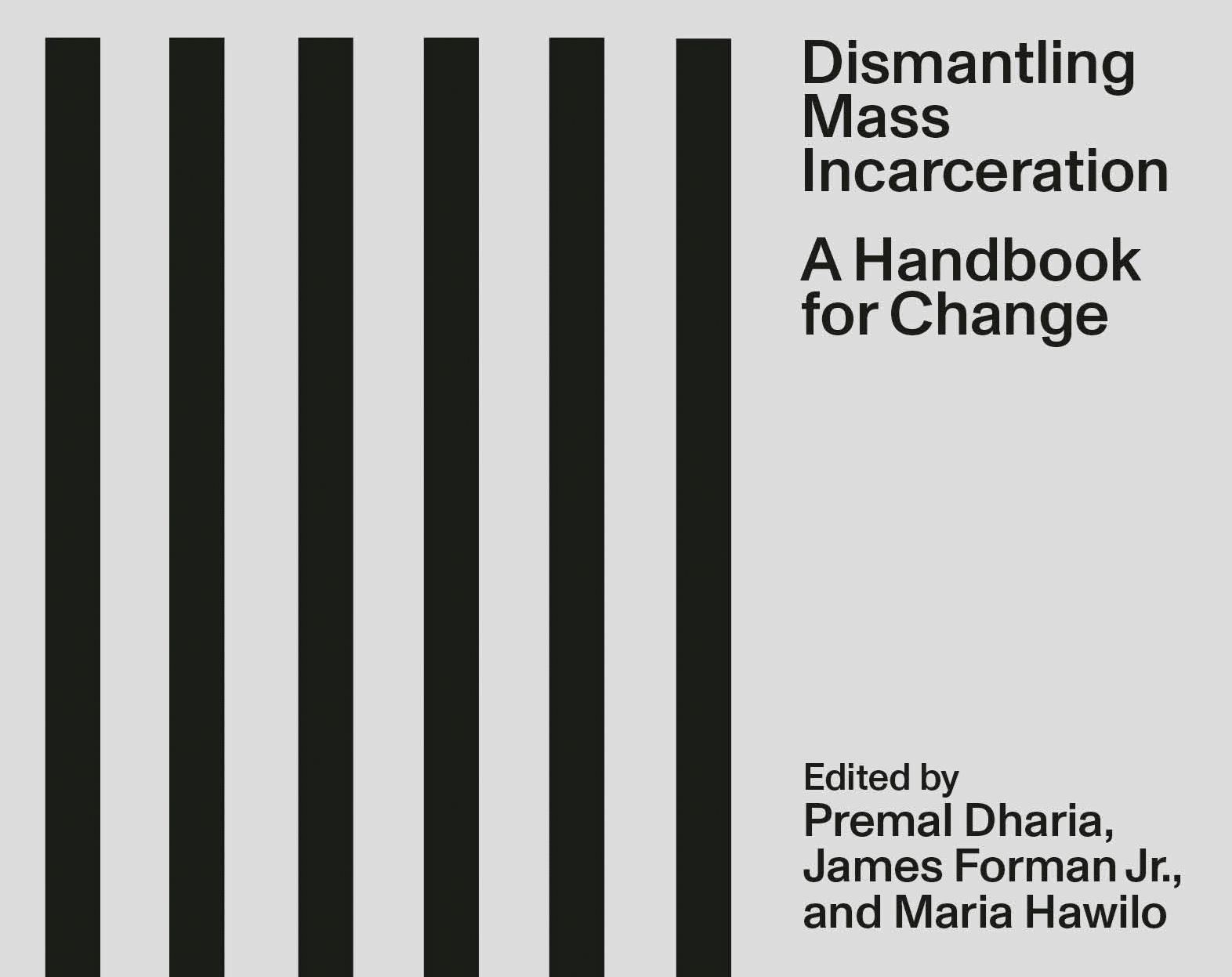
Book — Non-fiction. Edited by James Forman, Premal Dharia, and Maria Hawilo. 2024. 496 pages.
Surveys various approaches to confronting the carceral state, exploring bold but practical interventions involving police, prosecutors, public defenders, judges, prisons, and even life after prison.
Continue reading
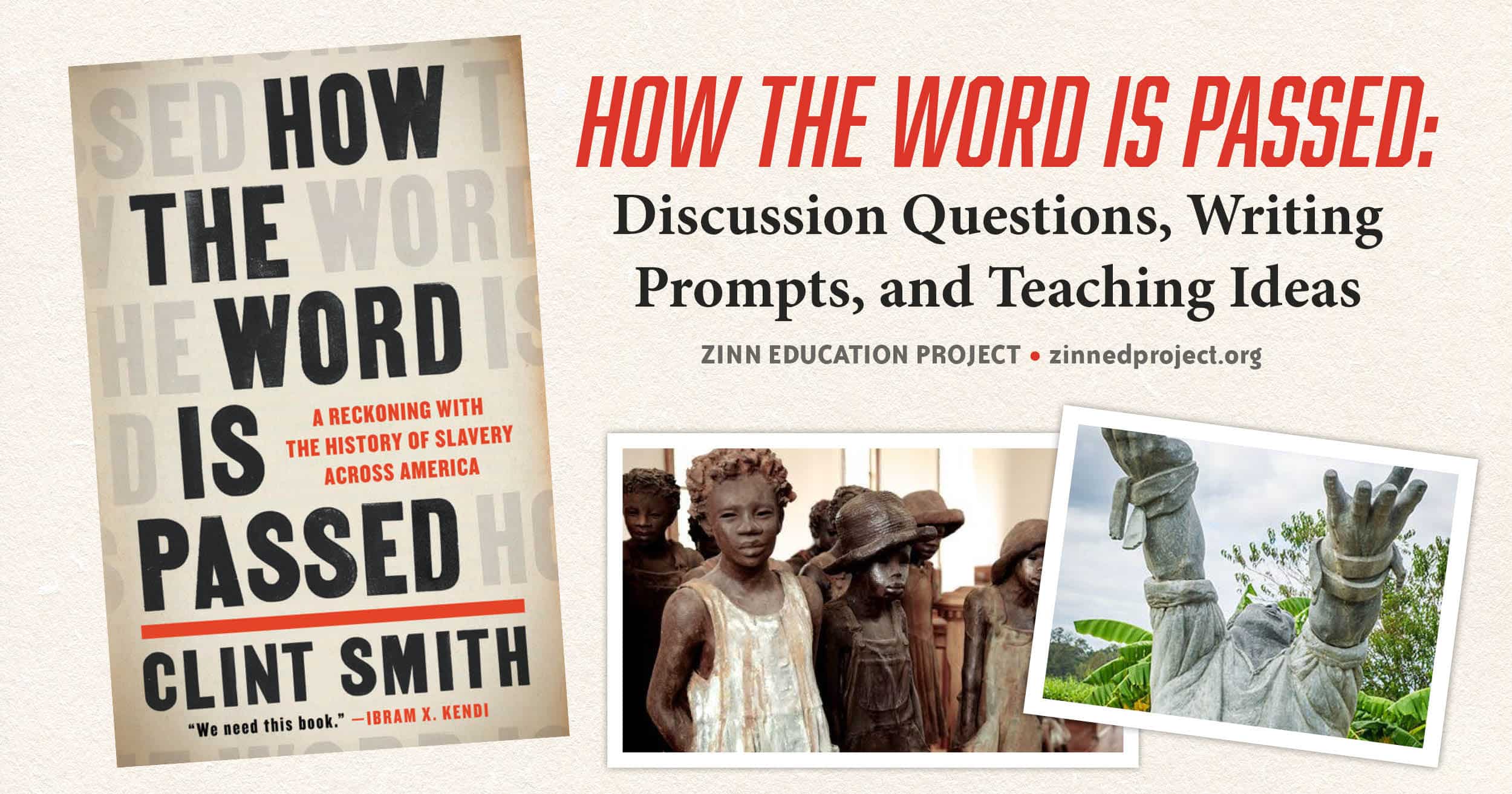
Teaching ideas and discussion questions for How the Word Is Passed: A Reckoning with the History of Slavery Across America by Clint Smith.
Continue reading
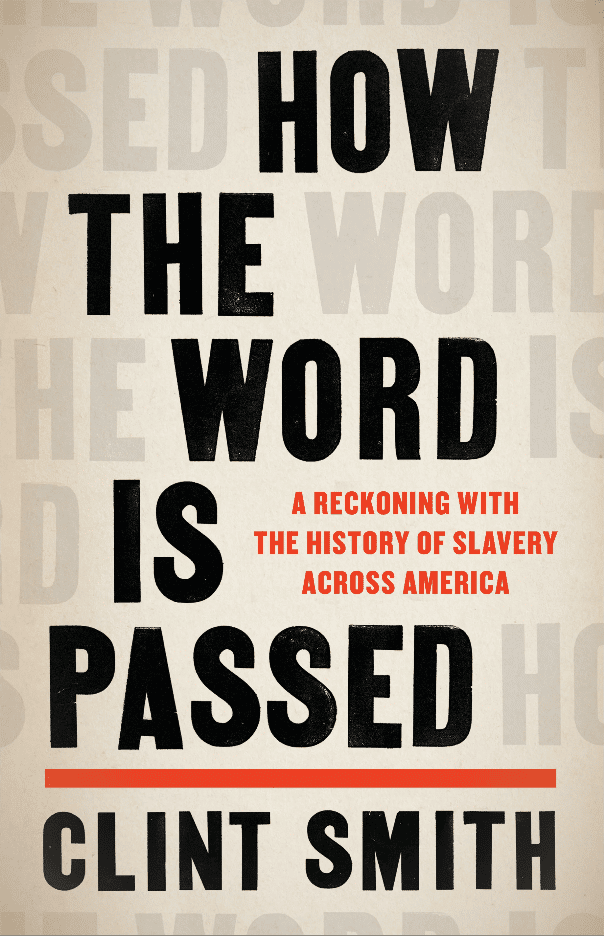
Book — Non-fiction. By Clint Smith. 2021. 336 pages.
An examination of how monuments and landmarks represent — and misrepresent — the central role of slavery in U.S. history and its legacy today.
Continue reading
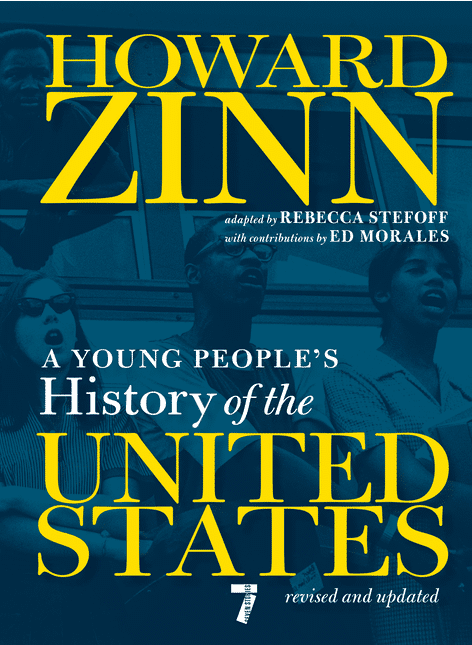
Book — Non-fiction. By Howard Zinn, adapted by Rebecca Stefoff with additions by Ed Morales. 2022. 544 pages.
A young adult version of the best-selling A People’s History of the United States, ideal for 6th through 9th grade students.
Continue reading
Film. By Sam Pollard, Catherine Allan, Douglas Blackmon and Sheila Curran Bernard. 2012. 90 minutes.
Reveals the interlocking forces in the South and the North that enabled “neoslavery” post-Emancipation Proclamation.
Continue reading
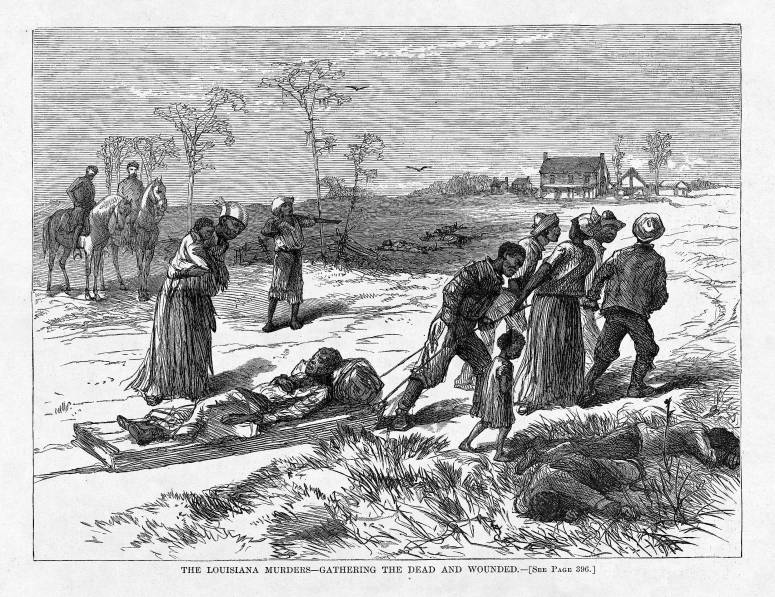
The Ku Klux Klan carried out the Colfax Massacre in response to a Republican victory in the 1872 elections.
Continue reading
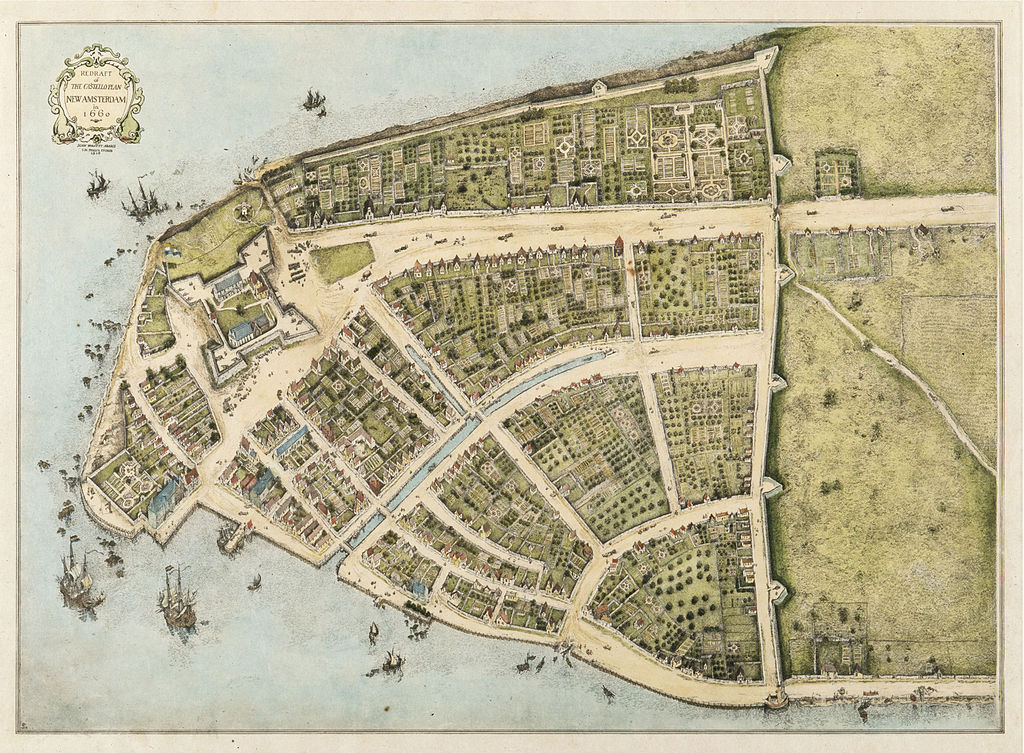
Twenty-four enslaved Africans launched a rebellion in Manhattan, New York.
Continue reading
Teaching Activity. By Ursula Wolfe-Rocca.
Students discover “echoes of enslavement” in their own state — discrete sites of remembering, forgetting, honoring, lying, or distorting — in this lesson based on the book How the Word Is Passed by Clint Smith.
Continue reading
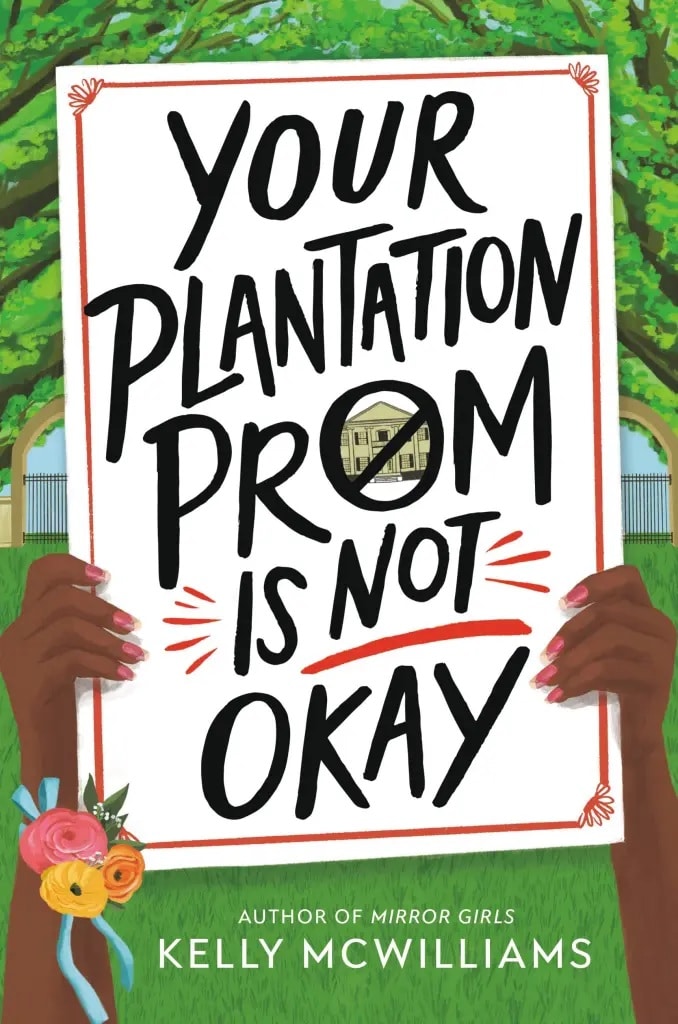
Book — Fiction. By Kelly McWilliams. 2023. 320 pages.
This young adult novel introduces readers to the history of slavery and its legacy today, challenging the Lost Cause narrative offered to visitors at most plantations (prison labor camps).
Continue reading
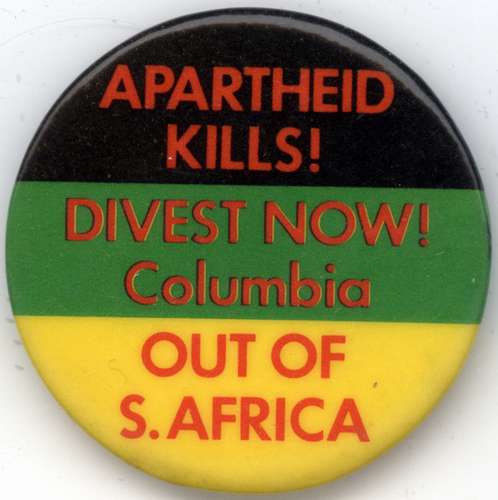
The successful 1985 student blockade of Hamilton Hall lasted for three weeks, as students demanded that Columbia University divest from corporations profiting from apartheid South Africa.
Continue reading
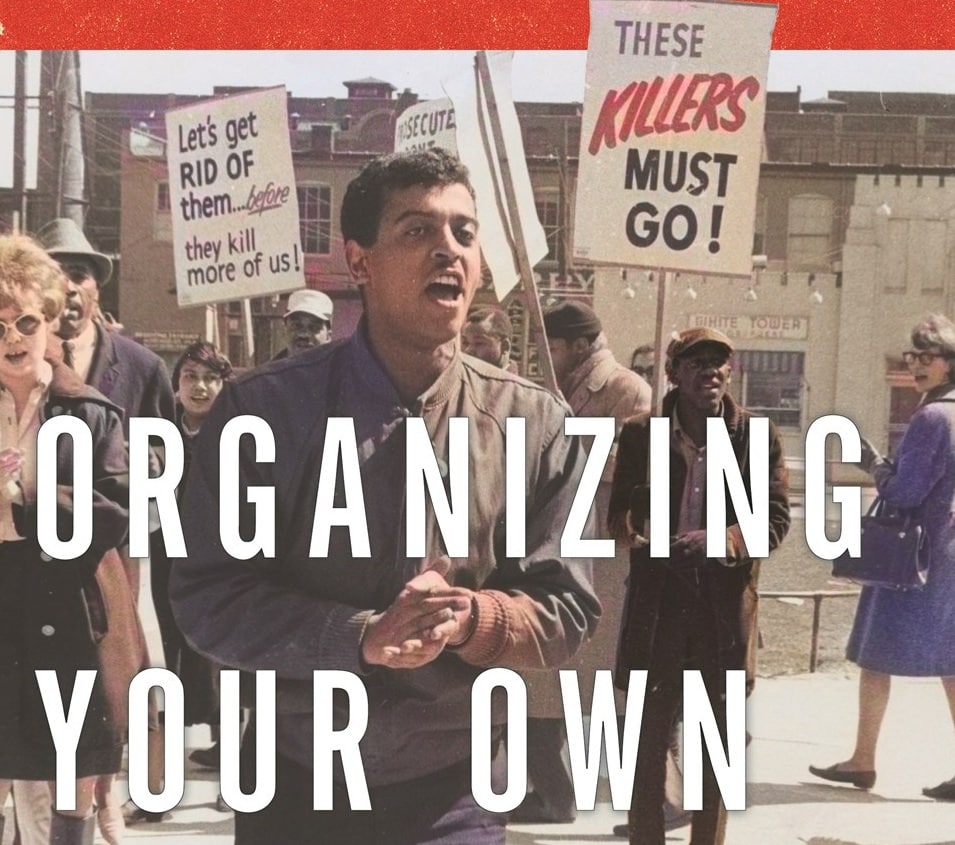
Book — Non-fiction. By Say Burgin. 2024. 304 pages.
Shows that the Black freedom movement never experienced a “white purge,” and offers a new way of understanding Black Power’s relationship to white people in United States.
Continue reading
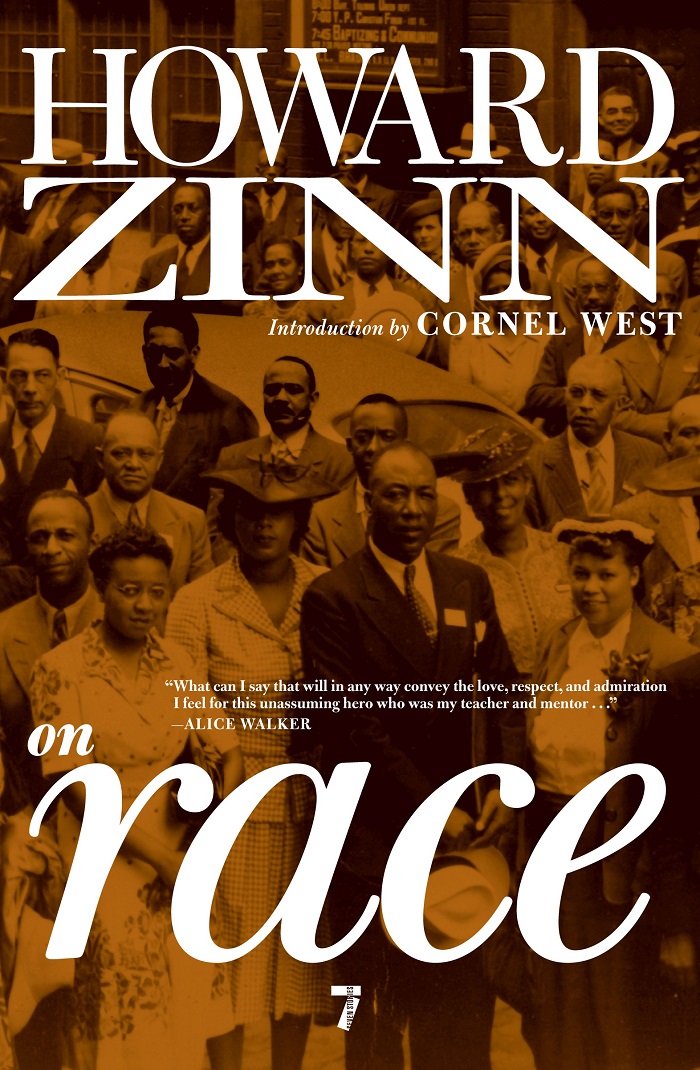
Book — Non-fiction. By Howard Zinn. Introduction by Cornel West. 2011. 192 pages.
Includes some never before published writings, speeches and interviews that illustrate the evolution and fundamental principles around the story of race in the United States.
Continue reading
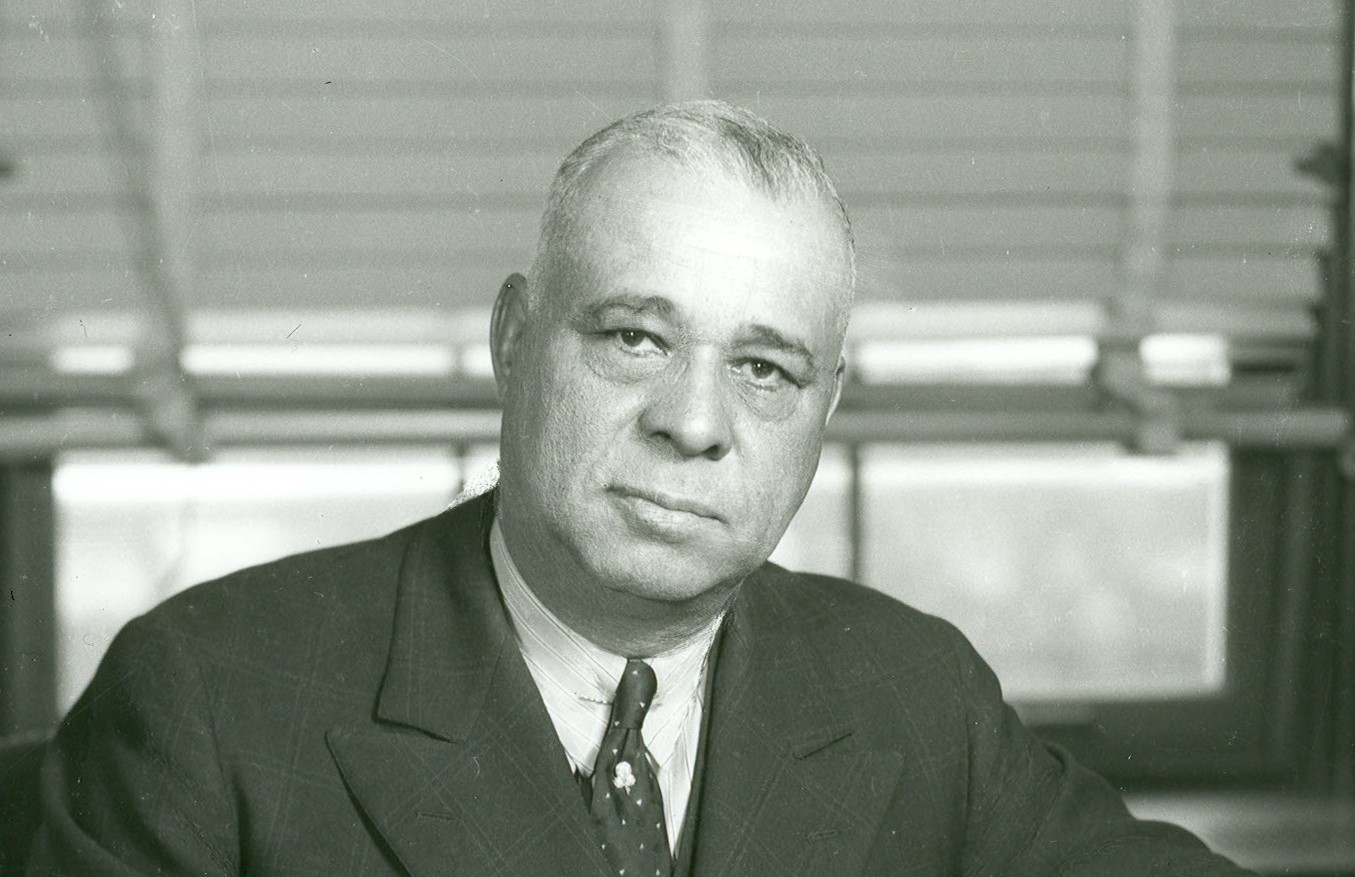
Illinois congressman Arthur W. Mitchell was ordered to move to the Jim Crow car of the train once it entered Arkansas.
Continue reading
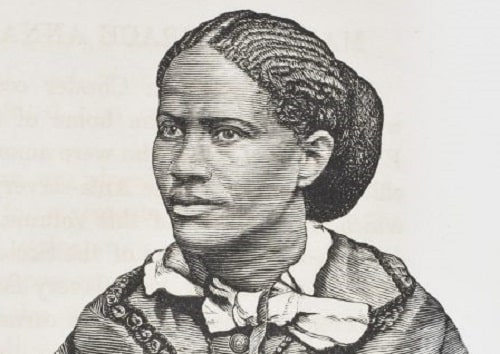
Frances Ellen Watkins Harper spoke in Philadelphia at the Centennial Anniversary of the Pennsylvania Society for Promoting the Abolition of Slavery, urging African Americans to continue organizing for justice.
Continue reading
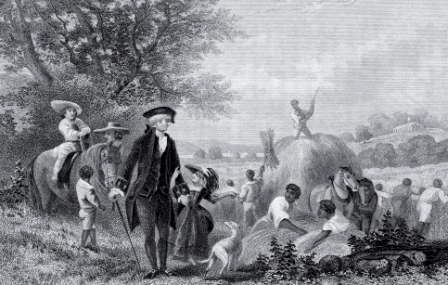
Teaching Activity. By Bob Peterson. Rethinking Schools. 7 pages.
How a 5th grade teacher and his students conducted research to answer the question: “Which presidents owned people?” Available in Spanish.
Continue reading
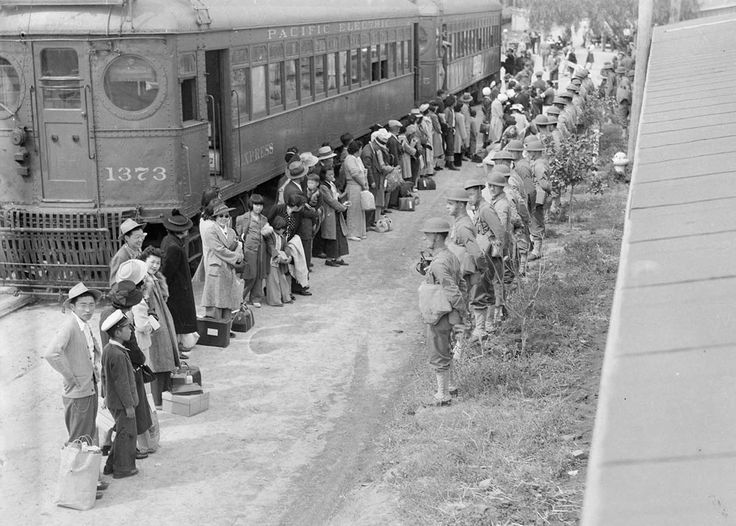
Executive Order 9066 issued by President Roosevelt authorized the incarceration (internment) of U.S. citizens of Japanese descent.
Continue reading