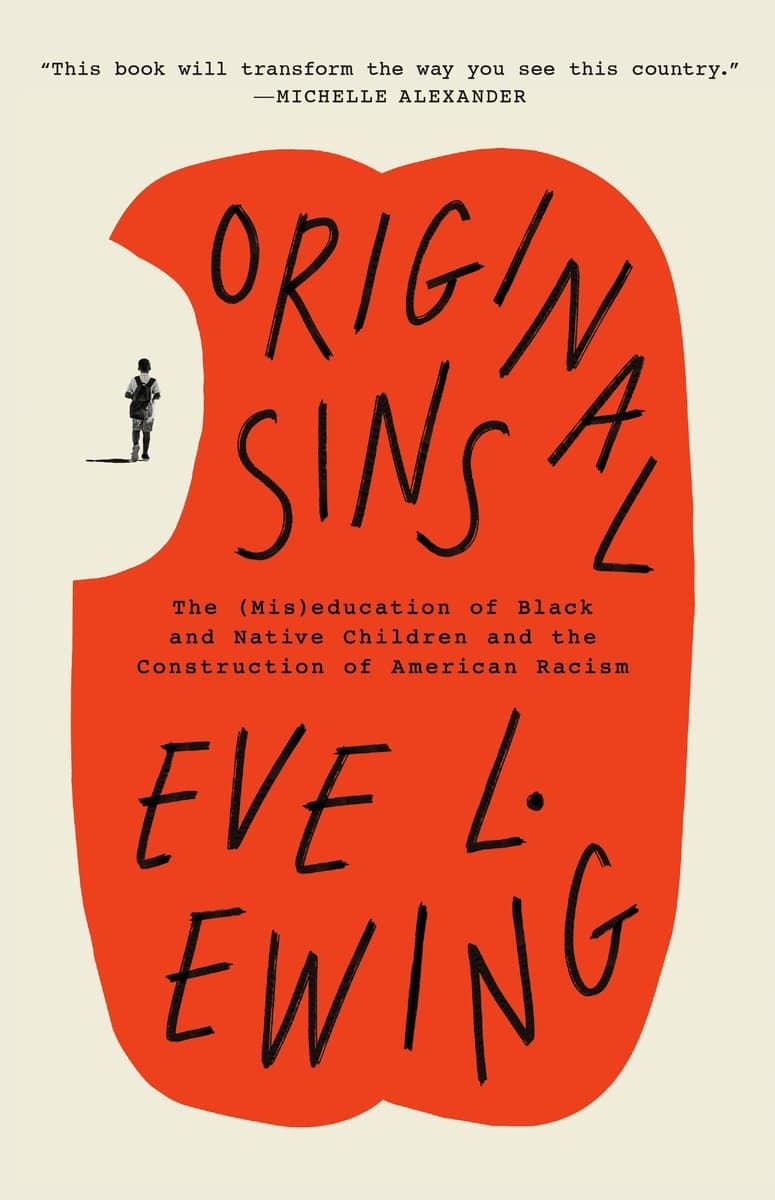
Book — Non-fiction. By Eve L. Ewing. 2026. 400 pages.
An examination of how the U.S. school system helps maintain racial inequality and social hierarchies.
Continue reading
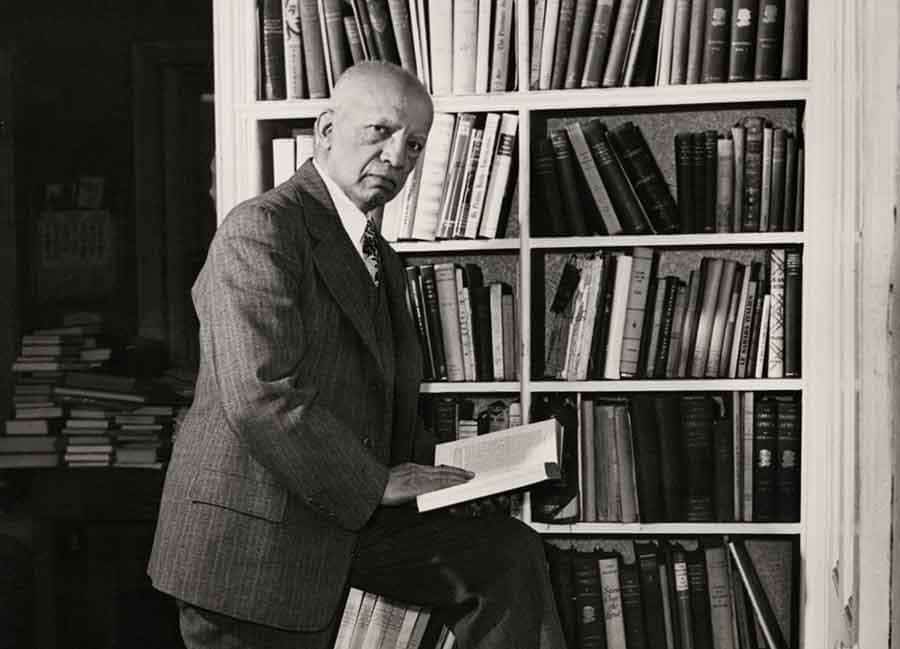
Carter G. Woodson initiated the first celebration of Negro History Week which led to Black History Month.
Continue reading
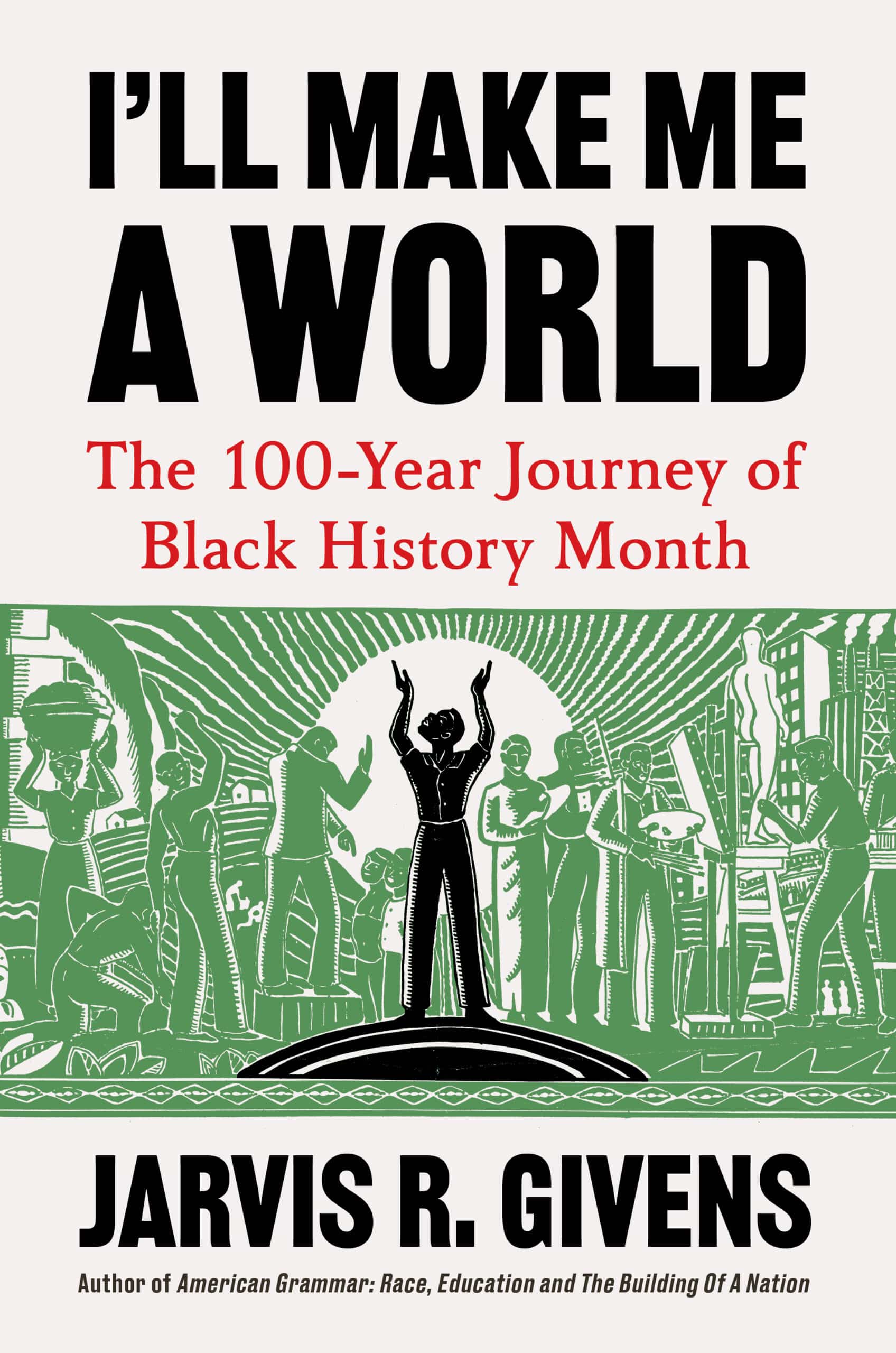
Book — Non-fiction. By Jarvis R. Givens. 2026. 208 pages.
At a time when Black history is under attack, this book offers an inspiring vision for how it can still be a source of power, truth, and possibility.
Continue reading
Teaching Activity. By Katie Baydo-Reed. Rethinking Schools. 10 pages.
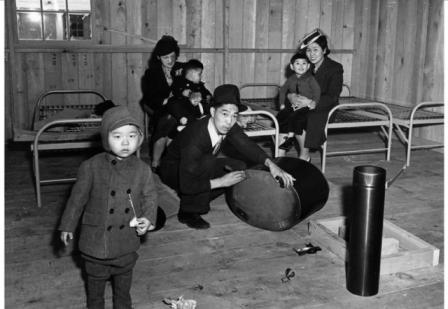
Students hold a mixer and a mock trial in preparation for reading literature about Japanese American incarceration.
Continue reading
Teaching Activity. By Moé Yonamine. Rethinking Schools. 18 pages.
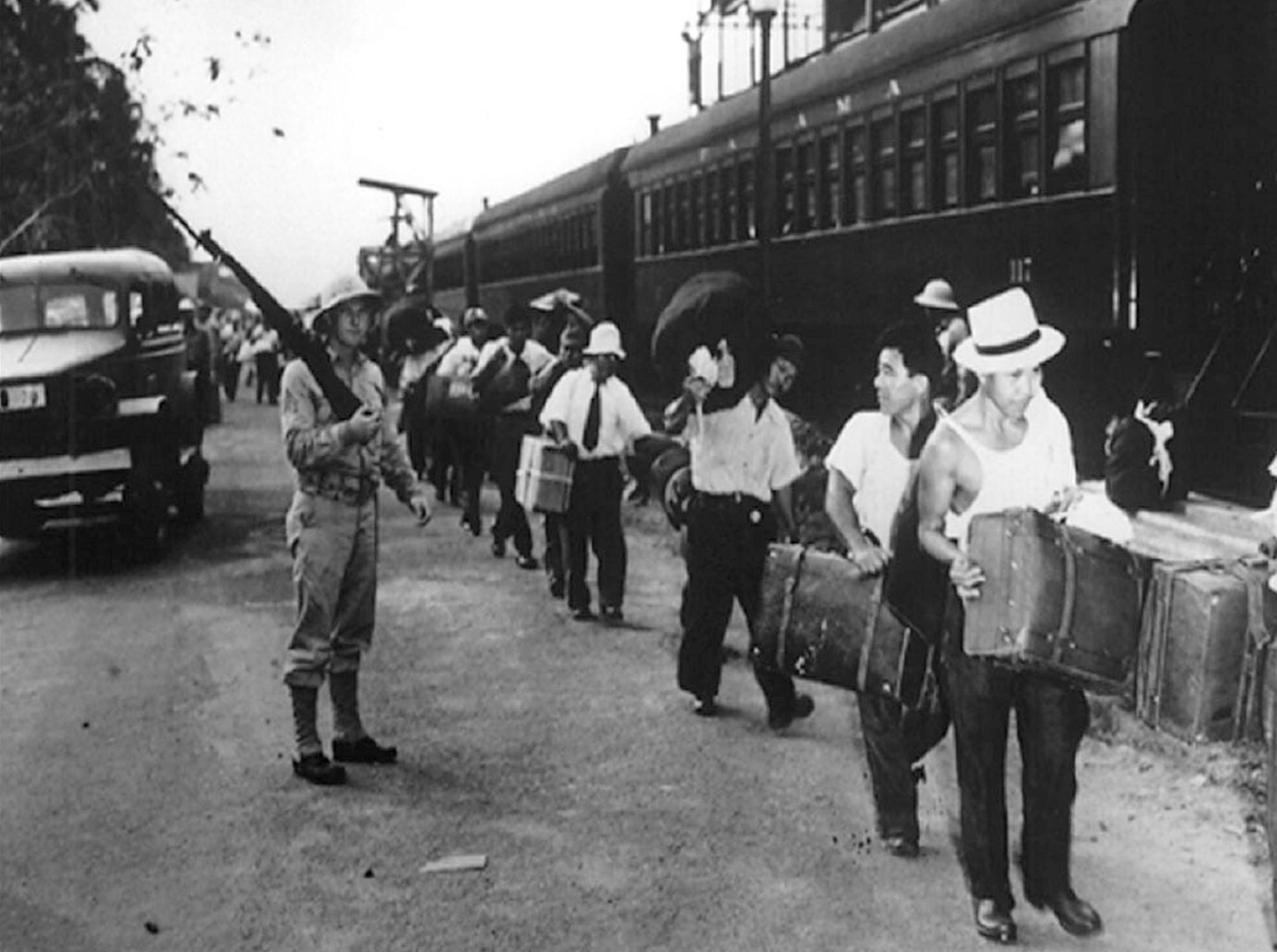
Poetry, photography, and text are used in this role play to teach about the seldom told history of Japanese Latin American incarceration during WWII.
Continue reading
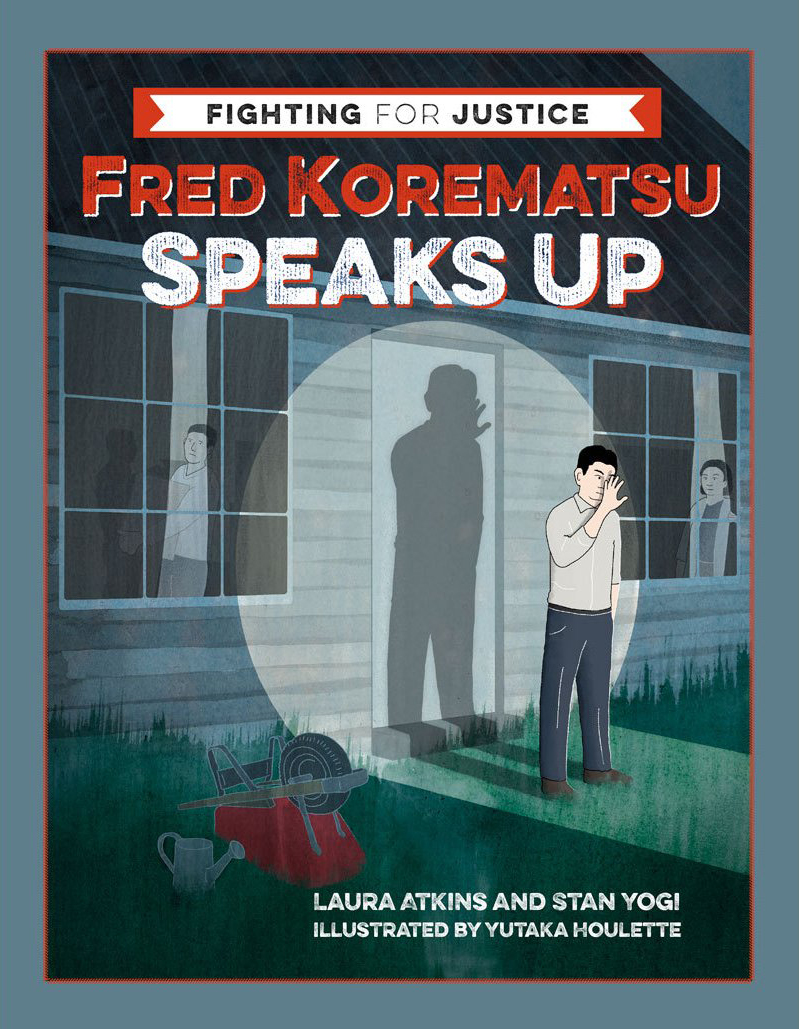
Book — Non-fiction. By Laura Atkins and Stan Yogi. Illustrated by Yutaka Houlette. 2017. 112 pages.
Story of Fred Koretmatsu, jailed for resisting incarceration by the U.S. government during WWII. He took his case to the U.S. Supreme Court twice.
Continue reading
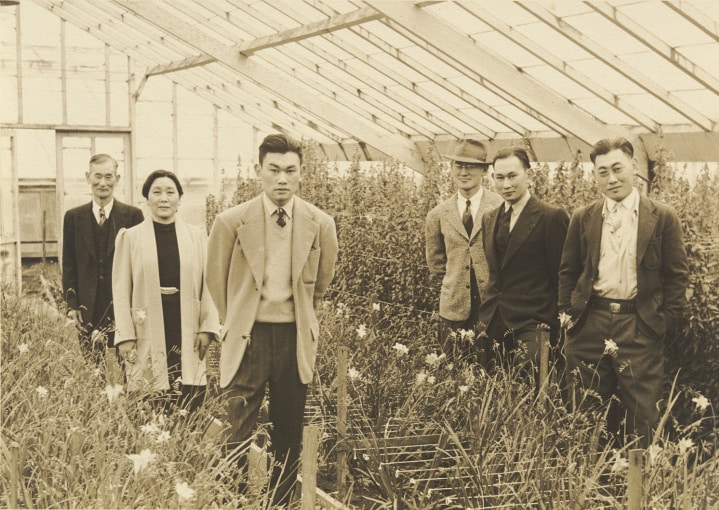
Fred Korematsu was arrested on a street corner in San Leandro, California for resisting Executive Order 9066, in which all people of Japanese descent were incarcerated in U.S. concentration camps.
Continue reading
The U.S. Supreme Court ruled that the Civil Rights Act of 1875, forbidding discrimination in hotels, trains, and other public spaces, was unconstitutional and not authorized by the 13th or 14th Amendments of the Constitution.
Continue reading
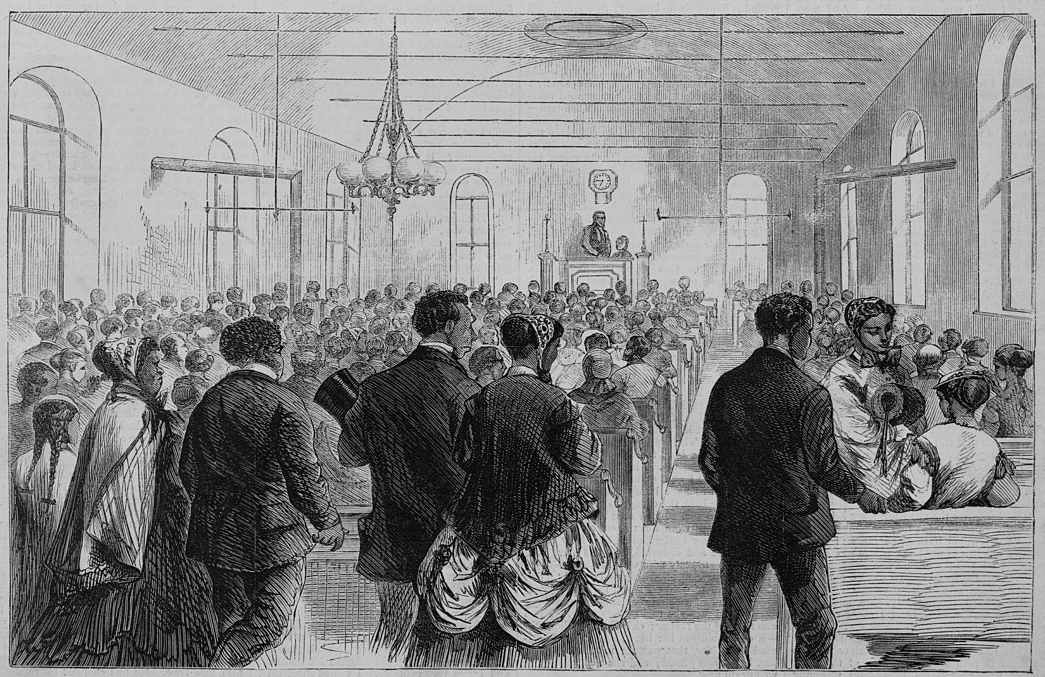
The first Colored Convention in Maine was an opportunity for northern Black abolitionists to organize and strategize for racial justice and the freedom of those still enslaved throughout the South.
Continue reading
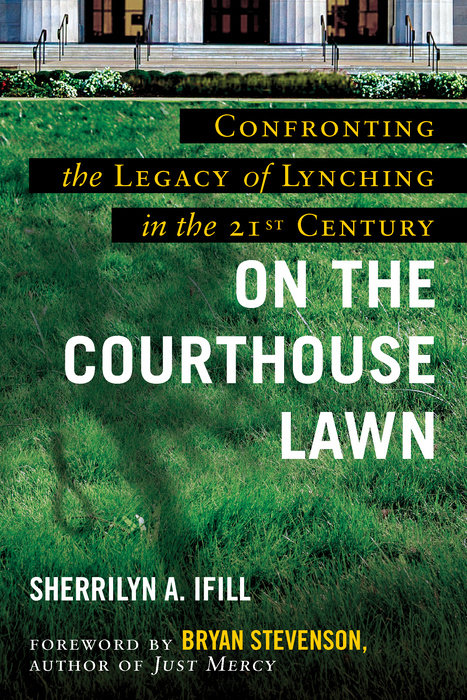
Book — Non-fiction. By Sherrilyn A. Ifill. 2018. 240 pages.
Examines the lynchings of Black Americans between 1890 and 1960 and the racial trauma still resounds across the country.
Continue reading
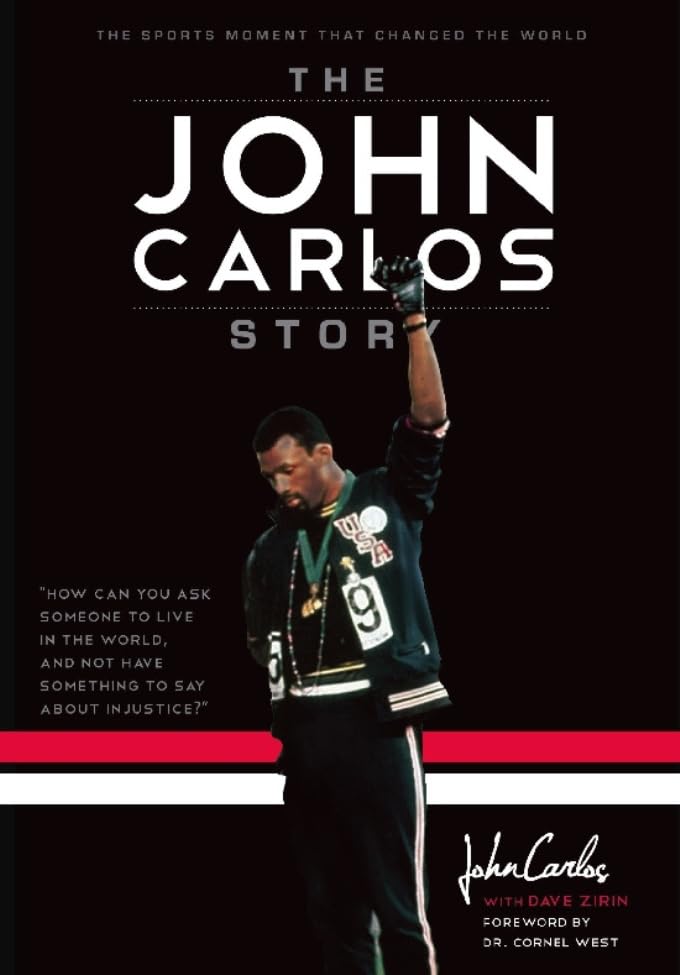
Book — Non-fiction. By John Carlos and Dave Zirin. Foreword by Cornel West. 2011. 220 pages.
Written for grades 7+, this biography of John Carlos recounts his childhood, his legendary act of courage at the '68 Olympics, and the backlash.
Continue reading
The Supreme Court ruled unanimously in favor of racially segregated public schools, affirming that such segregation was not in violation of the Fourteenth Amendment’s equal protection clause.
Continue reading
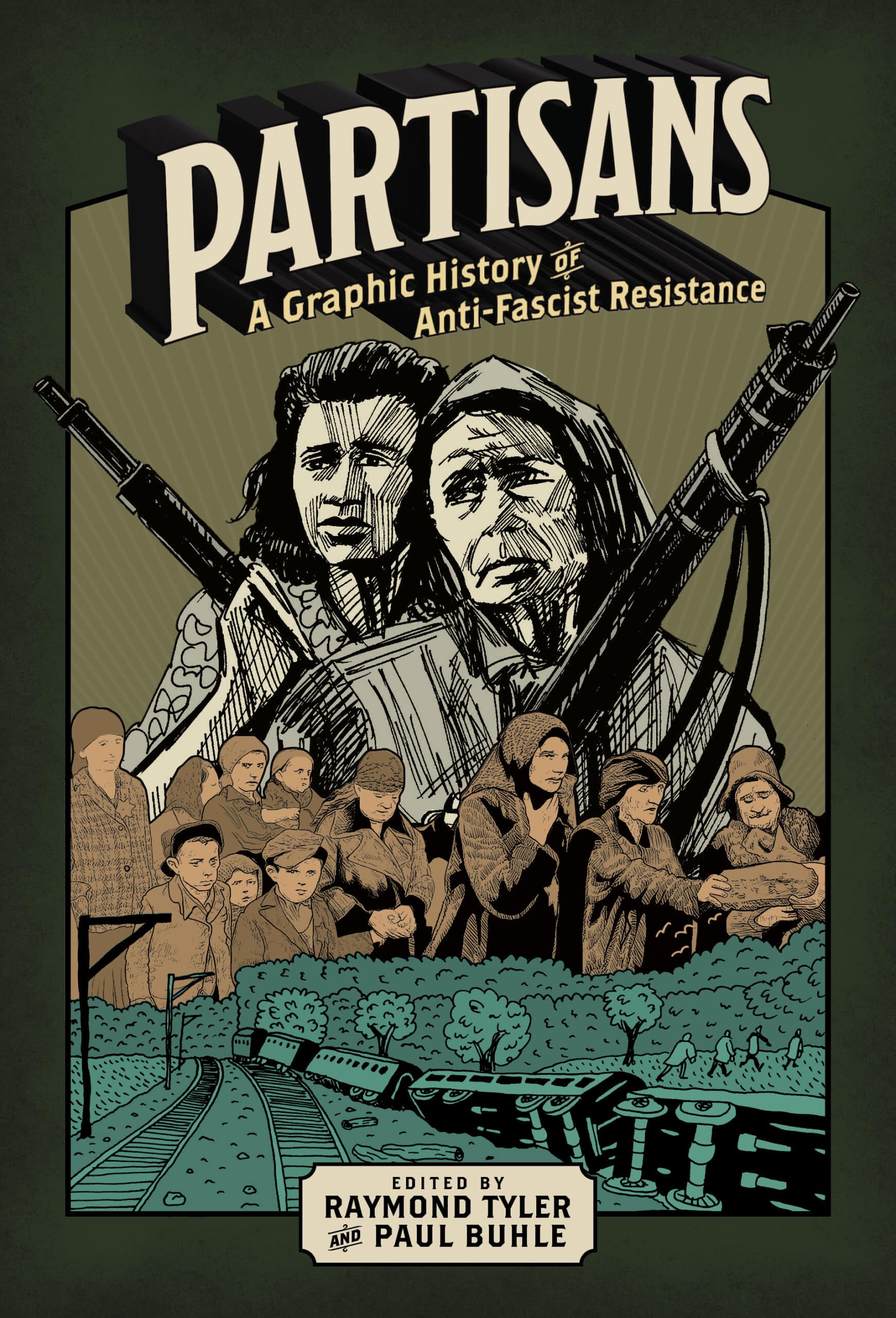
Book — Historical non-fiction. By Paul Buhle and Raymond Tyler. 2025. 96 pages.
Through vivid illustrations and compelling narratives, Partisans brings to life the struggles and triumphs of those who resisted fascism.
Continue reading
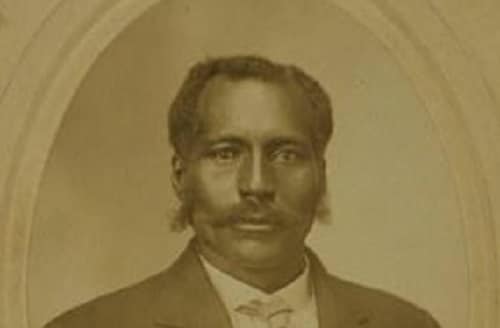
Successful African American entrepreneur, landowner, and community leader Anthony P. Crawford was murdered by a lynch mob in South Carolina.
Continue reading
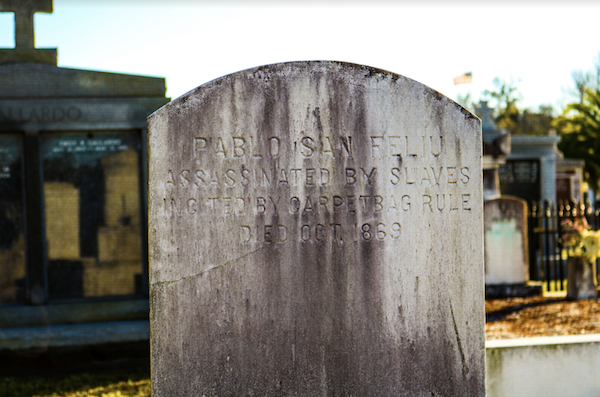
The St. Bernard Parish massacre of African Americans was carried out by white men to terrorize the recently emancipated voters in Louisiana.
Continue reading
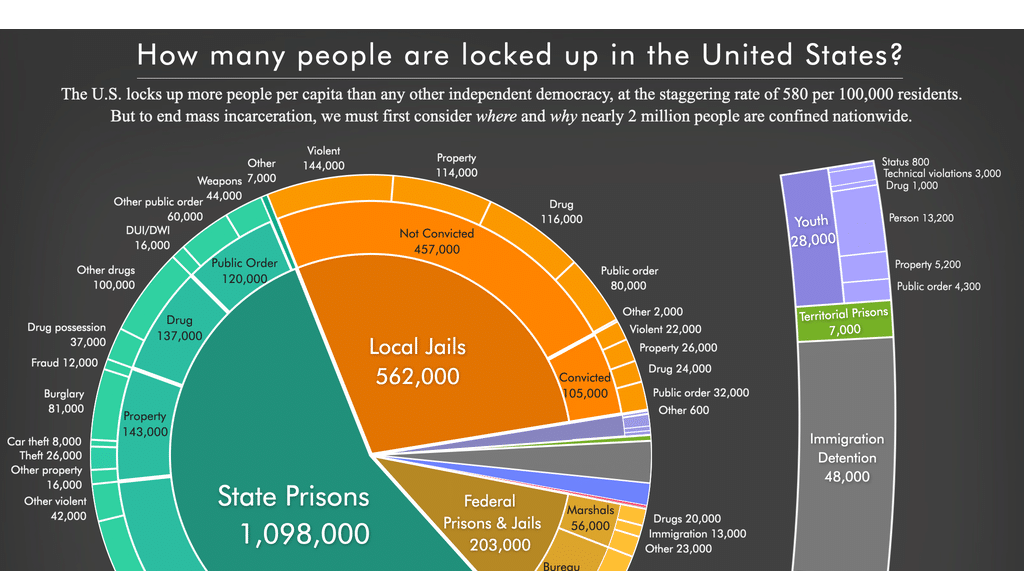
The U.S. Justice Department announced that the prison population topped one million for the first time in U.S. history.
Continue reading
Teaching Activity. By Ursula Wolfe-Rocca.
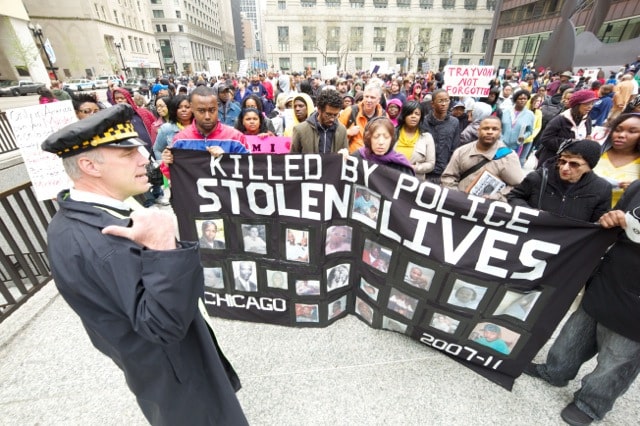
Students explore three documents produced in the wake of three major episodes of racial violence (1919, 1967, 2014) to understand the long trajectory of police violence in Black communities.
Continue reading
Book — Non-fiction. By Kelly Lytle Hernández. 2022. 384 pages.
Taking readers to the frontlines of the magonista uprising and the counterinsurgency campaign that failed to stop them, Kelly Lytle Hernández puts the magonista revolt at the heart of U.S. history.
Continue reading
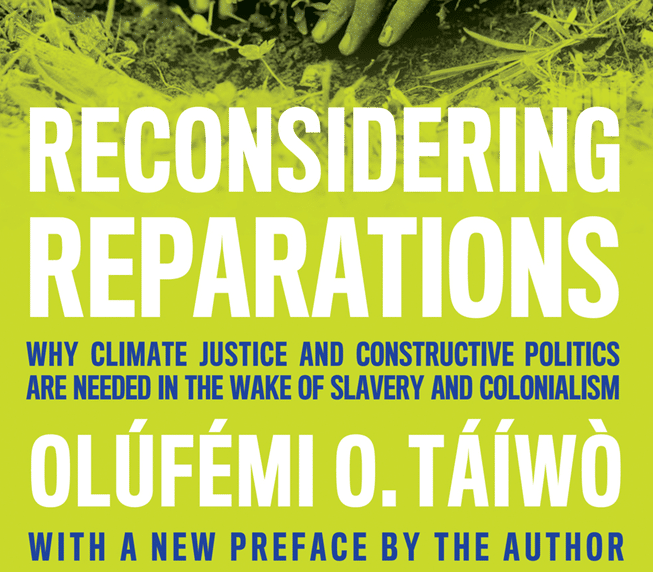
Book — Non-fiction. By Olúfẹ́mi O. Táíwò. 2025. 286 pages.
Táíwò’s take on reparations and distributive justice has wide implications for views of justice, racism, the legacy of colonialism, and climate change policy.
Continue reading
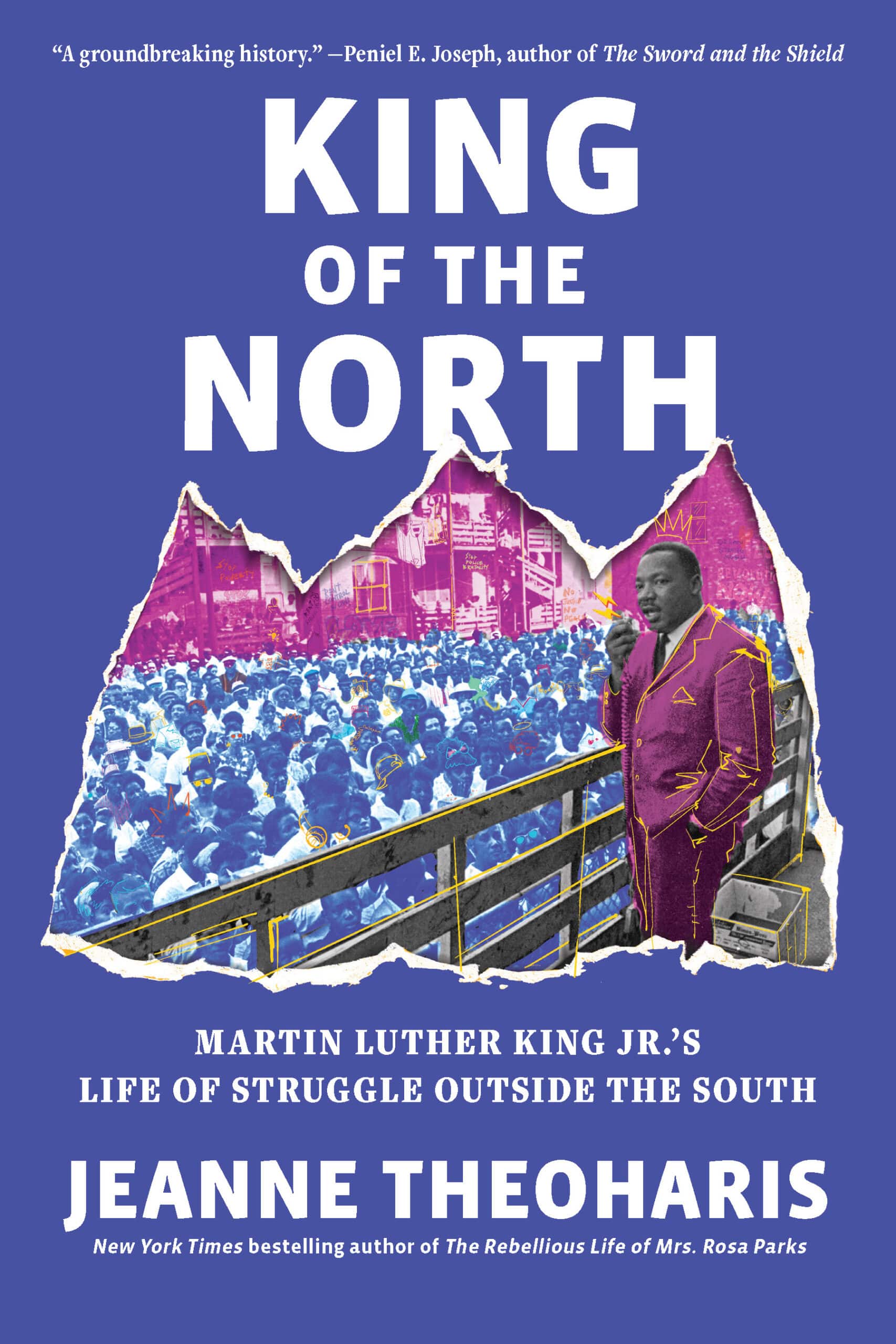
Book — Non-fiction. By Jeanne Theoharis. 2026. 400 pages.
Illustrates how King’s time in Boston, New York, Los Angeles, and Chicago — outside Dixie — was at the heart of his campaign for racial justice.
Continue reading
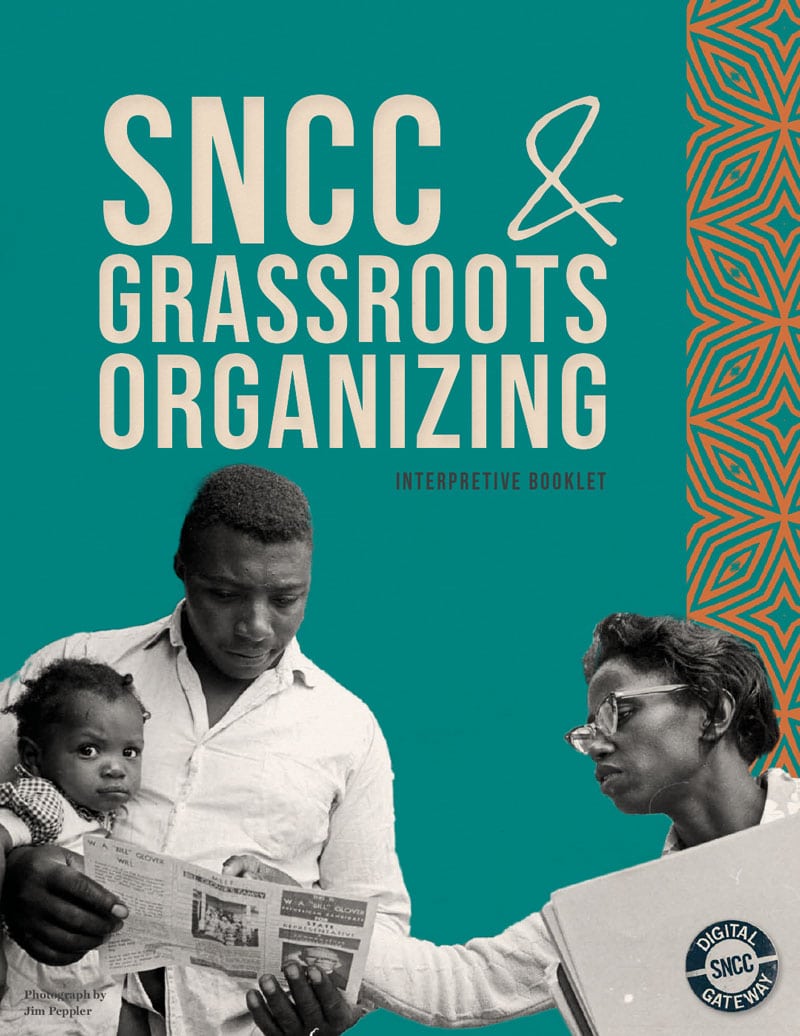
Teaching Guides. By the SNCC Legacy Project. 2025.
Six toolkits that are free to download, each with primary documents, narrative history, photos, and discussion questions.
Continue reading
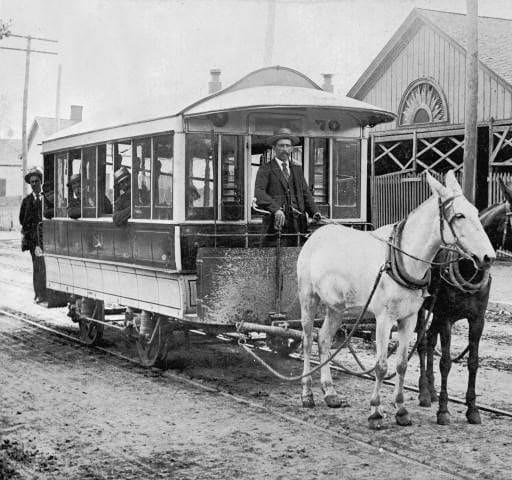
Reconstruction era protest of racist discrimination on streetcars in Louisville, Kentucky.
Continue reading
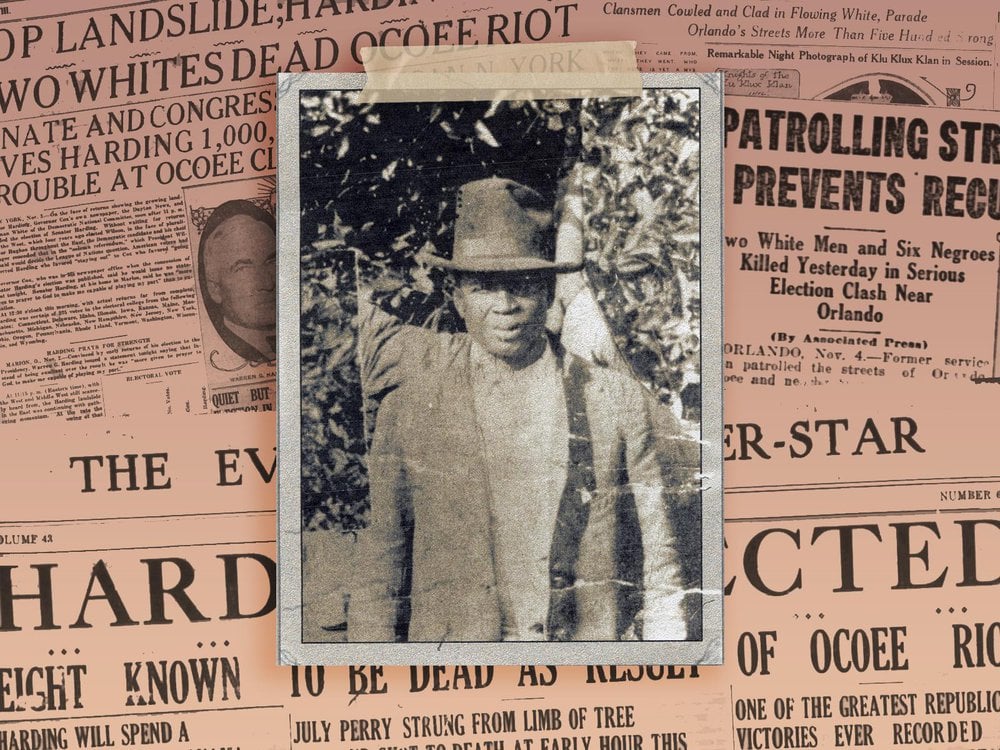
More than fifty African Americans killed in the Ocoee Massacre after going to vote in Florida.
Continue reading
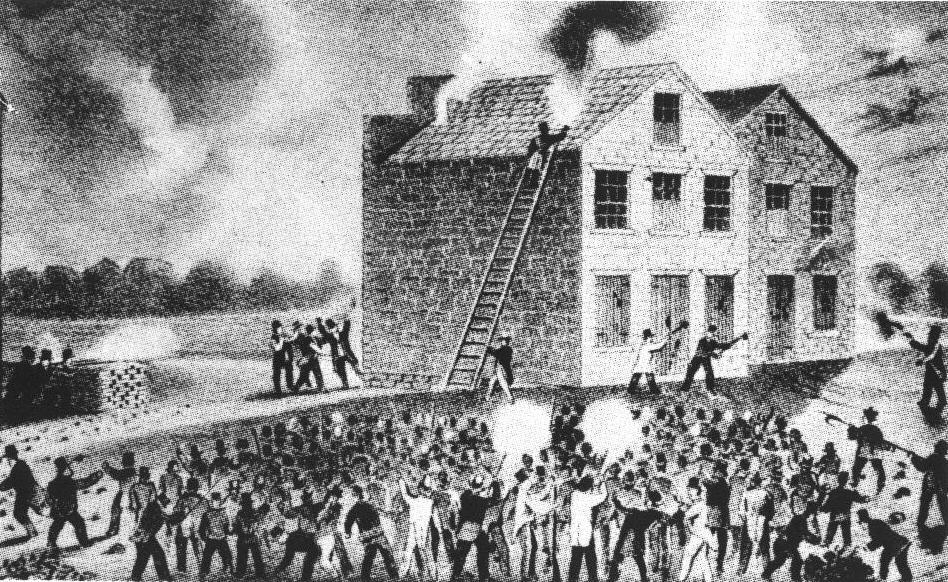
Minister, journalist, newspaper editor, and abolitionist Elijah Parish Lovejoy was murdered by a pro-slavery mob.
Continue reading
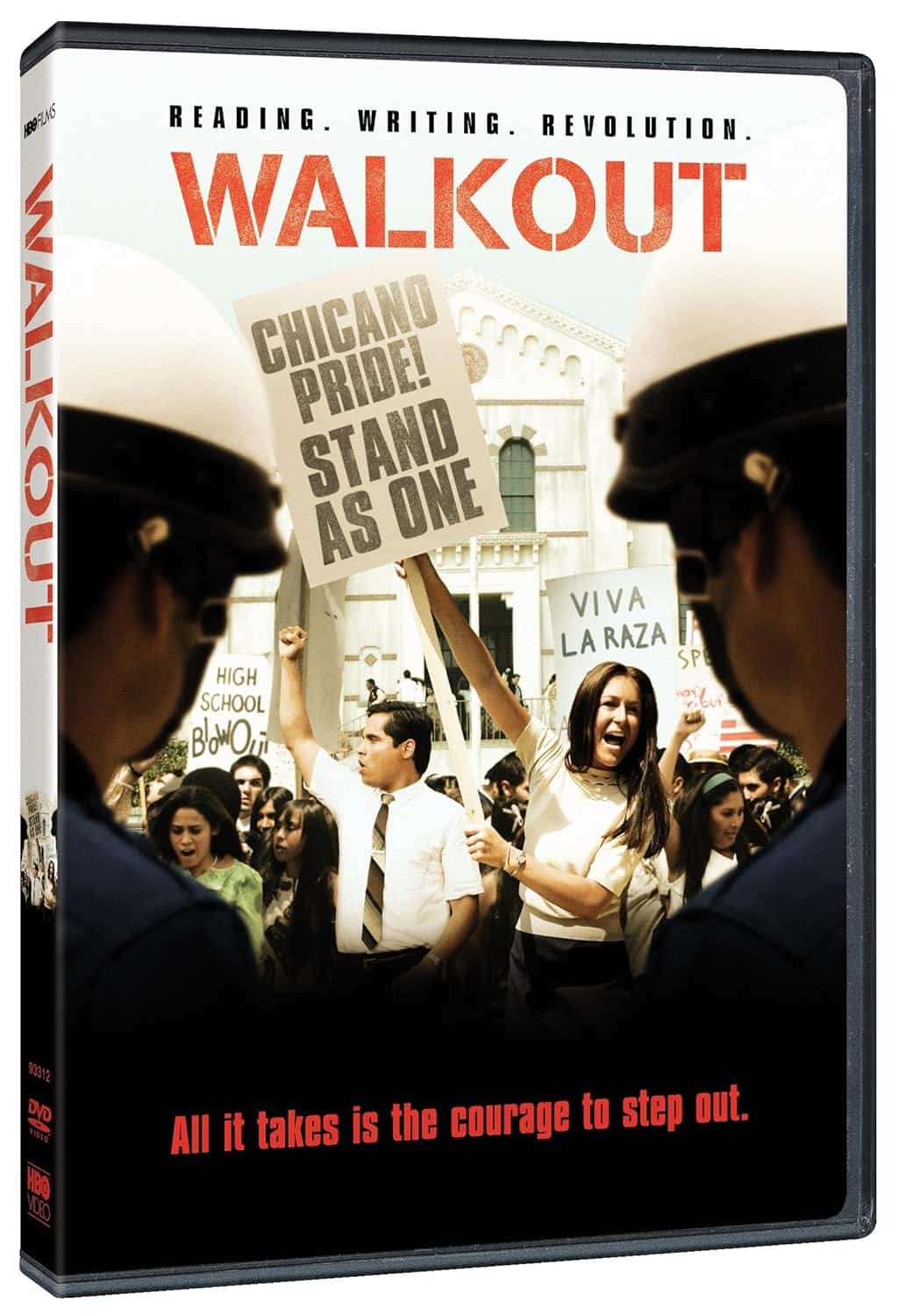
Film. Produced by Moctesuma Esparza. 2006. 111 minutes.
Walkout tells the true story of the Chicano students of East L.A., who in 1968 staged several dramatic walkouts in their high schools to protest academic prejudice and dire school conditions.
Continue reading