

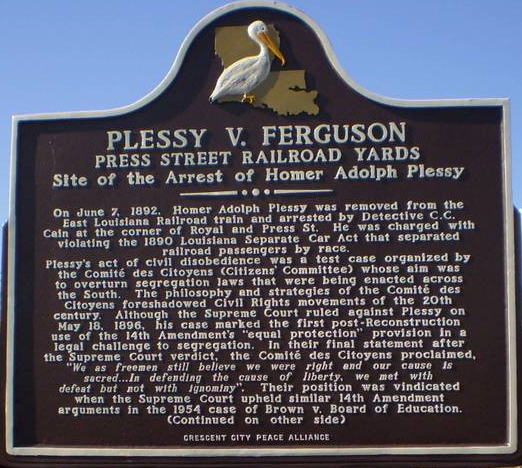
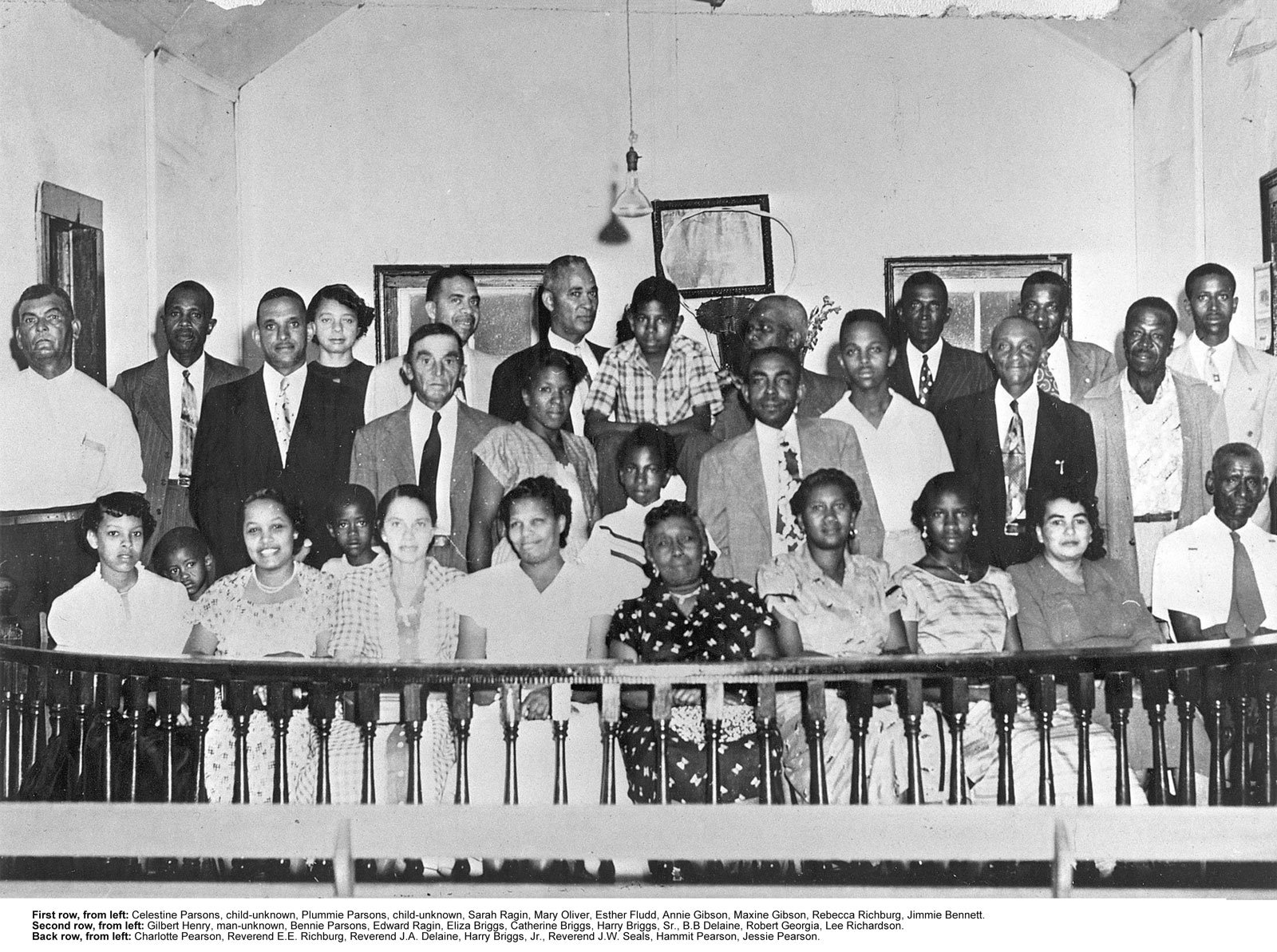
On December 18, 1899, in the case of Cumming v. Board of Education of Richmond County, the Supreme Court ruled unanimously in favor of racially segregated public schools, affirming that such segregation was not in violation of the Fourteenth Amendment’s equal protection clause. This ruling came just three years after the Supreme Court’s “separate but equal” ruling in Plessy v. Ferguson. This landmark Supreme Court ruling would not be overturned for another 55 years with their unanimous ruling in Brown v. Board.

Source: Dicta
According to Wikipedia,
The Supreme Court affirmed on economic arguments, among others. It claimed that there were many more colored children than white children in the area and that the Board could not afford to supply everyone with education. The court reasoned that there was a choice between educating 60 white children and educating no one.
As EBSCO notes,
This ruling marked a significant moment in the legal history of racial segregation in education, as it was the Court’s first explicit endorsement of racially segregated public schools, a decision that has never been overturned. John Marshall Harlan, who authored the opinion, had previously dissented in Plessy, highlighting the complexity and inconsistency in the legal discourse surrounding race and equality at the time. The implications of Cumming v. Richmond County Board of Education continue to resonate in discussions about educational equity and civil rights in the United States.
Watch a Cumming v. Board of Education case brief summary by Quimbee below.





Twitter
Google plus
LinkedIn