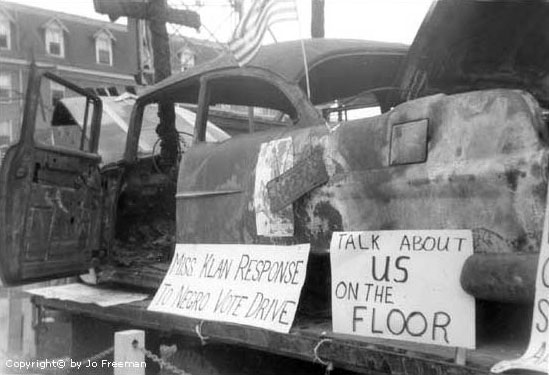
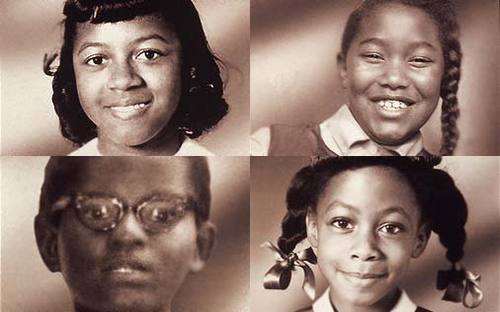
The 16th Street Baptist Church was bombed in an act of terrorism in Birmingham, Alabama.
Continue reading
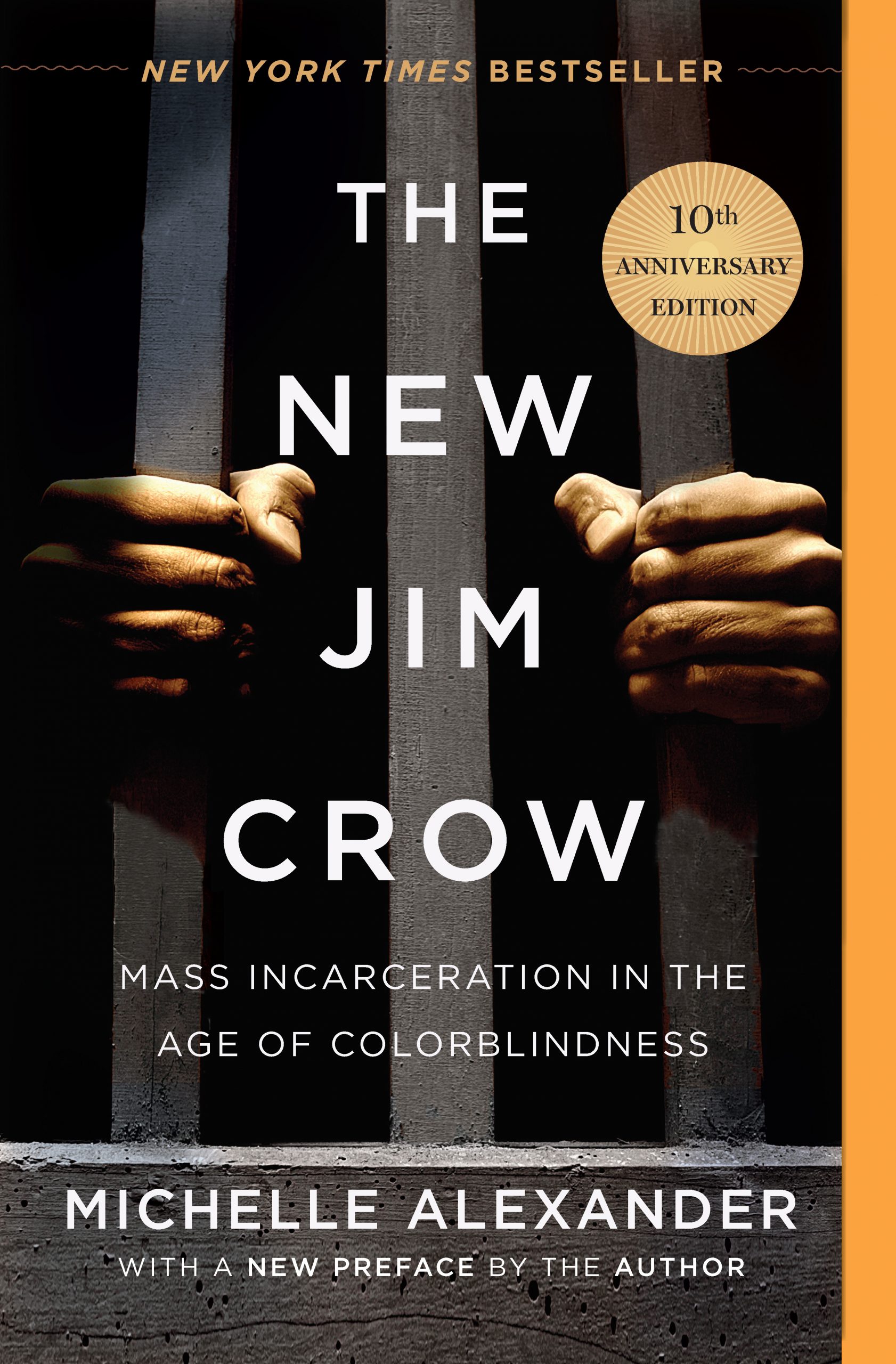
Book — Non-fiction. By Michelle Alexander. Introduction by Cornel West. 2010, updated 10th-anniversary edition released in 2020. 336 pages.
A critical analysis of the role the justice system plays in the oppression of African Americans in the United States.
Continue reading
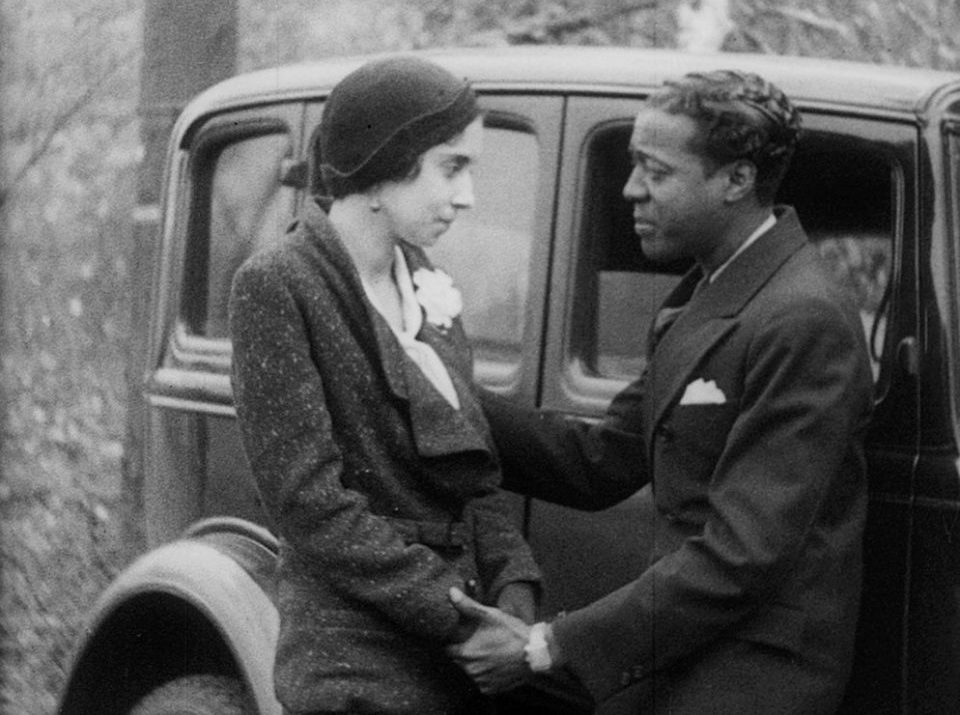
The Virginia Division of Motion Picture Censorship, which racists used to promulgate white supremacy and negative stereotypes of African Americans since 1922, ceased operations.
Continue reading
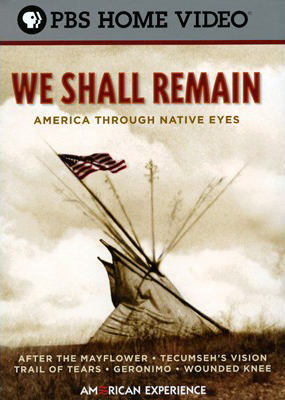
Film. PBS. 2009. 450 minutes.
Three hundred years of Native American history.
Continue reading
Profiles. Zinn Education Project. 2014.
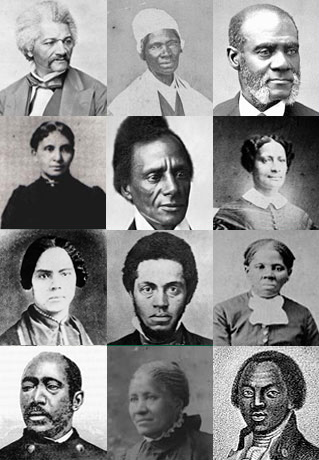
Brief biographies of 25 Black abolitionists.
Continue reading
Teaching Activity. By Linda Christensen. Rethinking Schools. 9 pages.
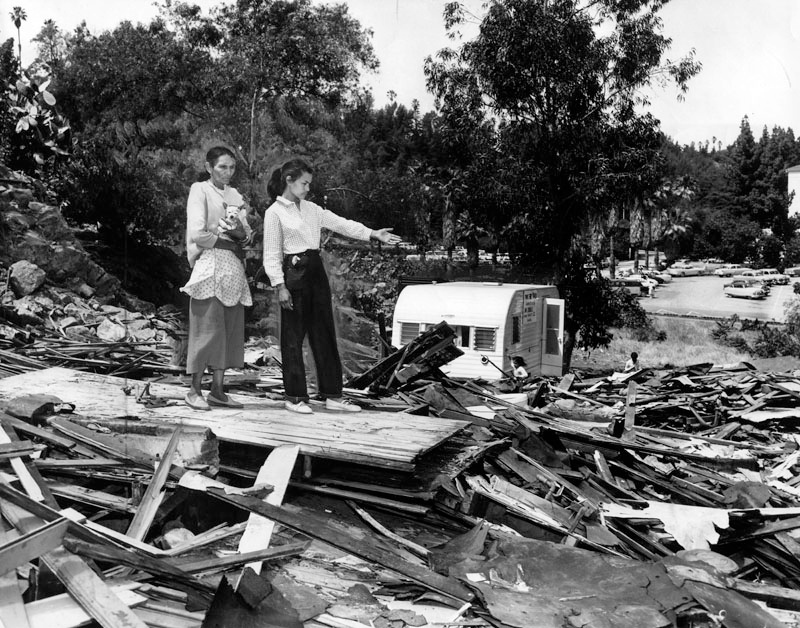
Teaching about patterns of displacement and wealth inequality through the history of Palo Verde, La Loma, and Bishop communities and the building of Dodger Stadium.
Continue reading
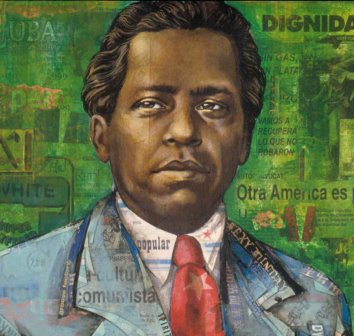
Cuban poet of social protest and a leader of the Afro-Cuban movement, Nicolás Guillén was born.
Continue reading
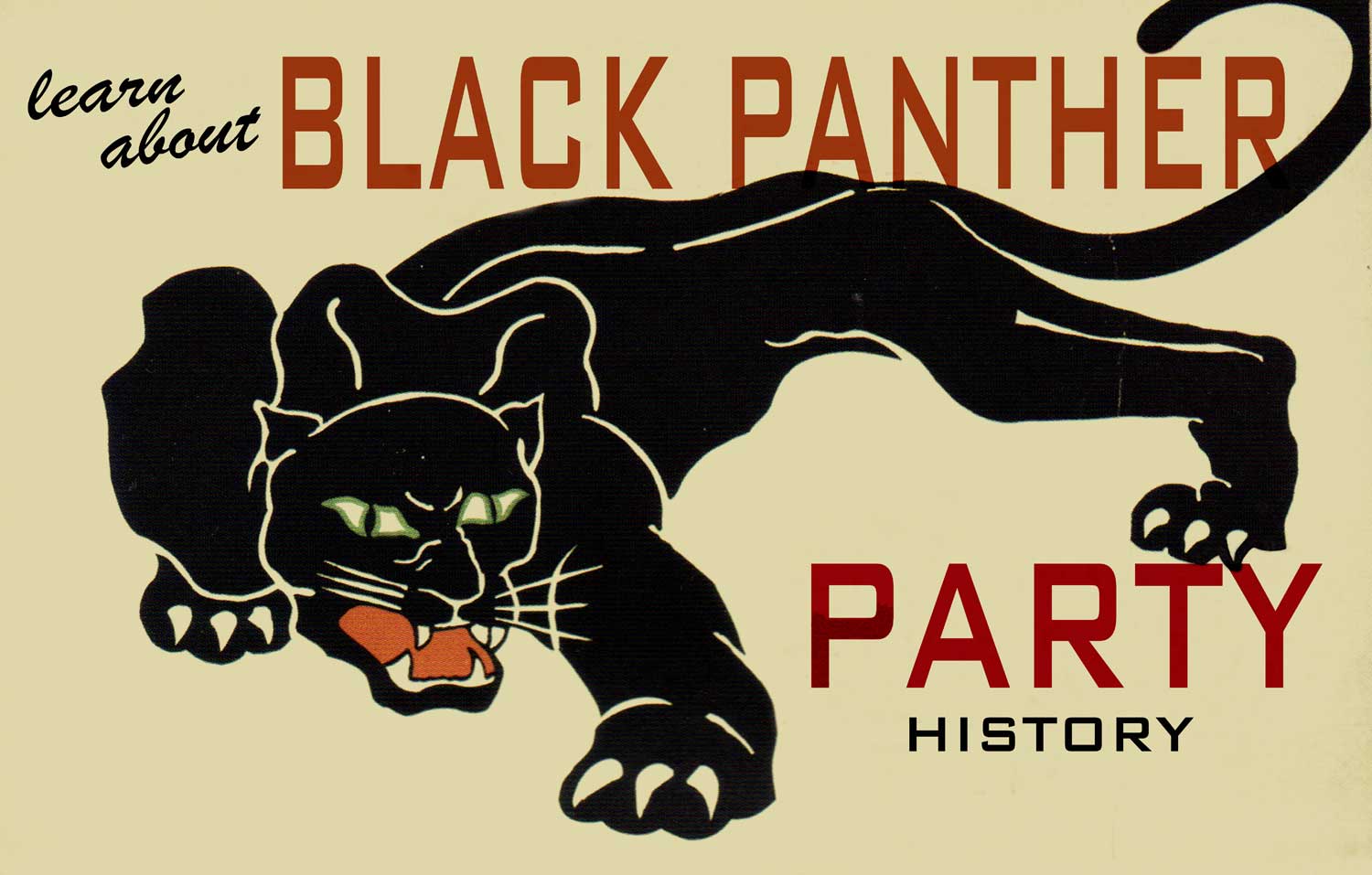
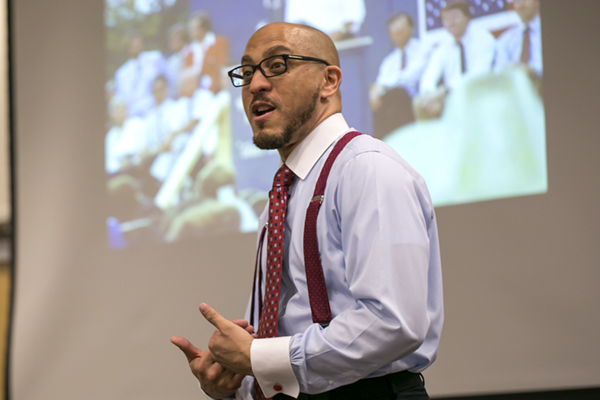
Teaching Activity. By Adam Sanchez and Jesse Hagopian. Rethinking Schools. 33 pages.
A mixer lesson introduces students to the pivotal history of the Black Panthers.
Continue reading
Article from "Understanding and Teaching the Civil Rights Movement" edited by Hasan Kwame Jeffries.
A critical review of films on the Civil Rights Movement and institutionalized racism, with dozens of recommendations of films to watch and those to avoid.
Continue reading
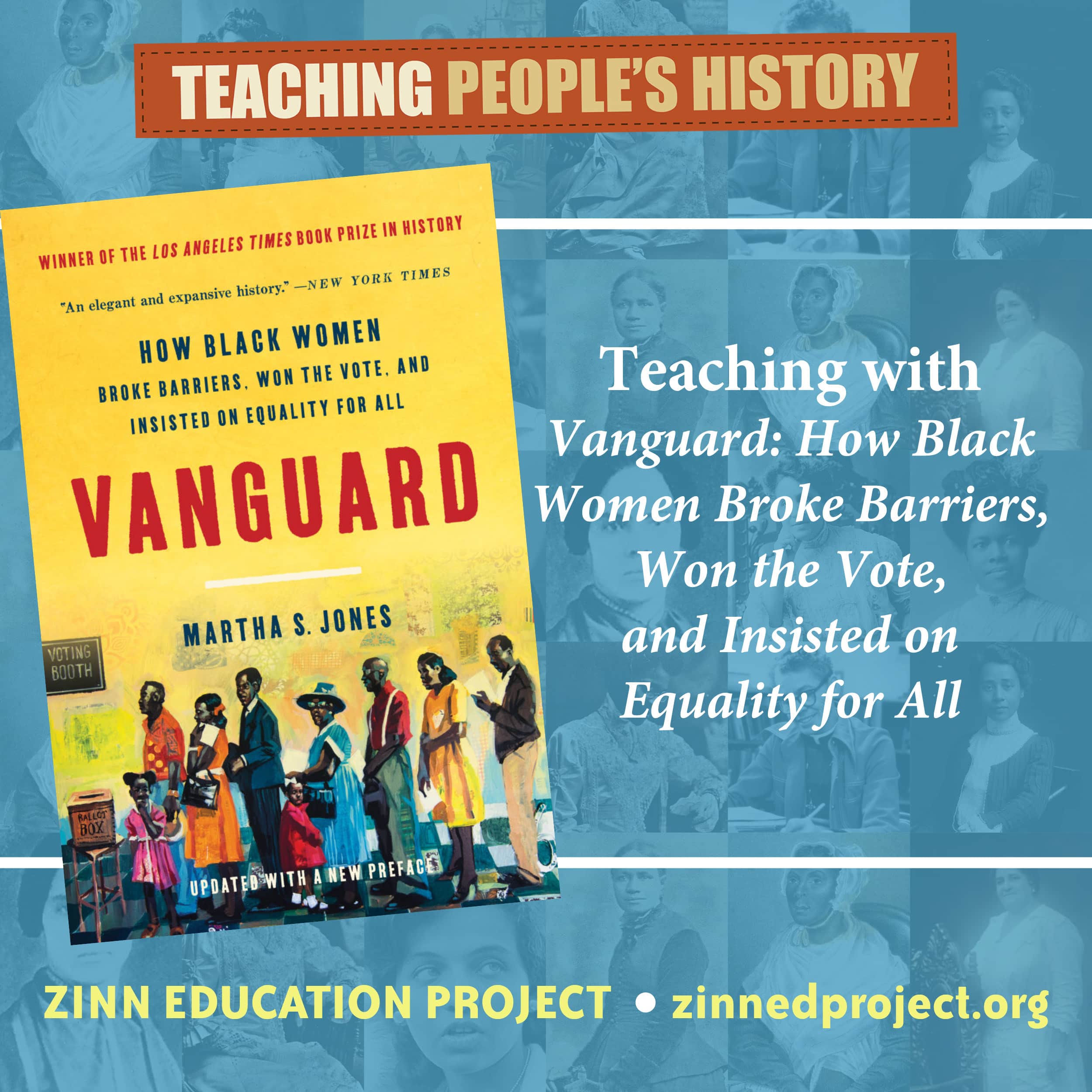
Teaching Activity. By Ursula Wolfe-Rocca. 25 pages.
Students engage in an interactive activity with short excerpts from Martha Jones’ book to learn about the leading role of Black women in the fight for voting rights throughout U.S. history.
Continue reading
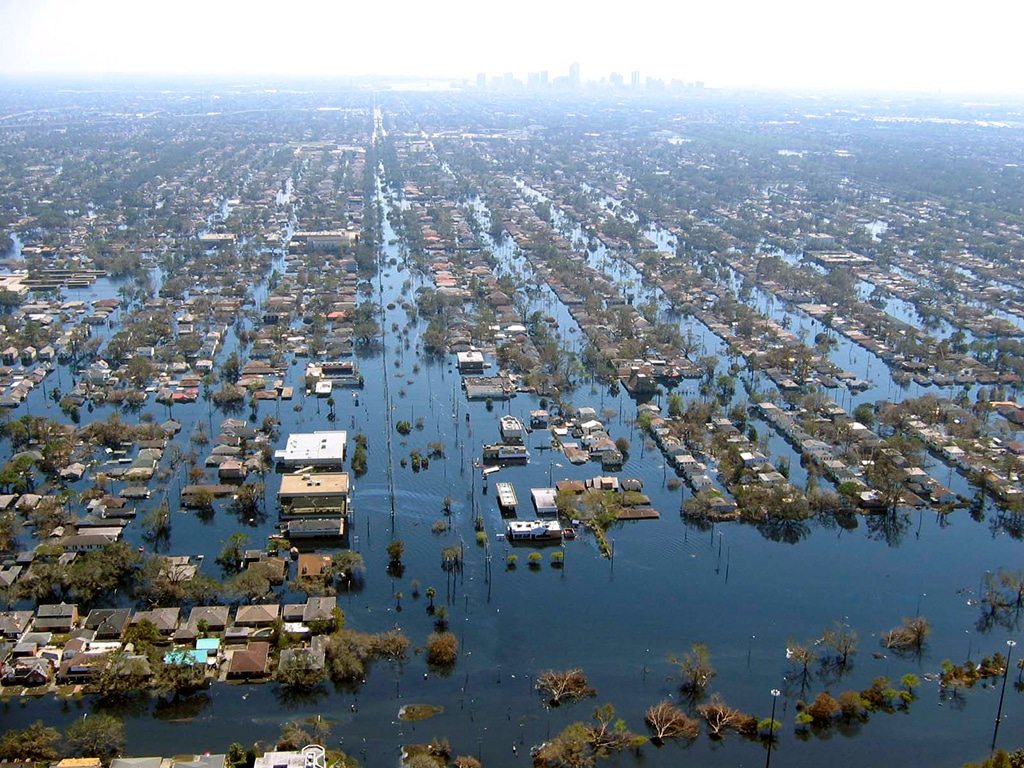
In September 2005, Hurricane Katrina, the third deadliest storm in U.S. history, took a disproportionate toll on the Gulf Coast’s Black residents. The impact of Katrina is still felt today for Gulf Coast residents.
Continue reading
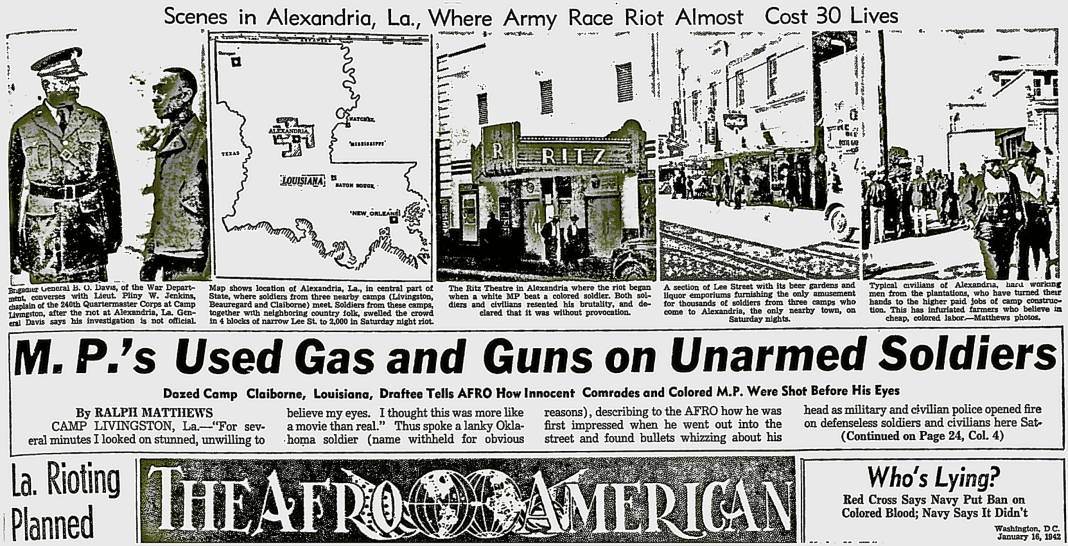
A month after the bombing of Pearl Harbor, Black soldiers on R&R in the town of Alexandria, Louisiana were attacked by local and military police, with dozens murdered and countless others injured in this brutal instance of Jim Crow violence.
Continue reading
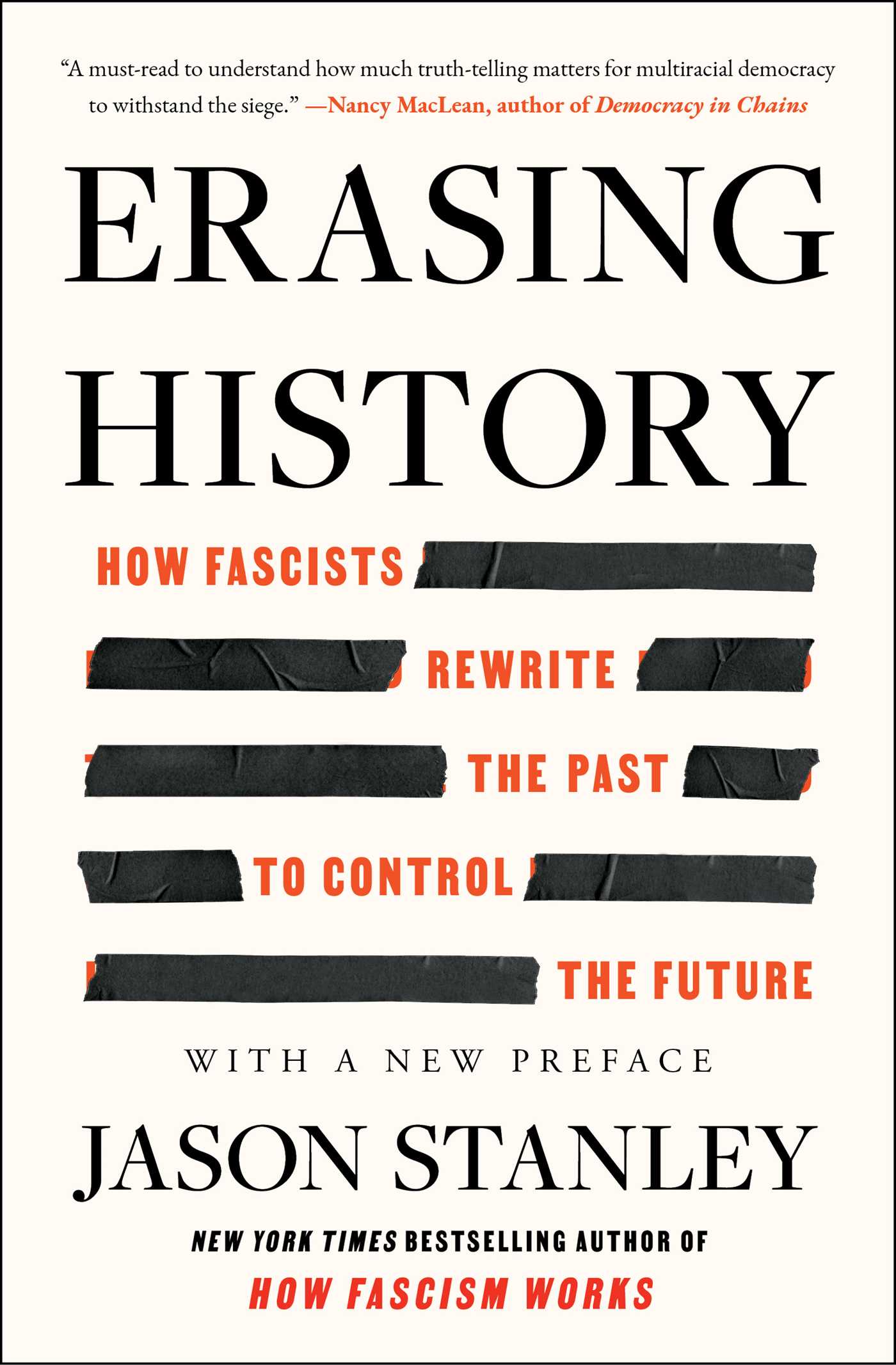
Book — Non-fiction. By Jason Stanley. 2026. 272 pages.
A global call to action for those who wish to preserve democracy — in the United States and abroad — before it is too late.
Continue reading
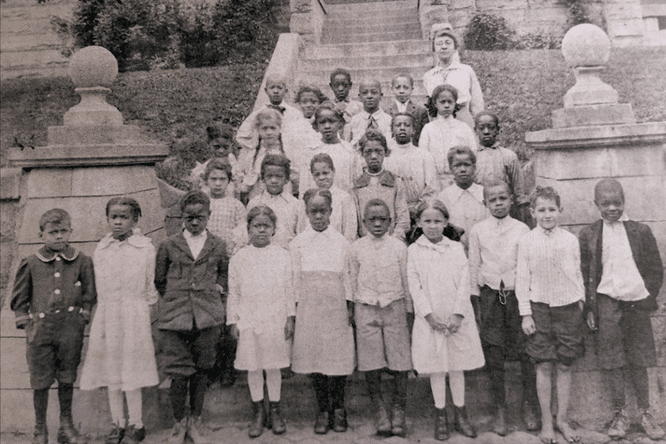
The first free school south of the Mason-Dixon Line was established in Parkersburg, West Virginia, during the Civil War.
Continue reading
Teaching Activity. By Bill Bigelow. 2025. 36 pages.
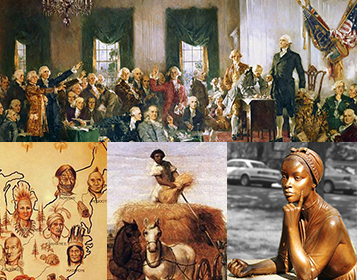
This is a unit with three lessons. The first invites students to think critically about key issues that confronted the framers of the Constitution — examining the perspectives not only of the elites attending the actual Constitutional Convention, but also of enslaved African Americans, poor white farmers, and white workers. The other two lessons are: The Constitutional Convention: Who Really Won? — with students exploring whose interests the Constitution advanced — and Federalist Paper #10: Suppressing “Wicked Projects,” a critical reading activity on James Madison's seminal defense of the Constitution.
Continue reading
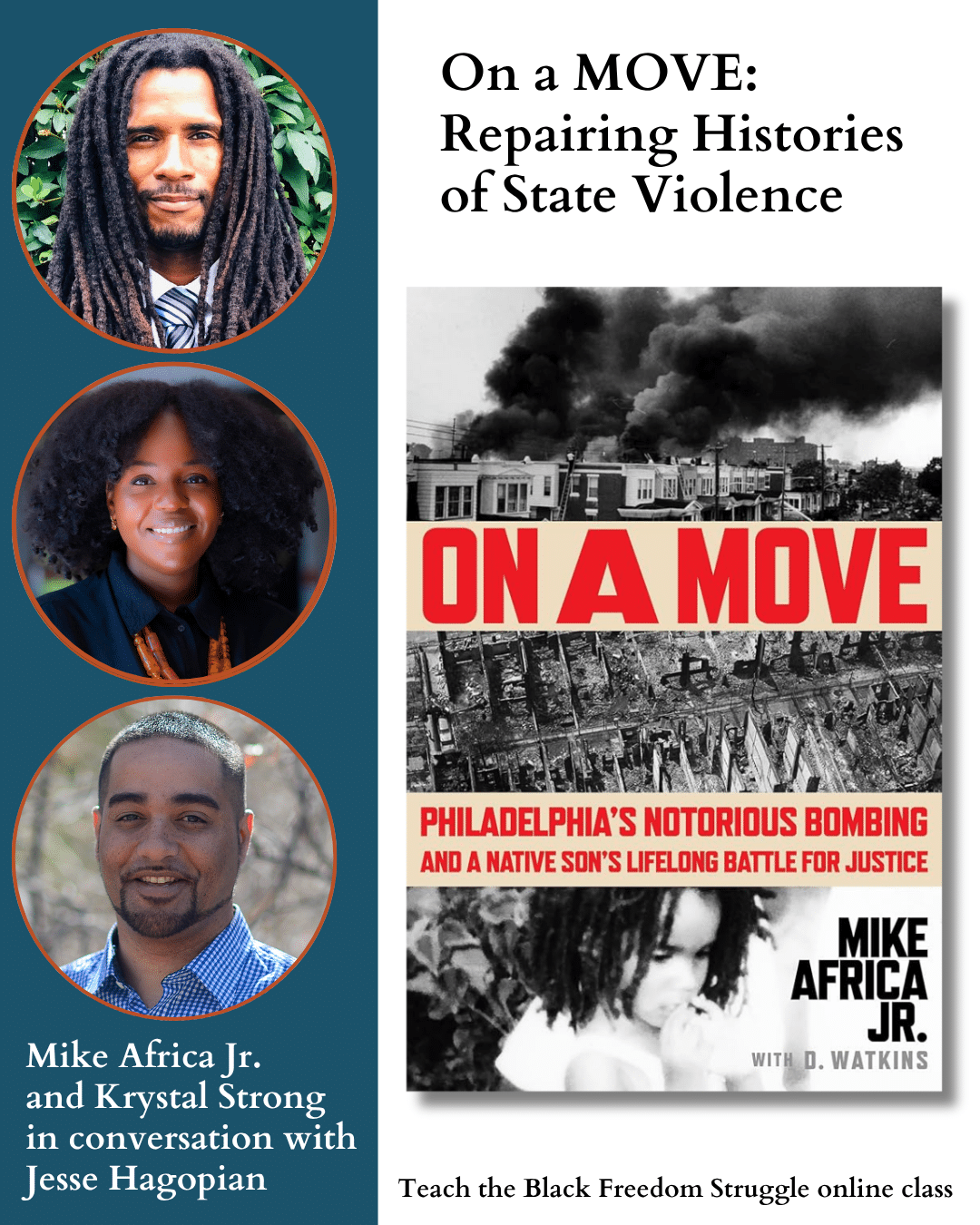
Activist Mike Africa Jr. and scholar Dr. Krystal Strong joined Rethinking Schools editor Jesse Hagopian to discuss the story of the MOVE organization, repairing histories of state violence, and the “On a MOVE” curriculum project in Philadelphia. This class was part of the Zinn Education Project’s Teach the Black Freedom Struggle online people’s history series.
Continue reading
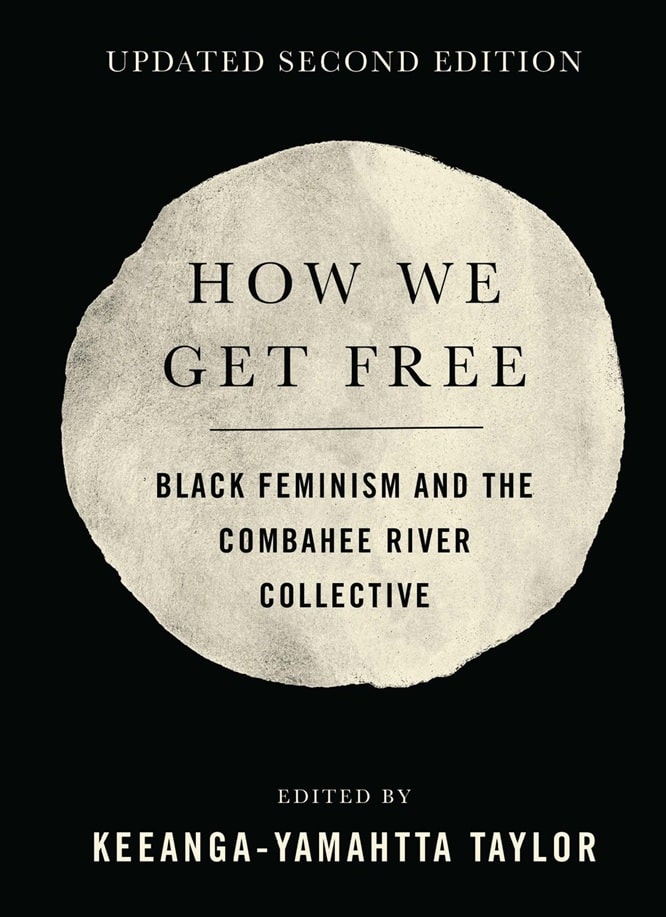
Book — Non-fiction. Edited by Keeanga-Yamahtta Taylor. 2026. 264 pages.
A collection of essays and interviews with founding members of the Combahee River Collective and contemporary activists who reflect on the organization’s contributions to Black feminism and its impact on today’s struggles.
Continue reading
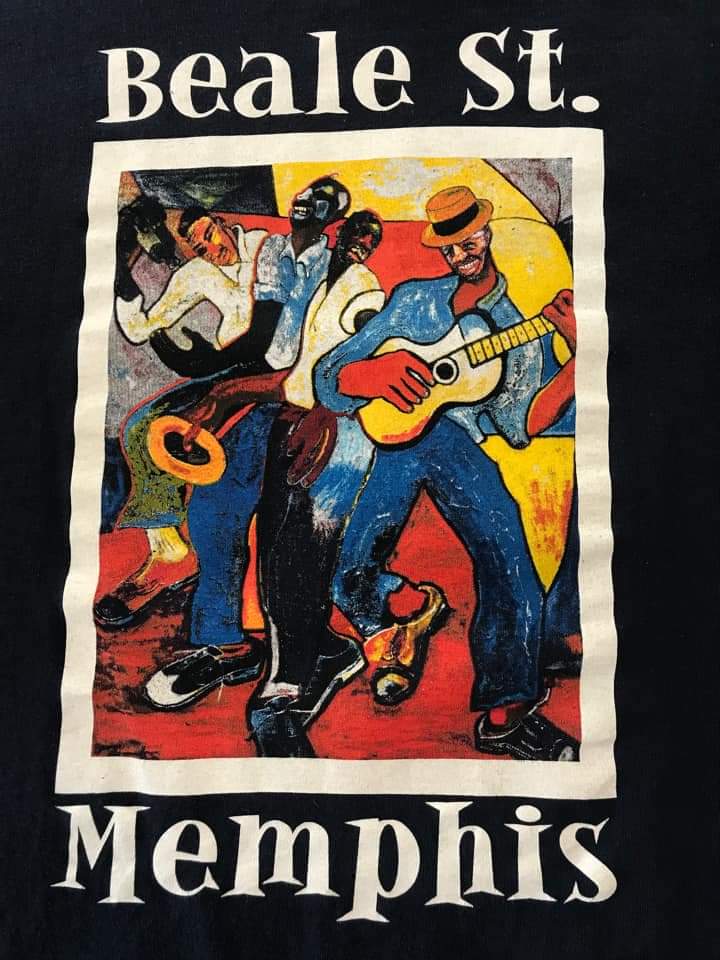
Teaching Activity. By Jesse Hagopian. 2025. 19 pages.
A lesson for the 250th anniversary of the U.S. founding exploring the blues as both a cultural art form and a vehicle for political resistance.
Continue reading
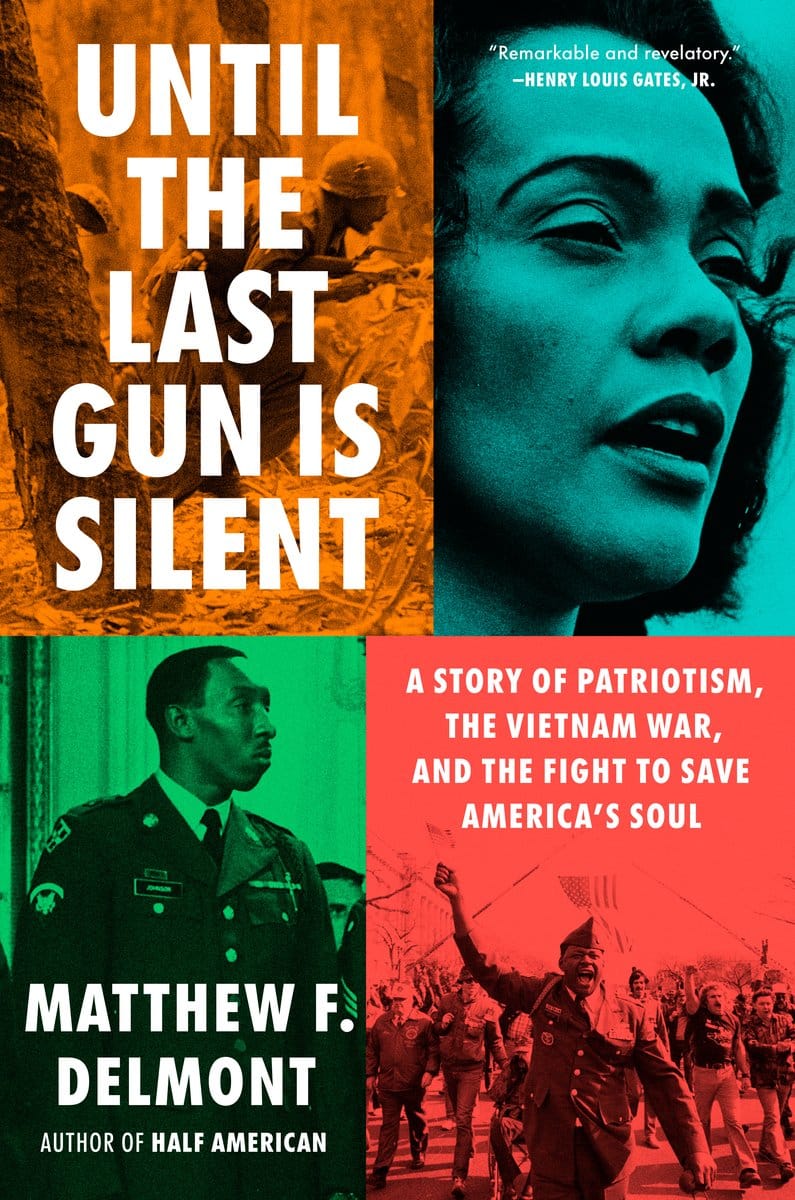
Book — Non-fiction. By Matthew F. Delmont. 2026. 368 pages.
The history of the Vietnam War with a focus on the African American experience in the antiwar movement and as returning soldiers.
Continue reading
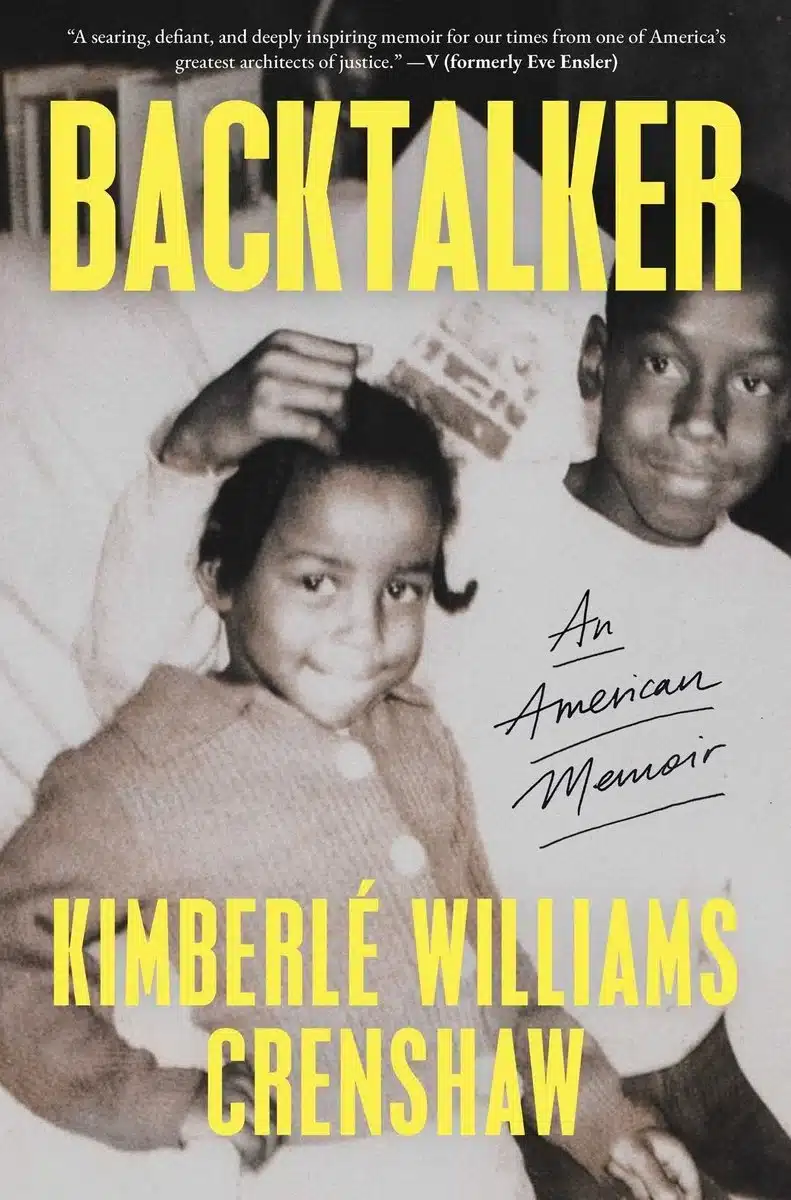
Book — Non-fiction. By Kimberlé Williams Crenshaw. 2026. 400 pages.
This memoir traces the way Crenshaw’s lived experiences led her to articulate the concepts of intersectionality and critical race theory.
Continue reading
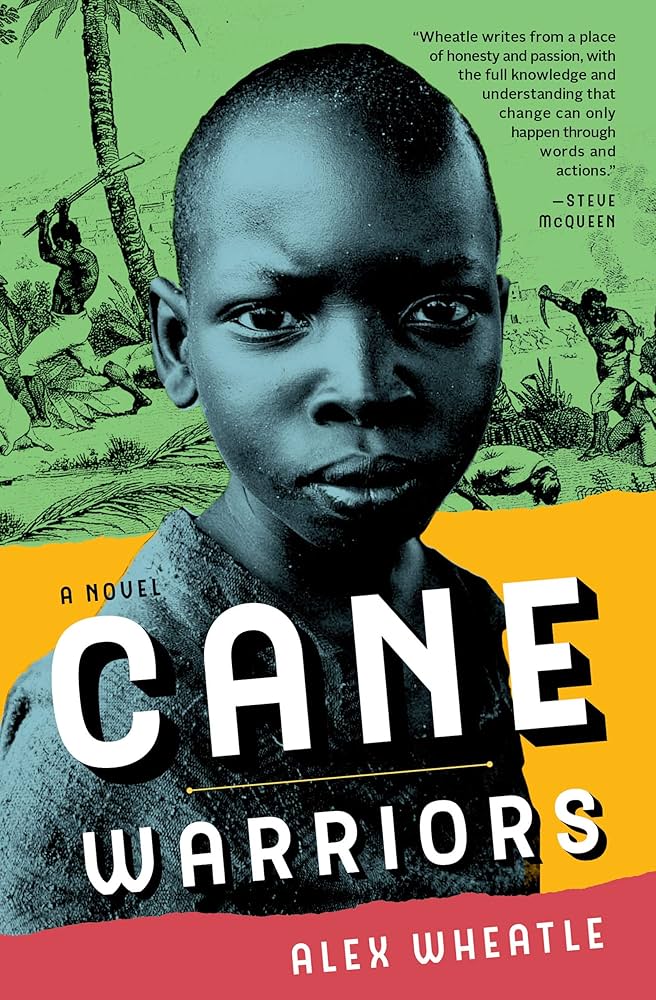
Book — Historical fiction. By Alex Wheatle. 2020. 192 pages.
Cane Warriors follows the true story of Tacky's War in Jamaica in 1760.
Continue reading
Carrie Coleman Robinson, a Black school librarian in Alabama, brought a landmark case to the U.S. District Court alleging that Alabama’s Department of Education denied her equal protection as a department employee because of her race.
Continue reading
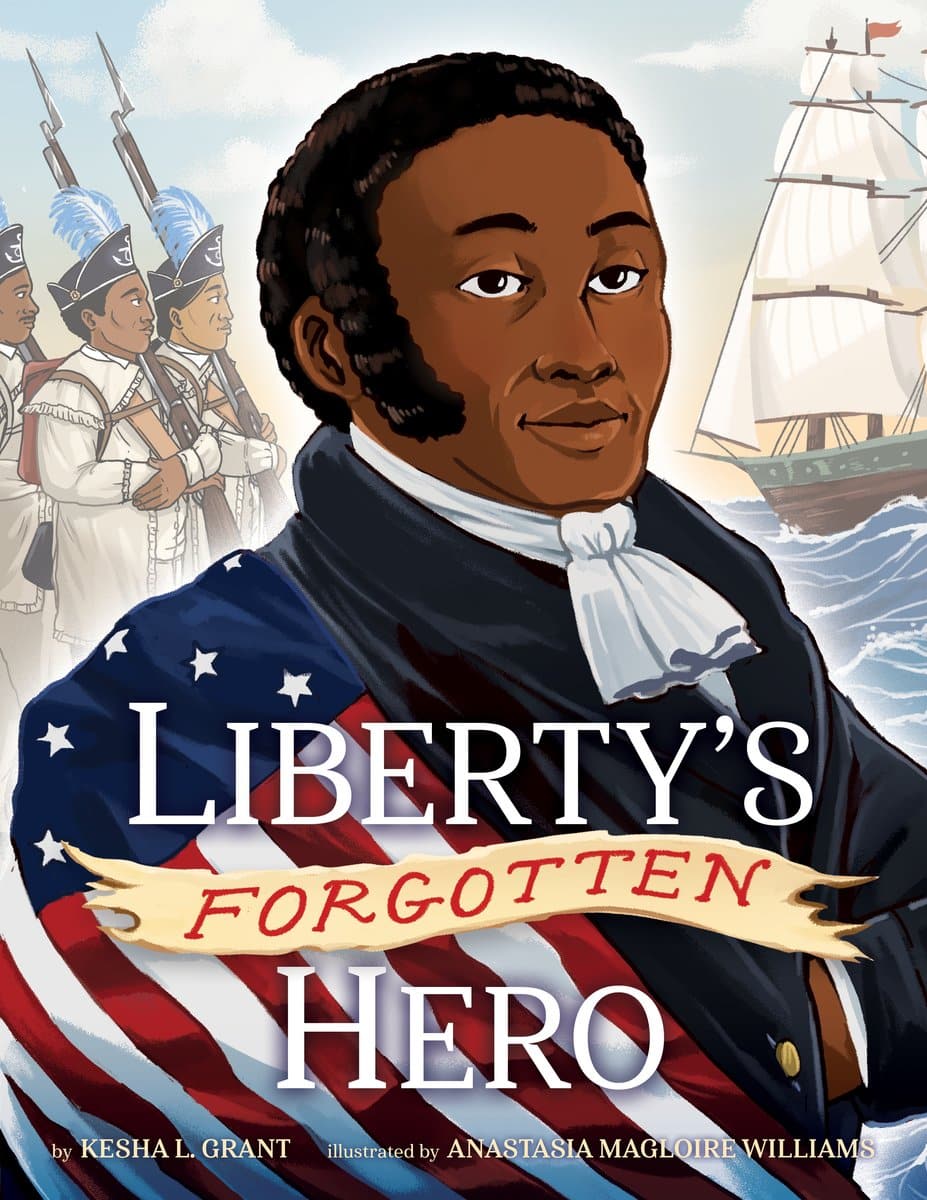
Picture book. By Kesha L. Grant, with illustrations by Anastasia Magloire Williams. 2026. 48 pages.
Tells the story of James Forten, who served in the American Revolution and then dedicated his life to fighting for the ideals set forth by the Declaration of Independence that “all men are created equal.”
Continue reading