Teaching Activity. By Bill Bigelow. 5 pages.
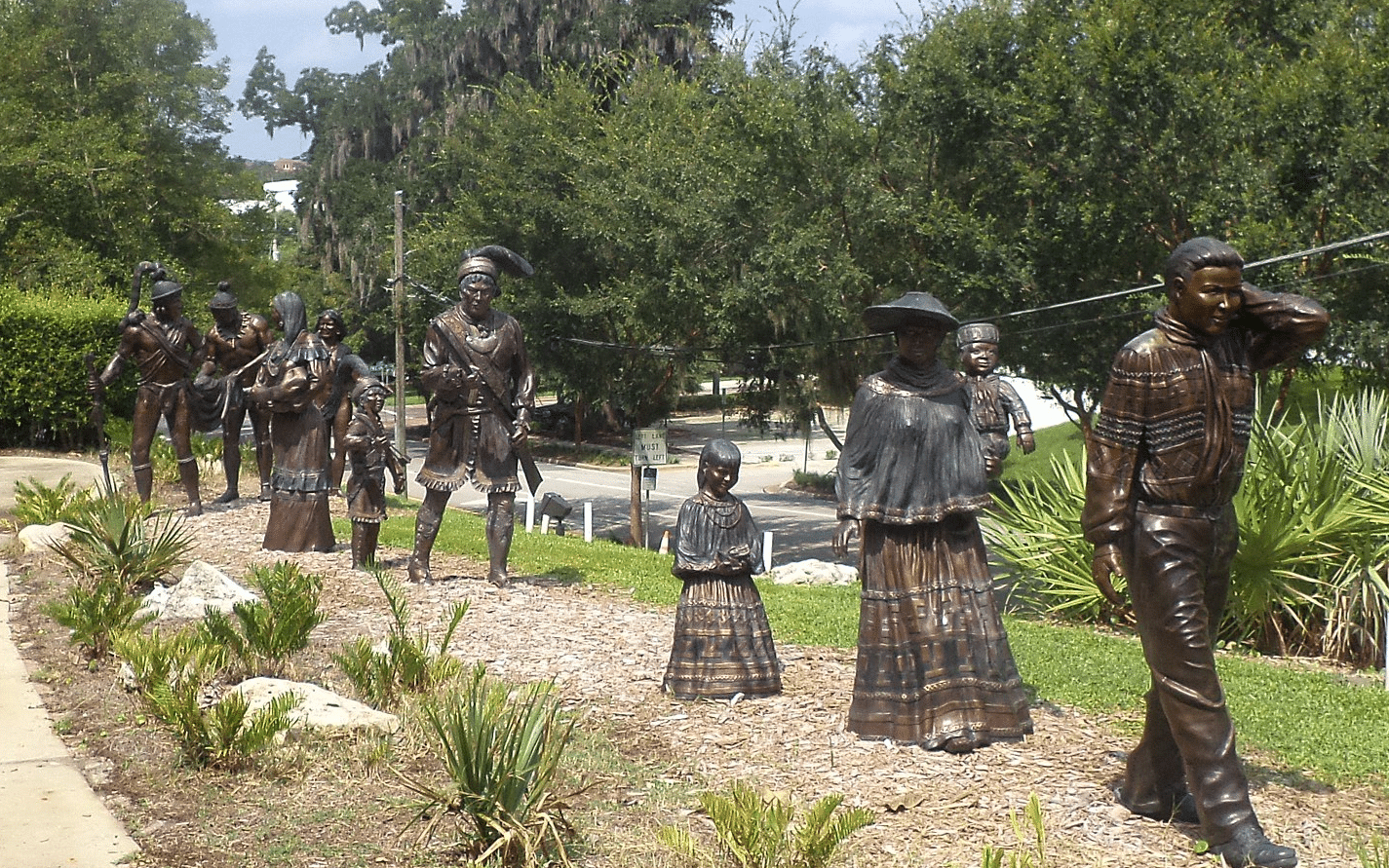
A lesson in which students develop critical literacy skills by responding to Andrew Jackson's speech on "Indian Removal."
Continue reading
Teaching Activity. By Bill Bigelow and Linda Christensen. Rethinking Schools. 3 pages.
Empathy, or "social imagination," allows students to connect to "the other" with whom, on the surface, they may appear to have little in common.
Continue reading
Teaching Activity. By Wayne Au. Rethinking Schools. 7 pages.
How students can use the Black Panther Party's 10-Point Program to assess issues in their own communities and to develop 10-Point Programs of their own. Available in Spanish.
Teaching Activity by Wayne Au
Continue reading
Teaching Activity. By Bill Bigelow. 6 pages.
A lesson on the countless colonial laws enacted to create division and inequality based on race. This helps students understand the origins of racism in the United States and who benefits.
Continue reading
Film. 2002. 4 episodes — 56 minutes each.
Documentary on the history of the Jim Crow era.
Continue reading
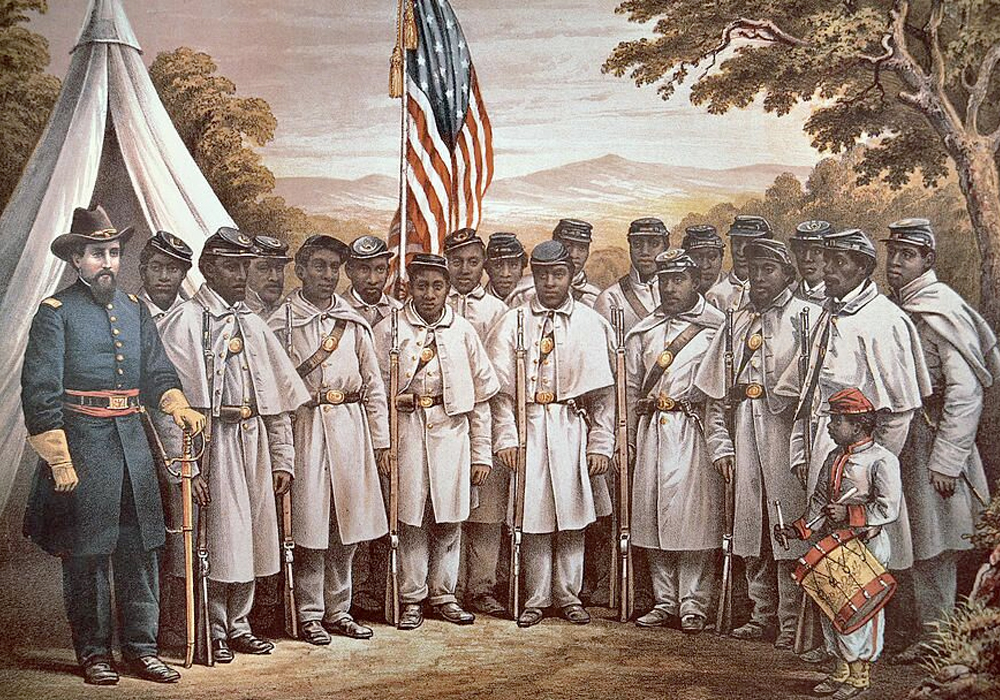
Student Handout. By Bill Bigelow. 3 pages.
This timeline can be used as a resource for lessons on the Civil War, President Lincoln, the 54th Regiment, and the end of slavery.
Continue reading
Teaching Activity. By Rick Mitchell. Rethinking Schools. 10 pages.
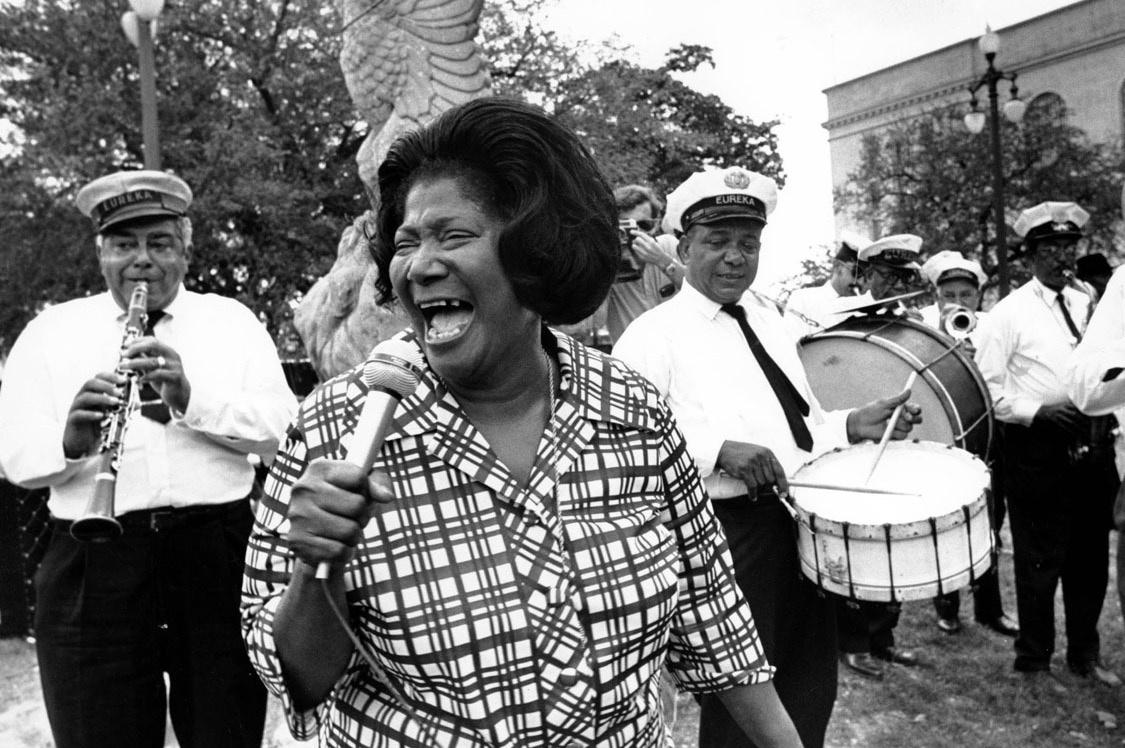
Description of a course on the history of music in the United States.
Continue reading
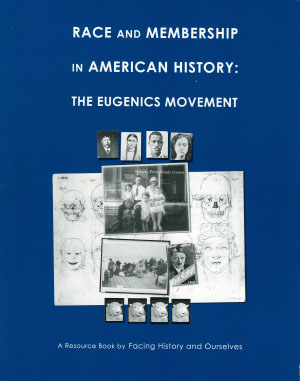
Teaching Guide. 2020. By Alan Stoskopf. Facing History and Ourselves. 374 pages.
Resources for teaching about the eugenics movement in the United States.
Continue reading
Teaching Activity. By Bill Bigelow. 7 pages.
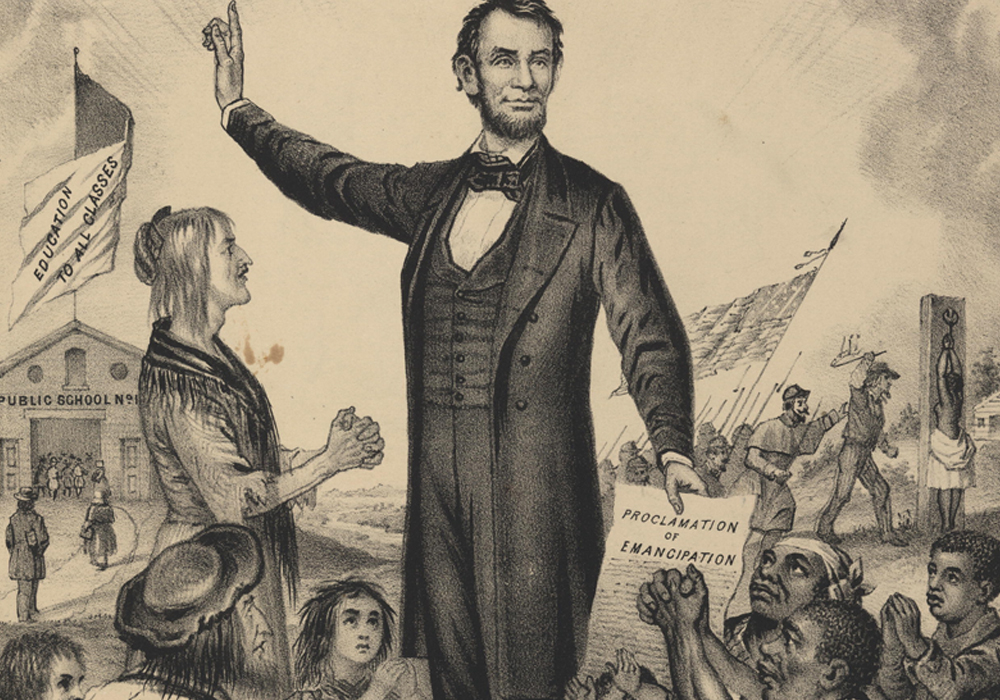
Students explore some of the myths of the Civil War through examining excerpts from Lincoln’s first inaugural address, the rarely mentioned original Thirteenth Amendment to the Constitution that Lincoln promised to support, and the Emancipation Proclamation.
Continue reading
Teaching Activity. By Bill Bigelow. Rethinking Schools. 13 pages.
A role play on the origins of the modern high school allows students to question aspects of schooling they often take for granted, such as tracking (“ability grouping”) and standardized testing — and to reflect on the racial biases of these so-called reforms.
Continue reading
Film. By California Newsreel. 2003. Three episodes – 56 minutes each.
A three-part documentary series that questions the very idea of race as biology.
Continue reading
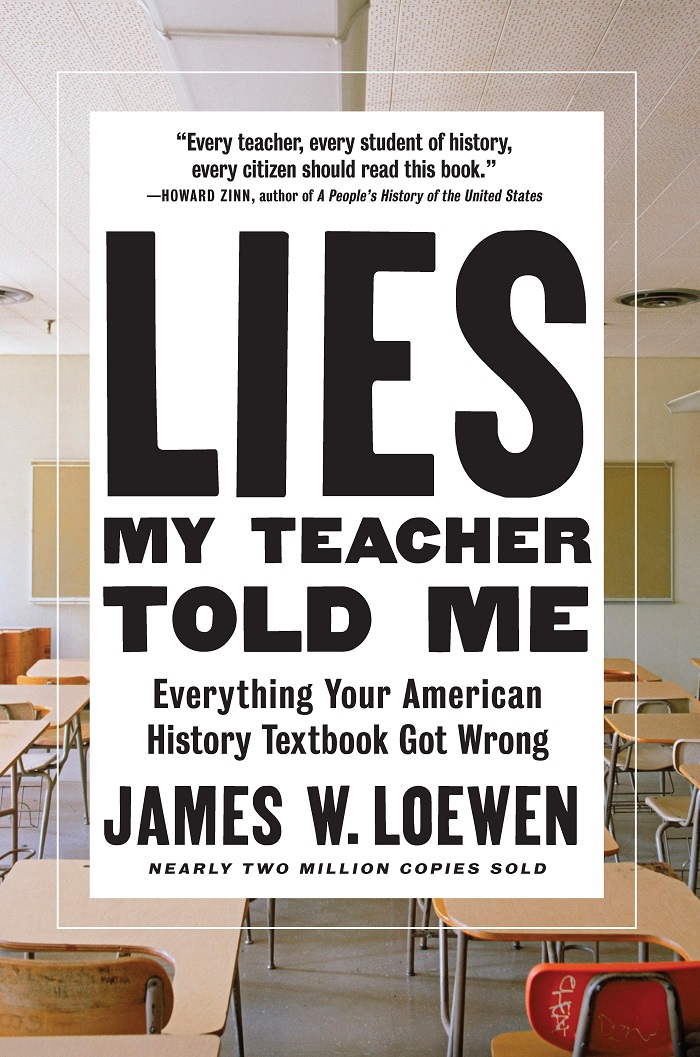
Book — Non-fiction. By James W. Loewen. 2018. 480 pages.
Provides a detailed critique of 12 leading high school history textbooks.
Continue reading
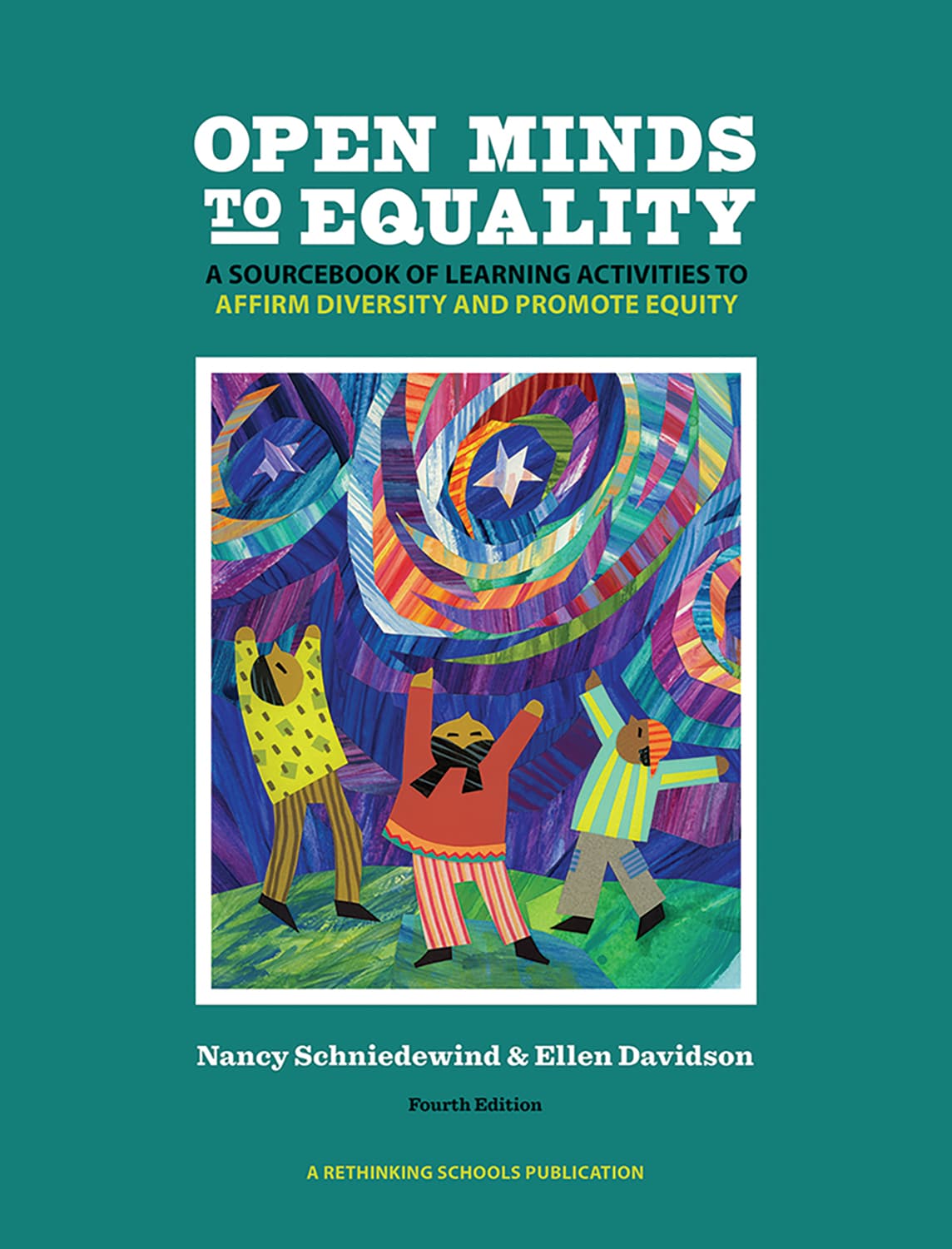
Teaching Guide. By Nancy Schniedewind and Ellen Davidson. 4th Edition. Rethinking Schools. 2014. 408 pages.
Full of activities to help students explore inequalities and cooperation.
Continue reading
Teaching Activity. By Gayle Olson-Raymer.
Questions and teaching ideas for Chapter 2 of Voices of a People's History of the United States on early American slavery, resistance, and rebellion.
Continue reading
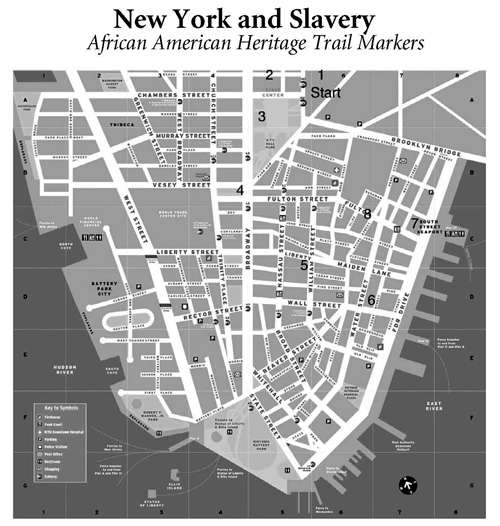
Teaching Activity. By Alan J. Singer. Rethinking Schools. 7 pages.
How a teacher and his students organized a tour of the hidden history of slavery in New York.
Continue reading
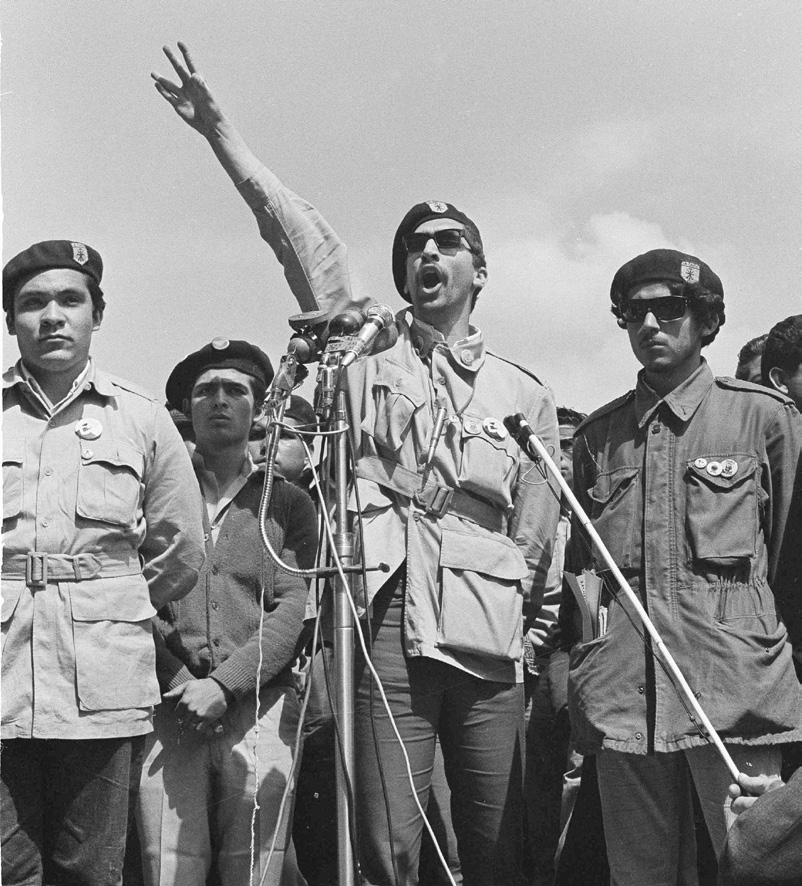
Teaching Activity. By Gilda L. Ochoa. Rethinking Schools. 5 pages.
Reflections on teaching students about the 1968 walkouts by Chicano students in California.
Continue reading
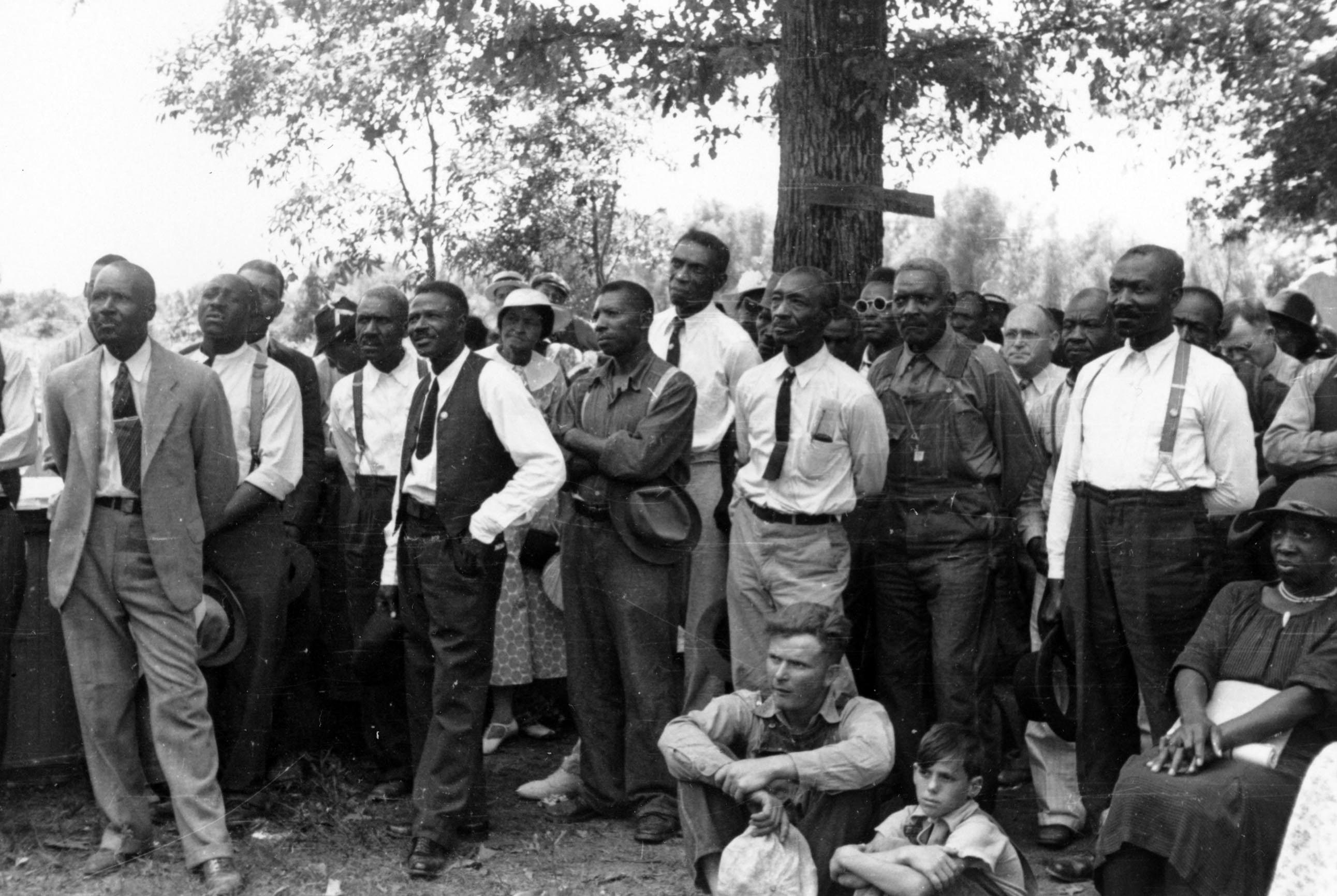
Teaching Activity. By Bill Bigelow and Norm Diamond. 12 pages.
Role play on farm labor organizing in the 1930s shows how racism had to be challenged to create effective worker alliances.
Continue reading
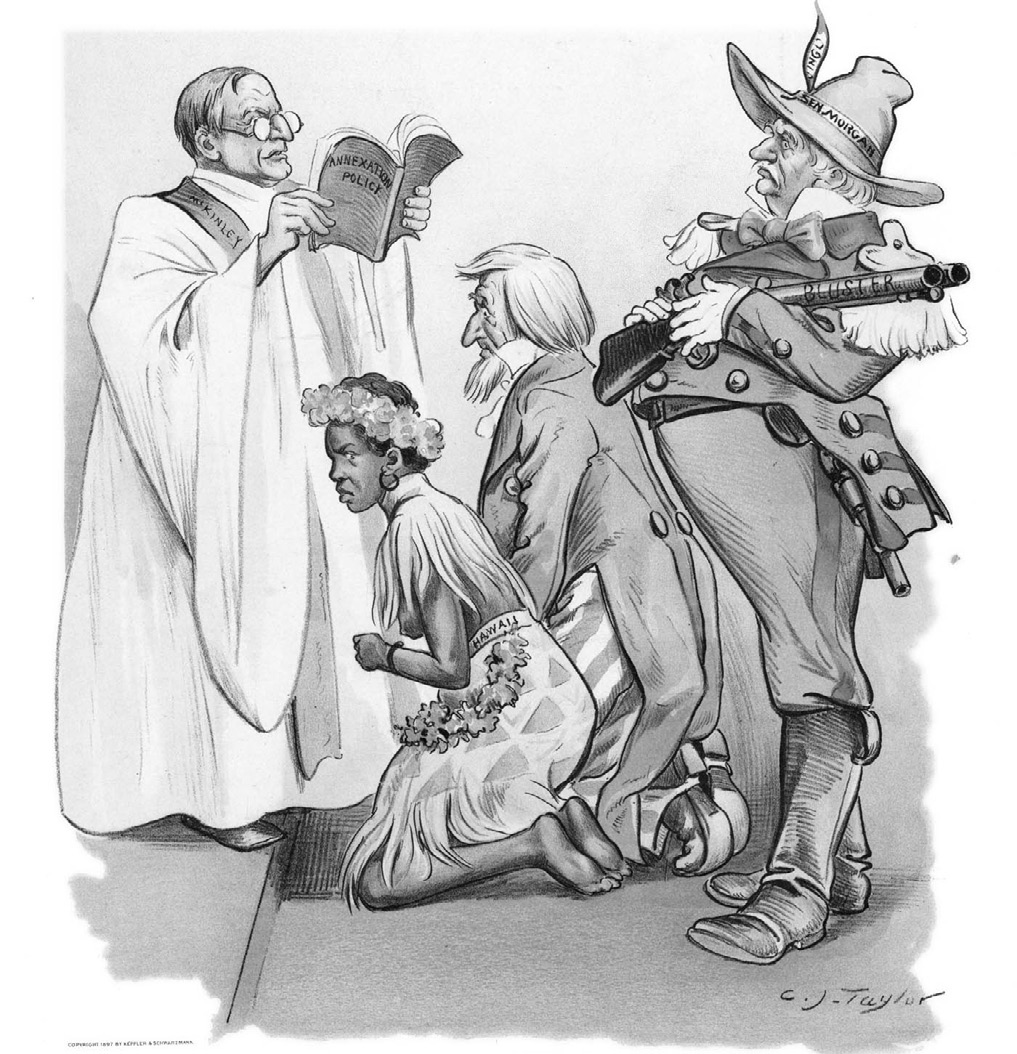
Teaching Activity. By Wayne Wah Kwai Au. Rethinking Schools. 5 pages.
Lesson on the history of Hawai'i and the impact of colonization and tourism.
Continue reading
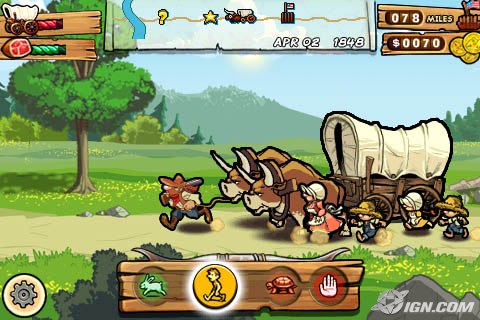
Article. By Bill Bigelow. Rethinking Schools.
Critique of the popular "Oregon Trail" computer game.
Continue reading
Article. By Bob Peterson.
A critique of social studies textbooks and the rationale for a campaign to rethink them.
Continue reading
Teaching Activity. By Linda Christensen. Rethinking Schools. 21 pages.
Role play and writing activities for language arts and social studies on Brown v. Board and the Little Rock Nine. Designed for use with the memoir Warriors Don’t Cry.
Continue reading
Teaching Activity. By Thom Thacker and Michael A. Lord. Rethinking Schools. 4 pages.
An art contest is used as the basis from which students can examine primary historical documents (advertisements for runaway slaves) to gain a deeper understanding of the institution of slavery in the North.
Continue reading
Article. Background reading for teachers. By Bill Bigelow. 4 pages.
A review of Freedom's Unfinished Revolution, a collection of primary documents for high school on the Civil War and Reconstruction.
Continue reading
Teaching Guide. By Gayle Olson-Raymer. 17 pages.
Questions and teaching ideas for Chapter 9 of Voices of a People's History of the United States on black and white resistance to slavery before the Civil War.
Continue reading
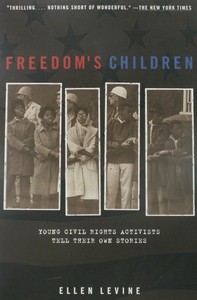
Book — Non-fiction. By Ellen Levine. 1993. 192 pages.
Thirty African-Americans who were children during the 1950s and 1960s tell their true stories of what it was like for them to fight segregation in the South.
Continue reading