Teaching Activity. By Brian C. Gibbs. Rethinking Schools. 6 pages.
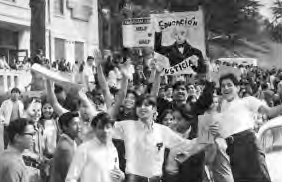
A teacher uses the activist history of Theodore Roosevelt High School in East Los Angeles to pose students the question: “What would you be willing to do to create change?"
Continue reading
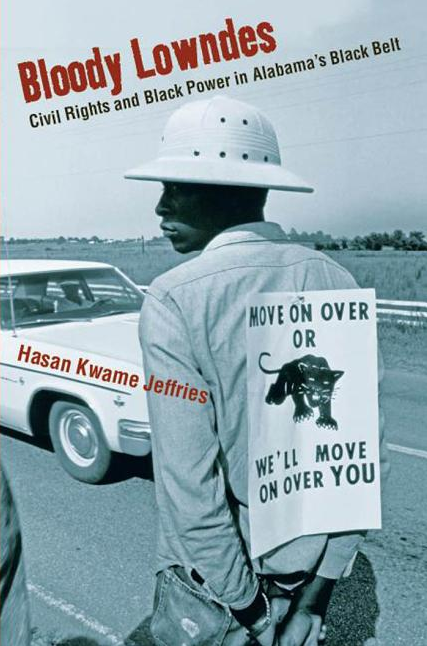
Book — Non-fiction. By Hasan Kwame Jeffries. 2010. 372 pages.
History of the role that activists in Lowndes County played in spurring Black activists nationwide to fight for civil and human rights in new and more radical ways.
Continue reading
Article. By Howard Zinn. Excerpt from Chapter 5 of You Can't Be Neutral on a Moving Train.
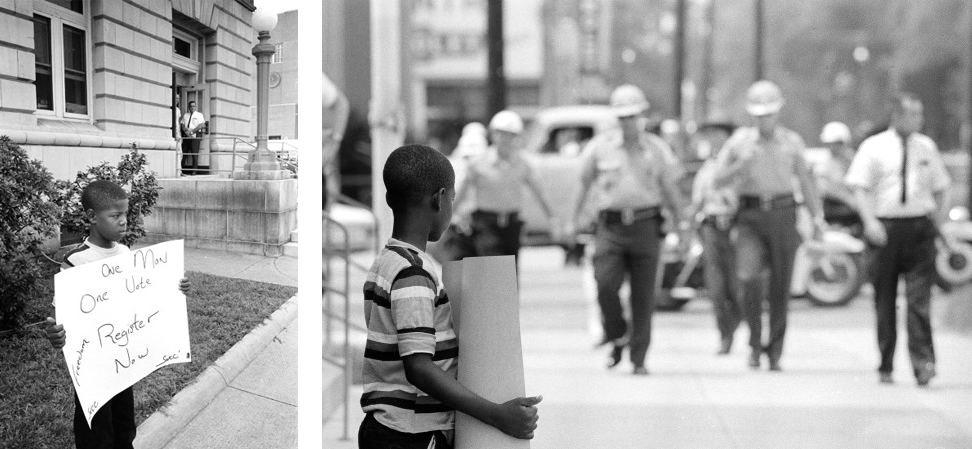
Howard Zinn’s first-hand account of Selma’s Freedom Day in 1963.
Continue reading
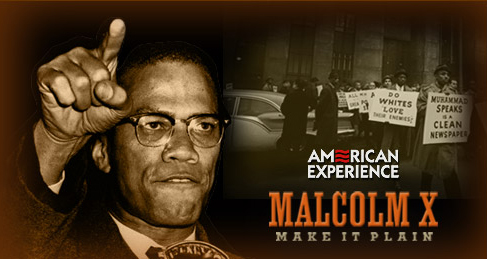
Film. Written by Steve Fayer and Orlando Bagwell. 1994. 138 minutes.
Documentary film on the life and words of Malcolm X/ El-Hajj Malik El-Shabazz.
Continue reading
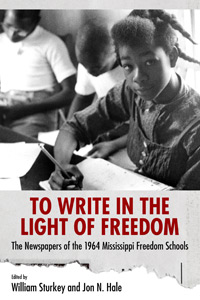
Book — Non-fiction. Edited by William Sturkey and Jon N. Hale. 2015. 176 pages.
A collection and examination of the creative literary work of students published during 1964 Freedom Summer in Mississippi.
Continue reading
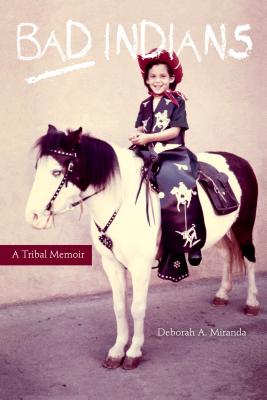
Book — Non-fiction and prose. Deborah A. Miranda. 2012. 240 pages.
A compilation of documents, photos, and memoir that recounts the establishment of missions in California and the impact on Indigenous people—then and today.
Continue reading
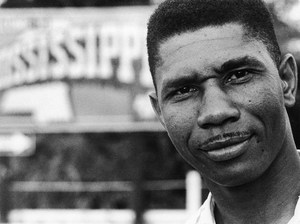
Medgar Evers, WWII veteran and civil rights activist, was murdered by a white supremacist in Jackson, Mississippi.
Continue reading
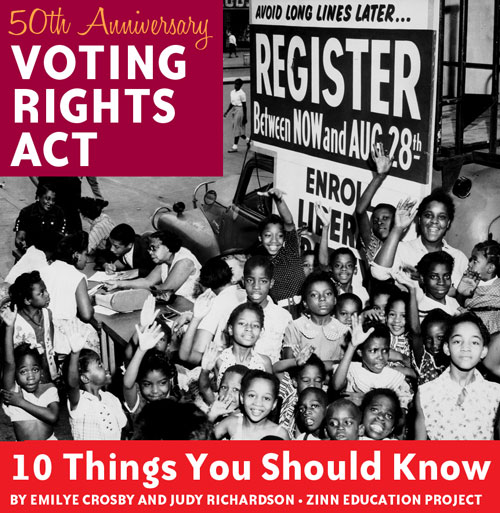
Article. By Emilye Crosby and Judy Richardson. 2015.
Key points in the history of the 1965 Voting Rights Act missing from most textbooks.
Continue reading
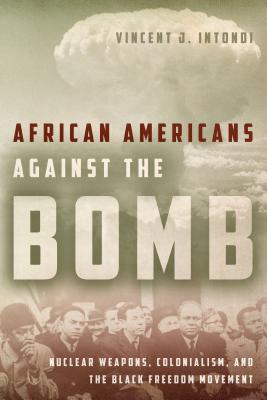
Book — Non-fiction. By Vincent Intondi. 2015. 224 pages.
History of Black activists who fought for nuclear disarmament.
Teaching Activity by Vincent Intondi
Continue reading
Digital Collection. Produced by John T. Edge and the Southern Foodways Alliance; directed by Kate Medley.
Five short films that document the civil disobedience staged at segregated lunch counters in the 1950s and 60s.
Continue reading
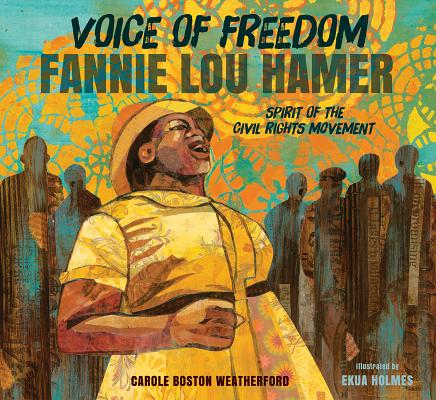
Picture book. By Carole Boston Weatherford. Illustrated by Ekua Holmes. 2015. 45 pages.
Illustrated biography of Fannie Lou Hamer, activist for voting and economic rights from Mississippi.
Continue reading
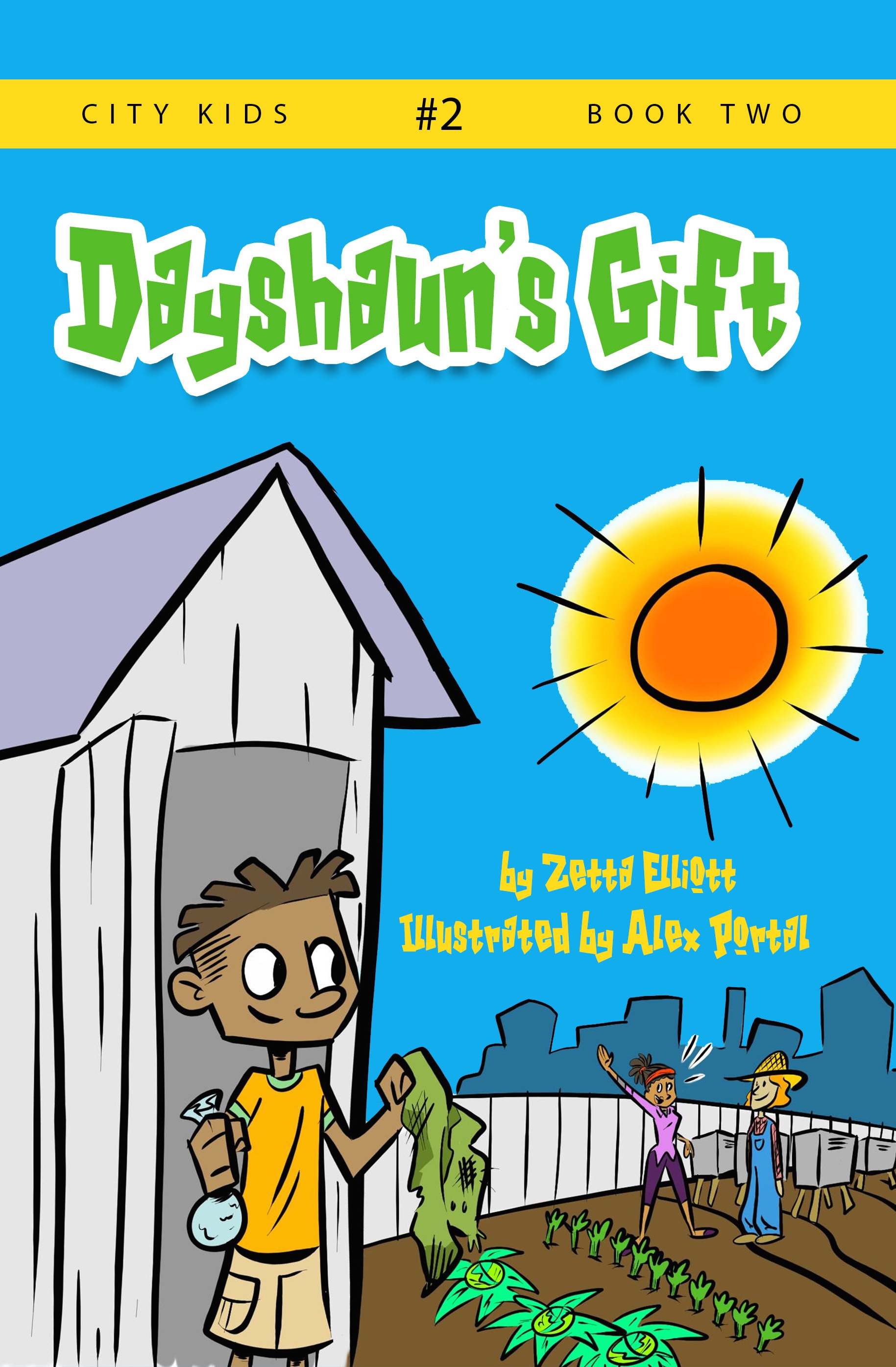
Book — Historical fiction. By Zetta Elliott. 2015. 88 pages.
Time travelling historical fiction for upper elementary school students on the New York City Draft Riots.
Continue reading
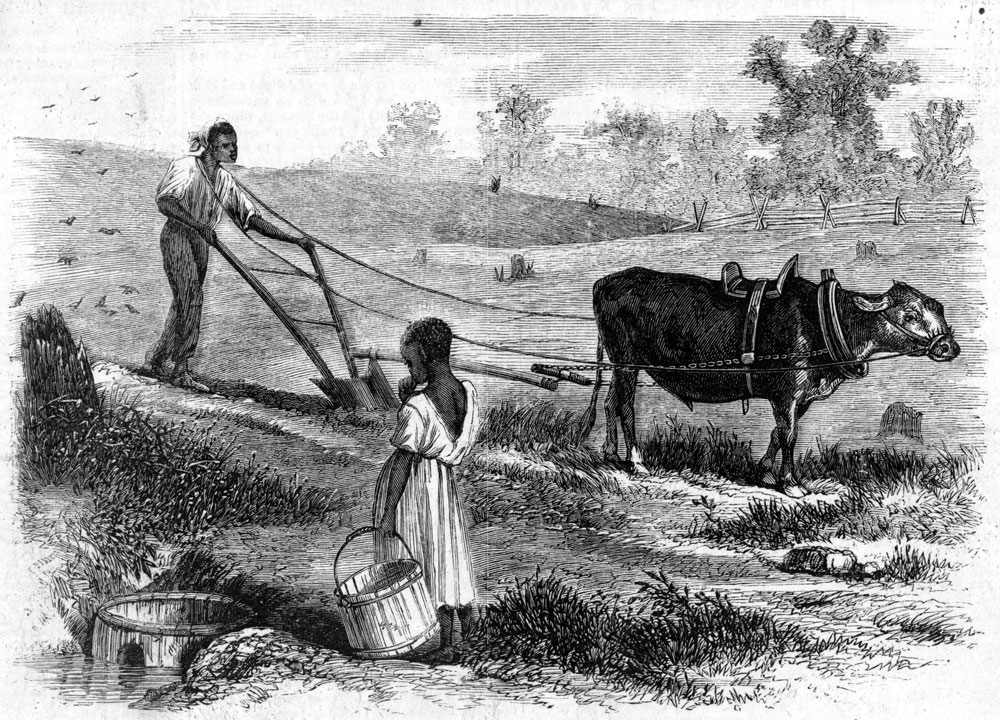
Lesson. By Bill Bigelow. 17 pages.
This role play engages students in thinking about what freedpeople needed in order to achieve — and sustain — real freedom following the Civil War. It's followed by a chapter from the book Freedom's Unfinished Revolution.
Continue reading
Teaching Guide. By Facing History and Ourselves. 2015.
A collection of lessons, videos, and primary sources to teach about Reconstruction.
Continue reading
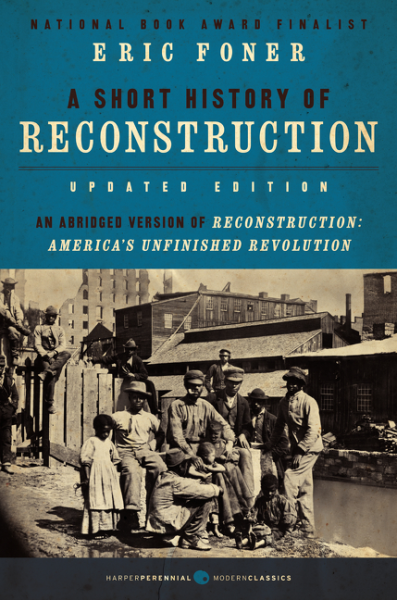
Book — Non-fiction. By Eric Foner. 2015. 352 pages.
A people's history view of the Reconstruction era.
Continue reading
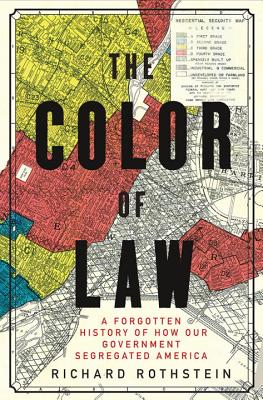
Book — Non-fiction. By Richard Rothstein. 2017. 368 pages.
A history of the laws and policy decisions passed by local, state, and federal governments that promoted racial segregation.
Continue reading
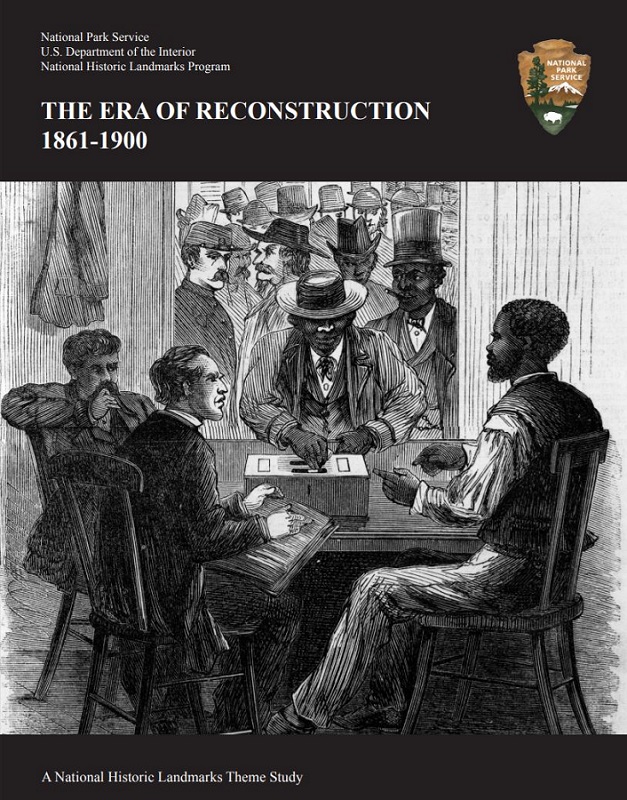
Book — Non-fiction. By National Park Service. 2017. 165 pages.
A theme study on the history of the Reconstruction era.
Continue reading
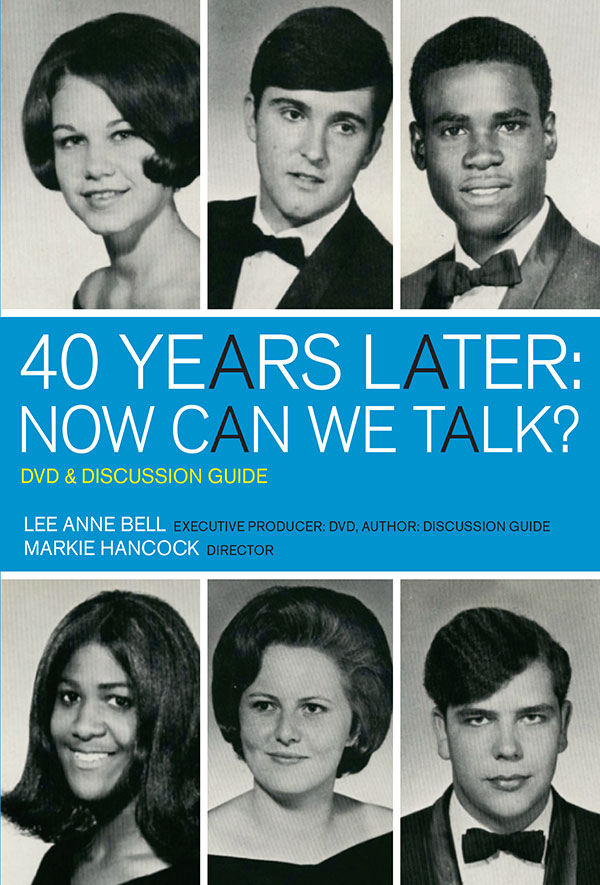
Film. By Lee Anne Bell and Markie Hancock. 2013. 45 minutes.
This DVD and discussion guide offer a powerful way to engage students, teachers, and community groups in honest dialogue about the ongoing problems of racism and what we can do to address them.
Continue reading
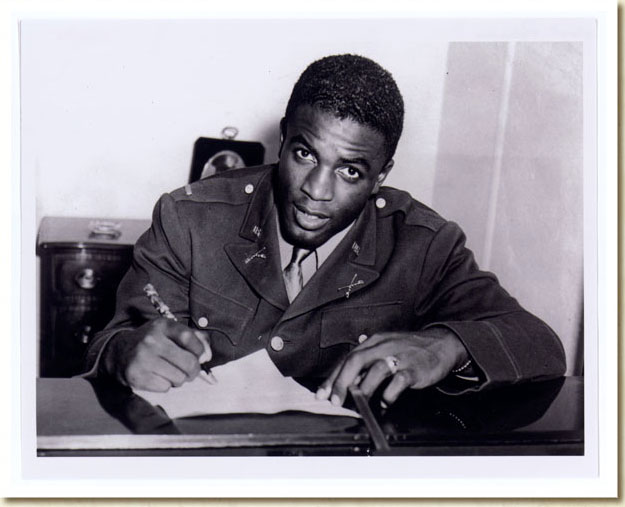
While stationed at Camp Hood in Texas, Lieutenant Jackie Robinson refused to give up his seat on the bus and was court-martialed.
Continue reading
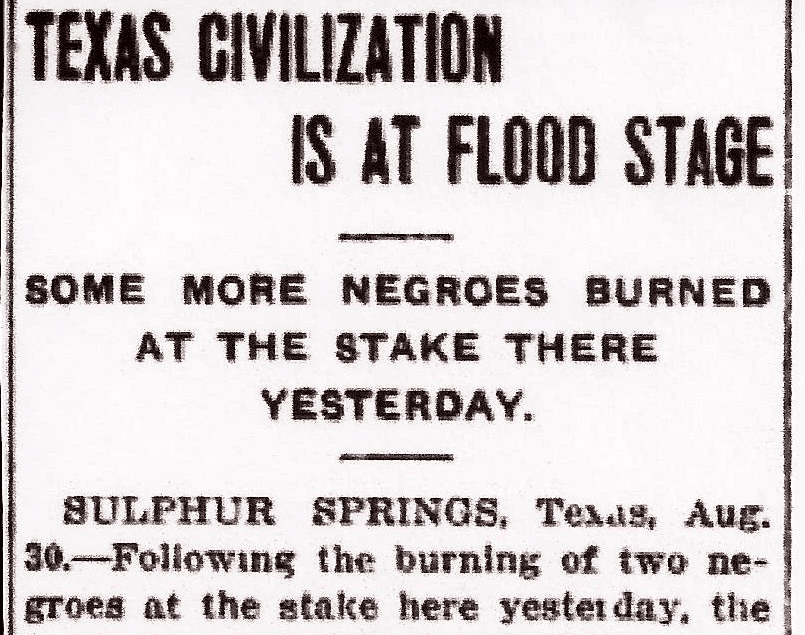
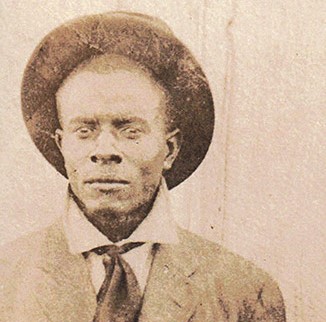
Two African American men were burned at the stake in Sulphur Springs, Texas.
Continue reading
The German Coast Uprising was a strategic military assault against white supremacy by hundreds of enslaved Africans.
Continue reading
The Catcher “Race Riot” began in Arkansas, leading to the creation of another sundown town.
Continue reading
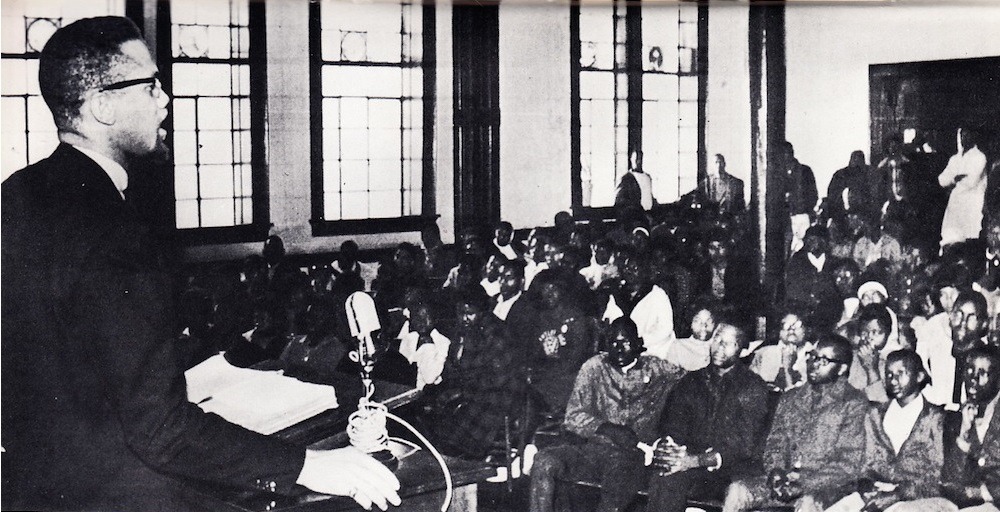
El-Hajj Malik El-Shabazz (Malcolm X) was assassinated, just weeks after speaking in Selma.
Continue reading
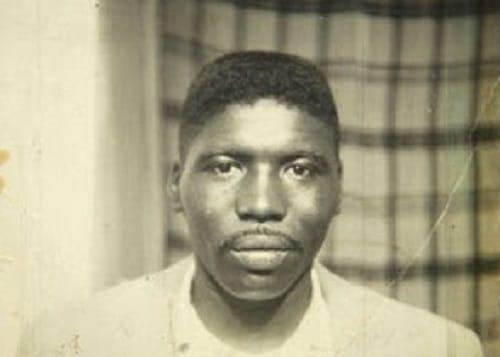
Jimmie Lee Jackson was beaten and shot by an Alabama state trooper during a peaceful voting rights march on Feb. 18. He died eight days later.
Continue reading