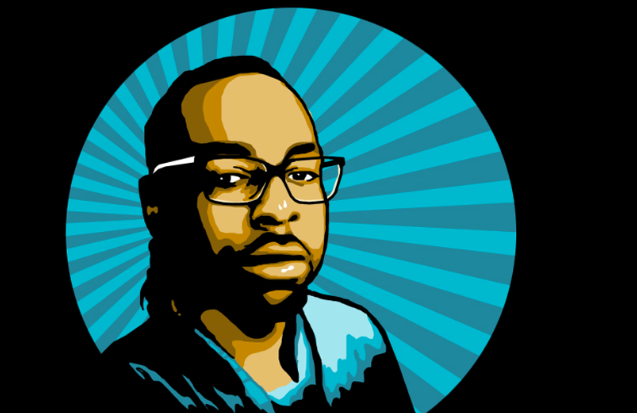
Philando Castile, an African American, was shot to death by a police officer at a traffic stop in Falcon Heights, Minnesota. Castile had worked as a nutritional supervisor at an elementary school.
Continue reading
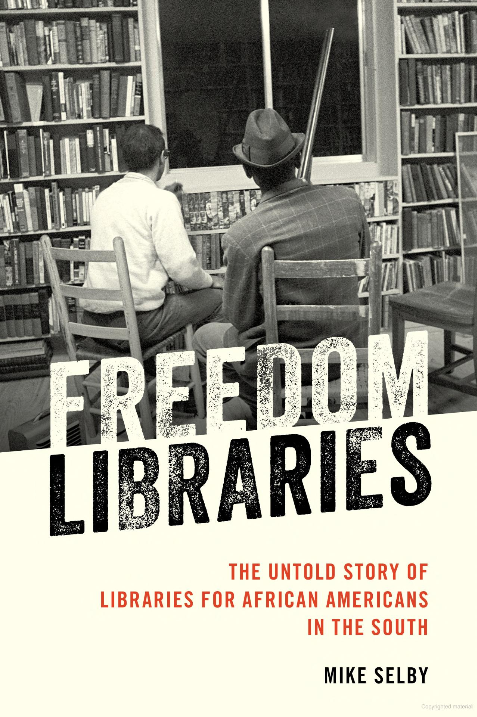
Book — Non-fiction. By Mike Selby. 2019. 208 pages.
This book reveals the histories of grassroots "freedom libraries" that were at the heart of the Civil Rights Movement in the Deep South and tells the stories of courageous people who operated and used them.
Continue reading
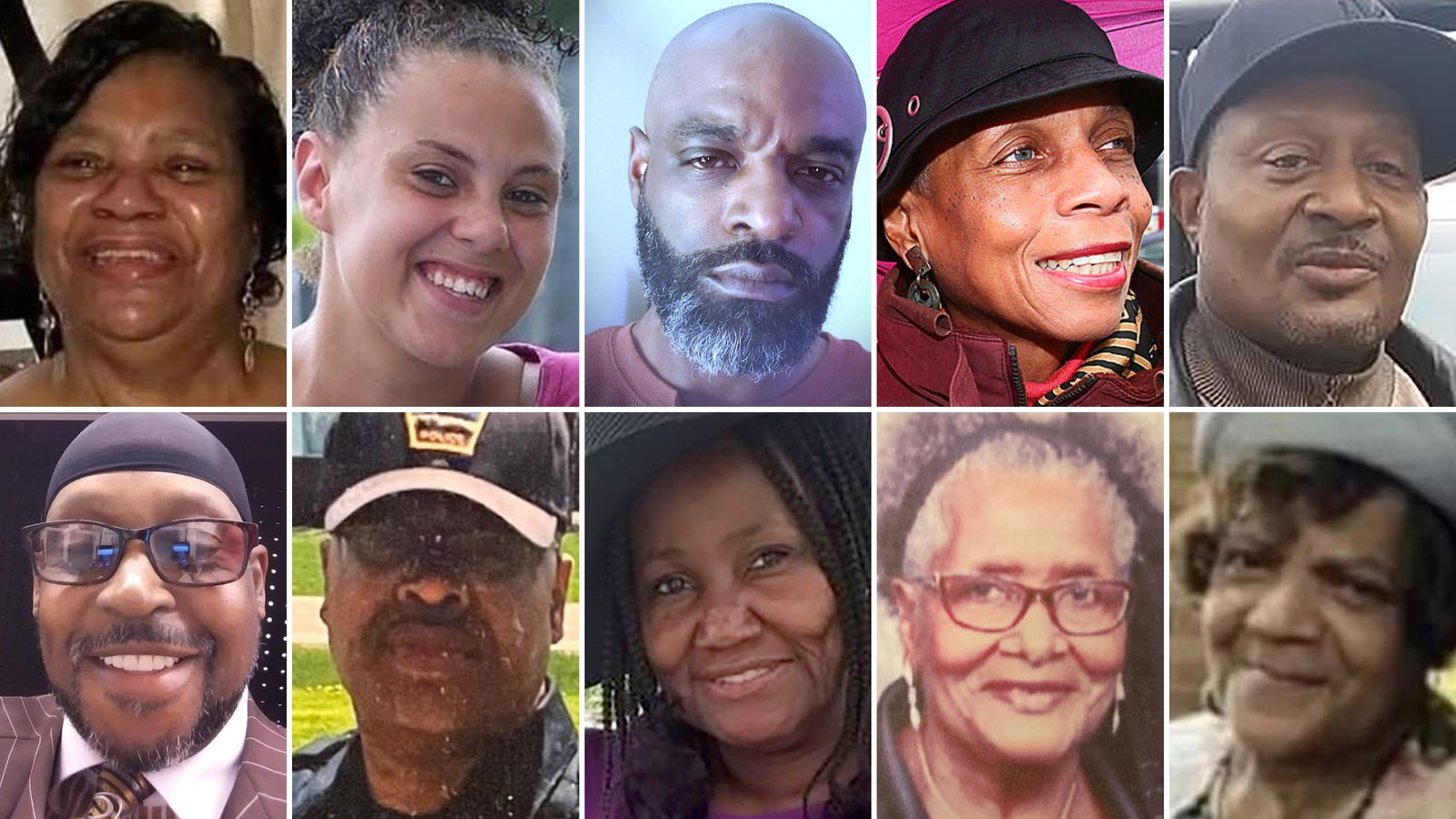
After posting a racist manifesto online before targeting a majority-Black neighborhood, a white supremacist killed ten people at a grocery store in Buffalo, New York.
Continue reading
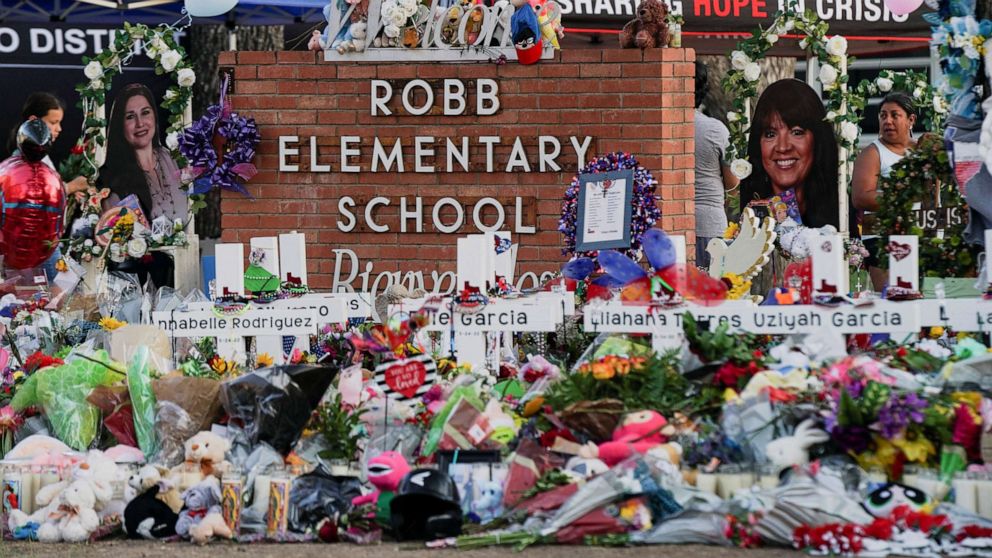
Nineteen children and two teachers were shot dead at an elementary school in Uvalde, Texas.
Continue reading
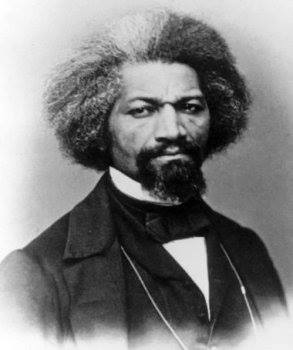
In his 1860 speech commemorating radical abolitionist John Brown’s raid on Harper’s Ferry, Frederick Douglass argued that slavery would only end if the slave owner feared the violent retribution of the enslaved.
Continue reading
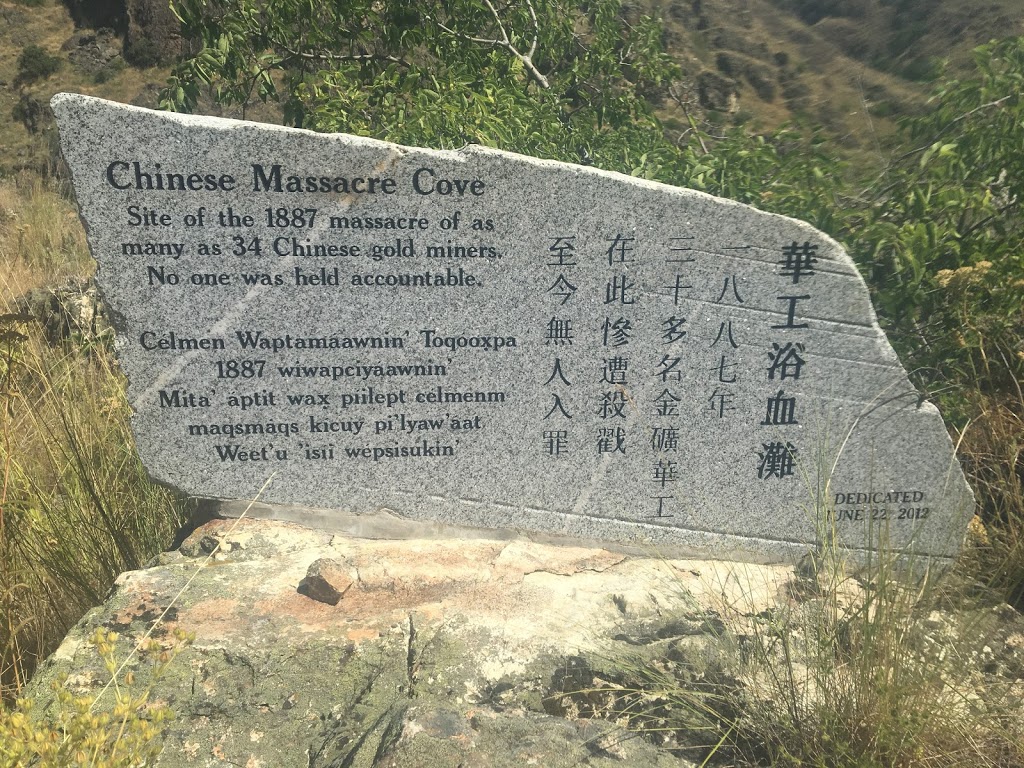
In eastern Oregon, in an area now known as Chinese Massacre Cove, a group of white men murdered 34 Chinese laborers in a brutal act of white supremacist violence in the Hells Canyon Massacre.
Continue reading
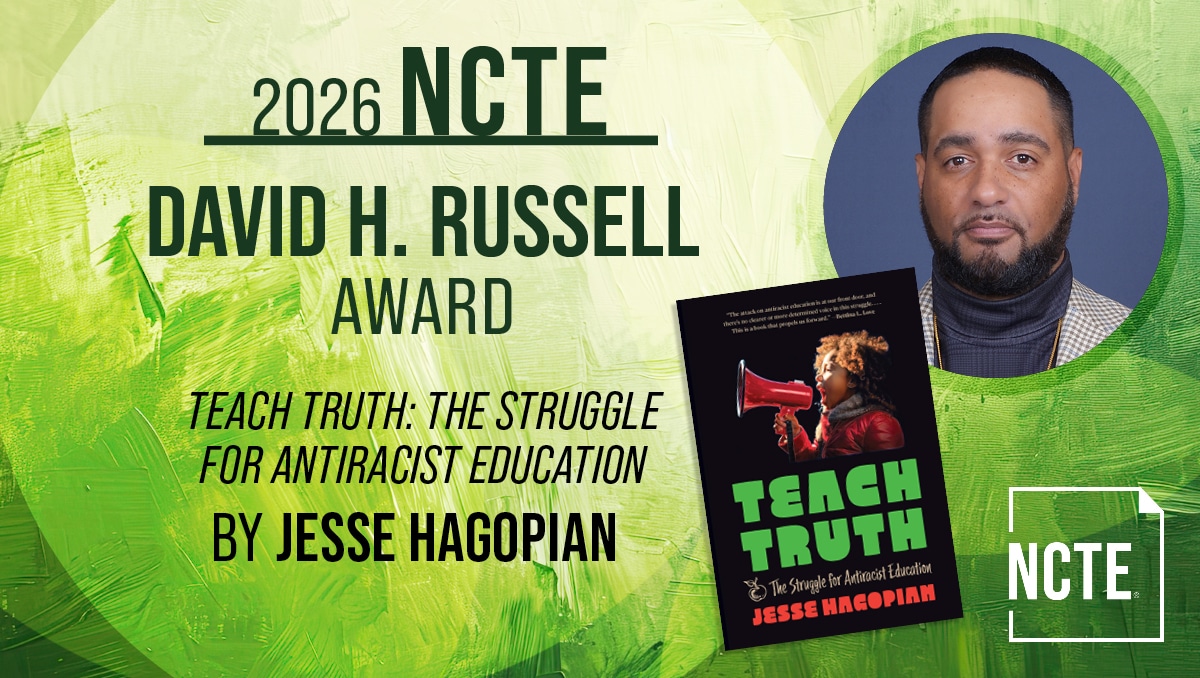
Book — Non-fiction. By Jesse Hagopian. 2025. 302 pages.
A call to defend honest education for our students, showing how we can reclaim suppressed history by creating beloved classroom communities and healthy social movements.
Continue reading
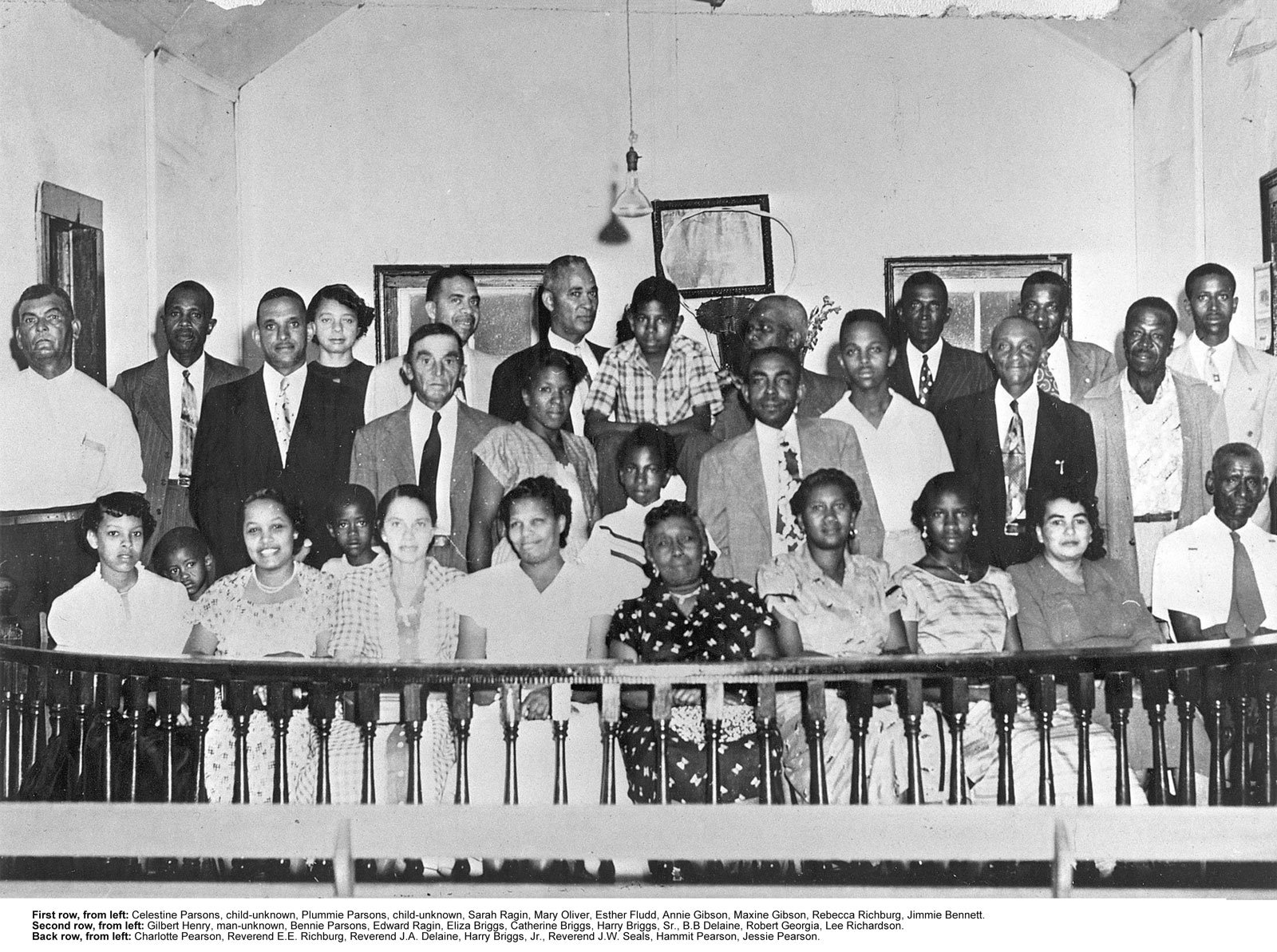
With the help of the NAACP, local African American parents in South Carolina fought back against school segregation in a case that eventually helped to end segregation of public facilities across the nation.
Continue reading
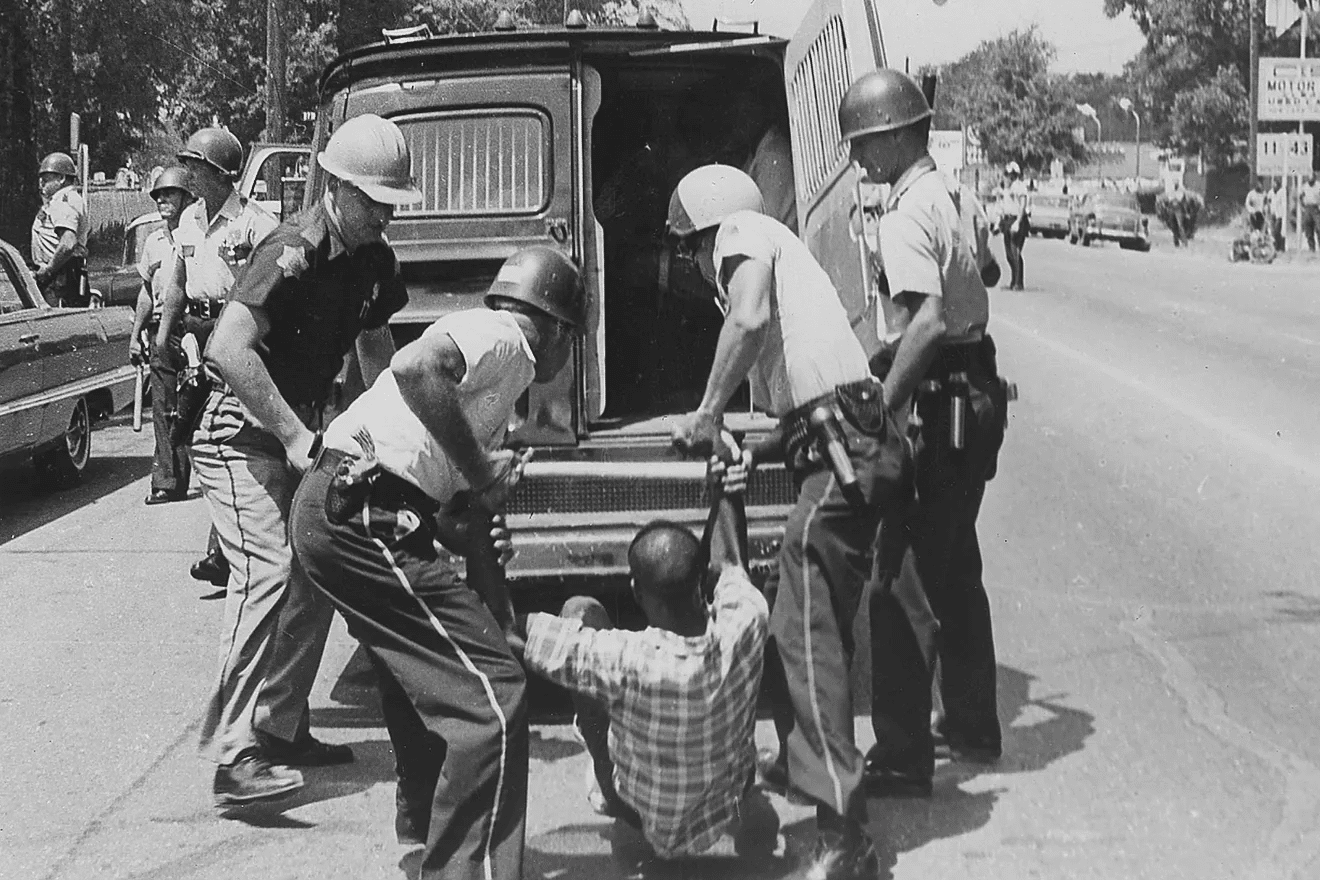
Following months of protests to end segregation, Black residents of Tuscaloosa, Alabama were brutally attacked by police and the Klan inside the First African Baptist Church.
Continue reading
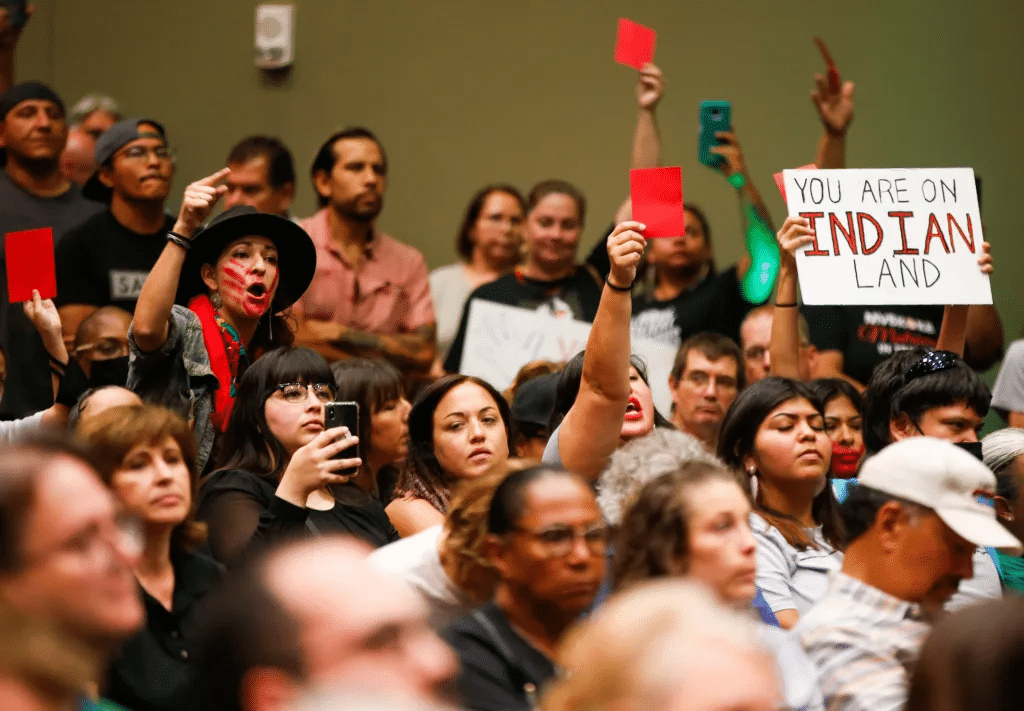
In a landmark decision, the Supreme Court ruled that the state did not have jurisdiction over crimes committed on Native reservations, affirming Indigenous treaty rights and sovereignty.
Continue reading
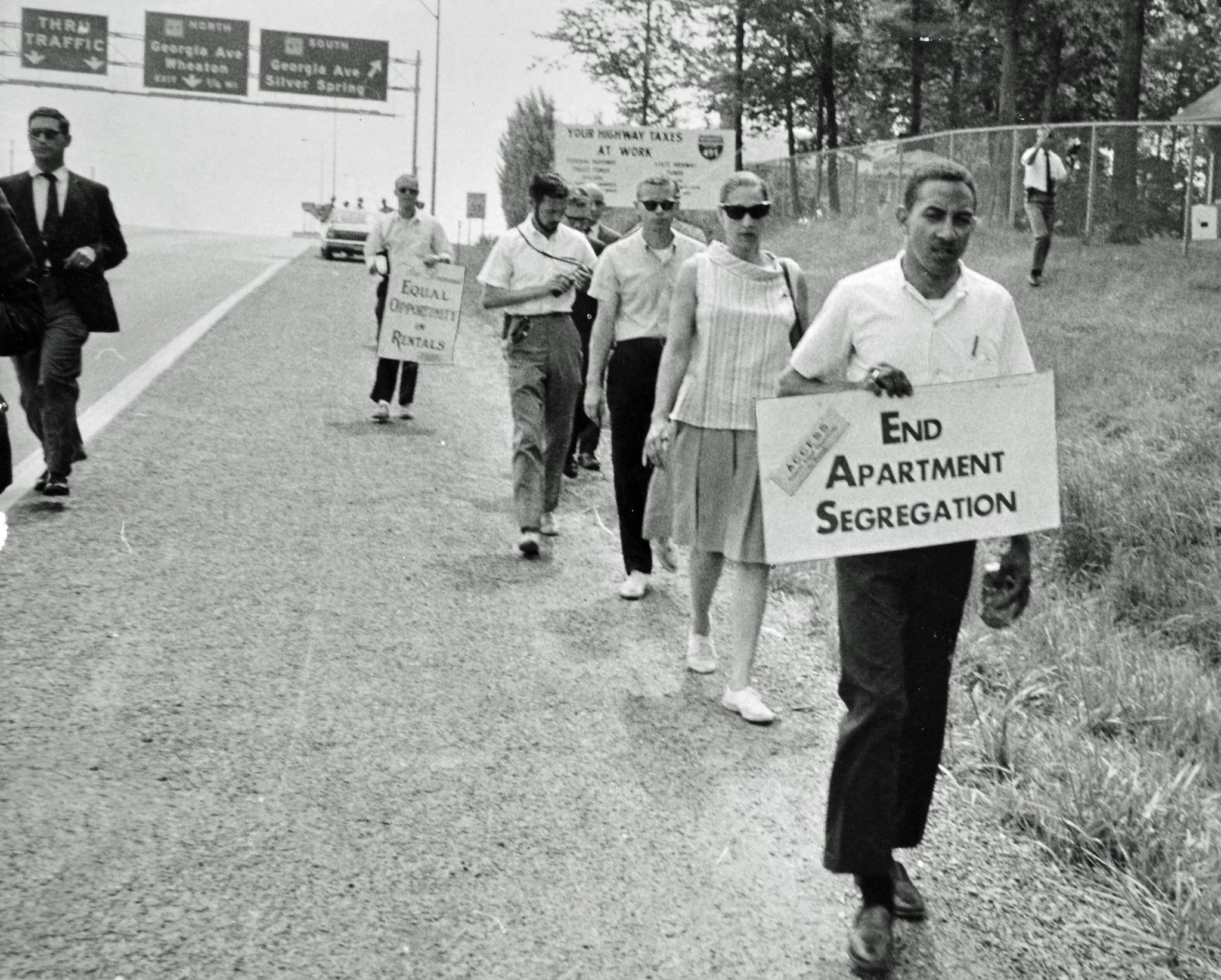
On June 8, 1966, protesters with the Action Coordinating Committee to End Segregation in the Suburbs (ACCESS) took to the Washington, D.C. Beltway, starting at Georgia Avenue and marching for 66 miles over four days to protest housing segregation in the D.C. suburbs. The marchers were met with angry motorists and counter-protesters who supported the status quo.
Continue reading
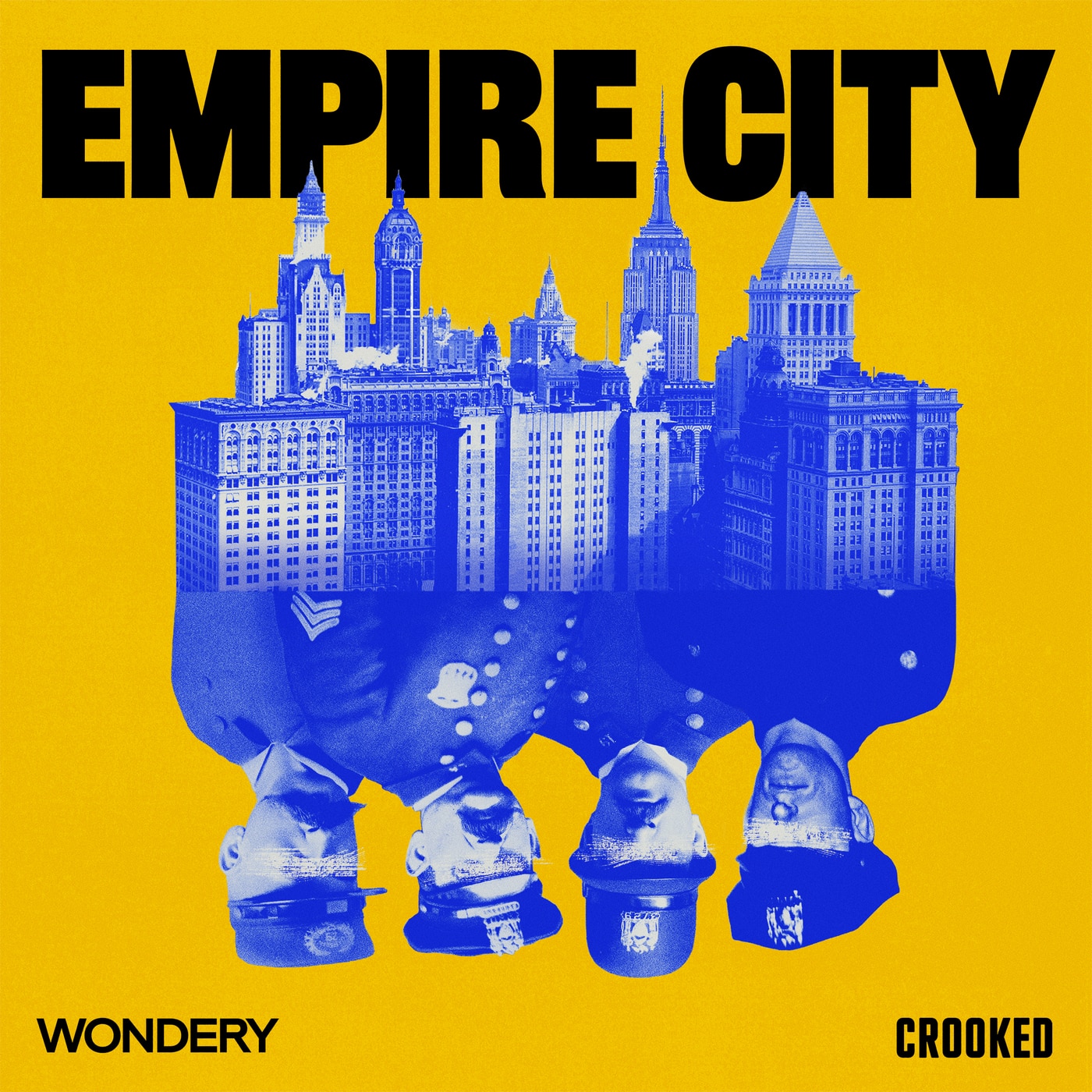
Podcast. Hosted by Chenjerai Kumanyika. 2024.
Uncovers the hidden history of the largest police force in the world — from its roots in slavery, to rival police gangs battling across the city, to everyday people who resisted every step of the way.
Continue reading
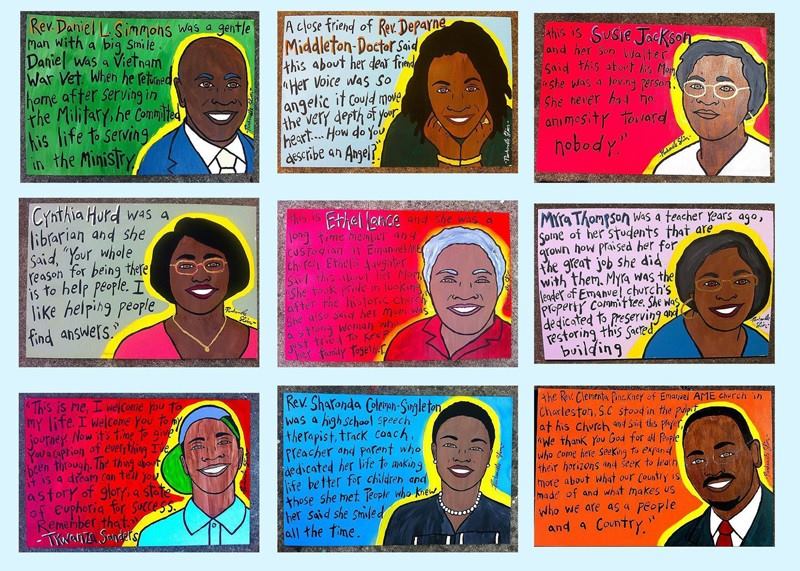
Nine African American churchgoers were gunned down inside a church in an act of white supremacist terrorism.
Continue reading
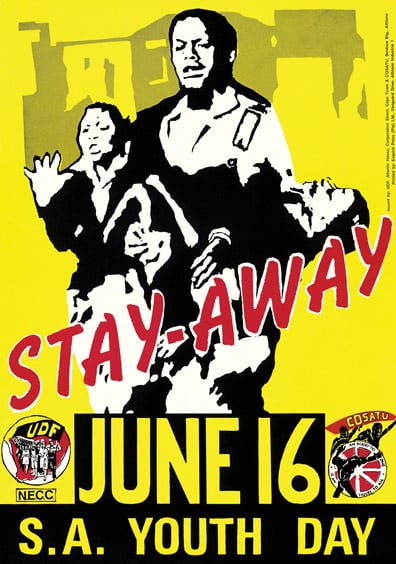
Student-led protests in South Africa that began in response to the introduction of Afrikaans as the medium of instruction in local schools.
Continue reading
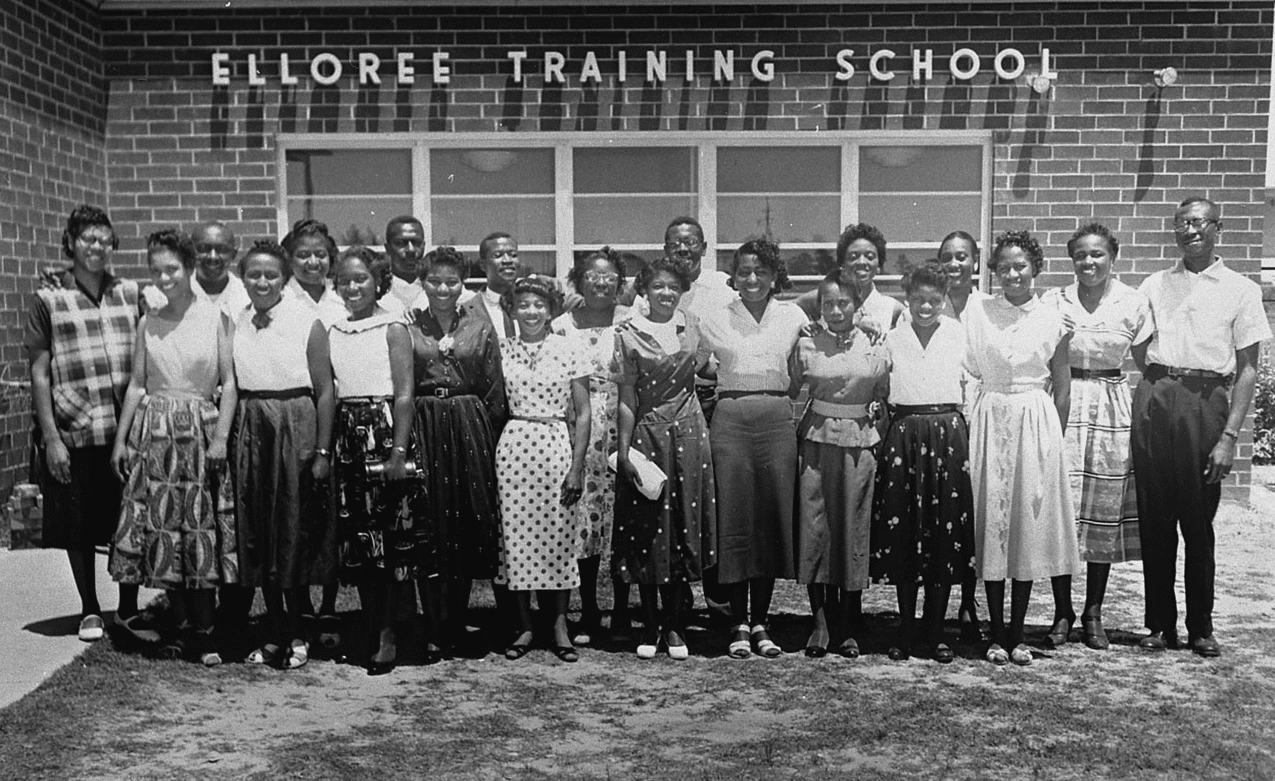
Twenty-one teachers at the Elloree Training School were fired when they refused to sign an oath denying membership in the NAACP.
Continue reading
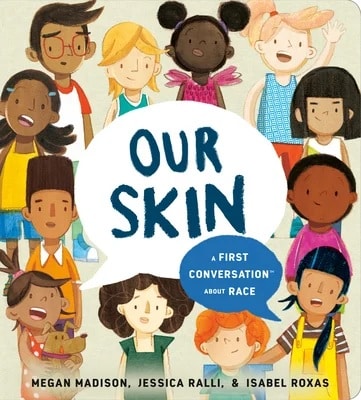
Picture book. By Megan Madison and Jessica Ralli , and illustrated by Isabel Roxas. 2021. 38 pages.
This read-aloud board book on race offers the opportunity to begin important conversations with young children in an informed, safe, and supported way.
Continue reading
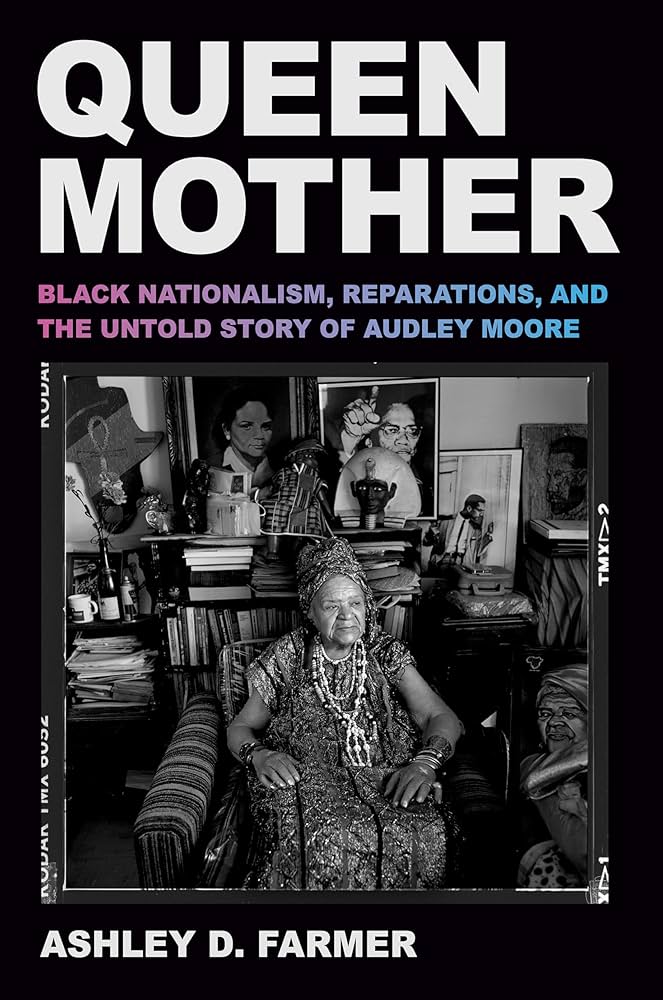
Book — Non-fiction. By Ashley D. Farmer. 2025. 496 pages.
A biography of Queen Mother Audley Moore — mother of modern Black Nationalism and trailblazer in the fight for reparations.
Continue reading
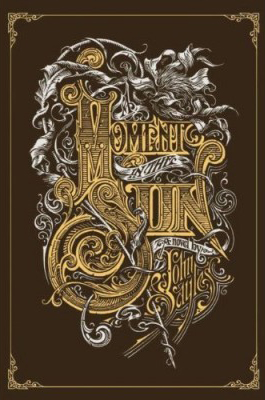
Book — Fiction. By John Sayles. 2011. 955 pages.
Spanning five years and half a dozen countries, Sayles' novel of historical fiction paints a picture of the late 1890s — from the racist coup in Wilmington, North Carolina, to the bloody dawn of U.S. interventionism in Cuba and the Philippines.
Continue reading
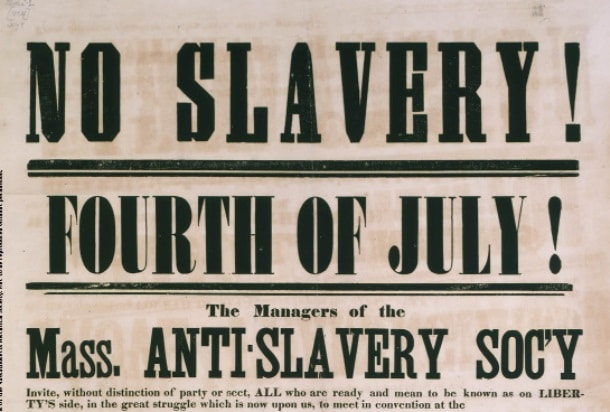
At a rally sponsored by the Massachusetts Anti-Slavery Society, angry and determined abolitionists burned copies of the Fugitive Slave Act and the U.S. Constitution.
Continue reading
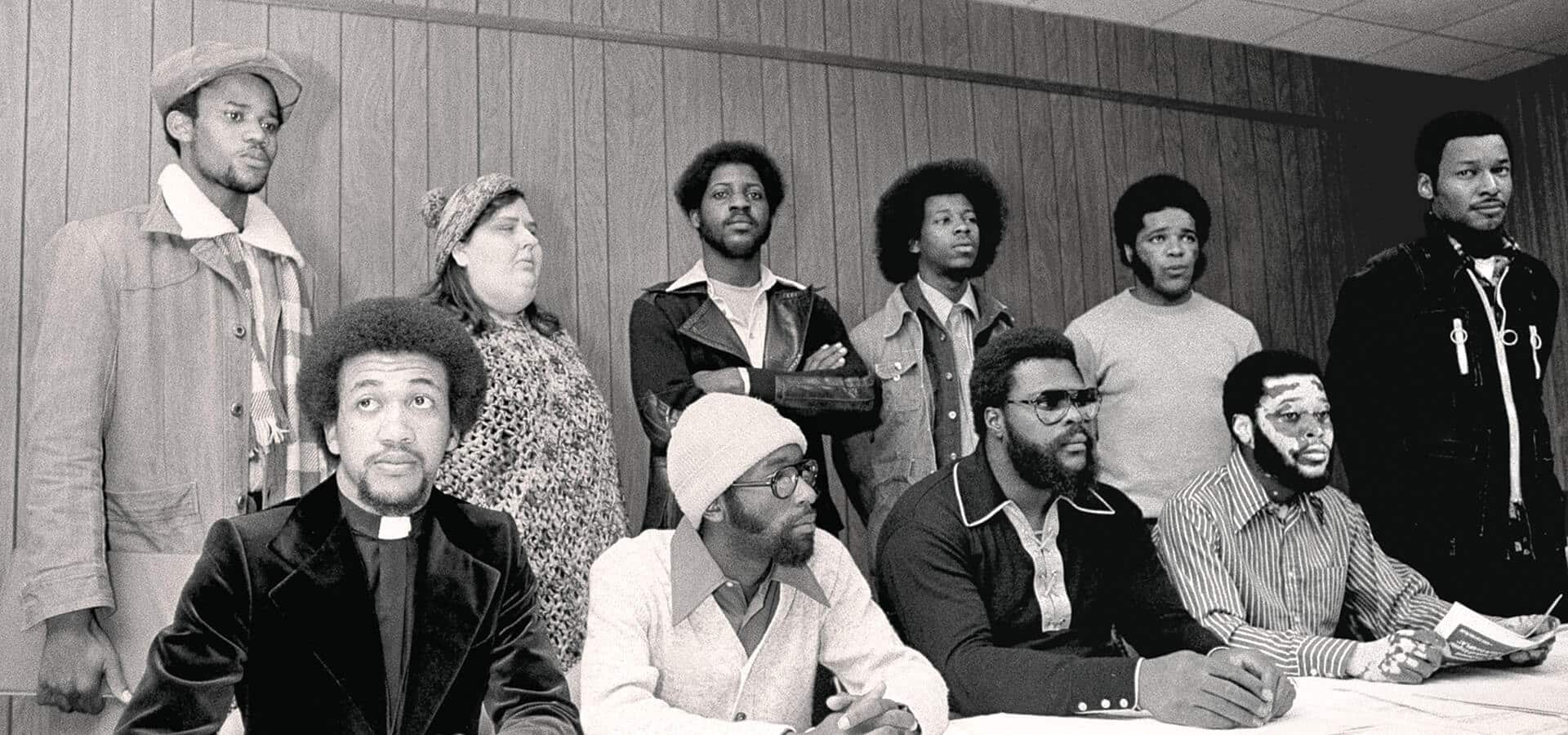
Ten young Black activists and community members — known as the Wilmington Ten — were wrongfully convicted in North Carolina for standing up for racial justice and equal education.
Continue reading
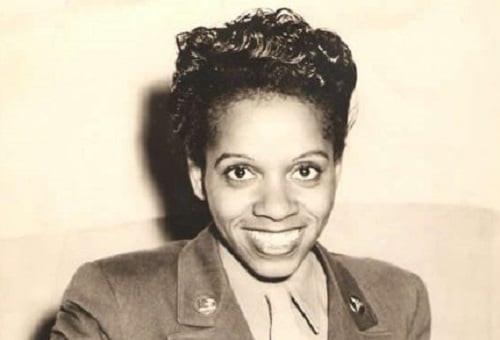
When WWII veteran Edna Griffin was denied service at a Des Moines drug store, she took the company to court and the lawsuit became a test case.
Continue reading
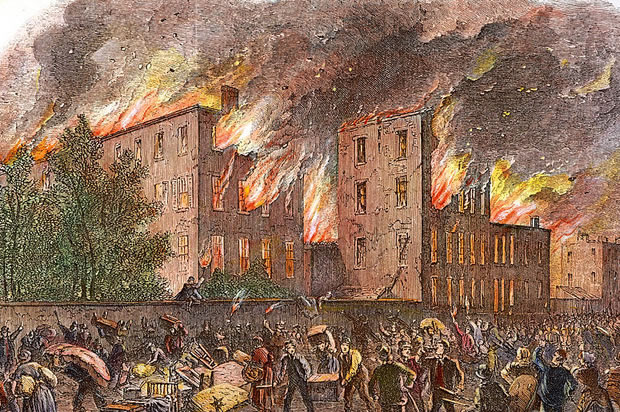
The New York City Draft Massacre (“Riots”) were the largest civil insurrection in U.S. history besides the Civil War itself. White mobs attacked the African American community — committing murder and burning homes and institutions (including an orphanage.)
Continue reading
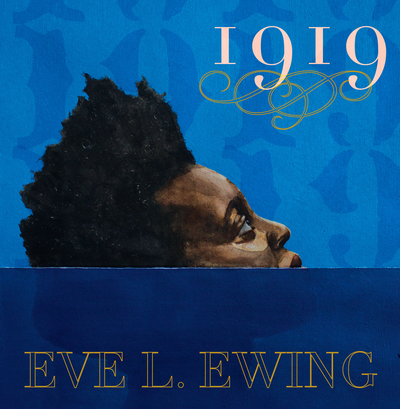
Book — Non-fiction. By Eve L. Ewing. 2019. 96 pages.
Poetic reflections on the Chicago Race Riots of 1919 — part of 'Red Summer' — in a history told through Ewing's speculative and Afrofuturist lenses.
Continue reading
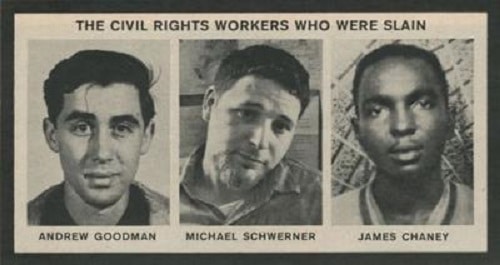
The bodies of three lynched civil rights workers (James Chaney, Michael Schwerner, and Andrew Goodman) were found in Neshoba County, Mississippi.
Continue reading
Teaching Activity. By Adam Sanchez and Nqobile Mthethwa. 25 pages.
A mixer role play explores the connections between different social movements during Reconstruction.
Continue reading