
On October 17, 1972, ten young Black activists and community members — known as the Wilmington Ten — were wrongfully convicted in North Carolina. Their so-called crime? Standing up for racial justice and equal education.
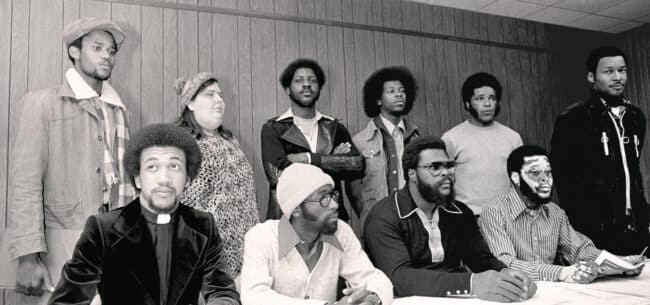
Members of the Wilmington Ten in 1976: (front row, from left) Ben Chavis, Joe Wright, Connie Tindall, Jerry Jacobs; (back row, from left) Wayne Moore, Ann Shepard, James McKoy, Willie Vereen, Marvin Patrick, and Reginald Epps. Photograph by Associated Press/Harold Valentine. Source: Our State
The Wilmington Ten had been organizing against the racist conditions Black students faced after a so-called desegregation plan shut down the city’s only Black high school and funneled students into hostile, underprepared white schools. When students walked out in protest, violence broke out, and a white-owned grocery store was firebombed.
Although no credible evidence tied the ten to the fire — and key prosecution witnesses later admitted they were coerced — the state charged nine young Black men and one white woman with arson and conspiracy. They were sentenced to a combined 282 years in prison.
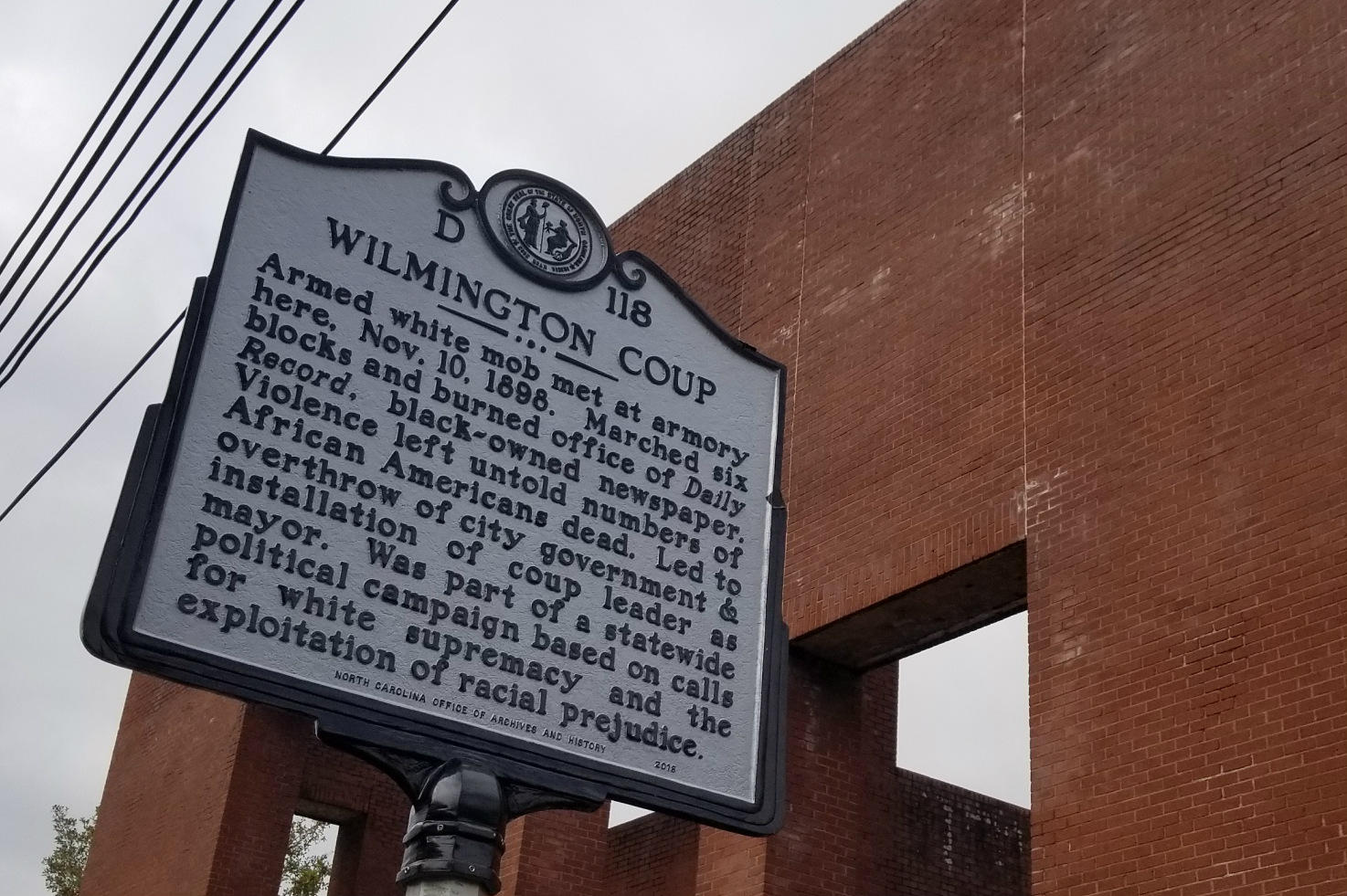
The fact that this kind of repression happened in Wilmington — site of the only successful white supremacist coup in U.S. history — reveals something deeper about the nature of power in the United States.
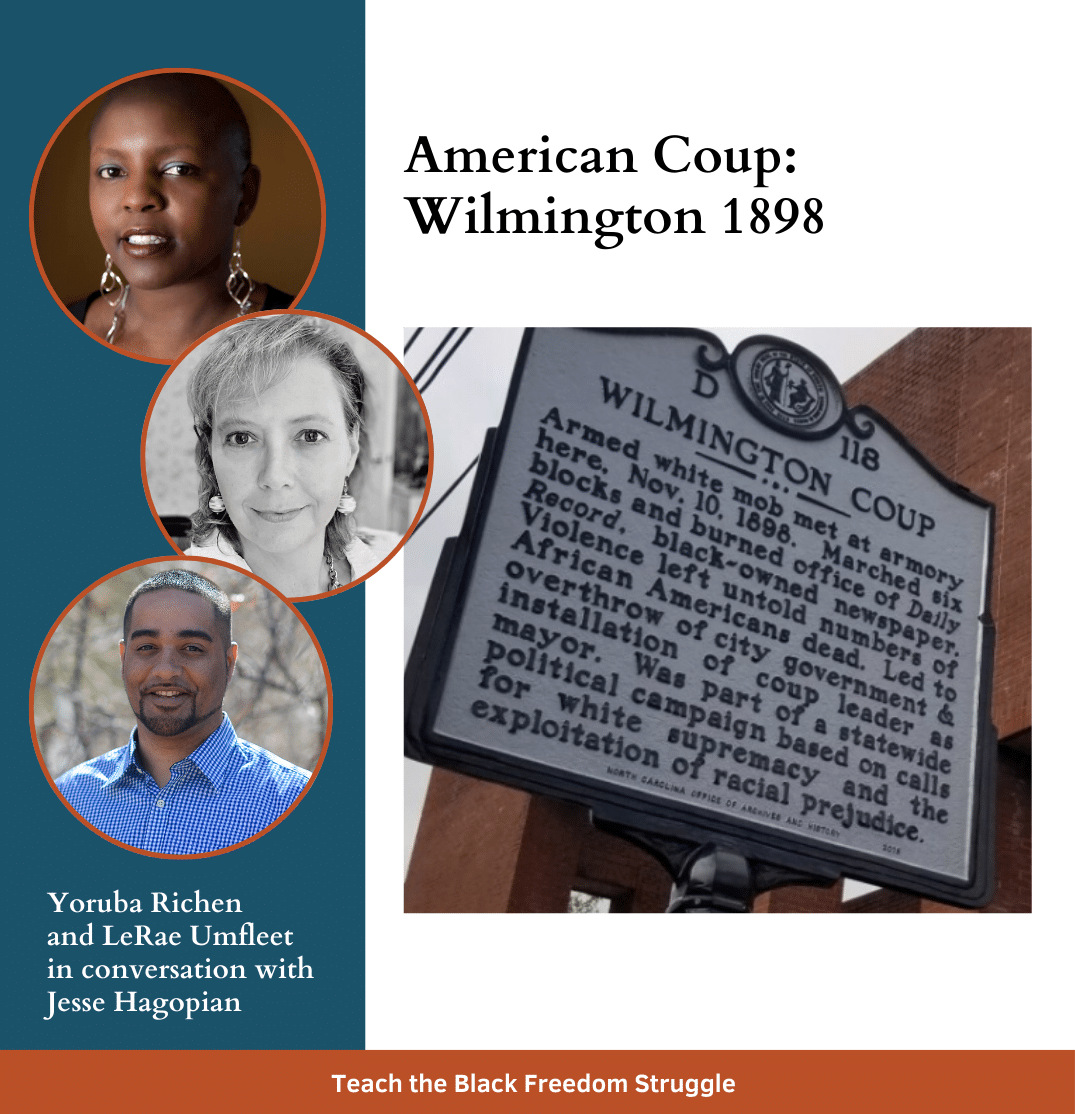
In 1898, white mobs in Wilmington overthrew a multiracial, democratically elected government, murdered untold numbers of Black residents, and burned Black businesses to the ground. That coup wasn’t an isolated tragedy — it helped usher in the Jim Crow era and set a national precedent for violently enforcing white supremacy.
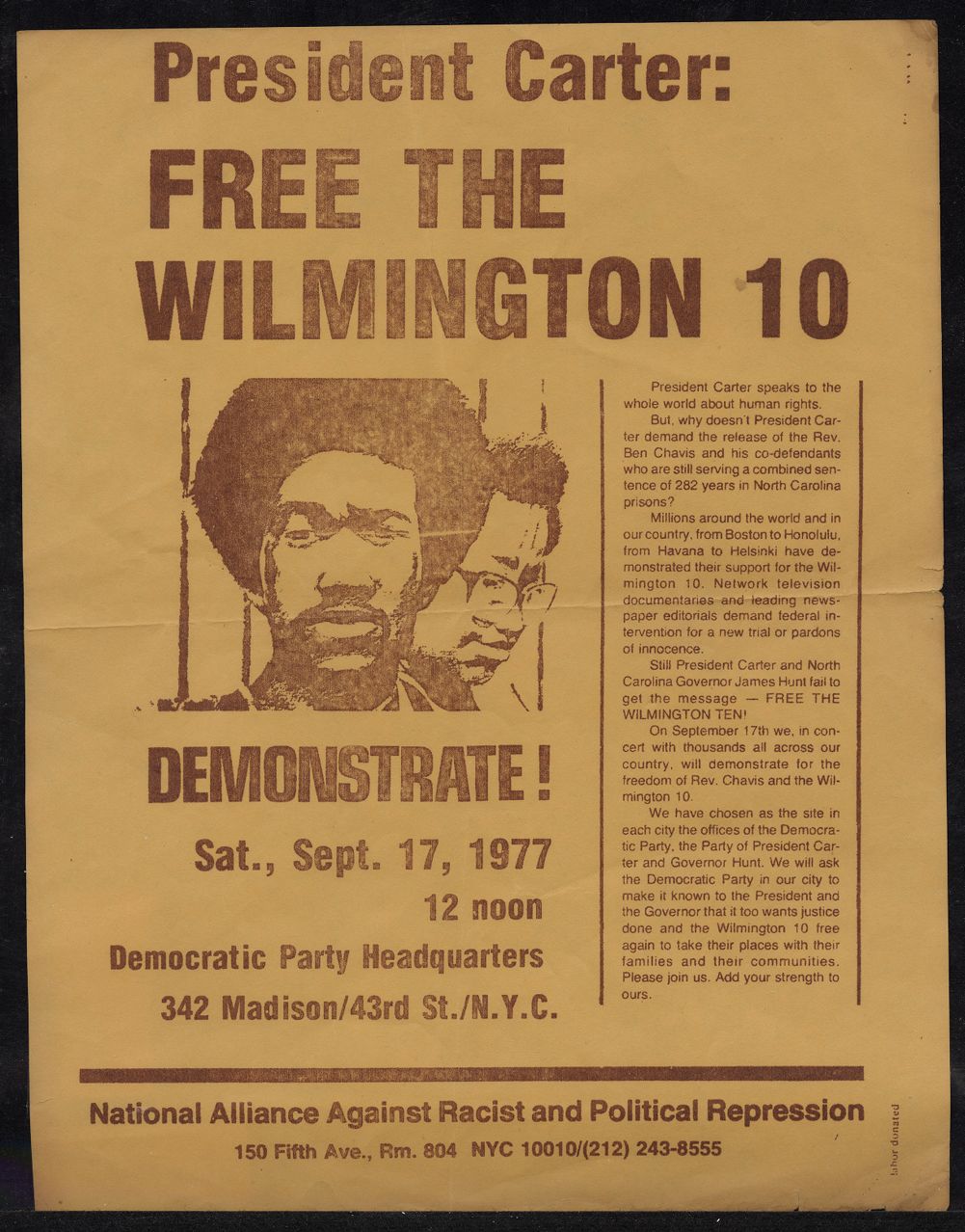
When the courts tried to silence the Wilmington Ten in 1972, they weren’t simply responding to local unrest. They were carrying forward a long tradition of suppressing Black political power — and trying to erase the memory of resistance.
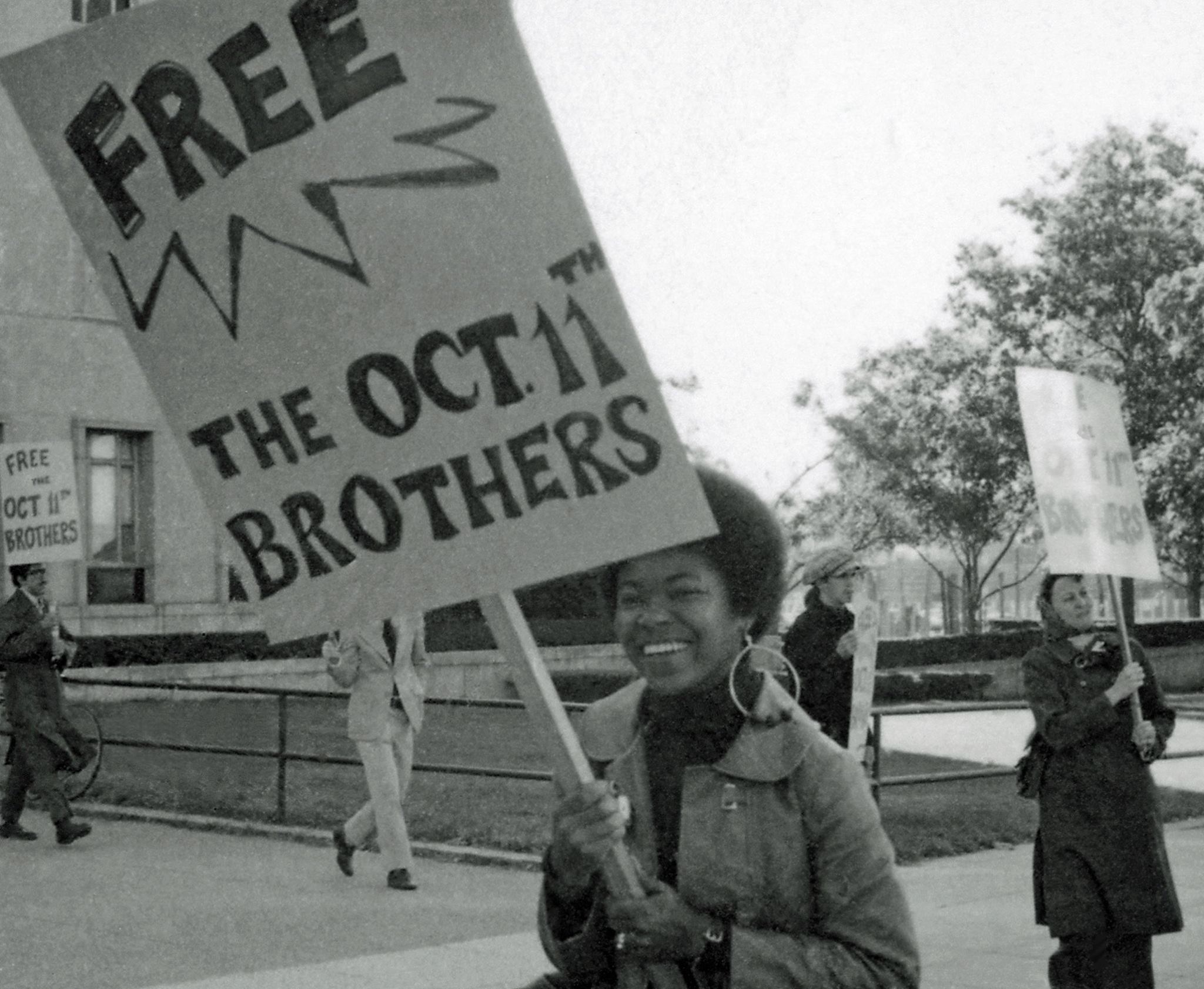
The case became a global symbol of political persecution. Groups like Amnesty International, the United Church of Christ, and the National Alliance Against Racist and Political Repression campaigned for justice. After nearly a decade, the convictions were overturned in 1980. But it took until 2012 — 40 years later — for the state of North Carolina to issue a formal pardon of innocence.
Teach This History
Gil Scott-Heron’s poem Bicentennial Blues called out the hypocrisy of a nation celebrating liberty while incarcerating those who demand it. Teaching the story of the Wilmington Coup, the Wilmington Ten, and Bicentennial Blues reveals what’s too often hidden: Black protest has always faced repression — but has also always sparked solidarity, creativity, and resistance.


Twitter
Google plus
LinkedIn