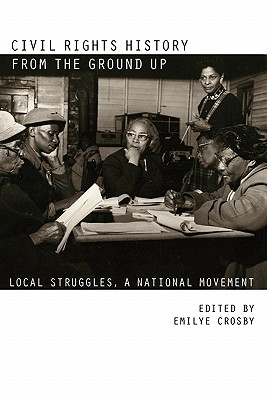
Book — Non-fiction. Edited by Emilye Crosby. 2011. 486 pages.
A grassroots history of the Civil Rights Movement.
Continue reading
Teaching Activity. By Learning for Justice.
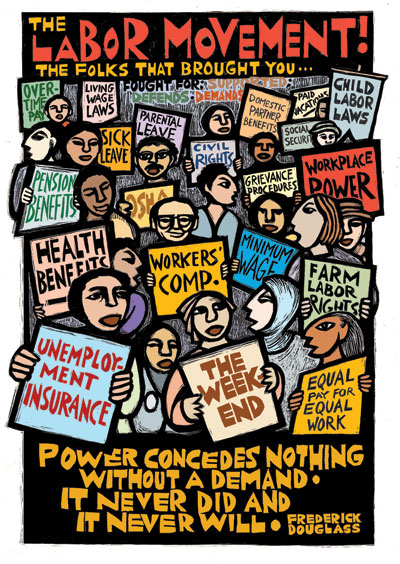
Introduces students to the role of the labor movement in securing contemporary benefits such as the 40-hour work week, the minimum wage, and workplace safety regulations.
Continue reading
Teaching Activity. By Bill Bigelow and Norm Diamond. 8 pages.
This lesson teaches some of the nuts and bolts of labor unions and then moves beyond to ask students to consider what rights they have at work, and to recognize that “rights” depend in large part on what people have fought for and won.
Continue reading
Teaching Activity. By Adam Sanchez and Nqobile Mthethwa. 25 pages.
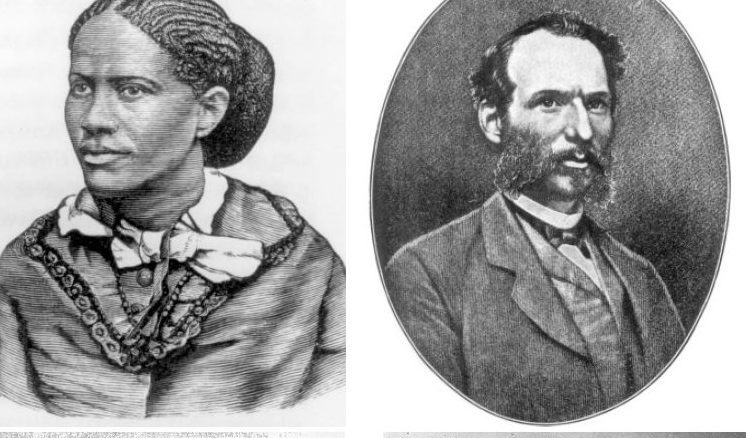
A mixer role play explores the connections between different social movements during Reconstruction.
Continue reading
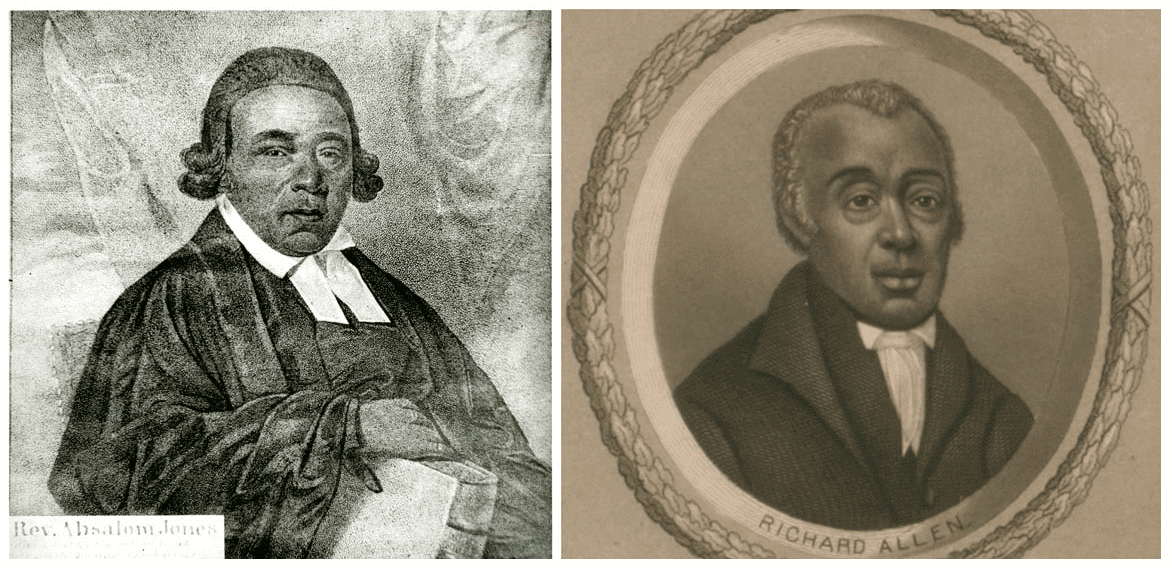
The Free African Society was a benevolent organization grounded in Christian religious faith and operating outside denominational differences to serve the social needs of Black Philadelphians.
Continue reading
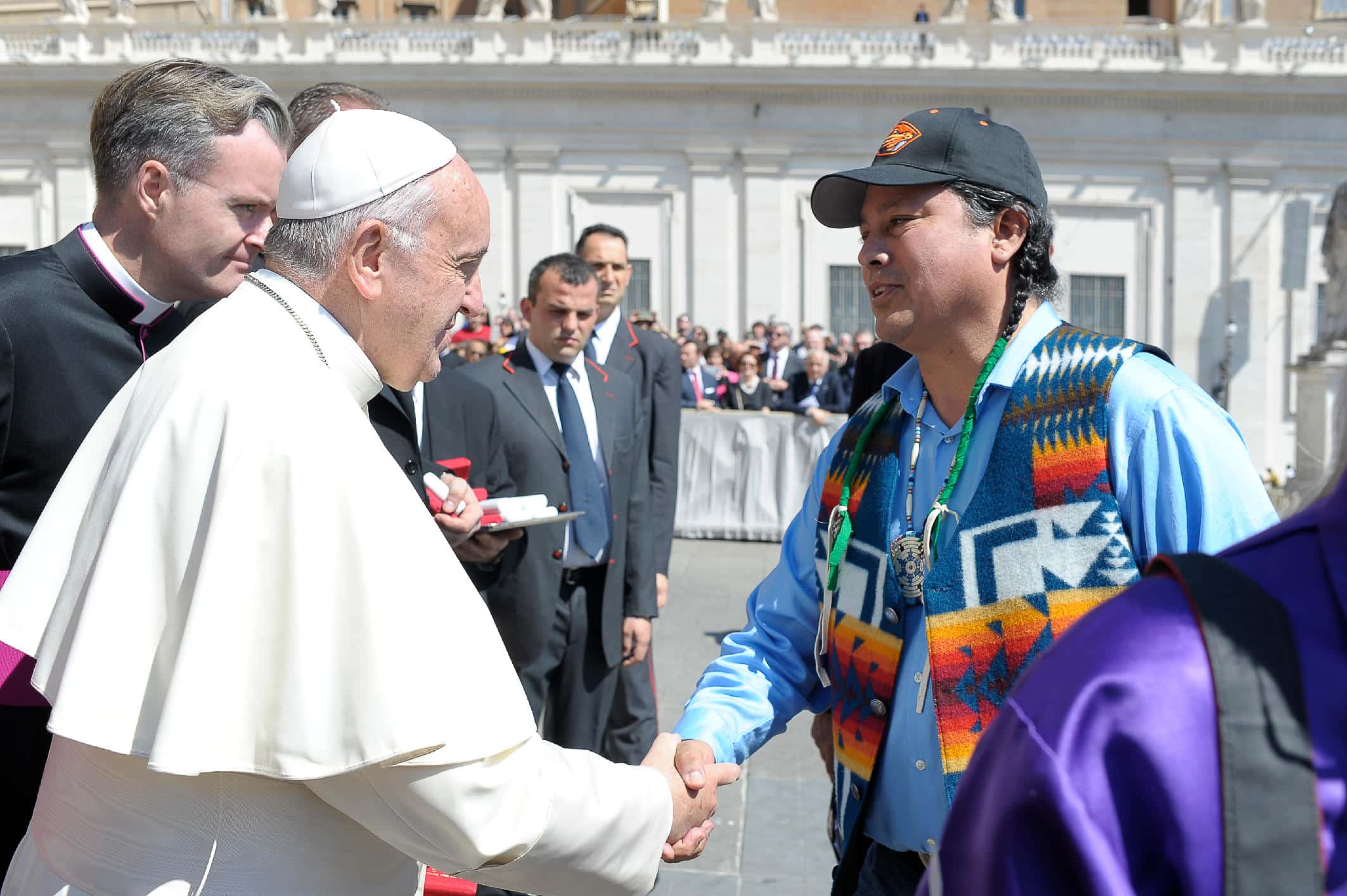
A delegation representing Native nations marched upon the Vatican and were successful in convincing the Vatican to revoke the Doctrine of Discovery.
Continue reading
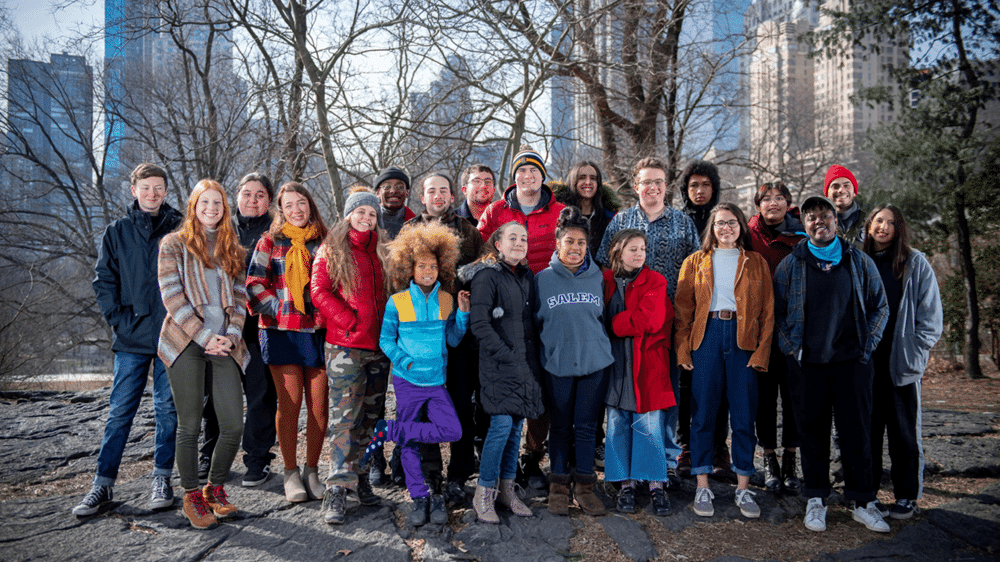
The constitutional climate case Juliana v. United States was filed by 21 youth against the U.S. government. The defendants said that the government's policies are causing catastrophic climate change and constitute a violation of their constitutional rights to life, liberty, and property.
Continue reading
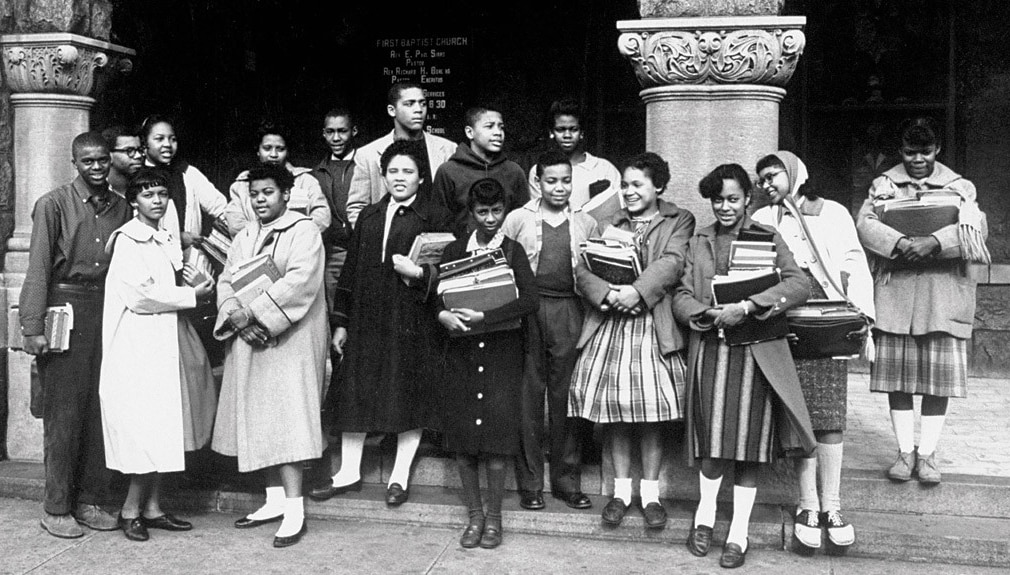
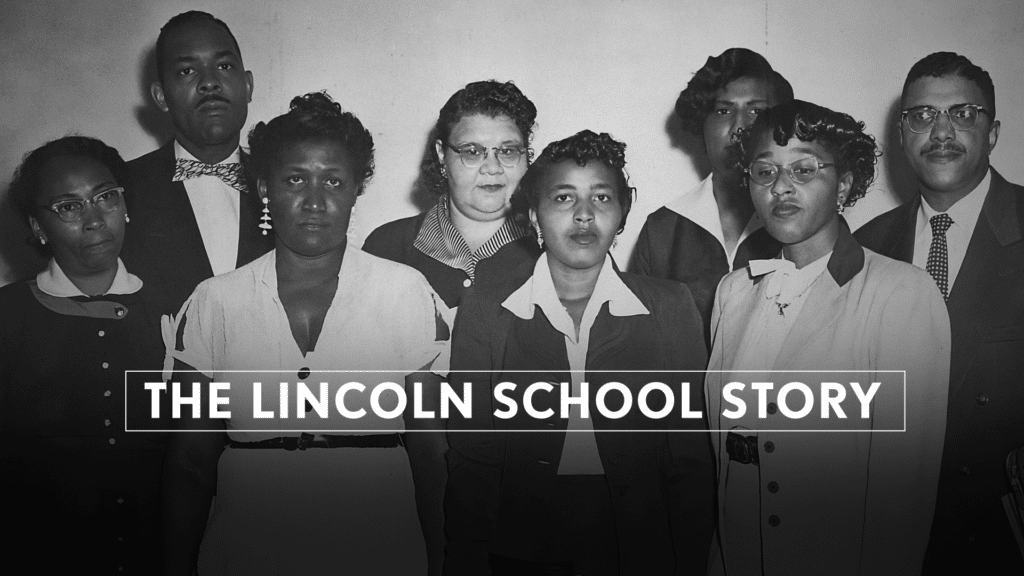
In Norfolk, where schools had been closed for months rather than desegregate, 17 African American students began attending six previously all-white middle and high schools on February 2, 1959.
Continue reading
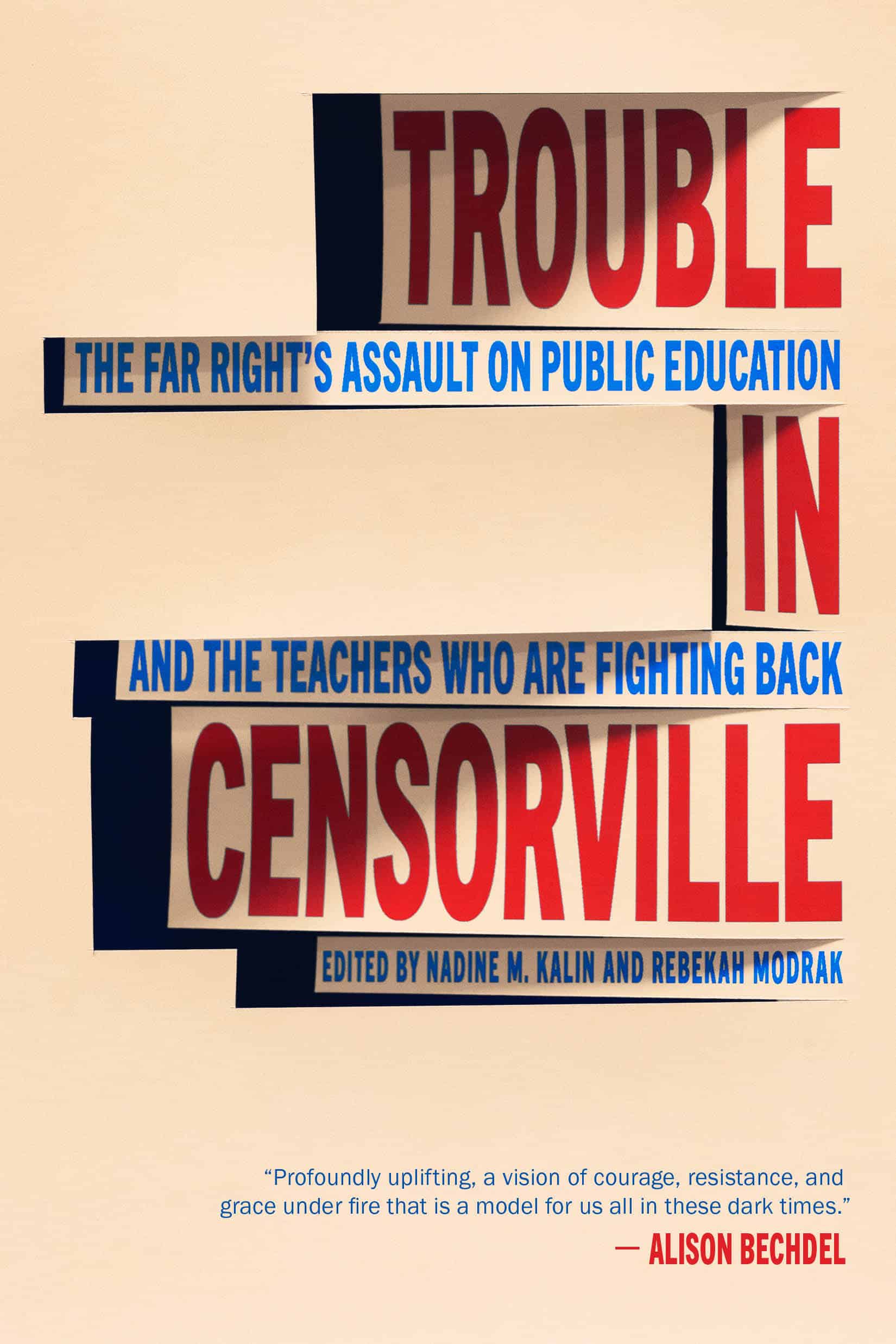
Book — Non-fiction. Edited by Nadine M. Kalin and Rebekah Modrak. 2024. 296 pages.
Gives readers a teacher’s-eye view of the radical right crusade to take down public education, coordinated by well-funded, well-connected far-right political interests.
Continue reading
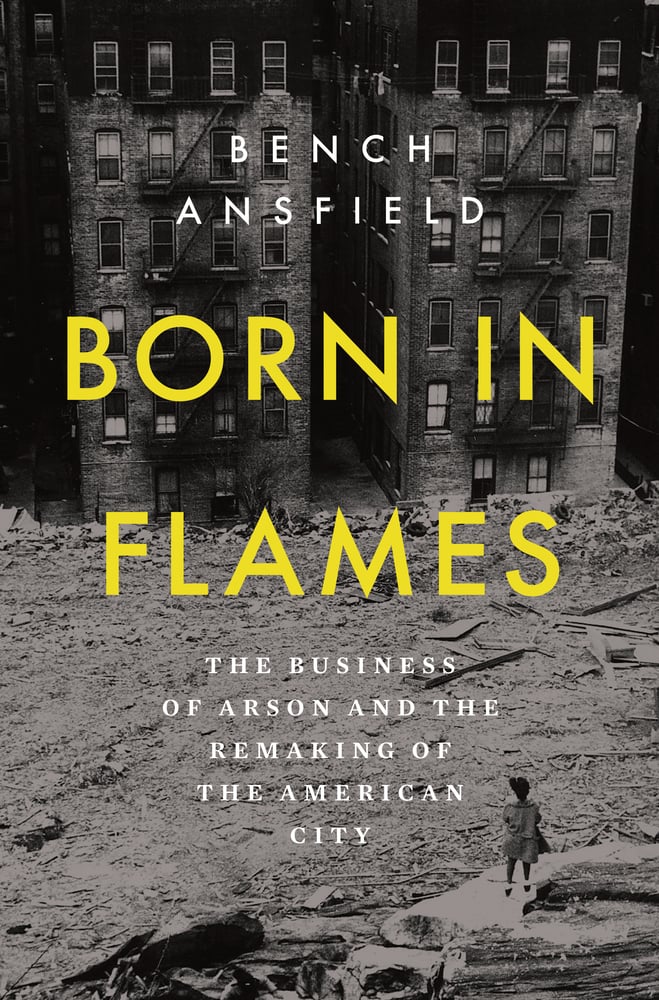
Book — Non-fiction. 2025. By Bench Ansfield. 368 pages.
Examines the arson wave that hit the Bronx and other U.S. cities in the 1970s — and its legacy today.
Continue reading
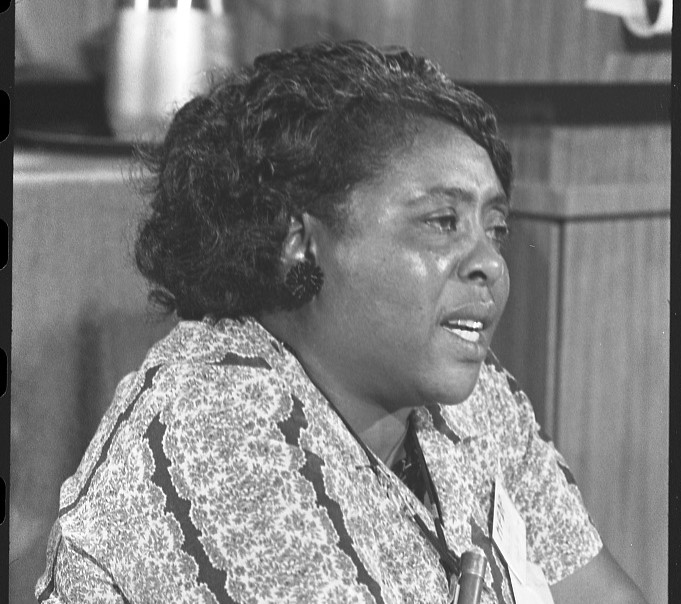
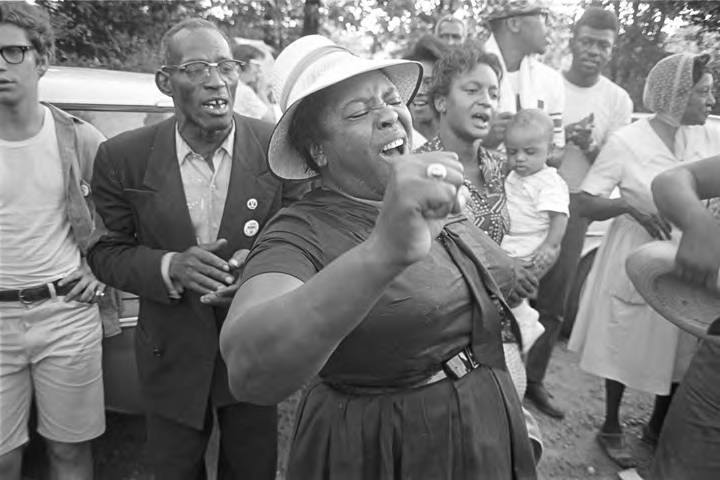
Mrs. Fannie Lou Hamer, and the other members of the MFDP at the Democratic National Convention, questioned the nation about the lack of “one person, one vote” in the United States.
Continue reading
Massachusetts farmers arm themselves and rebel against taxation under the Articles of Confederation.
Continue reading
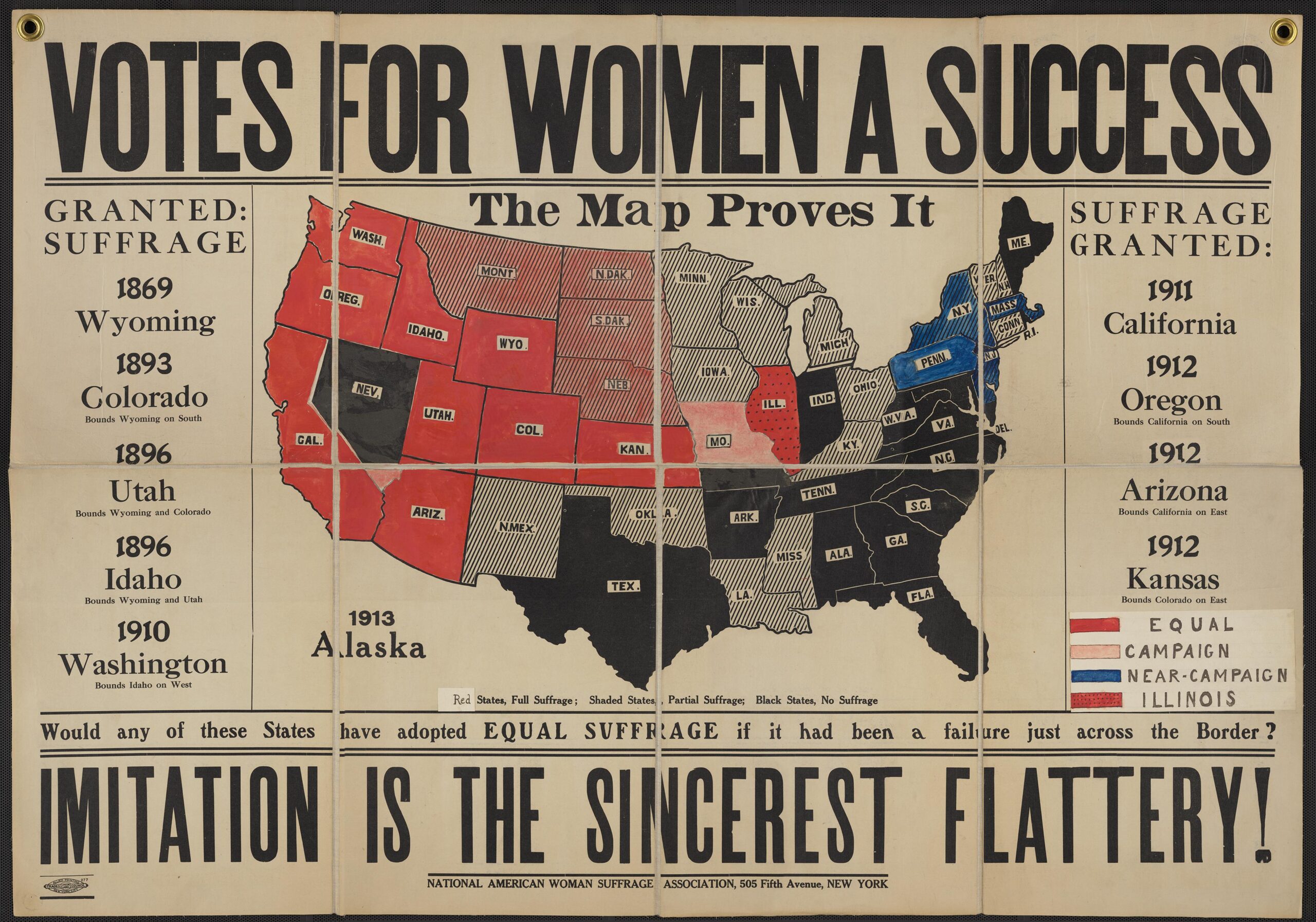
Following a suffrage bill that recognized women’s right to vote and hold public office in Wyoming, Black women there became the first to vote in a U.S. territory in 1870.
Continue reading
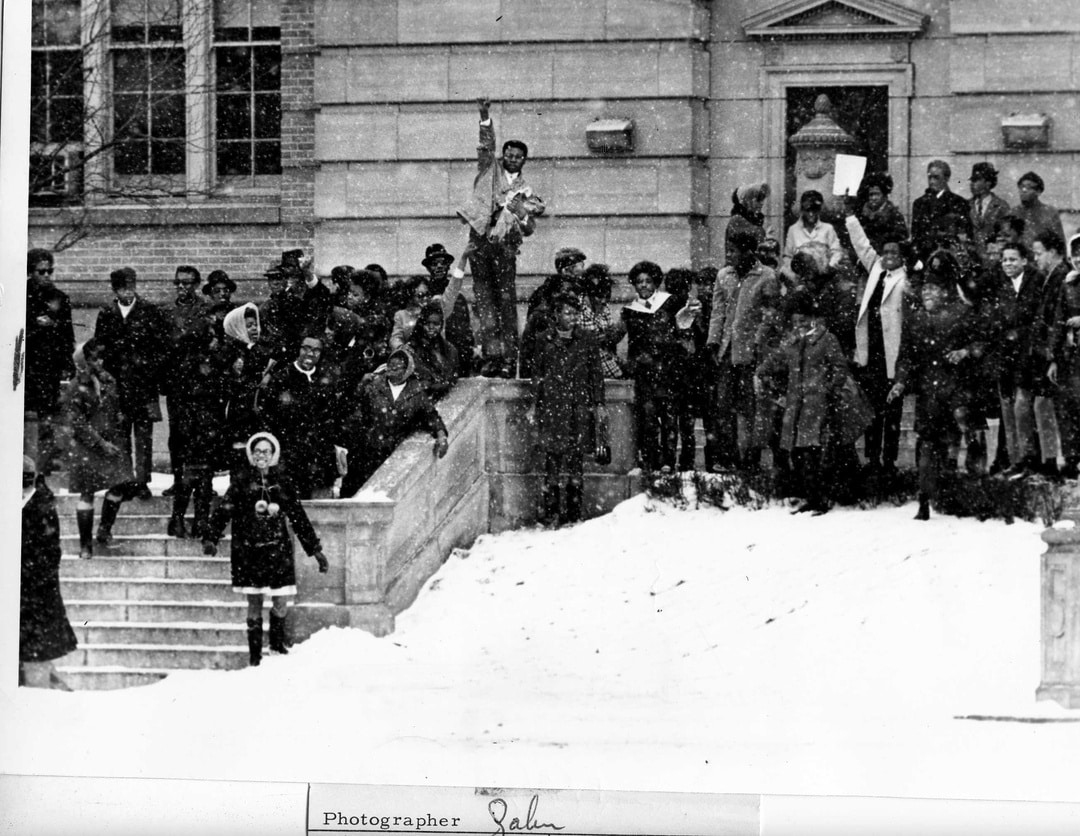
With a long list of grievances, more than 1,200 students at John Hay High School in Cleveland, Ohio, walked out of school and held an unauthorized assembly.
Continue reading
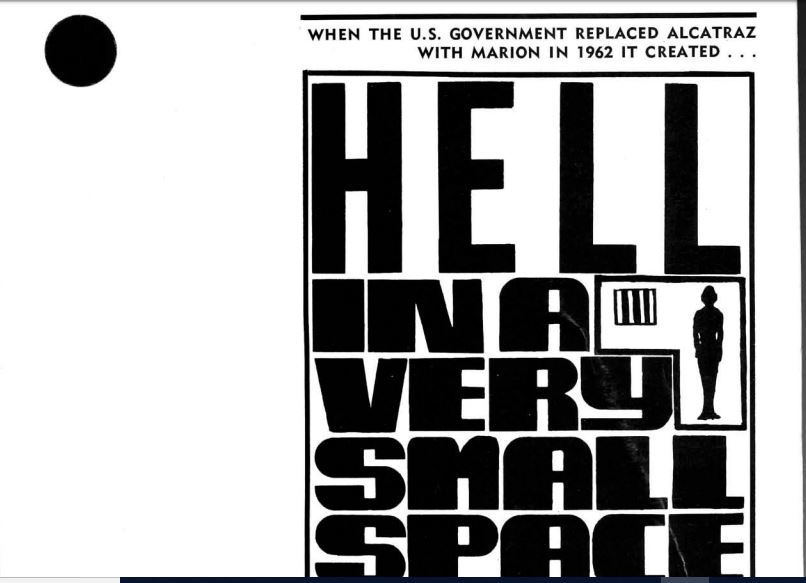
Inmates at United States Penitentiary (USP) Marion staged a hunger strike on the U.S. bicentennial in protest of inhumane treatment by the prison administration.
Continue reading
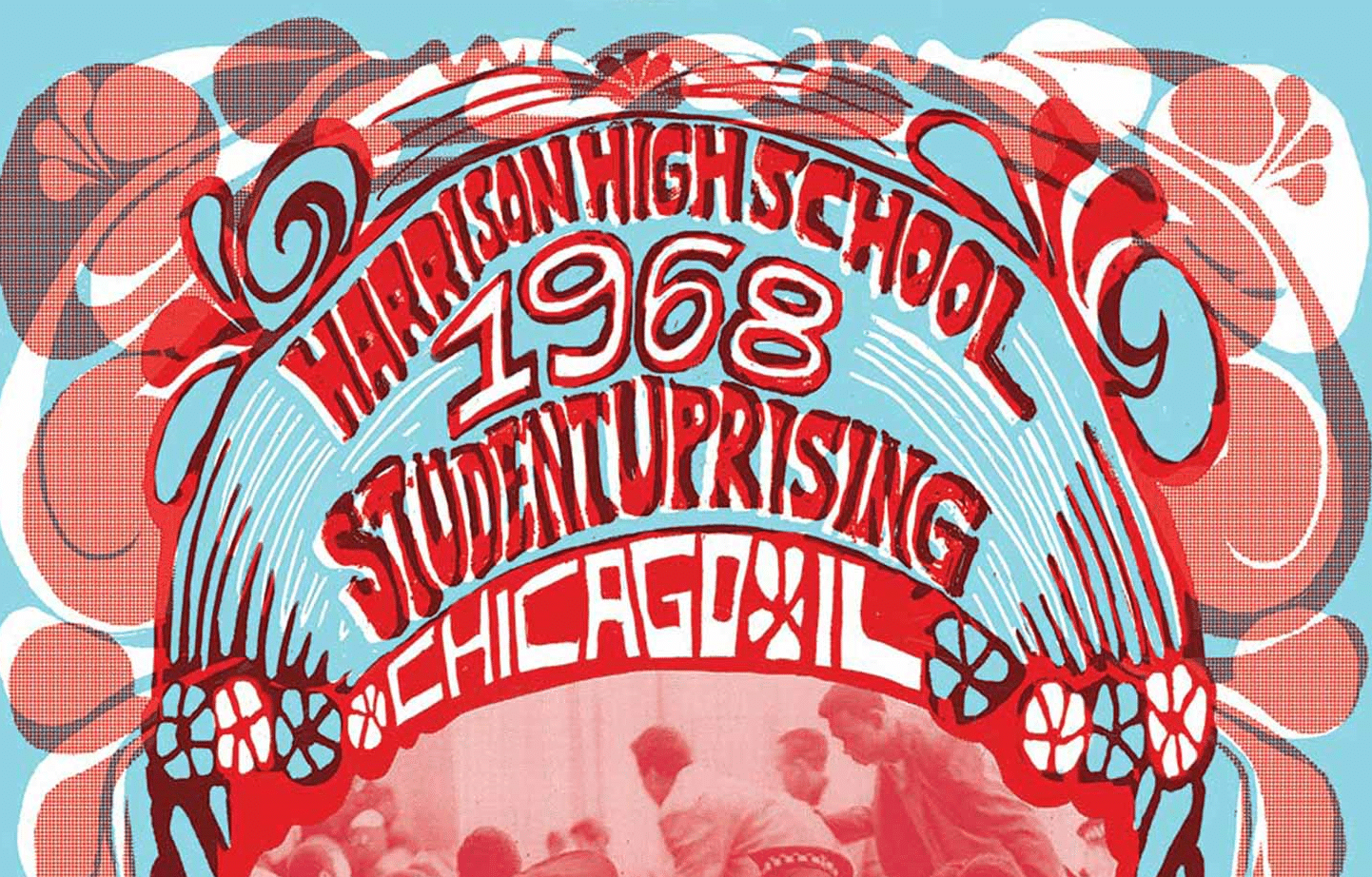
One third of the students at Harrison Technical High School staged a walkout to protest the lack of African American history classes, overcrowding and poor conditions, and more.
Continue reading
The “Marching Mothers” of Hillsboro sued the school district and began daily marches to desegregate elementary schools in this town in Ohio.
Continue reading
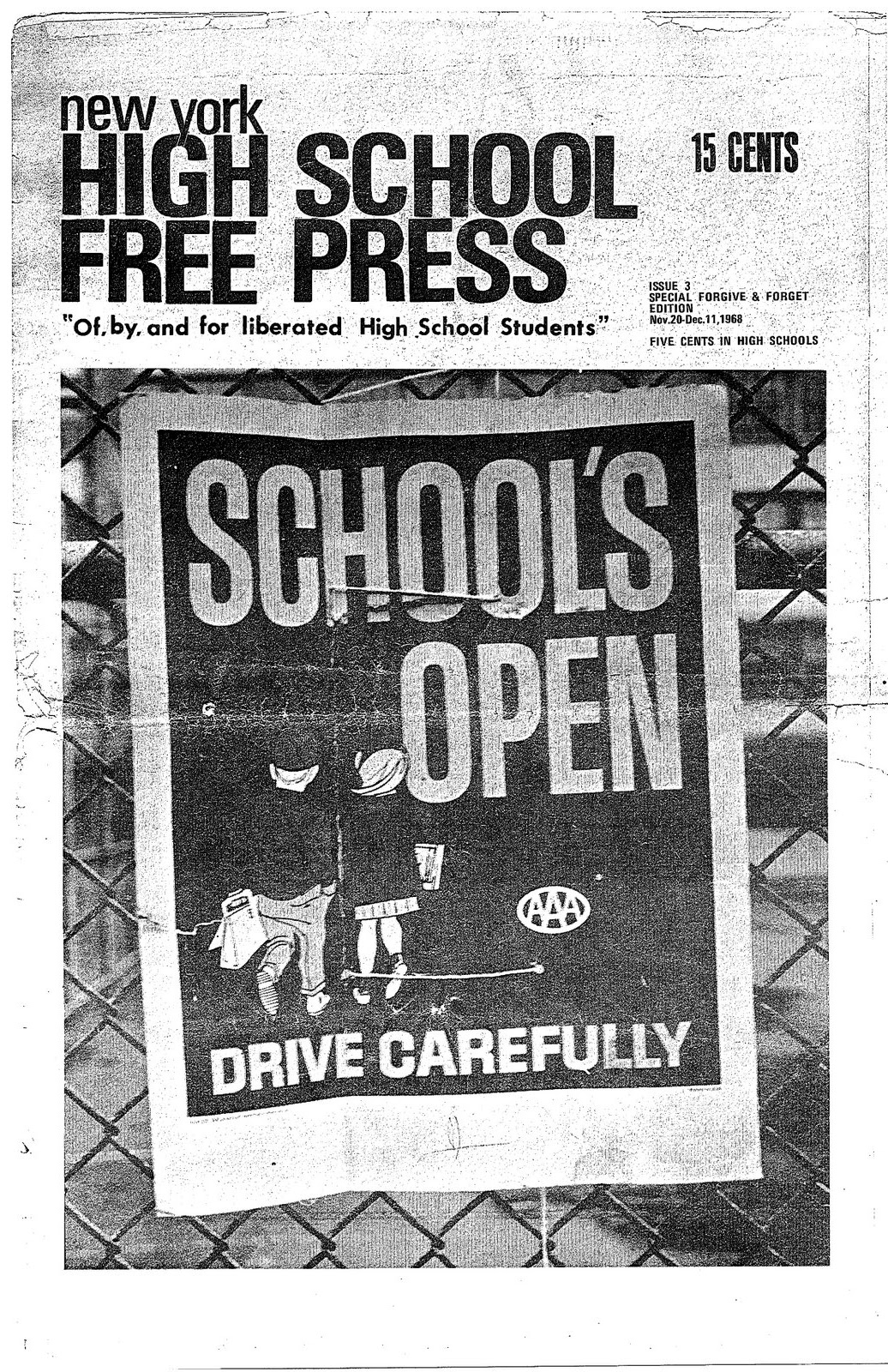
During the racially-charged Ocean Hill-Brownsville teachers’ strike in New York City, nearly 200 teenagers from 25 high schools established the New York High School Student Union.
Continue reading
Posters.
Portraits by Robert Shetterly and biographies of individuals who have taken a stand for justice.
Continue reading
Mrs. Fannie Lou Hamer, a civil rights activist, was born in Montgomery County, Mississippi.
Continue reading
Film. By Paul Puglisi. 2017. 89 minutes.
Documentary on the symbol of Columbus in the United States and the campaign for Indigenous Peoples' Day.
Continue reading
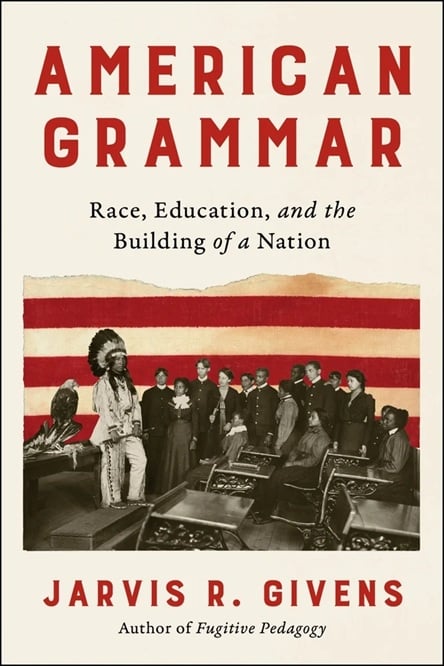
Book — Non-fiction. By Jarvis R. Givens. 2025. 464 pages.
A new history of U.S. education through the nineteenth century that rigorously accounts for Black, Native, and white experiences.
Continue reading
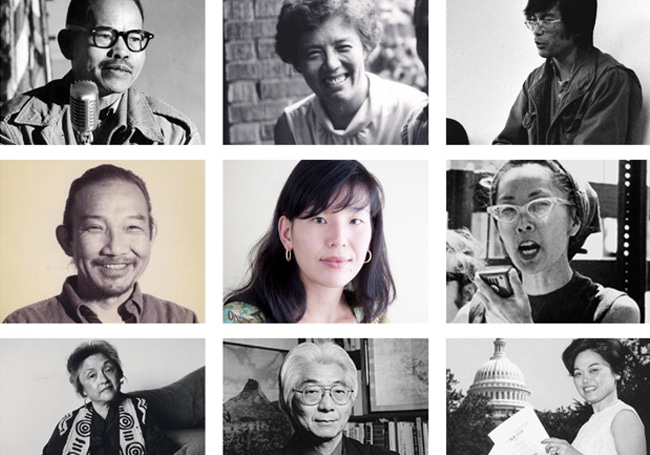
Profile.
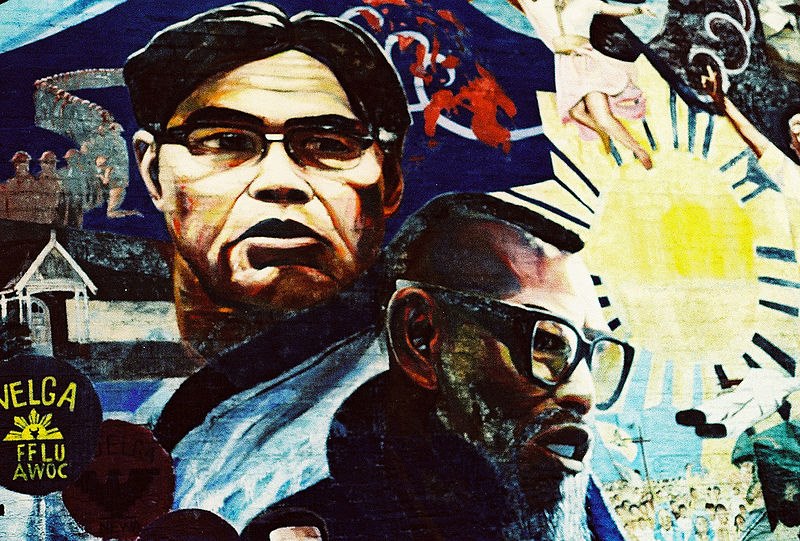
Brief profiles of people and events from Asian American and Pacific Islander people's history.
Continue reading
The first Colored Convention in Maine was an opportunity for northern Black abolitionists to organize and strategize for racial justice and the freedom of those still enslaved throughout the South.
Continue reading