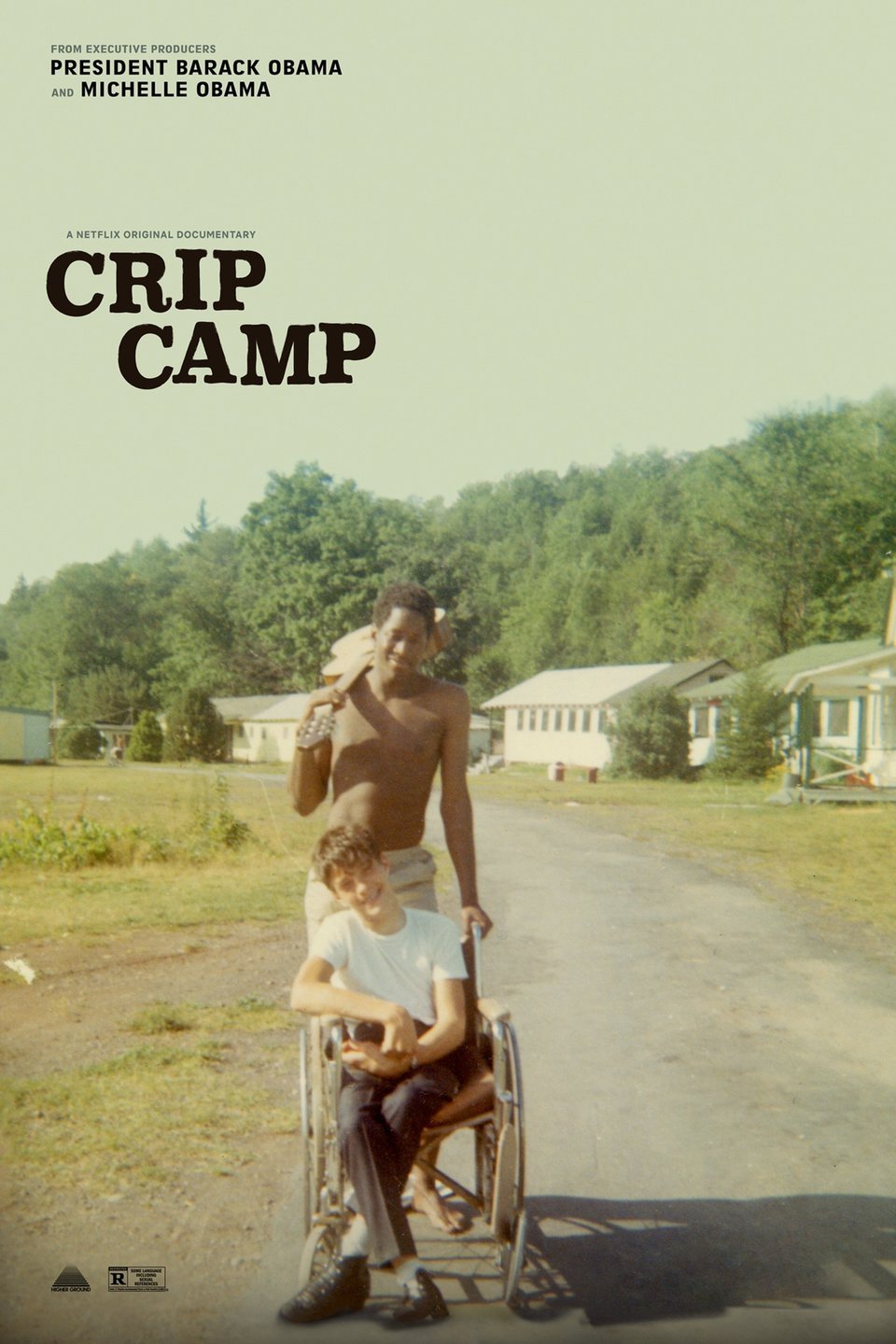
Film. Directed by Nicole Newnham and Jim LeBrecht. Netflix. 2020. 107 minutes.
A groundbreaking summer camp galvanizes a group of teens with disabilities to help build a movement, forging a new path toward greater equality.
Continue reading
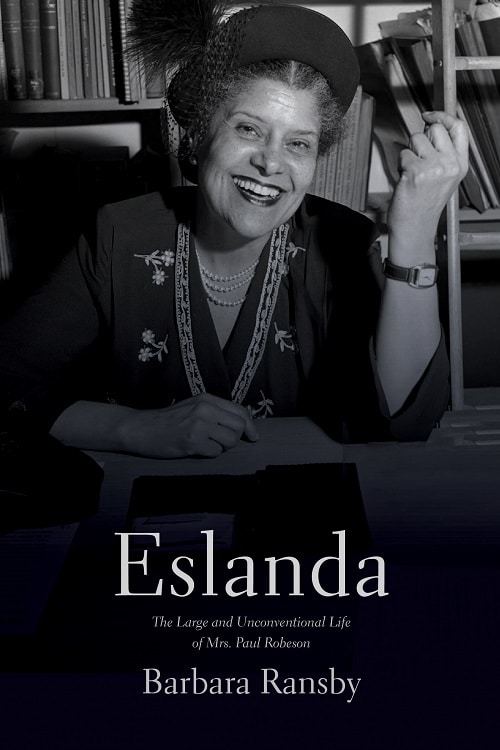
Book — Non-fiction. By Barbara Ransby. 2013. 373 pages.
This biography of cosmopolitan anthropologist Eslanda Cardozo Goode Robeson explores her influence on her husband's early career, their open marriage, and her life as a prolific journalist, a tireless advocate of women's rights, and an outspoken anti-colonial and antiracist activist.
Continue reading
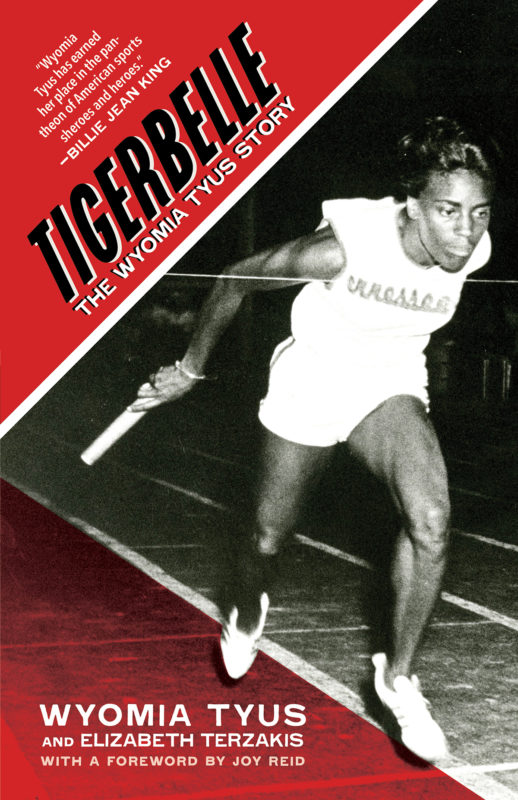
Book — Non-fiction. By Wyomia Tyus and Elizabeth Terzakis. 2018. 288 pages.
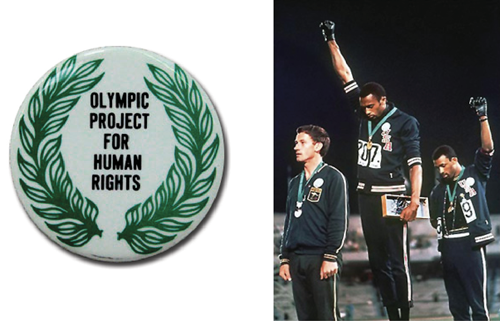
A young adult sports history that chronicles the life of Wyomia Tyus, the daughter of a tenant dairy farmer, who became the first person to win gold medals in the 100-meter sprint in two consecutive Olympic Games.
Continue reading
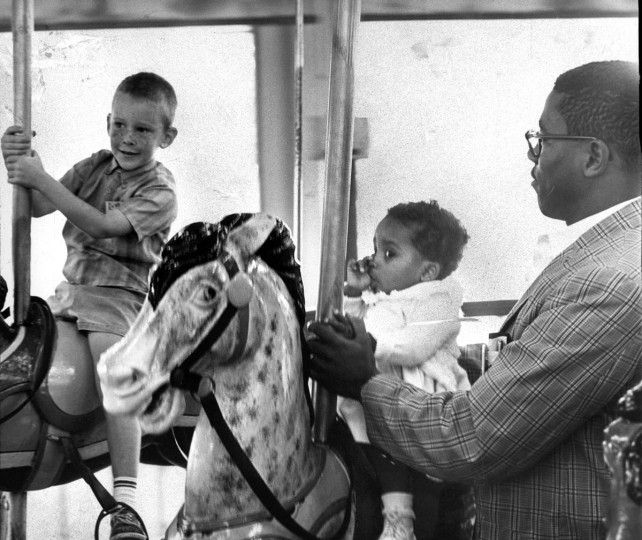
Hundreds of civil rights demonstrators amassed on Gwynn Oak Amusement Park in Baltimore, Maryland, to protest the park’s segregation policy.
Continue reading
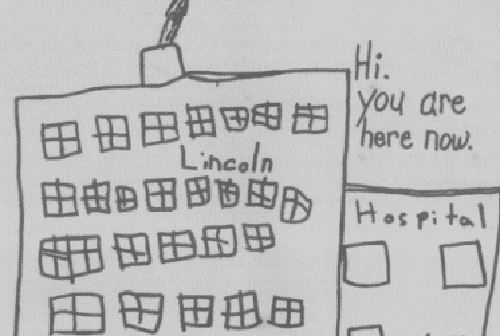
Over three dozen young doctors bucked prestige and embraced justice in the summer of 1970 when they began work at Lincoln Hospital, a run-down, underfunded public hospital in the South Bronx that also the site of an occupation by the Young Lords.
Continue reading
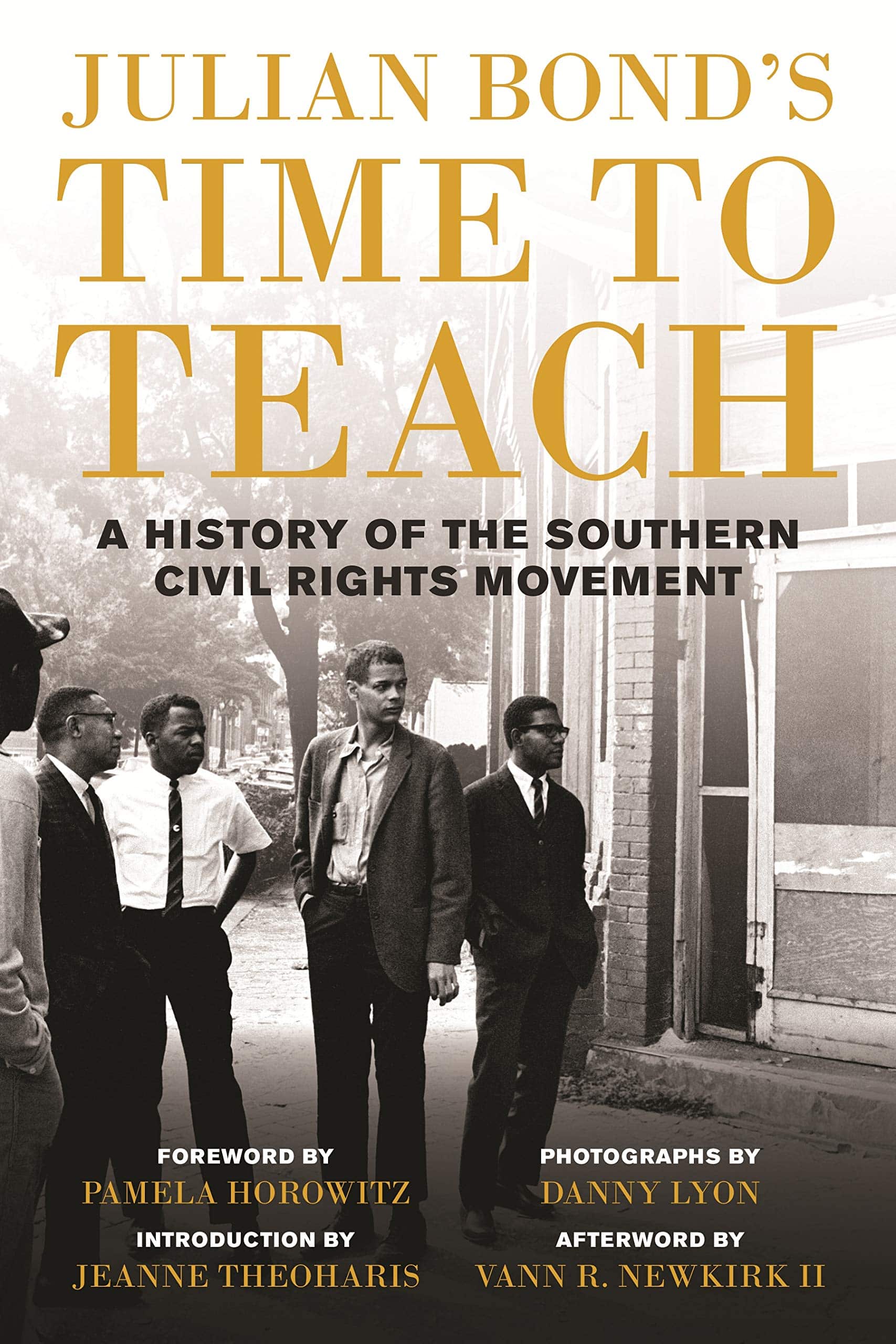
Book — Non-fiction. By Julian Bond. Edited by Pam Horowitz and Jeanne Theoharis with an afterword by Vann Newkirk II. 2021. 356 pages.
For over two decades, civil rights activist Julian Bond taught a popular class on the history of the Civil Rights Movement. This book contains the wisdom and teachings from that class.
Continue reading
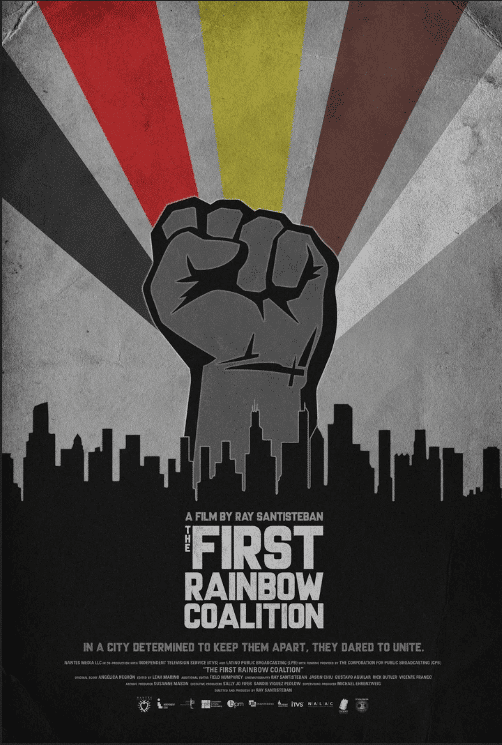
Film. Directed and produced by Ray Santisteban. Nantes Media LLC. 2019. 56 minutes.
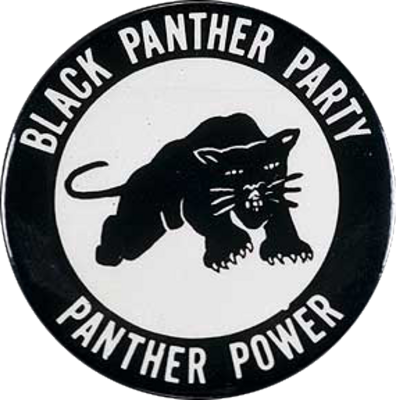
In this documentary, Chicago's Black Panther Party forms alliances across lines of race and ethnicity with other community-based movements in the city to collectively confront issues such as police brutality and substandard housing.
Continue reading
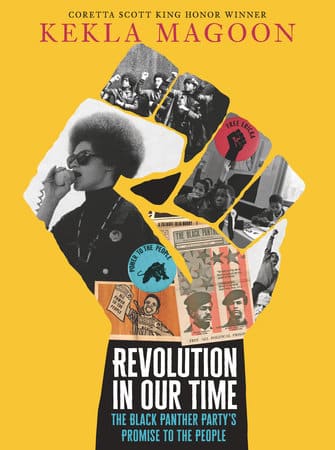
Book — Non-Fiction. By Kekla Magoon. 2021.
An account of militant revolutionaries and human rights advocates working to defend and protect their community.
Continue reading
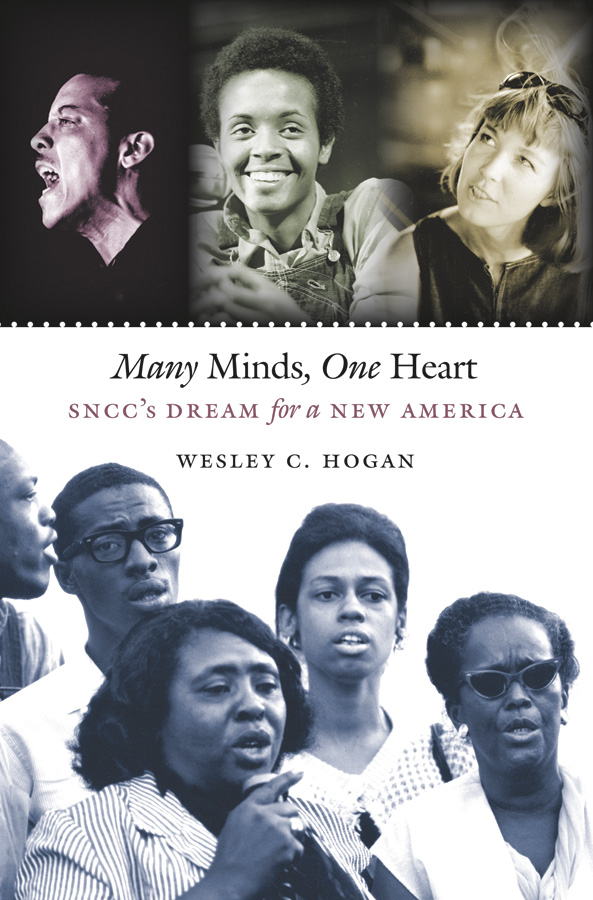
Book — Non-fiction. By Wesley C. Hogan. 2009. 463 pages.
An innovative study of what the Student Nonviolent Coordinating Committee (SNCC) accomplished and, more importantly, how it fostered significant social change in such a short time.
Continue reading
WWII veteran Ozell Sutton was denied service at the Arkansas Capitol cafeteria after visiting the building to collect voter registration materials.
Continue reading
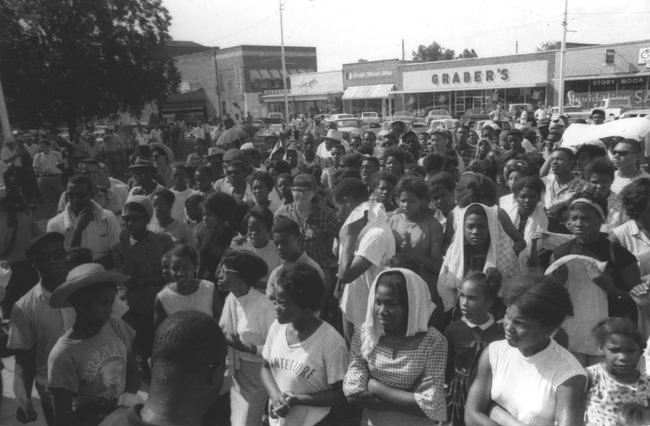
U.S. District Judge issued an injunction ordering police in Grenada, Mississippi to stop interfering with lawful protest. This ruling followed weeks of arrests and beating of demonstrators who had been attempting to desegregate businesses in the town.
Continue reading
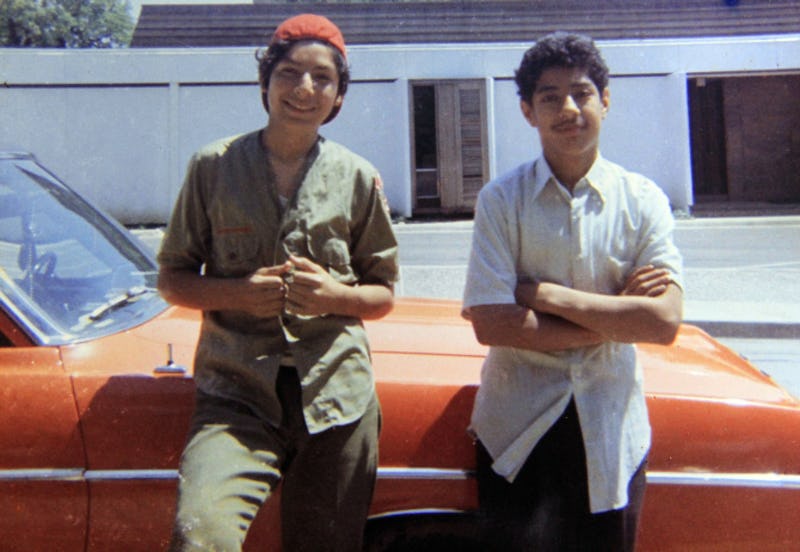
Twelve-year-old Santos Rodriguez and his 13-year-old brother David were pulled from their home in Dallas, Texas, handcuffed, and put inside a police car. Santos was killed when one of the officers played Russian roulette to try to force the boys to confess to a crime.
Continue reading
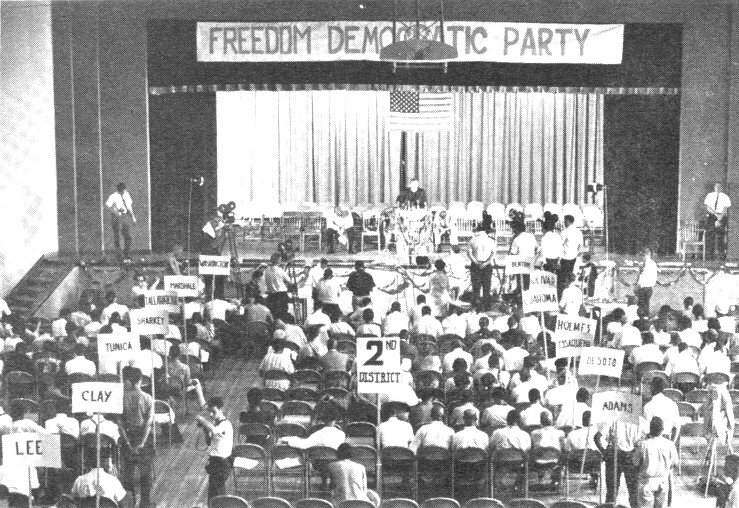
The MFDP held a State Convention with 2,500 people in Jackson, Mississippi.
Continue reading
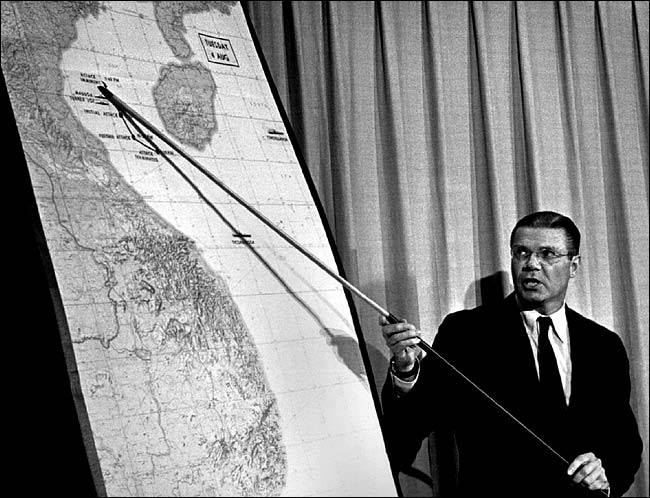
The Gulf of Tonkin Resolution was passed without a single dissent in the House of Representatives, and only two no votes in the Senate, leading to increased U.S. aggression in Vietnam.
Continue reading
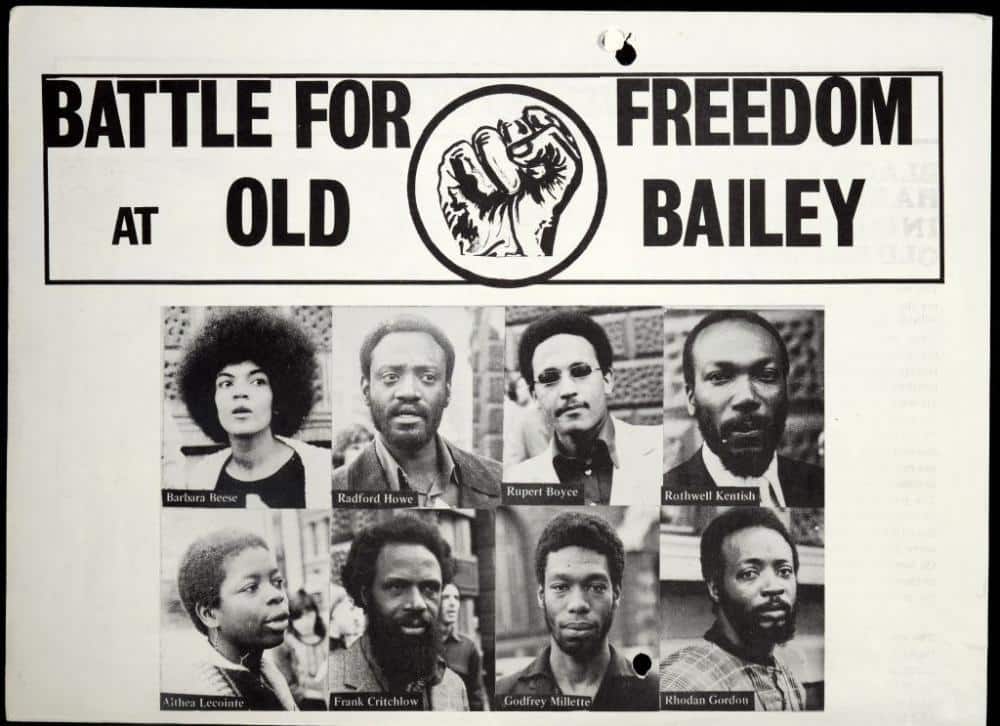
Nine Black activists were arrested in London, England and charged with inciting a riot when they led over 150 protestors in a march against police harassment.
Continue reading
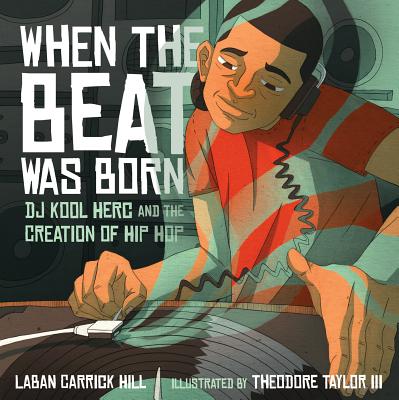
Hip hop’s origins began at a dance party where DJ Kool Herc used two turntables to create a “break beat.”
Continue reading
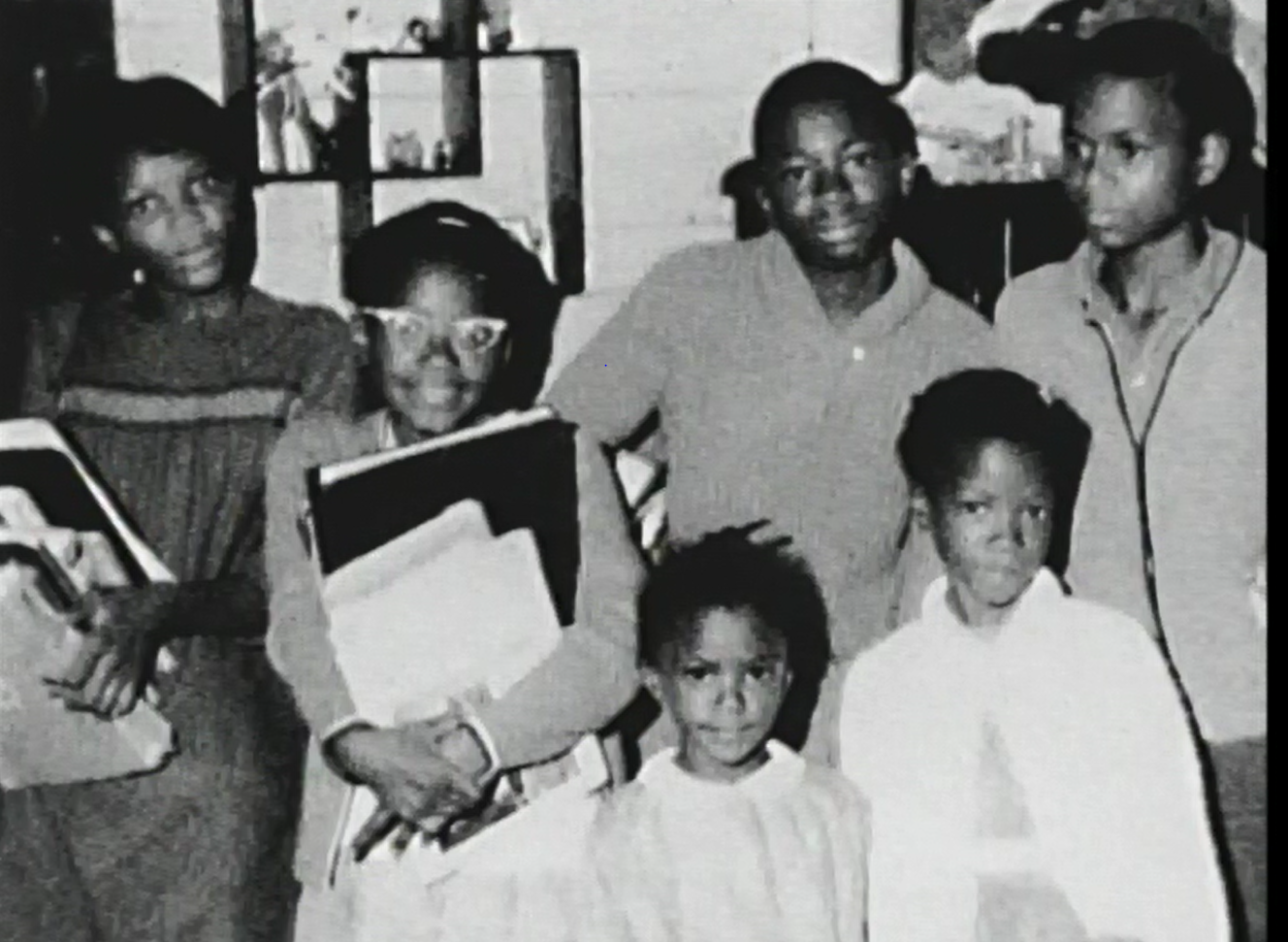
Mae Bertha and Matthew Carter enrolled their children in schools in Sunflower County, Mississippi that had been illegally denied to African Americans. In retaliation, they were evicted from the land they sharecropped and their home was riddled with bullets.
Continue reading
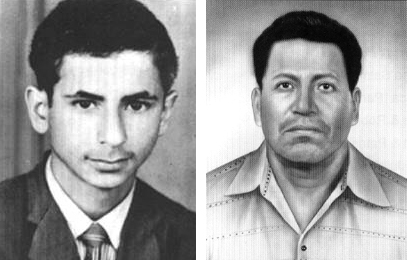
Two striking United Farm Workers (UFW) were killed on Aug. 15 and 17, 1973, while picketing.
Continue reading
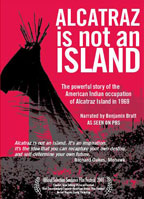
Film. By James M. Fortier. 2001. 60 minutes.
Documentary on a small group of Native American students and “Urban Indians” who occupied Alcatraz Island in November 1969, and how it forever changed the way Native Americans viewed themselves, their culture and their sovereign rights.
Continue reading
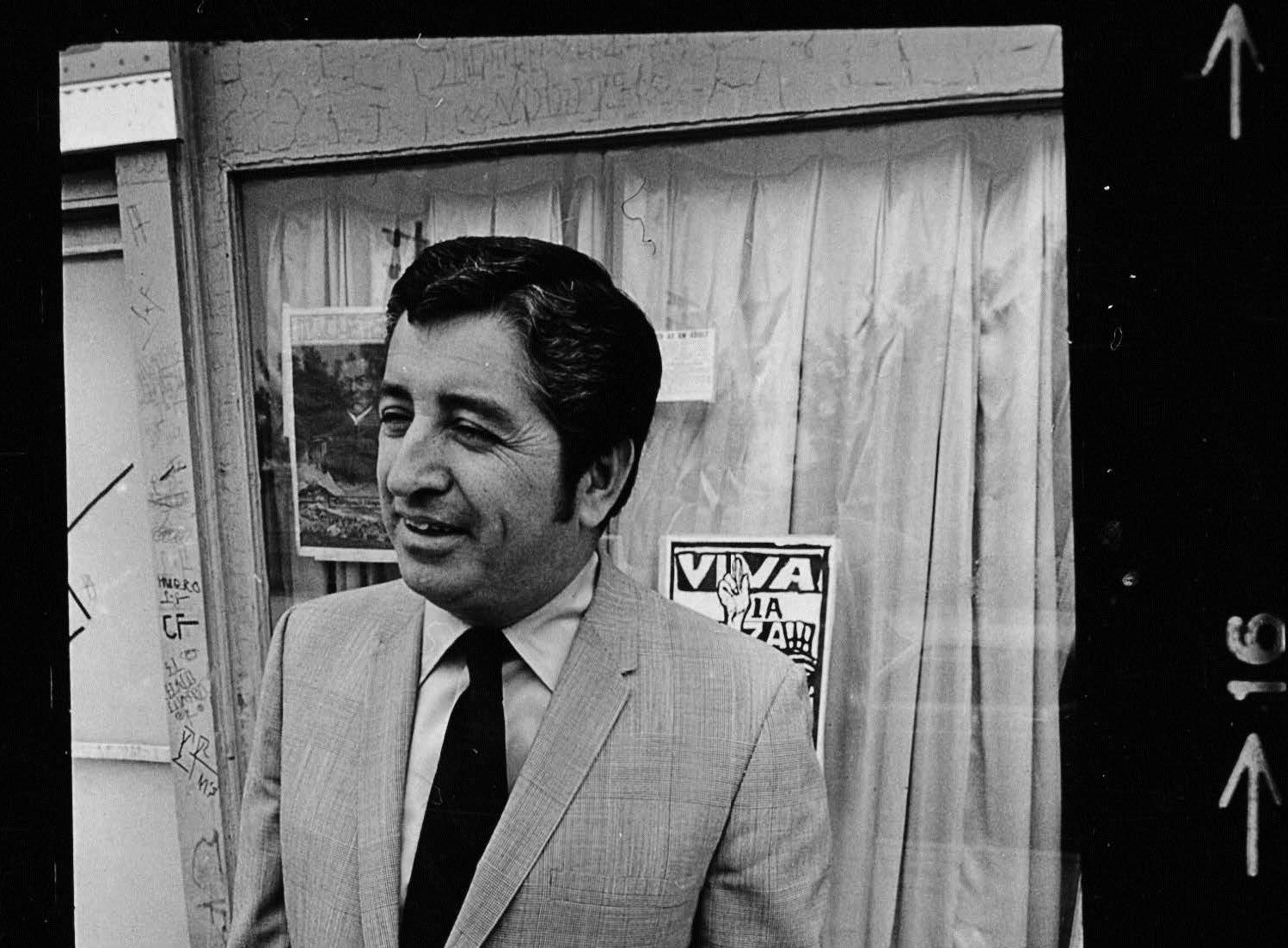
The National Chicano Moratorium March was held to protest the Vietnam War and Latino journalist Ruben Salazar was killed.
Continue reading