Book — Non-fiction. Edited by Cotera, Espinoza, and Blackwell. 2018. 488 pages.
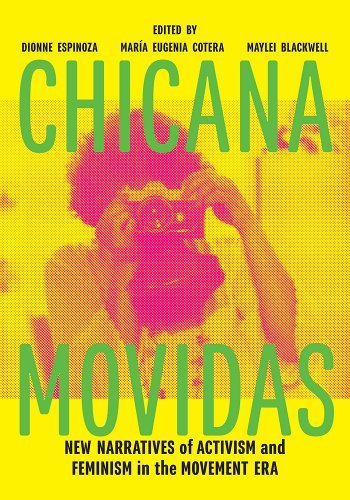
This anthology focuses on Chicana organizing, activism, and leadership and the intellectual and political legacies of early Chicana feminism.
Teaching Activity by Edited by María Eugenia Cotera, Dionne Espinoza, and Maylei Blackwell
Continue reading
Book — Non-fiction. Edited by Brischetto and Avena. 2021. 408 pages.
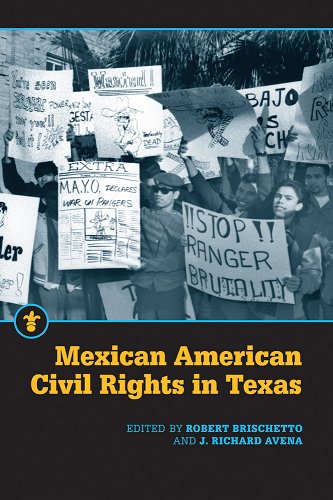
This book is an examination of the social change of Mexican Americans of Texas over the past half century.
Continue reading
Book — Non-fiction. By V. P. Franklin. 2021. 328 pages.
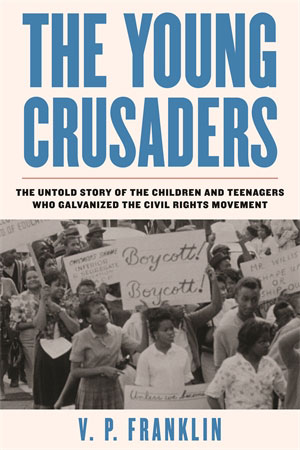
This books tells the story of the hundreds of thousands of children and teenagers who engaged in sit-ins, school strikes, boycotts, marches, and demonstrations in which Dr. Martin Luther King Jr. and other national civil rights leaders played little or no part.
Teaching Activity by V. P. Franklin
Continue reading
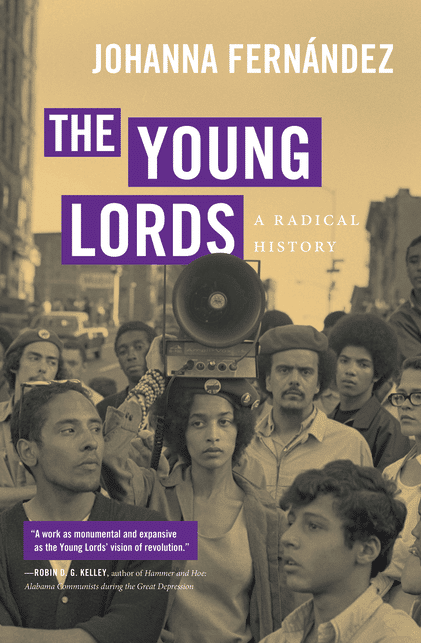
Book — Non-fiction. By Johanna Fernández. 2020. 480 pages.
Fernandez demonstrates how the Young Lords redefined the character of protest, the color of politics, and the cadence of popular urban culture in the age of great dreams.
Teaching Activity by Johanna Fernández
Continue reading
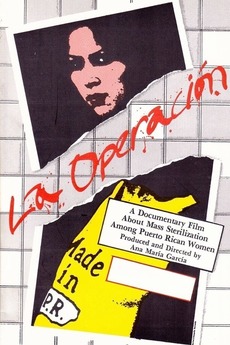
Film. Directed by Ana María García. 1982. 40 minutes.
La Operación is a 1982 documentary that shows the widespread sterilization operation led by the U.S. during the 1950s and 60s in Puerto Rico.
Continue reading
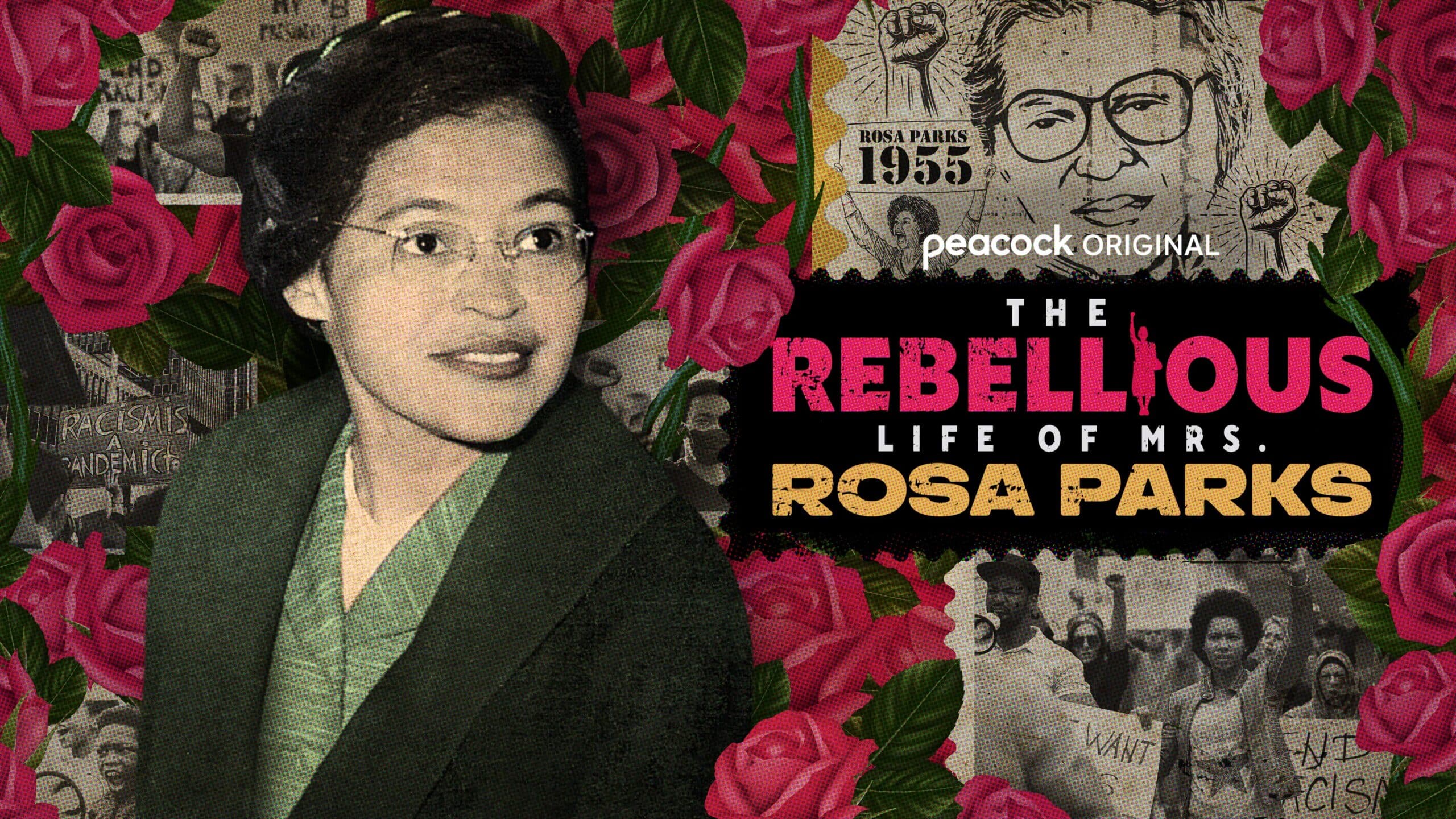
Film. Directed by Johanna Hamilton and Yoruba Richen. Produced by Soledad O’Brien. 2022. 101 minutes.
This documentary sheds light on Rosa Parks' extensive organizing, radical politics, and lifelong dedication to justice.
Continue reading
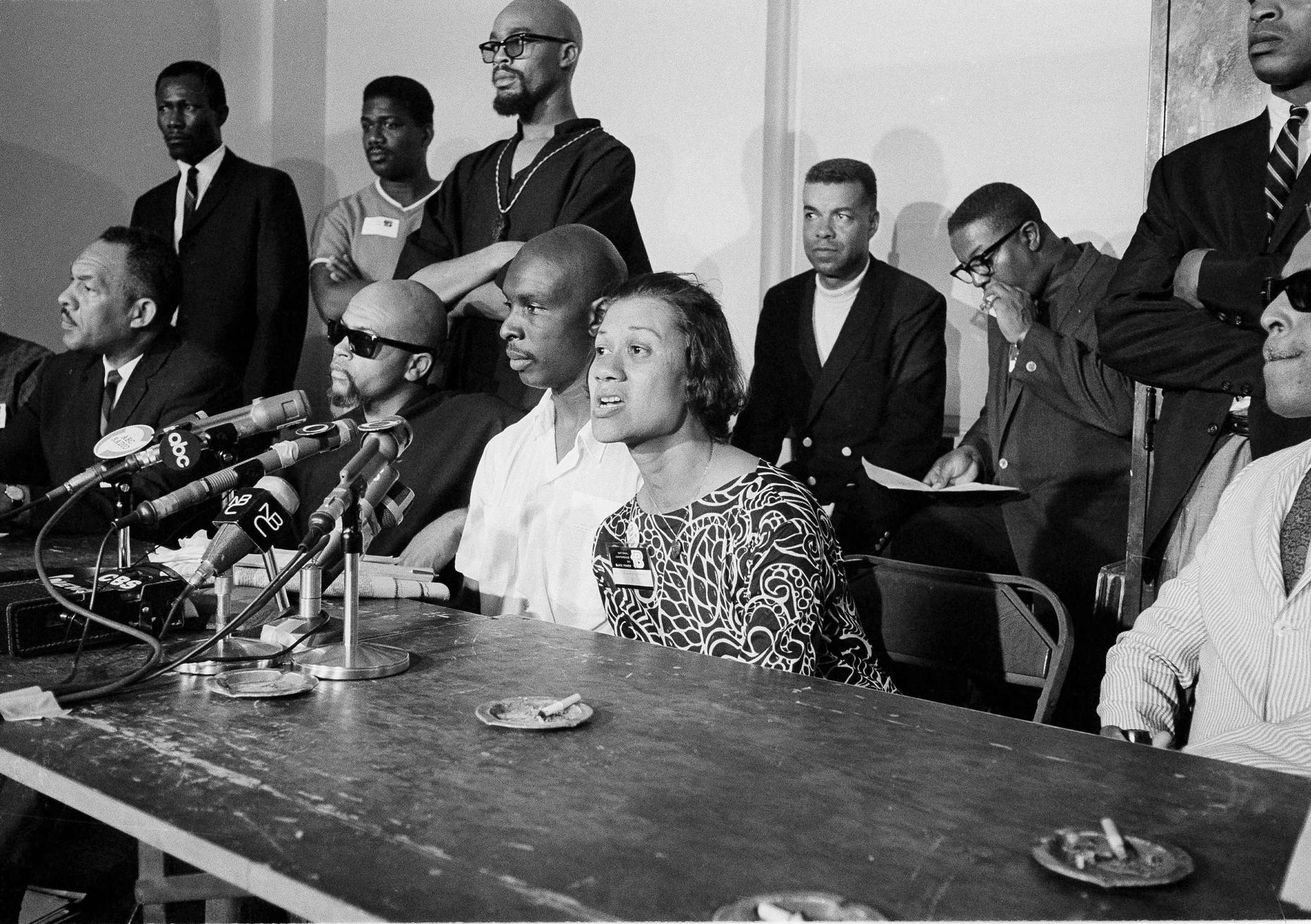
More than 1,000 delegates representing 286 organizations and institutions from 126 cities in 26 states, Bermuda, and Nigeria gathered at the National Conference on Black Power in Newark, New Jersey.
Continue reading
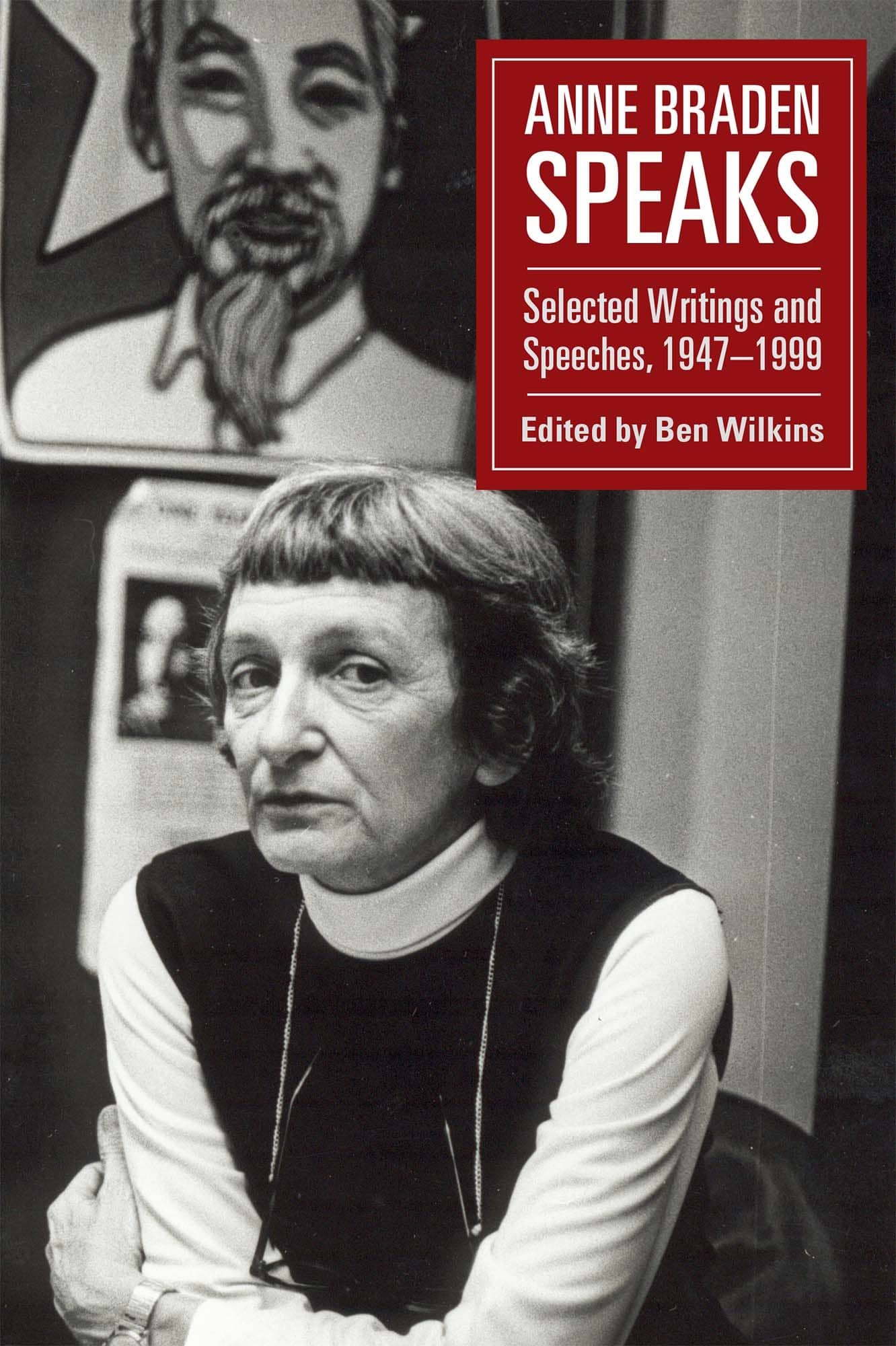
Book — Non-fiction. Edited by Ben Wilkins. 2022. 216 pages.
A representative collection of Anne Braden's writings, speeches, and letters, from the relationship between race and capitalism, to the role of the South in U.S. society, to the function of anti-communism.
Continue reading
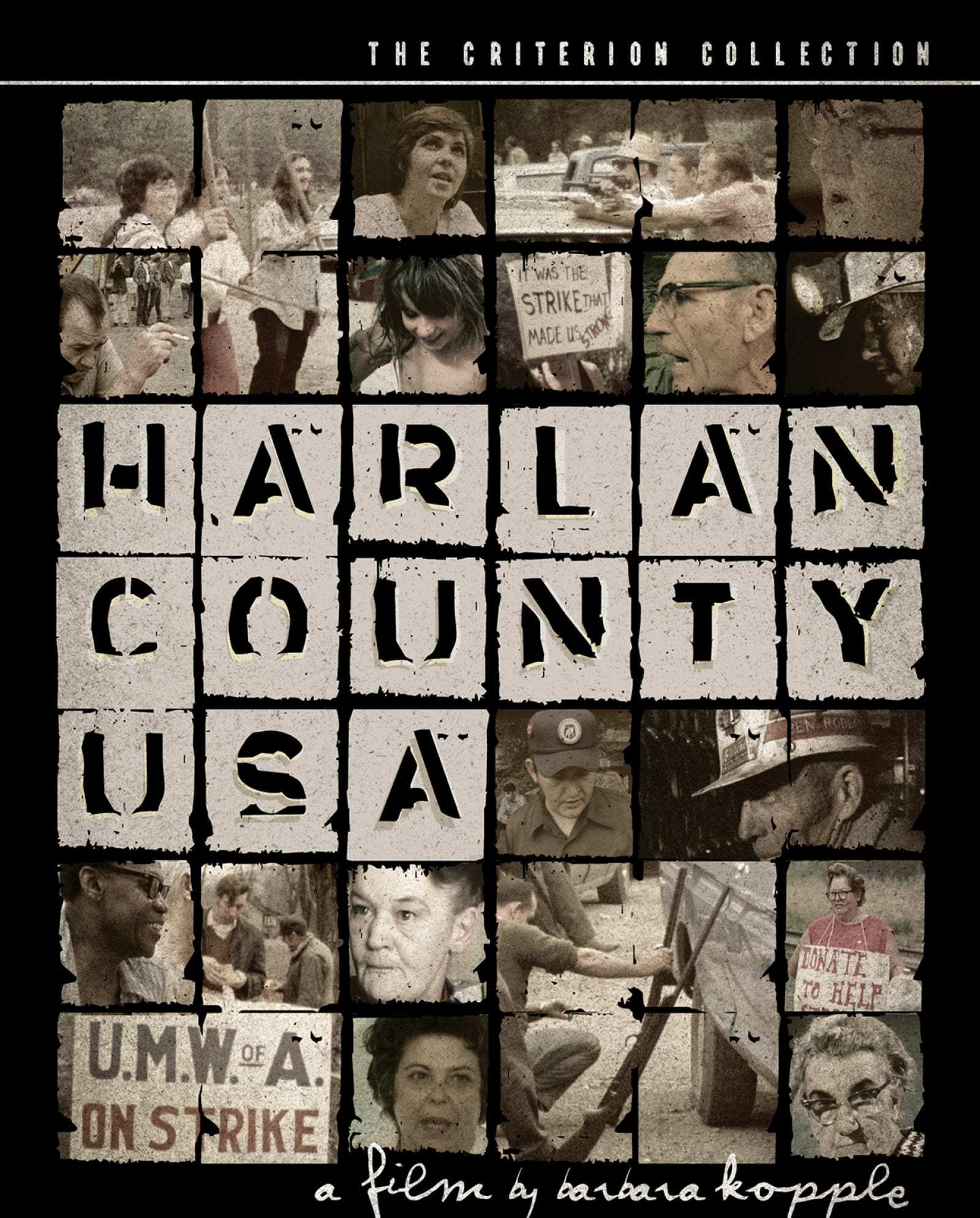
Film. Directed and produced by Barbara Kopple. 1976. 103 minutes.
This documentary tells the story of a Kentucky coal miners' strike and the thirteen-month struggle between a community fighting to survive and a corporation dedicated to the bottom line.
Continue reading
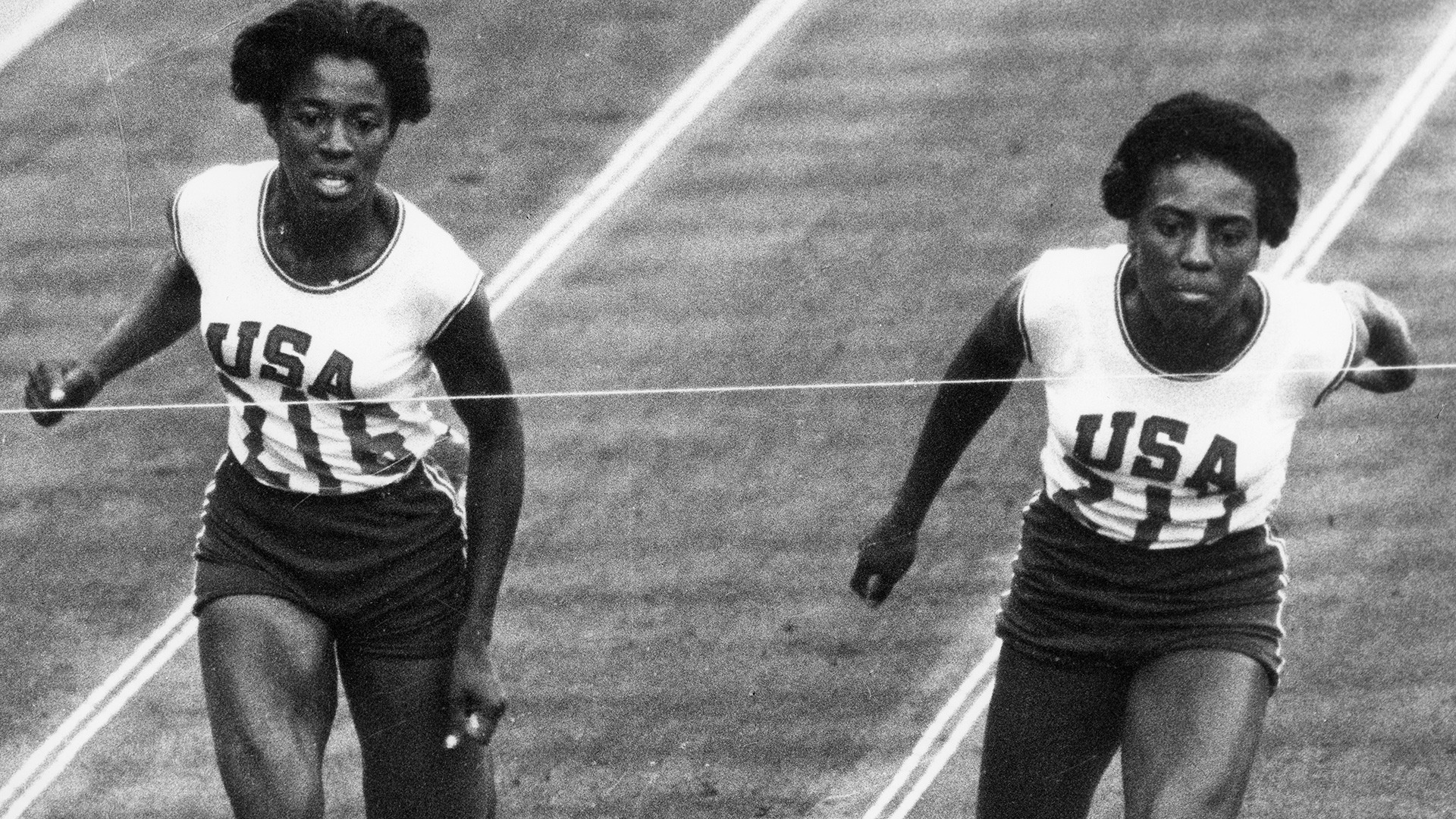
At the XIX Olympic Games in Mexico City in 1968, Wyomia Tyus became the first person to win gold medals in the 100-meter sprint in two consecutive Olympics. She was also participating in Olympic Project for Human Rights (OPHR) protest.
Continue reading
Teaching Activity. By Jesse Hagopian. 4 pages.
With a short video and readings with competing viewpoints, students will learn about master narratives and counter-narratives and how they apply to Rosa Parks’ life. This activity can be introduced before watching the film or reading the book, The Rebellious Life of Mrs. Rosa Parks.
Continue reading
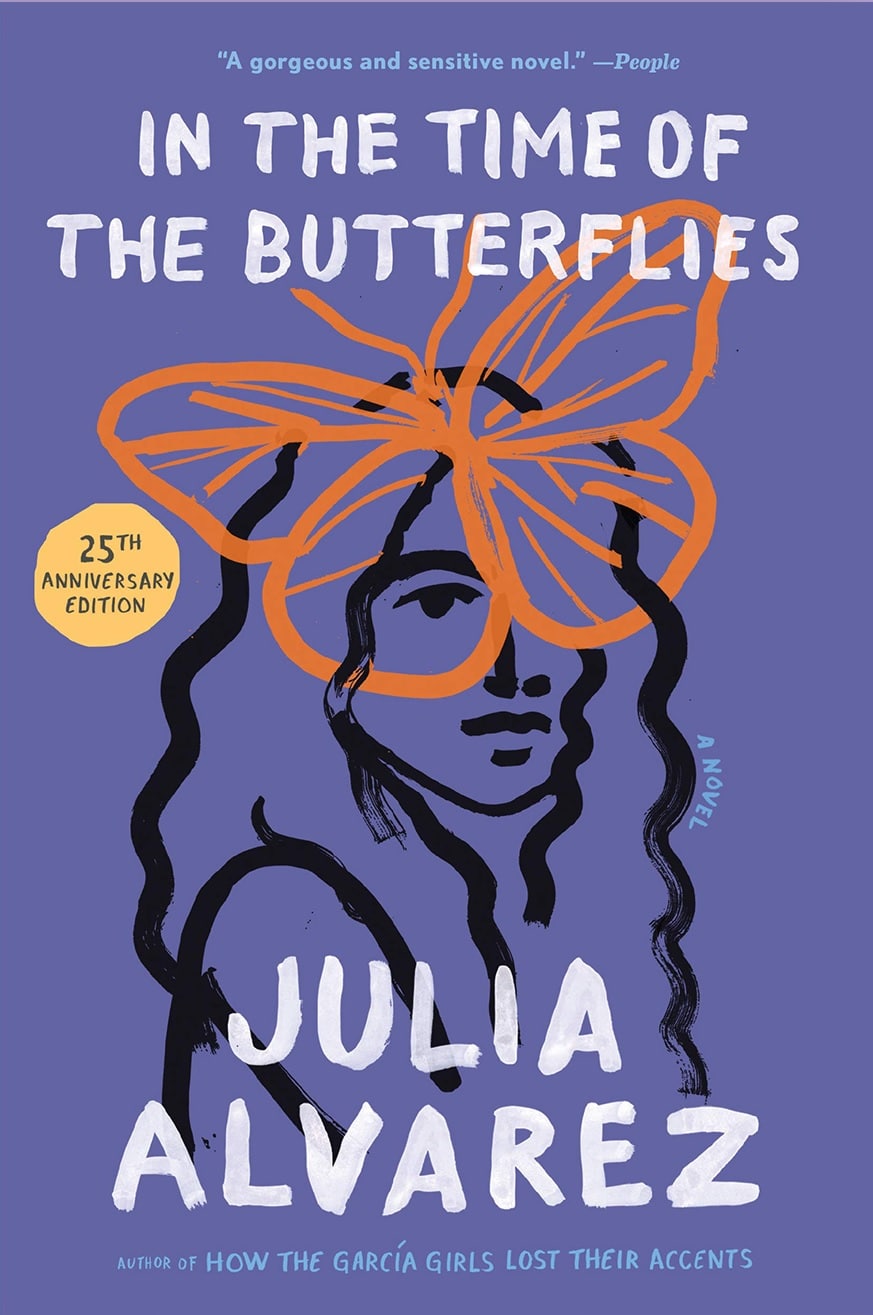
Book — Fiction. By Julia Alvarez. 2010. 352 pages.
The story of Las Mariposas — “The Butterflies” — is about four sisters and their tragic deaths under Trujillo’s dictatorship in the Dominican Republic.
Continue reading
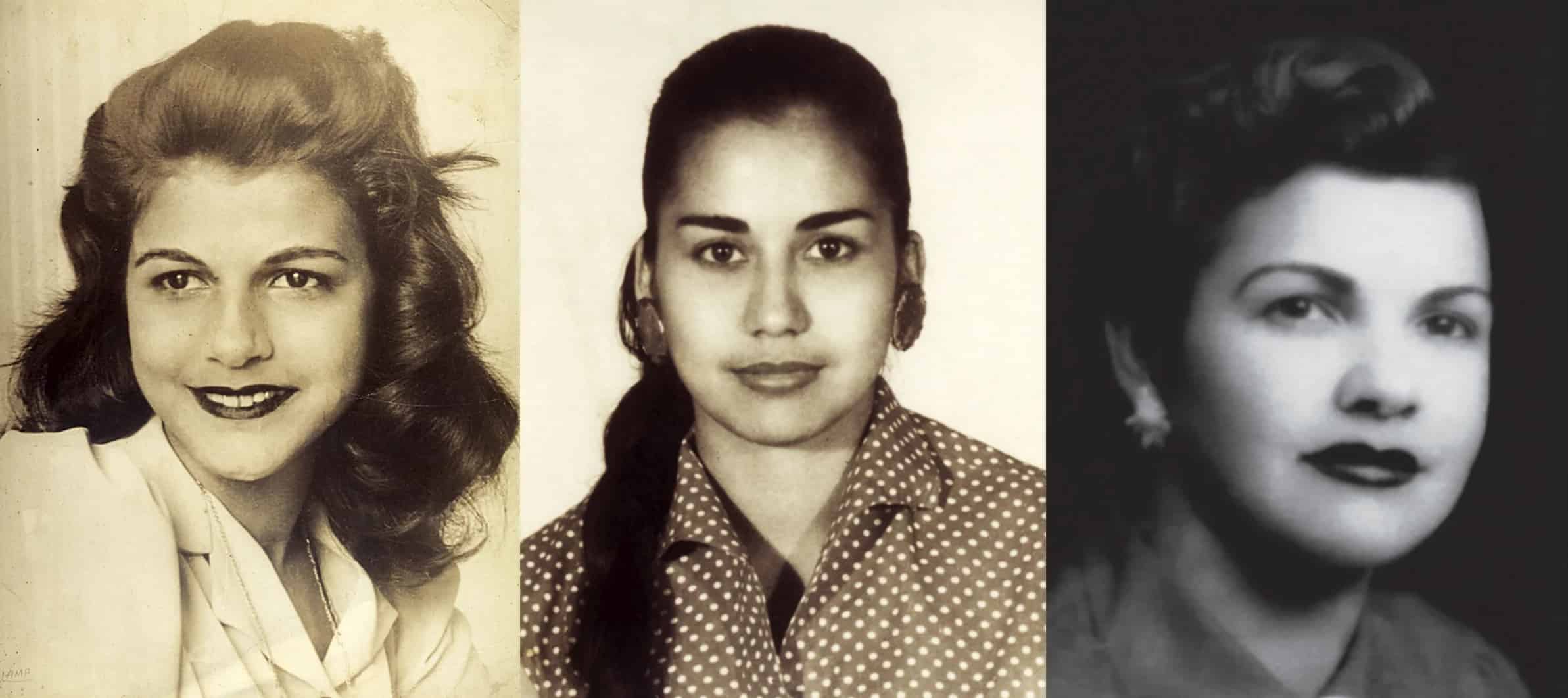
The murder of the Mirabal sisters — who clandestinely opposed the dictatorship of Rafael Trujillo in the Dominican Republic and were then brutally killed — has become an international symbol of resistance to violence against women.
Continue reading
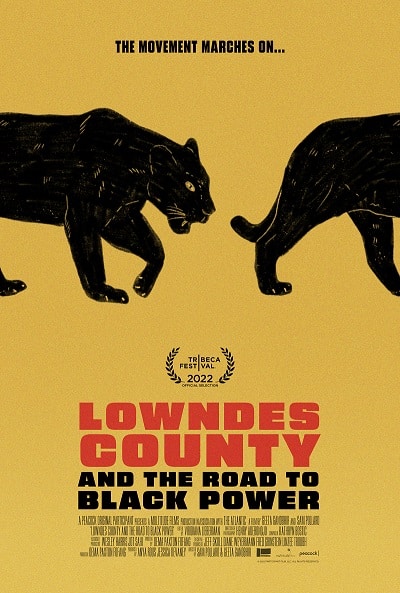
Film. Directed by Sam Pollard and Geeta Gandbhir. 2022. 90 minutes.
The story of young SNCC organizers who fought for voting rights and Black power in Lowndes County, Alabama.
Teaching Activity by Directed by Sam Pollard & Geeta Gandbhir
Continue reading
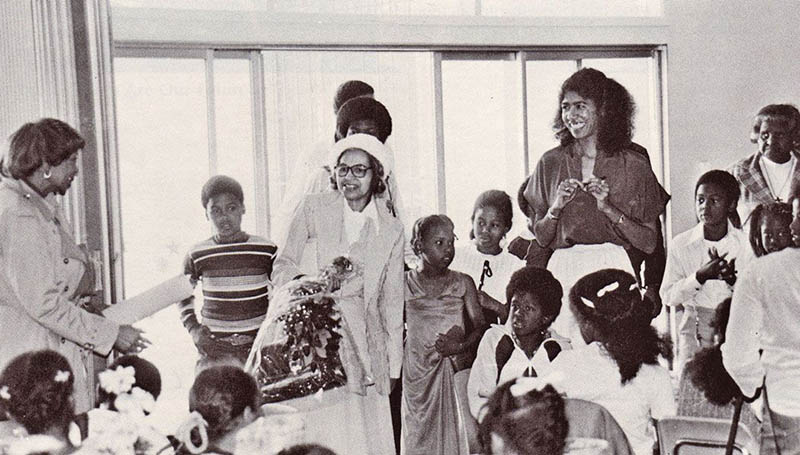
Teaching Activity. By Tiffany Mitchell Patterson and Jessica Rucker.
In this lesson, students explore the core ideas of Black Power through a gallery walk with images and quotes connected to the life of Rosa Parks, and then consider how to define Rosa Parks’s activism.
Continue reading
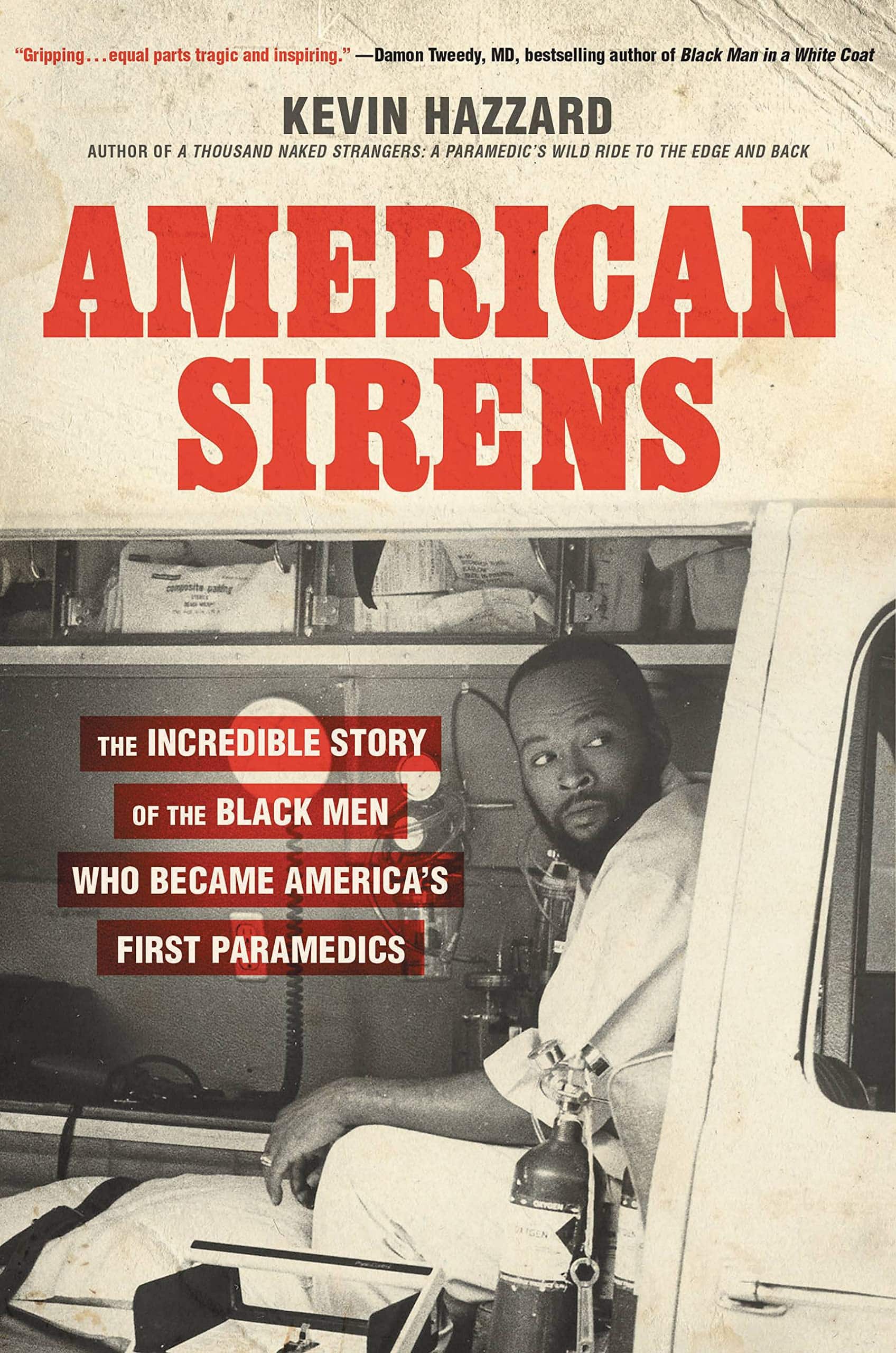
Book — Non-fiction. By Kevin Hazzard. 2022. 336 pages.
The story of the Freedom House EMS in Pittsburgh, a group of Black men who became America's first paramedics and set the gold standard for emergency medicine around the world.
Continue reading
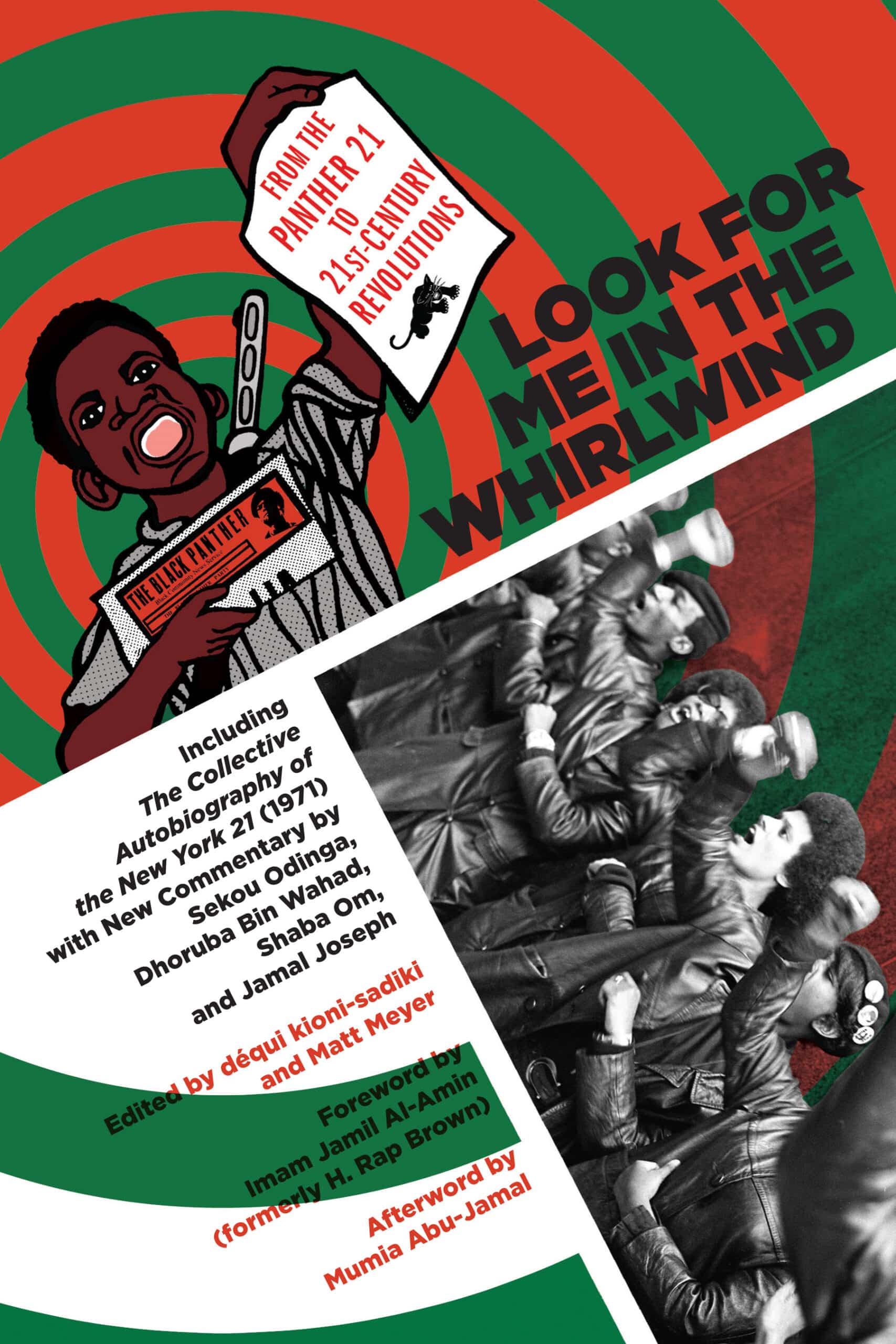
Book — Non-fiction. Edited by déqui kioni-sadiki and Matt Meyer. 2017. 648 pages.
The collective autobiography of the New York Panther 21, an infamous conspiracy case that highlighted government repression of Black liberation activists during the 1960s and 1970s.
Continue reading
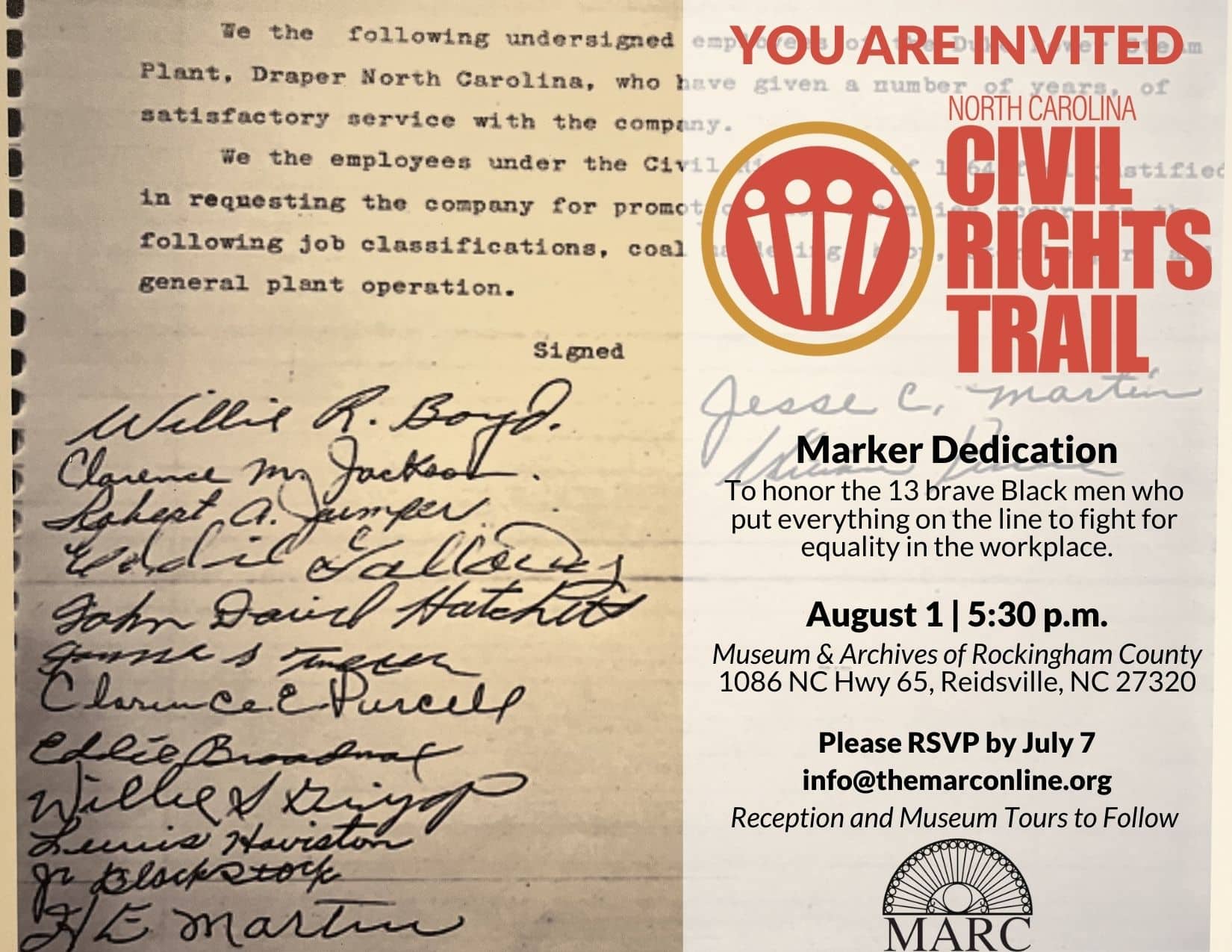
In 1966, 14 Black employees filed a complaint with the EEOC claiming that they were discriminated against in hiring and promotion at a power plant in North Carolina. Five years later, the Supreme Court delivered its landmark unanimous ruling prohibiting discriminatory practices by employers.
Continue reading
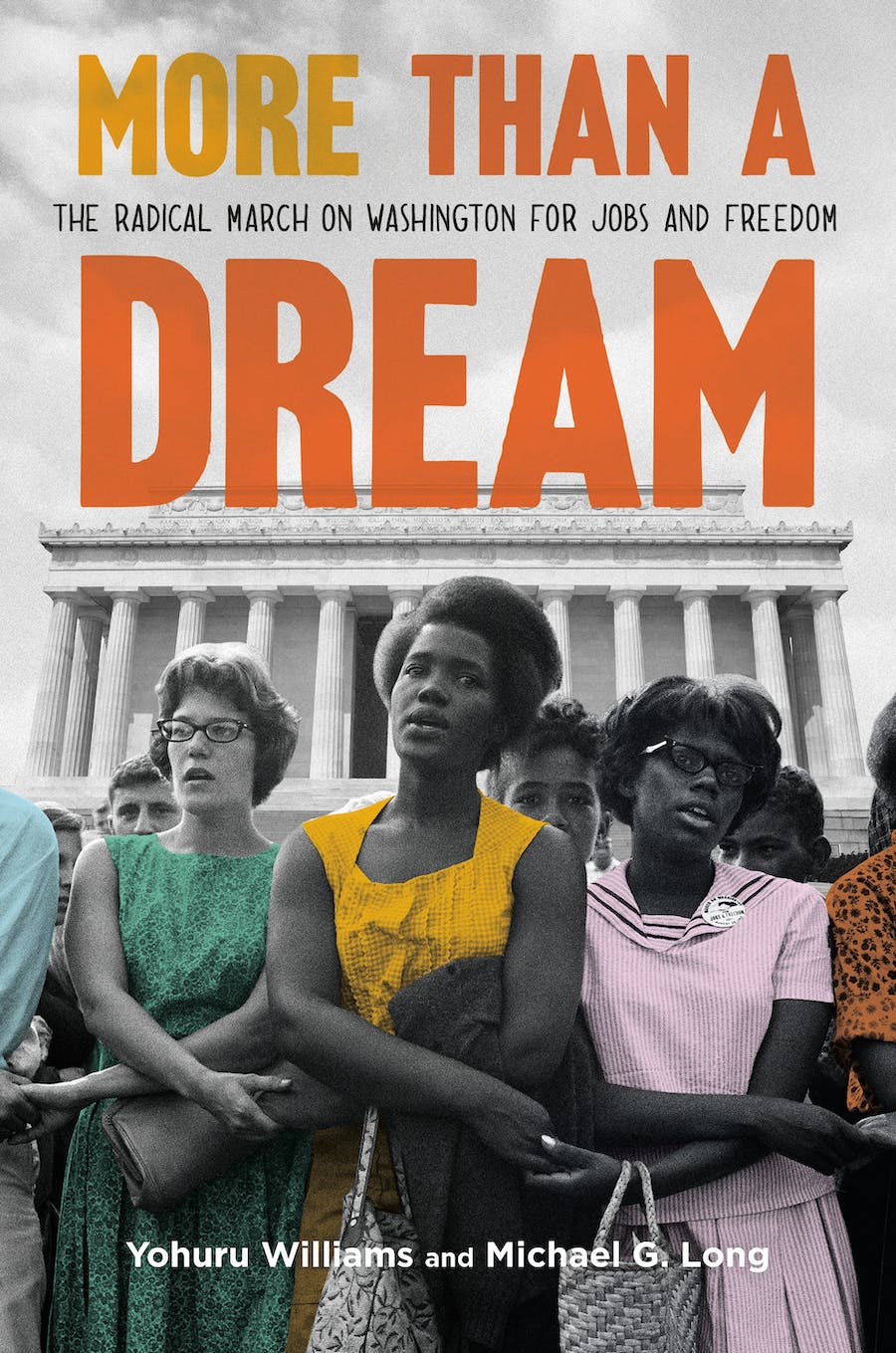
Book — Non-fiction. By Yohuru Williams and Michael G. Long. 2023. 272 pages.
A look at the March on Washington through a wider lens, using Black newspaper reports as a primary resource, recognizing the overlooked work of socialist organizers and Black women protesters, and repositioning this momentous day as radical in its roots, methods, demands, and results.
Continue reading
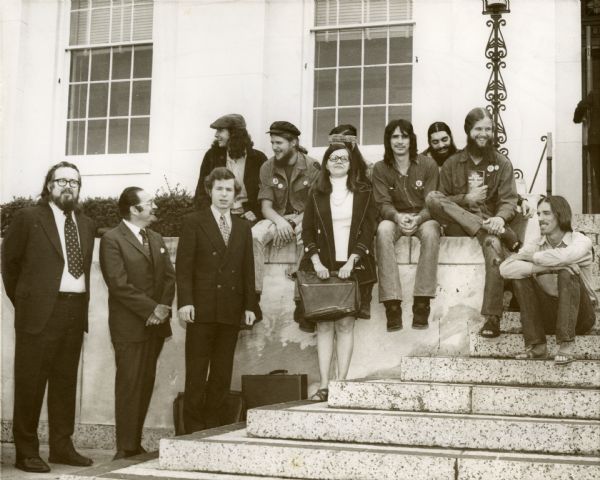
Members of the Vietnam Veterans Against the War (VVAW) were arrested and erroneously charged with inciting violence at the 1972 Republican National Convention in Miami. They were all later acquitted after a lengthy and much publicized trial.
Continue reading
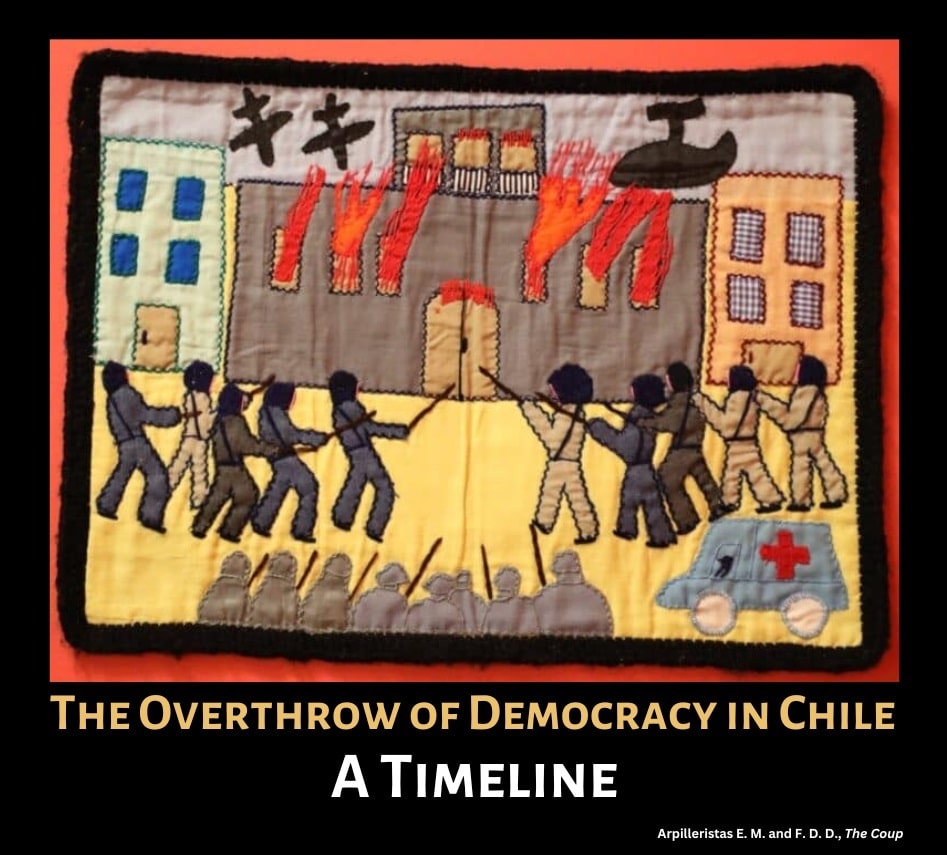
Article. Timeline by Bill Bigelow. 2023.
A timeline of the overthrow of democracy in Chile — the fall of Salvador Allende and the rise of Augusto Pinochet.
Continue reading
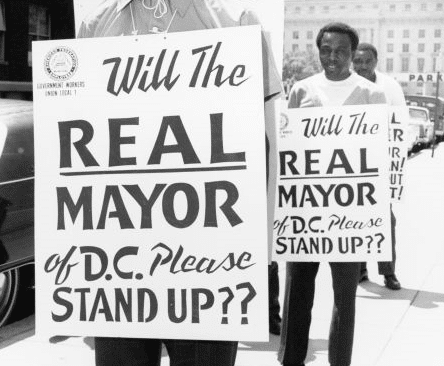
Amidst a looming “garbage crisis” in Washington, D.C., on May 1, 1970, 1,700 sanitation workers went on strike to demand an end to racial discrimination, unsafe working conditions, low pay, and unequal pick-up routes.
Continue reading
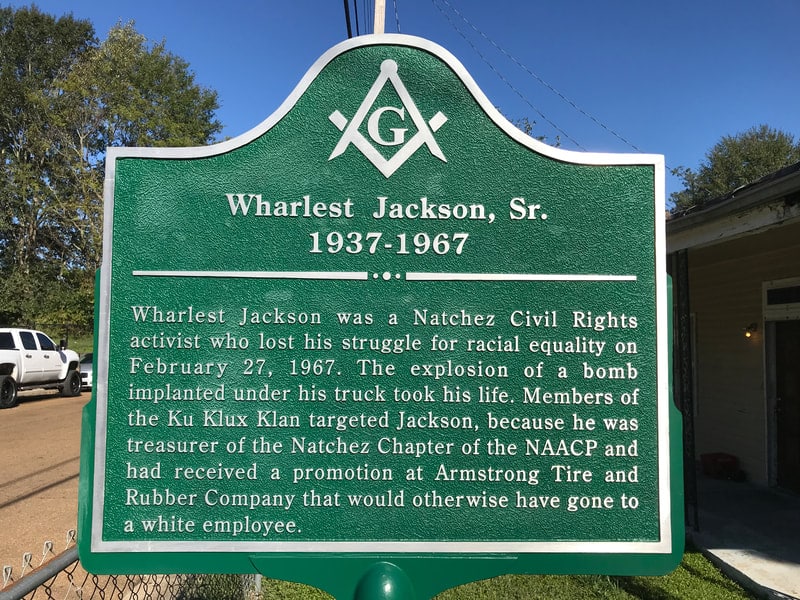
Wharlest Jackson (1930–1967), treasurer of the Natchez, Mississippi branch of the NAACP, was assassinated with a car bomb.
Continue reading
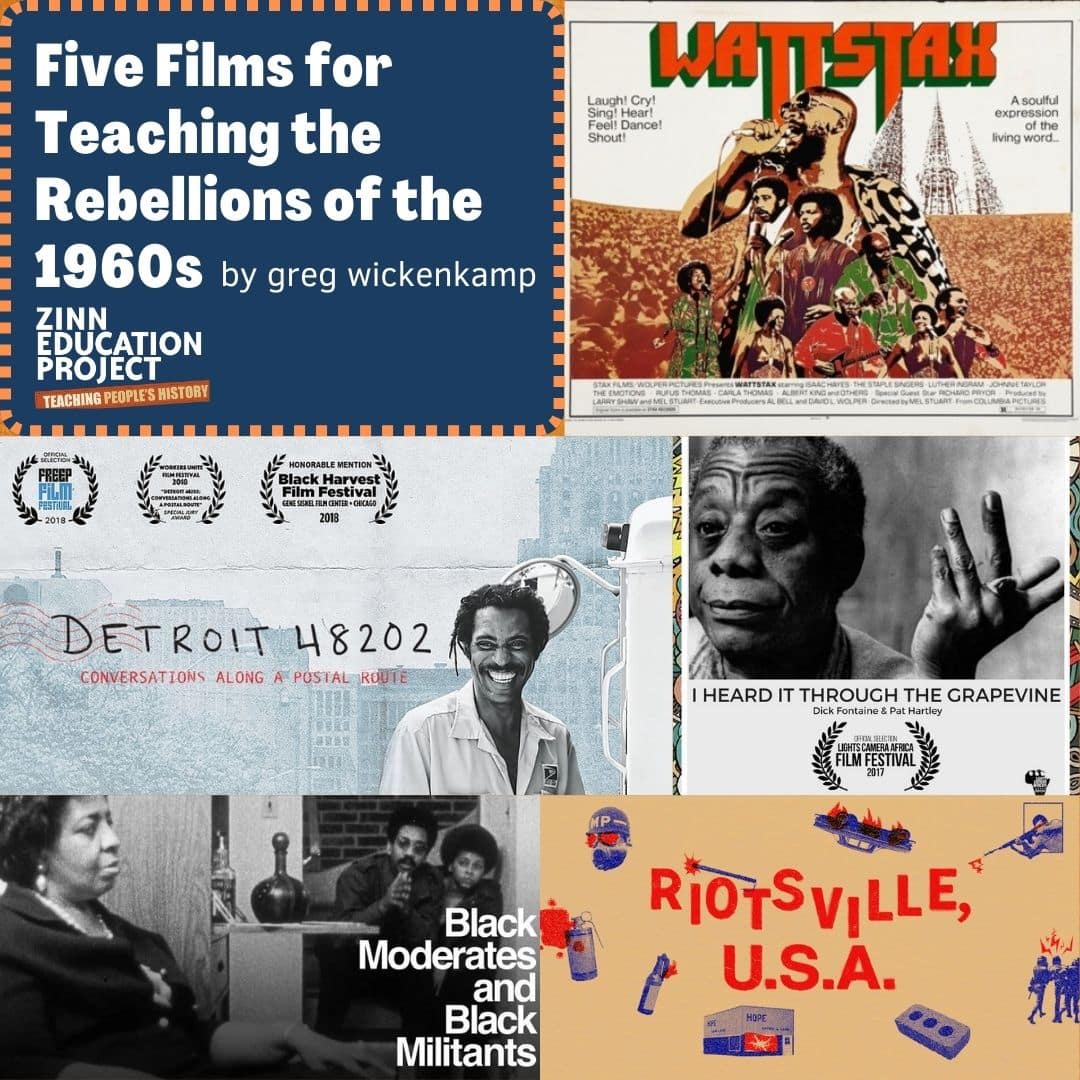
Article. By greg wickenkamp. 2024.
A description of the top five films for teaching about the uprisings of the 1960s, plus a handful of honorable mentions.
Continue reading
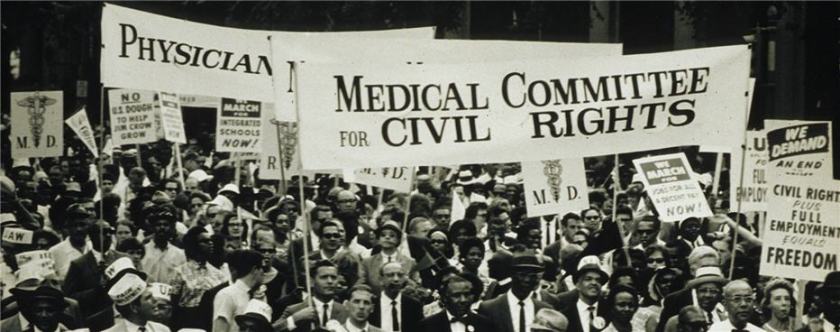
The Medical Committee for Human Rights (MCHR) provided support to civil rights workers in Mississippi at the height of the Civil Rights Movement and raised awareness of the health care disparities due to racism in the United States.
Continue reading