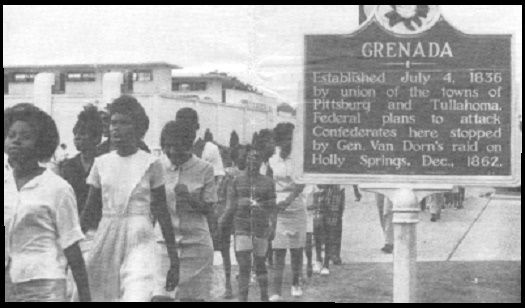
The Grenada, Mississippi school board shuttered school instead of opening its doors to registered Black students.
Continue reading
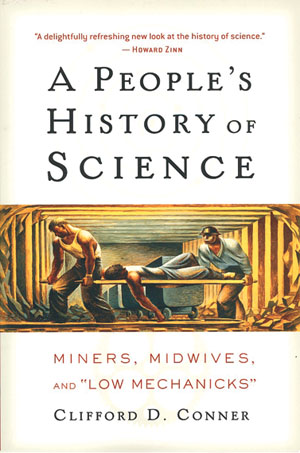
Book — Non-fiction. By Clifford D. Conner. 2005. 554 pages.
New look at history of science, highlights hunter-gatherers, farmers, sailors, miners, blacksmiths, and more.
Continue reading
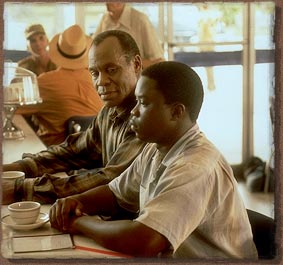
Film. By Phil Alden Robinson. 2006. 117 minutes.
Based on the actual history of the Student Nonviolent Coordinating Committee (SNCC), student activism, and voter registration in McComb, Mississippi, during the Civil Rights Movement.
Continue reading
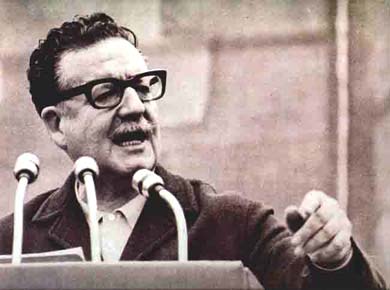
Chile’s democratically elected president, Salvador Allende was killed in a U.S.-backed coup.
Continue reading
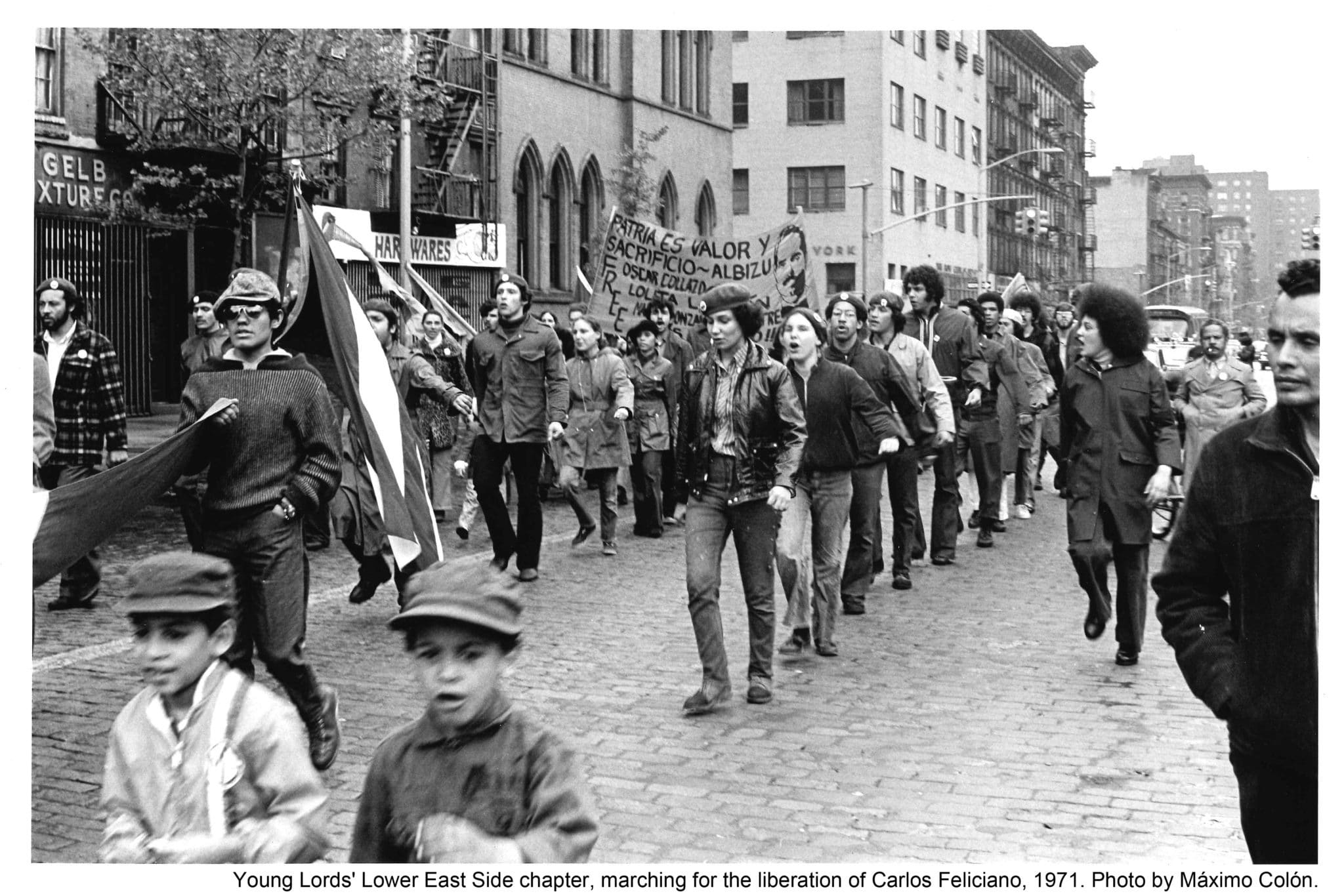
The Young Lords were established in Chicago, Illinois in 1968, led by a street activist named Cha Cha Jiménez, who organized the group to fight local gentrification, police brutality, and racism.
Continue reading
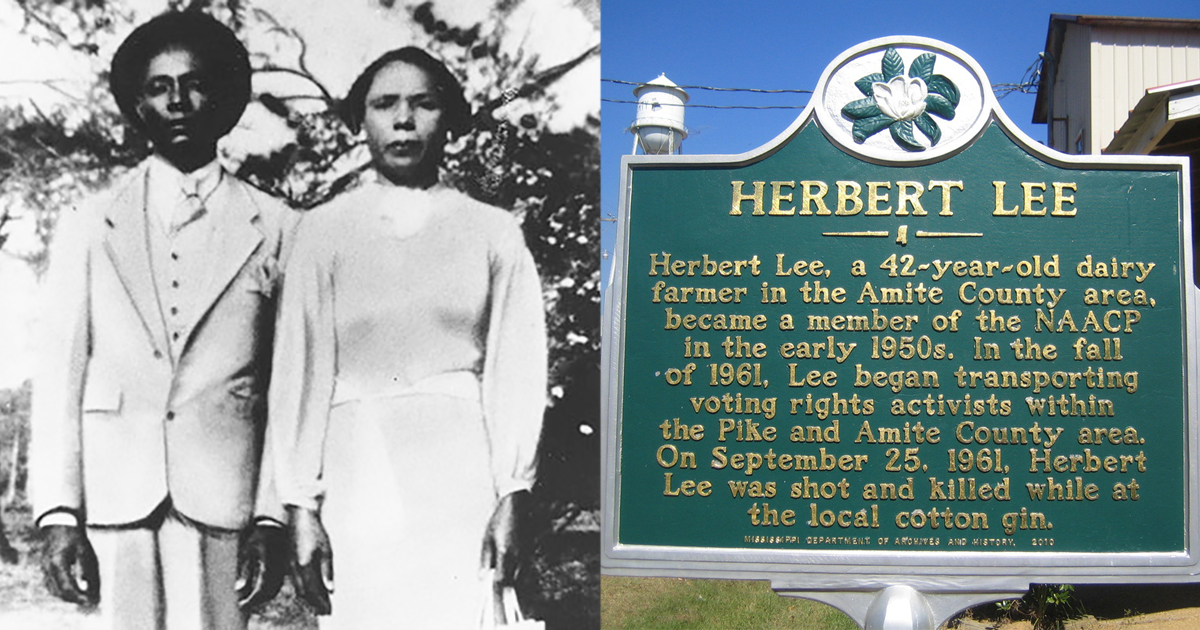
Herbert Lee, a farmer who helped voting rights activists, was murdered by a Mississippi state legislator in broad daylight.
Continue reading
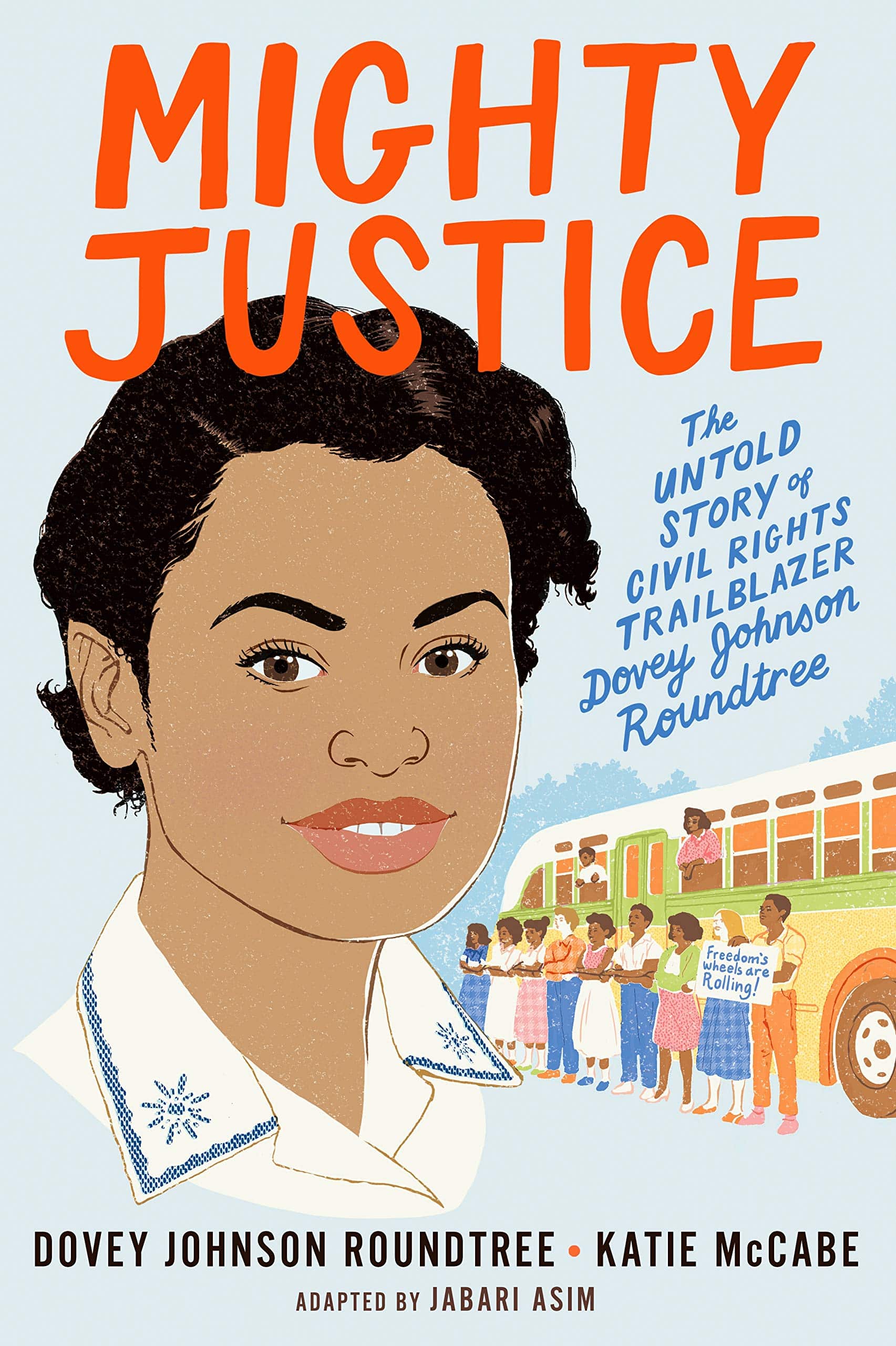
Book — Non-fiction. By Katie McCabe and Jabari Asim. 2020. 208 pages.
A young readers' adaptation of Mighty Justice: My Life in Civil Rights, the memoir of activist lawyer Dovey Johnson Roundtree.
Continue reading
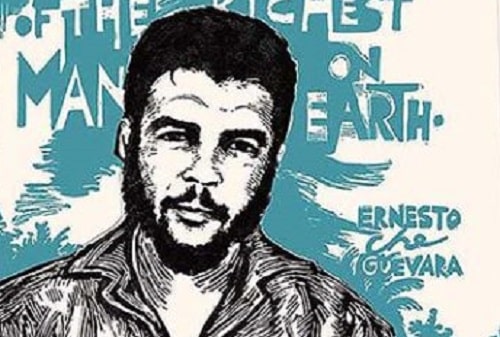
Che Guevara was killed by U.S. military backed-Bolivian forces, working with the CIA.
Continue reading
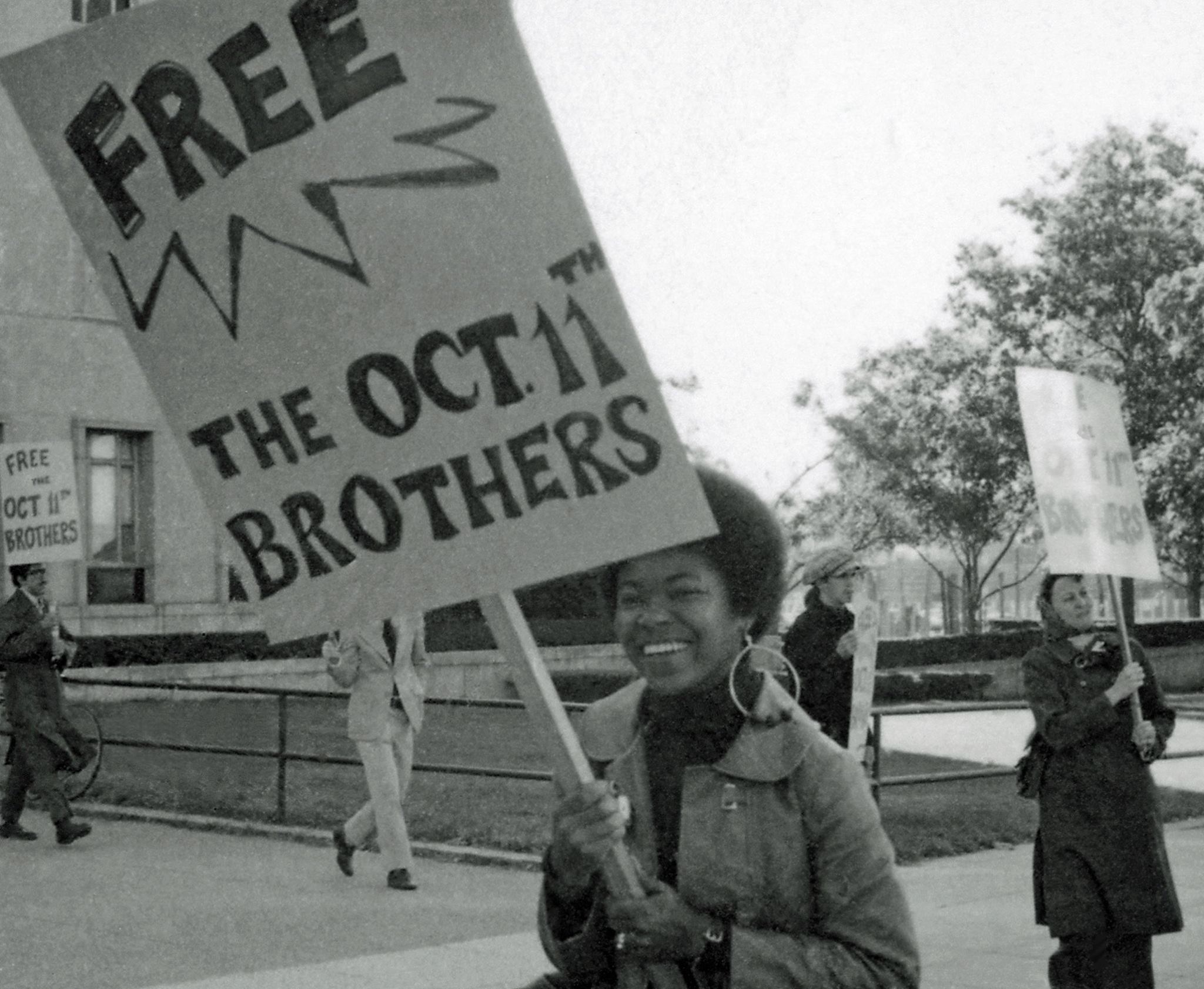
An uprising took place at a Washington, D.C. jail to protest conditions.
Continue reading
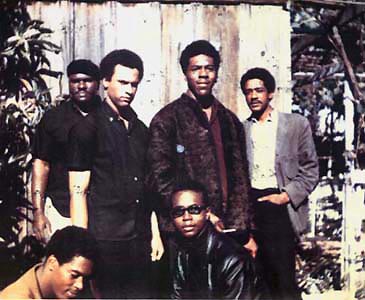
The Black Panther Party sought justice for African Americans and other oppressed communities through a combination of revolutionary theory, education, and community programs.
Continue reading
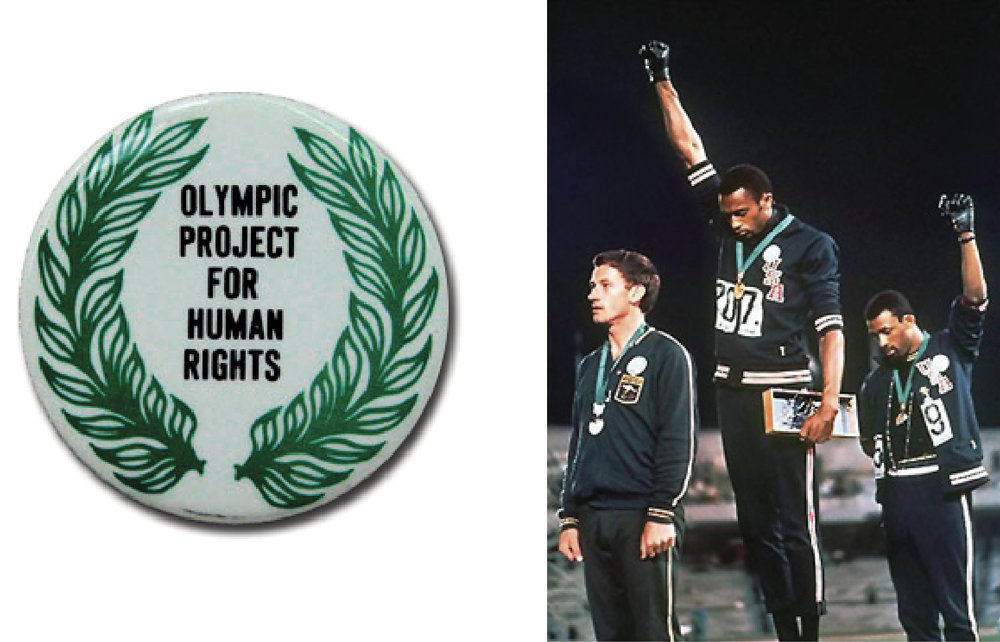
Tommie Smith and John Carlos made a symbolic protest while the U.S. national anthem was played in the Olympics.
Continue reading
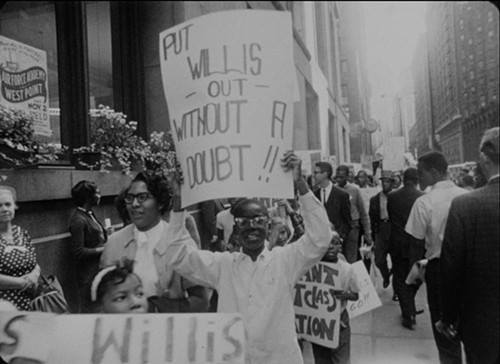
The Chicago Public School Boycott, also known as Freedom Day, was a mass boycott and demonstration against the segregationist policies.
Continue reading
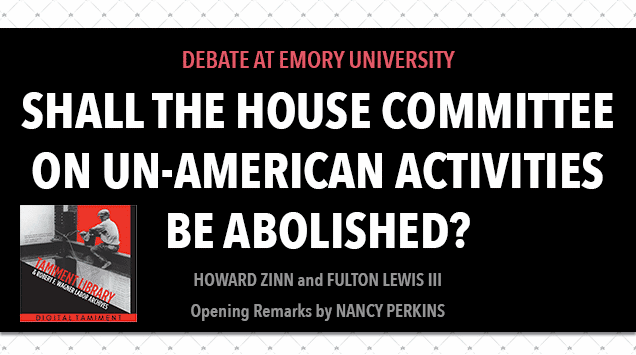
Howard Zinn debated Fulton Lewis III, a journalist and member of the House Un-American Activities Committee, on the question of “Shall the House Committee on Un-American Activities Be Abolished?”
Continue reading
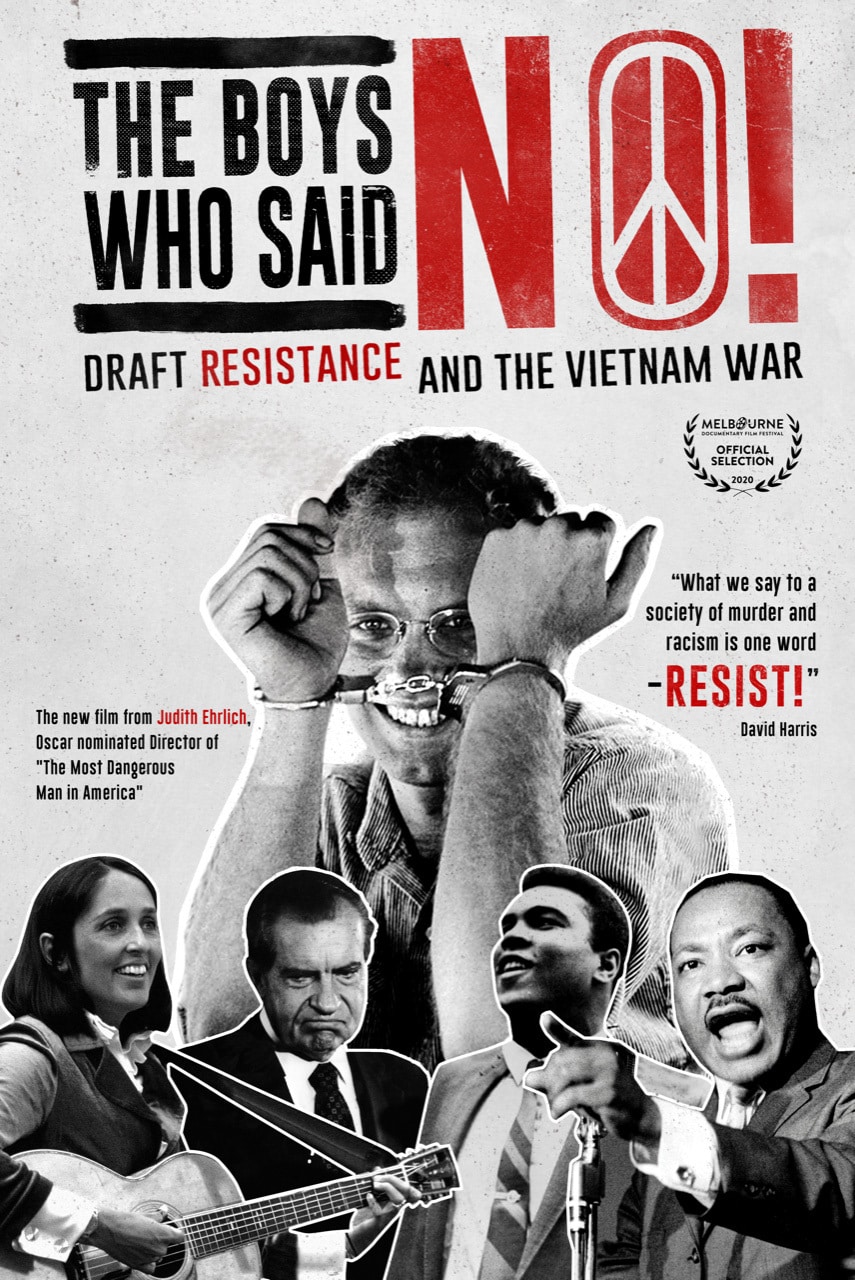
Film. Directed by Judith Ehrlich. 2020. 95 minutes.
A documentary uses interviews and found footage to tell the inspiring story and impact of the anti-Vietnam War draft resistance movement.
Continue reading
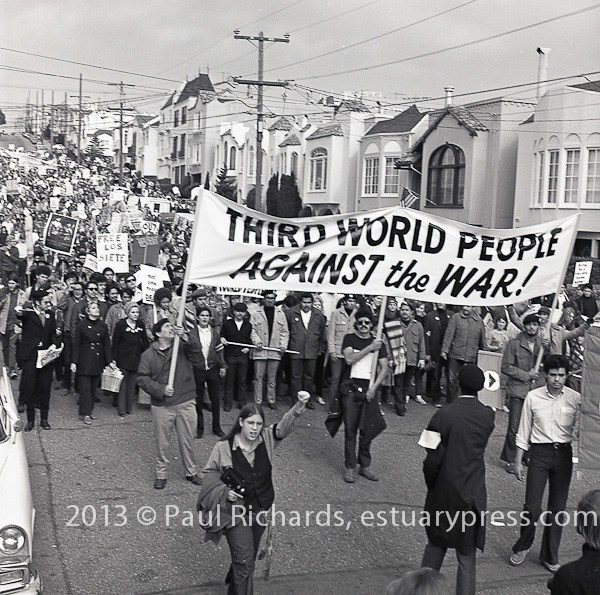
The second anti-war Moratorium occurred with over 500,000 marching in Washington, D.C. and demonstrations throughout the country and the world.
Continue reading
Teaching Activity. By Doug Sherman. Rethinking Schools. 4 pages.
The author describes how he uses biographies and film to introduce students to the role of people involved in the Civil Rights Movement beyond the familiar heroes. He emphasizes the role and experiences of young people in the Movement.
Continue reading
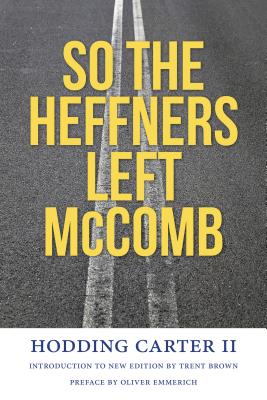
Book — Non-fiction. By Hodding Carter II. Reprinted 2016. 176 pages.
Profile of a white family persecuted for being hospitable to civil rights workers.
Continue reading
Viola Liuzzo (April 11, 1925 – March 25, 1965), Civil Rights activist, was murdered in 1965 by the KKK after the Selma to Montgomery March.
Continue reading
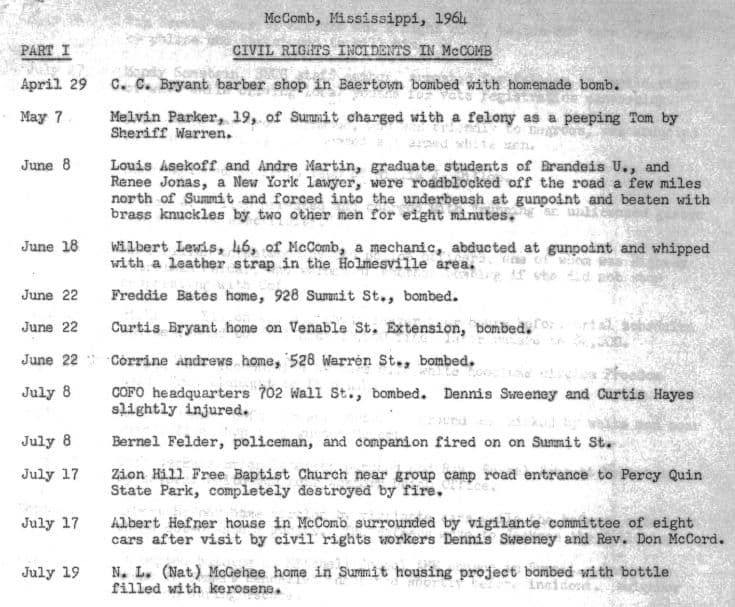
A white family (the Heffners) in McComb, Mississippi, left after a campaign of harassment, ostracism, and economic retaliation for having spoken to civil rights workers.
Continue reading
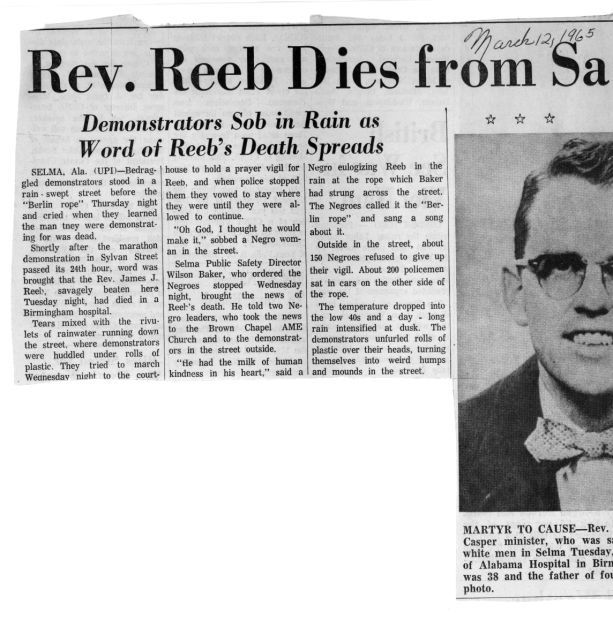
Rev. James Reeb died as a result of being severely beaten by a group of white men during Bloody Sunday in Selma two days earlier.
Continue reading
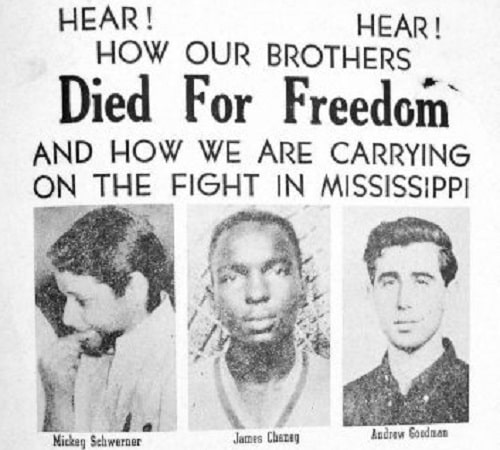
James Chaney, Michael Schwerner, and Andrew Goodman were tortured and murdered by the Ku Klux Klan in Neshoba County, Mississippi.
Continue reading
Teaching Activity. By Bill Bigelow.
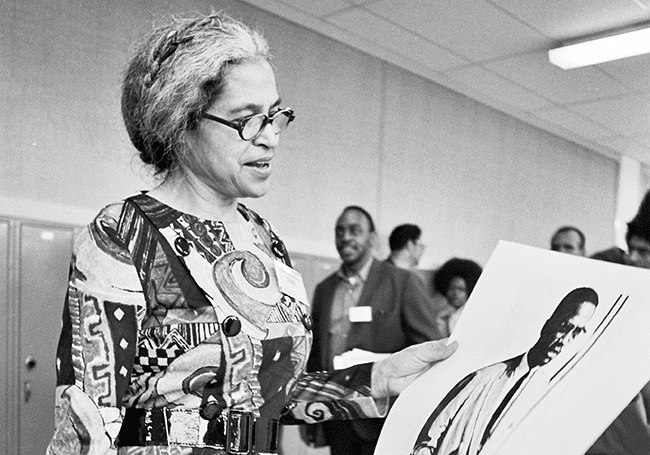
In this mixer lesson, students learn about Rosa Parks' many decades of activism by taking on roles from various times in her life. In this way, students learn about her radicalism before, during, and long after the Montgomery Bus Boycott.
Continue reading
Profile.
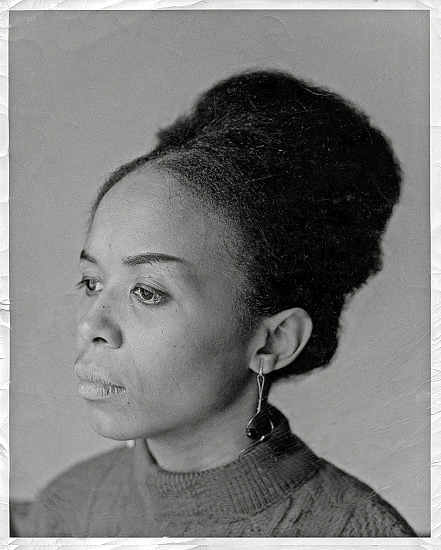
Dorie Ladner (June 28, 1942-March 11, 2024) was a Student Nonviolent Coordinating Committee (SNCC) veteran, social worker, and lifelong activist.
Continue reading
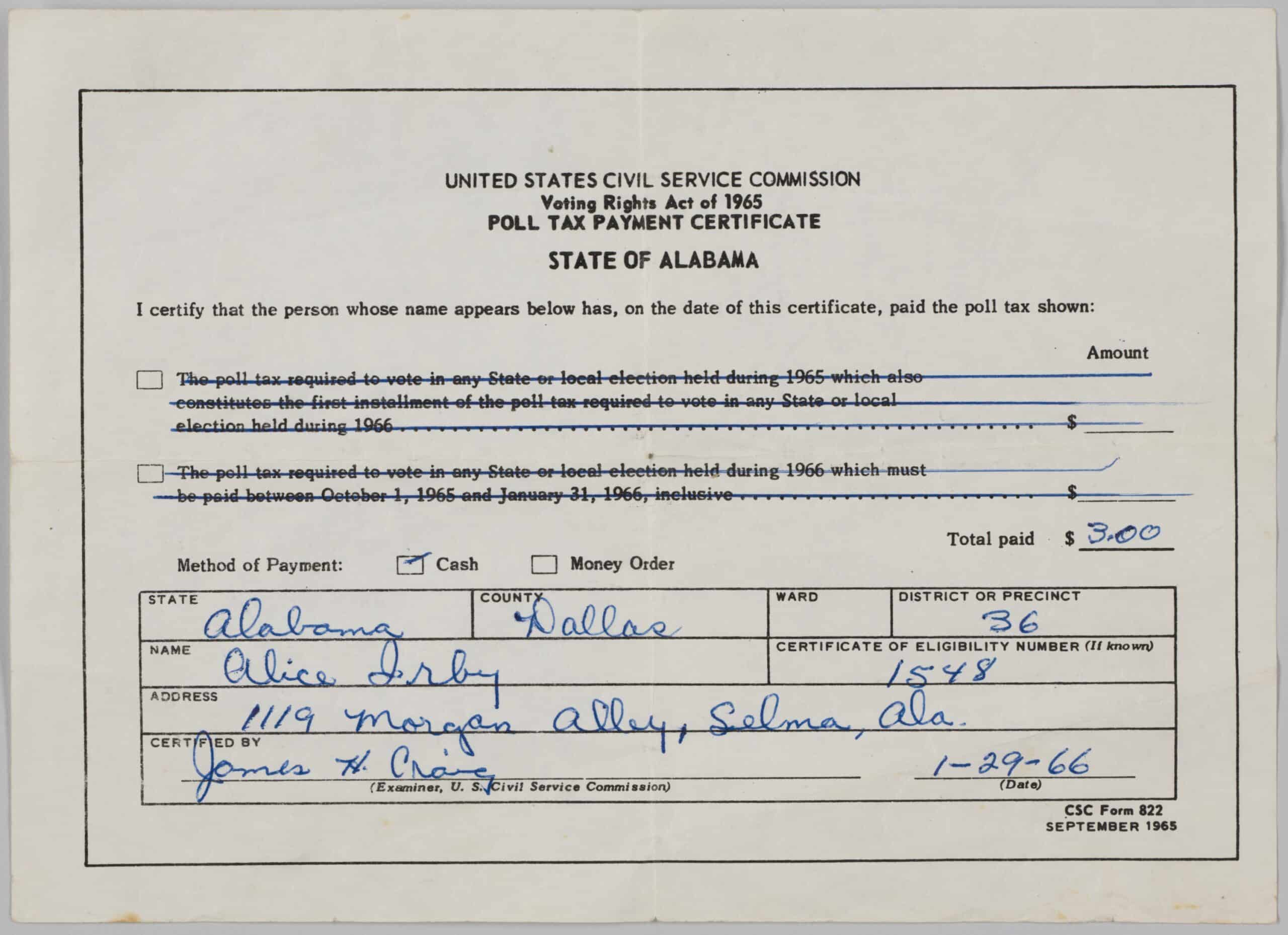
The 24th Amendment to the Constitution of the United States was ratified.
Continue reading
Film. National Park Service. 2020. 23 minutes.
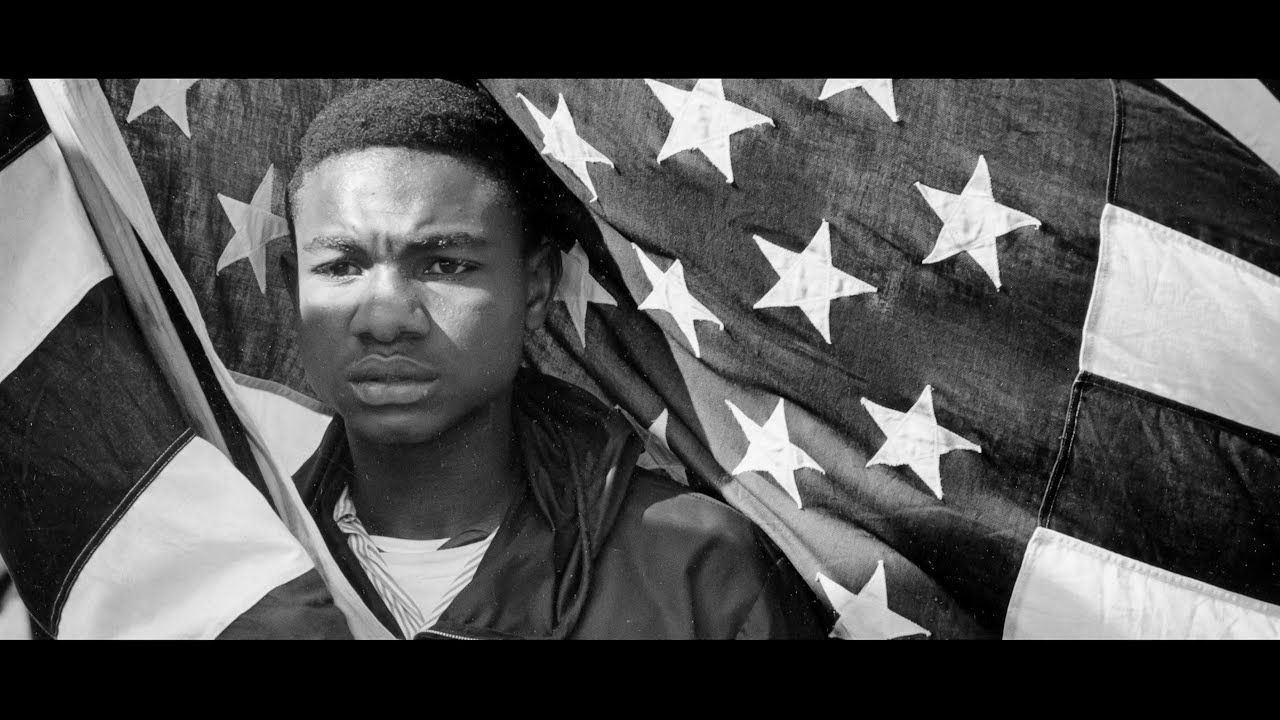
Documentary about the role of young people in the voting rights movement in Alabama in the 1960s.
Continue reading