Book — Non-fiction. By Orisanmi Burton. 2023. 328 pages.
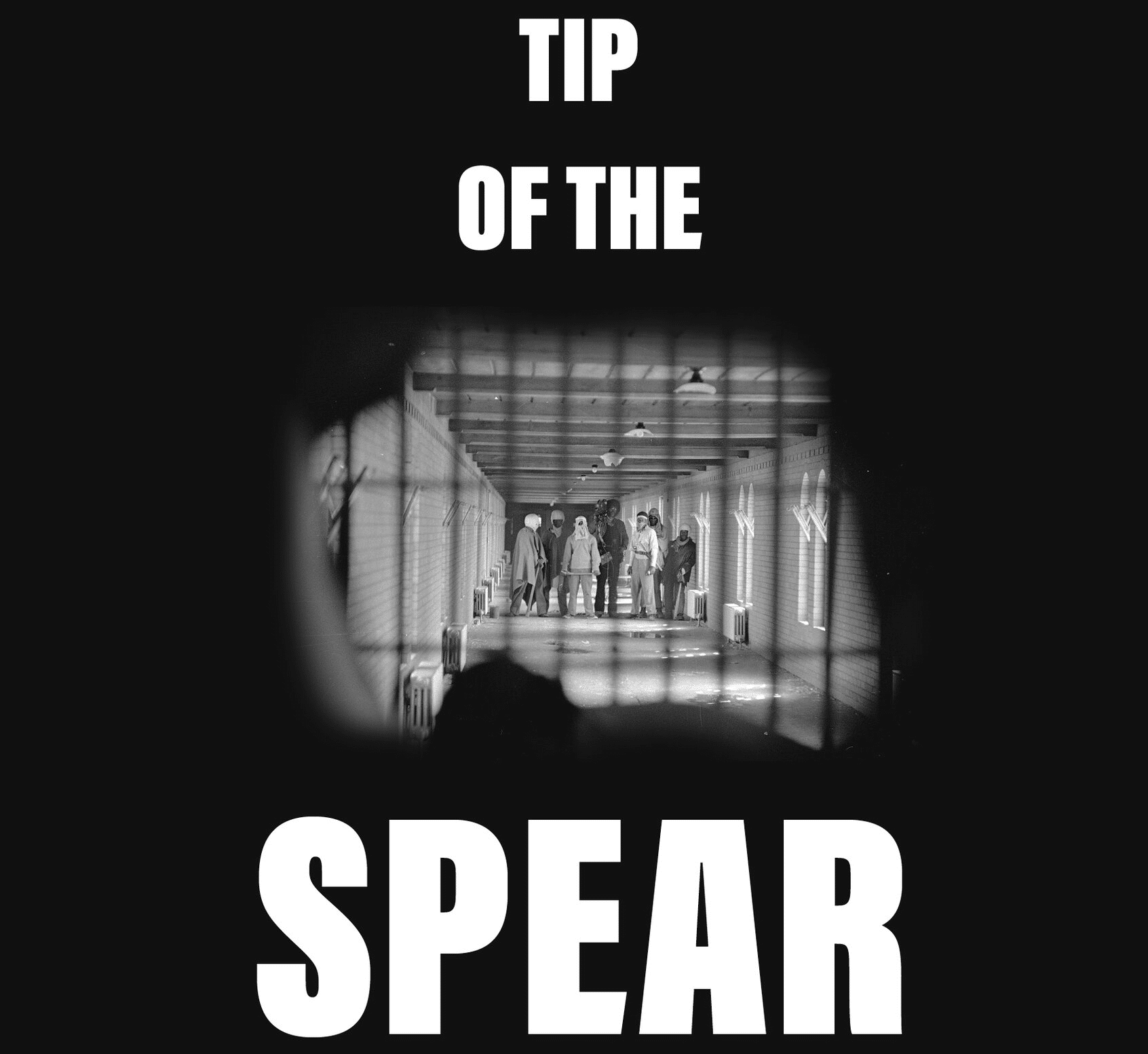
Drawing on oral history and applying Black radical theory in ways that center the intellectual and political goals of incarcerated people, this book argues that prisons are a domain of hidden warfare within U.S. borders.
Continue reading
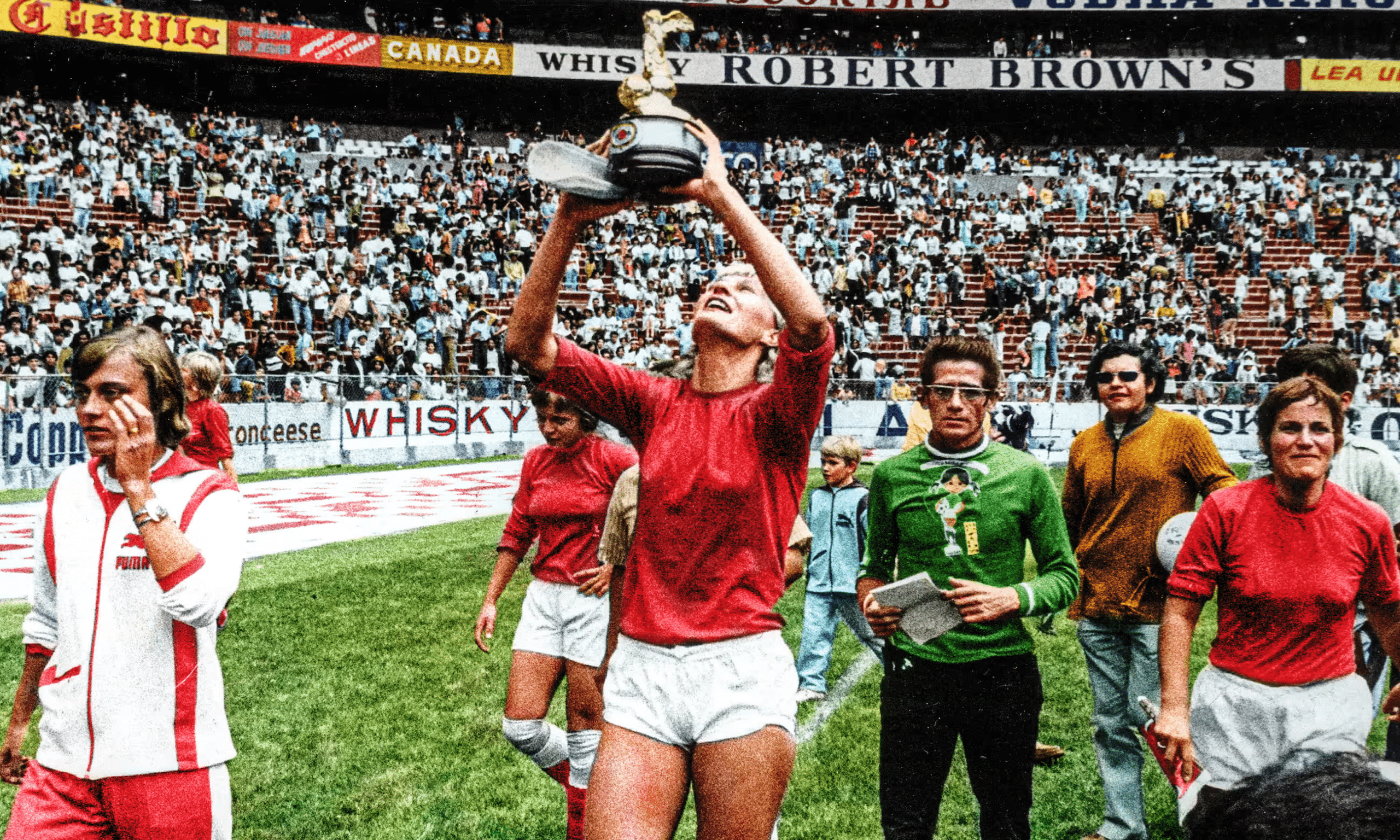
In 1971, Denmark beat Mexico in the second unofficial Women’s World Cup in front of a sold-out crowd of 112,500 fans at Mexico’s Aztec Stadium. As of 2024, it is still the most attended women’s sporting event on record.
Continue reading
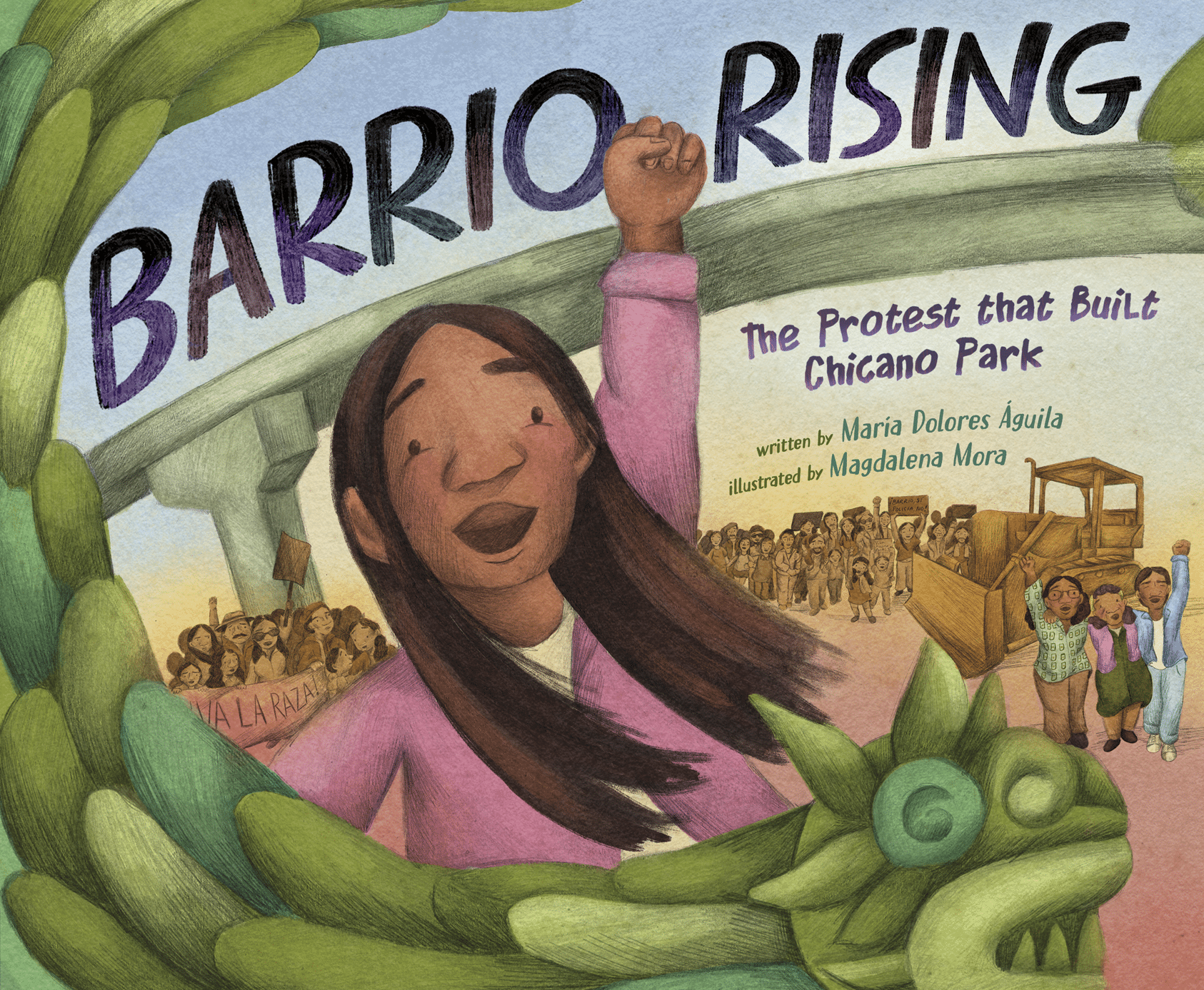
Picture book. By María Dolores Águila and illustrated by Magdalena Mora. 2024. 40 pages.
The true story of how community members organized a massive protest in 1970, forcing the city council to change its plans.
Continue reading
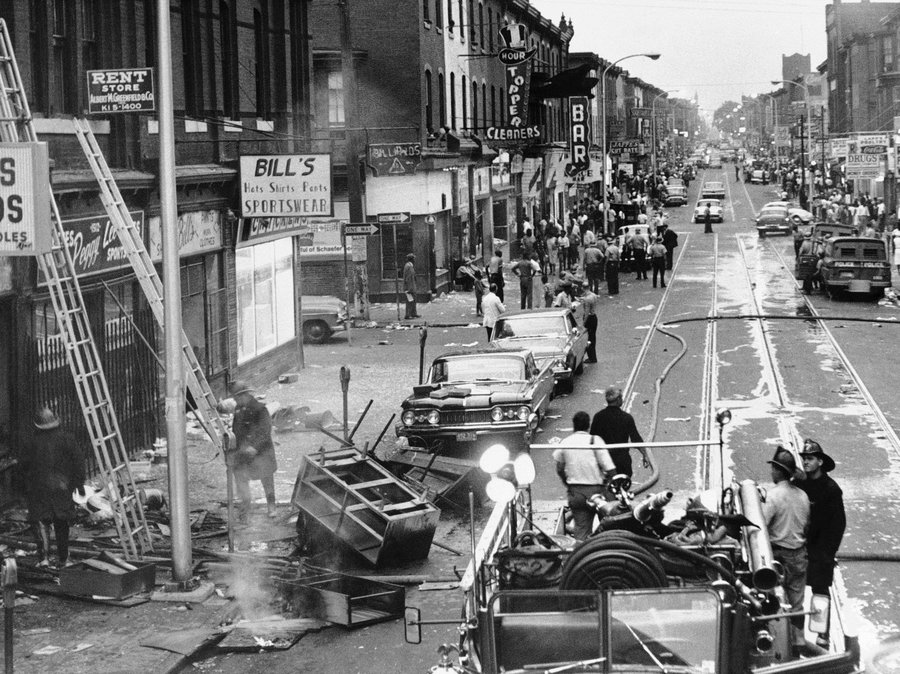
The Columbia Avenue Riot began in the predominantly African American neighborhoods of North Philadelphia after an altercation with the police and continued for three days.
Continue reading
Students and faculty from Tougaloo College held a sit-in at the Woolworth’s lunch counter in Jackson, Mississippi.
Continue reading
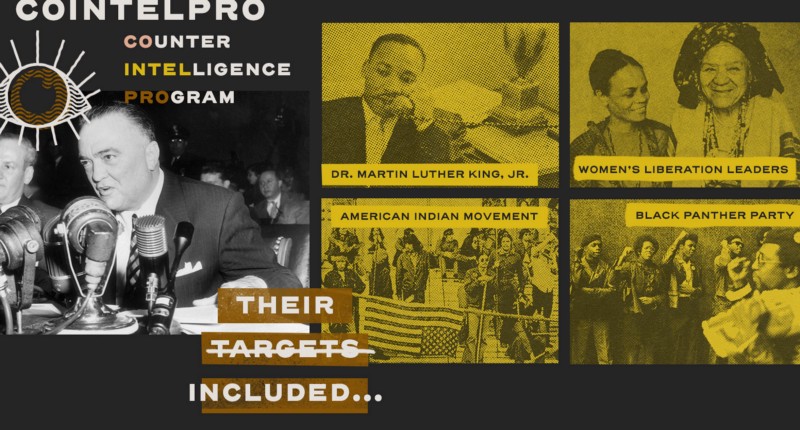
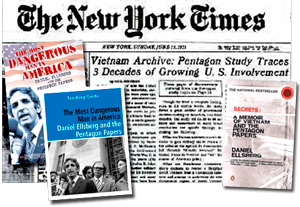
A cab driver, a day care provider, and two professors broke into an FBI office in Media, Pennsylvania, and stole more than 1,000 classified documents.
Continue reading
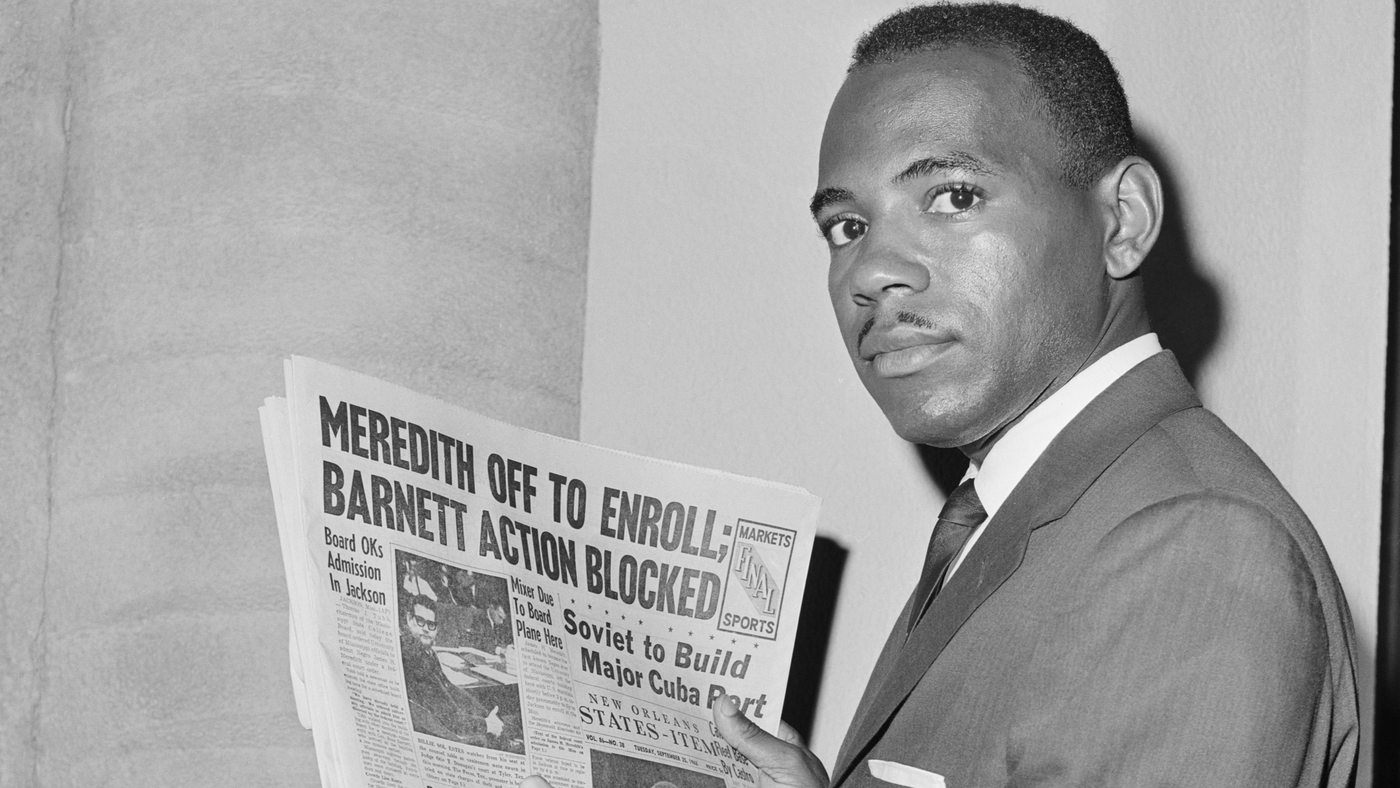
James Meredith attempted to register at the University of Mississippi.
Continue reading
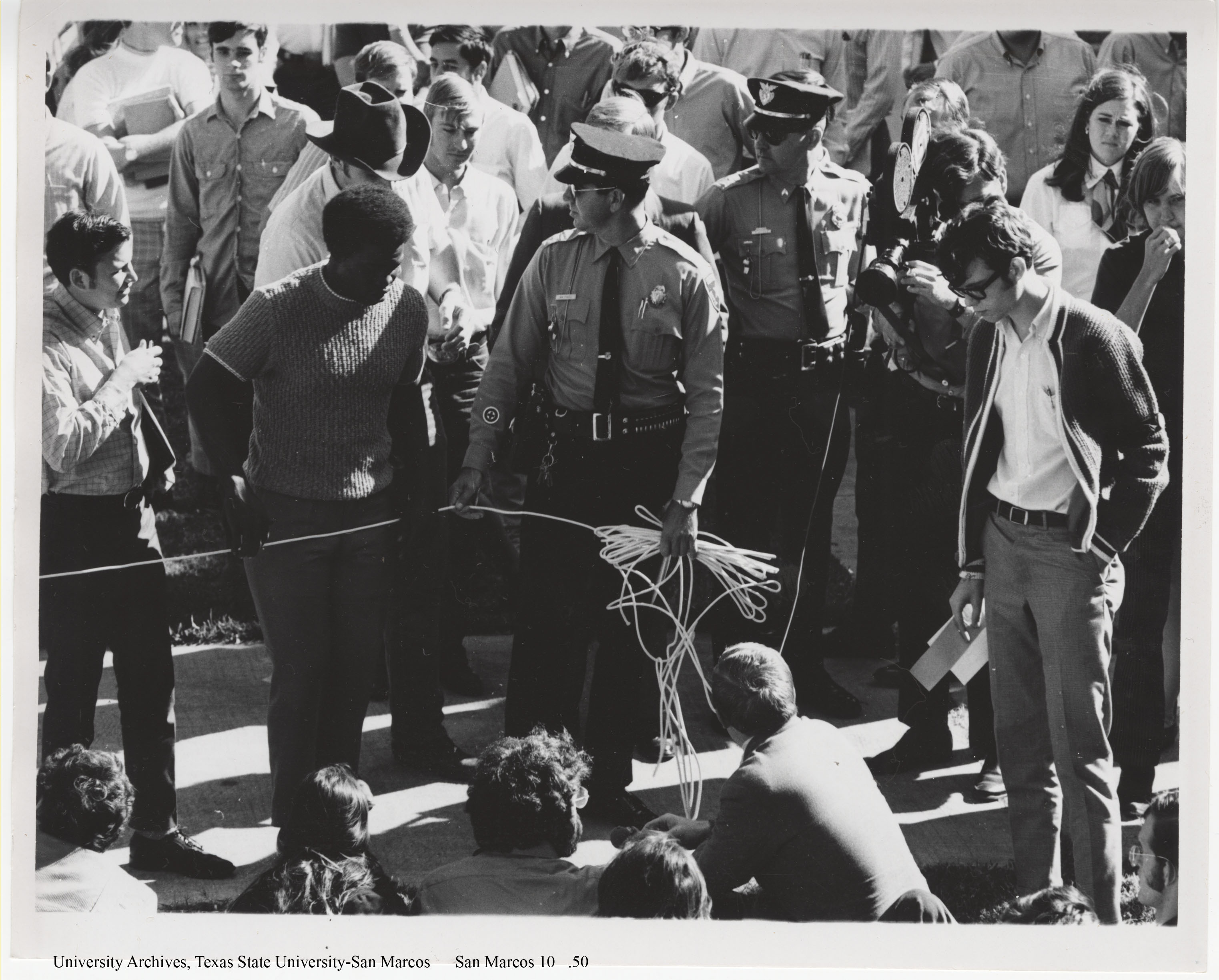
A group of students were suspended at Southwest Texas State University for peacefully protesting the Vietnam War.
Continue reading
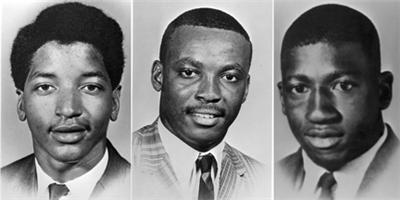
Two years before the Kent State murders, 28 students were injured and three were killed in Orangeburg, South Carolina — most shot in the back by the state police while involved in a peaceful protest.
Continue reading
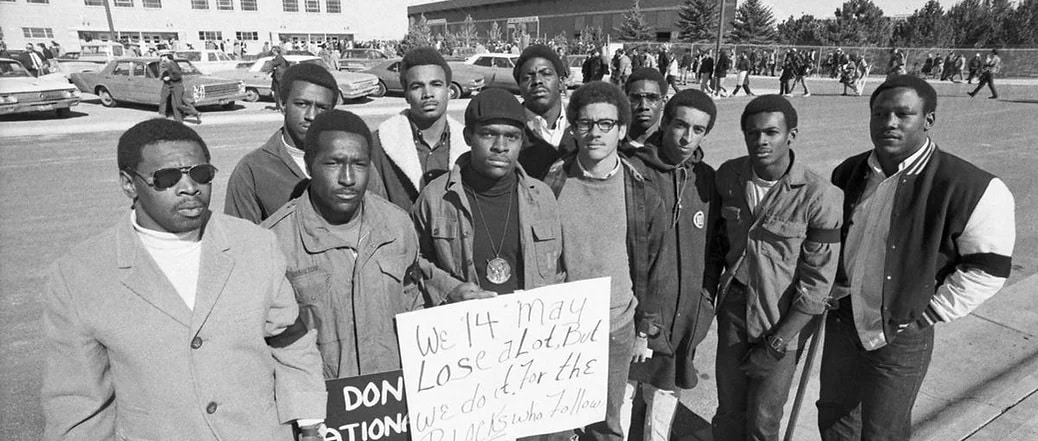
Fourteen Black football players at the University of Wyoming were fired when their coach learned they wanted to wear black armbands during a game against Brigham Young University.
Continue reading
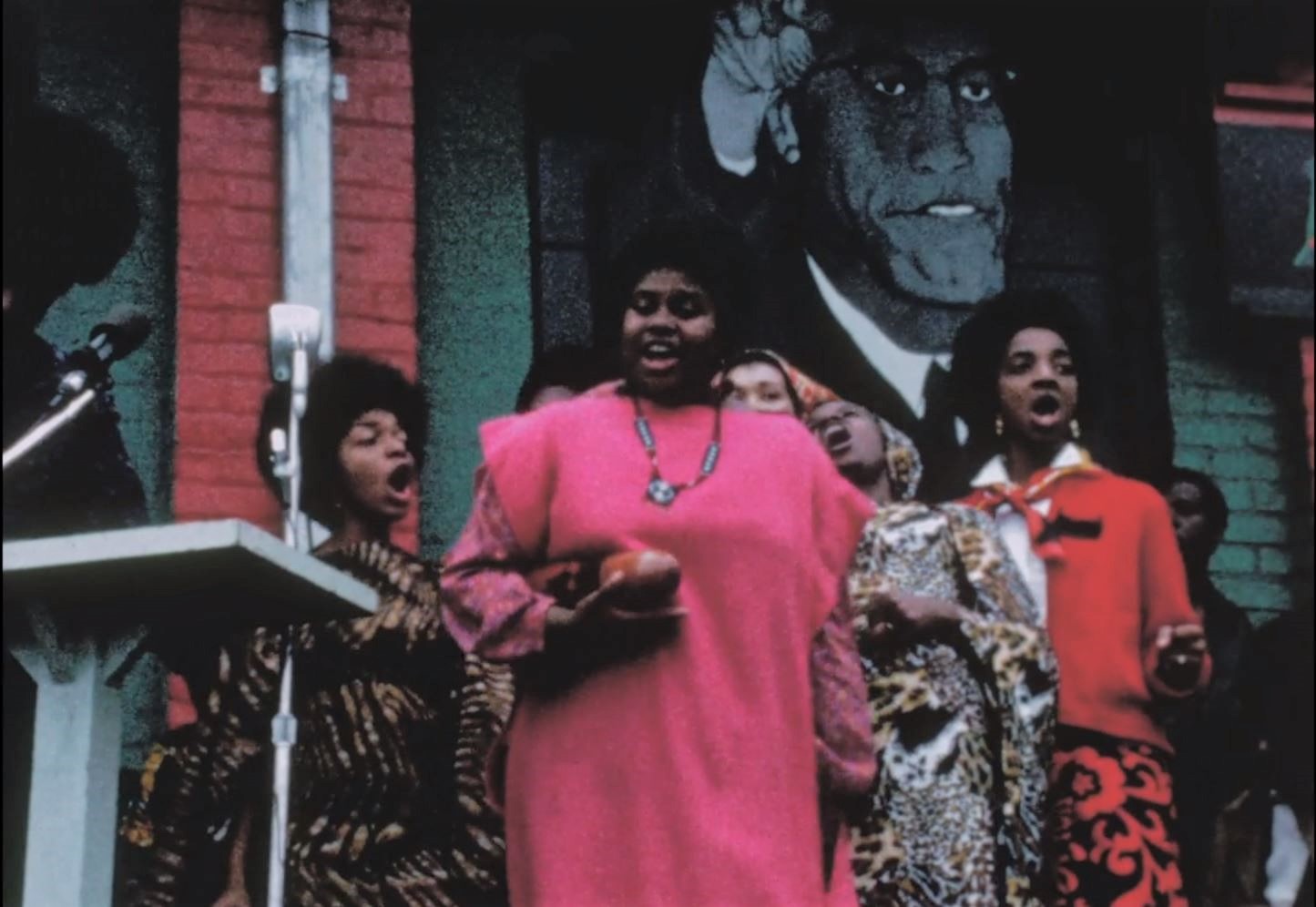
Opening of the Malcolm X Liberation University in Durham, North Carolina.
Continue reading
Thousands of Black leaders gathered to create a cohesive political strategy at the National Black Political Convention in Gary, Indiana.
Continue reading
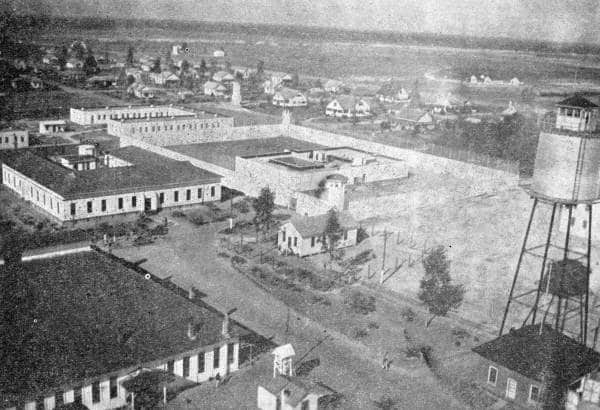
Prisoners at Florida State Prison in Raiford, Florida, staged a sit-down strike to protest prison conditions. The 700 incarcerated protesters were met with gunfire by prison guards, leaving 63 prisoners injured.
Continue reading
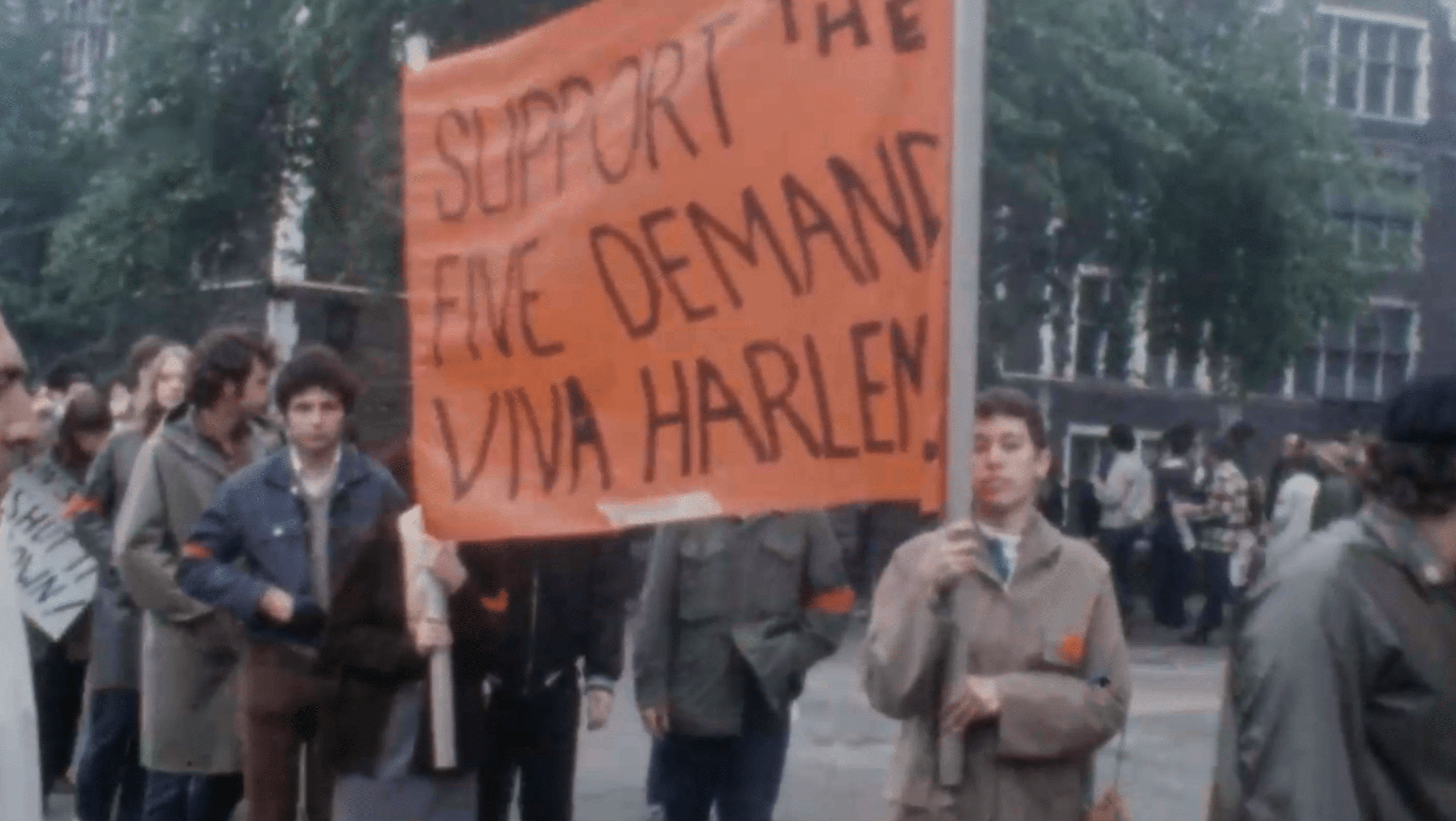
With a list of five demands, Black and Puerto Rican students at City College of New York (CCNY) orchestrated a campus-wide closure that lasted more than two weeks.
Continue reading
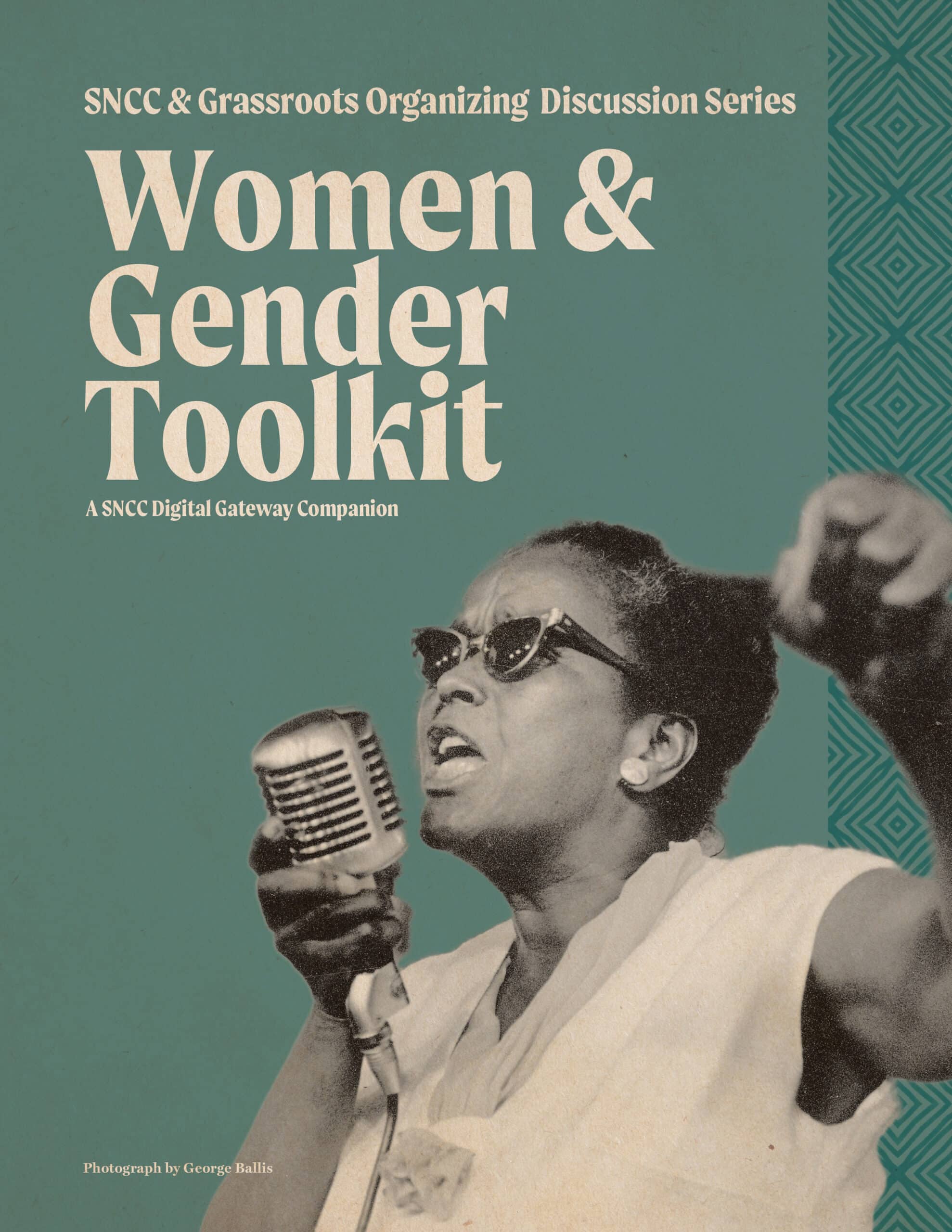
Book — Non-fiction. By SNCC Digital Gateway. 2024. 22 pages.
Provides concrete ways for people to engage with and learn about SNCC’s work and the role of women within SNCC, explore primary source materials, and connect contemporary issues in their own lives and communities to central themes in SNCC’s history.
Continue reading
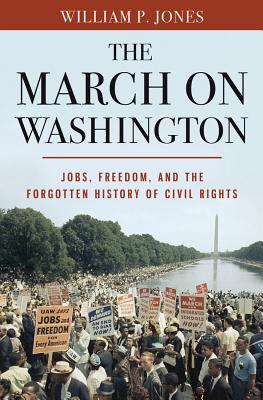
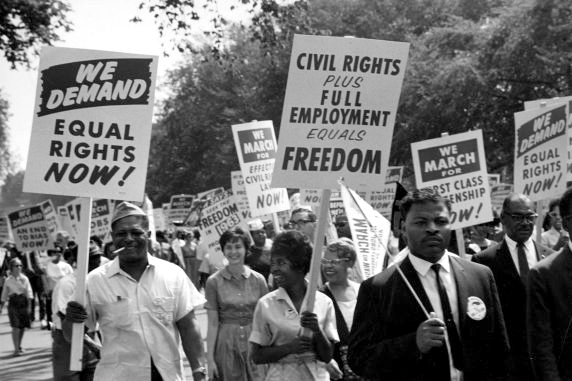
Book — Non-fiction. By William P. Jones. 2013. 296 pages.
A vital text on the hidden history and significance of the March on Washington.
Teaching Activity by William P. Jones
Continue reading
Article. By Howard Zinn. From Chapter 6 of You Can't Be Neutral on a Moving Train.
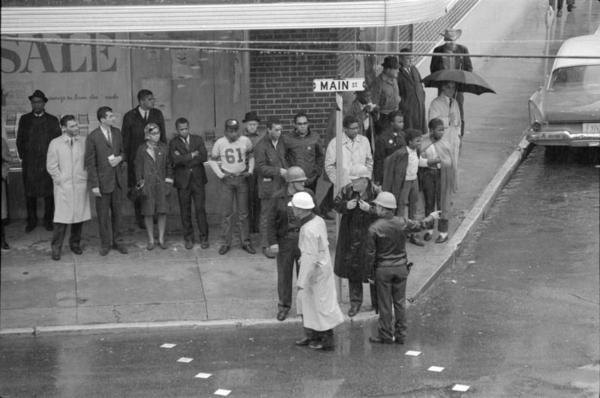
Zinn describes the Student Nonviolent Coordinating Committee (SNCC) voting rights campaign called Freedom Day in Hattiesburg, Miss.
Continue reading
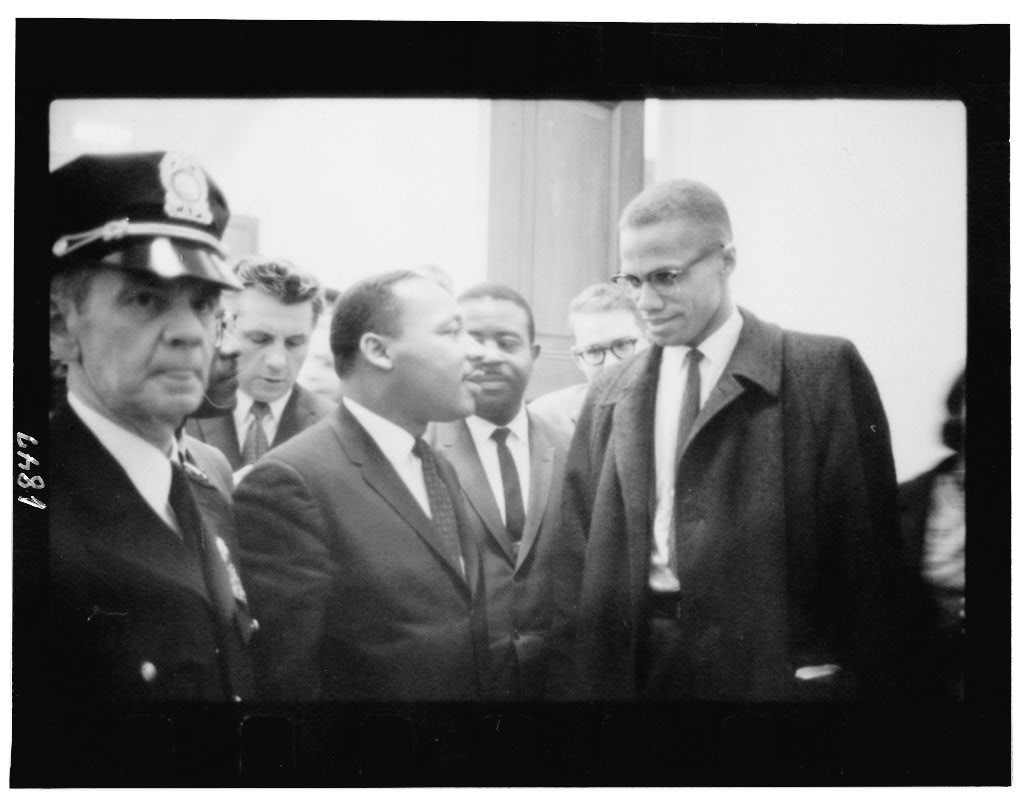
Martin Luther King Jr. and Malcolm X met briefly by chance as they were waiting for a press conference.
Continue reading
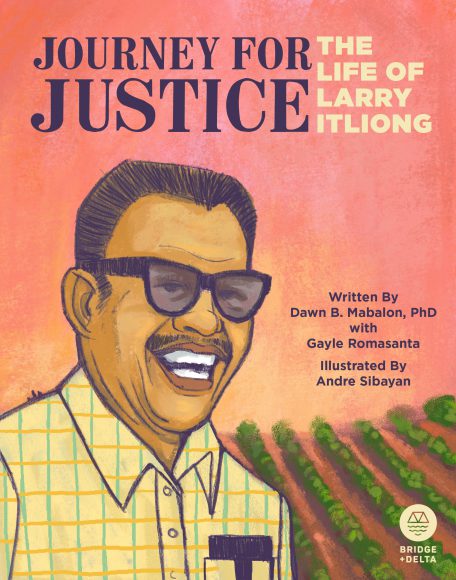
Picture book. By Dawn Bohulano Mabalon and Gayle Romasanta. Illustrated by Andre Sibayan. 2018.
The first nonfiction illustrated Filipino-American history book for children tells the story of labor activist Larry Itliong, who organized farmworkers on the West Coast in the mid-20th century.
Continue reading
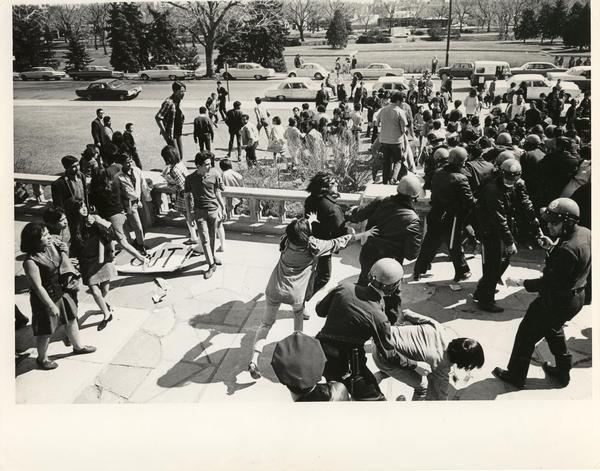
Mexican-American youth walked out of school to protest racial discrimination in Denver, Colorado.
Continue reading
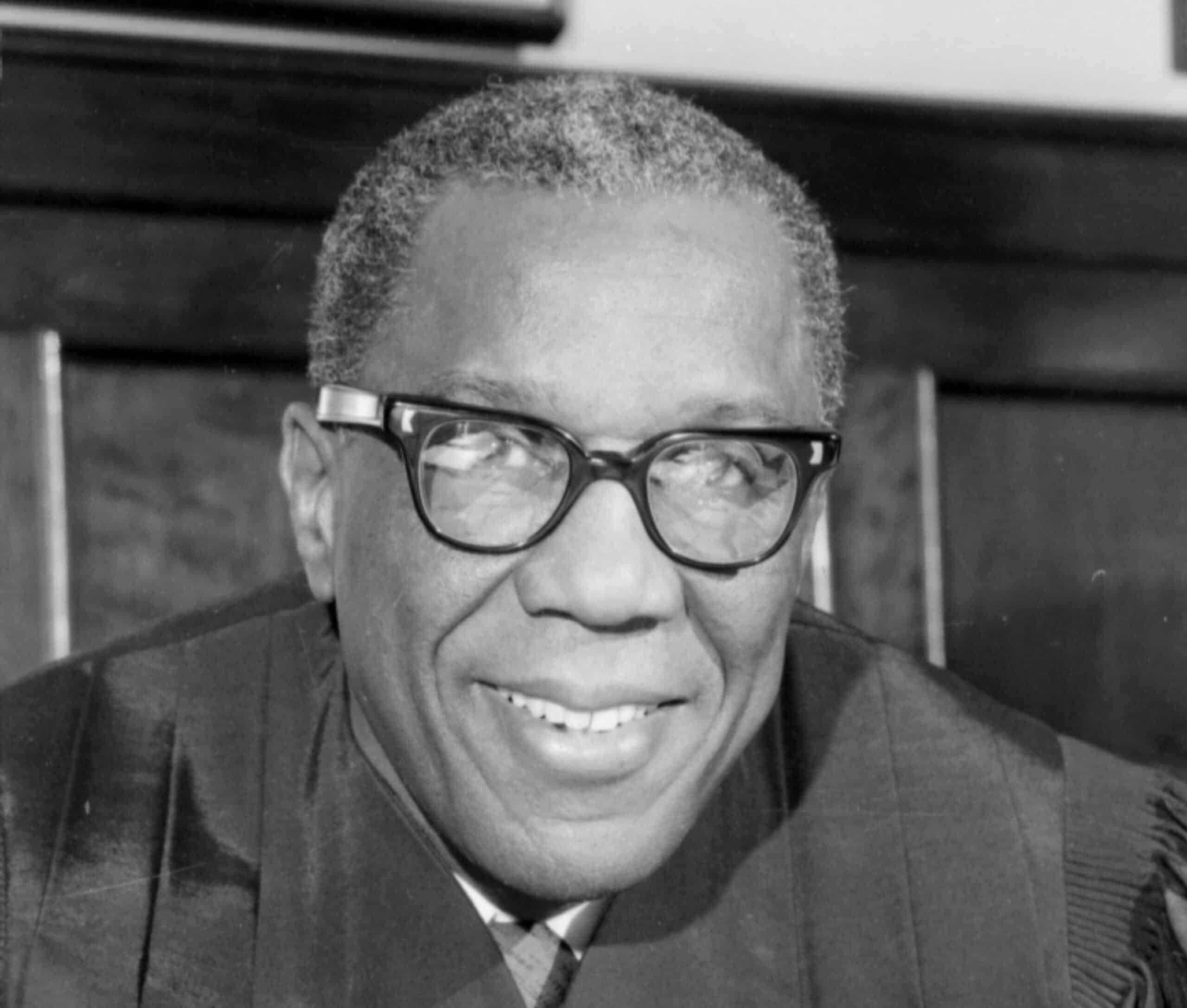
In the face of white supremacists’ threats, a Black Detroit judge upheld the law and acted for equal justice for Black churchgoers detained unlawfully after a deadly police shoot-out.
Continue reading
The Tuskegee Student Uprising of 1968 was one of many instances when Black students fought to expand educational opportunities and create more equity on college campuses.
Continue reading