
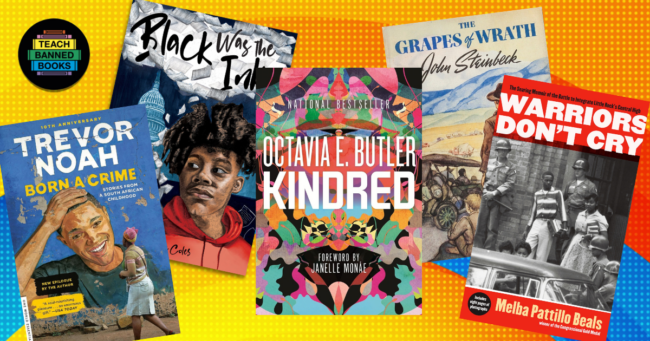
When teaching works of literature, many ELA educators use our people’s history lessons to provide context for the events and themes in the book. For example, high school English teacher Nick DePascal uses our lesson, Food, Farming, and Justice: A Role Play on La Vía Campesina, when teaching John Steinbeck’s Grapes of Wrath, and our Poetry of Defiance lesson with Octavia Butler’s Kindred. We’ve also heard from teachers who use our lessons on apartheid in South Africa with Trevor Noah’s Born a Crime.
Here are suggested lessons for popular ELA titles.
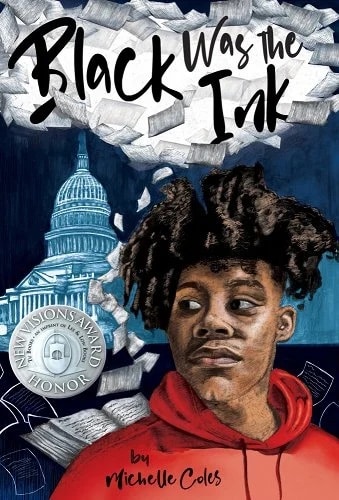
Black Was the Ink by Michelle Coles. A coming-of-age story set in Mississppi that connects lessons from Black leaders during Reconstruction to contemporary racial justice issues.
Reconstructing the South: A Role Play by Bill Bigelow. Engages students in thinking about what freedpeople needed in order to achieve — and sustain — real freedom following the Civil War. It’s followed by a chapter from the book Freedom’s Unfinished Revolution and a companion lesson with primary documents, What Really Happened, by Mimi Eisen and Ursula Wolfe-Rocca.
More lessons, a national report, and book recommendations on Reconstruction.
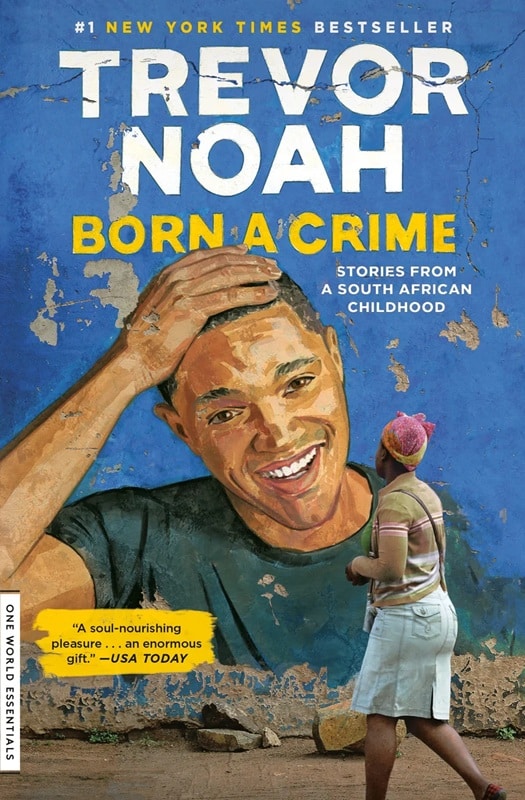
Born a Crime: Stories from a South African Childhood by Trevor Noah. The story of a comedian Trevor Noah’s childhood in apartheid South Africa where his birth to a Black mother and white father was legally a crime.
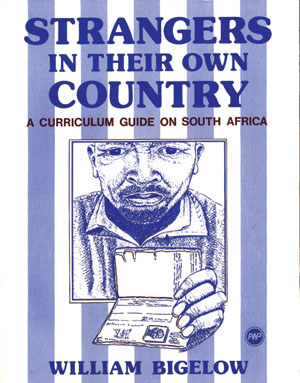
Strangers In Their Own Country: A Curriculum Guide on South Africa by Bill Bigelow. A collection of lessons on apartheid in South Africa and the global anti-apartheid movement.
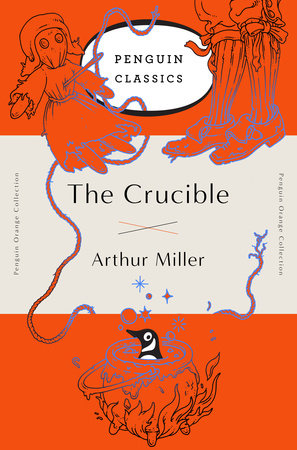
The Crucible by Arthur Miller. A suspenseful and moving play that explores the threshold between individual guilt and mass hysteria, personal spite and collective evil.
Subversives: Stories from the Red Scare by Ursula Wolfe-Rocca. Students meet 27 different targets of government harassment and repression to analyze why disparate individuals might have become targets of the same campaign, determining what kind of threat they posed in the view of the U.S. government. Also, read Wolfe-Rocca’s article, More than McCarthyism: The Attack on Activism Students Don’t Learn About from Their Textbooks.
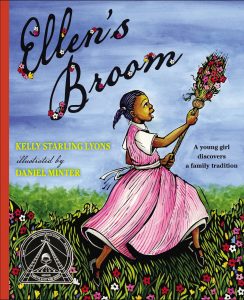
Ellen’s Broom by Kelly Starling Lyons. A story about a young girl during Reconstruction whose parents are finally able to have a legal marriage while honoring a family wedding tradition.
Reconstructing the South: A Role Play by Bill Bigelow. Engages students in thinking about what freedpeople needed in order to achieve — and sustain — real freedom following the Civil War. It’s followed by a chapter from the book Freedom’s Unfinished Revolution and a companion lesson with primary documents, What Really Happened, by Mimi Eisen and Ursula Wolfe-Rocca.
More lessons, a national report, and book recommendations on Reconstruction.
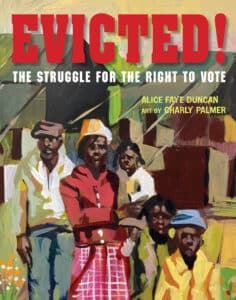
Evicted!: The Struggle for the Right to Vote by Alice Faye Duncan and illustrated by Charly Palmer. This critical civil rights book for middle-graders examines the little-known Tennessee’s Fayette County Tent City Movement in the late 1950s and reveals what is possible when people unite and fight for the right to vote.
Teaching SNCC: The Organization at the Heart of the Civil Rights Revolution by Adam Sanchez. This series of role plays explores the history and evolution of the Student Nonviolent Coordinating Committee, including freedom rides and voter registration.

Family Lore: A Novel by Elizabeth Acevedo. The story of one Dominican American family told through the voices of its women, Family Lore is an indelible portrait of sisters and cousins, aunts and nieces — one family’s journey through their history, helping them better navigate all that is to come.
Lives in Our Lineage: A Lesson on Oral Histories by Cierra Kaler-Jones. In this lesson, students use key excerpts from How the Word Is Passed by Clint Smith as inspiration for a project where they tell their and their loved ones’ stories.

The Grapes of Wrath by John Steinbeck. This Pulitzer Prize–winning epic of the Great Depression chronicles the Dust Bowl migration of the 1930s and tells the story of one Oklahoma farm family, the Joads, driven from their homestead and forced to travel west to the promised land of California.
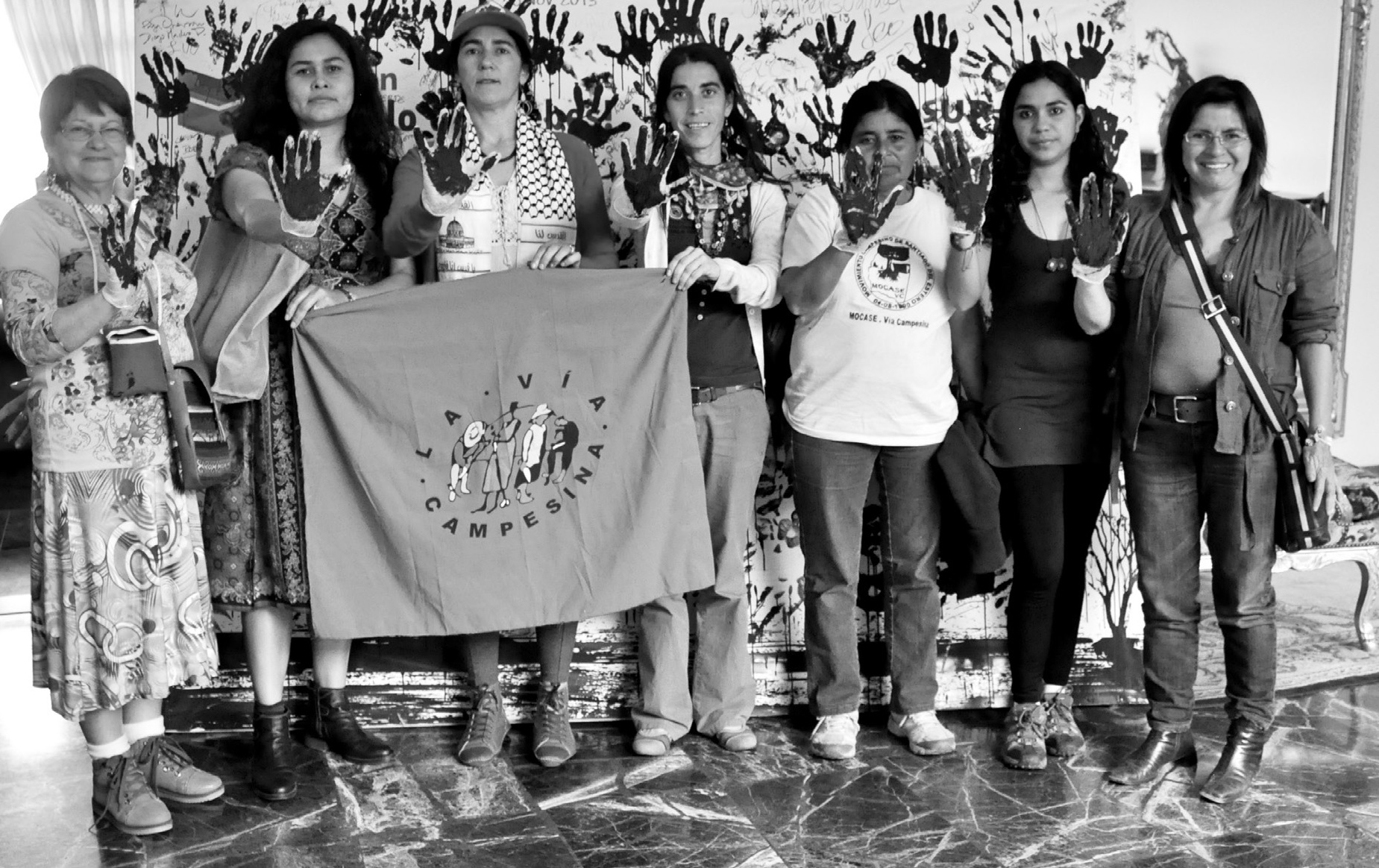
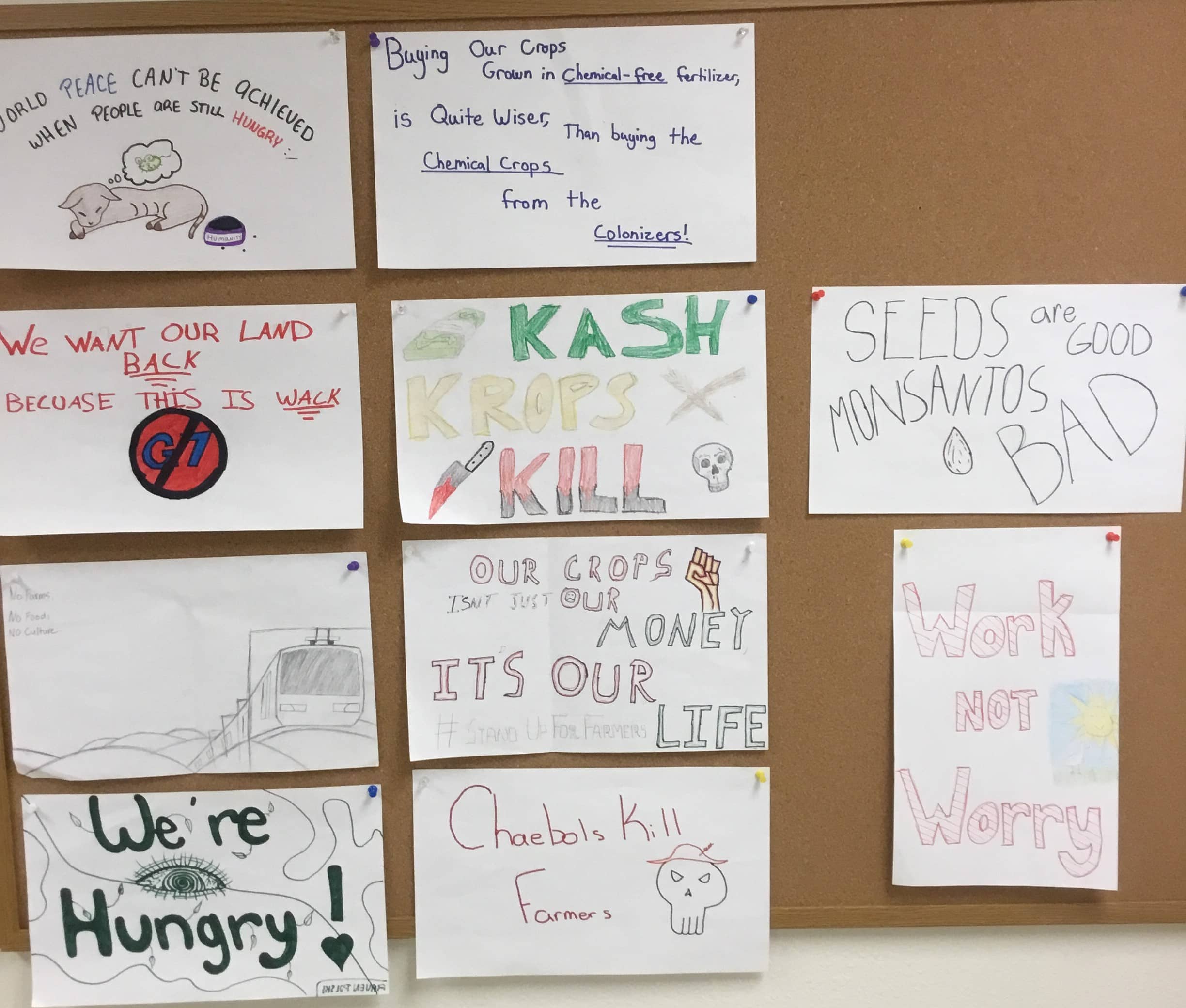
Food, Farming, and Justice: A Role Play on La Vía Campesina by Bill Bigelow, Chris Buehler, Julie Treick O’Neill, and Tim Swinehart. Students step into the shoes of La Vía Campesina activists around the world, to compare/contrast circumstances in order to discover the common goal of “food sovereignty.”
Stories from the Climate Crisis: A Mixer by Bill Bigelow (Rethinking Schools). Students meet 24 individuals from around the world — each of whom is affected differently by climate change.
Read how high school English teacher Nick DePascal uses these lessons in Labor, Climate Change, and The Grapes of Wrath
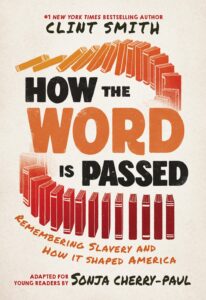
How the Word Is Passed (Adapted for Young Readers) by Clint Smith and adapted by Sonja Cherry-Paul. This book takes readers to historical sites across the United States, exploring the legacy of slavery to help readers make sense of our nation’s past and present, and be better stewards of their own future.
Lessons for How the Word Is Passed by Clint Smith by Bill Bigelow, Jesse Hagopian, Cierra Kaler-Jones, Ana Rosado, and Ursula Wolfe-Rocca. A series of lessons and a collection of discussion questions for How the Word Is Passed by Clint Smith to help teachers introduce the central role of slavery in U.S. history classes across the country.

Kindred by Octavia E. Butler. This isn’t historical fiction — it’s time travel that cuts straight to the bone of American racism, making slavery’s legacy feel immediate, personal, and inescapable.
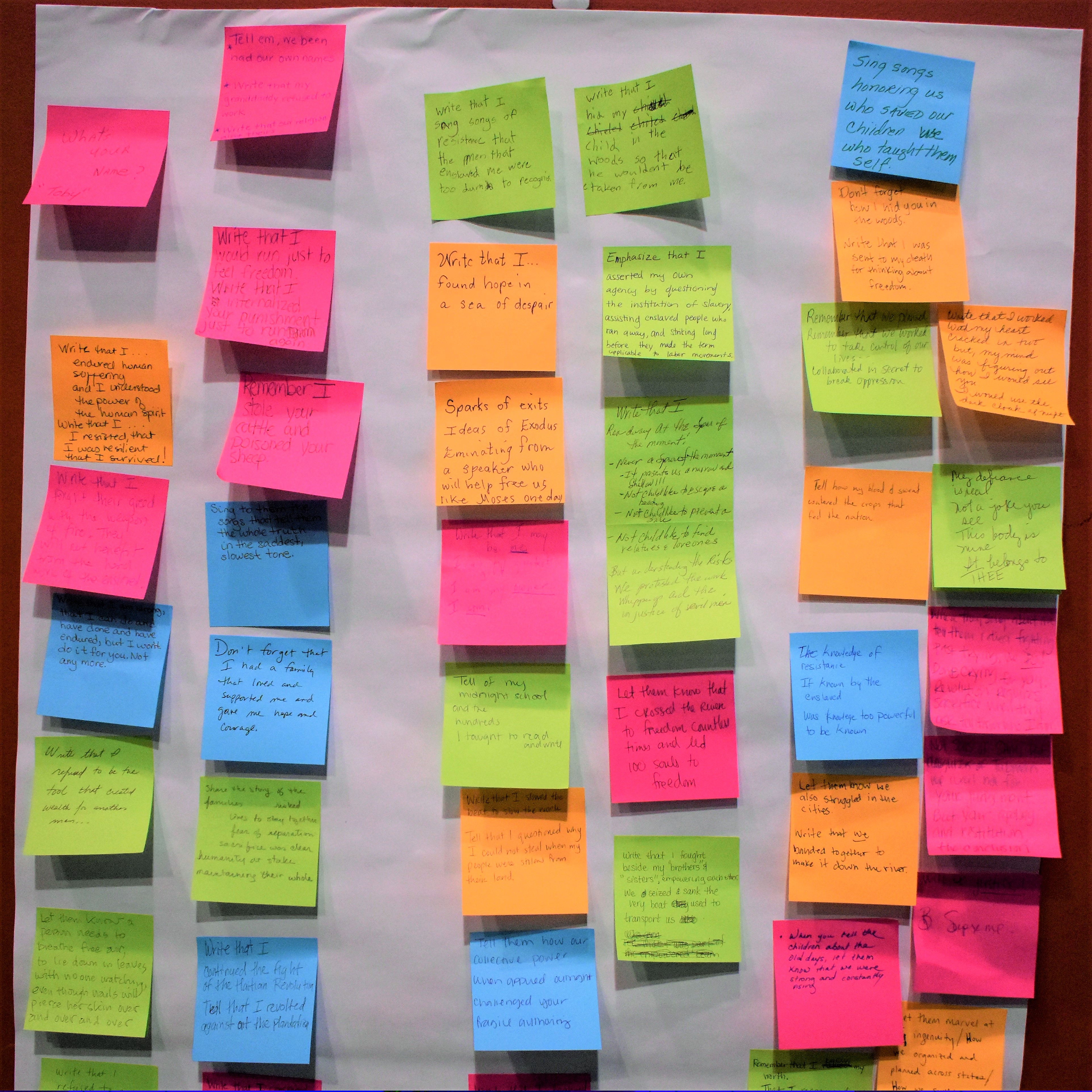
Poetry of Defiance: How the Enslaved Resisted by Adam Sanchez. A mixer lesson that invites students to encounter how enslaved people resisted the brutal exploitation of slavery, culminating in a collective class poem highlighting the defiance of the enslaved.

The Lemon Tree: An Arab, A Jew, and the Heart of the Middle East (Young Readers’ Edition) by Sandy Tolan. Adapted from the award-winning adult book and based on Sandy Tolan’s extensive research and reporting, The Lemon Tree is a deeply personal story of two people seeking hope, transformation, and home.
Teaching the Seeds of Violence in Palestine-Israel by Bill Bigelow. A mixer/mystery activity on Zionism, anti-Zionism, peasant resistance, the Great War, the British Mandate, and more.
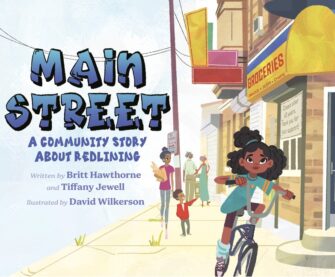
Main Street: A Community Story About Redlining by Britt Hawthorne and Tiffany Jewell, and illustrated by David Wilkerson. A girl learns how the history of redlining has affected her neighborhood in this intergenerational picture book about racism, community action, and resilience.
How Red Lines Built White Wealth: A Lesson on Housing Segregation in the 20th Century by Ursula Wolfe-Rocca. This lesson is based on Richard Rothstein’s The Color of Law, which shows in exacting detail how government policies segregated every major city in the United States with dire consequences for African Americans.

The Nickel Boys: A Novel by Colson Whitehead. This fictional portrayal of the real-life Dozier School, a Jim Crow-era “reformatory” school in Florida which systemically abused Black boys, asks students to grapple with disagreements between the book’s central characters on how to pursue justice.
The Rebellious Lives of Mrs. Rosa Parks by Bill Bigelow. In this mixer lesson, students learn about Rosa Parks’ many decades of activism by taking on roles from various times in her life. In this way, students learn about her radicalism before, during, and long after the Montgomery Bus Boycott. And explore our People’s History Banned in Florida, including This Day in History posts and recommended articles, books, and websites.

A Place Where Hurricanes Happen by Renée Watson, and illustrated by Shadra Stickland. Children of New Orleans tell about their experiences of Hurricane Katrina through poignant and straightforward free verse in this fictional account of the storm.
After the Levees Broke: Bearing Witness Through Poetry by Renée Watson. A teacher’s reflection on the power of poetry to spark critical discussion and reflection on current issues of inequality surrounding disaster response in the United States.

The Rebellious Life of Mrs. Rosa Parks: Young Readers Edition by Jeanne Theoharis, adapted with Brandy Colbert. This biography of Rosa Parks examines her six decades of activism, challenging young readers’ perceptions of her as an accidental actor in the Civil Rights Movement.
The Rebellious Lives of Mrs. Rosa Parks by Bill Bigelow. In this mixer lesson, students learn about Rosa Parks’ many decades of activism by taking on roles from various times in her life. In this way, students learn about her radicalism before, during, and long after the Montgomery Bus Boycott. Find more resources on Rosa Parks in our The Rebellious Life of Mrs. Rosa Parks Teaching Guide.
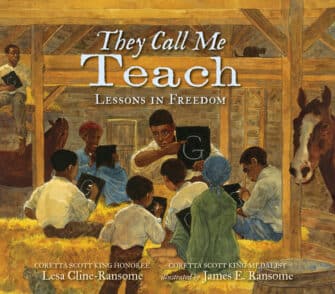
They Call Me Teach: Lessons in Freedom by Lesa Cline-Ransome, illustrated by James E. Ransome. The story of an enslaved man, secretly named Teach, who helps others learn to read and write wherever he can.
Poetry of Defiance: How the Enslaved Resisted by Adam Sanchez. A mixer lesson that invites students to encounter how enslaved people resisted the brutal exploitation of slavery, culminating in a collective class poem highlighting the defiance of the enslaved.
Legalize Black Education: The Long Fight for the Right to Learn by Jesse Hagopian. This lesson explores major examples of laws passed to suppress Black education in the wake of major victories for the Black Freedom Struggle, highlighting the historical context and motivations behind these legislative efforts.

The Things They Carried by Tim O’Brien. A ground-breaking work of Vietnam War fiction and a meditation on war, memory, imagination, and the redemptive power of storytelling.
Teaching the Vietnam War: Beyond the Headlines by the Zinn Education Project. Eight lessons about the Vietnam War, Daniel Ellsberg, the Pentagon Papers, and whistleblowing.

This Side of Home by Renée Watson. A poignant novel about love for home and for ourselves, embracing change, and what it means to grow up.
How Red Lines Built White Wealth: A Lesson on Housing Segregation in the 20th Century by Ursula Wolfe-Rocca. This lesson is based on Richard Rothstein’s The Color of Law, which shows in exacting detail how government policies segregated every major city in the United States with dire consequences for African Americans.
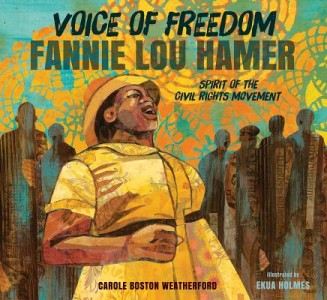
Voice of Freedom: Fannie Lou Hamer by Carole Boston Weatherford and illustrated by Ekua Holmes. An illustrated biography of Fannie Lou Hamer, activist for voting and economic rights from Mississippi.
Sharecroppers Challenge U.S. Apartheid: The Mississippi Freedom Democratic Party by Julian Hipkins III, Deborah Menkart, Sara Evers, and Jenice View. This lesson on the Mississippi Freedom Democratic Party (MFDP) introduces students to a vital example of small “d” democracy in action.
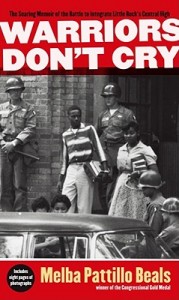
Warriors Don’t Cry: A Searing Memoir of the Battle to Integrate Little Rock’s Senior High by Melba Pattillo Beals. The story of a teenage girl chosen to integrate Little Rock High School.
Warriors Don’t Cry: Connecting History, Literature, and Our Lives by Linda Christensen. Role play and writing activities for language arts and social studies on Brown v. Board and the Little Rock Nine, designed for use with the memoir Warriors Don’t Cry.
Do you have more books and people’s history lessons to add to this list? If so, complete this form and we’ll send you Teach Banned History buttons in appreciation.
Twitter
Google plus
LinkedIn