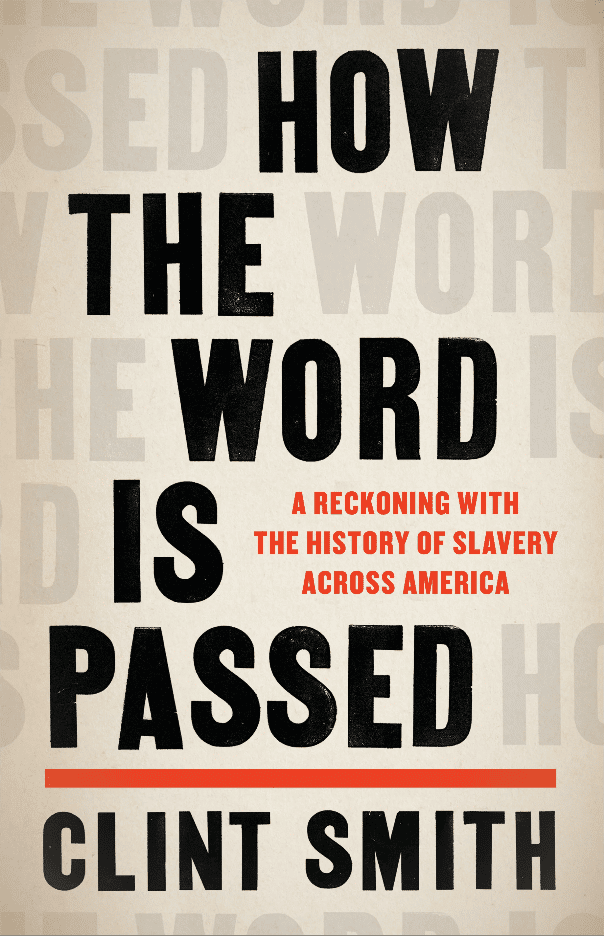
Book — Non-fiction. By Clint Smith. 2021. 336 pages.
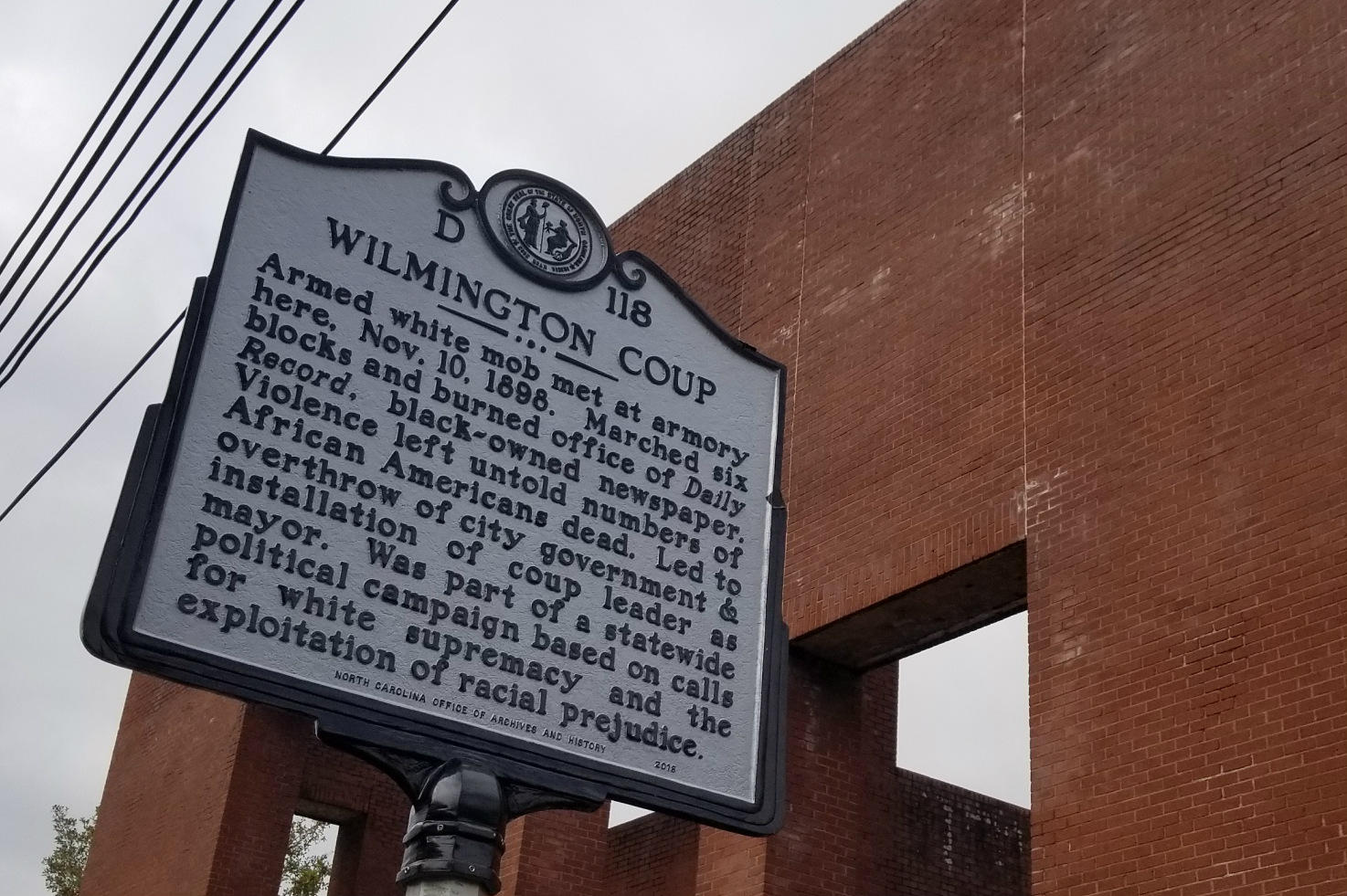
An examination of how monuments and landmarks represent — and misrepresent — the central role of slavery in U.S. history and its legacy today.
Continue reading
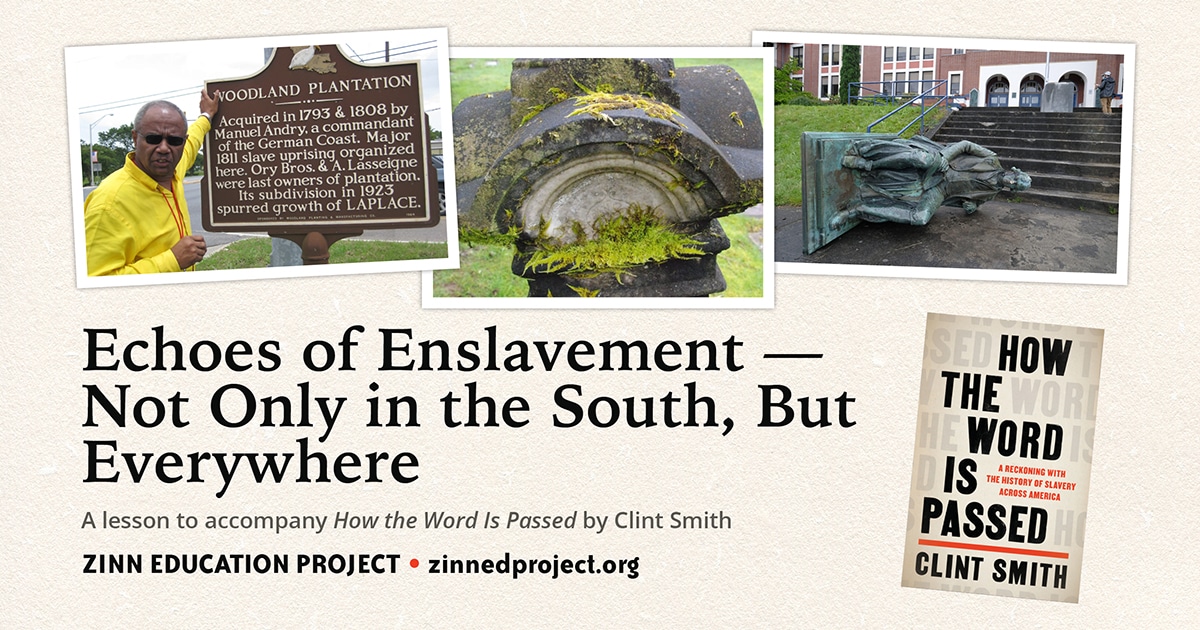
Teaching Activity. By Ursula Wolfe-Rocca.
Students discover “echoes of enslavement” in their own state — discrete sites of remembering, forgetting, honoring, lying, or distorting — in this lesson based on the book How the Word Is Passed by Clint Smith.
Continue reading
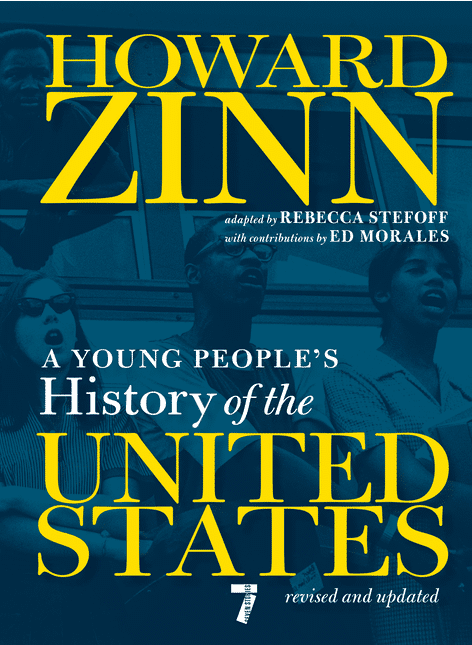
Book — Non-fiction. By Howard Zinn, adapted by Rebecca Stefoff with additions by Ed Morales. 2022. 544 pages.
A young adult version of the best-selling A People’s History of the United States, ideal for 6th through 9th grade students.
Continue reading
Teaching Activity. By Bob Peterson. Rethinking Schools. 7 pages.
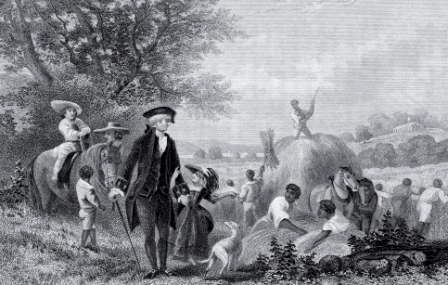
How a 5th grade teacher and his students conducted research to answer the question: “Which presidents owned people?” Available in Spanish.
Continue reading
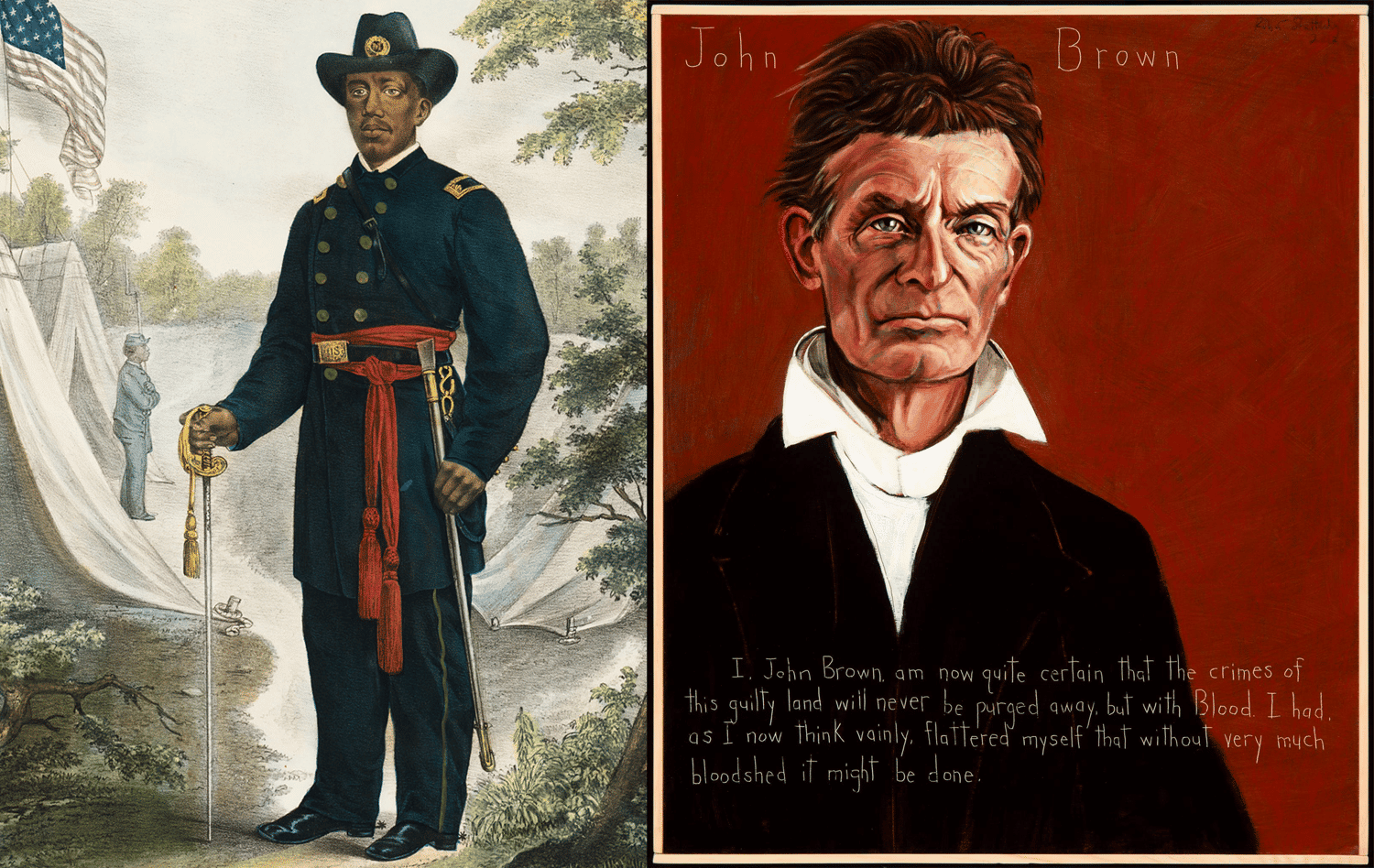
John Brown, Martin Delany, and others gathered for a Constitutional Convention in Chatham, Canada.
Continue reading
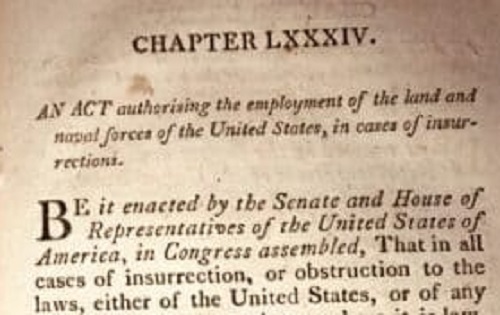
President Thomas Jefferson put his signature on the law known as the Insurrection Act.
Continue reading
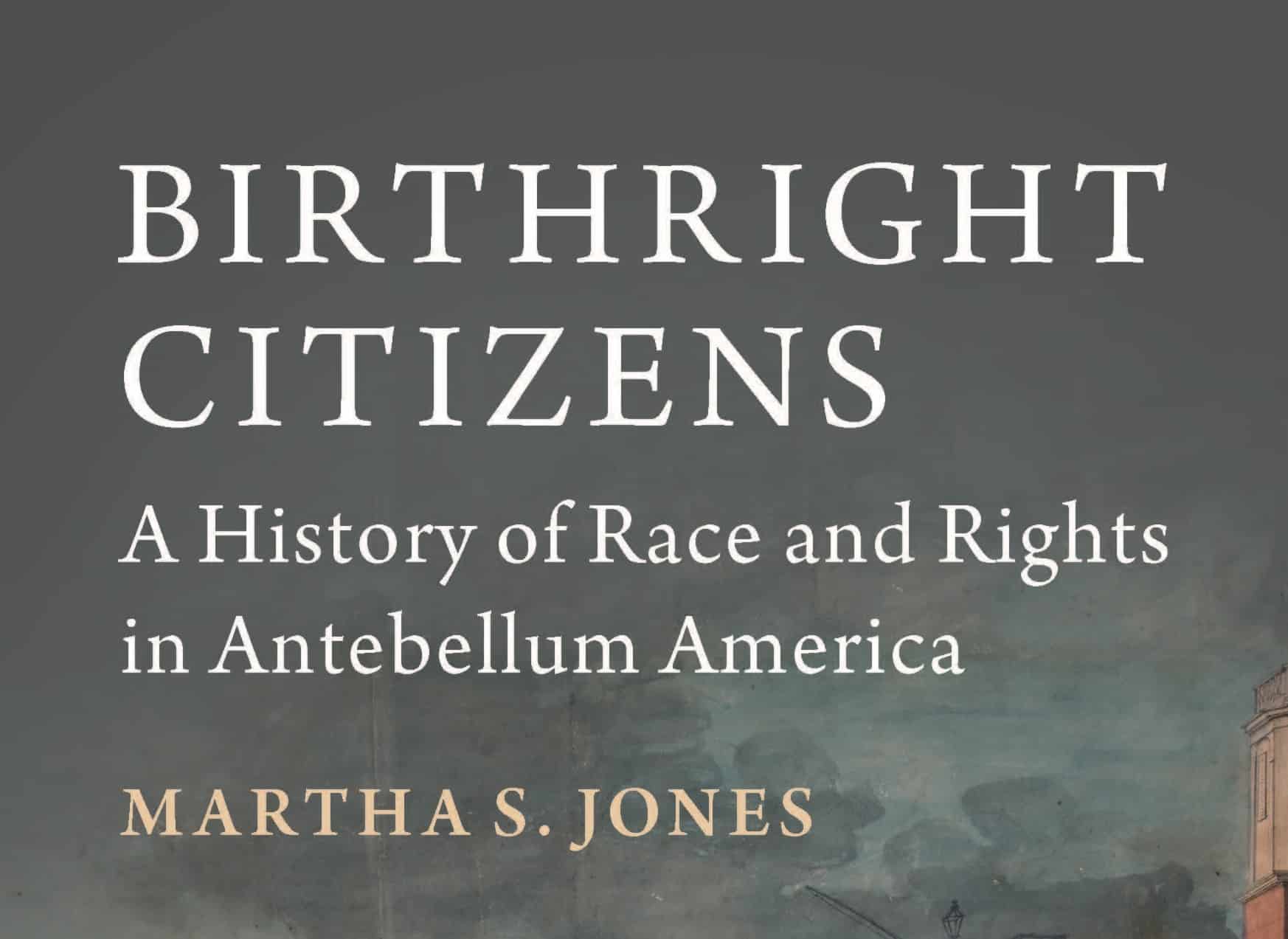
Book — Non-fiction. By Martha S. Jones. 2018. 266 pages.
The story of how African American activists remade national belonging through battles in legislatures, conventions, and courthouses.
Continue reading
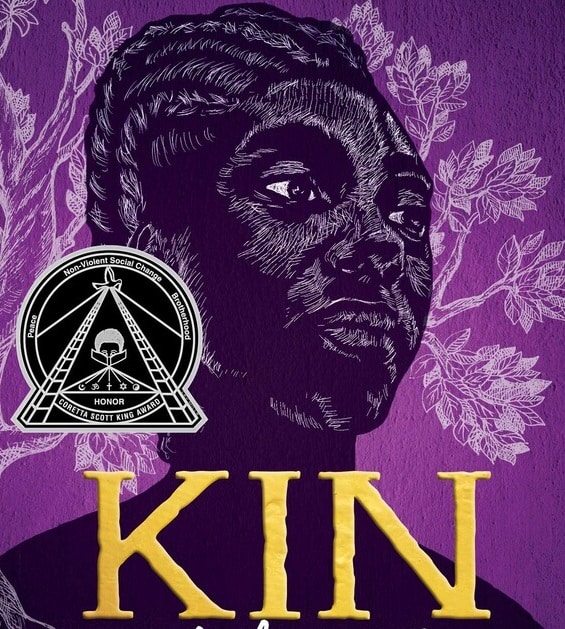
Book — Historical Fiction. By Carole Boston Weatherford, illustrated by Jeffery Boston Weatherford. 2024. 208 pages.
A portrait of a Black family tree shaped by enslavement and freedom, rendered in poems and artwork.
Continue reading
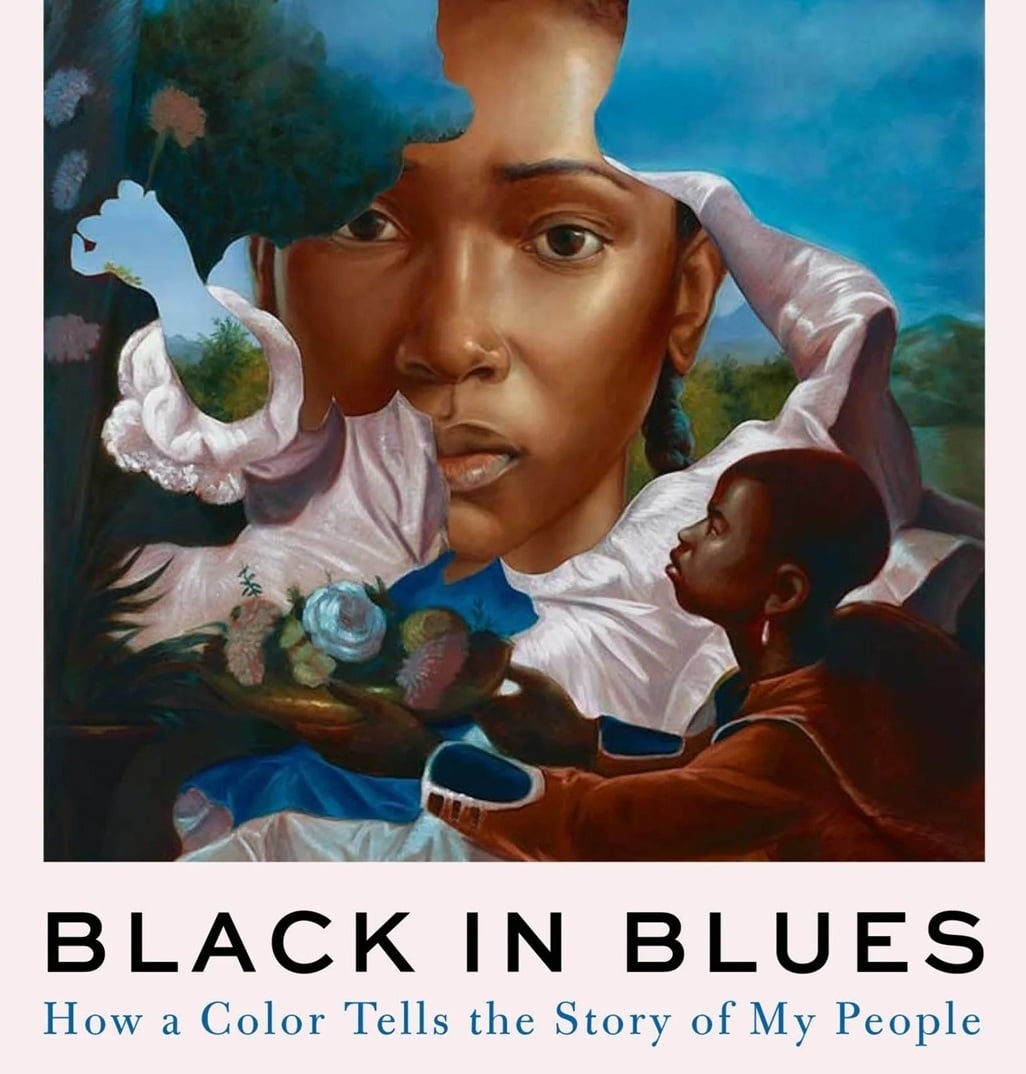
Book — Non-fiction. By Imani Perry. 2025. 256 pages.
A meditation on the color blue and its fascinating role in Black history and culture.
Continue reading
Teaching Activity. By Bill Bigelow. Rethinking Schools. 16 pages.
In this lesson, students explore many of the real challenges faced by abolitionists with a focus on the American Anti-Slavery Society.
Continue reading
Enslaved Africans carried out the first recorded rebellion against slavery in what would become the United States, rising up at the short-lived Spanish colony of San Miguel de Gualdape, located in what is now Georgia or South Carolina.
Continue reading
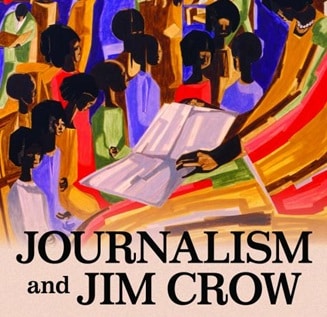
Book — Non-fiction. Edited by Kathy Roberts Forde and Sid Bedingfield. 2021. 360 pages.
A look at roles of the white press and Black press in the Jim Crow South.
Continue reading
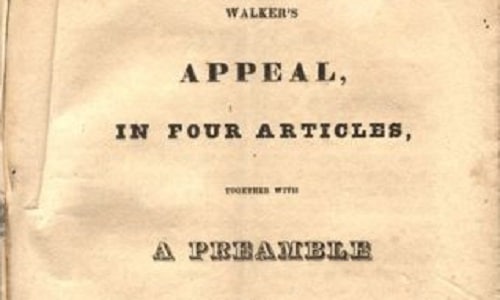
David Walker published An Appeal to the Coloured Citizens of the World, one of the most important documents of the 19th century.
Continue reading
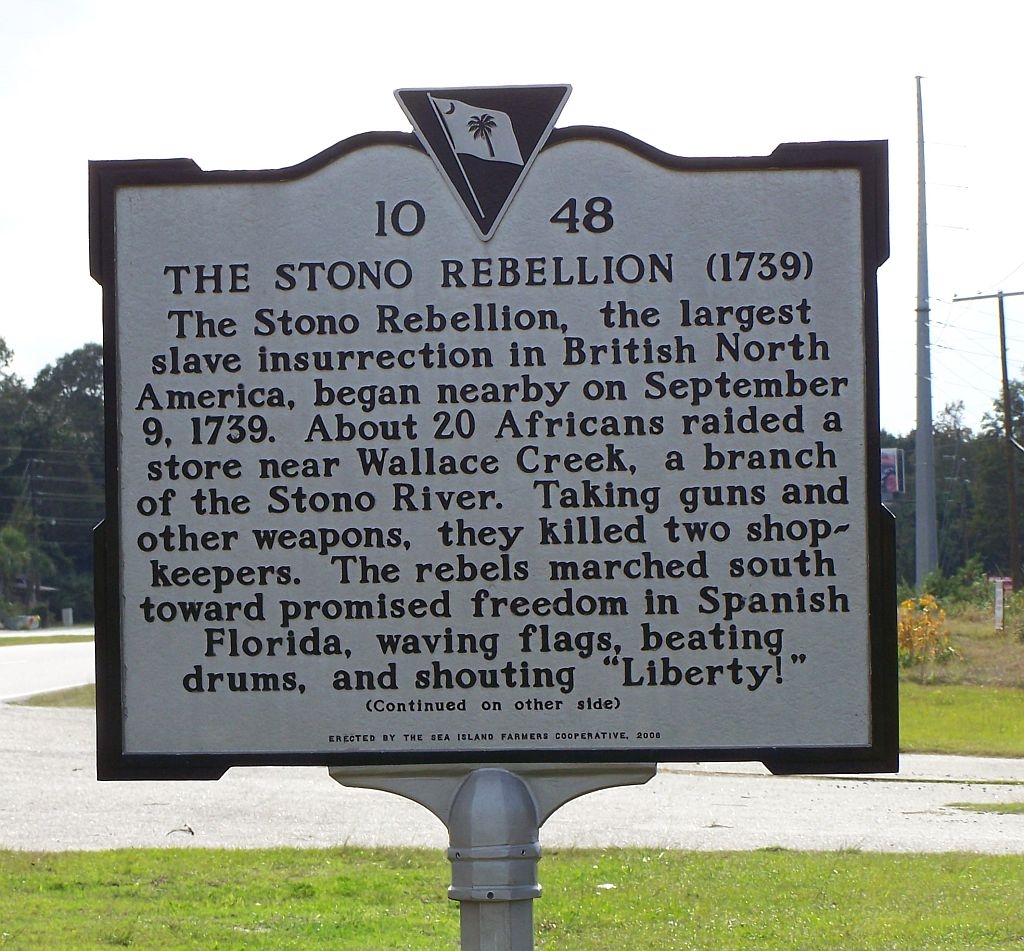
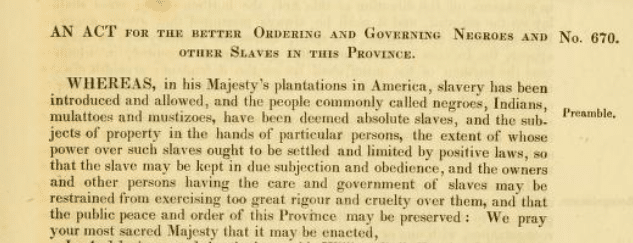
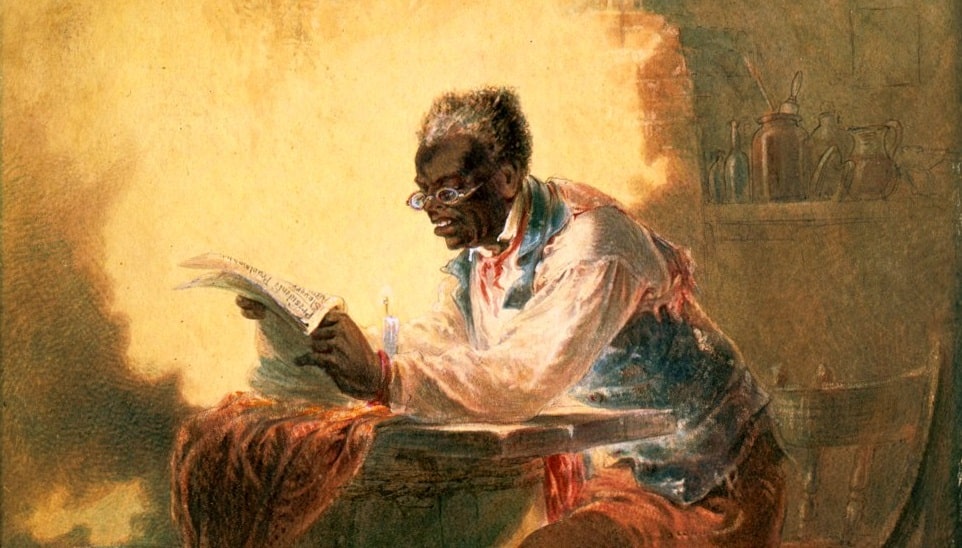
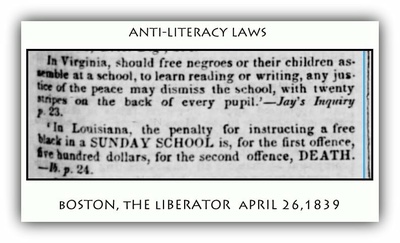
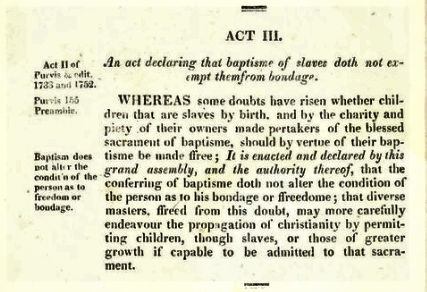
Passed in response to the Stono Rebellion, this law made it illegal to teach enslaved people to read or write, aiming to prevent further insurrections.
Continue reading
Enacted in response to David Walker’s Appeal, this law criminalized the distribution of materials that could incite rebellion to slavery, reflecting fears of literacy empowering resistance.
Continue reading
Following the publication of David Walker’s Appeal in 1829, this Virginia law prohibited the education of enslaved and free Black people, seeking to suppress potential uprisings. Several other states enacted similar bans at this time.
Continue reading
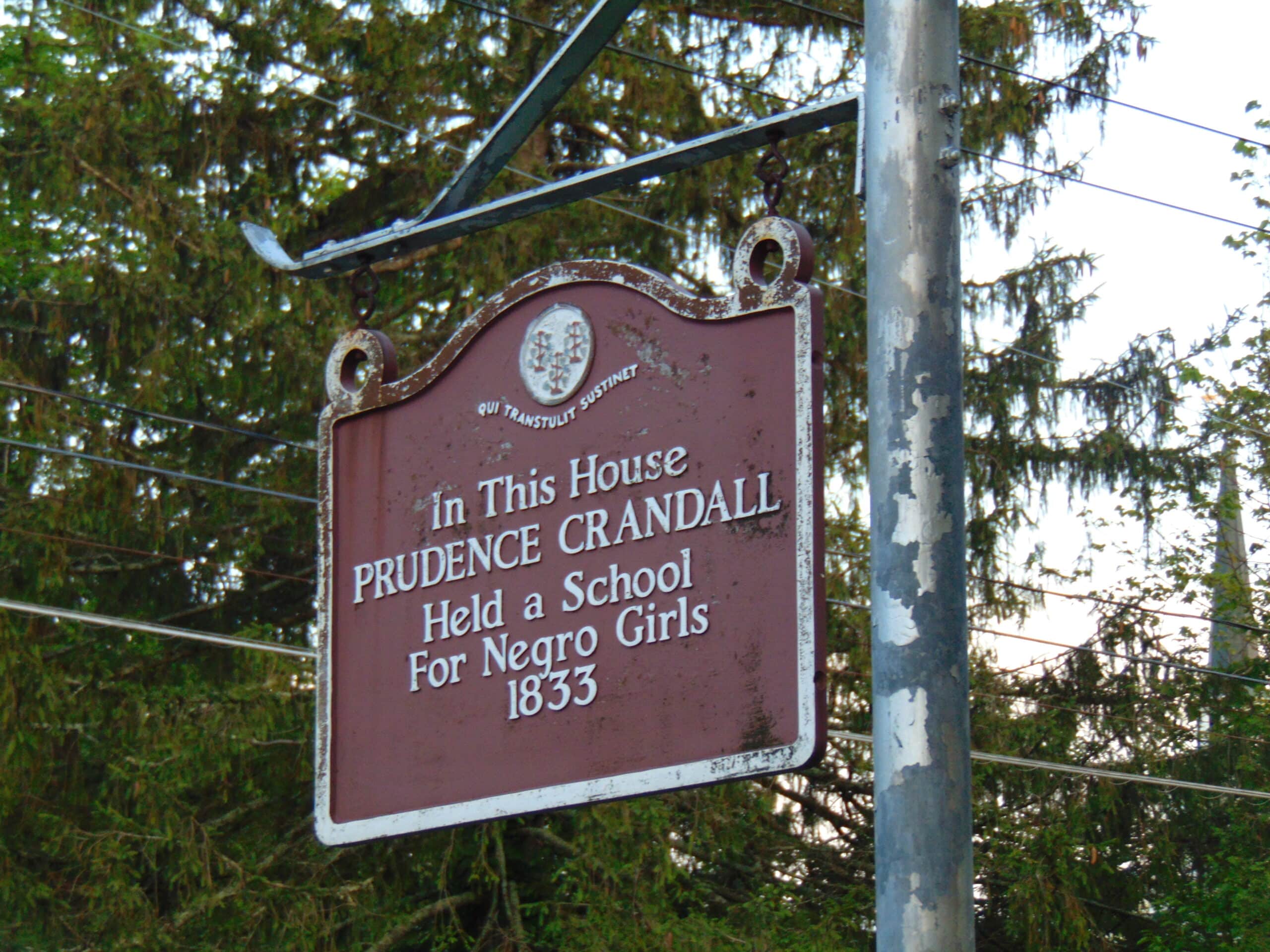
One of many anti-literacy laws at the time, this law prohibited the establishment of schools for Black students who were not residents of Connecticut.
Continue reading
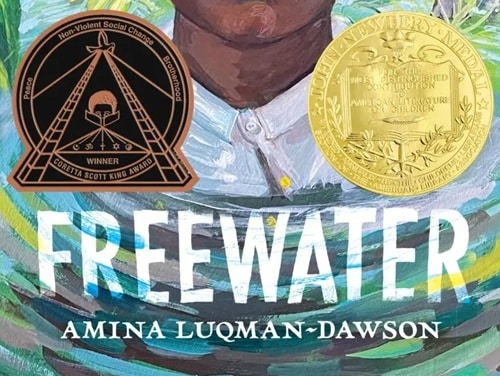
Book — Historical fiction. By Amina Luqman-Dawson. 2023. 416 pages.
A lyrical, accessible historical middle-grade novel about two enslaved children‘s escape from a plantation and the many ways they find freedom.
Continue reading
In early Colonial Virginia, Elizabeth Key became the first woman of African descent in the North American colonies to sue for her freedom and win.
Continue reading
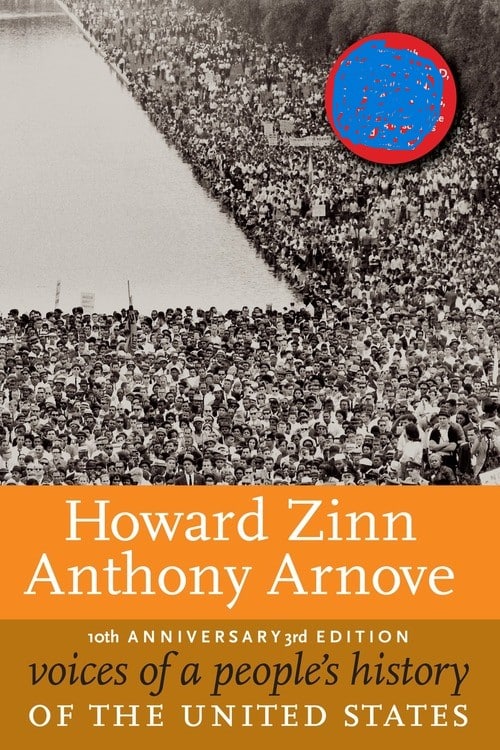
Book — Non-fiction. Edited by Howard Zinn and Anthony Arnove. 2014. 704 pages.
Speeches, letters, poems, and songs for each chapter of A People’s History of the United States.
Continue reading
Picture book. By Dennis Brindell Fradin and Judith Bloom Fradin. Illustrated by Eric Velasquez. 2013.
Story of John Price's escape to freedom with the help of the Oberlin–Wellington Rescue.
Continue reading
Article. By Jefferson Morley. 2012.
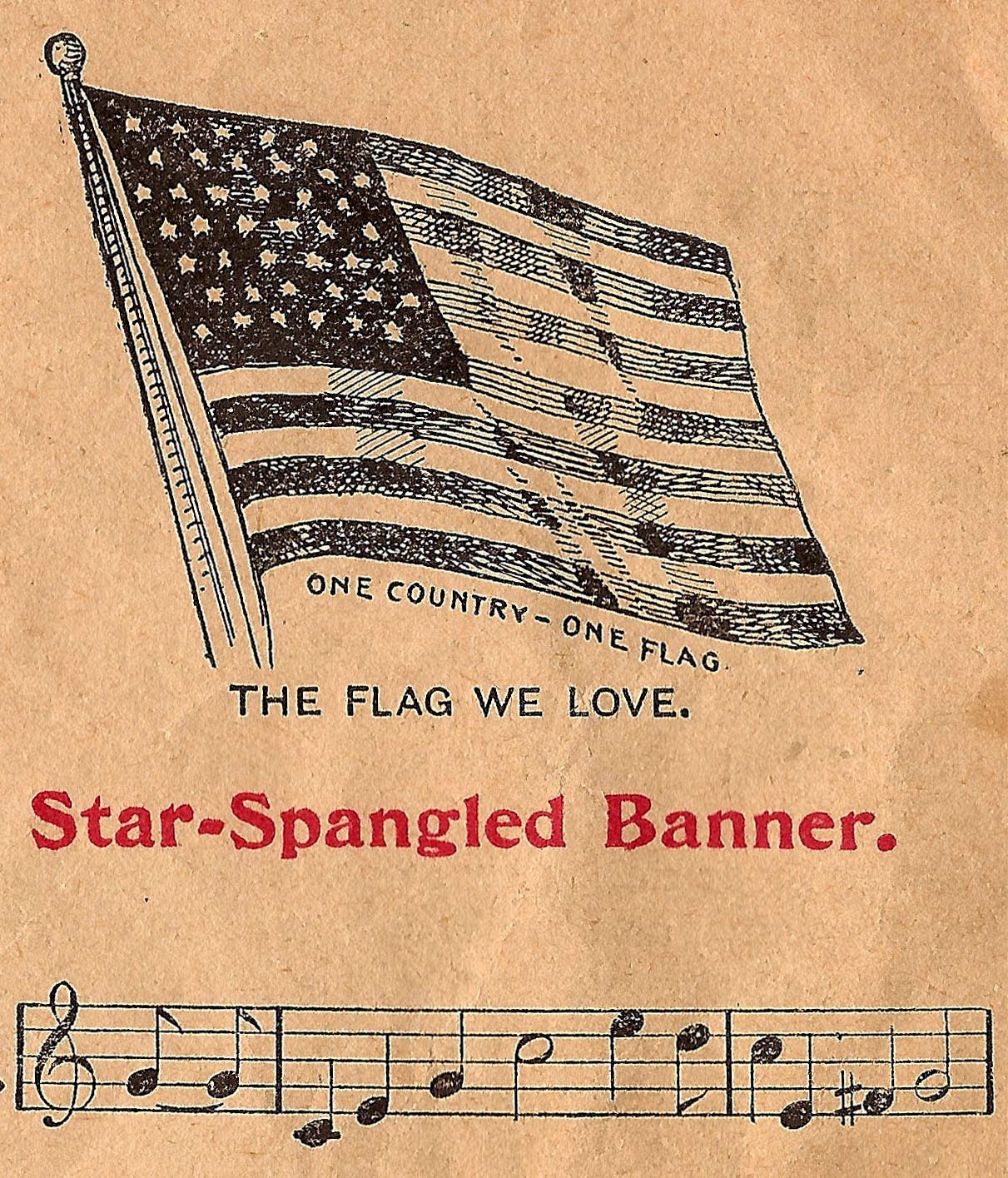
"Star-Spangled Banner" songwriter Francis Scott Key opposed abolitionists and free speech in his role as district attorney of the city of Washington.
Continue reading
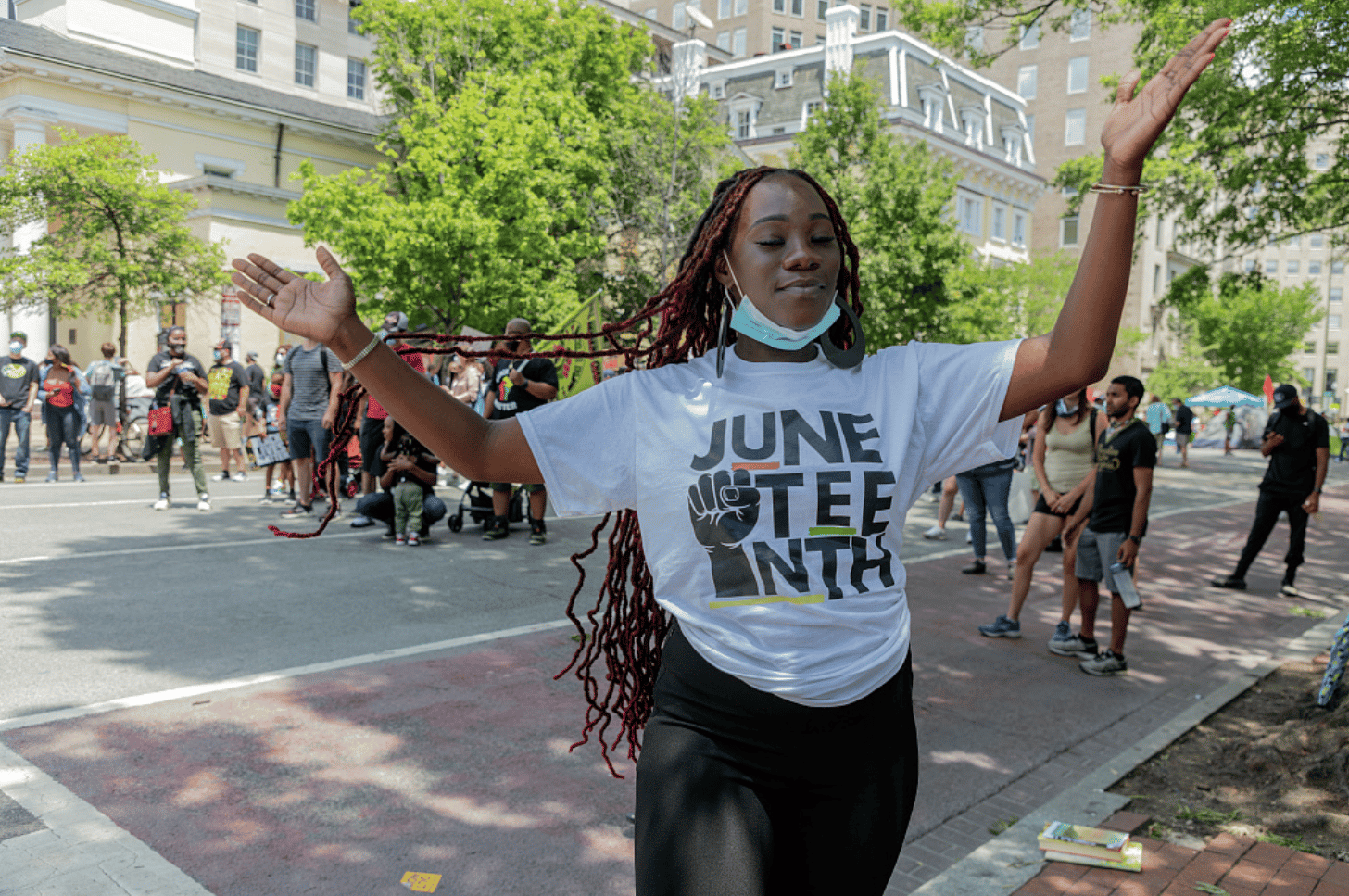
Juneteenth — June 19th, also known as Emancipation Day — Juneteenth — is one of the many commemorations of people seizing their freedom in the United States.
Continue reading