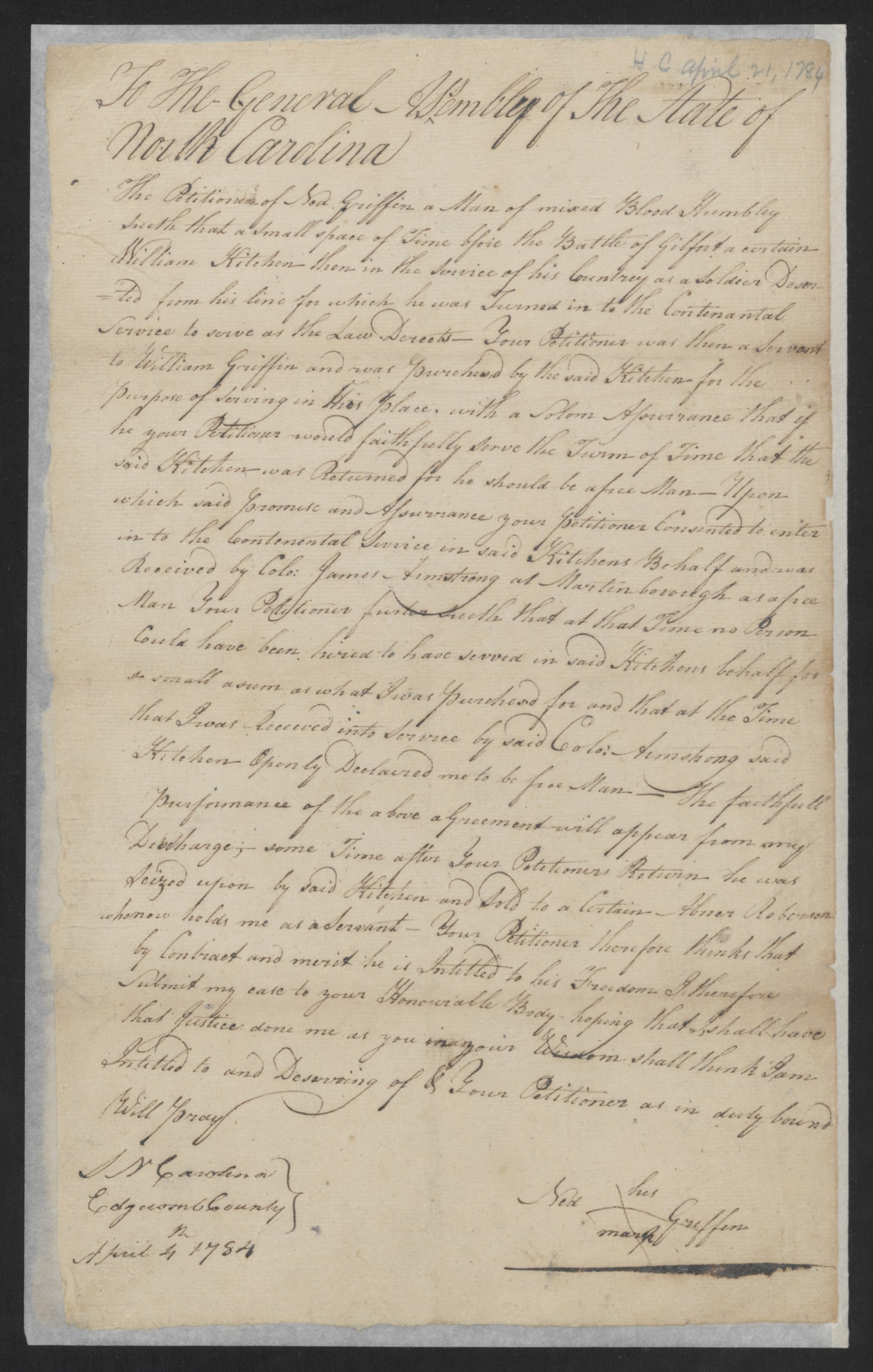
Enslaved Continental Army veteran Ned Griffin successfully sued for his freedom in North Carolina.
Continue reading
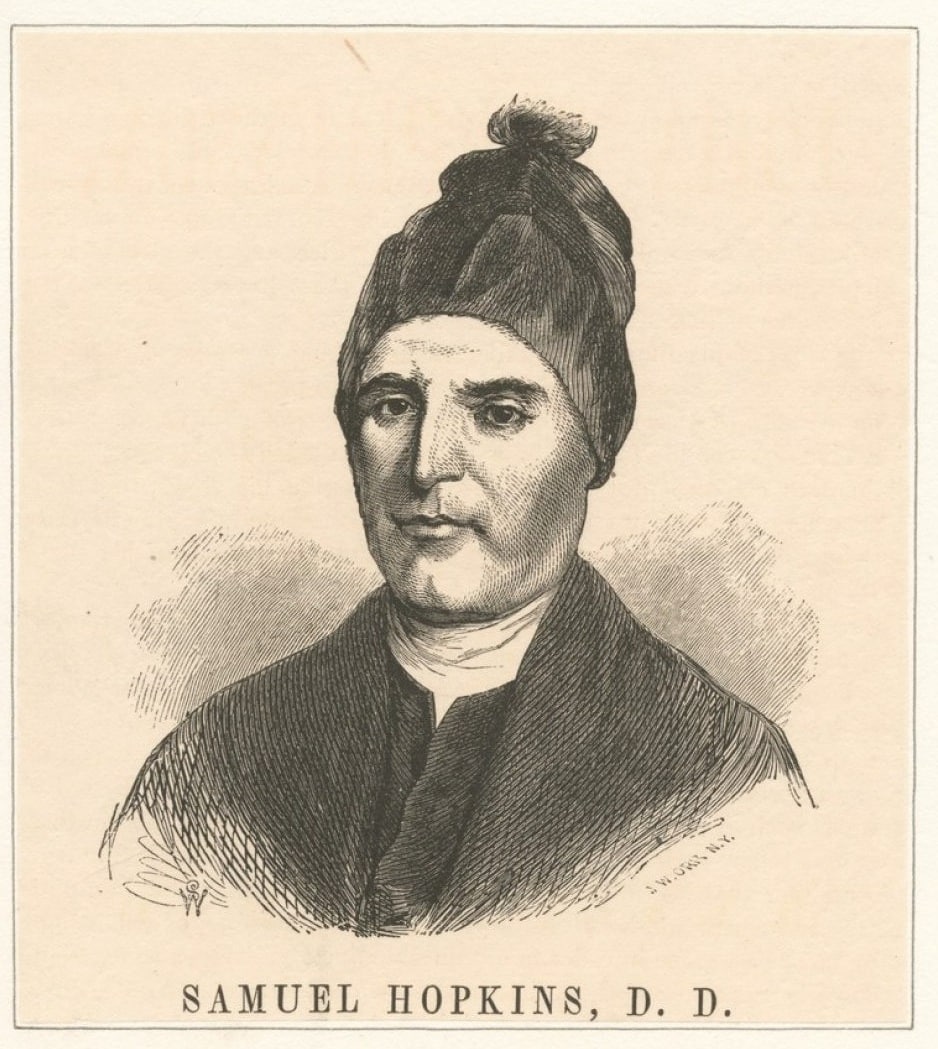
Connecticut abolitionist Samuel Hopkins wrote an essay denouncing the new U.S. Constitution for its hypocrisy in not renouncing slavery.
Continue reading
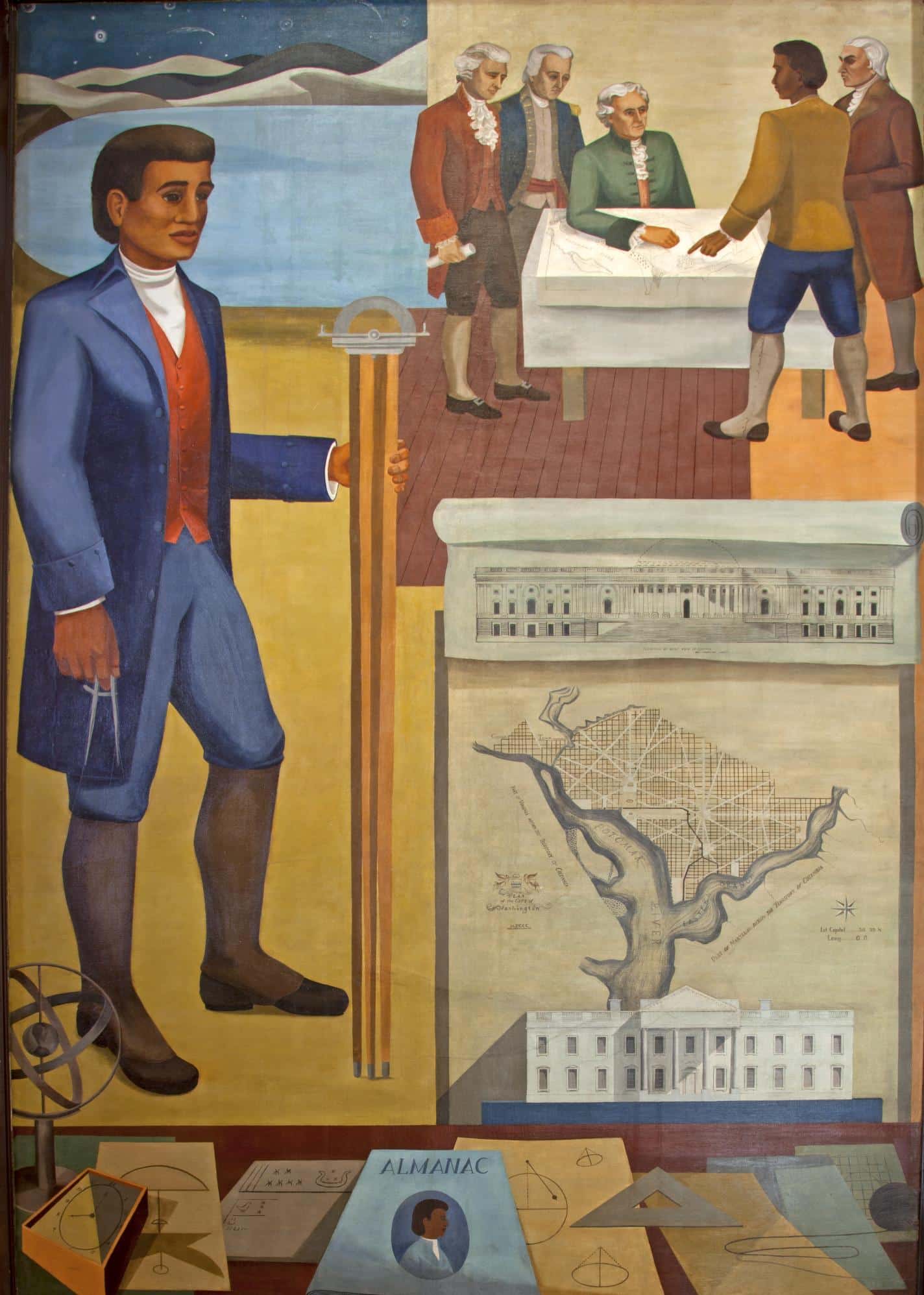
A land surveyor, almanac writer, and correspondent of Thomas Jefferson’s, Benjamin Banneker told Thomas Jefferson to end his “narrow prejudices.”
Continue reading
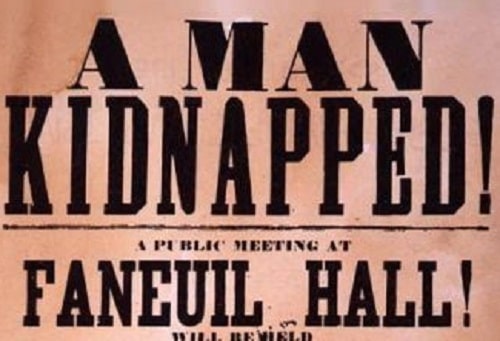
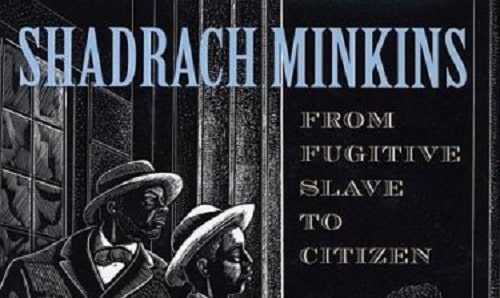
U.S. Marshals arrested Shadrach Minkins, who had escaped from slavery in Norfolk, Virginia.
Continue reading
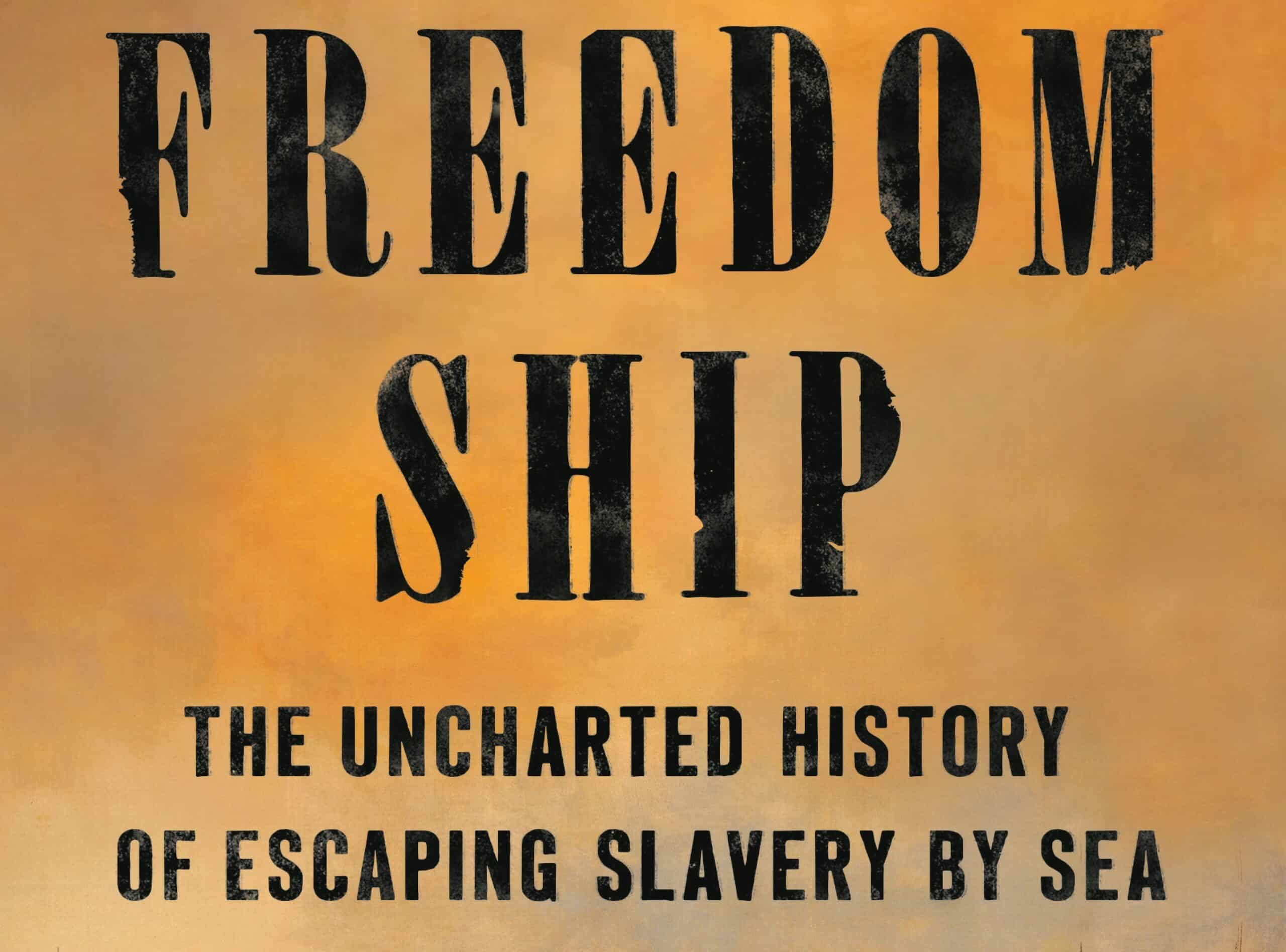
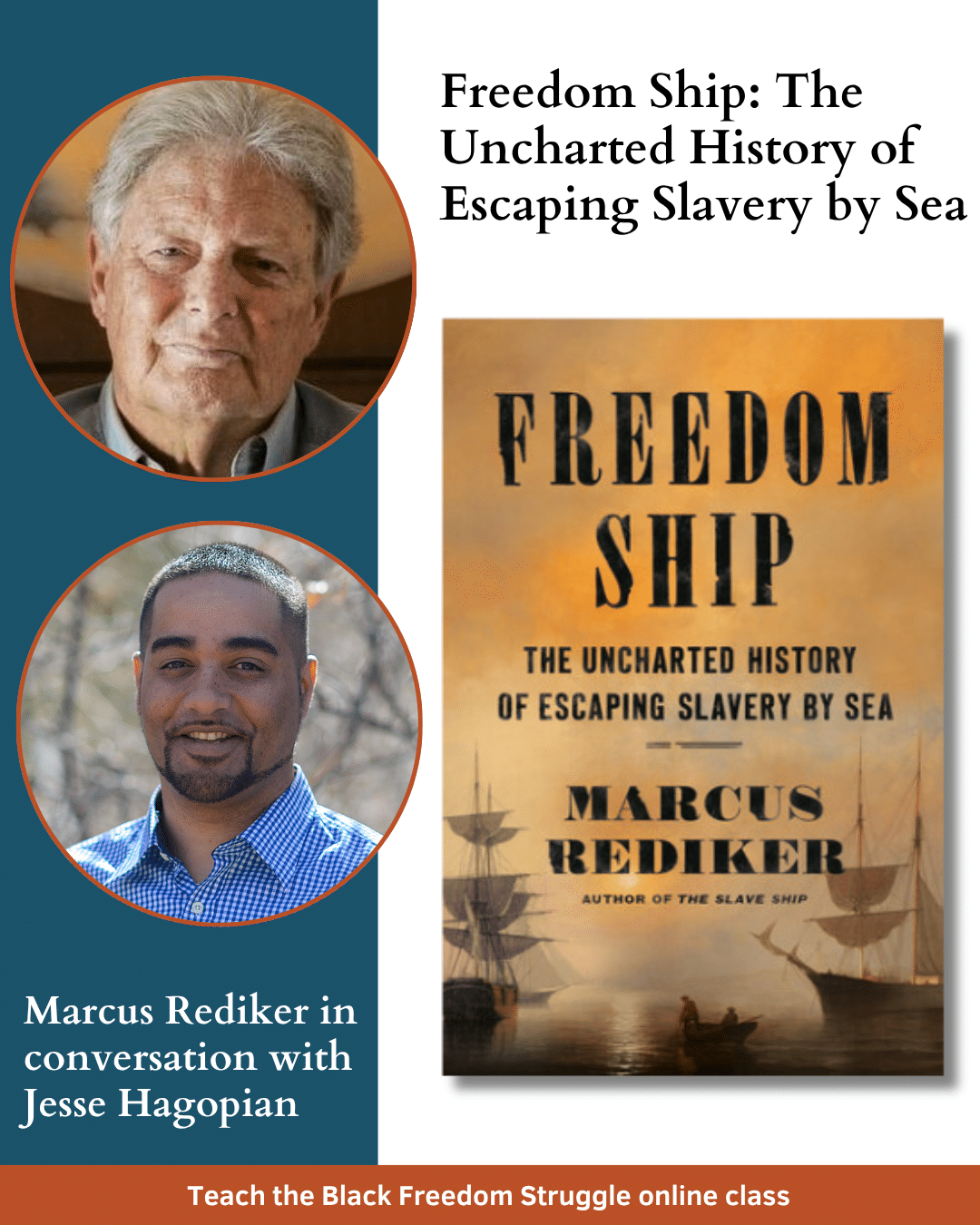
Book — Non-fiction. By Marcus Rediker. 2025. 416 pages.
A sweeping account of the Underground Railroad’s long-overlooked maritime origins.
Continue reading
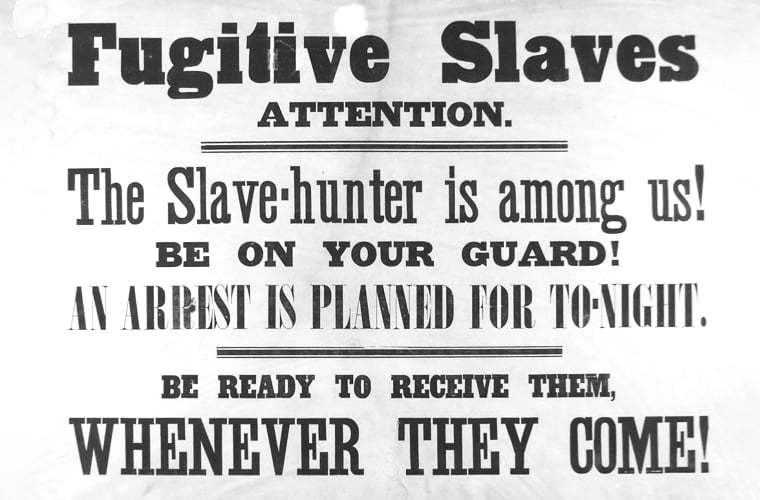
Signed into law by President George Washington, the first Fugitive Slave Act in the United States gave owners of the enslaved the right to reclaim those who escaped.
Continue reading
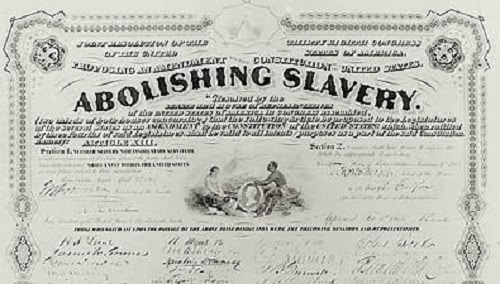
The 13th Amendment to the U.S. Constitution officially ended the institution of slavery.
Continue reading
Profiles. Zinn Education Project. 2014.
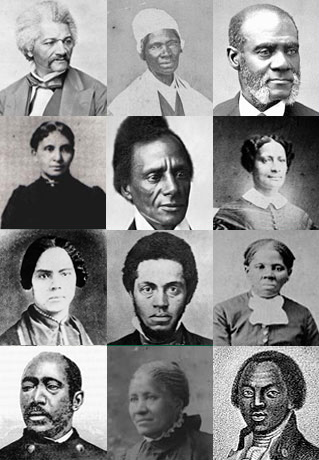
Brief biographies of 25 Black abolitionists.
Continue reading
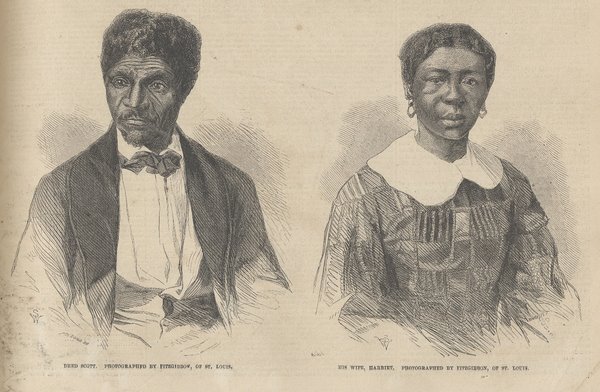
The Supreme Court declared in horrific Dred Scott v. Sandford ruling that “Any person descended from Africans, whether slave or free, is not a citizen of U.S.”
Continue reading
Teaching Activity. By Adam Sanchez.
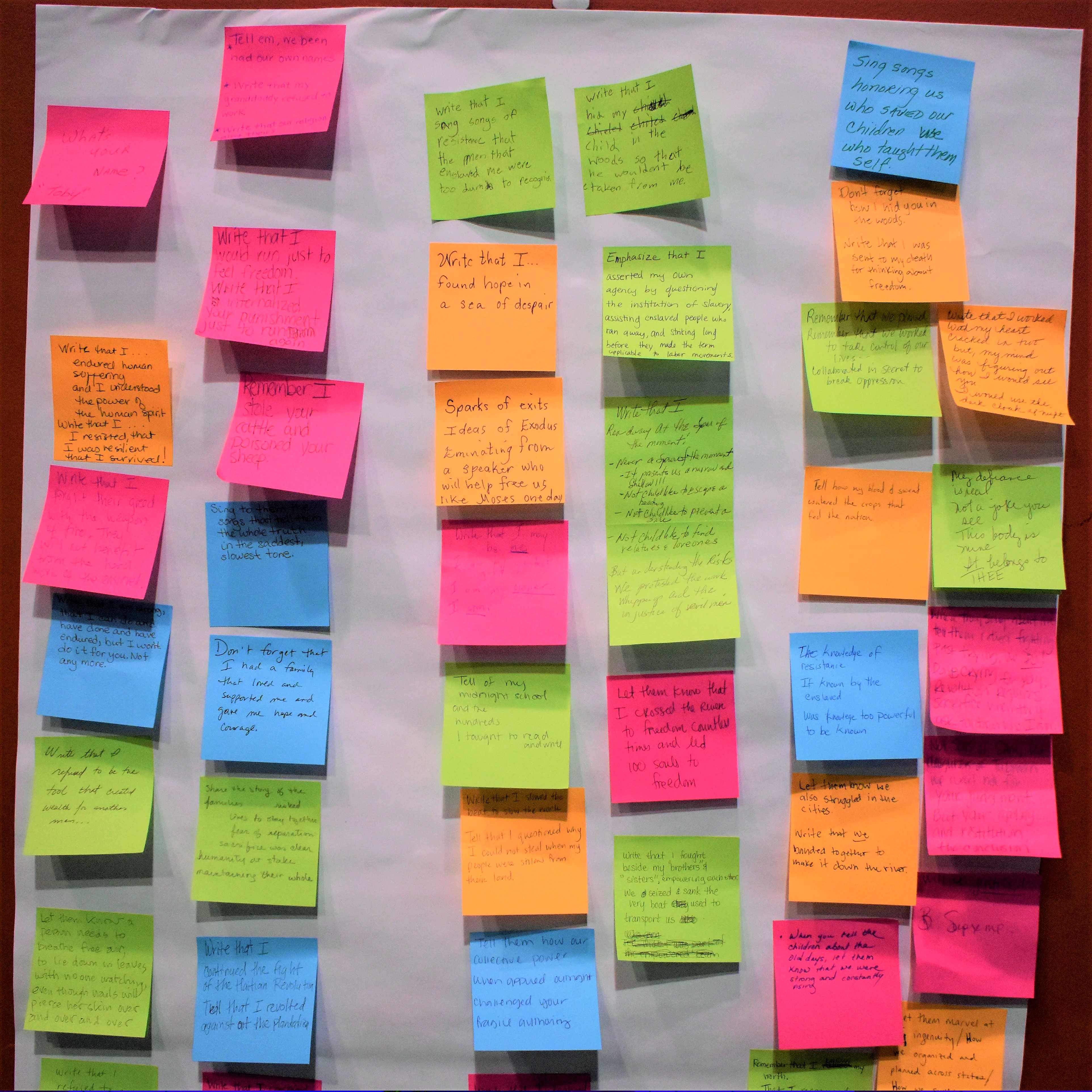
Through a mixer activity, students encounter how enslaved people resisted the brutal exploitation of slavery. The lesson culminates in a collective class poem highlighting the defiance of the enslaved.
Continue reading
Teaching Activity. By Ursula Wolfe-Rocca.
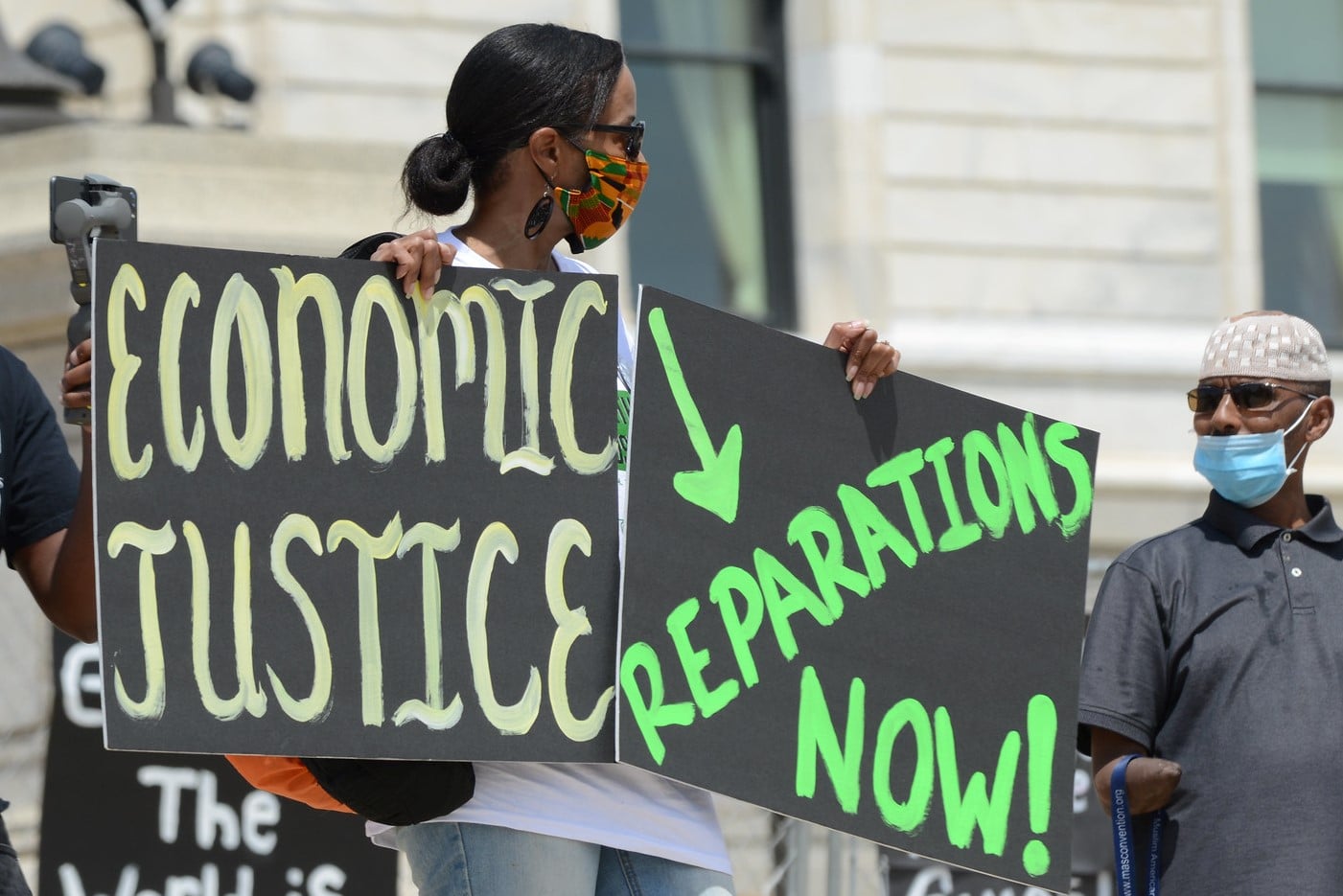
In this activity, students take on the role of activist-experts to improve upon a Congressional bill for reparations for Black people. They talk back to Congress’ flimsy legislation and design a more robust alternative.
Continue reading
Teaching Activity. By Ursula Wolfe-Rocca. 25 pages.
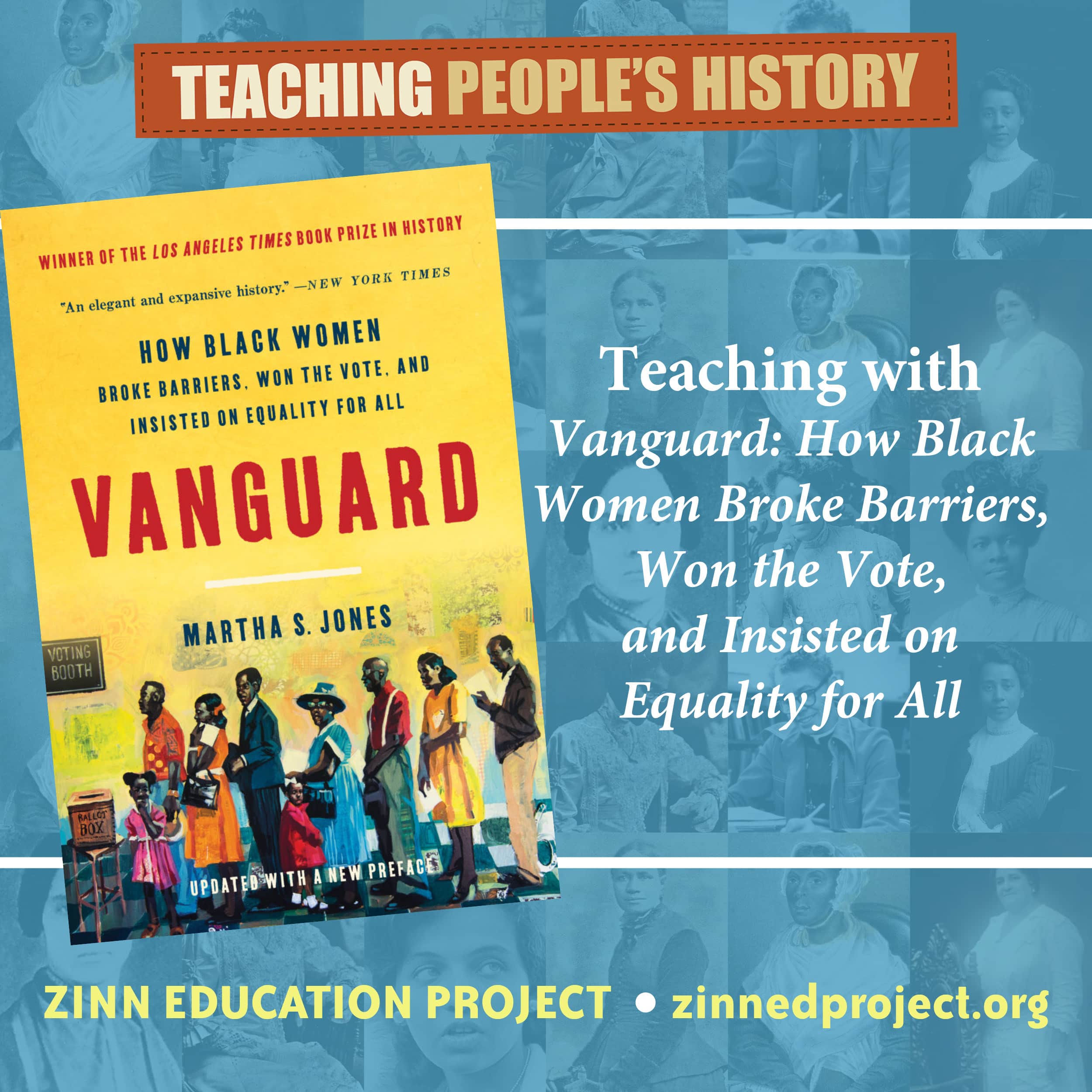
Students engage in an interactive activity with short excerpts from Martha Jones’ book to learn about the leading role of Black women in the fight for voting rights throughout U.S. history.
Continue reading
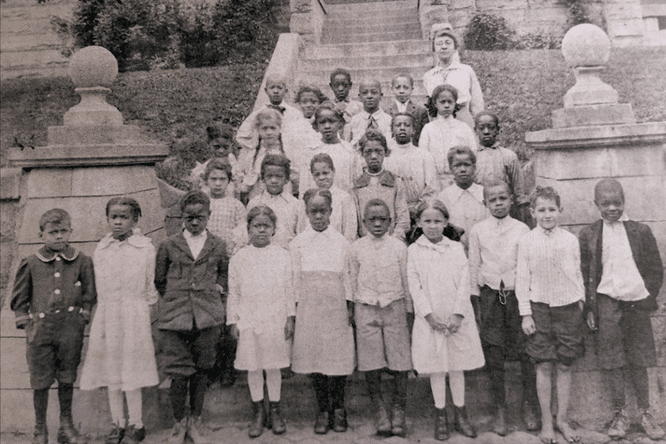
The first free school south of the Mason-Dixon Line was established in Parkersburg, West Virginia, during the Civil War.
Continue reading
Teaching Activity. By Bill Bigelow. 2025. 36 pages.
This is a unit with three lessons. The first invites students to think critically about key issues that confronted the framers of the Constitution — examining the perspectives not only of the elites attending the actual Constitutional Convention, but also of enslaved African Americans, poor white farmers, and white workers. The other two lessons are: The Constitutional Convention: Who Really Won? — with students exploring whose interests the Constitution advanced — and Federalist Paper #10: Suppressing “Wicked Projects,” a critical reading activity on James Madison's seminal defense of the Constitution.
Continue reading
Historian Marcus Rediker discussed his books Freedom Ship: The Uncharted History of Escaping Slavery by Sea and The Many-Headed Hydra: Sailors, Slaves, Commoners, and the Hidden History of the Revolutionary Atlantic, and talked about the many enslaved people who fled successfully from the horrors of bondage in the antebellum South not by land but by sea. This class was part of the Zinn Education Project’s Teach the Black Freedom Struggle online people’s history series.
Continue reading
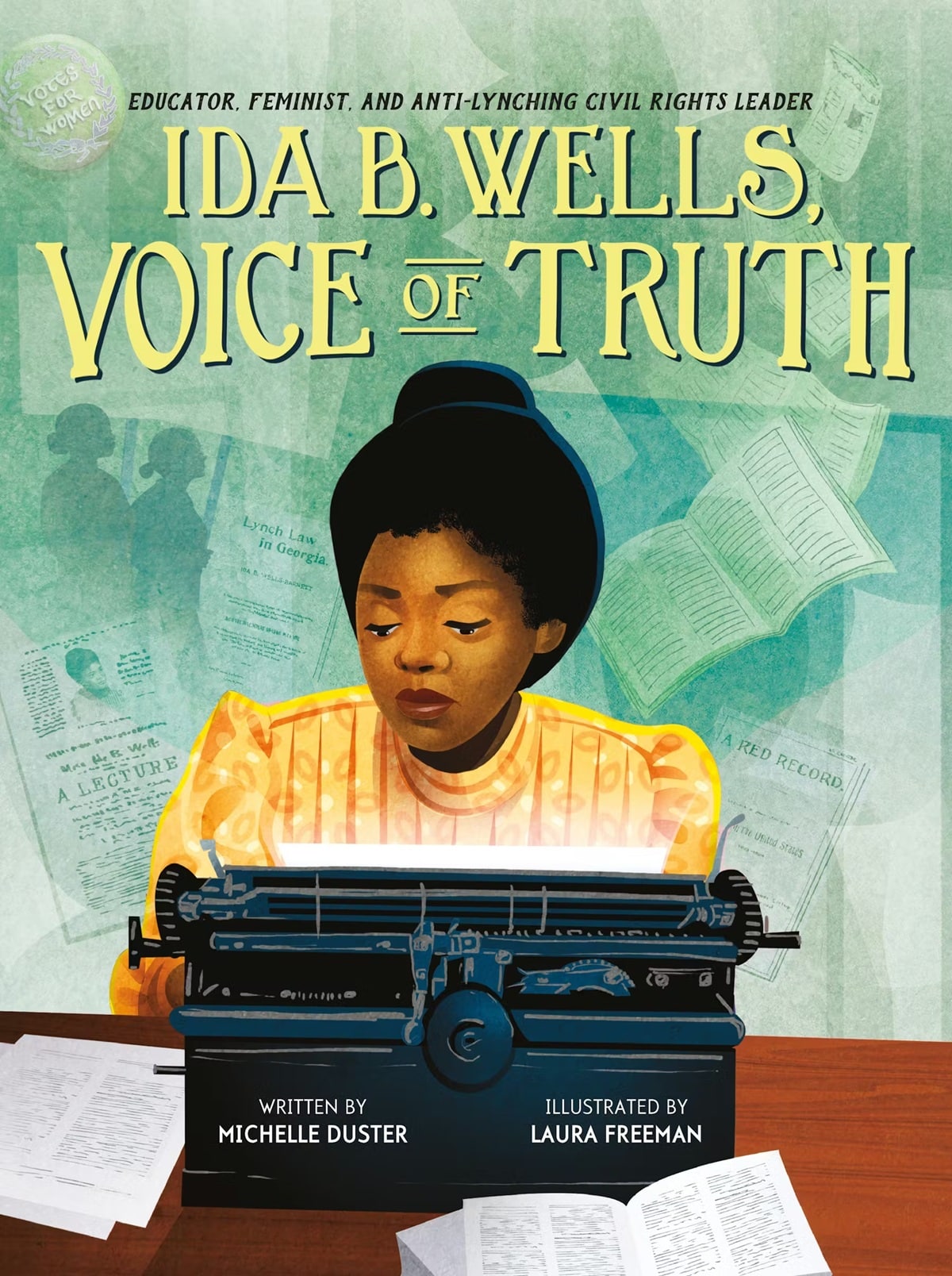
Picture book. By Michelle Duster, with illustrations by Laura Freeman. 2022. 40 pages.
An inspiring picture book biography of the groundbreaking journalist and civil rights activist as told by her great-granddaughter Michelle Duster.
Continue reading
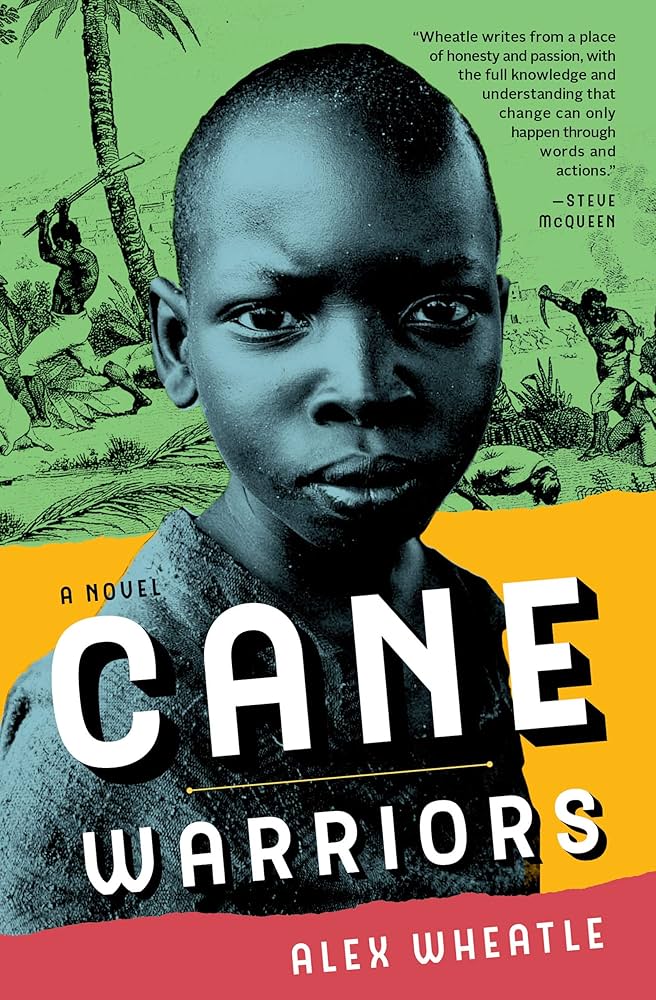
Book — Historical fiction. By Alex Wheatle. 2020. 192 pages.
Cane Warriors follows the true story of Tacky's War in Jamaica in 1760.
Continue reading
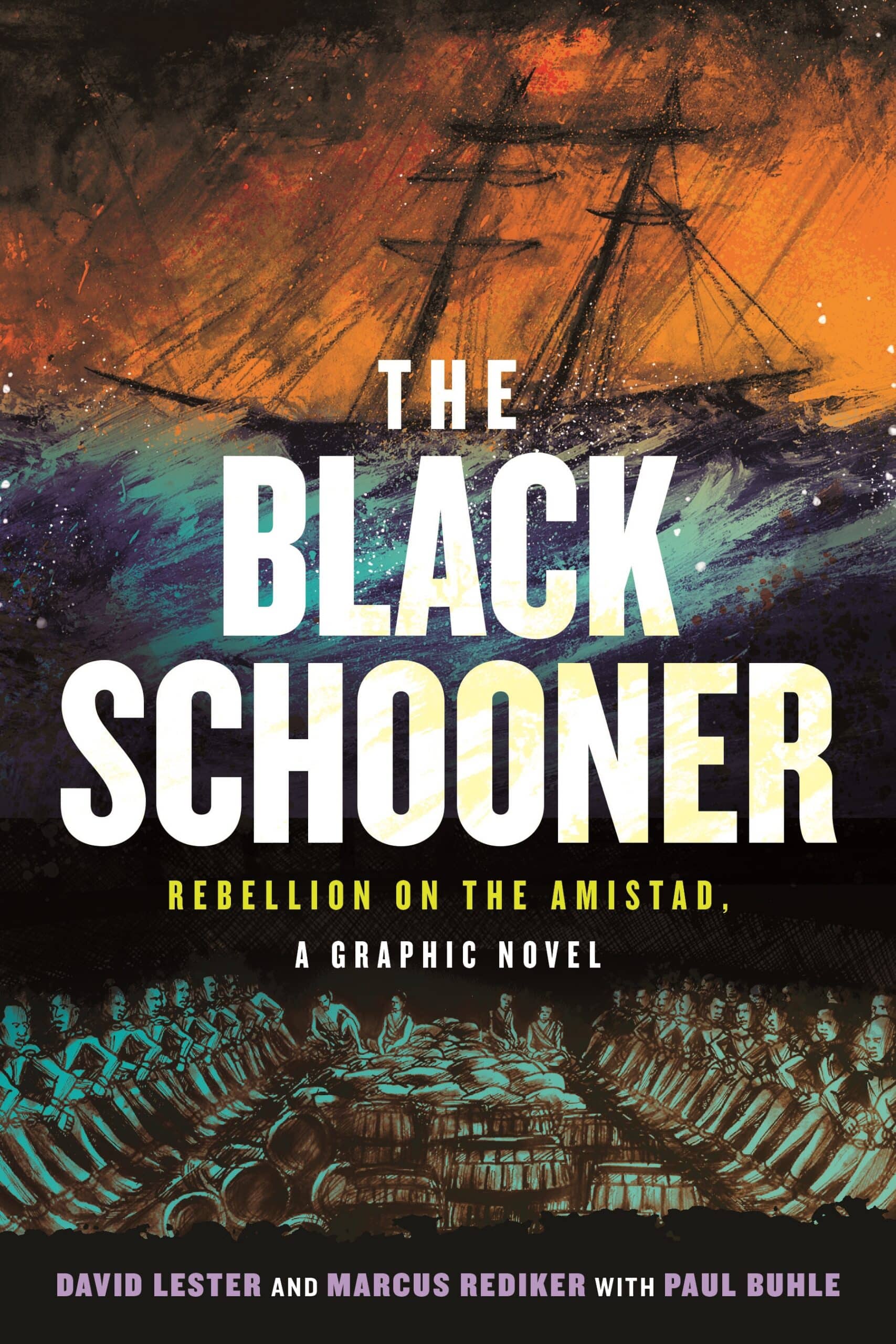
Book — Non-fiction. By David Lester and Marcus Rediker, and edited by Paul Buhle. 2026. 136 pages.
graphic history of how enslaved Africans on board the Amistad rebelled and captured the slave ship in 1839, challenging a whitewashed version of history and putting the Africans back at the center of their own freedom story.
Continue reading
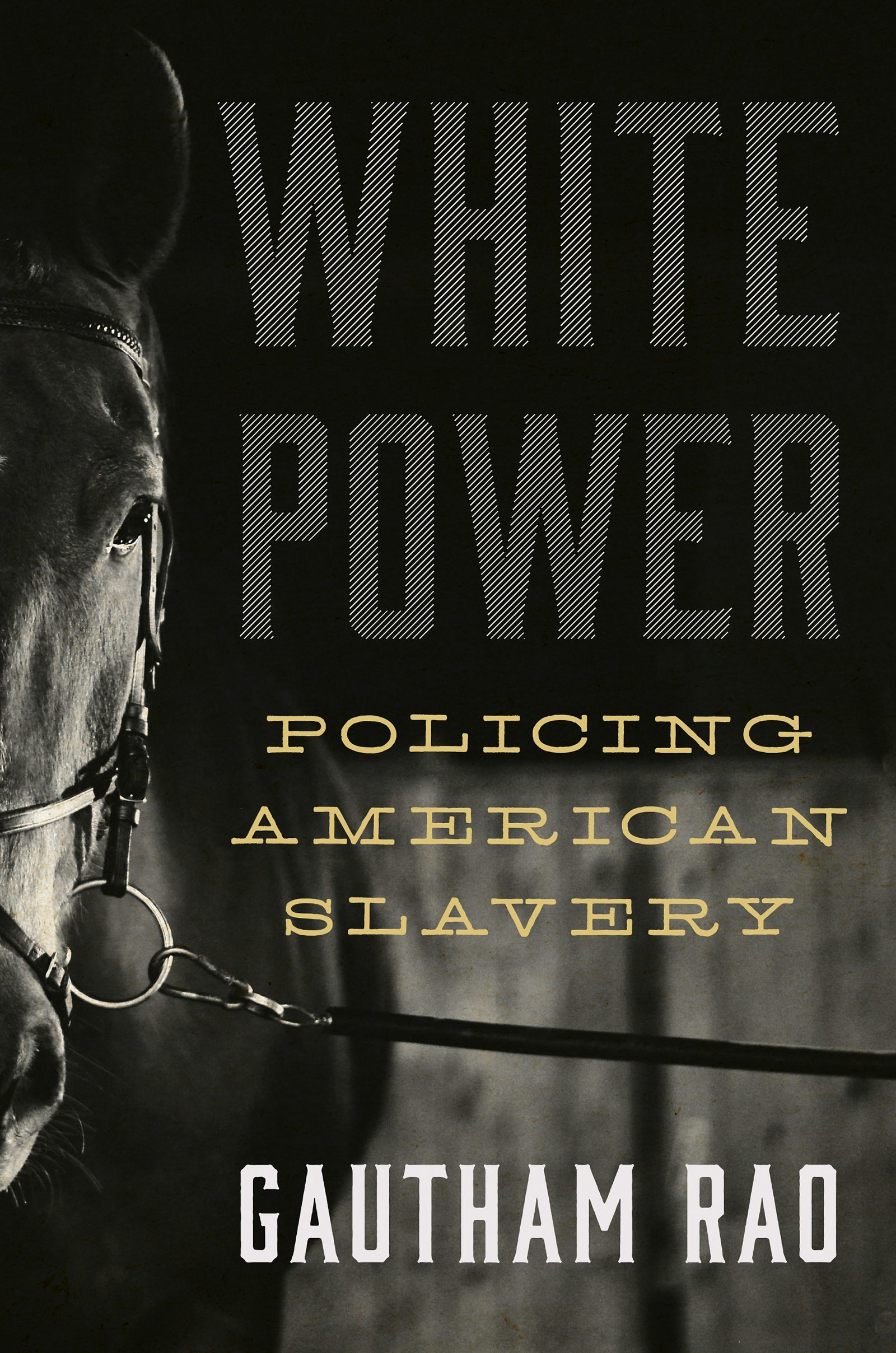
Book — Non-fiction. By Gautham Rao. 2026. 320 pages.
Uncovers how slaveholders created their own white supremacist police and government to deny Black people rights, power, and humanity.
Continue reading
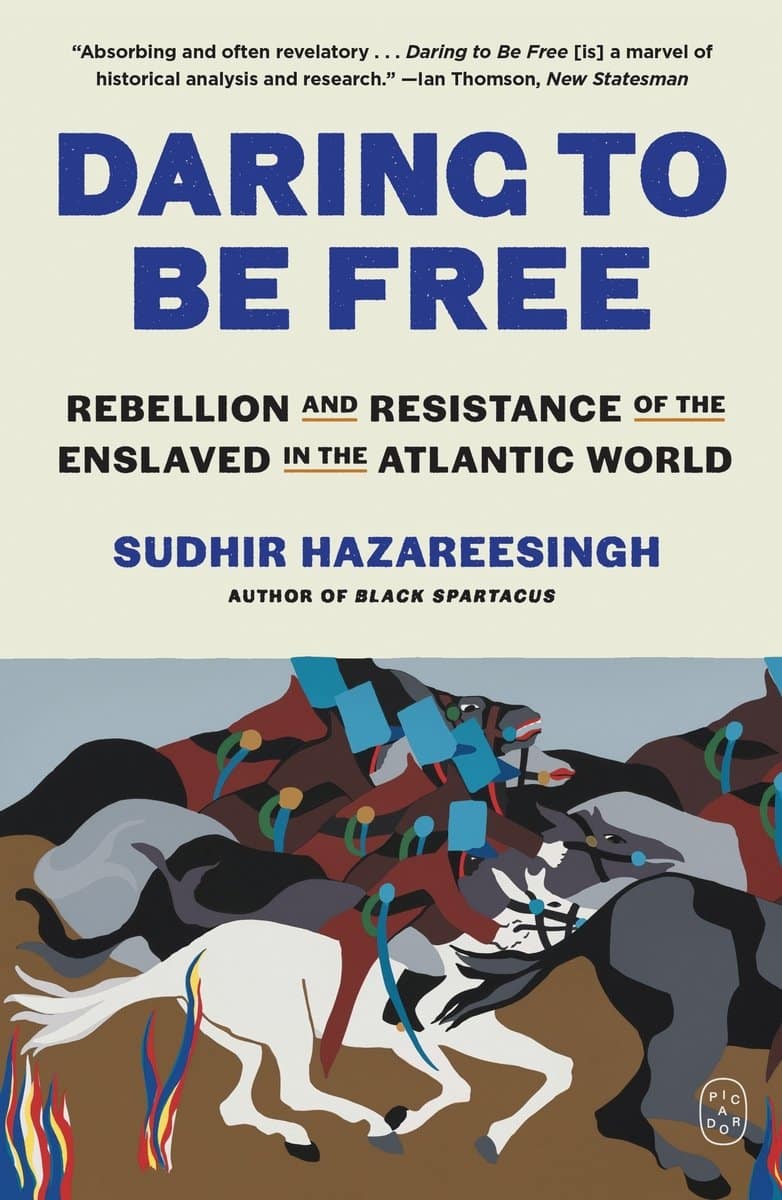
Book — Non-fiction. By Sudhir Hazareesingh. 2026. 464 pages.
Portrays the struggle for liberation from the perspective of the enslaved and, wherever possible, in their own words.
Continue reading
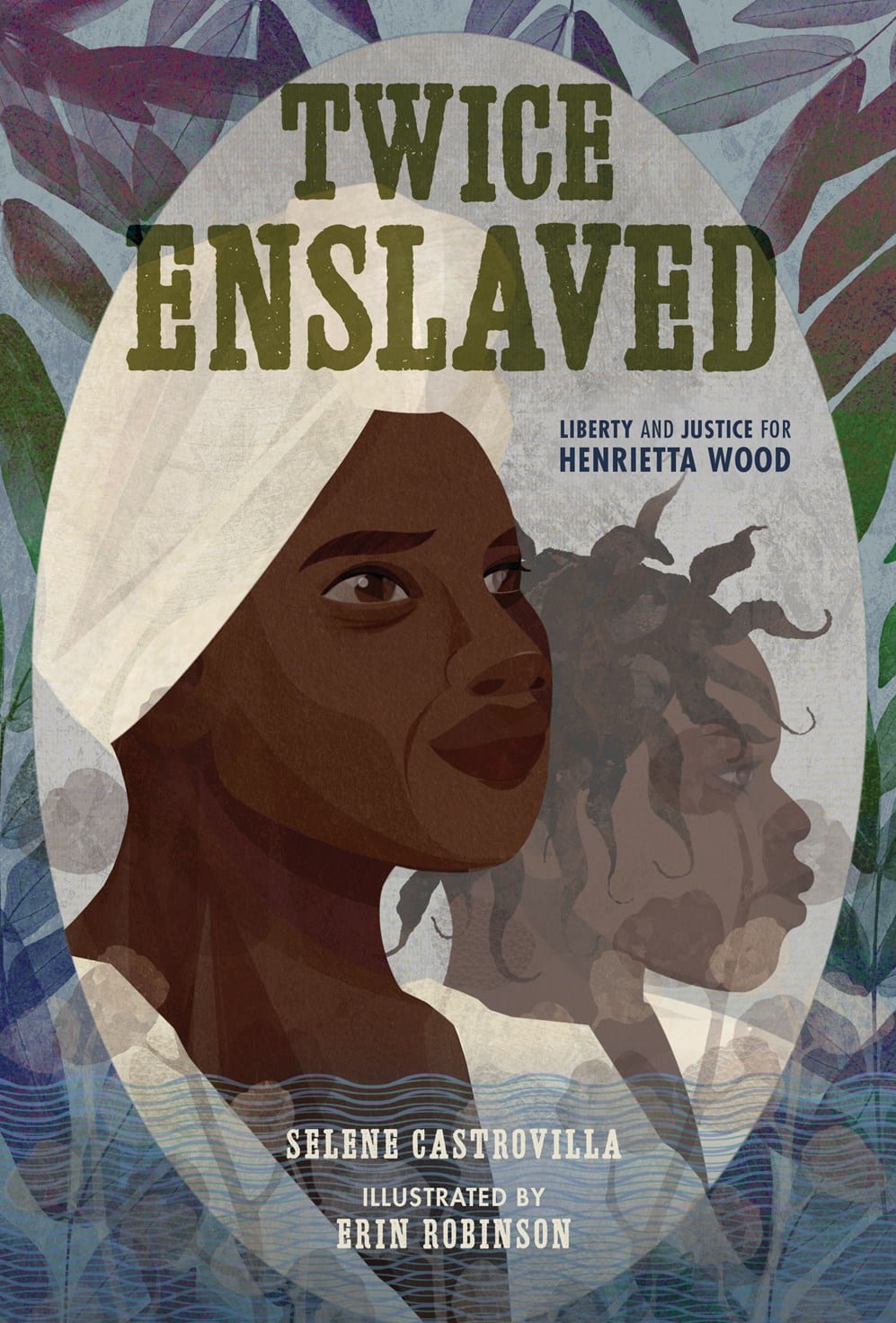
Book - Nonfiction. By Selene Castrovilla, illustrated by Erin K. Robinson. 2026. 80 pages.
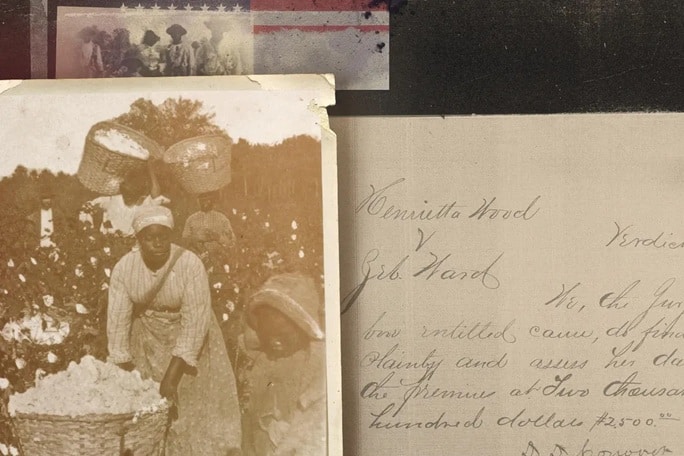
The story of Henrietta Wood, who was enslaved twice — but who demanded justice and was awarded the largest reparations ever granted for enslavement.
Continue reading
Formerly enslaved Henrietta Wood sued her former enslaver in federal court and was awarded $2,500 in restitution, which remains the largest reparations granted in U.S. history.
Continue reading