Teaching Activity. By Bill Bigelow and Linda Christensen. Rethinking Schools. 3 pages.
Empathy, or "social imagination," allows students to connect to "the other" with whom, on the surface, they may appear to have little in common.
Continue reading
Teaching Activity. By Bill Bigelow. 7 pages.
A lesson to introduce students to the numerous and varied ways African Americans resisted their enslavement, using the autobiographical Narrative of the Life of Frederick Douglass.
Continue reading
Teaching Activity. By Bill Bigelow. 6 pages.
A lesson on the countless colonial laws enacted to create division and inequality based on race. This helps students understand the origins of racism in the United States and who benefits.
Continue reading
Student Handout. By Bill Bigelow. 3 pages.
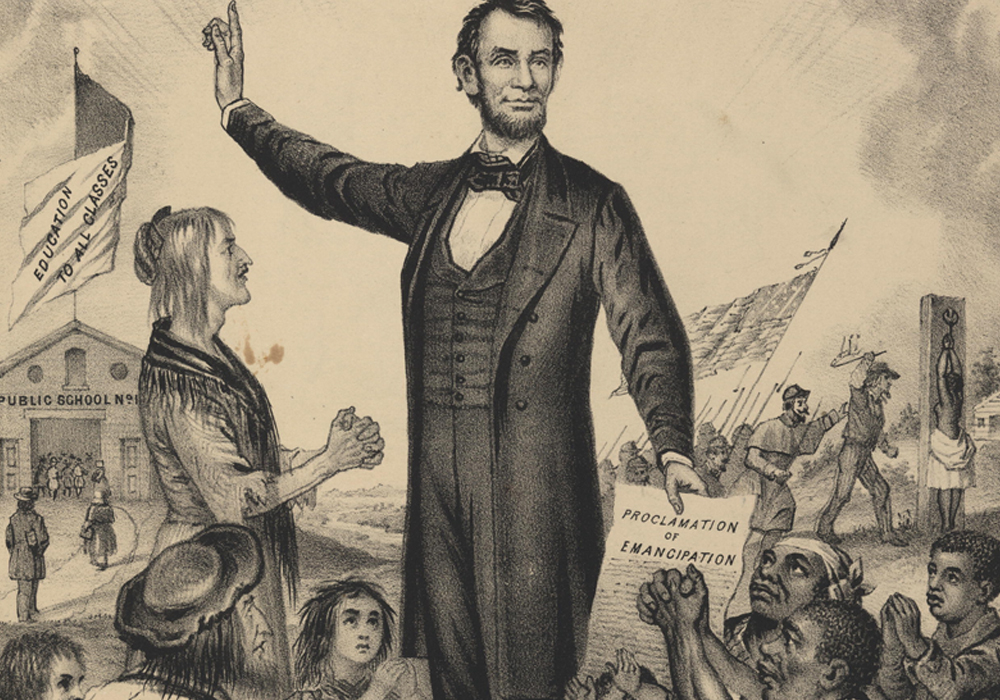
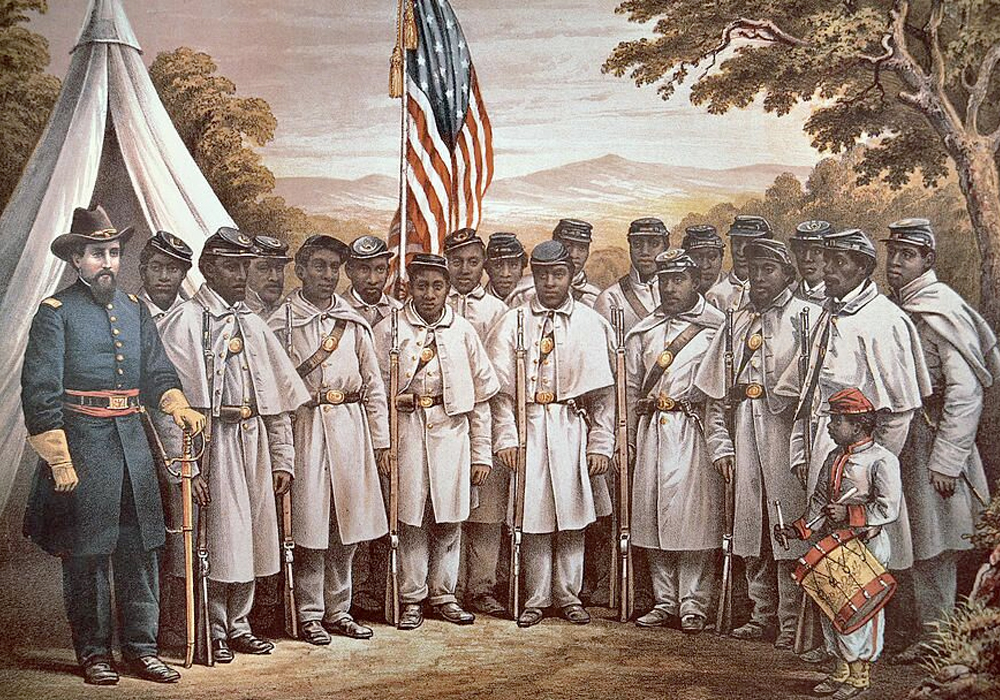
This timeline can be used as a resource for lessons on the Civil War, President Lincoln, the 54th Regiment, and the end of slavery.
Continue reading
Teaching Activity. By Bill Bigelow. 7 pages.
Students explore some of the myths of the Civil War through examining excerpts from Lincoln’s first inaugural address, the rarely mentioned original Thirteenth Amendment to the Constitution that Lincoln promised to support, and the Emancipation Proclamation.
Continue reading
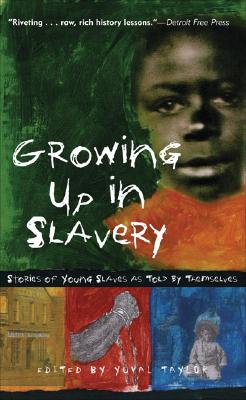
Book — Non-fiction. Edited by Yuval Taylor. 2005. 230 pages.
Ten individuals tell stories of their childhood and teenage years in slavery.
Continue reading
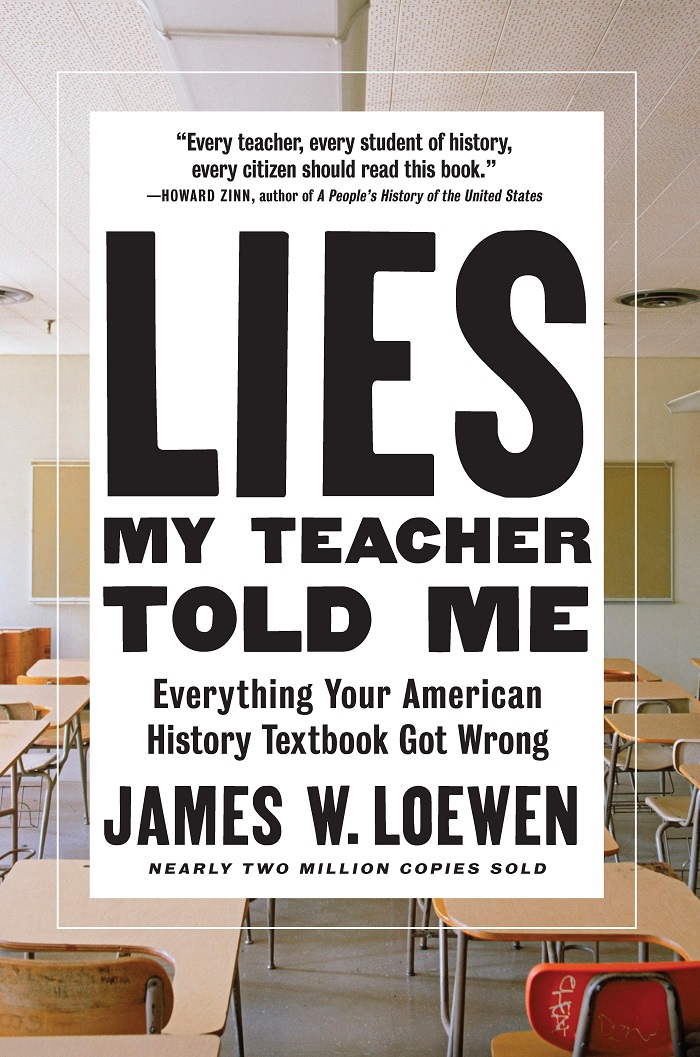
Book — Non-fiction. By James W. Loewen. 2018. 480 pages.
Provides a detailed critique of 12 leading high school history textbooks.
Continue reading
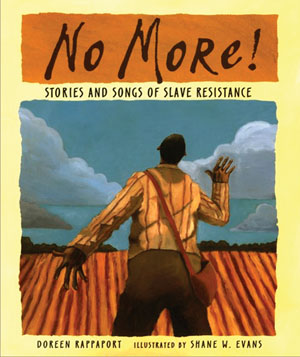
Picture book. By Doreen Rappaport. Illustrated by Shane W. Evans. 2005. 64 pages.
Picture book for upper elementary/middle school on the many forms of resistance to slavery.
Continue reading
Teaching Activity. By Gayle Olson-Raymer.
Questions and teaching ideas for Chapter 2 of Voices of a People's History of the United States on early American slavery, resistance, and rebellion.
Continue reading
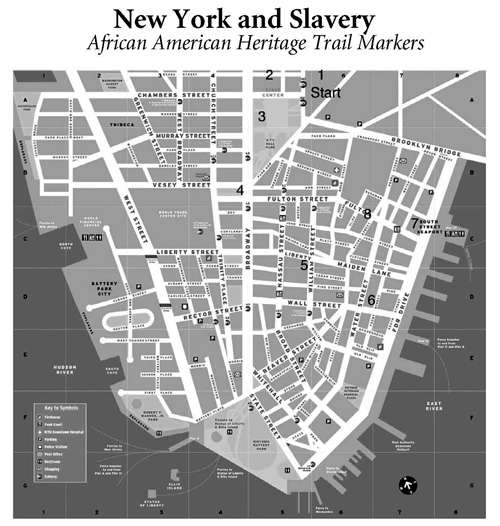
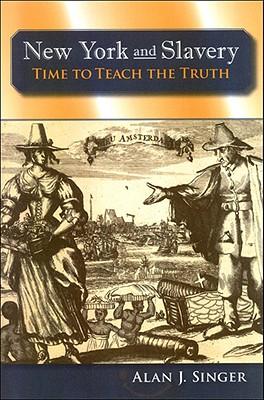
Teaching Activity. By Alan J. Singer. Rethinking Schools. 7 pages.
How a teacher and his students organized a tour of the hidden history of slavery in New York.
Continue reading
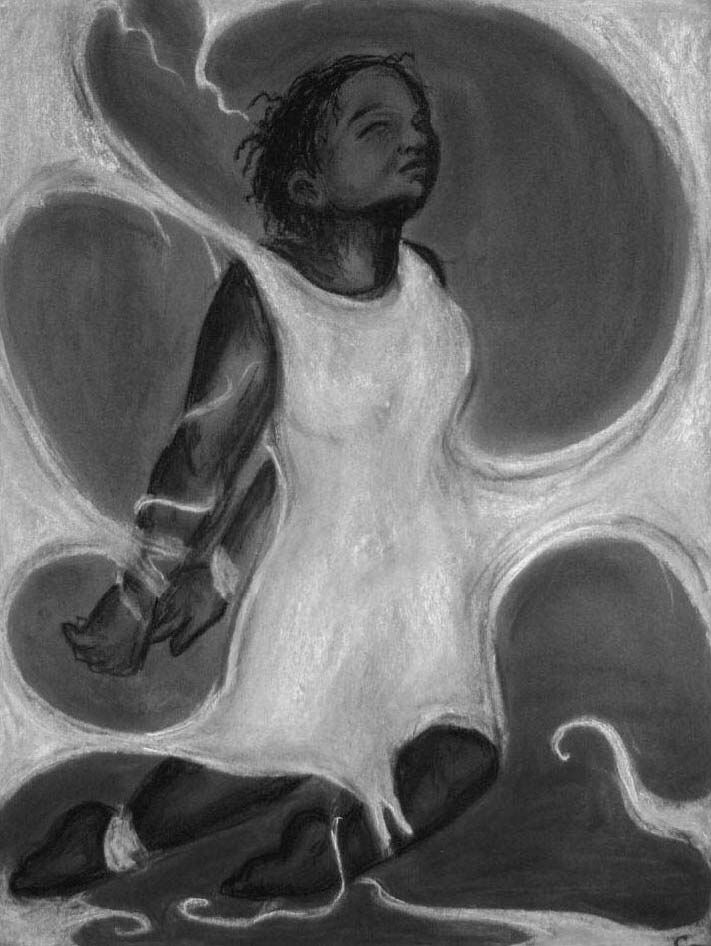
Teaching Activity. By Thom Thacker and Michael A. Lord. Rethinking Schools. 4 pages.
An art contest is used as the basis from which students can examine primary historical documents (advertisements for runaway slaves) to gain a deeper understanding of the institution of slavery in the North.
Continue reading
Article. Background reading for teachers. By Bill Bigelow. 4 pages.
A review of Freedom's Unfinished Revolution, a collection of primary documents for high school on the Civil War and Reconstruction.
Continue reading
Teaching Activity. By Bill Bigelow. 12 pages.
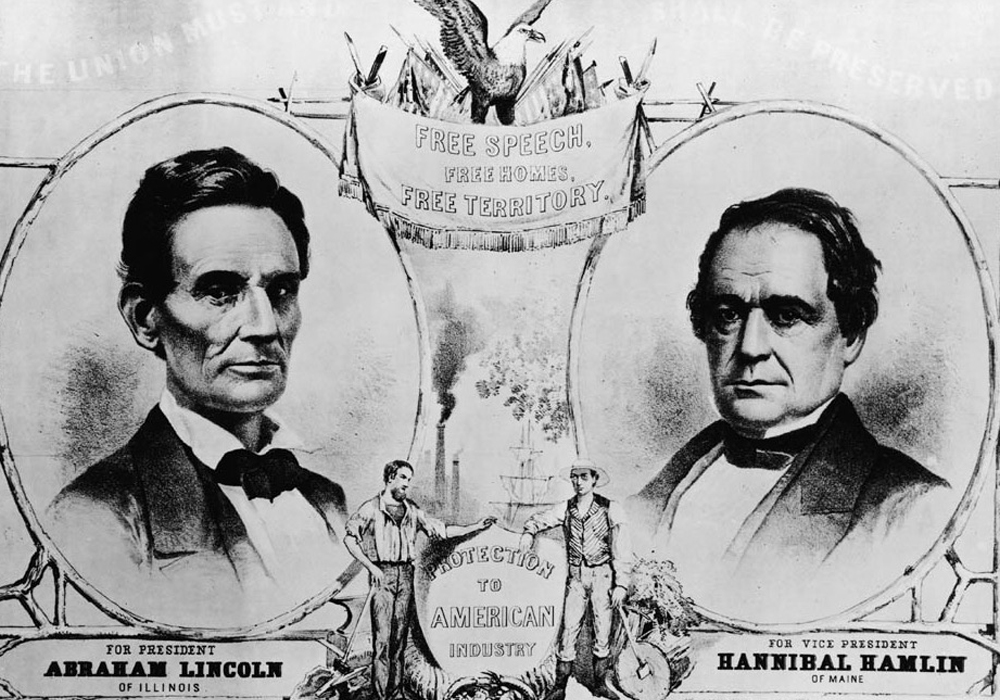
A role play based on the election of 1860 allows students to explore the political debates of the time and the real reasons for the Civil War.
Continue reading
Teaching Guide. By Gayle Olson-Raymer. 17 pages.
Questions and teaching ideas for Chapter 9 of Voices of a People's History of the United States on black and white resistance to slavery before the Civil War.
Continue reading
Picture book. By Patricia Polacco. 1994. 48 pages.
The narrative of two young boys who meet and help each other during the Civil War. For upper elementary.
Teaching Activity by Patricia Polacco
Continue reading
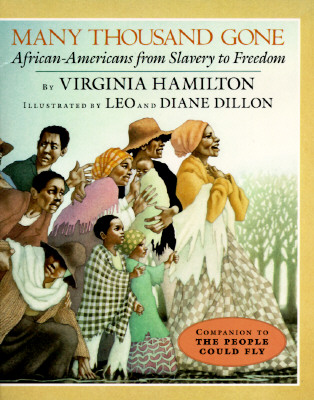
Book — Non-fiction. By Virginia Hamilton. 2002. 160 pages.
An illustrated account of slavery for children based on historical records, personal narratives, and biographies for ages 8 - 12. Includes profiles of Harriet Tubman, Sojourner Truth, and Frederick Douglass.
Continue reading
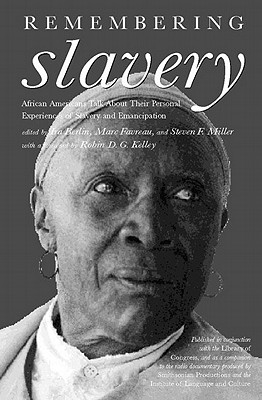
Book — Non-fiction and CD. Edited by Ira Berlin, Marc Favreau, and Steven F. Miller. Foreword by Robin D.G. Kelley. 2007. 359 pages.
Oral histories of first-person accounts of slavery.
Continue reading
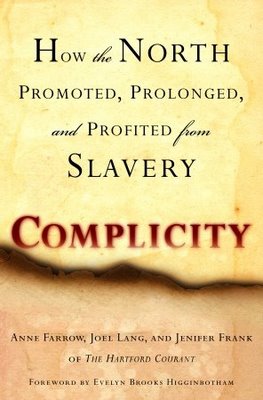
Book — Non-fiction. By Anne Farrow, Joel Lang and Jenifer Frank. 2005. 304 pages.
Challenges the misconception that only the South was involved in or profited from slavery.
Continue reading
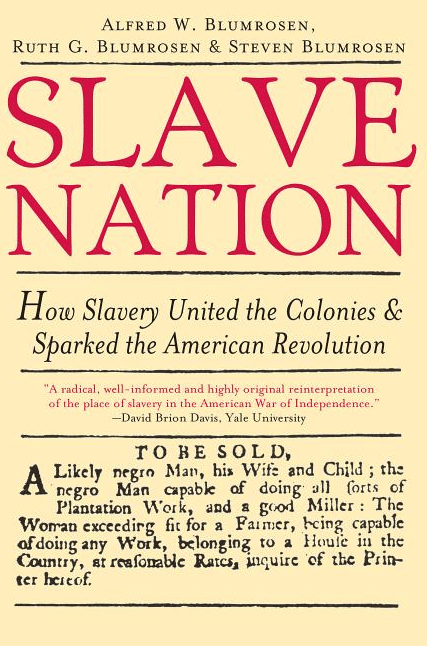
Book — Non-fiction. By Alfred Blumrosen and Ruth Blumrosen. 2006. 304 pages.
A detailed account of the role slavery played in the Revolutionary War and the writing of the U.S. Constitution.
Continue reading
Website.
A companion site to the PBS documentary on the origins and legacy of American slavery, including episodes on the Revolutionary and Civil Wars.
Continue reading
Teaching Guide. By Alan J. Singer. 2008. 178 pages.
Narrative description of slavery in the north and strategies for engaging young people as historians on the topic.
Continue reading
Audio. By Howard Zinn. Read by Matt Damon. 2003. 8 hours, 44 minutes.
Audio book version of excerpted highlights from A People's History of the United States.
Continue reading
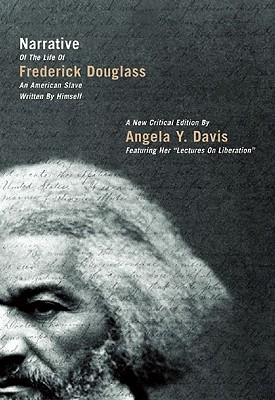
Book — Non-fiction. By Frederick Douglass and essays by Angela Davis. 2009. 254 pages.
The classic biography of Frederick Douglass with an introduction and critical analysis by Angela Davis.
Continue reading
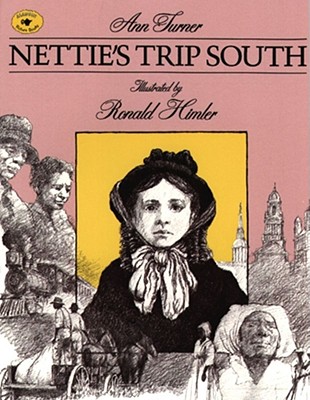
Book — Fiction. By Ann Turner and Ronald Himler. 1995. 32 pages.
Based on the diary of the author's great-grandmother, this is a poignant and compelling look at slavery through the eyes of a young girl.
Continue reading
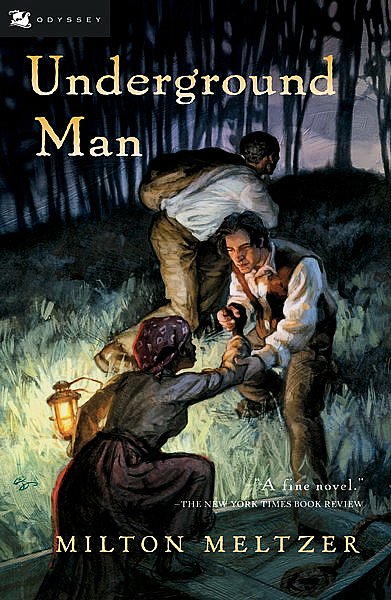
Book — Fiction. By Milton Meltzer. 2006. 288 pages.
An historically accurate novel on abolitionists and the Underground Railroad for middle school readers.
Continue reading