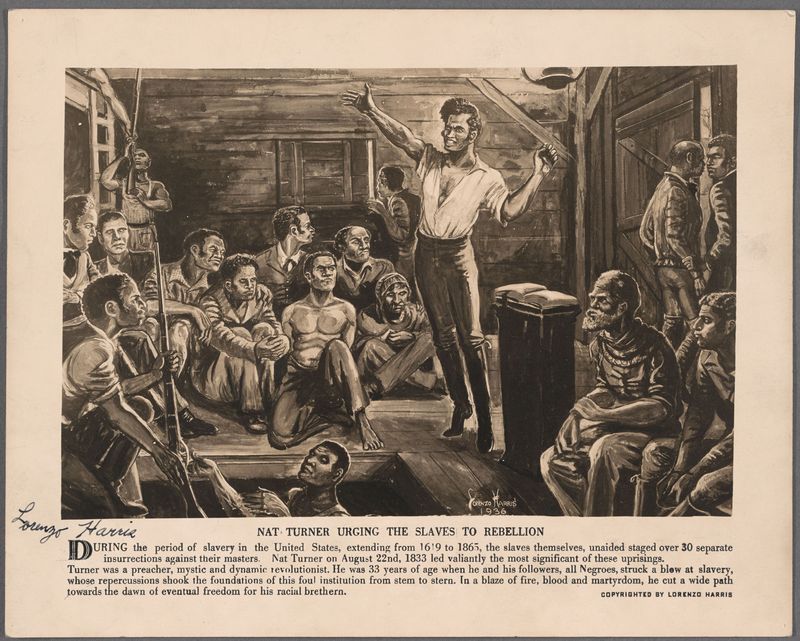
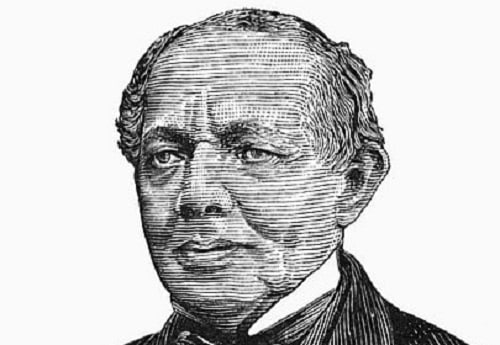
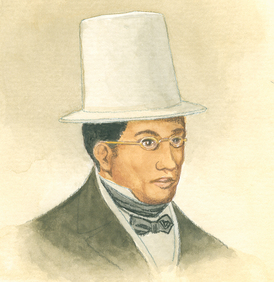
Nathaniel Turner launched one of the most historic revolts to end enslavement.
Continue reading
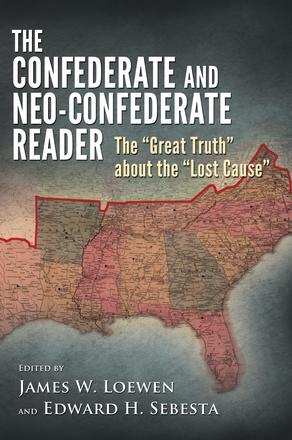
Book — Non-fiction. Edited by James W. Loewen and Edward H. Sebesta. 2010. 484 pages.
Primary documents on the causes of the Civil War.
Continue reading
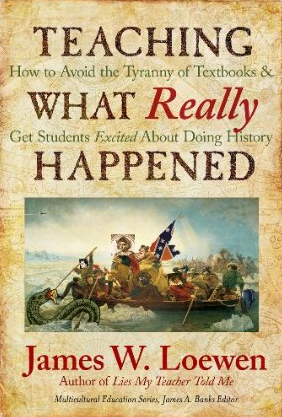
Teaching Guide. By James W. Loewen. 2010. 264 pages.
A wealth of ideas on how to rethink the teaching of U.S. history.
Continue reading
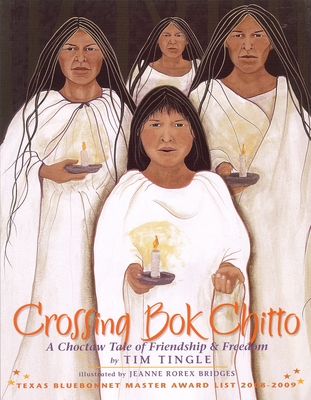
Picture book. By Tim Tingle. 2008. 40 pages.
A picture book that highlights rarely discussed intersections between Native Americans in the South and African Americans in bondage.
Continue reading
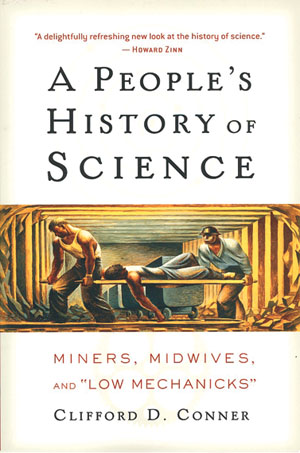
Book — Non-fiction. By Clifford D. Conner. 2005. 554 pages.
New look at history of science, highlights hunter-gatherers, farmers, sailors, miners, blacksmiths, and more.
Continue reading
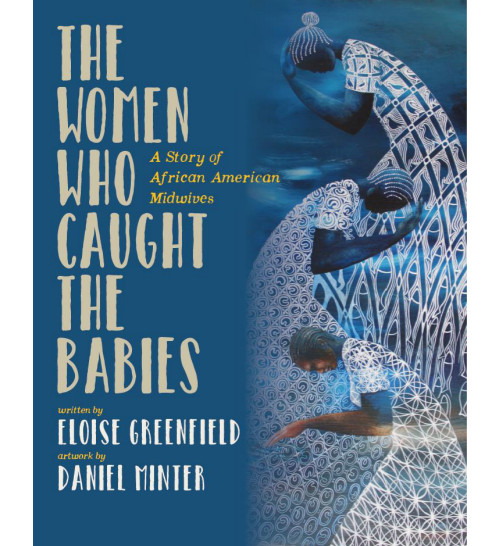
Picture book. By Eloise Greenfield. Illustrated by Daniel Minter. 2019. 32 pages.
This unique picture book begins with historical background on the work of midwives and then switches to poetry to tell vignettes from lives of midwives during slavery, emancipation, and today.
Continue reading
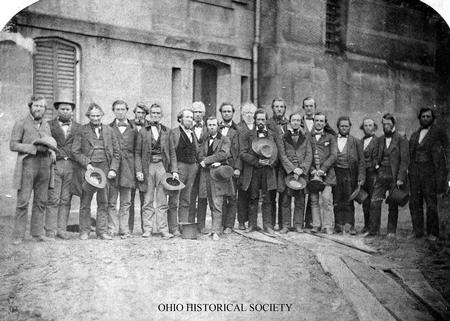
Eighteen-year-old John Price was arrested by a federal marshal in Oberlin, Ohio under the Fugitive Slave Act of 1850.
Continue reading
William Whipper published “An Address on Non-Resistance to Offensive Aggression.”
Continue reading
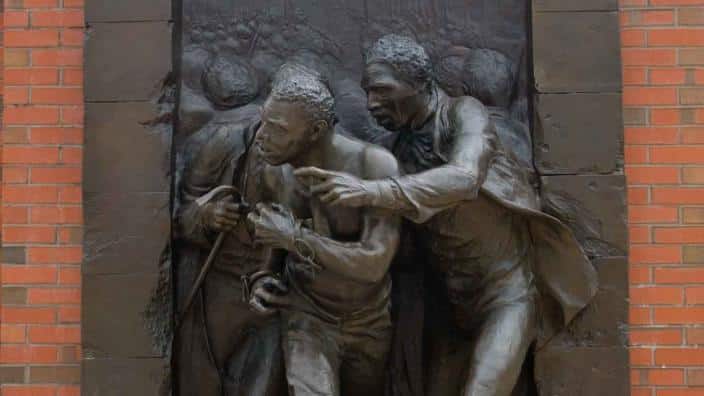
Abolitionists freed a man captured under the Fugitive Slave Act of 1850 in Syracuse, New York.
Continue reading
Teaching Activity. By Bob Peterson. Rethinking Schools. 14 pages.
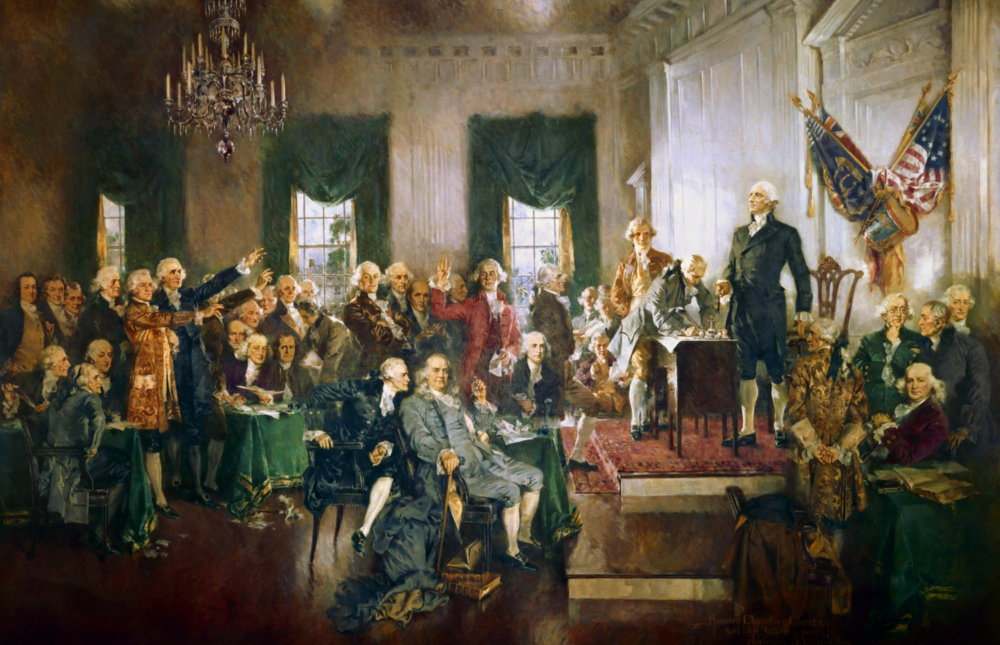
A role play on the Constitutional Convention which brings to life the social forces active during and immediately following the American Revolution with focus on two key topics: suffrage and slavery. An elementary school adaptation of the Constitution Role Play by Bill Bigelow. Roles available in Spanish.
Teaching Activity by Bob Peterson
Continue reading
Teaching Activity. By Bill Bigelow. 24 pages.
The U.S. Constitution endorsed slavery and favored the interests of the owning classes. What kind of Constitution would have resulted from founders who were representative of the entire country? That is the question addressed in this role play activity.
Continue reading
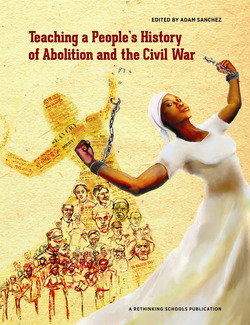
Teaching Guide. Edited by Adam Sanchez. 2019. Rethinking Schools. 181 pages.
Students will discover the real abolition story, one about some of the most significant grassroots social movements in U.S. history.
Continue reading
Teaching Activity. By Adam Sanchez, Brady Bennon, Deb Delman, and Jessica Lovaas.
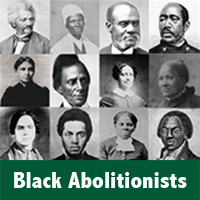
This mixer role play introduces students to the stories of famous and lesser-known abolitionists, through biography and investigation.
Continue reading
Radical abolitionists organized to liberate kidnapped Black New Yorkers and fight racist police violence in the decades after New York abolished slavery.
Continue reading
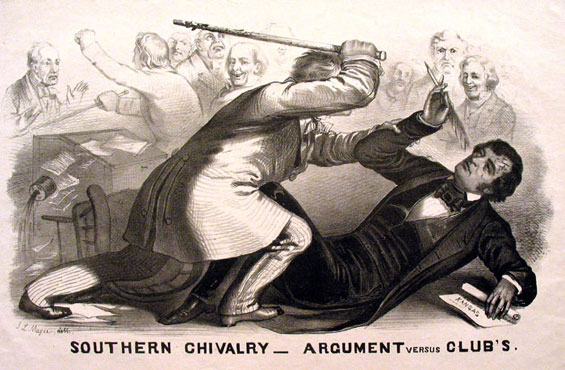
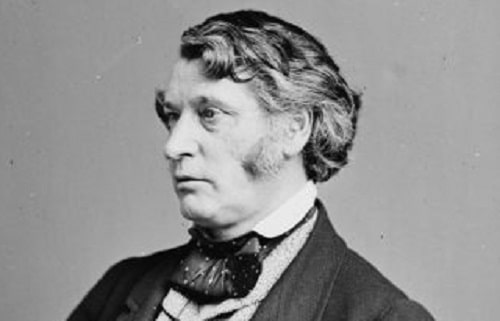
Charles Sumner delivered a speech denouncing slavery and the need for Kansas to become a free state.
Continue reading
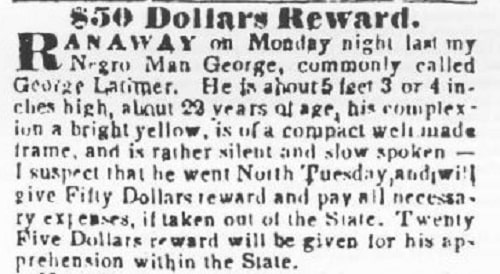
A Boston judge stopped the extradition of George Latimer, who had escaped enslavement in Virginia, and allowed him to raise funds for his own manumission.
Continue reading
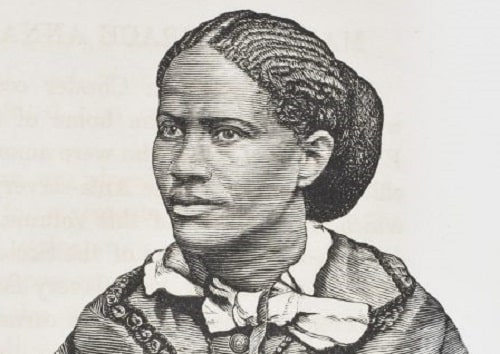
Frances Ellen Watkins Harper, a Black abolitionist and writer, wrote to John Brown as he awaited his execution.
Continue reading
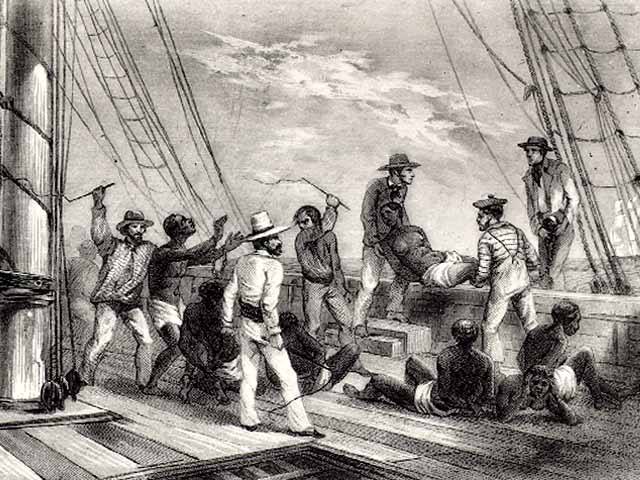
During the Zong Massacre, a ship captain ordered that 54 enslaved Africans be thrown overboard and killed.
Continue reading
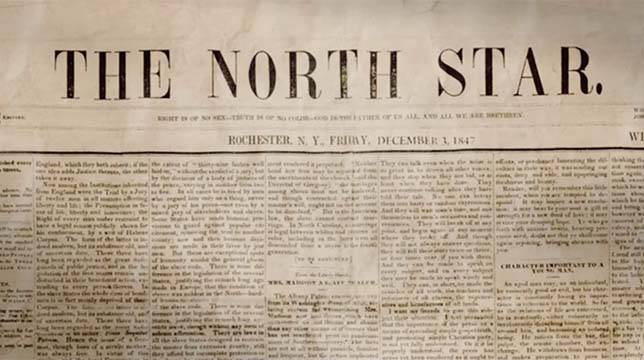
Frederick Douglass and Martin Delany launched the abolitionist North Star newspaper.
Continue reading
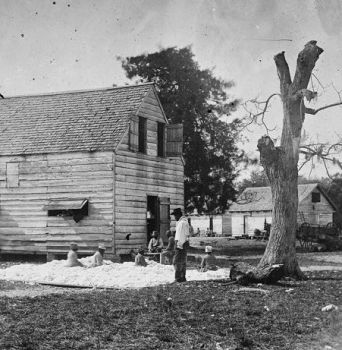
The Union Army occupied the Sea Islands off the coast of South Carolina, freeing approximately 10,000 people who had been enslaved, starting what became known as the Port Royal Experiment.
Continue reading
Born on this day in Massachusetts, Charles Sumner was outspoken against slavery, for full recognition of Haiti, against the U.S.-Mexico War, for true reconstruction with land distribution, against school segregation, and much more.
Continue reading
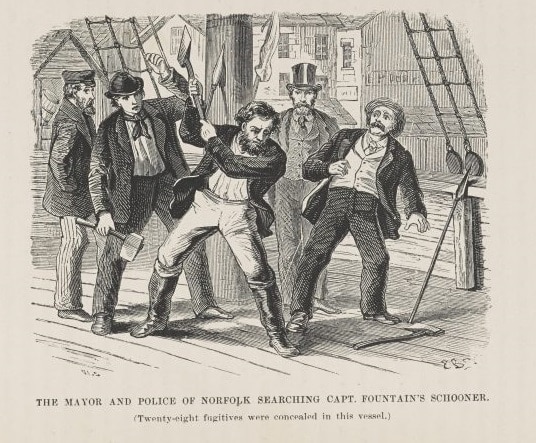
With escalating escapes of the formerly enslaved, the Virginia General Assembly responded to lobbying from slaveholders and human traffickers by making it harder for enslaved African Americans to escape on ships and by increasing penalties for anyone helping such freedom-seekers.
Continue reading
Approximately ninety-six Africans held captive on the British slave ship Little George revolted against the ship’s captain and crew, eventually taking control of the entire ship.
Continue reading
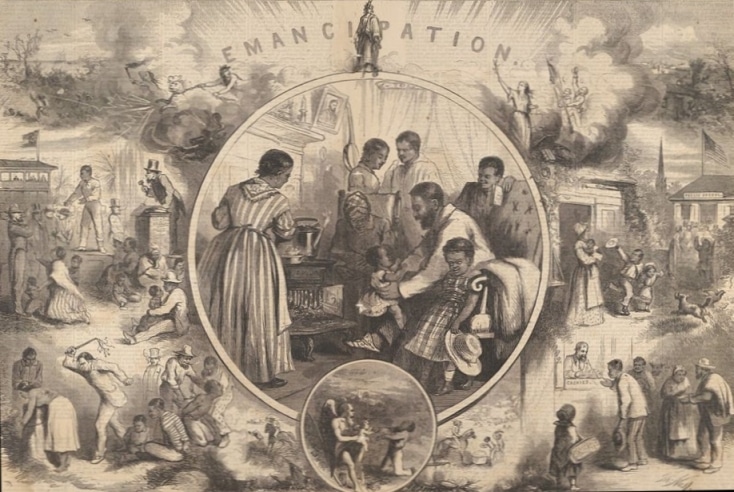
Digital collection. Documents that help explain how Black people traversed the bloody ground from slavery to freedom between the beginning of the Civil War in 1861 and the beginning of Reconstruction in 1867.
Continue reading
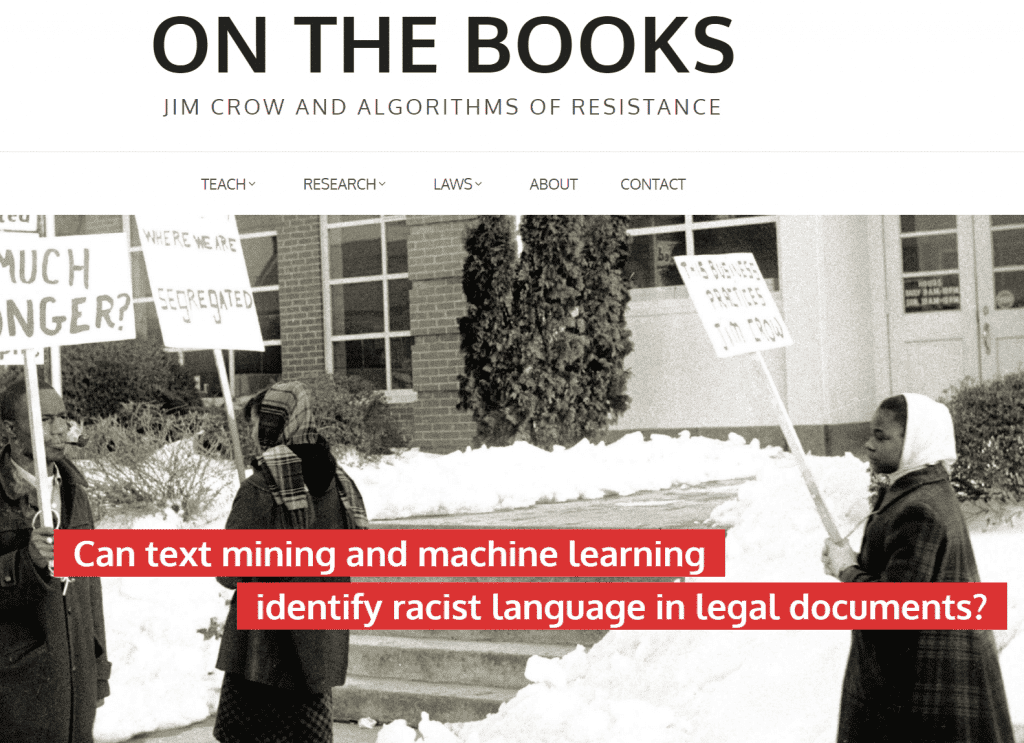
Digital collection. Collections as data and machine learning project examining Jim Crow and racially-based legislation signed into law in North Carolina between Reconstruction and the Civil Rights Movement.
Continue reading