

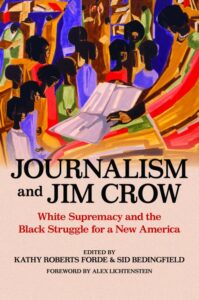
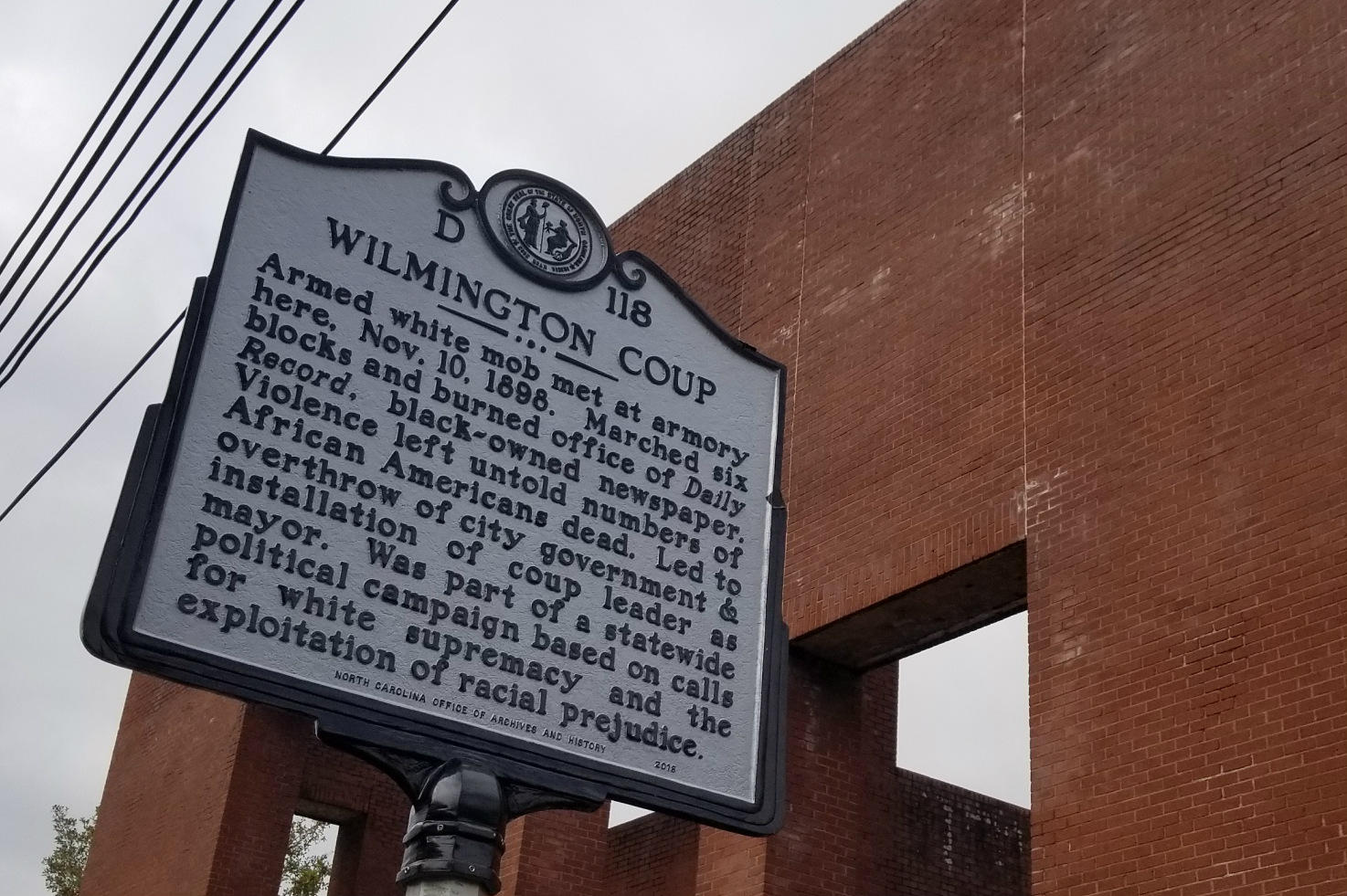
 White publishers and editors used their newspapers to build, nurture, and protect white supremacy across the South in the decades after the Civil War. At the same time, a vibrant Black press fought to disrupt these efforts and force the United States to live up to its democratic ideals. Journalism and Jim Crow centers the press as a crucial political actor shaping the rise of the Jim Crow South.
The contributors explore the leading role of the white press in constructing an anti-democratic society by promoting and supporting not only lynching and convict labor but also coordinated campaigns of violence and fraud that disenfranchised Black voters. They also examine the Black press’s parallel fight for a multiracial democracy of equality, justice, and opportunity for all.
Contributors include Sid Bedingfield, Bryan Bowman, W. Fitzhugh Brundage, Kathy Roberts Forde, Robert Greene II, Kristin L. Gustafson, D’Weston Haywood, Blair L. M. Kelley, and Razvan Sibii. [Adapted from publishers’ description. See publisher’s discussion guide. ]
ISBN: 9780252086151 | University of Illinois Press
Praise
Advantaged by the journalistic backgrounds of its writers, the book horrifies as it explains the role of southern white newspapermen in ending Reconstruction, ushering in Jim Crow, and disguising it all in a narrative of ‘The New South’ . . . . The book dramatically shows the blood on the hands of the white southern press in lynching and then looks closely at the role of newspapers in spreading and resisting white supremacy in case studies of most southern states. — Black Perspectives
A powerful collection of essays exploring how white journalists helped created Jim Crow and how Black journalists fought for something better. . . . All parts of the book are grounded in relevant scholarship and polished for clarity. — Journal of Southern History
Assembling penetrating scholarship on the complex roles that newspapers and their personnel (editors, publishers, reporters) played in both establishing white supremacy in the postbellum South and in resisting its imposition, Journalism and Jim Crow offers much fresh insight based on original research. Together, the collected essays highlight the pivotal role of a set of actors (some of them prominent, many previously neglected) and institutions, making substantial contributions to scholarship on the origins of Jim Crow as well as filling a major gap in journalism history and media studies. — Bruce J. Schulman, The Seventies: The Great Shift in American Culture, Society, and Politics




Twitter
Google plus
LinkedIn