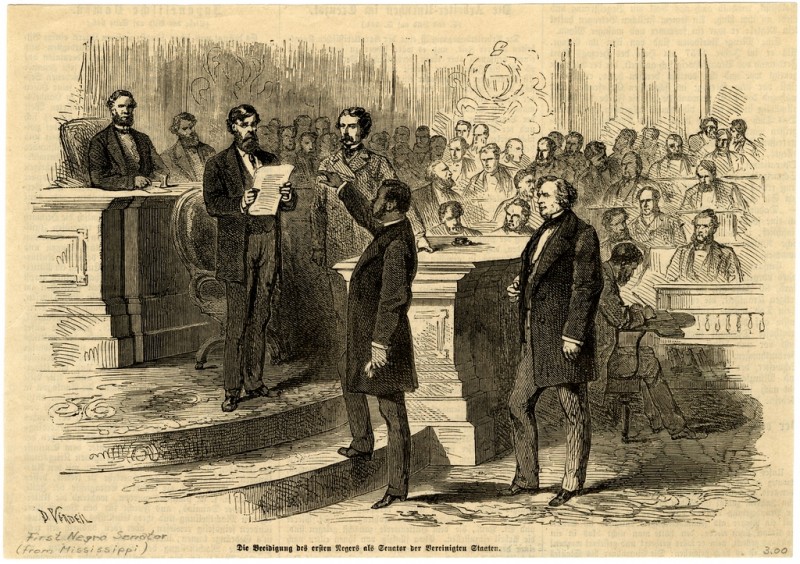
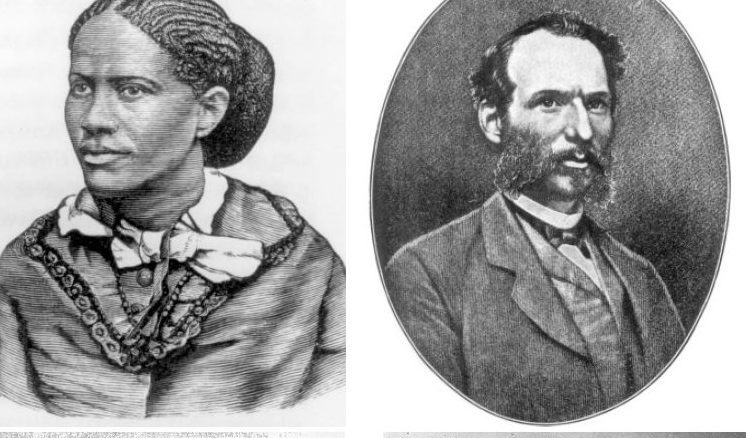
Hiram Revels was sworn into office as senator from Mississippi, becoming the first African American to serve in the U.S. Senate.
Continue reading
Congress overrode President Andrew Johnson’s veto and passed the first of four statutes known as the Reconstruction Acts, which outlined the process of readmission to the Union.
Continue reading
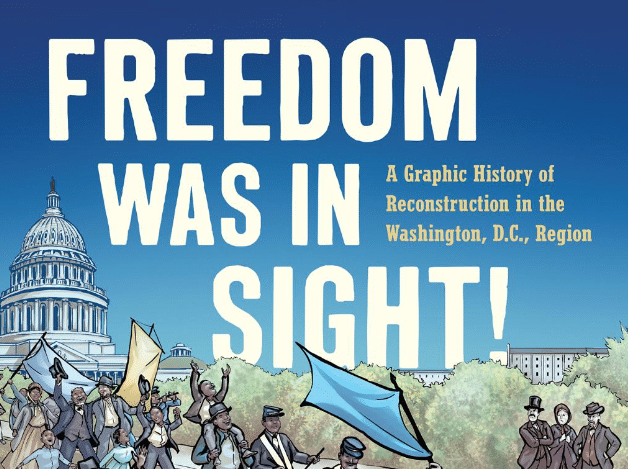
Book — Non-fiction. By Kate Masur and illustrated by Elizabeth Clarke. 2024. 192 pages.
This graphic history reveals the hopes and betrayals of Reconstruction, a critical period in American history.
Continue reading
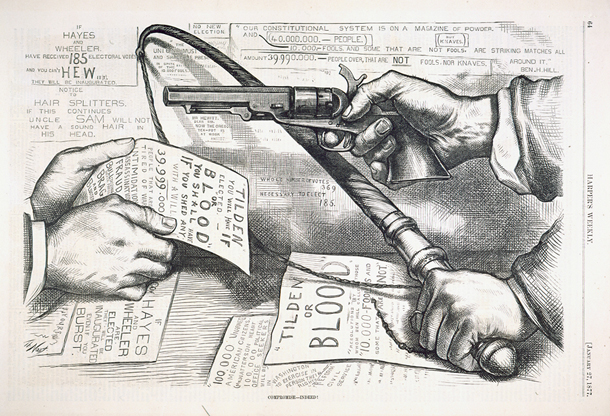
Rutherford Hayes became the 19th President of the United States with a devastating impact on Reconstruction.
Continue reading
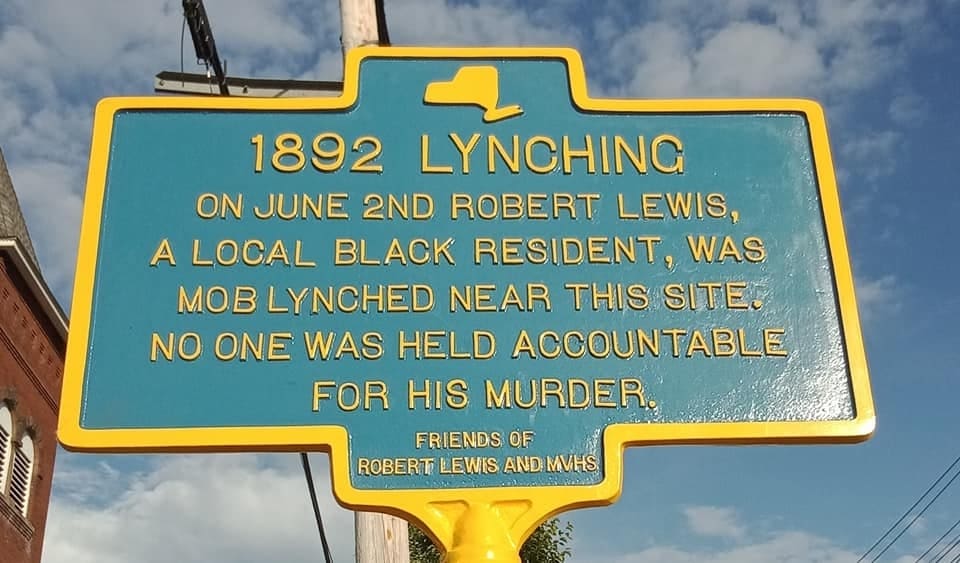
Robert Lewis was brutally beaten and hanged from a tree by a crowd of nearly 2,000 people after being accused of assaulting Lena McMahon, a local white woman. No one was held accountable for his murder.
Continue reading
The Carroll County Courthouse Massacre left 23 Black people dead when an armed white mob attacked an ongoing trial.
Continue reading
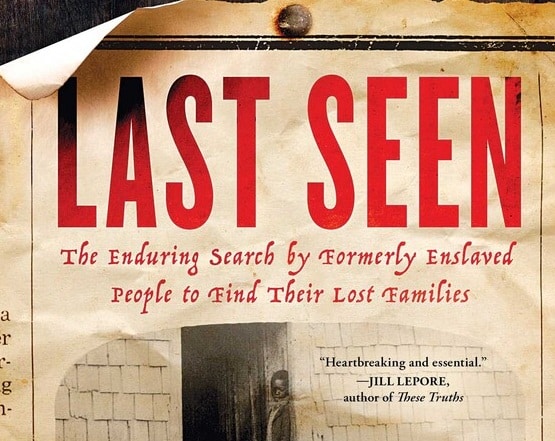
Book — Non-fiction. By Judith Giesberg. 2025. 336 pages.
The story of formerly enslaved people who spent years searching for family members stolen away during slavery.
Continue reading
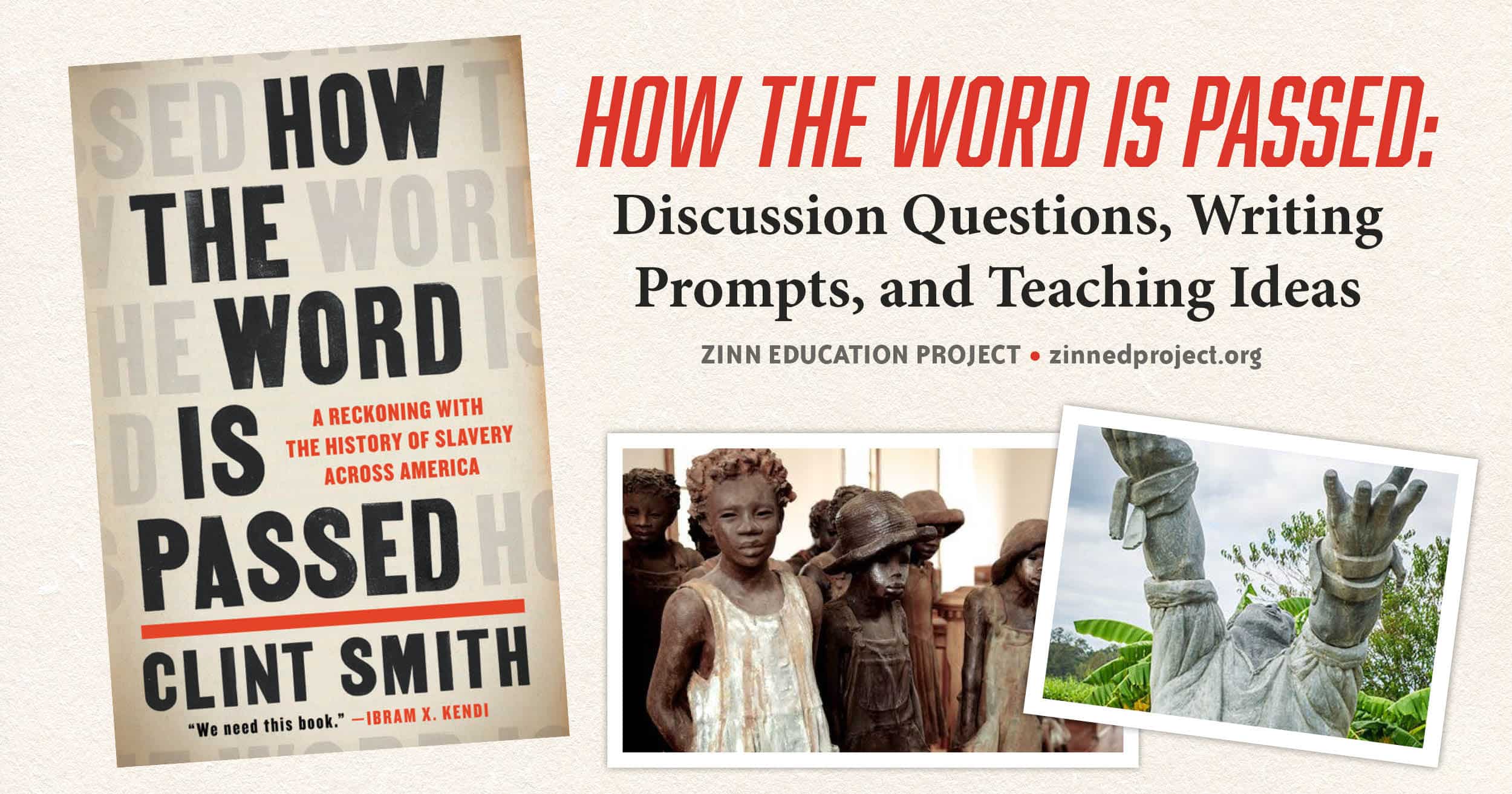
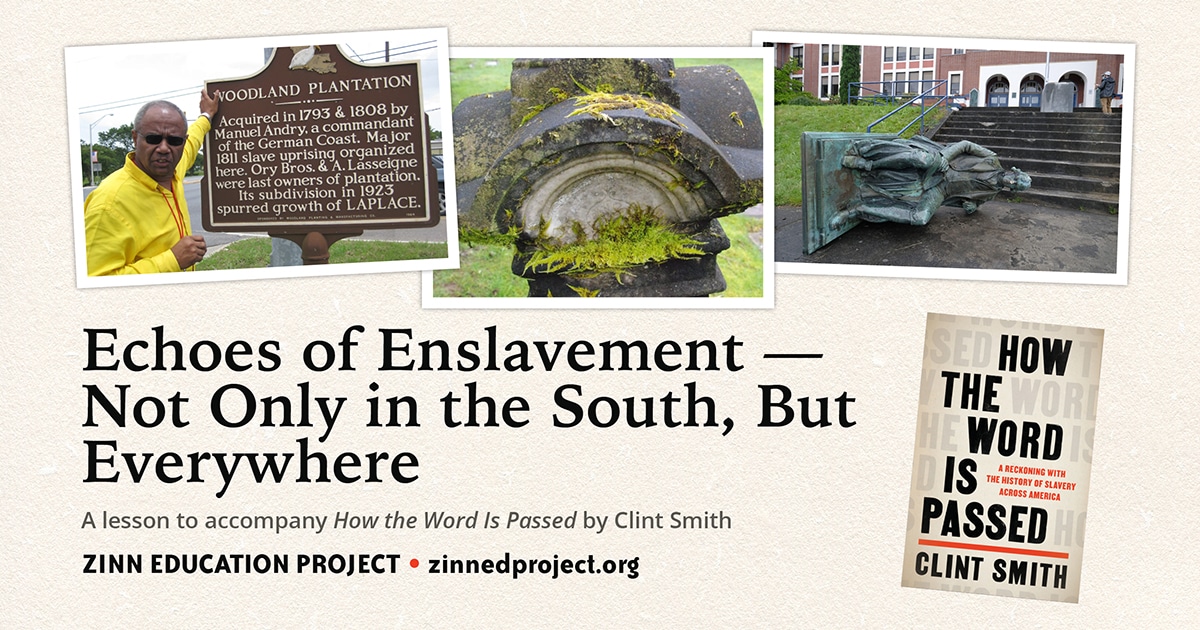
Teaching ideas and discussion questions for How the Word Is Passed: A Reckoning with the History of Slavery Across America by Clint Smith.
Continue reading
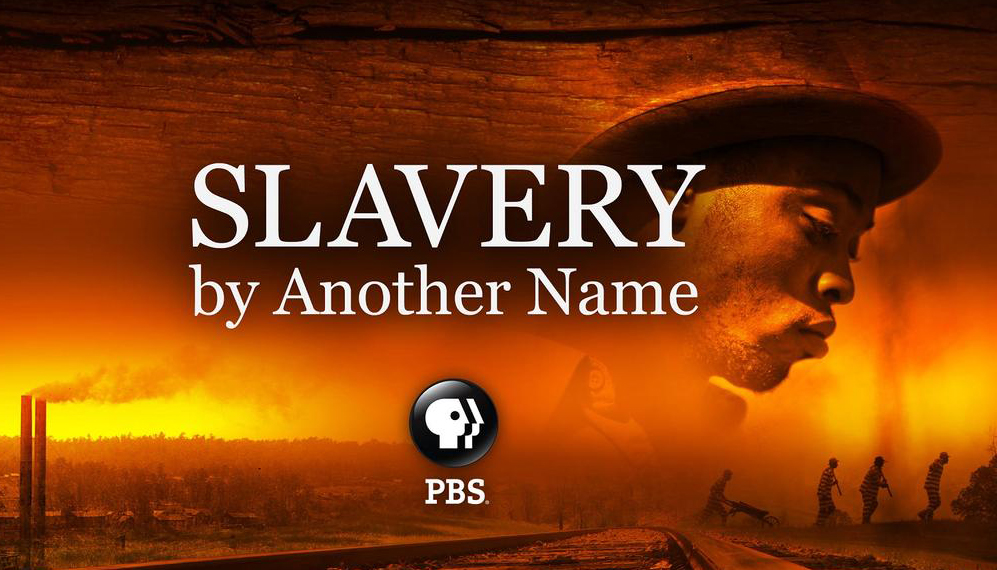
Film. By Sam Pollard, Catherine Allan, Douglas Blackmon and Sheila Curran Bernard. 2012. 90 minutes.
Reveals the interlocking forces in the South and the North that enabled “neoslavery” post-Emancipation Proclamation.
Continue reading
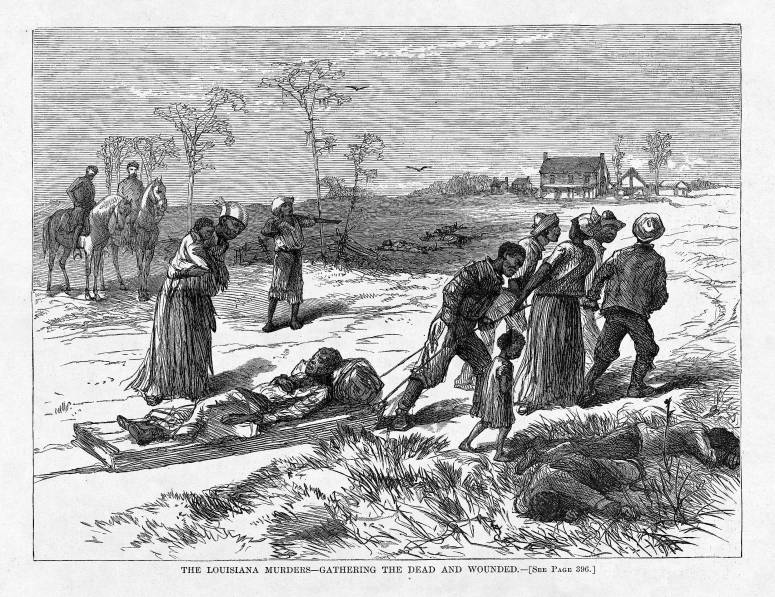
The Ku Klux Klan carried out the Colfax Massacre in response to a Republican victory in the 1872 elections.
Continue reading
Teaching Activity. By Ursula Wolfe-Rocca.
Students discover “echoes of enslavement” in their own state — discrete sites of remembering, forgetting, honoring, lying, or distorting — in this lesson based on the book How the Word Is Passed by Clint Smith.
Continue reading
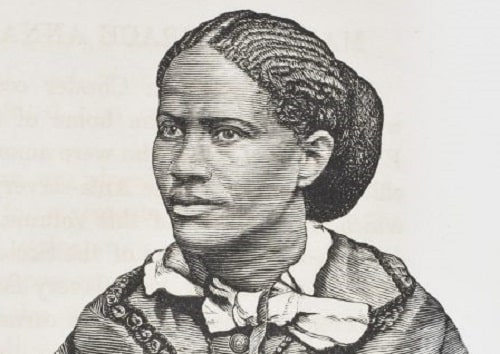
Frances Ellen Watkins Harper spoke in Philadelphia at the Centennial Anniversary of the Pennsylvania Society for Promoting the Abolition of Slavery, urging African Americans to continue organizing for justice.
Continue reading
Learn about the people’s history of Decoration Day (Memorial Day) and the Memorial Day Massacre.
Continue reading
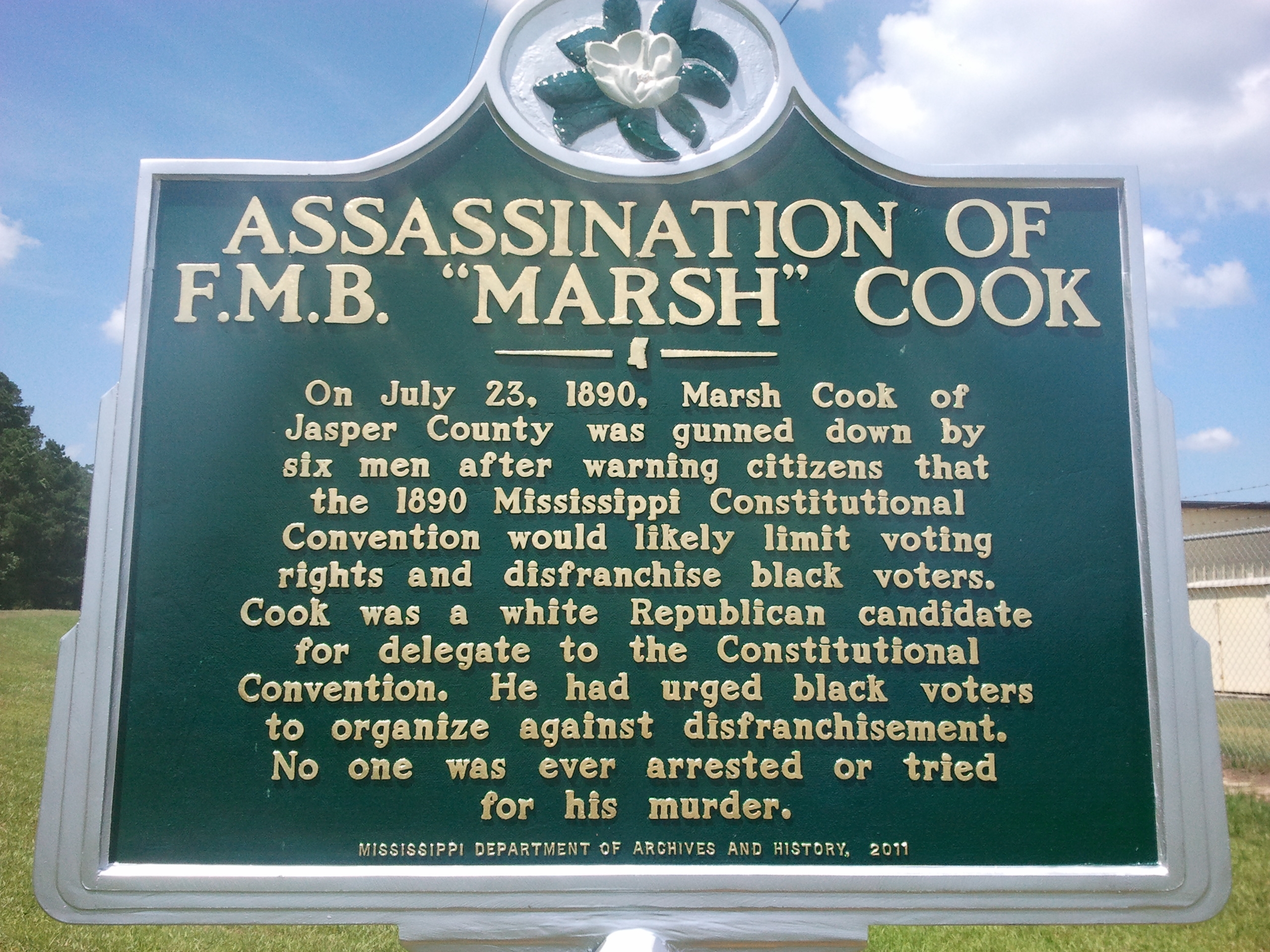
F. M. B. “Marsh” Cook, a white man, was killed for standing up against the white supremacist 1890 Mississippi Constitutional Convention.
Continue reading
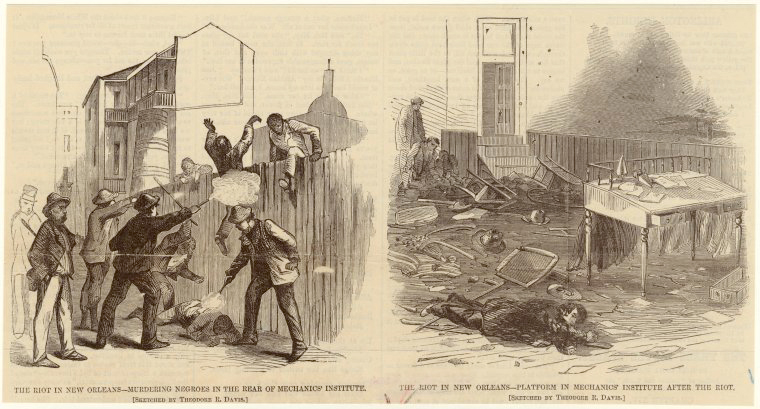
The New Orleans Massacre occurred when white residents attacked Black marchers near the reconvened Louisiana Constitutional Convention.
Continue reading
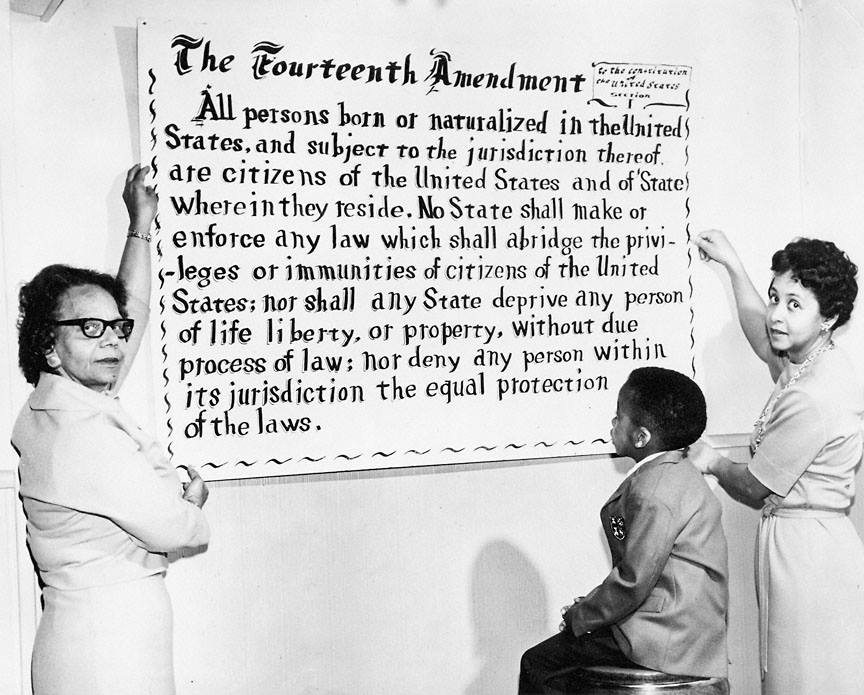
The 14th Amendment to the constitution was passed, granting citizenship to “all persons born or naturalized in the United States.”
Continue reading
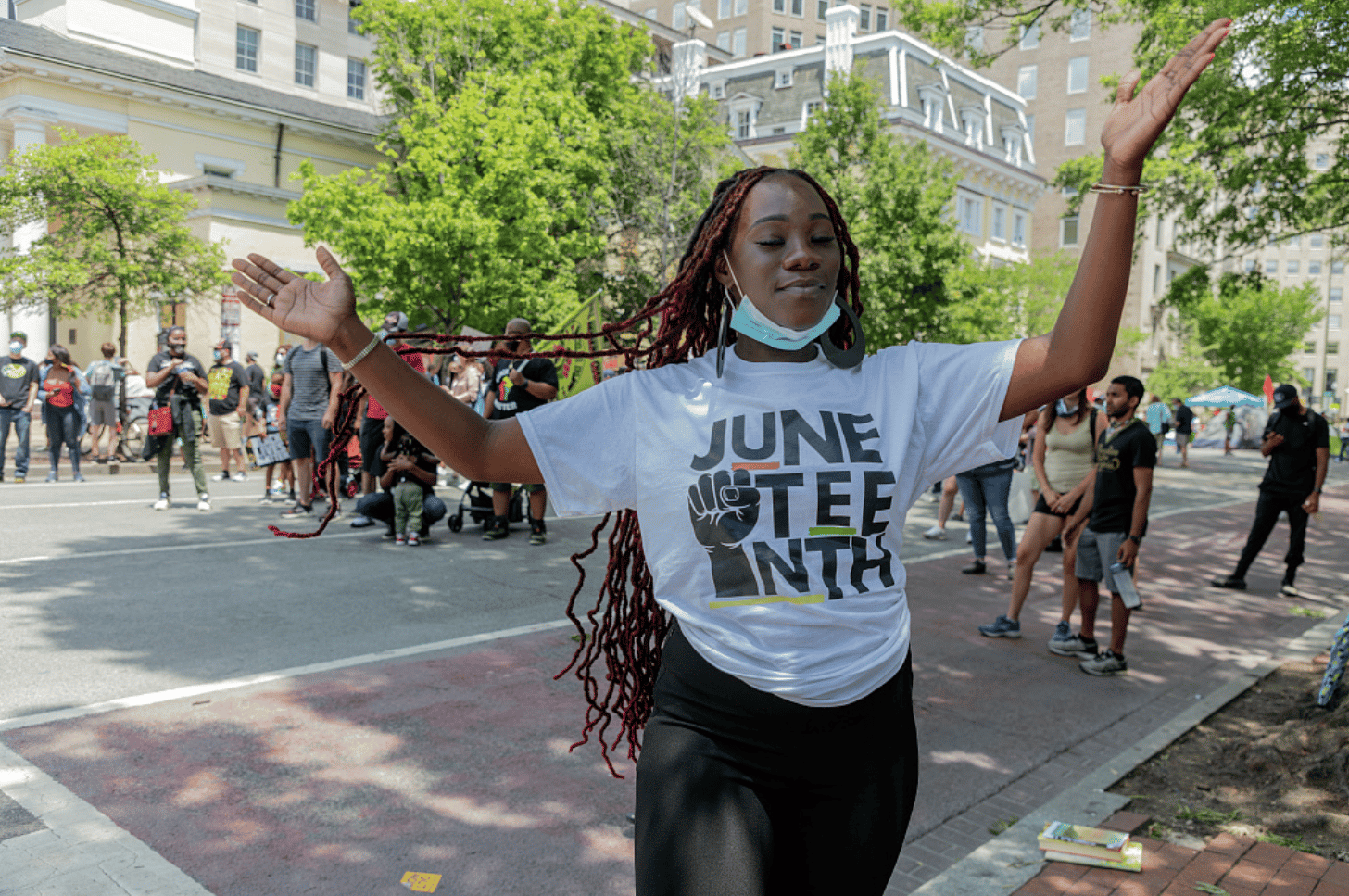
Juneteenth — June 19th, also known as Emancipation Day — Juneteenth — is one of the many commemorations of people seizing their freedom in the United States.
Continue reading
Teaching Activity. By Adam Sanchez and Nqobile Mthethwa. 25 pages.
A mixer role play explores the connections between different social movements during Reconstruction.
Continue reading
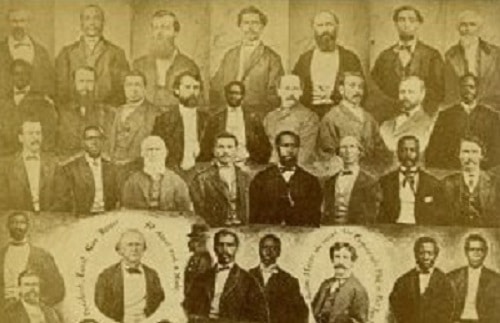
The South Carolina constitutional convention met with a majority of Black delegates, adopting a constitution that provided for all people regardless of race, economic class, or gender.
Continue reading
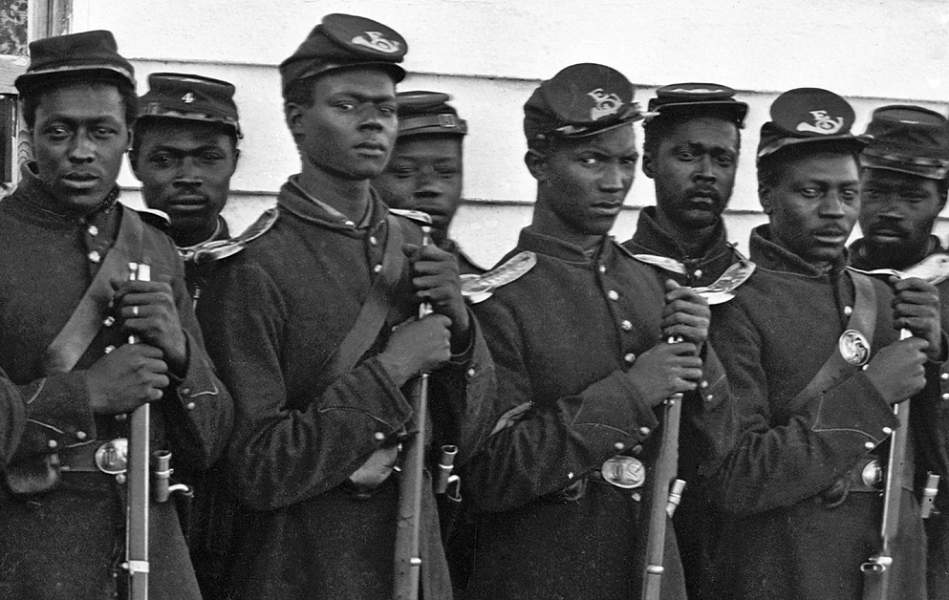
The U.S. Civil War ended when the Confederate Army of Northern Virginia surrendered to U.S. General Ulysses S. Grant at Appomattox Court House in south-central Virginia.
Continue reading
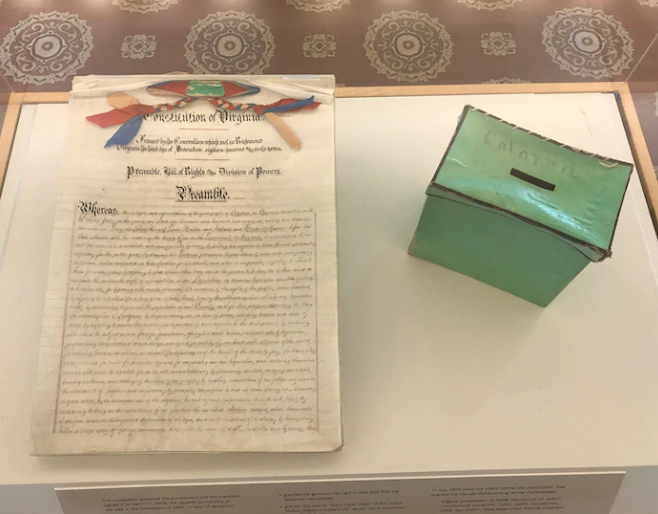
African Americans tested their right to vote and when denied, cast their own “freedom ballots,” on election day in Norfolk, Virginia.
Continue reading
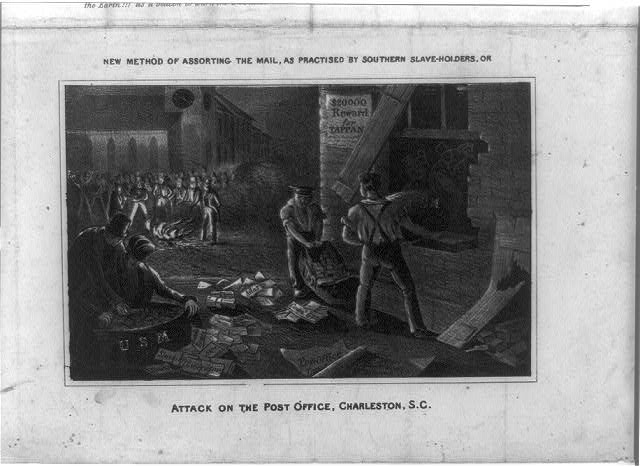
Late night raid on the Charleston post office by a mob of white supremacists and the burning of abolitionist mail.
Continue reading
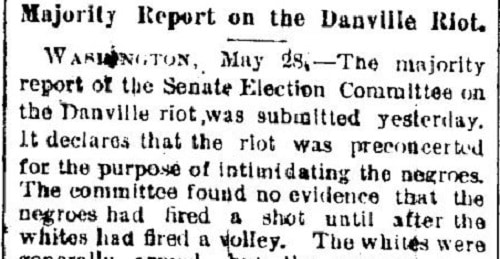
African Americans voters were threatened after the Danville Riot, leading to their loss of political power in this majority African American city in Virginia.
Continue reading
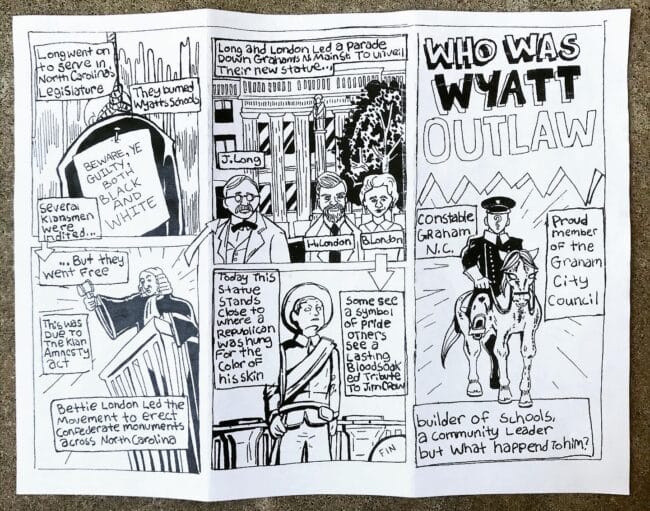
Wyatt Outlaw, a Union veteran who became the first Black town commissioner of Graham, North Carolina, was seized from his home and lynched by members of the Ku Klux Klan known as the White Brotherhood, which controlled the county.
Continue reading