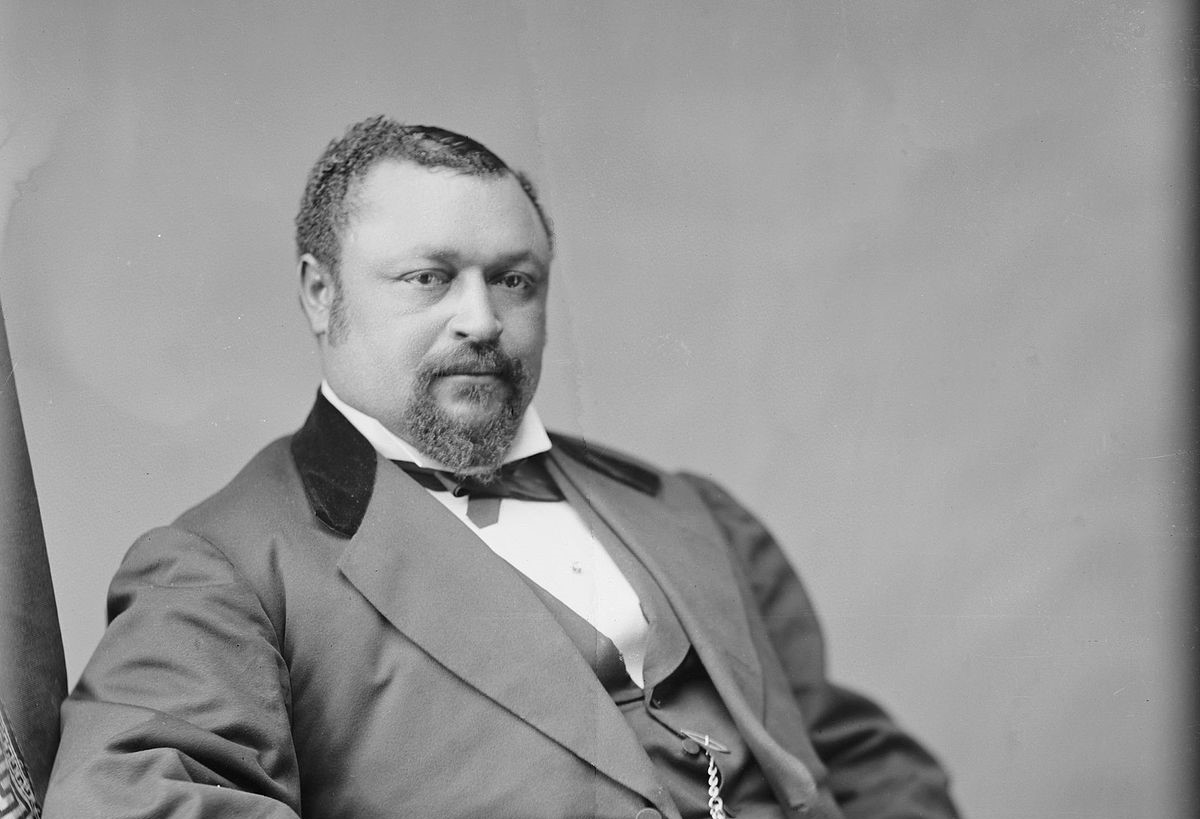
Blanche K. Bruce became Register of the Treasury, which placed his name on all U.S. currency.
Continue reading
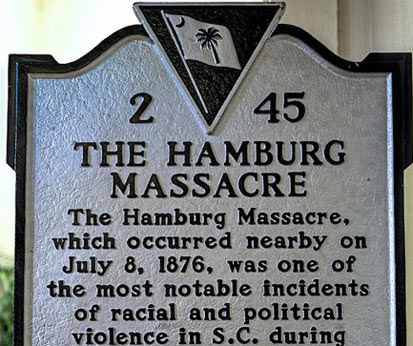
During a clear sign of Reconstruction era voter suppression, a Black militia was accused of blocking a road and punished with the Hamburg Massacre.
Continue reading
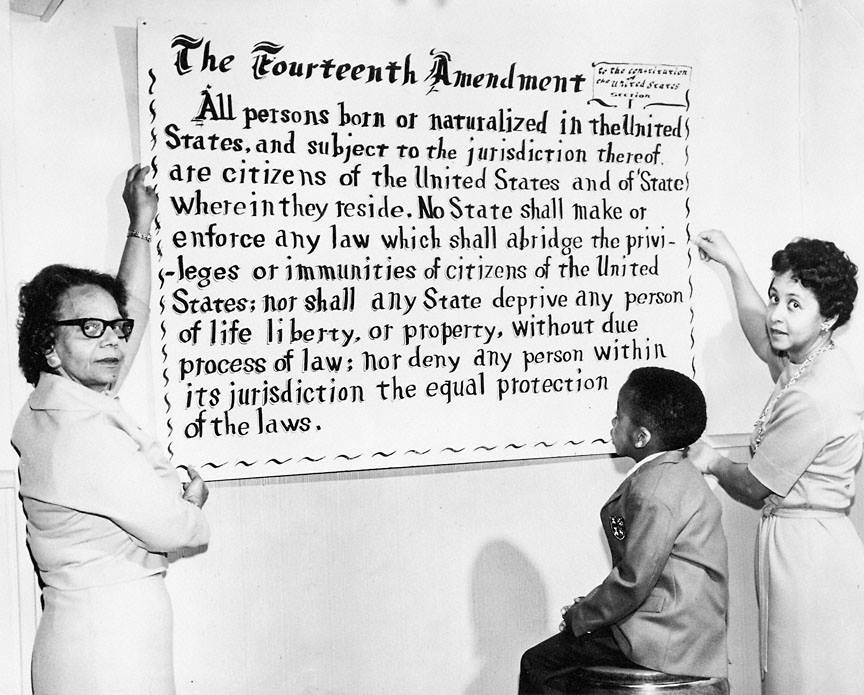
The Fourteenth Amendment to the United States Constitution was adopted.
Continue reading
The Southern Homestead Act of 1866 was signed, providing land to the formerly enslaved, lands which had been stolen from the Native American inhabitants.
Continue reading
Article. By Amy Trenkle.
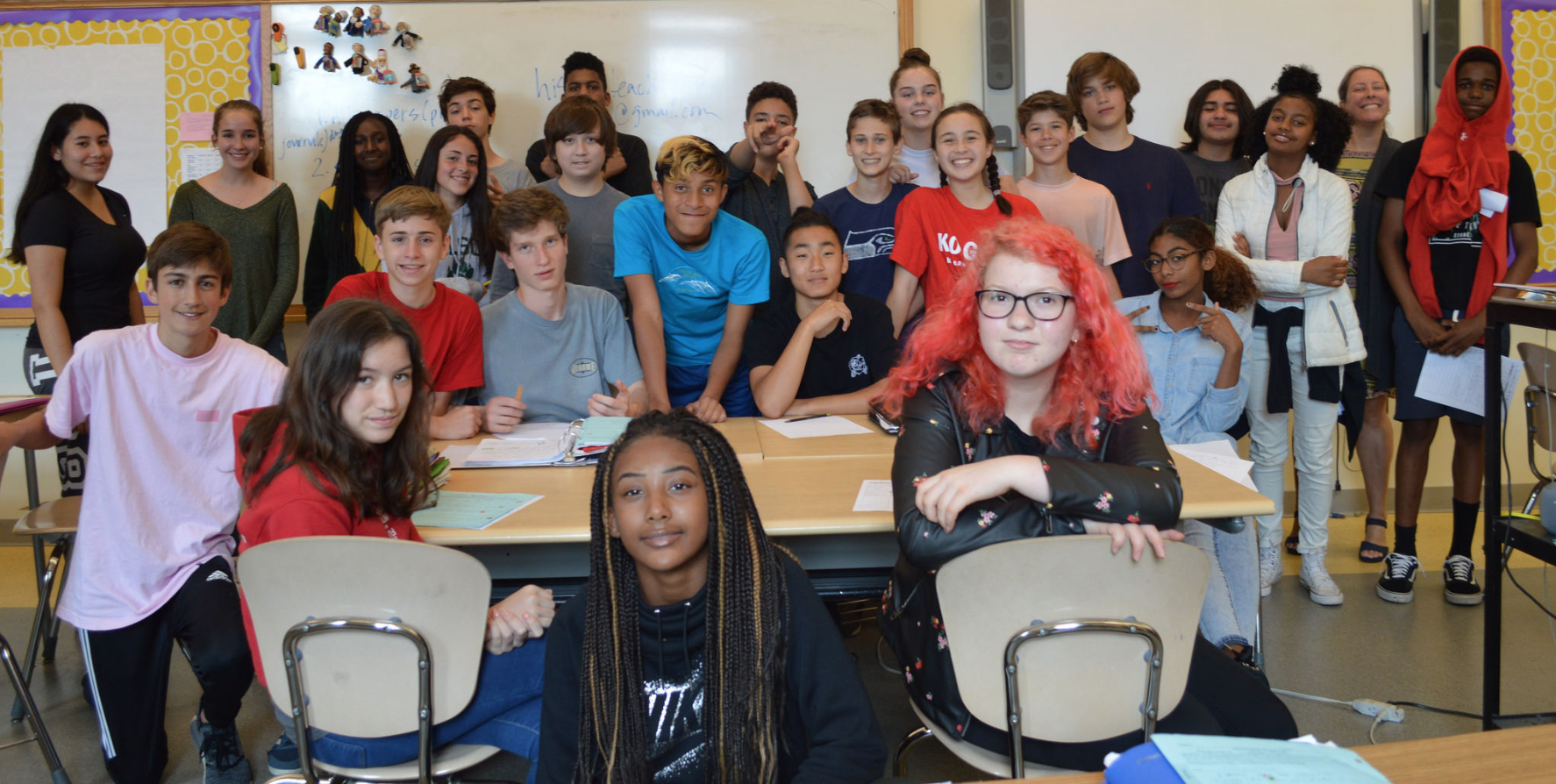
One of the teachers who piloted the Make Reconstruction History Visible project with her students shares the process she used.
Teaching Activity by Amy Trenkle
Continue reading
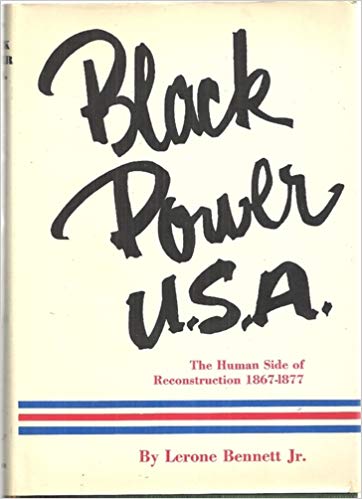
Book — Non-fiction. By Lerone Bennett Jr. 1967. 426 pages.
A bottom-up, student friendly text about the people's history of Reconstruction.
Continue reading
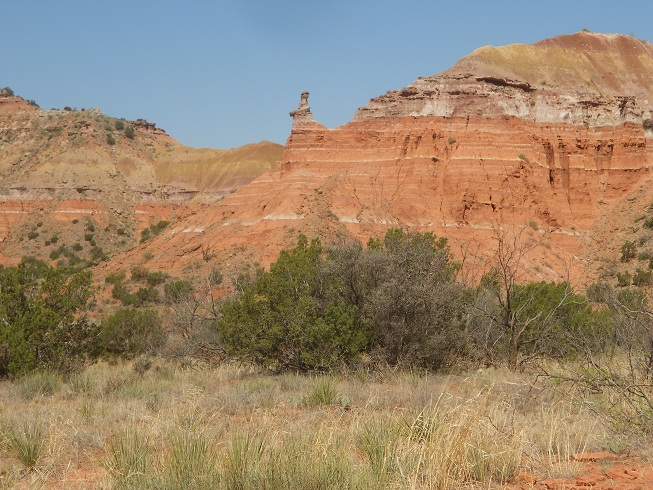
Encampments of Comanches, Kiowas, Kiowa Apaches, Cheyennes, and Arapahos were attacked by the U.S. military.
Continue reading
In response to the promotion of voter registration, a KKK-like group massacred hundreds of people, most of whom were African American.
Continue reading
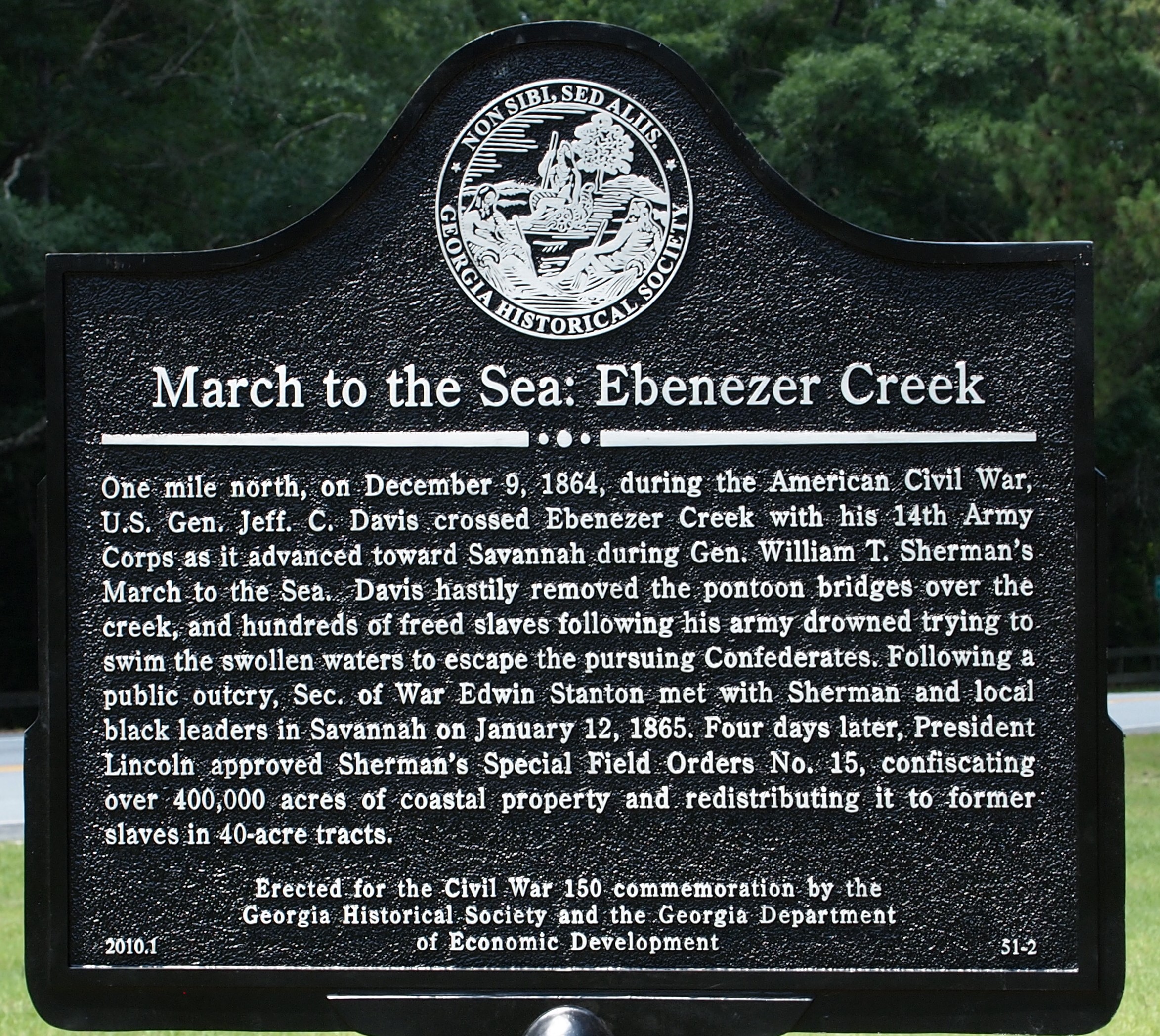
People who had escaped from slavery and were following the Union Army, were blocked from crossing the Ebenezer Creek, leading to their death.
Continue reading
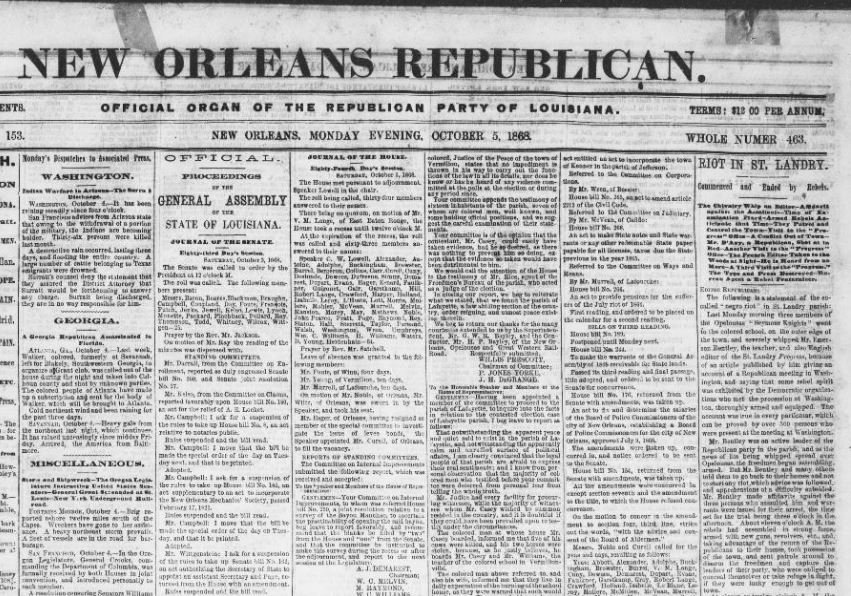
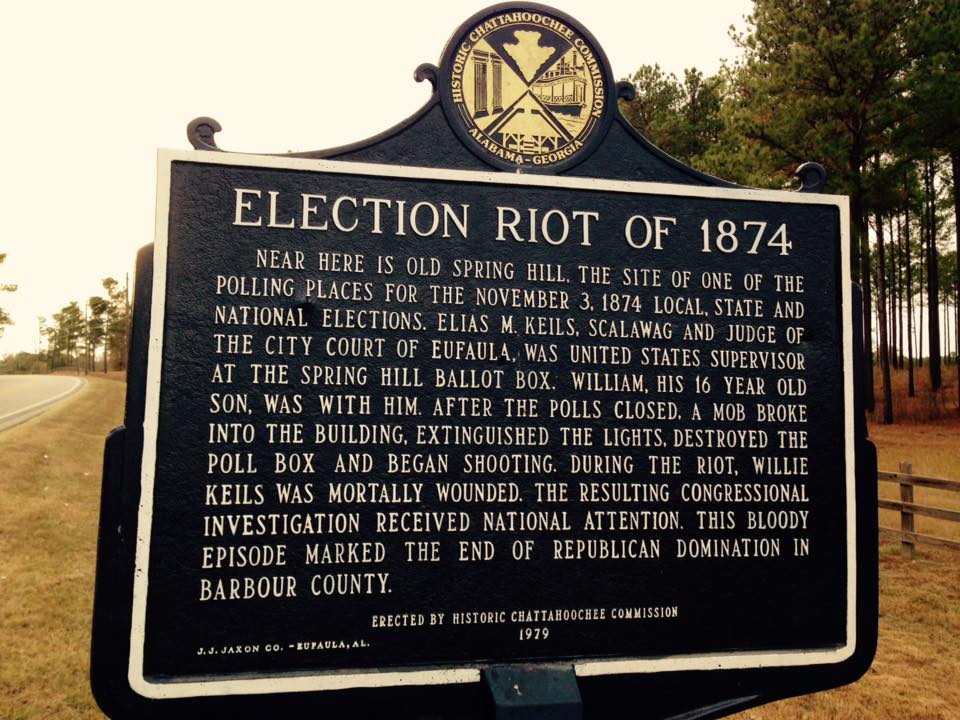
Deadly election “riots” took place in Barbour County, Alabama against African American politicians and voters.
Continue reading
Nearly 50 African-Americans were killed by white mobs during the Clinton Riot.
Continue reading
The Georgia Constitutional Convention was held with 33 African Americans and 137 white attendees.
Continue reading
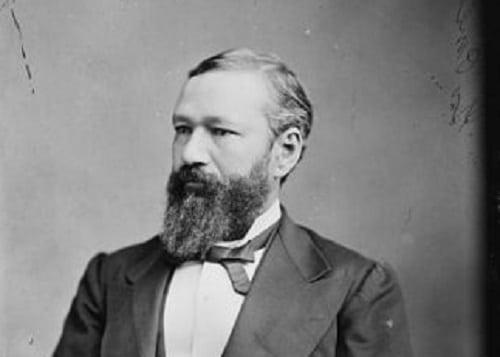
P. B. S. Pinchback of Louisiana became the second Black governor in the United States.
Continue reading
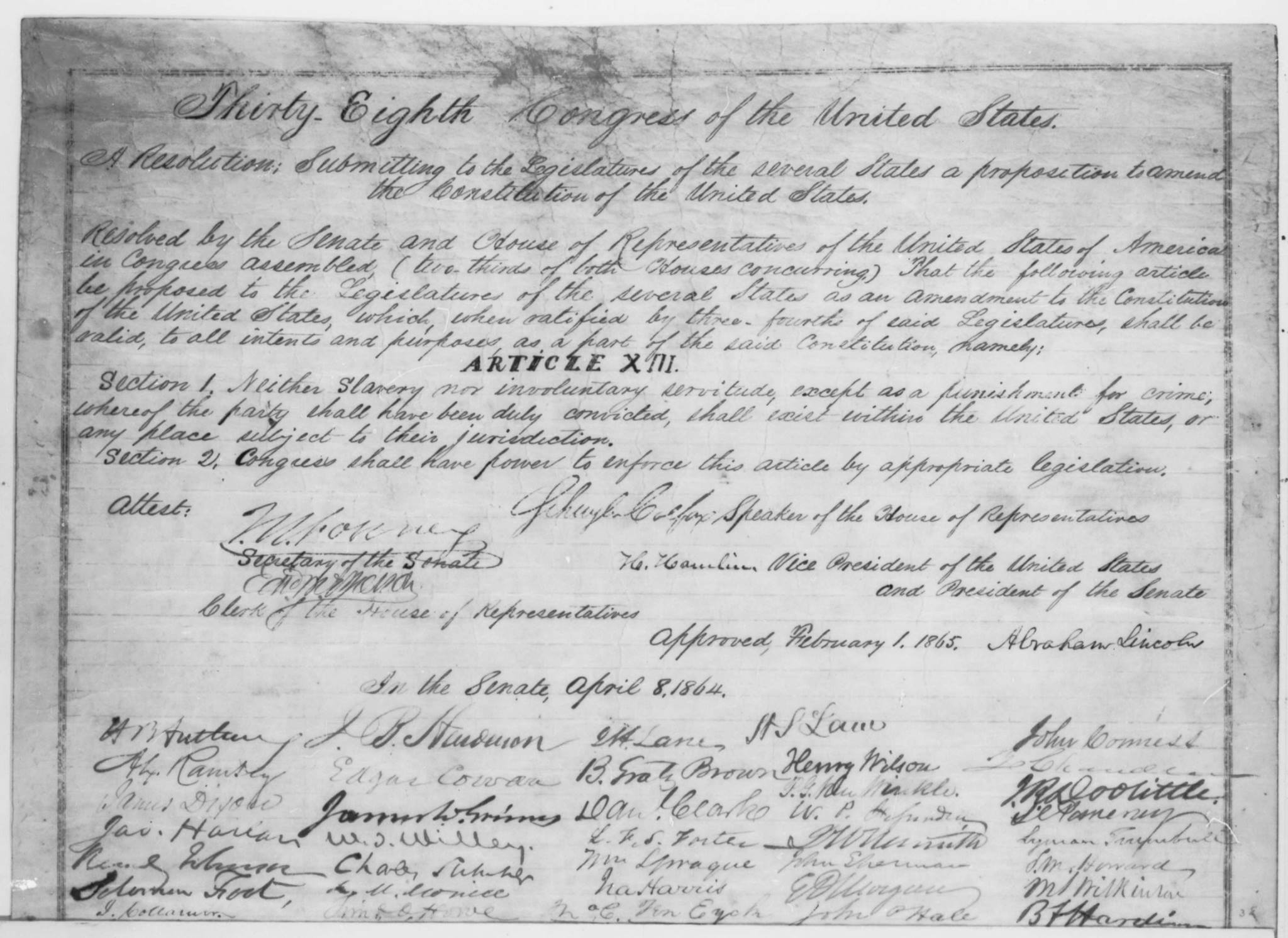
Secretary of State William H. Seward declared the 13th Amendment to the United States Constitution to have been adopted.
Continue reading
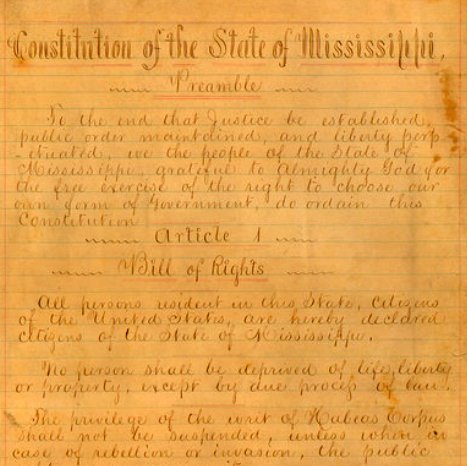
The Mississippi Constitution was one of the first pieces of legislation that provided a uniform system of free public education for children regardless of race.
Continue reading
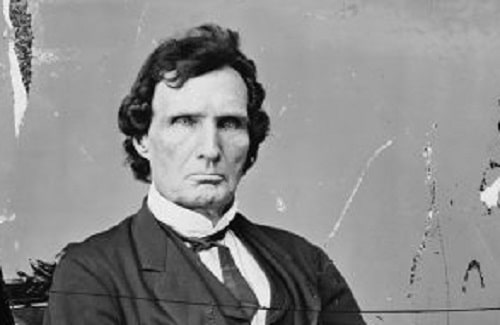
Congressman Thaddeus Stevens offered an amendment to the Freedmen's Bureau Bill to authorize the distribution of public land.
Continue reading
The Bureau of Refugees, Freedmen, and Abandoned Lands was established within the War Department to undertake the relief effort and social reconstruction after the Civil War.
Continue reading
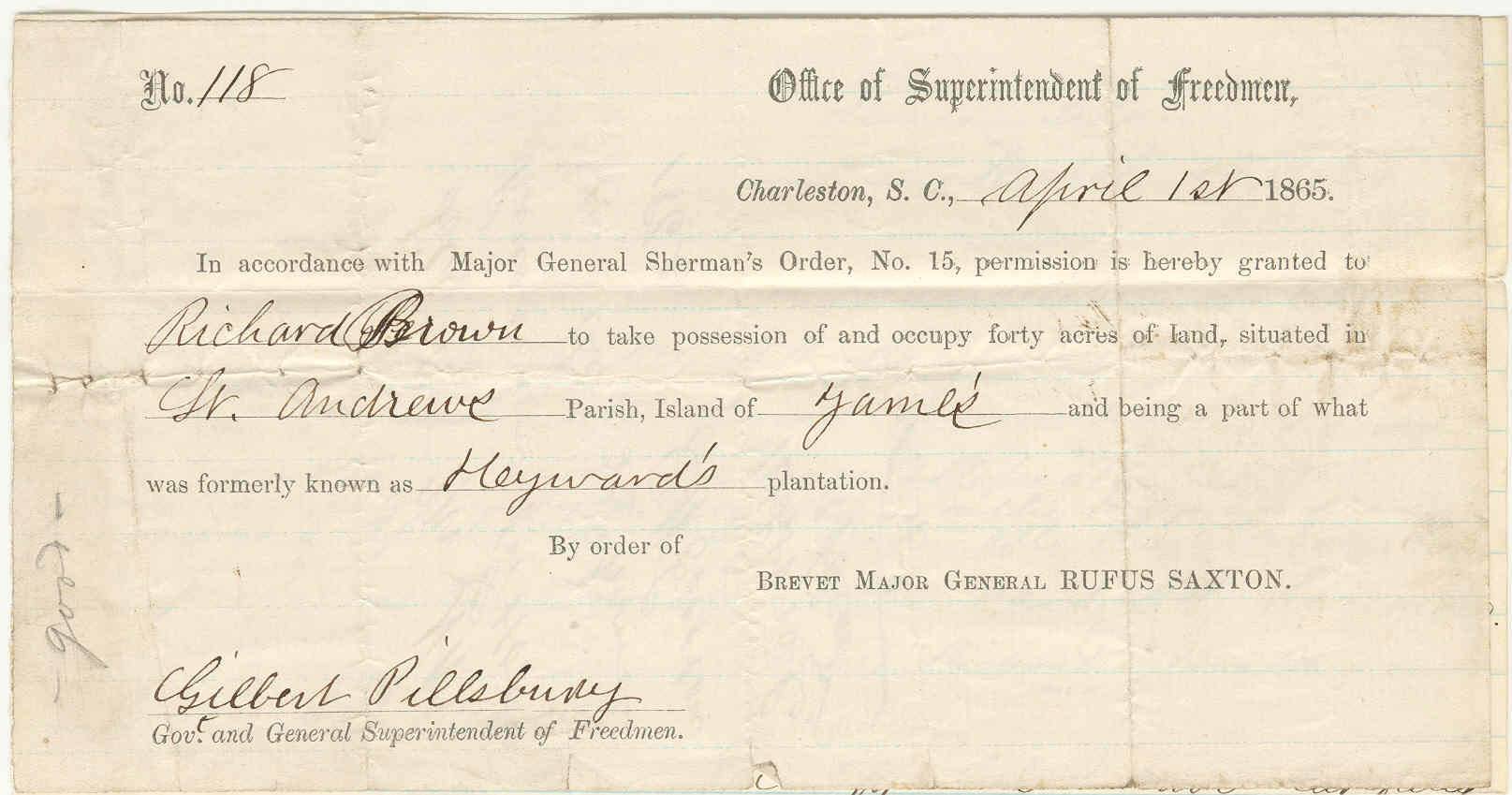
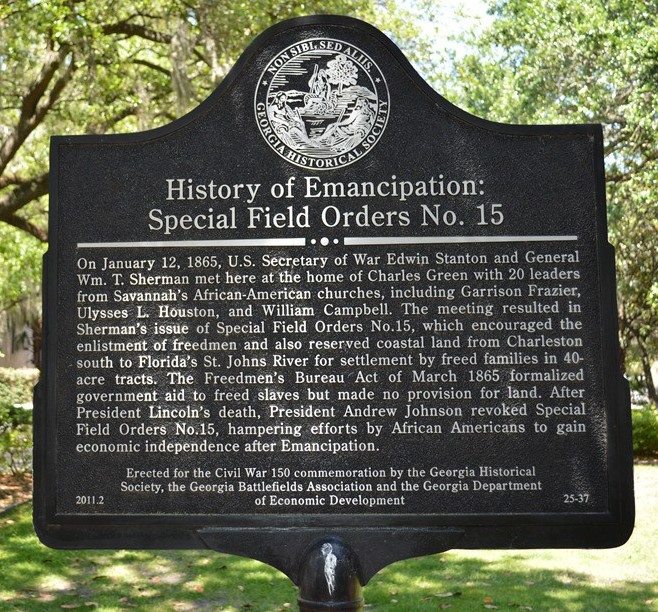
Demands by Black ministers after the Ebenezer Creek Massacre led to the short-lived land distribution during Reconstruction known as Special Field Order No. 15.
Continue reading
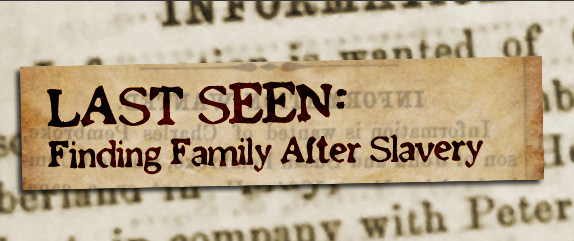
During the Reconstruction Era, people emancipated from slavery searched for their loved ones throughout the United States and Canada. They often used "last seen" ads. This is one case of successful reunification.
Continue reading
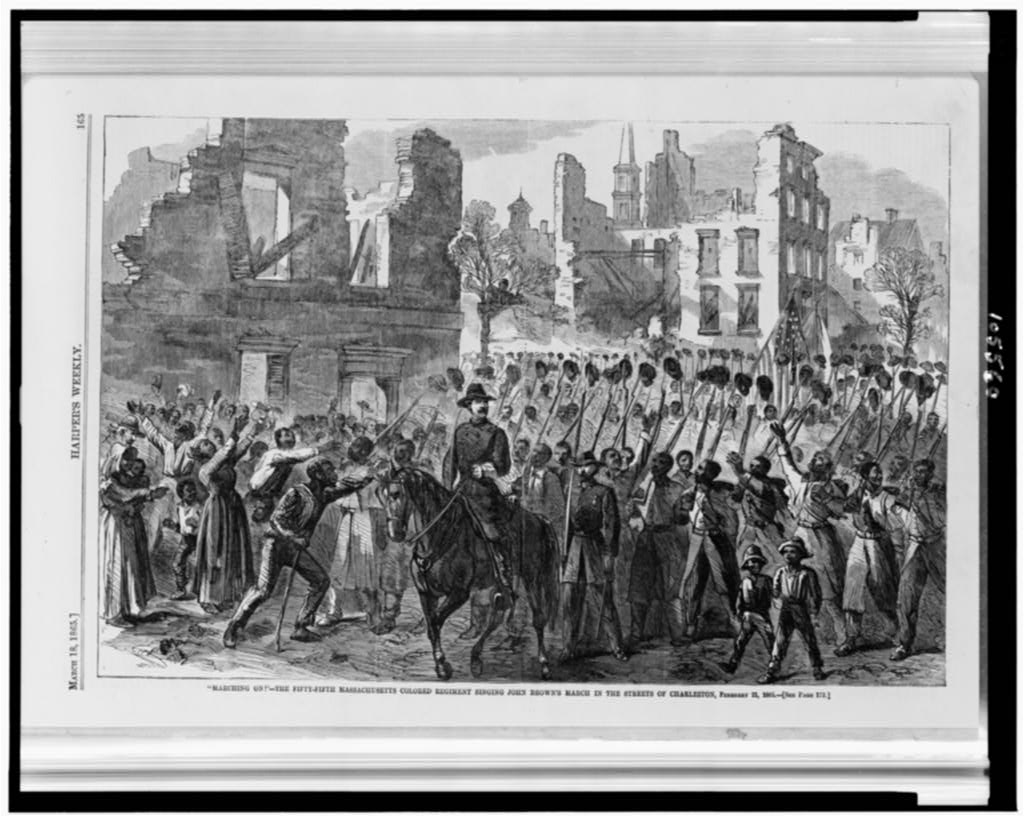
The Union Army moved into Charleston, South Carolina, the city where the Civil War had begun four years earlier.
Continue reading
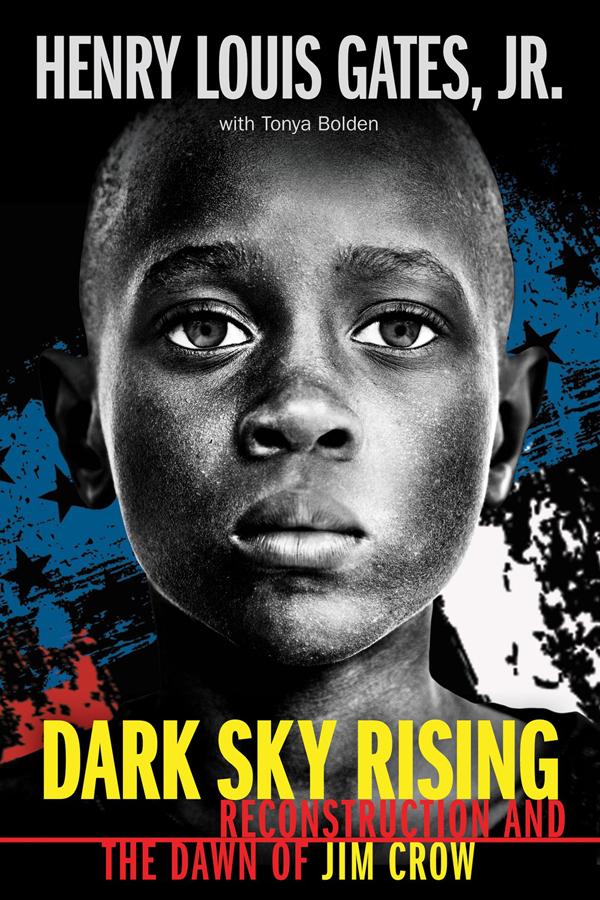
Book — Non-fiction. By Henry Louis Gates Jr. with Tonya Bolden. 2019. 240 pages.
Readers trace the rise and fall of racial equity during Reconstruction as increasingly violent white supremacy and new forms of oppression take hold at the turn of the 20th century.
Continue reading
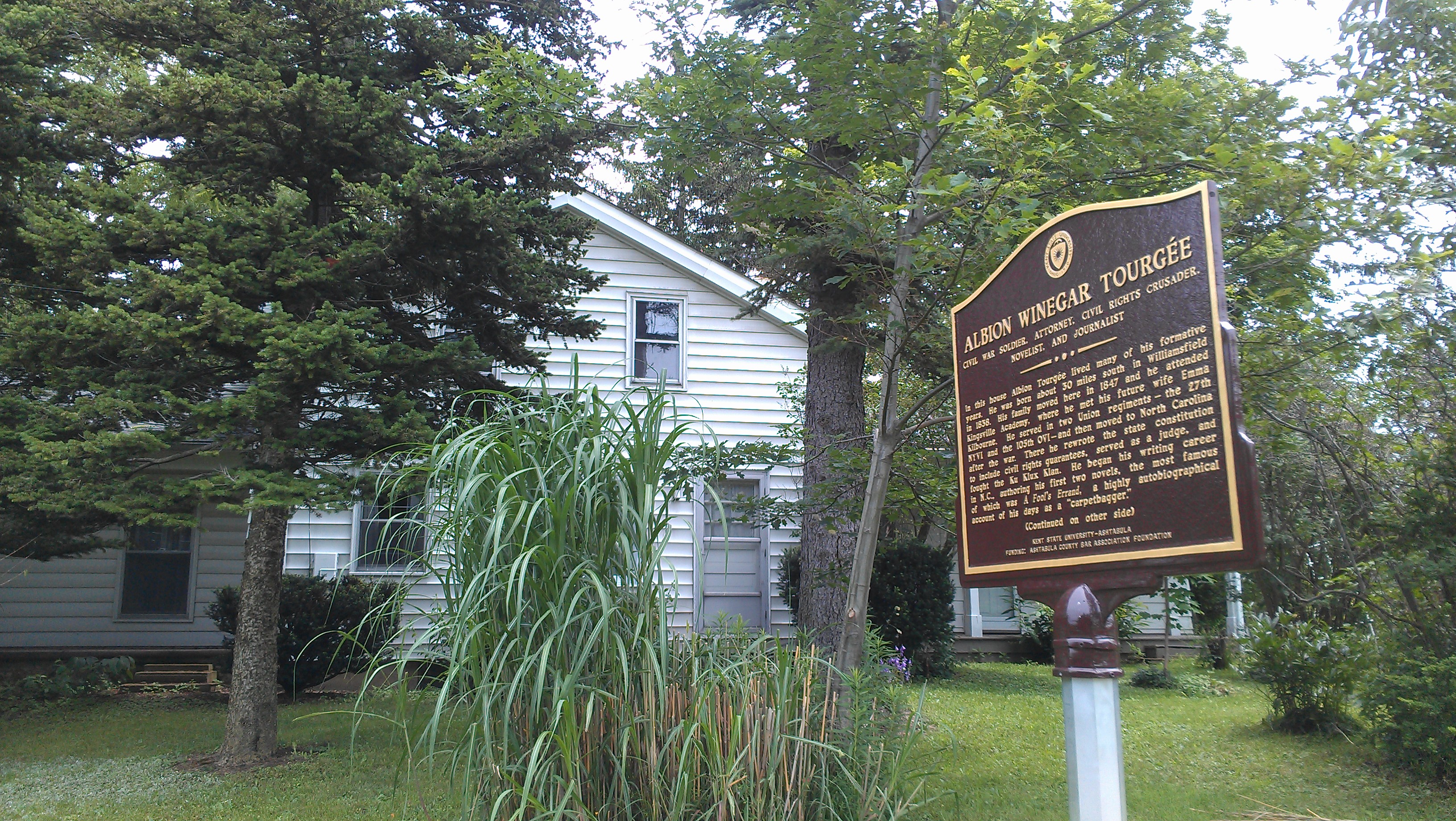
Article. By Richard Dana.
A group of students at Kent State University-Ashtabula helped secure local recognition for Reconstruction era lawyer and writer Albion Tourgee, including a historical marker at his birthplace.
Continue reading
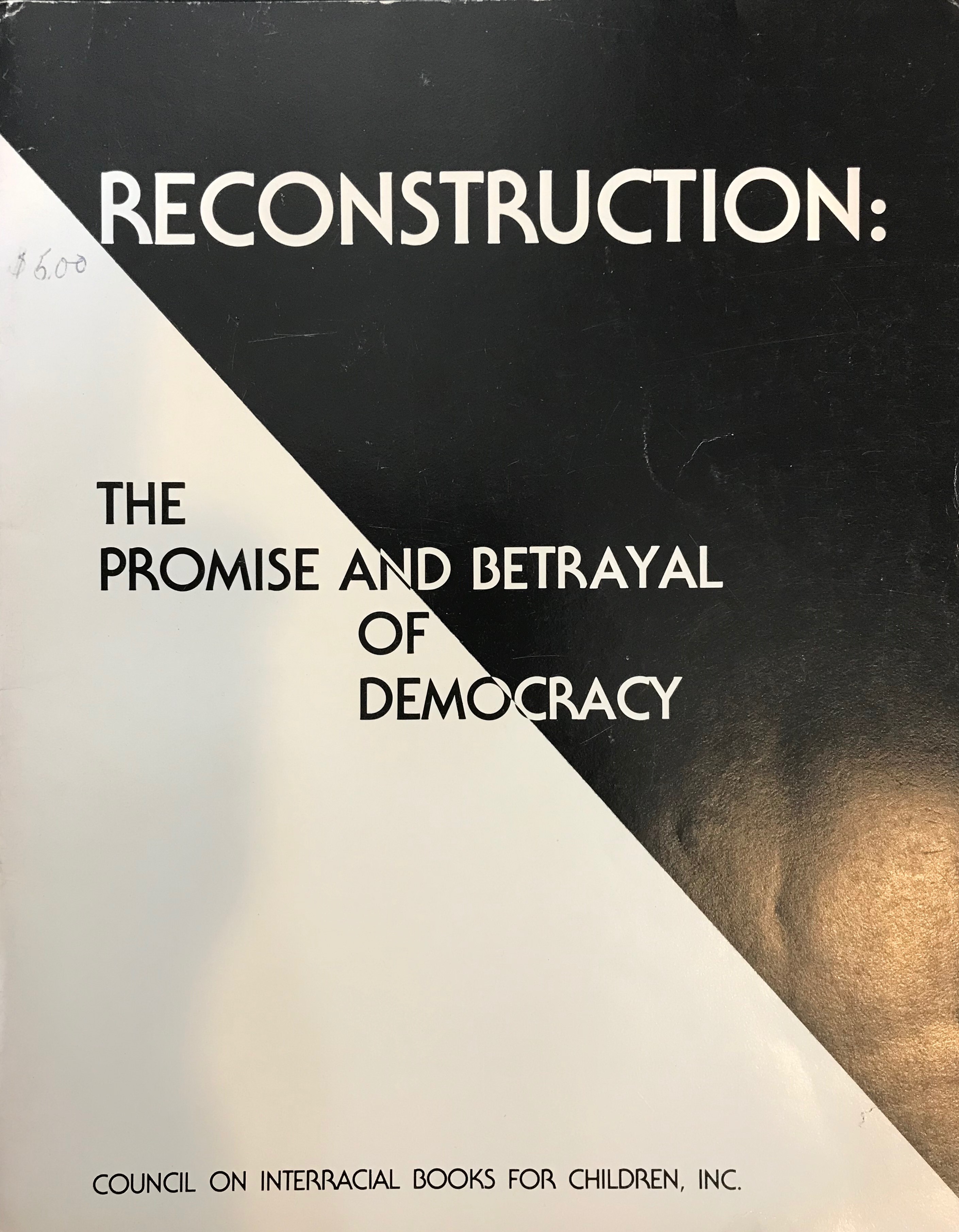
Book — Non-fiction. By Robert B. Moore with Beryle Banfield. 1983. 40 pages.
Critique and analysis of textbook coverage of the Reconstruction era.
Continue reading
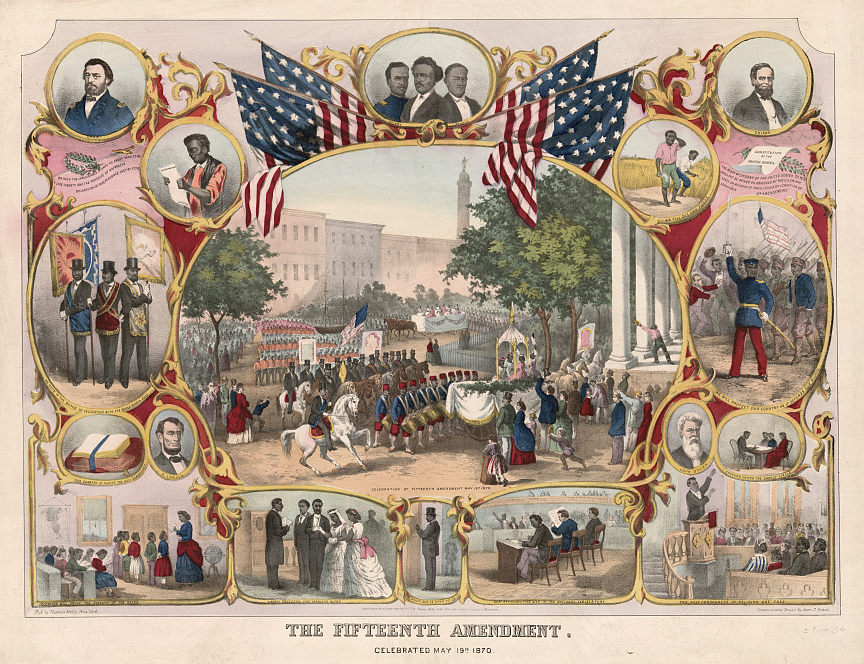
Teaching materials and guides on the 15th Amendment's significance in 2020 — its 150th anniversary and an election year.
Continue reading
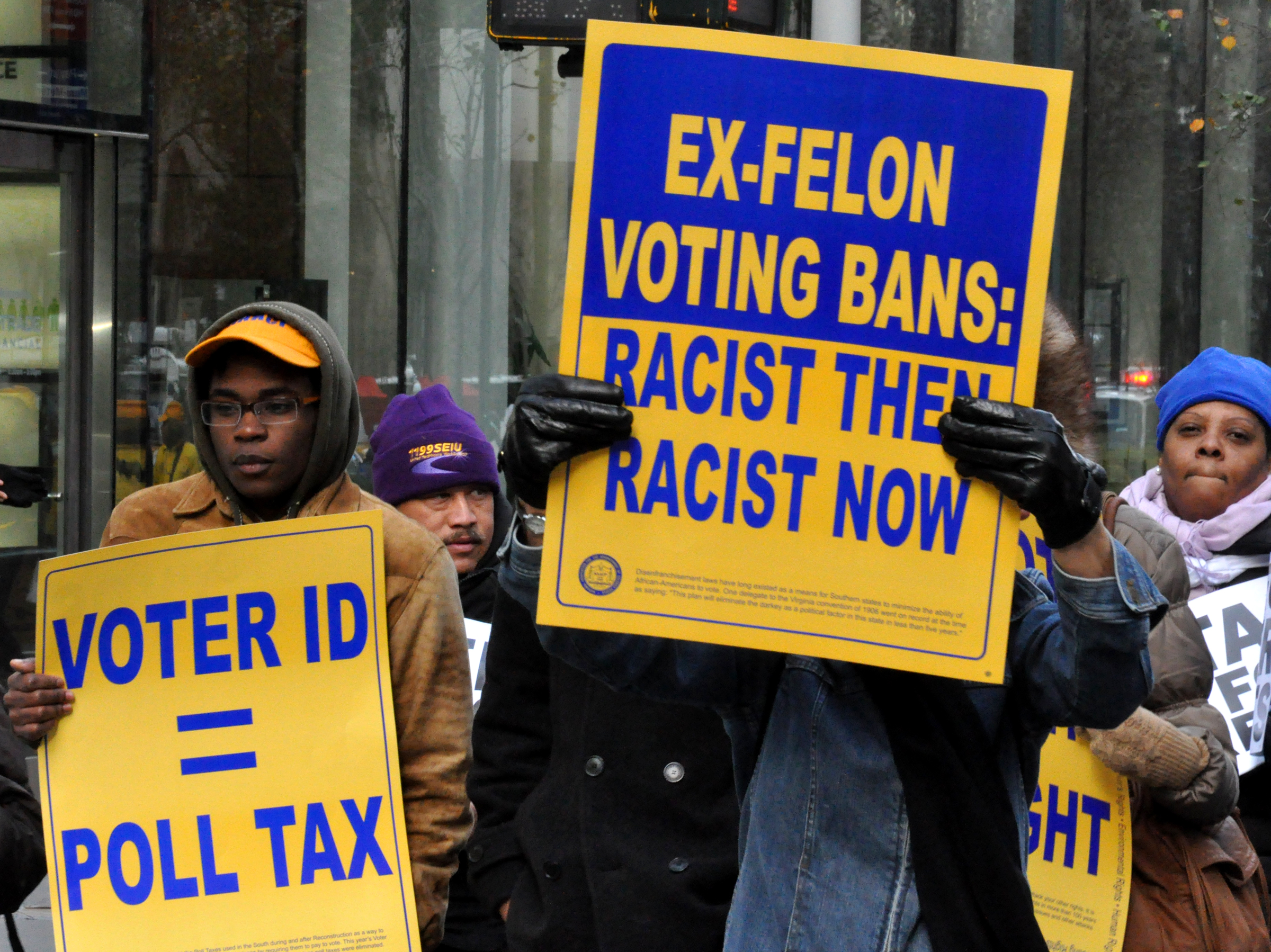
Though our students' textbooks suggest otherwise, on this 150th anniversary of the 15th Amendment the struggle for ballot access is not over.
Continue reading